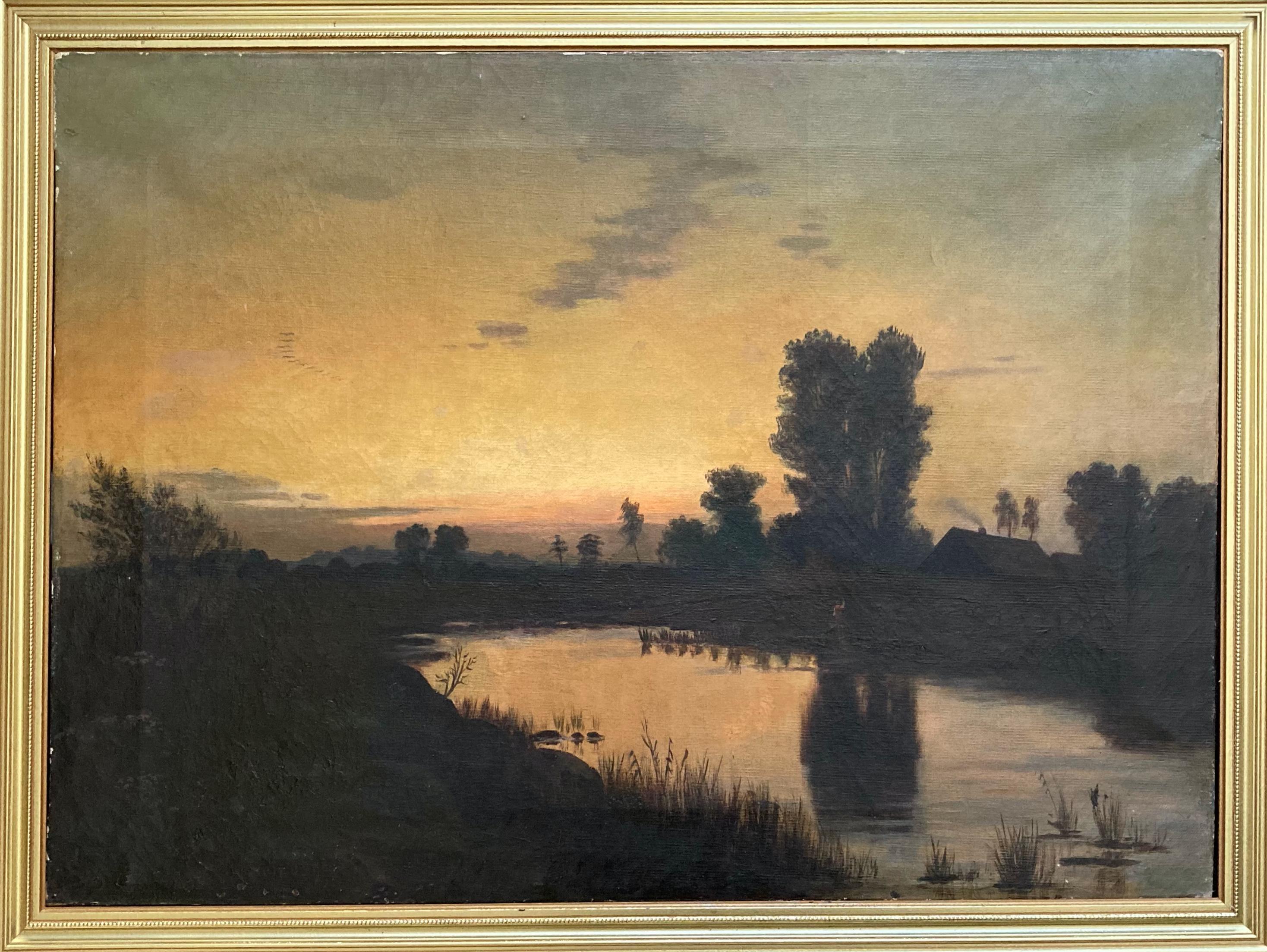
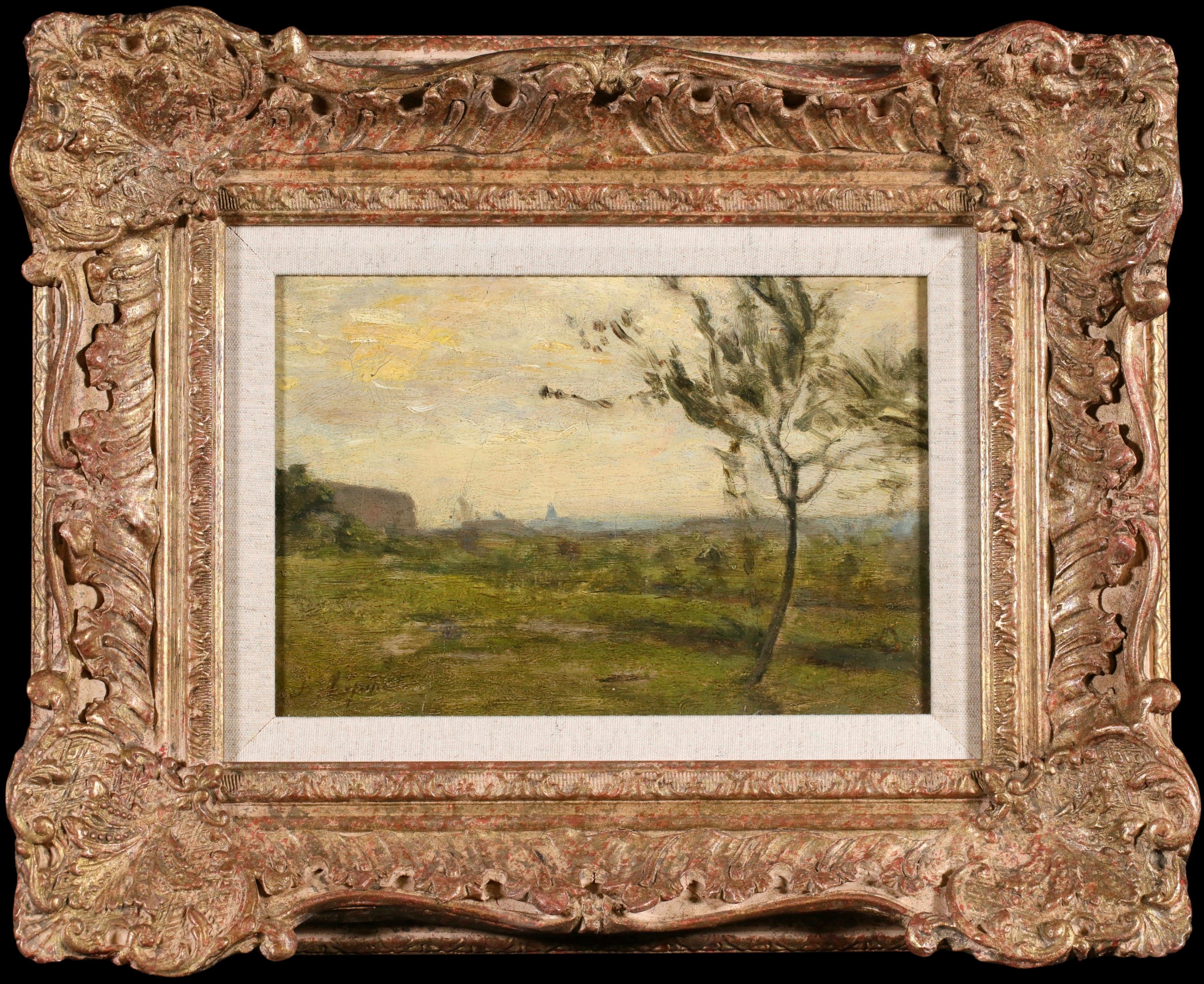
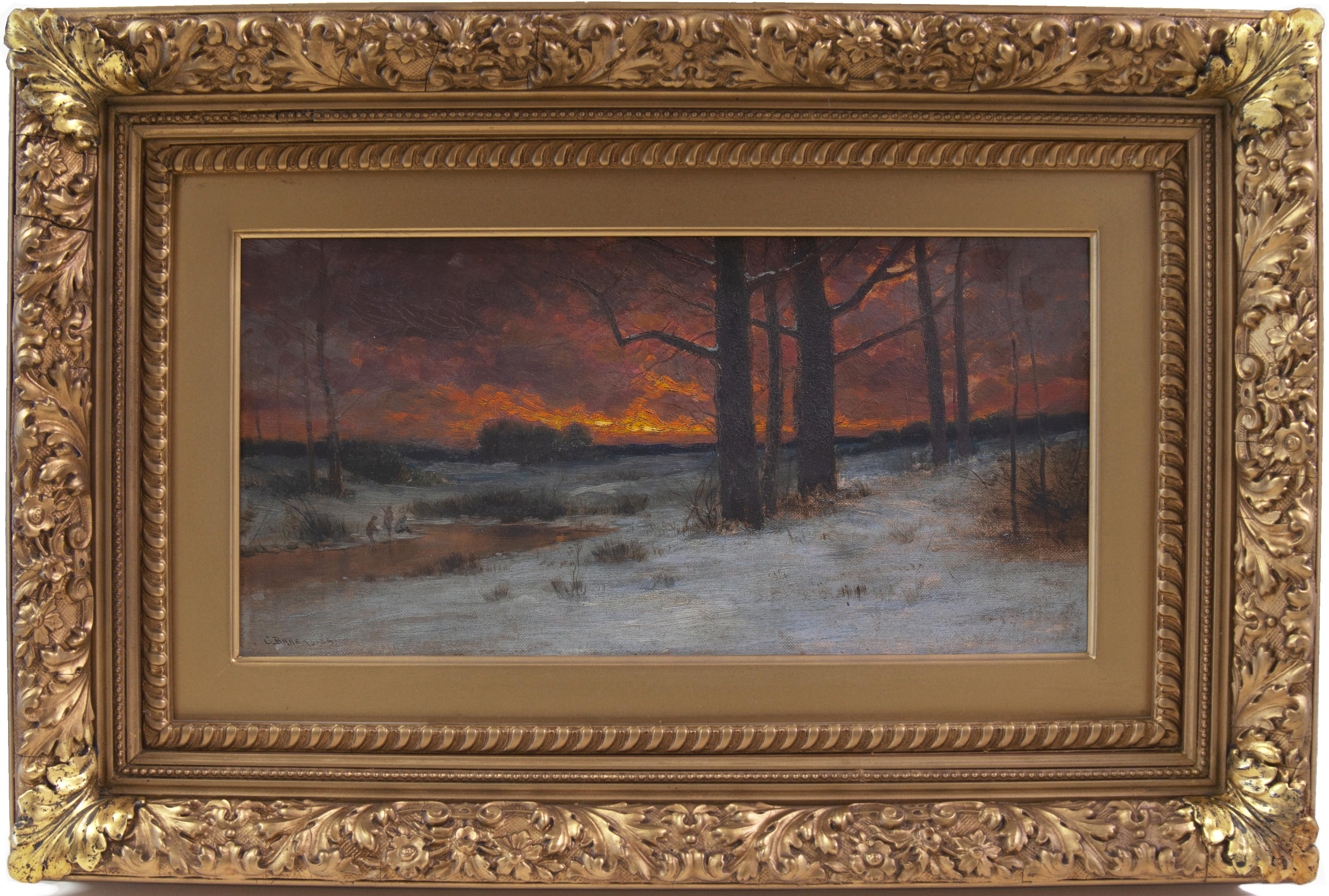
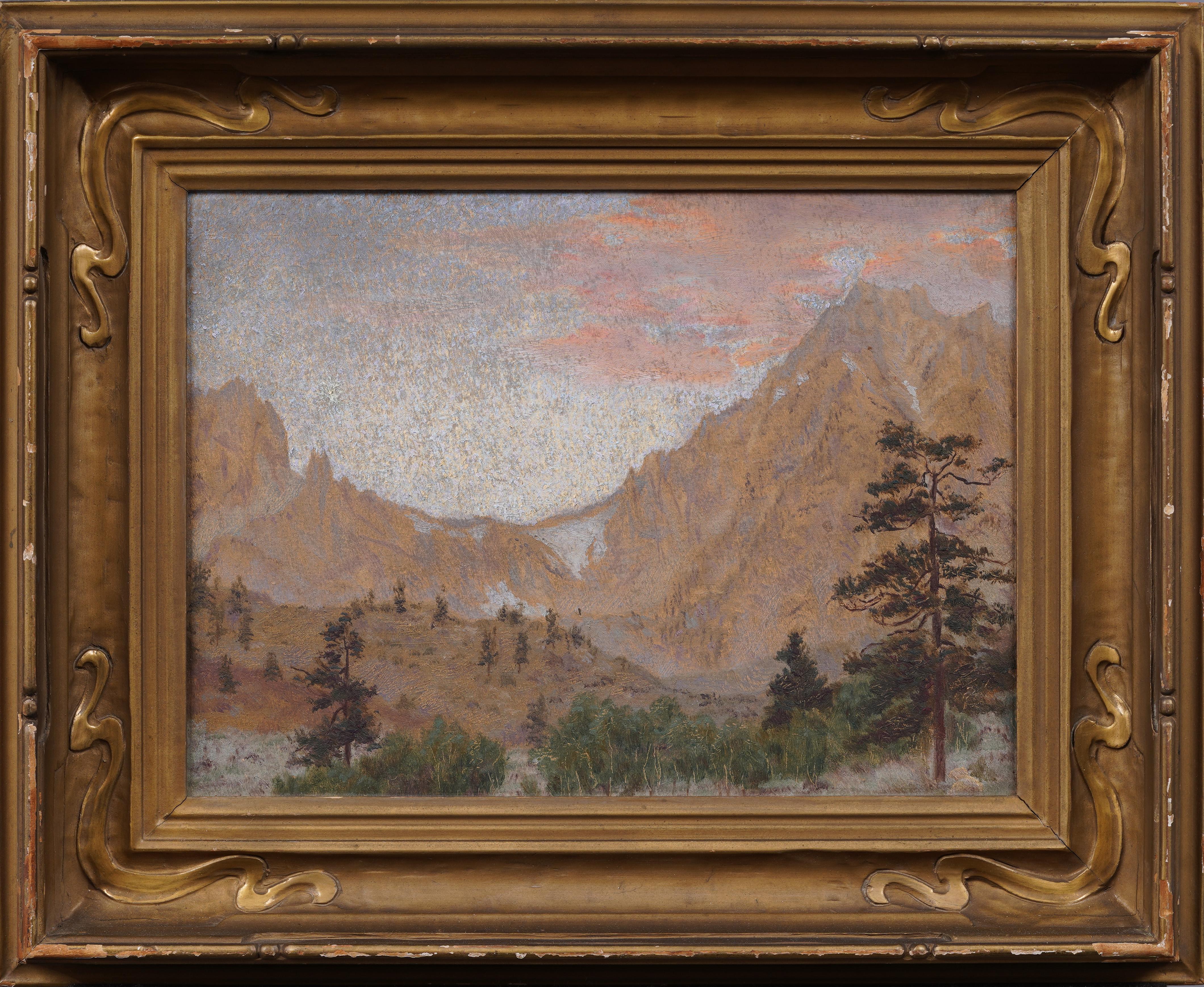
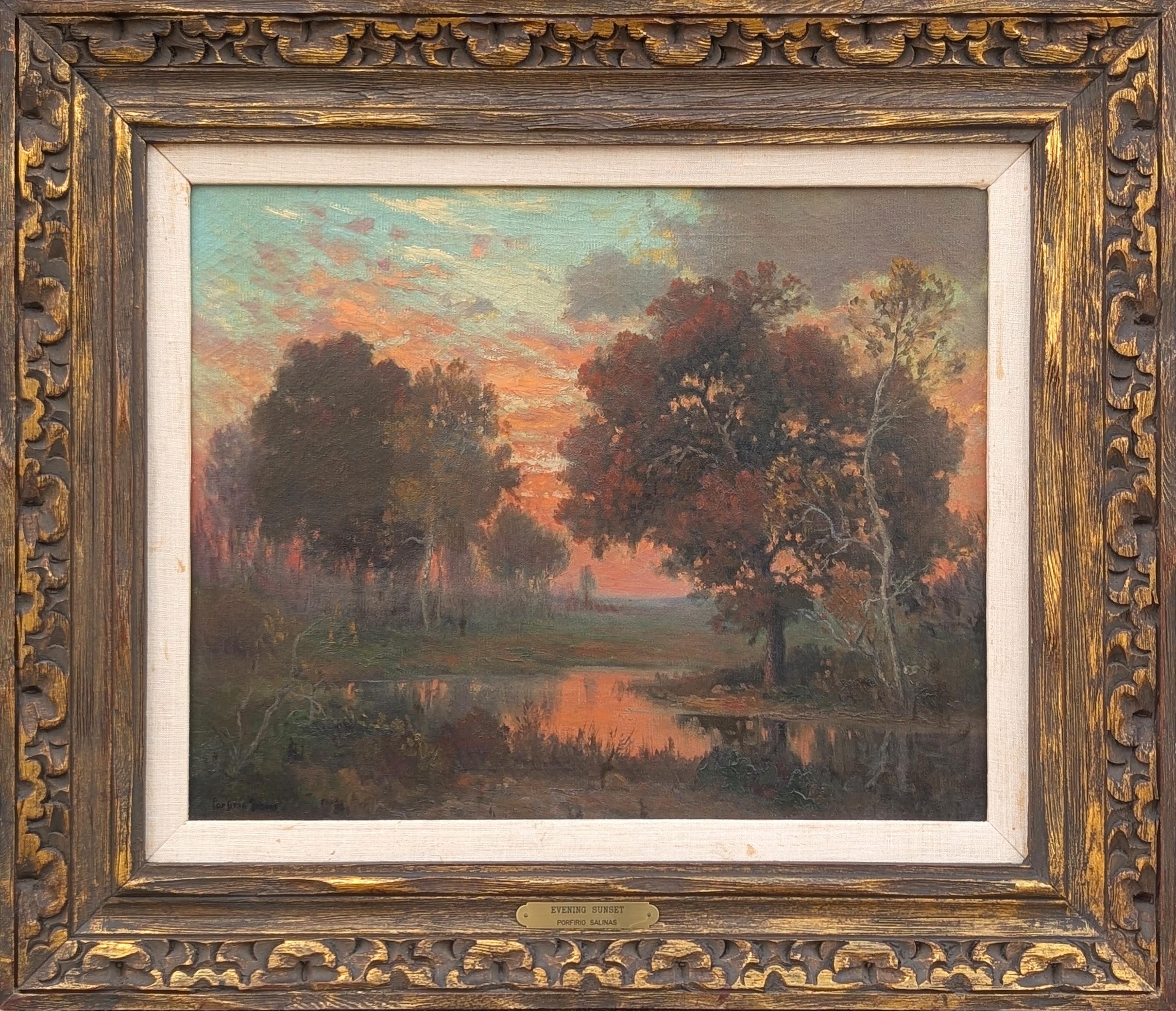
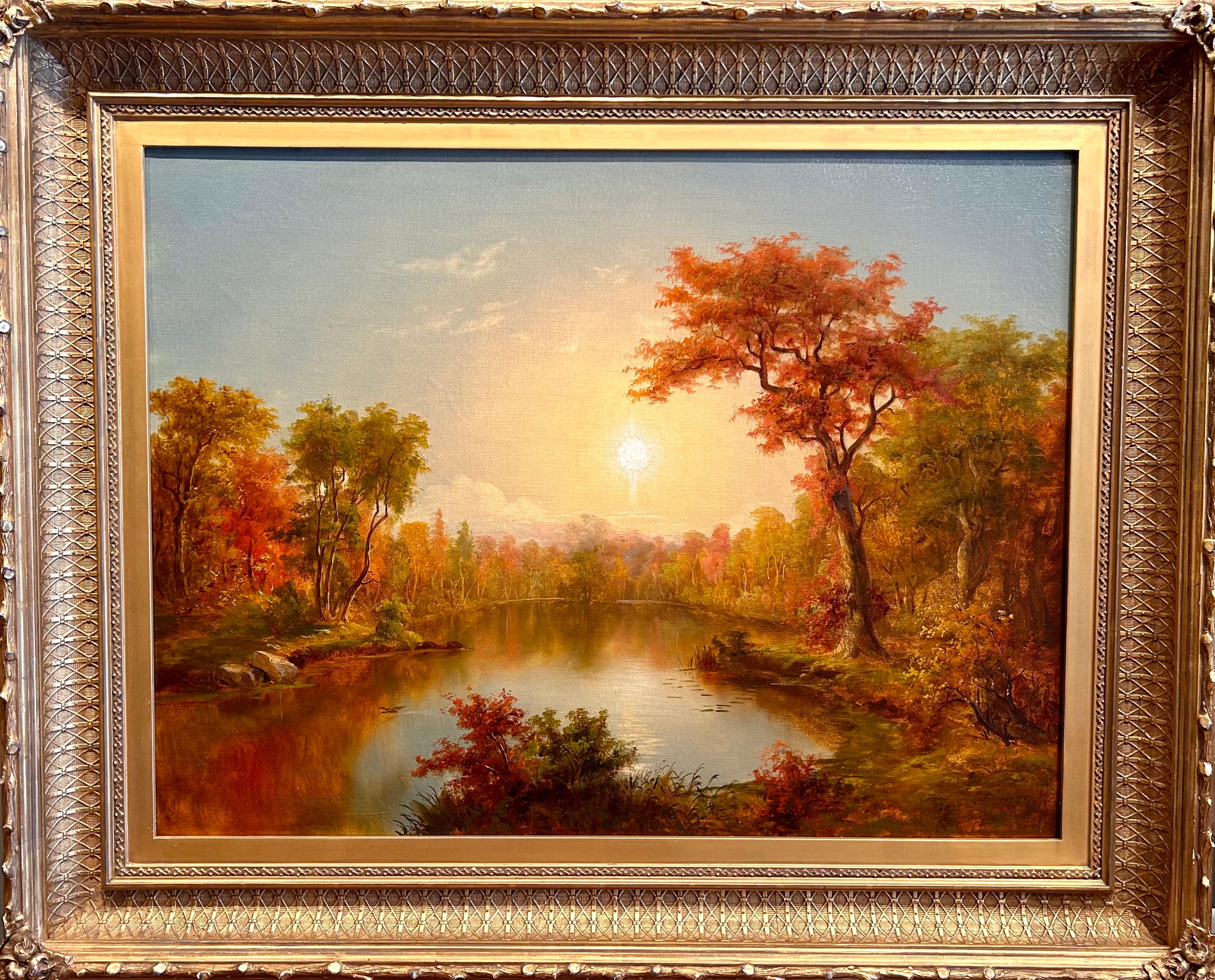
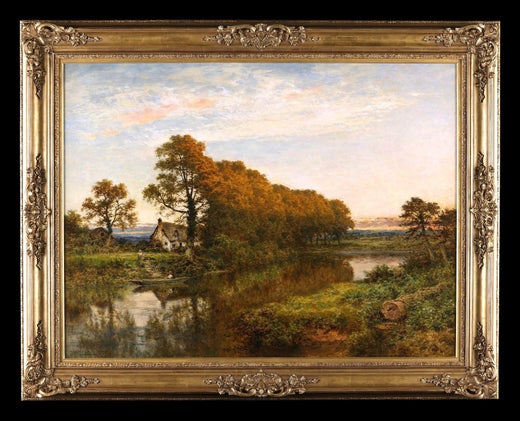
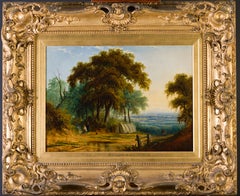
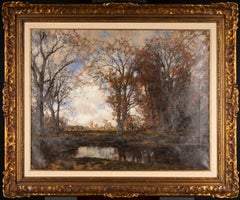
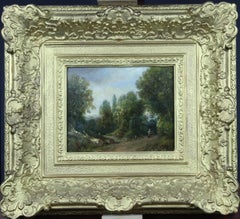
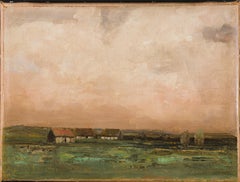
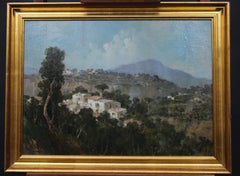
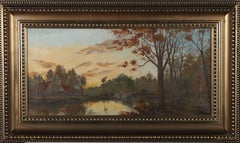
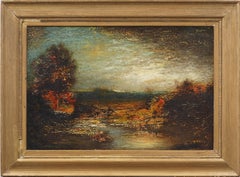
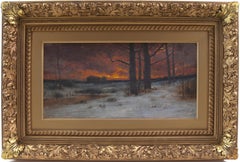
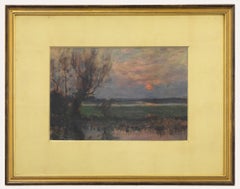
Benjamin Williams Leader 1831-1923, was an English landscape painter, he exhibited at the Royal Academy from the age of 23 and continued every year until 1922. He was a very popular painter and his works in constant demand by wealthy buyers, this picture is undated but it may well be one of his earlier paintings but certainly 19th Century. This is a rare watercolour by a predominantly oil painter but typical of the subject of a glowing evening sunset in England.
I have enclosed a biography of the artist for your interest.
Benjamin Williams Leader RA (1831–1923) was one of the most acclaimed and commercially successful English landscape painters of the Victorian era. Famous for his meticulous, golden-toned depictions of the British countryside, Leader captured a rural idyll that deeply resonated with an urban middle class living through the Industrial Revolution. Over a remarkably prolific 70-year career, he exhibited annually at the Royal Academy, securing international fame and British institutional prestige. Born Benjamin Leader Williams on 12 March 1831 in Worcester, he was the third of eleven children. His father, Edward Leader Williams, was a notable civil engineer and a keen amateur artist who happened to be a close friend of the legendary landscape painter John Constable. Young Benjamin regularly accompanied his father on sketching trips along the River Severn, which heavily inspired his love for nature. Though his father initially pushed him toward engineering, Benjamin spent five years working as a draughtsman before his father allowed him one year to prove himself as an artist. He studied at the Worcester School of Design and enrolled in the Royal Academy Schools in London in 1854.
In 1857, he legally altered his name to Benjamin Williams Leader. This strategic choice separated him from the vastly crowded, unrelated "Williams" family of painters exhibiting at the time. Success arrived rapidly for Leader. His very first submission to the Royal Academy in 1854, Cottage Children Blowing Bubbles, was purchased by an American collector for £50. Leader's style balanced realistic, near-photographic detail with a brilliant command of atmosphere and natural light. Influenced early on by the naturalism of John Ruskin, his trademarks would be capturing the amber, glowing light of late afternoon and dusk. Expertly rendering reflections on damp roads, riversides, and rain-soaked fields. Landscapes featuring country churches, cottages, or lone travelers, treating figures as minor elements of the scene rather than focal points.
His career skyrocketed in 1863 when Prime Minister William Gladstone purchased his painting The Churchyard at Bettws-y-Coed, sparking an influx of high-profile commissions. While he briefly journeyed to Switzerland during his honeymoon with artist Mary Eastlake in 1876, Leader rarely traveled abroad, preferring to paint Wales, Scotland, and the English counties of Worcestershire and Surrey. The painting Fill Dyke (1881) was exhibited at the Royal Academy, this composition of a rain-drenched, waterlogged evening in Worcestershire remains his most enduring and celebrated masterpiece. In the Evening It Shall Be Light (1889), this painting won a Gold Medal at the Exposition Universelle in Paris. Following its success, the French government made Leader a Knight (Chevalier) of the Legion of Honour.
He was elected an Associate of the Royal Academy (ARA) in 1883 and achieved full status as a Royal Academician (RA) in 1898. In 1889, Leader moved his family to "Burrows Cross" in Shere, Surrey—a massive mansion designed by iconic architect Norman Shaw. He lived and painted there for the remainder of his life. In 1914, he was given the Freedom of the City of Worcester, and King George V bought his painting On the Llugwy for the Royal Collection. His later years were marked by the grief of World War I, during which his son, Benjamin, was killed in action in 1916. Despite this, Leader painted well into his final years. He submitted his final artwork to the Royal Academy in 1922 at the age of 91. Leader died at home on 22 March 1923. Today, major public art spaces preserve his legacy, and you can view the largest collective holdings of his work at the Worcester City Art Gallery and Museum, alongside permanent displays at the Tate Gallery and the Victoria and Albert Museum in London.