Bernard Myers
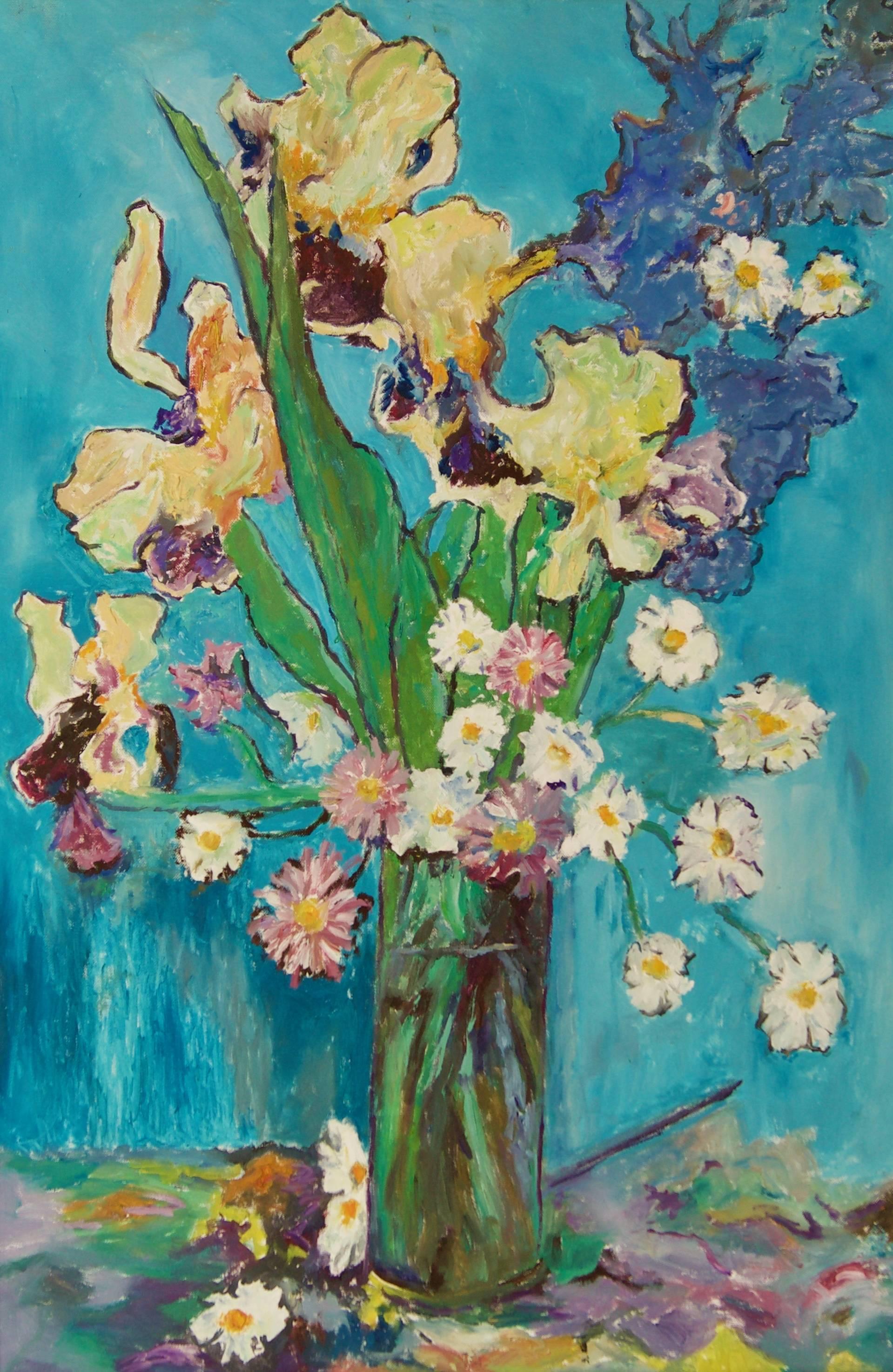
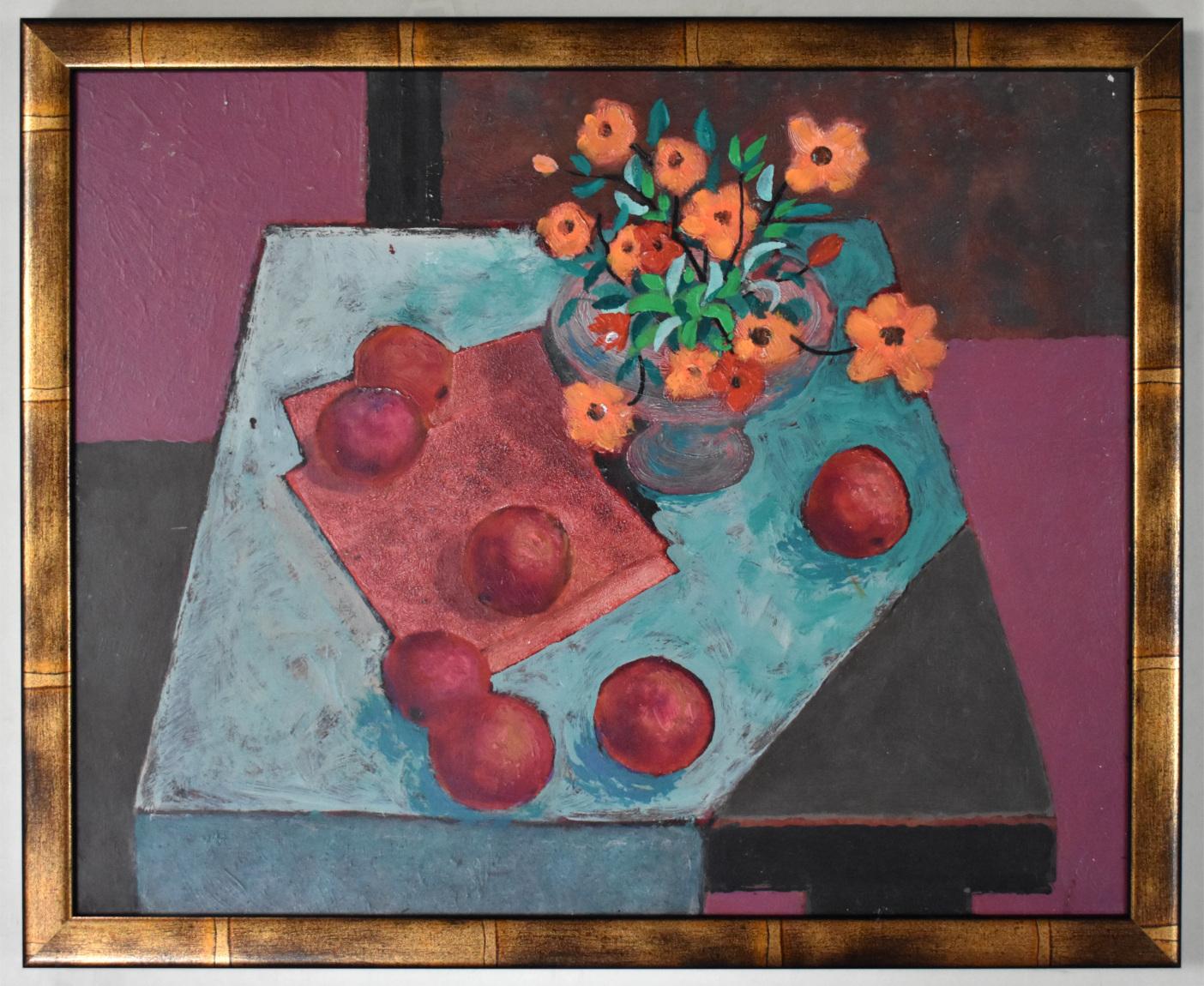
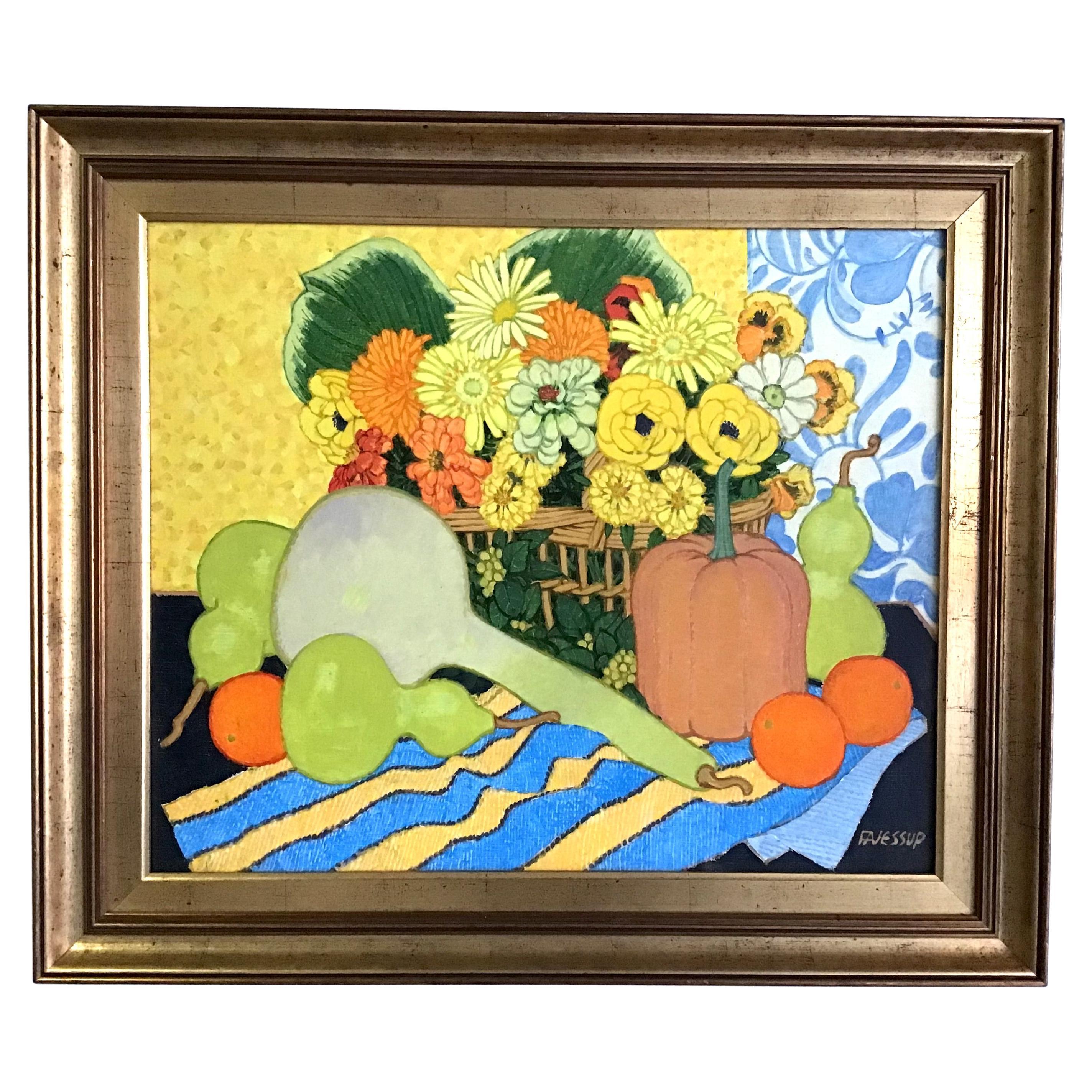
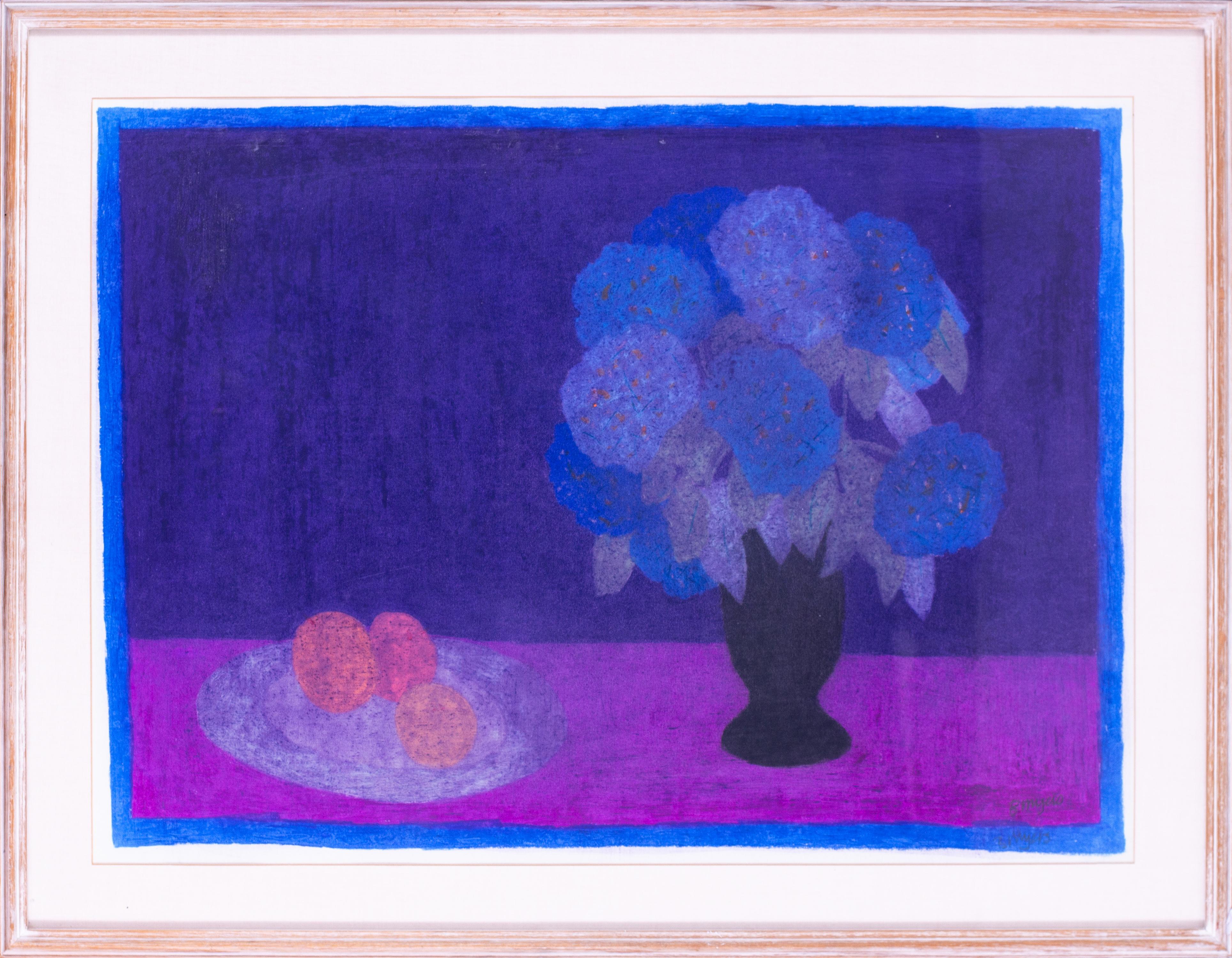
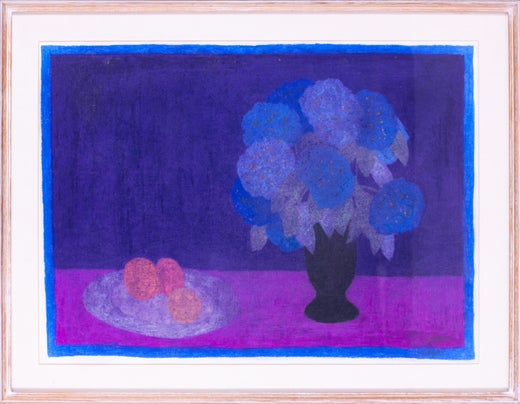
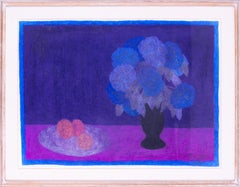
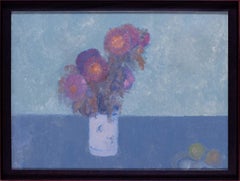
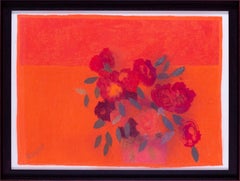
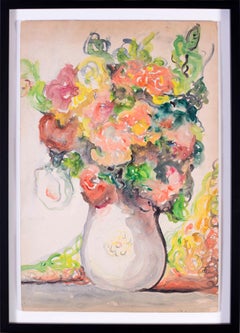
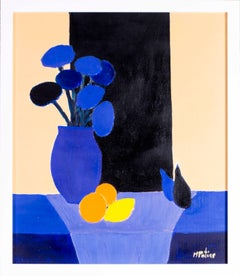
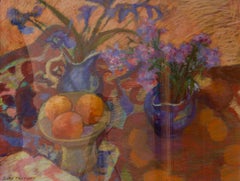
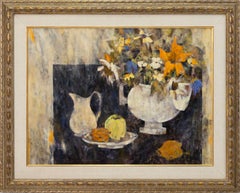
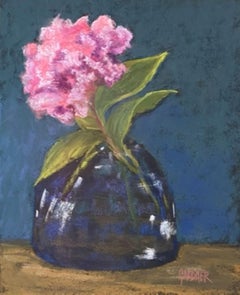
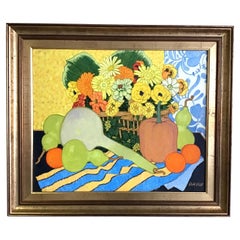
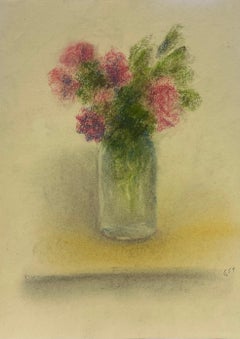
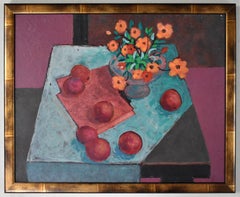
Bernard Myers (1925–2007) Bernard Myers was a distinguished British artist, teacher, designer and writer whose work spans a remarkable breadth of media and style. Born in 1925, Myers studied first at St Martin’s School of Art (1947 – 49), then Camberwell School of Arts and Crafts (1949 – 51), and finally at the Royal College of Art (1951 – 54), where he was a contemporary of John Bratby, Frank Auerbach and Leon Kossoff. His early career was shaped by abstraction: influenced by astronomical diagrams and optical patterns, he taught himself to deploy colour in increasingly expressive and structured ways. After extensive travel through India and the Middle East, he drew upon the rich visual traditions he encountered; Islamic tilework, textiles, Indian and Tibetan painting, to refine his approach. Over time, he gradually moved toward realism, applying his precise technique in both oils and pastels. Myers is perhaps best known for his luminous pastel still lifes, though his repertoire also includes townscapes, skyscapes, and waterscapes. His still lifes, frequently composed of fruit, flowers or studio objects, demonstrate his compositional balance, attention to light and form, and a highly tactile application of colour. In his own words, he applied pastel “carefully and slowly … in distinct patches and layers,” a method born out of necessity when he lacked long, uninterrupted studio time. In addition to his studio practice, Myers was deeply committed to education. He taught at the Royal College of Art from 1961 to 1980, and his clarity and pragmatism as a teacher earned him respect among students and colleagues alike. In 1968 and 1971 he was a Visiting Professor at the Indian Institute of Technology (New Delhi), where he lectured on design, social responsibility and the pedagogy of art in technological contexts. Later, he became the first Professor of Design Education at the RCA (1979), and subsequently held the Chair of Design Technology at Brunel University. In 1974, Myers moved to a studio at St Peter’s Wharf, Hammersmith, purpose-built and overlooking the River Thames. There he spent his later years, painting the ever-changing qualities of light on water, sky and cityscape. Myers remained prolific even after suffering strokes; he continued working from his studio until shortly before his death in 2007. Alongside his art practice, he was a committed author. He wrote books on Goya, art history, and sculpture, co-edited The Macmillan Encyclopaedia of Art (1979), and contributed to publications such as The Artist and Artists & Illustrators. His work was exhibited widely in his lifetime, including one-man shows at the New Art Centre (from 1969) and New Grafton Gallery, among others. He is represented in public and private collections, including the Arts Council.