Video Loading
Want more images or videos?
Request additional images or videos from the seller
1 of 21

Unknown
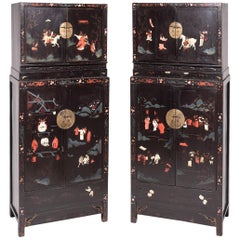
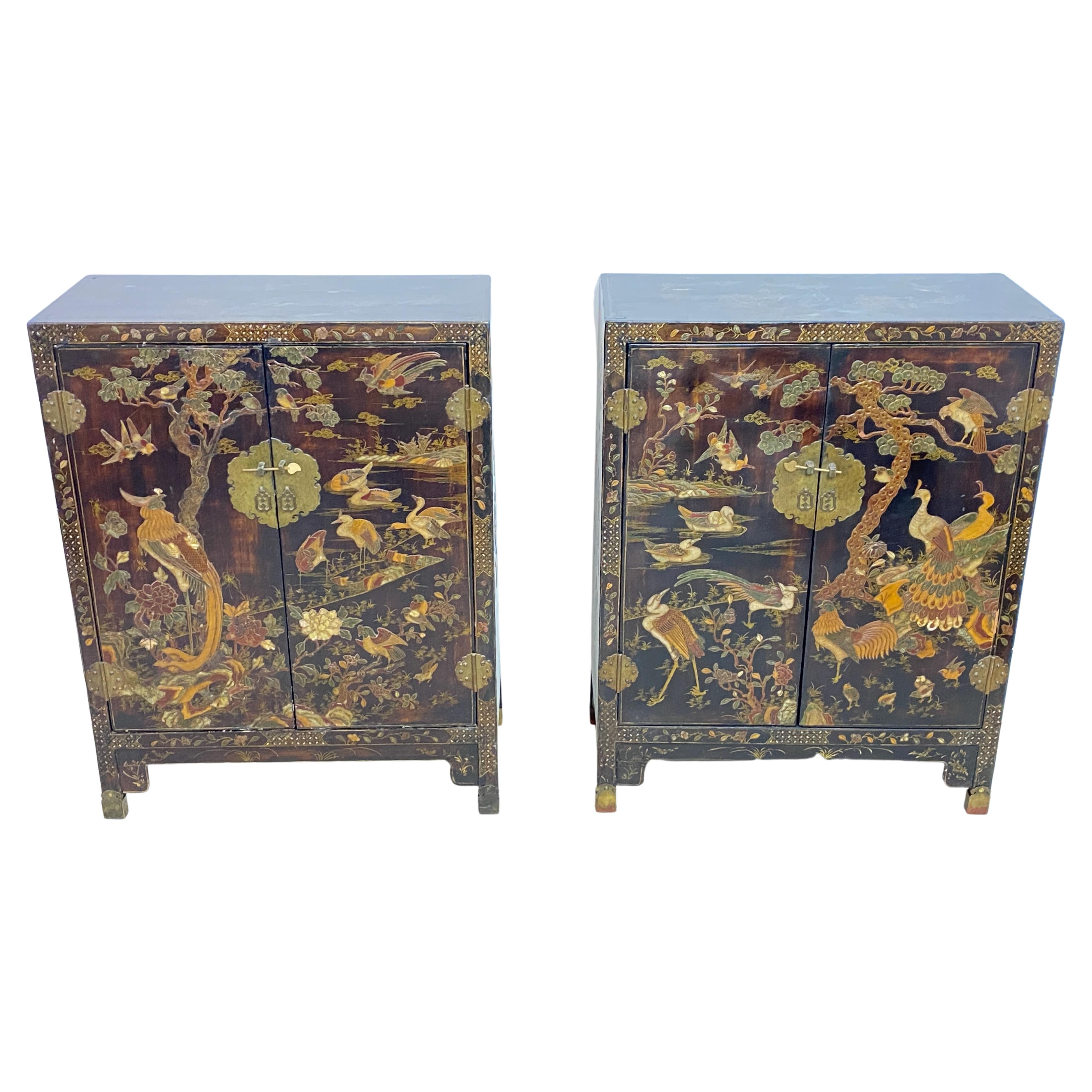
Pair Japanese Lacquered Maki-e Meiji Period Cabinets 漆器 蒔絵 塗物 漆塗

$2,817.77
£2,098.68
€2,400
CA$3,957.21
A$4,014.46
CHF 2,283.39
MX$48,771.52
NOK 26,854.36
SEK 26,947.45
DKK 18,303.27

About the Item

A pair of Meiji period, late 19th Century Lacquerware (漆器, shikki) miniature cabinets on stands. The decorative panels are of very fine quality. The cabinets are a 'true pair' that is the decoration of the drawer fronts etc is mirrored one to the other. A magnificent and rare pair of miniature Japanese lacquer cabinets with drawers. Decorated doors open to reveal a series of 8 drawers, also profusely decorated the fronts of which make up a complete decorated scene of a pavilion in a mountain landscape with birds. The interiors of the drawers are decorated with red and gold flecked lacquer. The Japanese lacquerware method of sprinkling decorative gold or silver powder onto lacquer is called maki-e. The bottom two drawers in each cabinet contain a pair of smaller lidded boxes. All the surfaces of the cabinets are decorated with the finest quality lacquer scenes. Each drawer has a small stylised brass chrysanthemum handle most retaining their original rings. The doors are held with engraved brass hinges and close with original engraved brass locks. There is a carrying handle to the top of each cabinet. An exceptional and rare pair of cabinets which would make the most beautiful jewellery boxes. Lacquer is made from the sap of the Japanese lacquer tree. Handled only by master craftsmen, it has been used in Japanese art since around 7,000 BC, with techniques being perfected over centuries in order to produce exquisitely detailed designs for boxes and furniture intended for domestic use. The intricate decoration on boxes reflected the increasing complexity of techniques used in lacquer production. These beautiful decorations would draw on subjects from nature, classical literature and allusions to scholarly pursuits. Ownership and display of such objects would indicate a level of sophistication and taste. A number of terms are used in Japanese to refer to lacquerware. Shikki (漆器) means "lacquer ware" in the most literal sense, while nurimono (塗物) means "coated things", and urushi-nuri (漆塗) means "lacquer coating."
  • Dimensions:
    Height: 6.7 in (17 cm)Width: 7.09 in (18 cm)Depth: 3.55 in (9 cm)
  • Medium:
  • Movement & Style:
    Edo
  • Period:
  • Condition:
    Good condition commensurate with age and fragility of material. Areas of wear. Restoration to feet of the stands. One small drawer divider missing. Lock Repair. Some of the tiny ring handles are missing. One stand is gilt decorated (see photo).
  • Gallery Location:
    Cotignac, FR
  • Reference Number:
    Seller: LG/Meiji cabinets1stDibs: LU1430214710132

More From This Seller

View All
Wedding Chest of Corinne de Blaru, French 19th Century Folk Art Painted

Wedding Chest of Corinne de Blaru, French 19th Century Folk Art Painted

Located in Cotignac, FR

Vintage French folk art, Early 19th century, painted wood wedding, hope or bridal chest, for the wedding of Charles Herbert Frederic and Corinne de Blaru in 1848. The names and dates...

Category

Early 19th Century Folk Art More Art

Materials

Iron
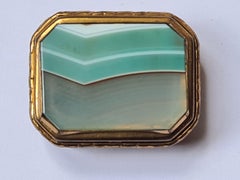
Agate Box With Gilt Pomponne Mounts, Antique, 19th Century

Agate Box With Gilt Pomponne Mounts, Antique, 19th Century

Located in Cotignac, FR

French 19th Century rectangular agate box with fine engine engraved gilt mounts in gilt brass or Pomponne which is an alloy developed by two goldsmiths, Turgot and Daumy, who set up...

Category

19th Century Other Art Style More Art

Materials

Brass

European 19th Century Folk Art Painted Wooden Hope, Bridal Wedding Chest

European 19th Century Folk Art Painted Wooden Hope, Bridal Wedding Chest

Located in Cotignac, FR

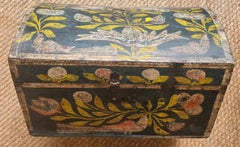
Early 19th century European folk art painted wood wedding, hope or bridal chest. A superb example of a European hope or wedding chest in remarkable condition Of characteristic dome ...

Category

Early 19th Century Folk Art More Art

Materials

Iron
Agate Box With Gilt Pomponne Mounts, Antique, 19th Century

Agate Box With Gilt Pomponne Mounts, Antique, 19th Century

Located in Cotignac, FR

French 19th Century striated agate box with fine engine engraved gilt mounts and base, in Pomponne which is an alloy developed by two goldsmiths, Turgot and Daumy, who set up shop at...

Category

19th Century Other Art Style More Art

Materials

Brass

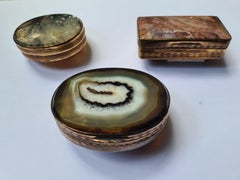
3 Agate Boxes With Gilt Pomponne Mounts, Antique, 19th Century

3 Agate Boxes With Gilt Pomponne Mounts, Antique, 19th Century

Located in Cotignac, FR

Set of three French 19th Century oval agate boxes with fine engine engraved gilt mounts in Pomponne which is an alloy developed by two goldsmiths, Turgot and Daumy, who set up shop a...

Category

19th Century More Art

Materials

Brass

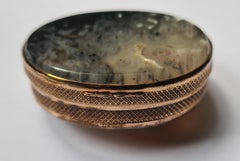
Agate Box Antique 19th Century With Gilt Pomponne Mounts

Agate Box Antique 19th Century With Gilt Pomponne Mounts

Located in Cotignac, FR

French 19th Century oval agate box with fine engine engraved gilt mounts in Pomponne which is an alloy developed by two goldsmiths, Turgot and Daumy, who set up shop at the Hôtel de ...

Category

19th Century More Art

Materials

Brass

You May Also Like

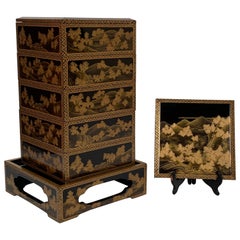
Japanese Maki-e Lacquer Stacking Box, Jubako, Meiji Period, Japan

Japanese Maki-e Lacquer Stacking Box, Jubako, Meiji Period, Japan

Located in Austin, TX

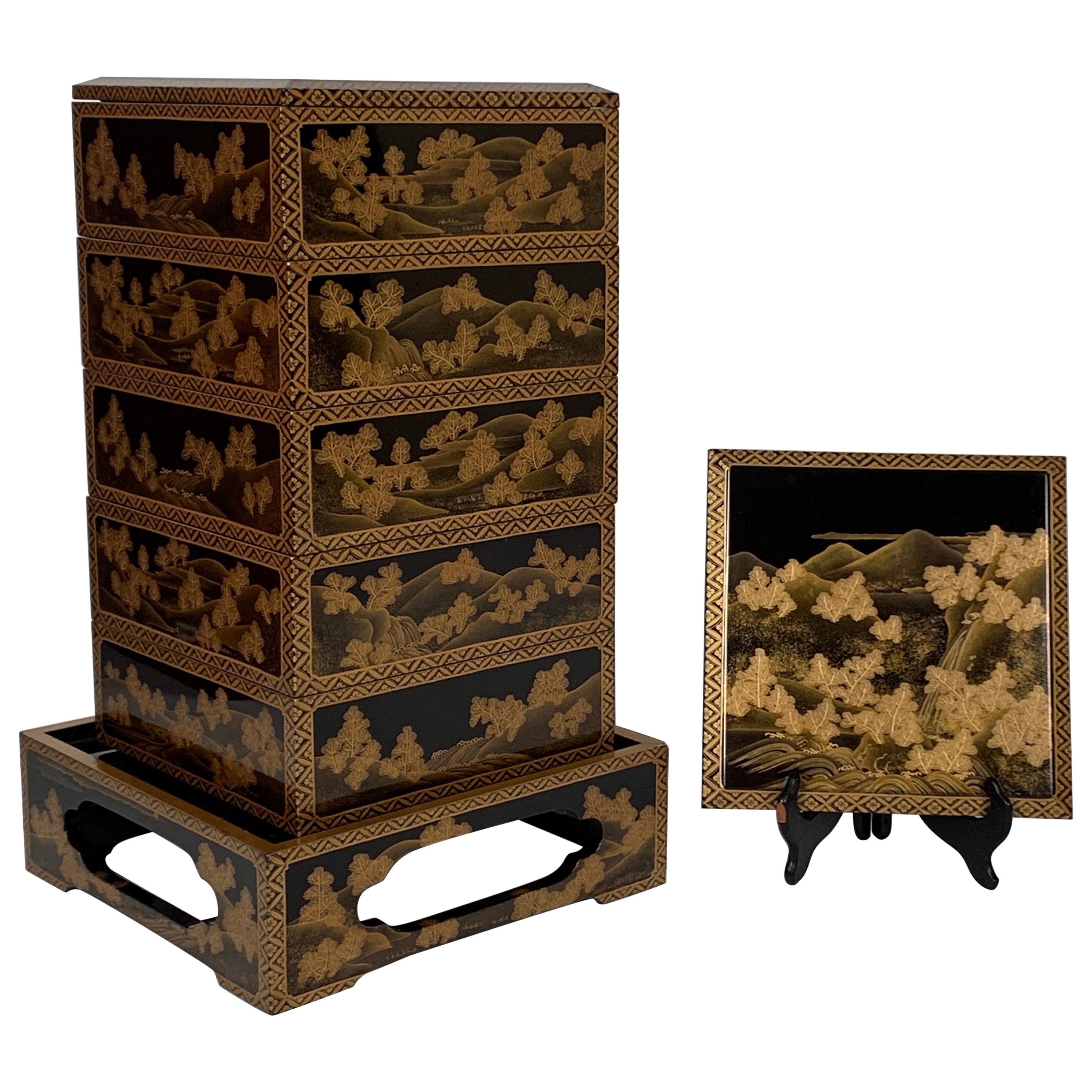
A fine and impressive Japanese gold maki-e decorated black lacquer five-tier jubako with presentation tray, two lids, and the original tomobako storage box, Meiji period, late 19th c...

Category

Antique Late 19th Century Japanese Meiji Lacquer

Materials

Lacquer

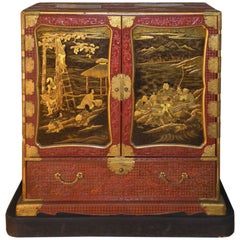
Japanese Lacquer and Cinnabar "Samurai" Cabinet, Inaba Family, Edo Period

Japanese Lacquer and Cinnabar "Samurai" Cabinet, Inaba Family, Edo Period

Located in Troy, NY

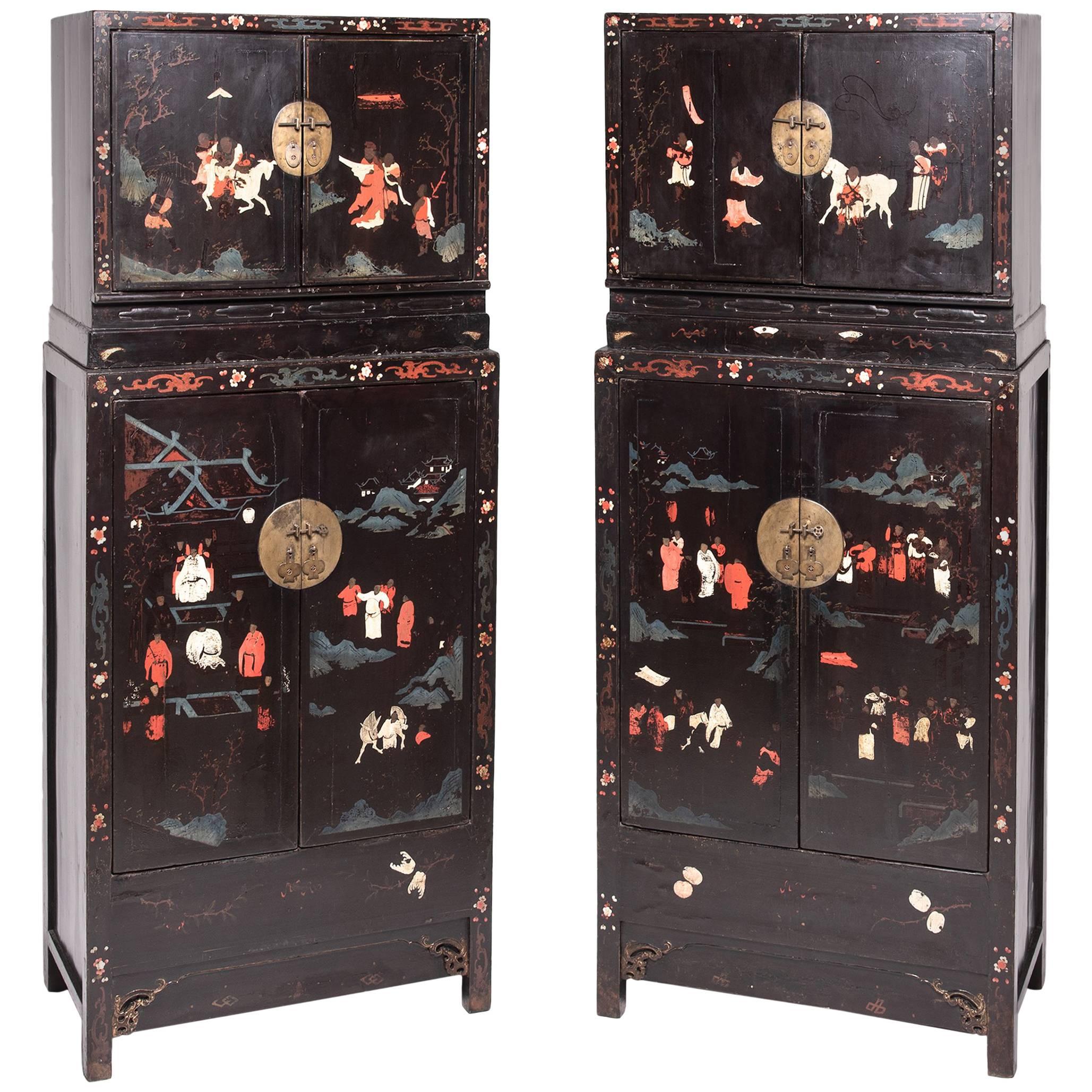
Exceptionally large and rare lacquer cabinet. According to the heraldry, visible on the headgear in one of the panels, it was made for the Inaba family, a high ranking Daimyo family,...

Category

Antique Late 19th Century Japanese Edo Lacquer

Materials

Bronze

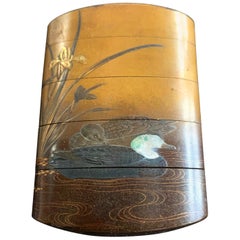
Japanese Inro by Koma Koryu Edo Period

Japanese Inro by Koma Koryu Edo Period

Located in Atlanta, GA

A four-case lacquered inro by Koma Koryu circa 19th century late Edo period. The inro features a pair of Chinese mandarin duck resting under a bundle of blooming irises on the pond. ...

Category

Antique 19th Century Japanese Japonisme Lacquer

Materials

Wood, Lacquer

Japanese Lacquer Maki-E Tiered Suzuribako and Ryoshibako

Japanese Lacquer Maki-E Tiered Suzuribako and Ryoshibako

Located in Atlanta, GA

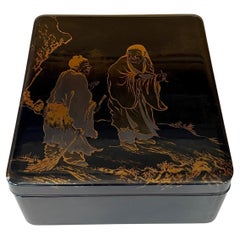
A Japanese roiro lacquer scholar combo box with an upper tier of inkstone box (Suzuribako) and a lower document box (Ryoshibako) circa 1910-30s (end of Meiji to Showa period). The high glossy box was beautifully decorated with an image of the famously eccentric Buddhist monks Hanshan and Shide (known in Japan as Kanzan and Jittoku). Often as a pair, they have been a popular motif in Japanese Zen painting...

Category

Vintage 1920s Japanese Meiji Lacquer

Materials

Stone, Metal