Agustín Fernández
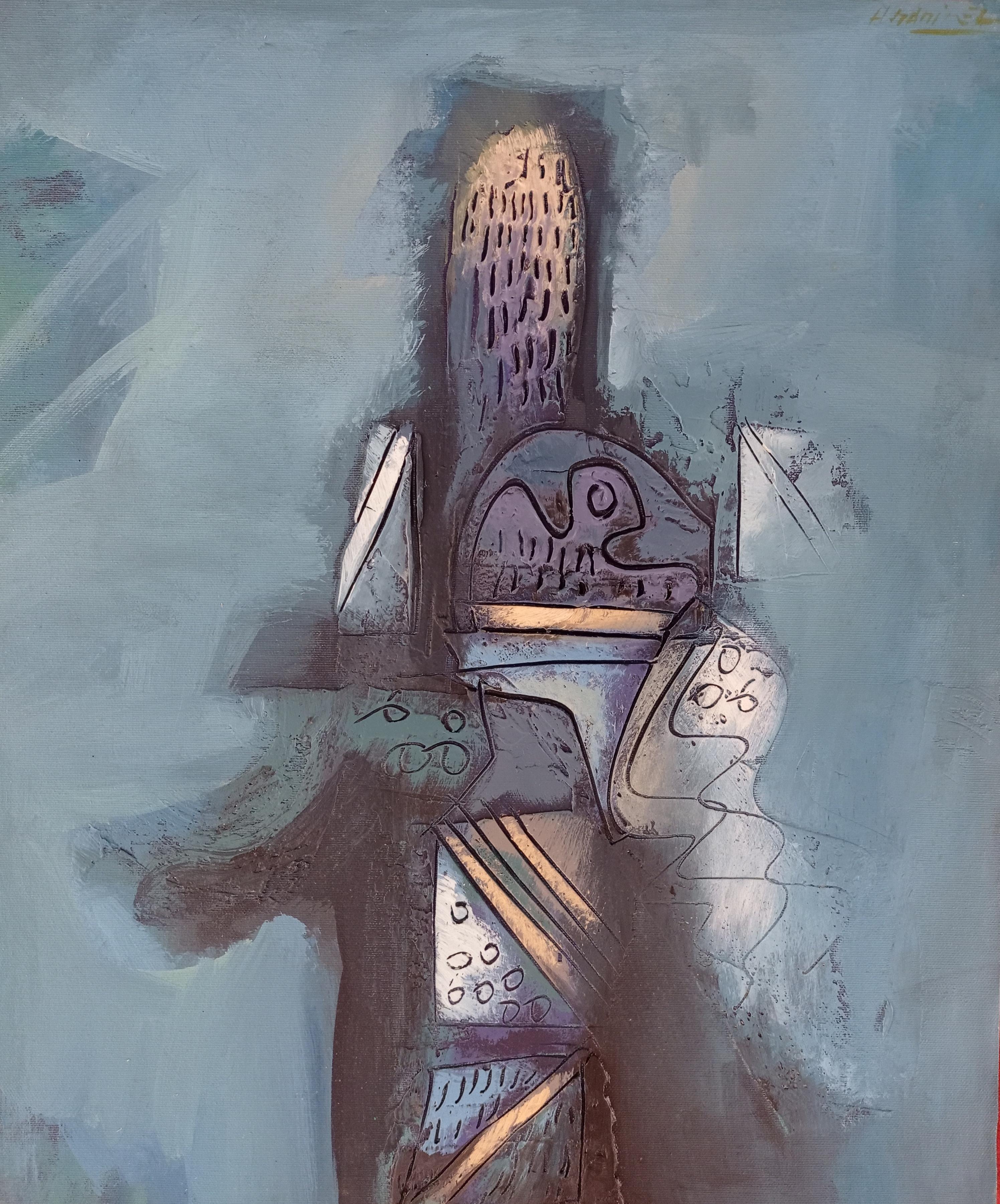
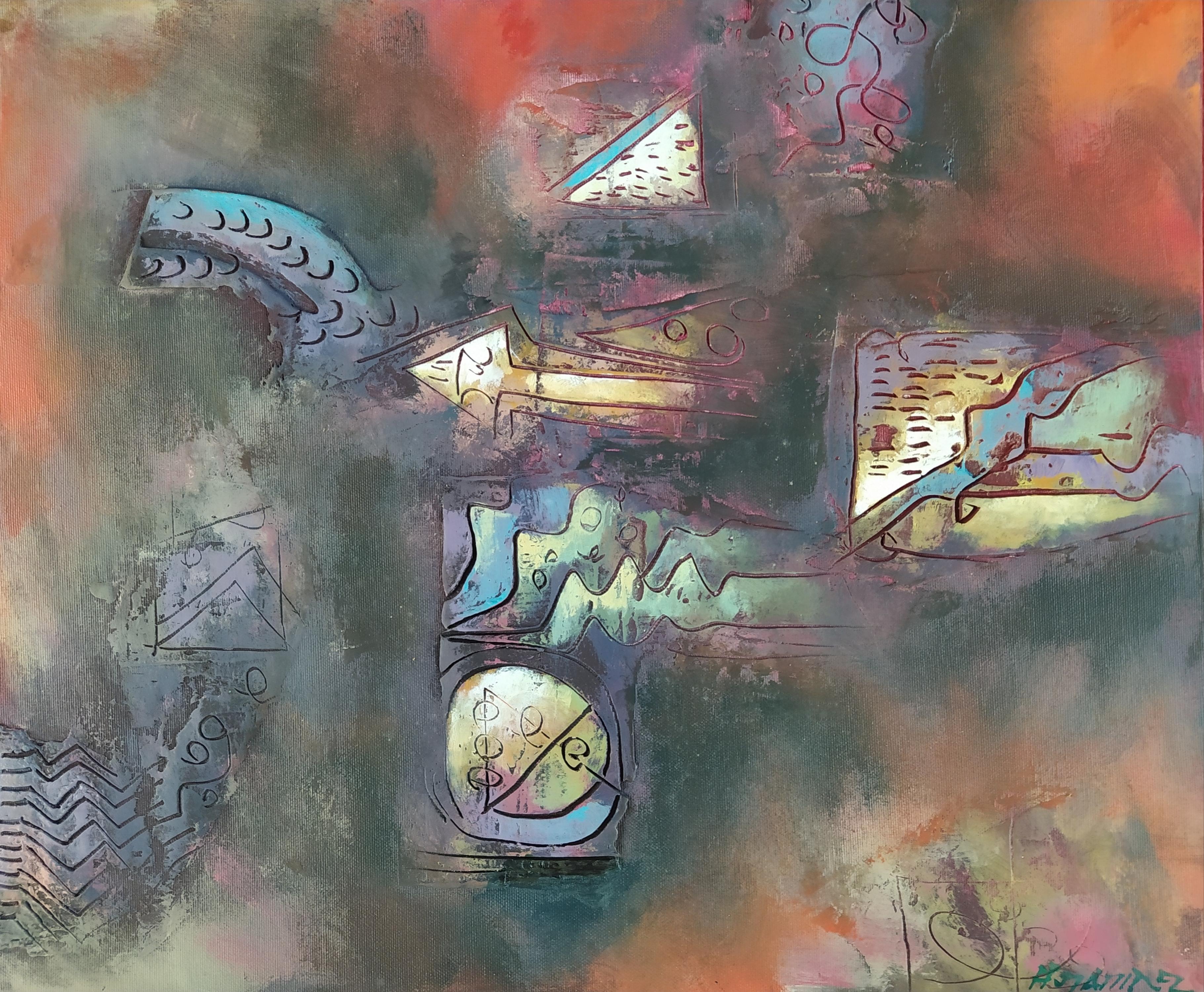
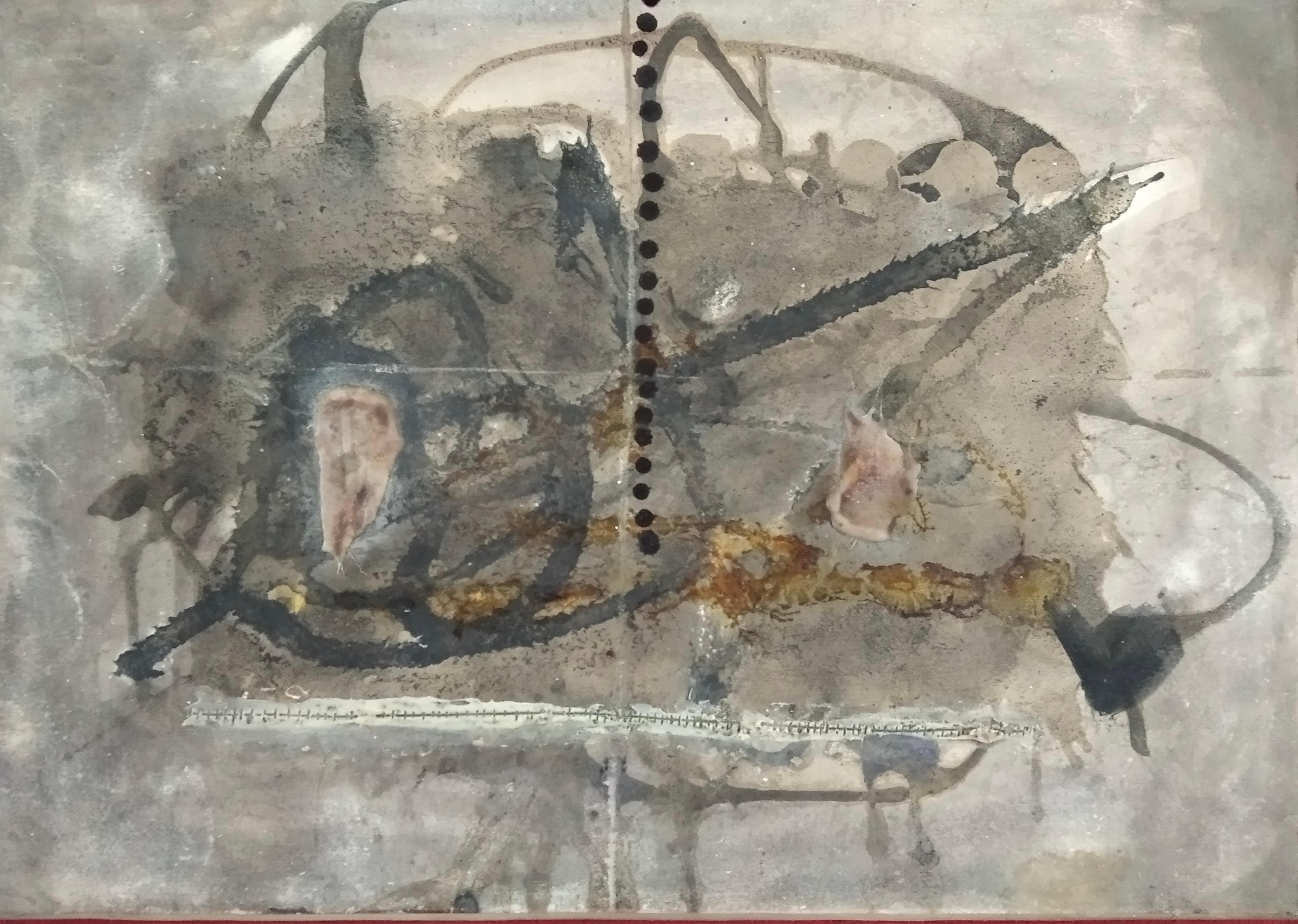
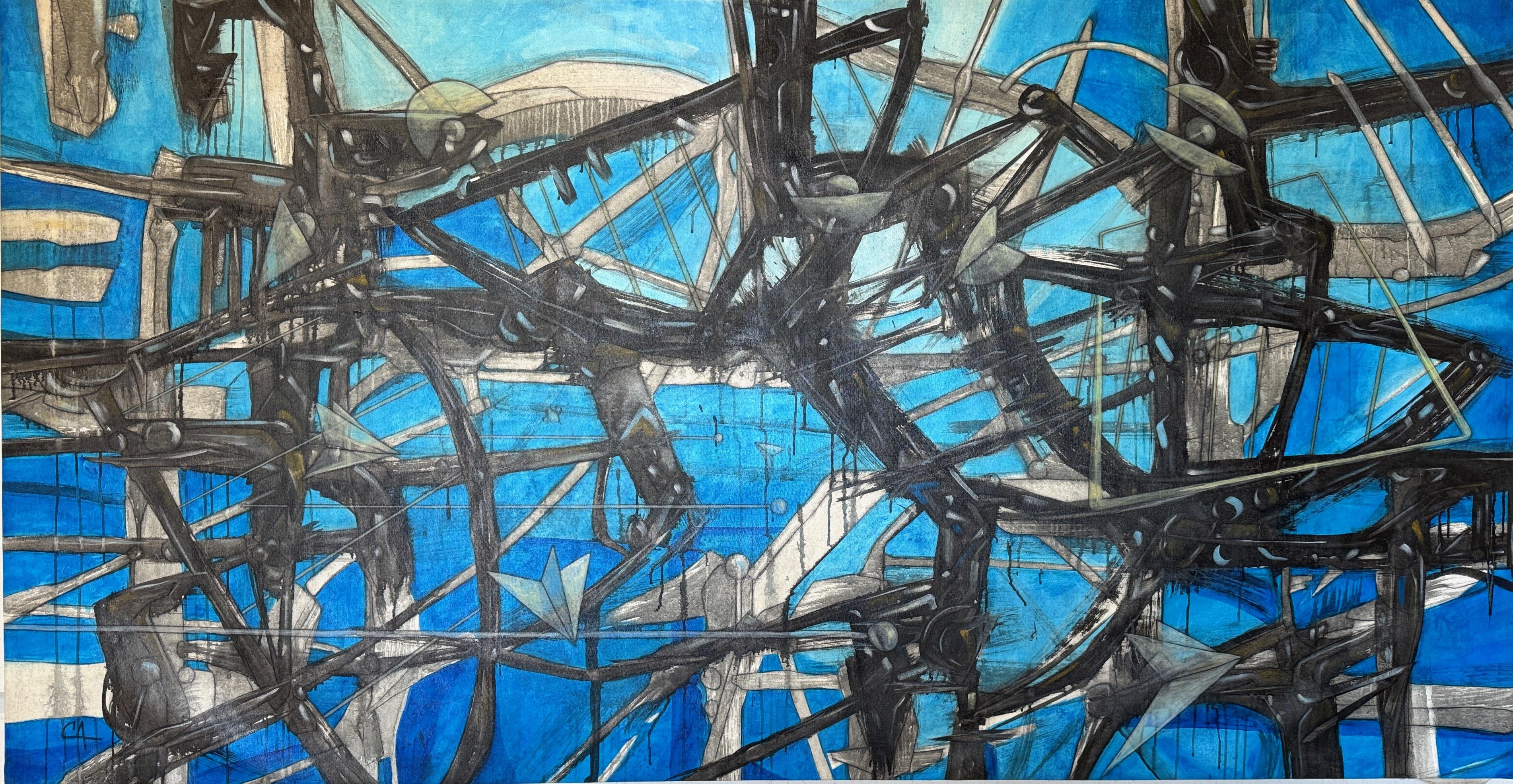
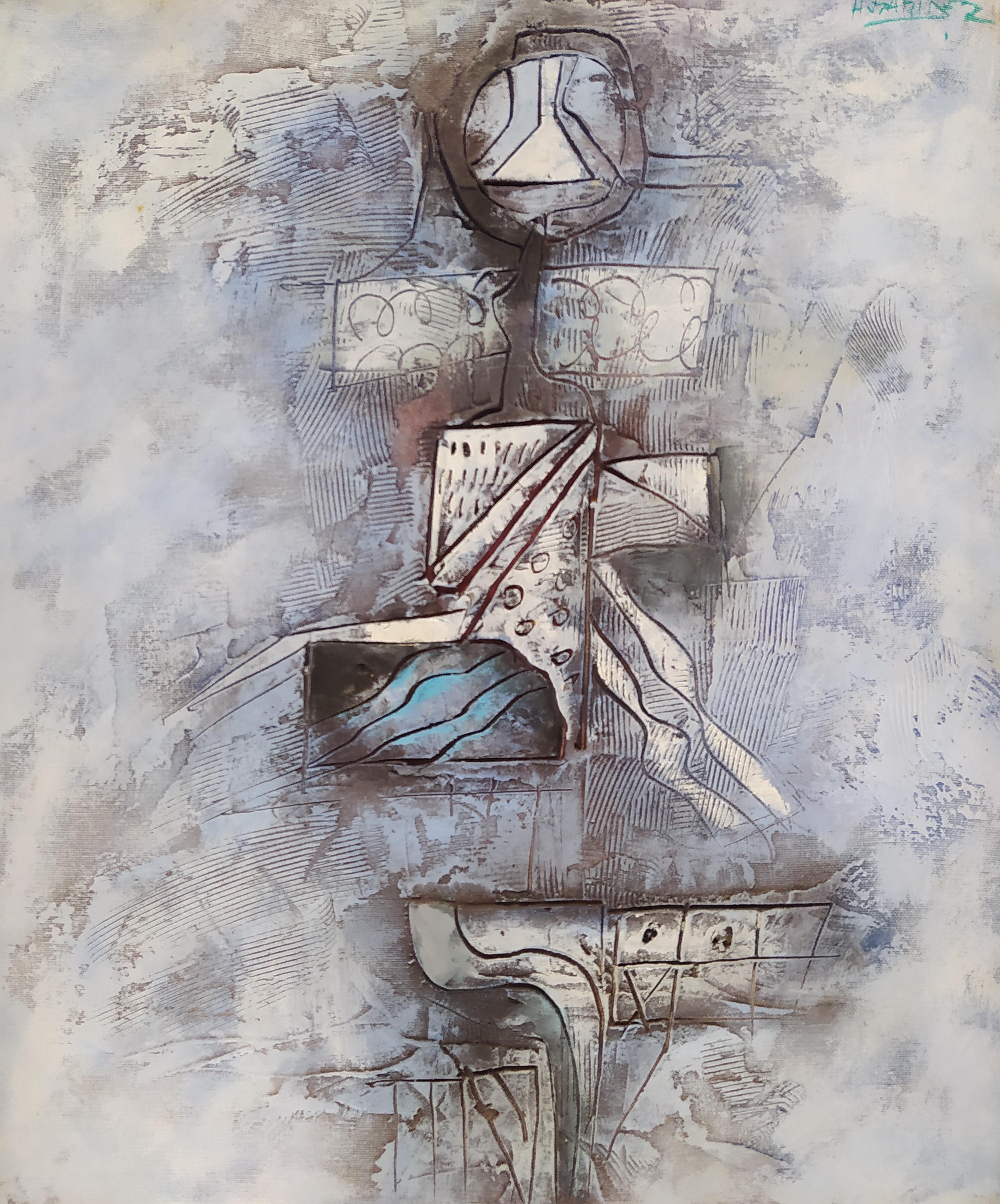
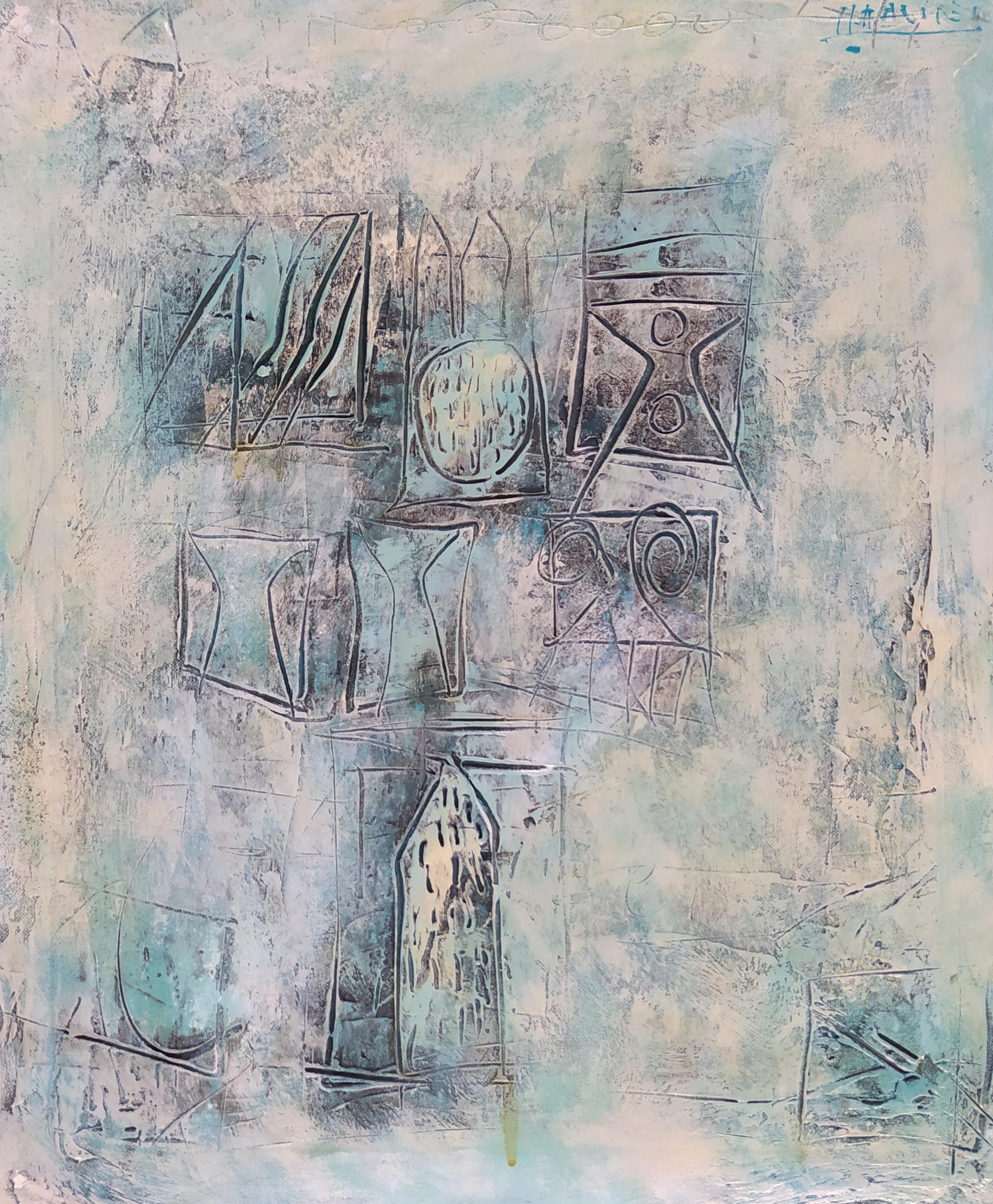
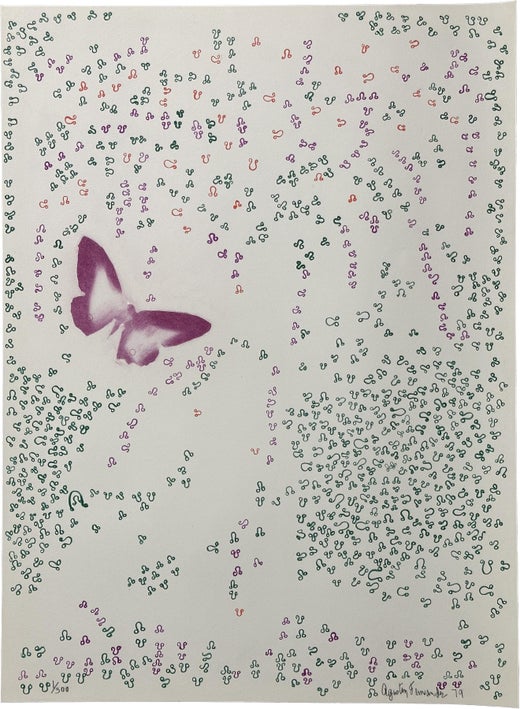
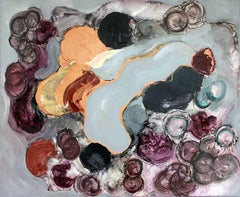
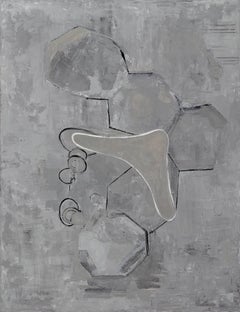
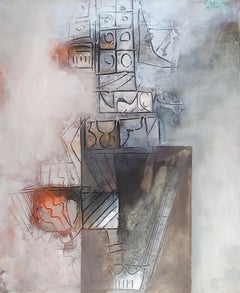
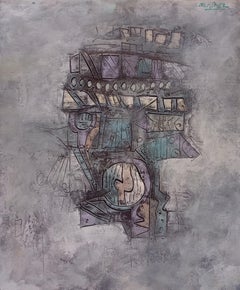
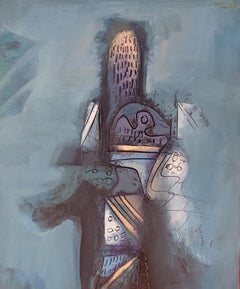
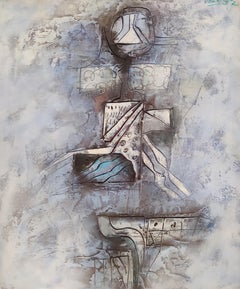
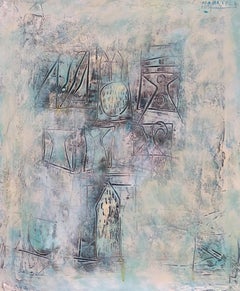
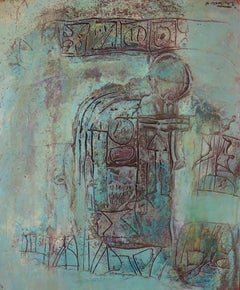
Born in Cuba in 1928, Fernández traveled and exhibited extensively on Europe and South America before settling in New York City in 1972. He is one of the most significant of the exiled Cuban artists in the development of international modernism. Although he has been classified as a surrealist throughout his career, his work draws from a wide realm of visions, inventions and contortions. While not abstract in approach, his work does not represent objective realty, instead depicting unconscious yearnings, obsessions, and fantasies. In 1959 Fernández moved to Paris, where he would remain for more than 10 years, producing a series of erotic work. While his work of the 50's was more colorful, after a beige period, Fernandez's work of the 60's moved to a more limited palette of black and white. His ambiguous, yet provocative paintings combine soft, fleshy human-like forms contrasted with hard metallic surfaces. Using the machine as reference, his work conjures subconscious, often erotic imaginings. In 1968, after moving to Puerto Rico, and destroying much of his earlier work, he began to work in collage, and continued to explore the armor-like metal facades. He would also create three-dimensional objects, like those of Duchamp or Man Ray. Slowly color started to reappear, but Fernandez continued to represent the sometime conflicting, often emotional, human conditions. A consummate printmaker, many of his prints exist in sculptured variants - where the raw surface of the image serves for a background and carries object-derived decoration. The ornamentation, however, is never arbitrary. It's emblematic components are closely allied to the content of the printed imagery. His work is in the permanent collections of many museums, including the Museum of Modern Art in New York, the Victoria and Albert Museum in London and the Museo de Bellas Artes in Havana. Name: Agustin Fernández; Born: 16 April 1928 Havana, Cuba. Education: Bachiller en Letras (graduated in 1946) from Instituto del Vedado, Havana, Cuba. Professor of Painting and Modeling (graduated 1950) from Escuela Nacional de Bellas Artes San Alejandro, Havana, Cuba. Doctorate in Filosofía y Letras (not graduated) 1st and 2nd year of studies, Universidad de la Habana, Cuba 1950-51 and 1951-52. Art Students League - New York, 1949 and 1950, summer courses.
Instructors: Yashuo Kuniyoshi, George Grosz. Oyente en la Academia de San Fernando, Madrid, Spain, 1953.
Awards: IV Biennal de Sao Paolo, Brazil, 1956, Honorable Mention. Colegio de Arquitectos de la Habana, Cuba 1957, 1st Prize for the contest Integración de las Artes Plásticas. Scholarship for Complementary Studies, 1959-1960, Cuban government (Castro's).
One Man Shows: 1951 Lyceum Gallery, Havana, Cuba (paintings). 1952 Nuestro Tiempo Gallery, Havana, Cuba (paintings). 1952 Lyceum Gallery, Havana, Cuba (paintings). 1953 Buchholz Gallery, Madrid, Spain (paintings). 1954 Lyceum Gallery, Havana, Cuba (paintings).