Teresa Vicens
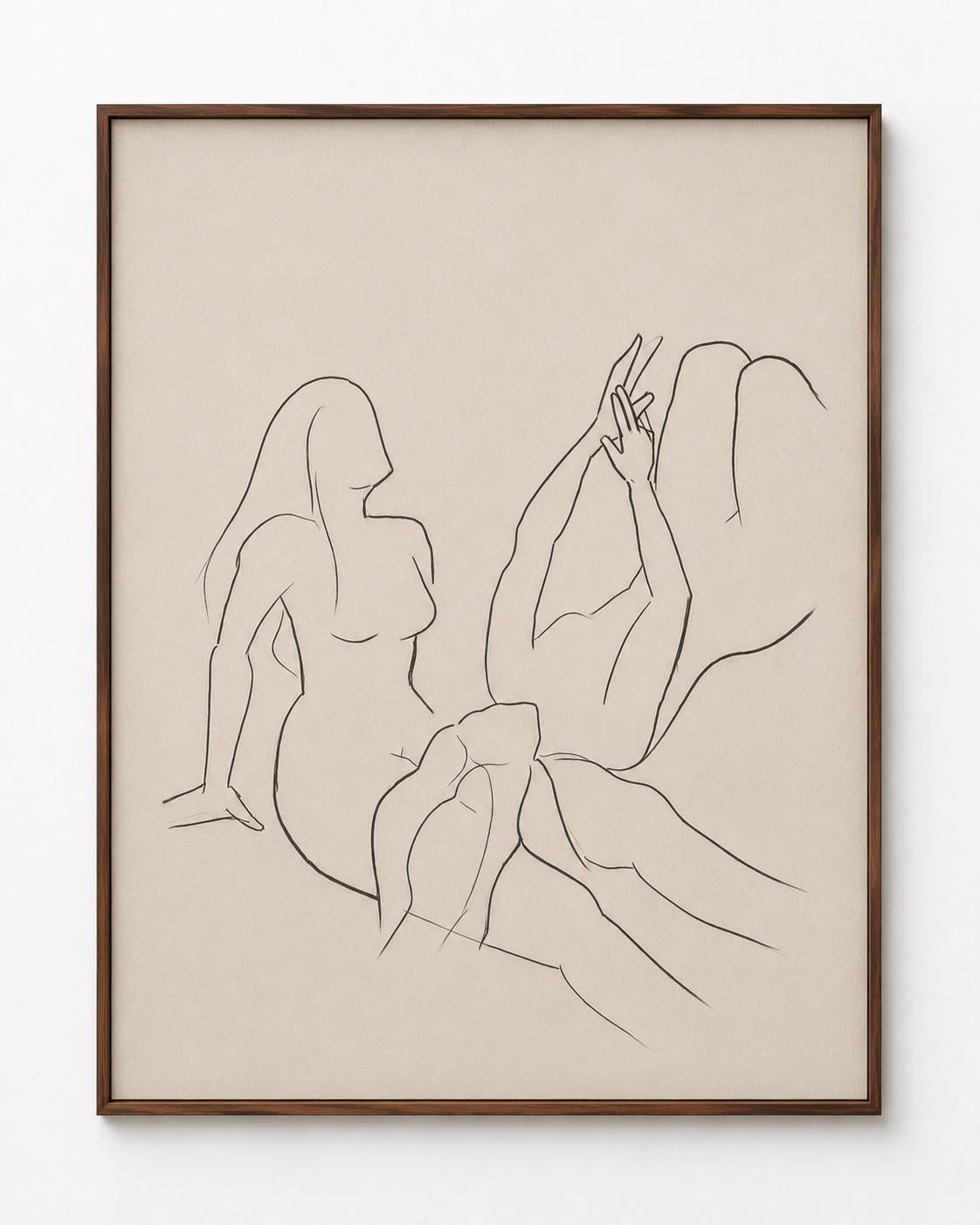
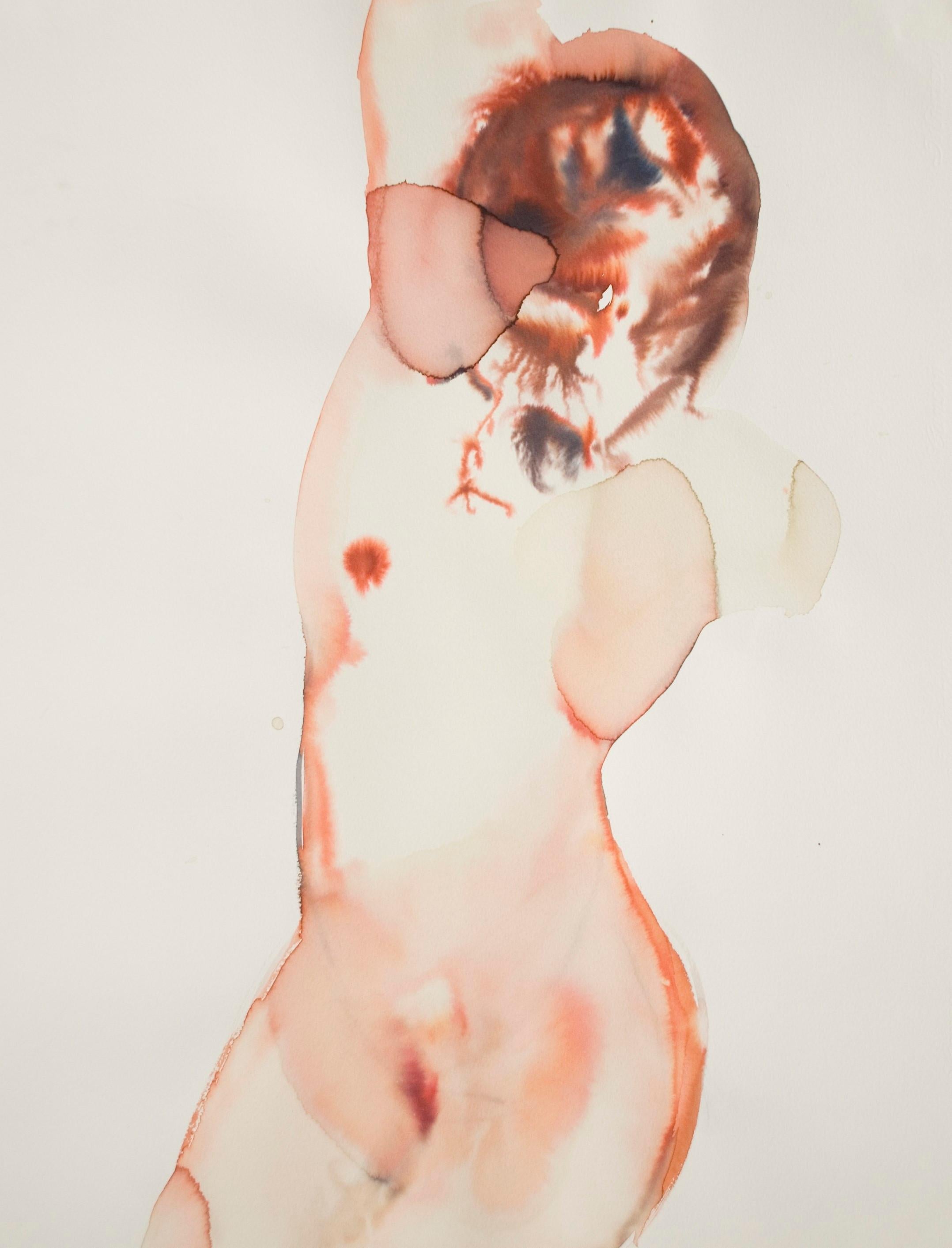
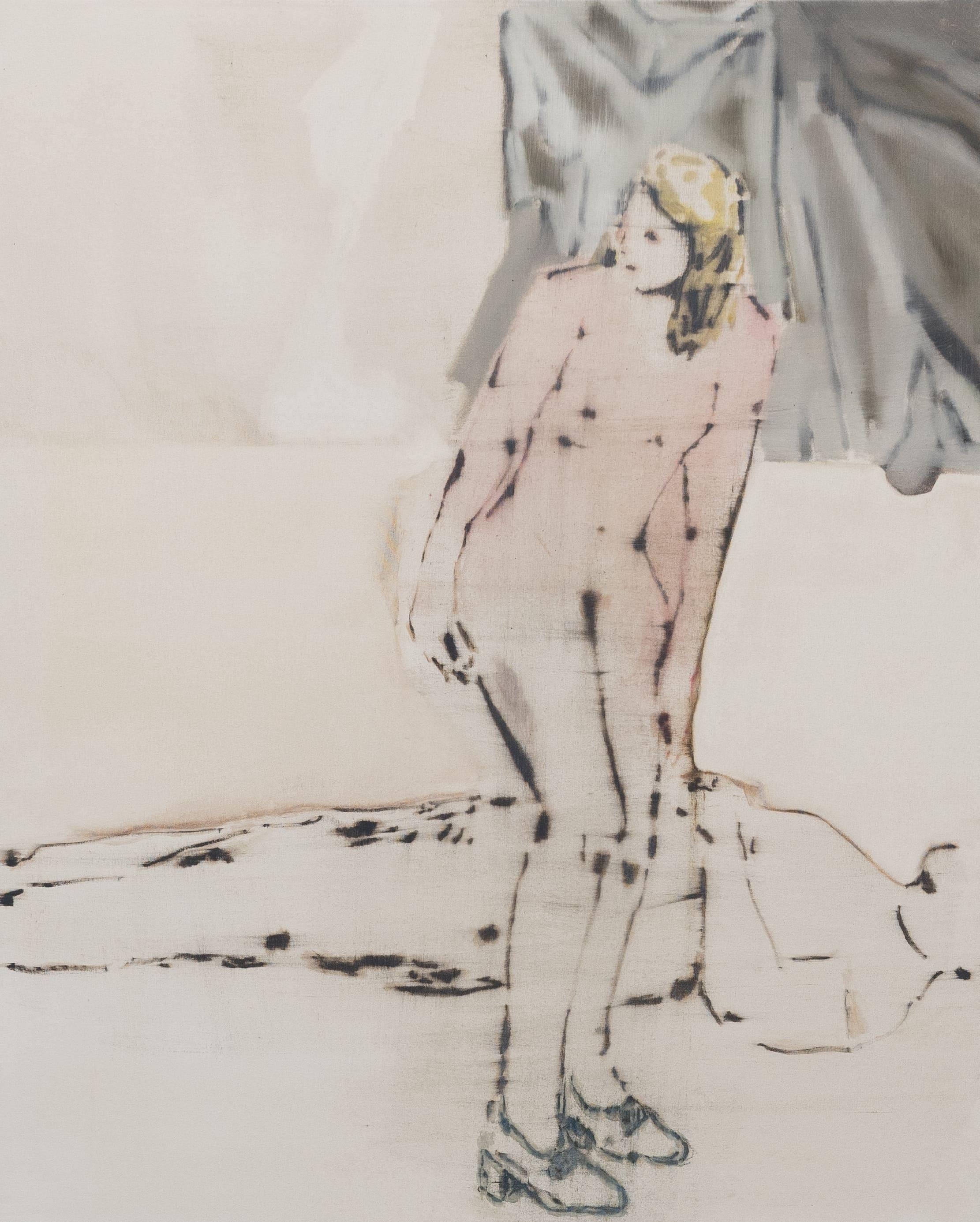
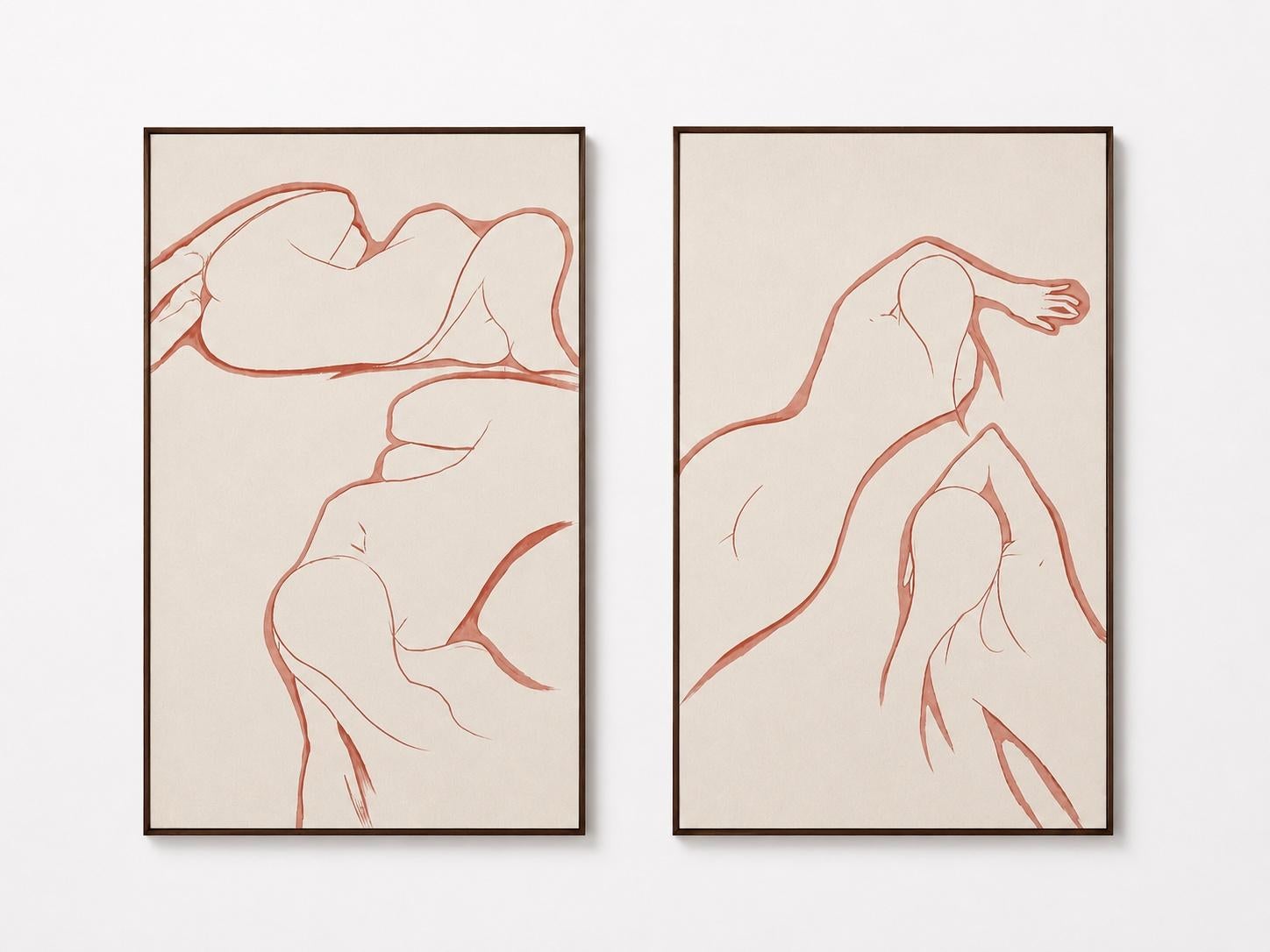
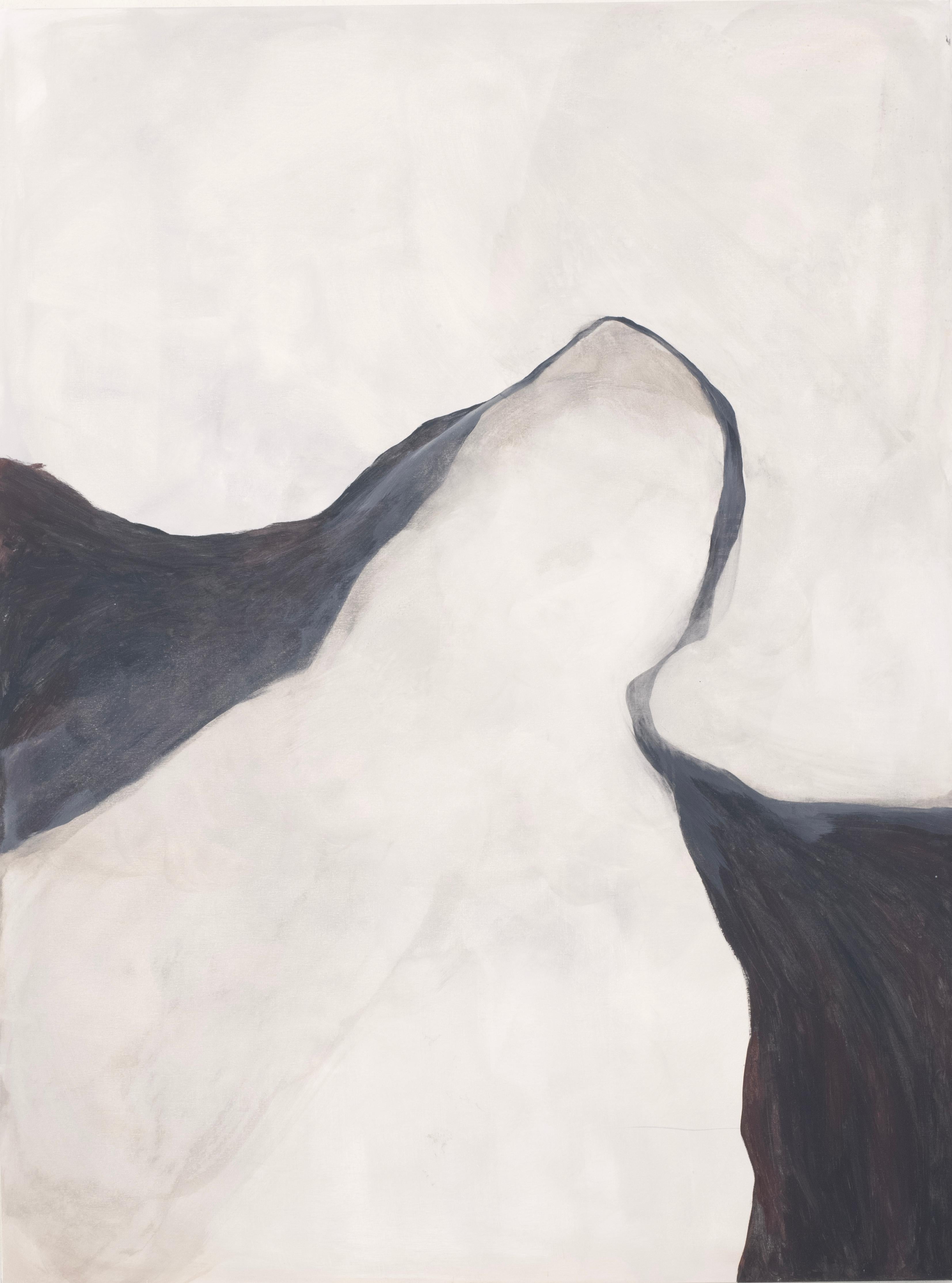
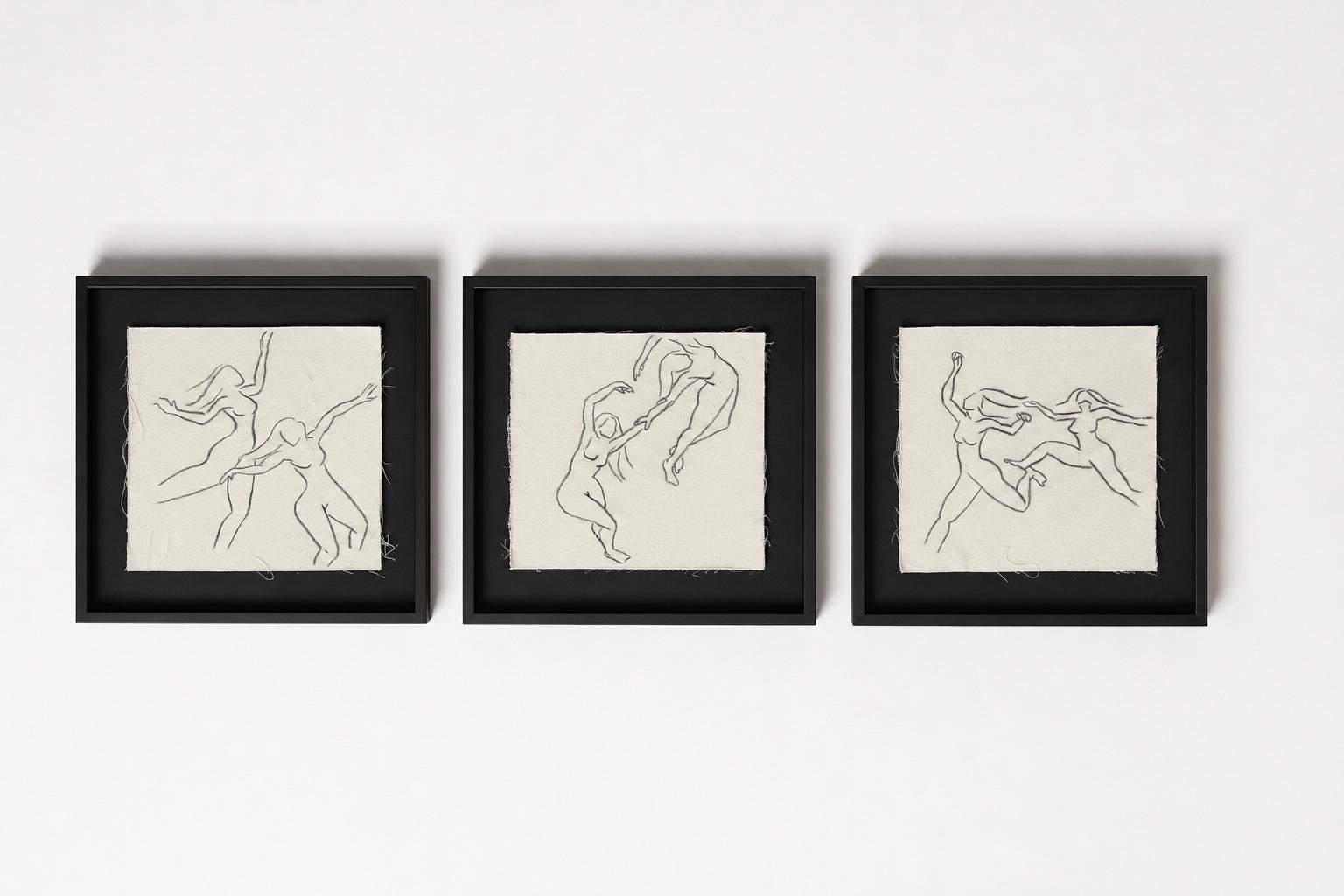
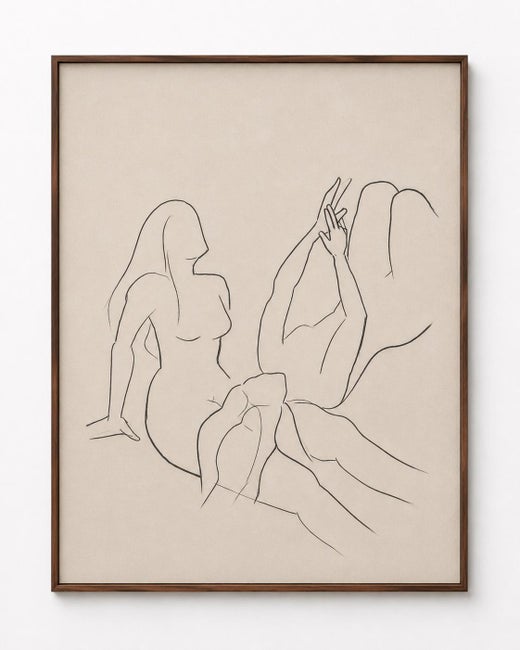
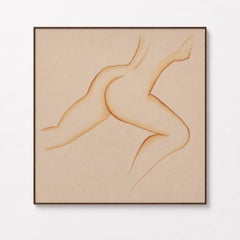
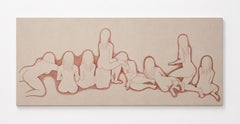
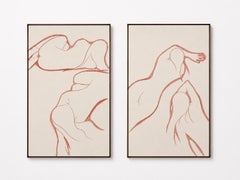
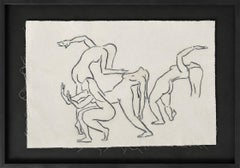
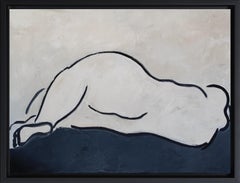
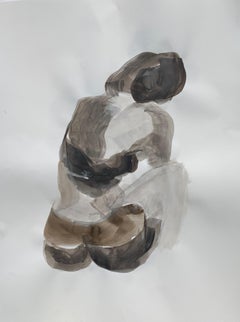
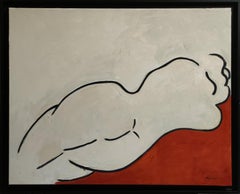
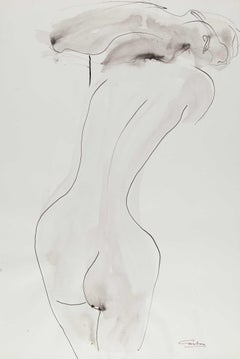
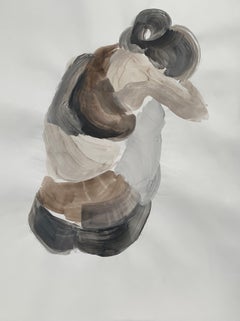
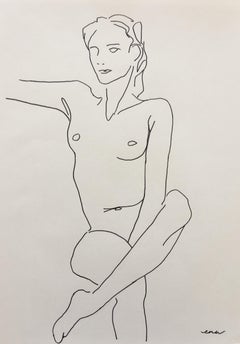
Teresa Vicens is a Spanish artist and architect based in Barcelona, whose practice explores the intersection of spatial structure, intuition, and the human experience. Drawing on her background in architecture, she creates paintings that balance compositional precision with expressive freedom, developing a distinctive visual language rooted in presence, vulnerability, and the relationship between the body and nature. Although painting has accompanied her since childhood, her artistic practice evolved into a profound and sustained commitment following a period of personal transformation. Since then, her work has become an exploration of stillness, perception, and the emotional landscapes that emerge through attentive observation and embodied experience. Working with charcoal, chalk, acrylic, and oil, Vicens combines gestural mark-making with carefully constructed compositions. Her paintings often feature female figures, symbolic landscapes, and organic forms, creating atmospheric scenes that move between figuration and poetic abstraction. Rather than presenting the nude as an object of representation, she approaches the body as a place of honesty, vulnerability, memory, and connection. Nature occupies a central role in her work. Rocks, sand, vegetation, animals, and wind appear not as descriptive elements but as symbolic presences that reflect cycles of transformation, balance, rest, and renewal. These recurring motifs establish an intimate dialogue between the human body and the natural world, inviting viewers into contemplative spaces where emotion and landscape become inseparable. Vicens' architectural training continues to inform her paintings through their spatial awareness, structural balance, and refined sense of proportion. At the same time, her intuitive process embraces uncertainty, allowing gesture, fragility, and spontaneity to coexist with formal clarity. Her recent body of work, The Garden of Eunomia, develops a contemporary visual mythology inspired by the Greek figure of Eunomia, traditionally associated with harmonious order. In Vicens' interpretation, harmony is understood not as perfection or control, but as an inner state achieved through stillness, acceptance, and transformation. Through interconnected scenes that explore community, rest, aging, gravity, and celebration, the series reflects on the body as a place of knowledge, resilience, and renewal. Today, Teresa Vicens continues to develop a contemporary painting practice that merges architecture, nature, and human presence into emotionally resonant works, offering collectors poetic landscapes where structure and intuition exist in quiet equilibrium.