Hugh Henry Breckenridge
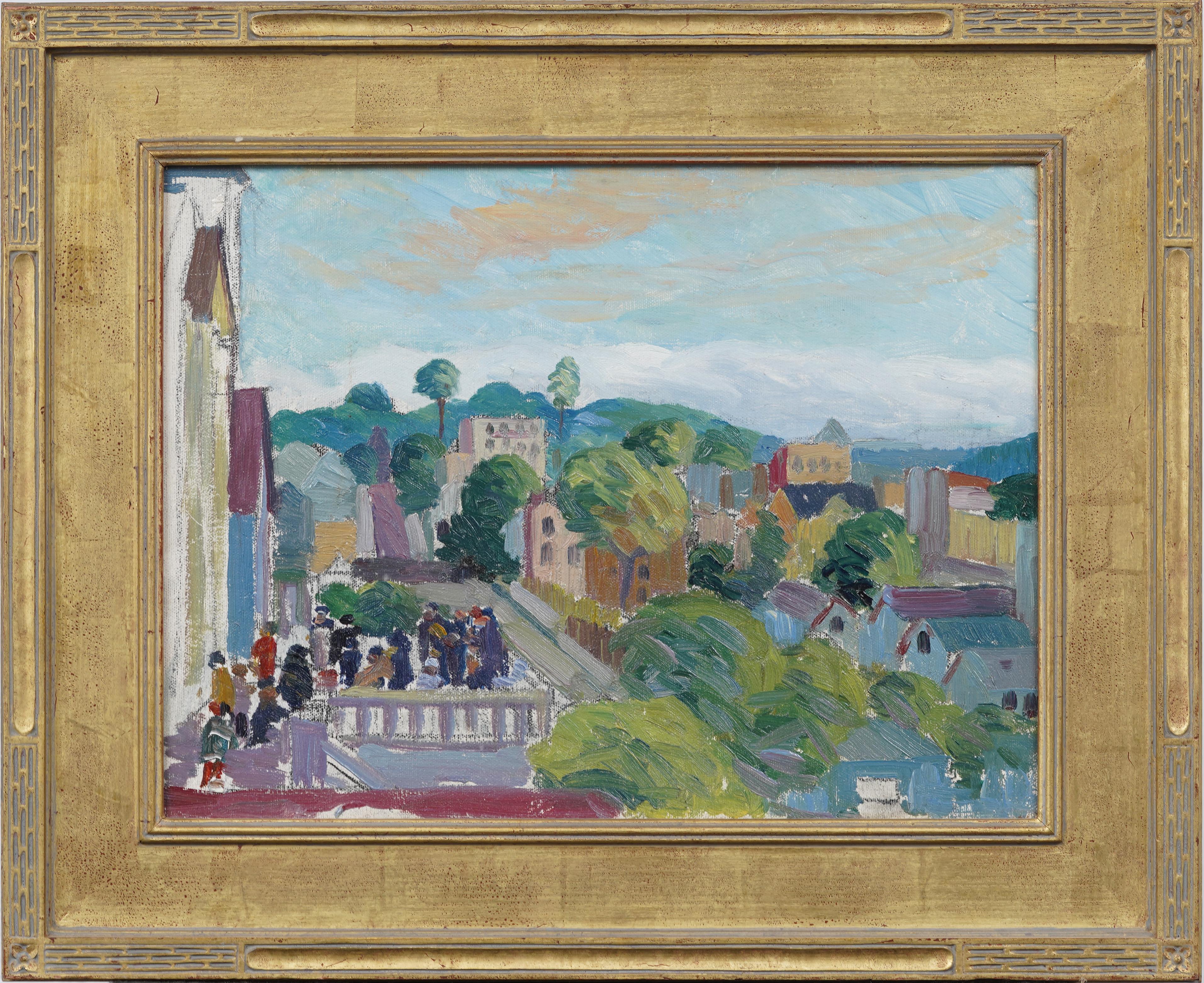
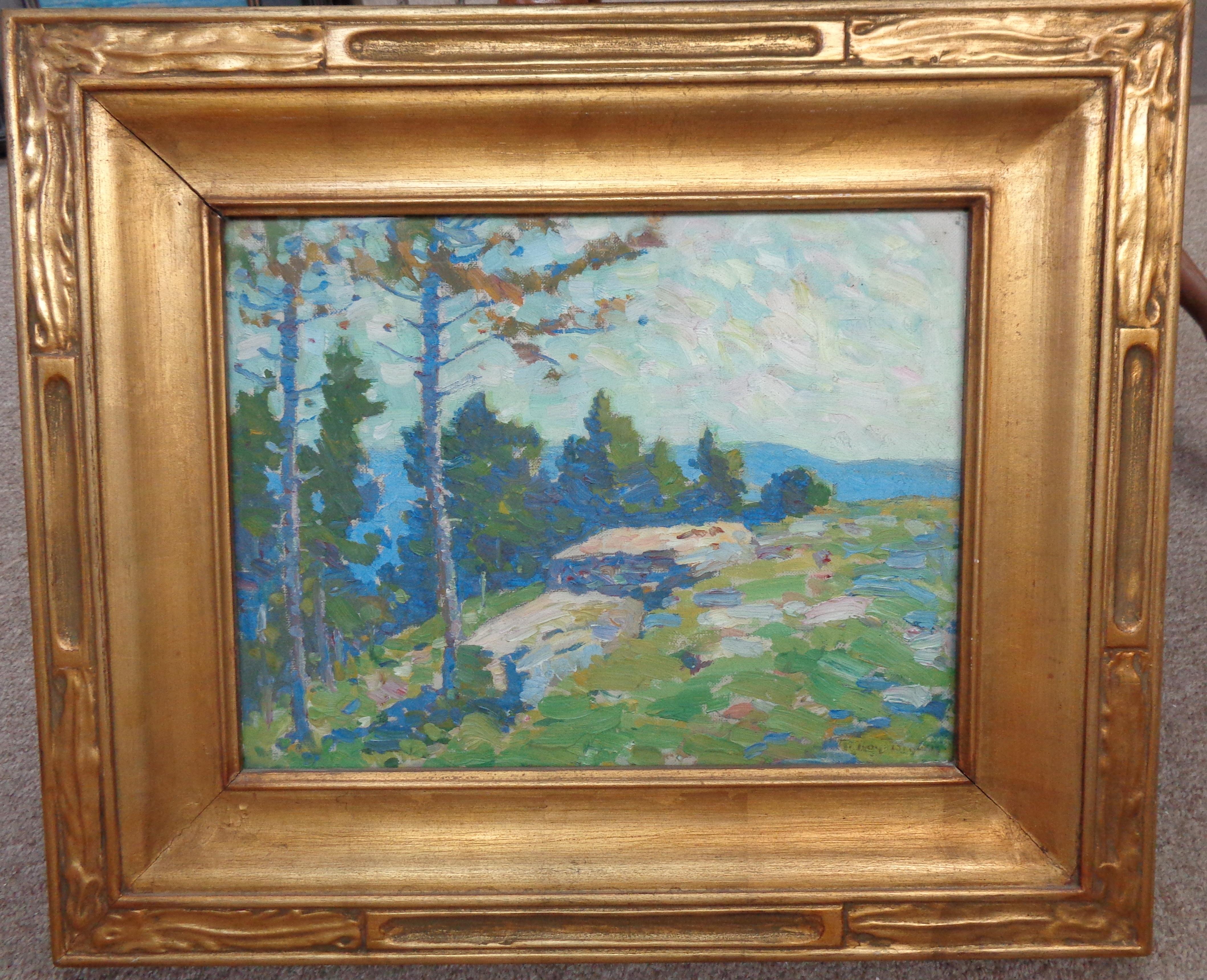
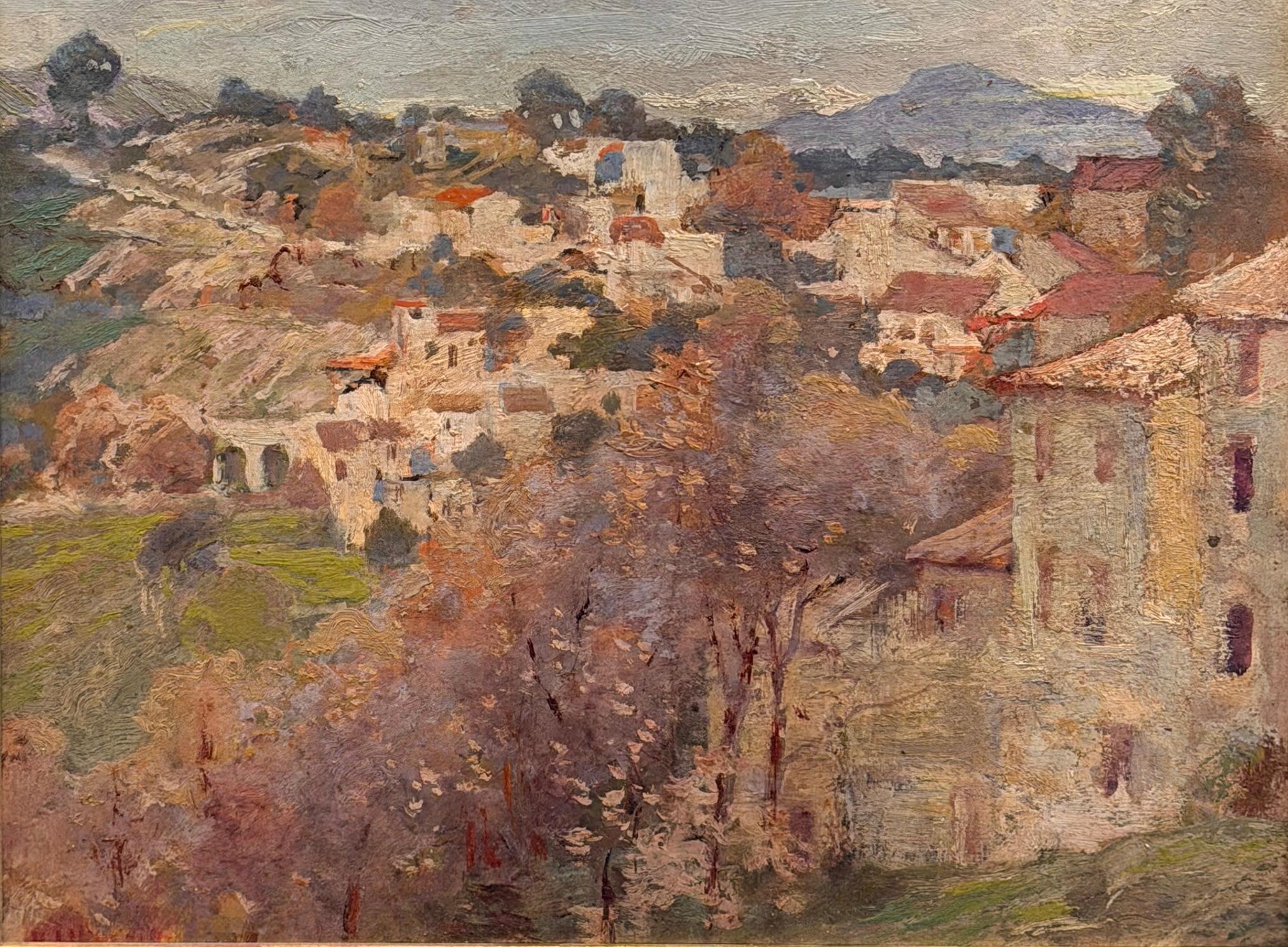
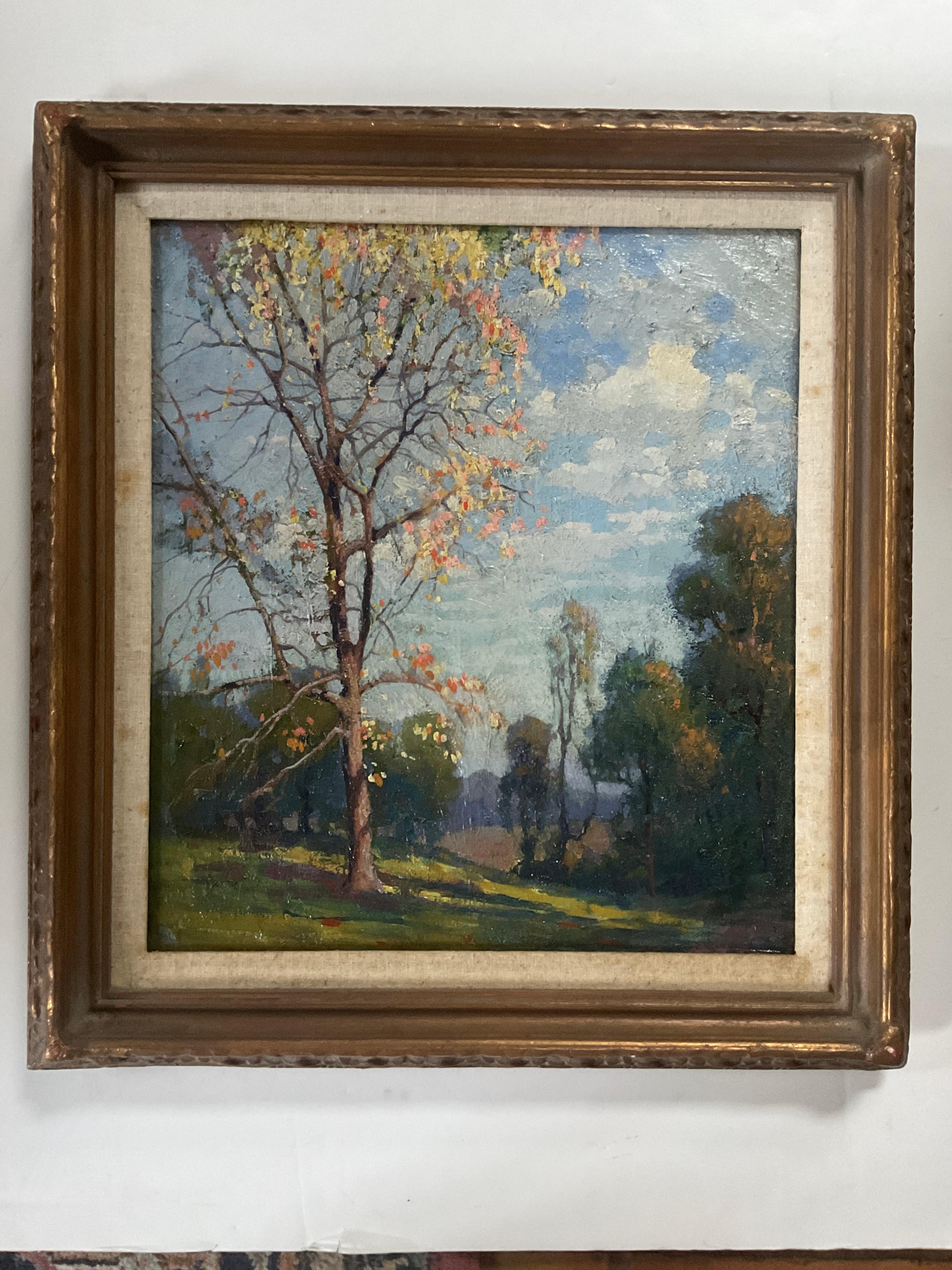
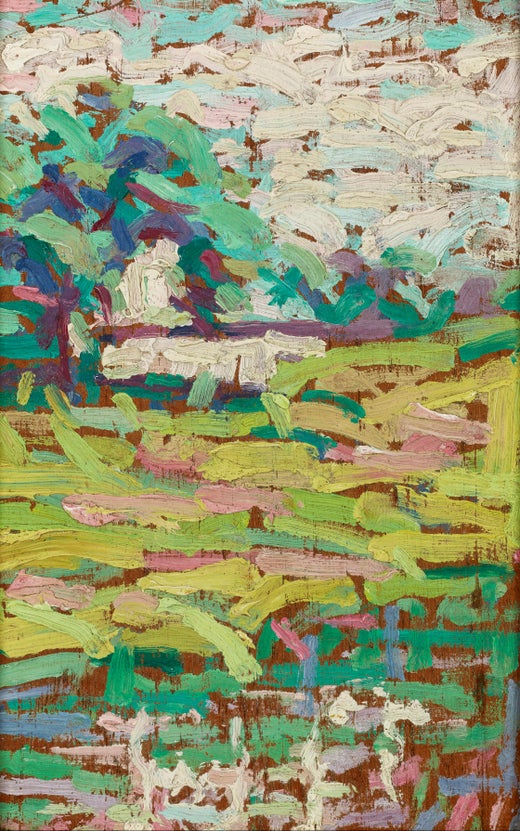
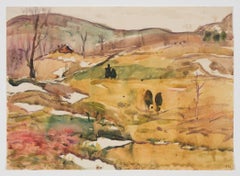
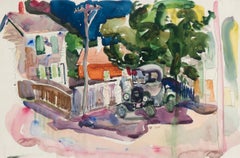
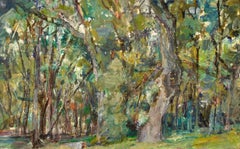
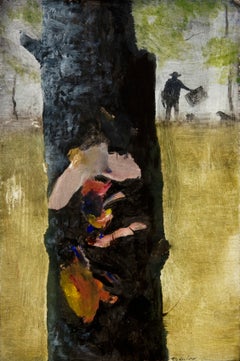
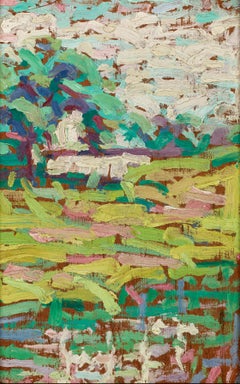
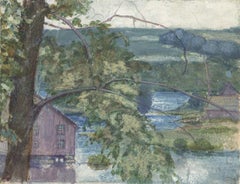
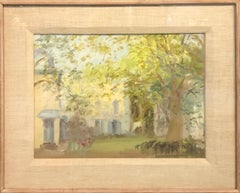
Born in Leesburg, Virginia in 1870, Breckenridge drew incessantly as a child, and through the encouragement of his teacher Paul Laughlin, he decided to pursue a career as an artist. When he turned fifteen, his parents reluctantly allowed him to open a studio in Leesburg so that he could earn the tuition necessary to attend the Pennsylvania Academy of the Fine Arts. In 1887, he enrolled in the Academy, an institution with which he would be affiliated for the majority of his life. Breckenridge won the Academy’s Charles Toppan’s First Prize in 1890 and in 1891, he was awarded the Cresson Traveling Scholarship, which allowed him to pursue his dream of continuing his studies abroad. Breckenridge went to Paris in 1892 and enrolled in the Académie Julian as a student under William Bouguereau, William G. Ferrier, and Lucien Doucet. The academic training Breckenridge received proved beneficial for the portrait work he often did to earn a living, but he was more interested in nonacademic approaches to art. Like many artists at the end of the nineteenth century, he responded enthusiastically to the new and exciting changes in art that were rapidly taking place in Europe and America. He was particularly interested in the exploration of color and color theories. During his time in Paris, he became captivated with Impressionism and his paintings soon began to reflect that interest. Upon his return to the States in 1893, he experimented with Impressionist techniques of painting color and light in landscapes, figurative paintings, and portraits. Back in Philadelphia, Breckenridge began his lifelong teaching career. He first taught classes at the Springside School for Girls in Chestnut Hill, Pennsylvania. In addition, he was offered the post of Secretary of the Faculty at the Pennsylvania Academy of the Fine Arts in 1894 and taught there until his death in 1937. In 1900, he and Thomas Anshutz opened the Darby Summer School of Painting outside of Philadelphia, which they relocated to Fort Washington, Pennsylvania, in 1902. Although Anshutz died in 1913, Breckenridge maintained the Darby School until 1918. From 1920 until 1937, he ran the Breckenridge School of Art in Gloucester, Massachusetts, during the summer months. During his second trip abroad during the summer of 1909, Breckenridge was exposed to the latest experiments in painting led by the Post-Impressionists and the Fauves. These experiences made him an early convert to Modernism, which he pursued in his paintings upon his return to America. He kept abreast of the Modernist movement through visits to Alfred Stieglitz’s 291 Gallery in New York, and he subscribed to Stieglitz’s highly influential journal of avant-garde art, Camera Work. In 1913, he shared a studio with Arthur B. Carles in the Fuller Building in New York. The two painters became very close, often painting the same subjects and in the same manner, inspired by Paul Cézanne’s structural brush work and Matisse’s vivid colors. This resulted in what Breckenridge called his “‘tapestry paintings,’ which combined broad, checkerboard brushwork with a vigorous Neo-Impressionist technique.”