Louis Clesse
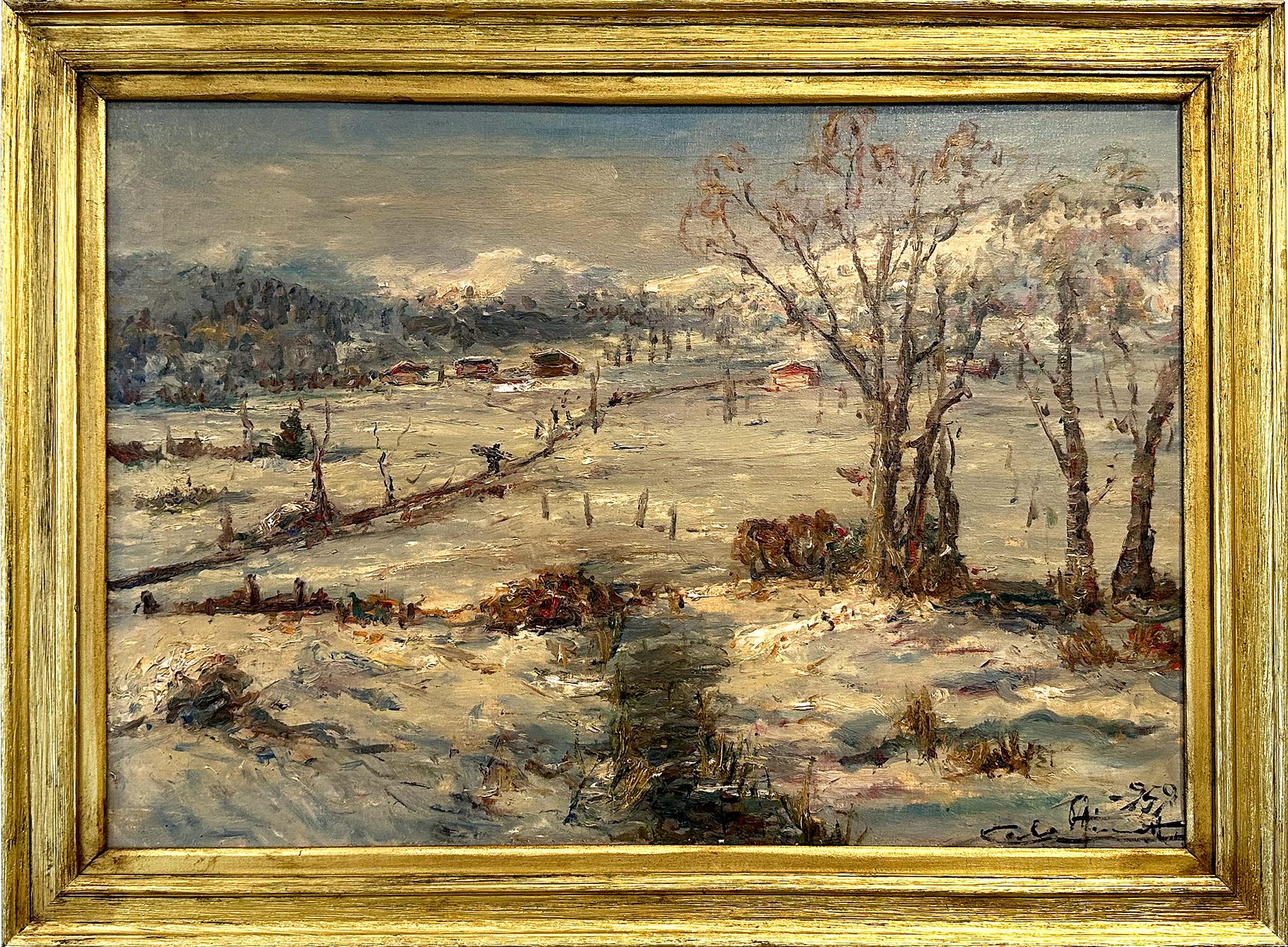
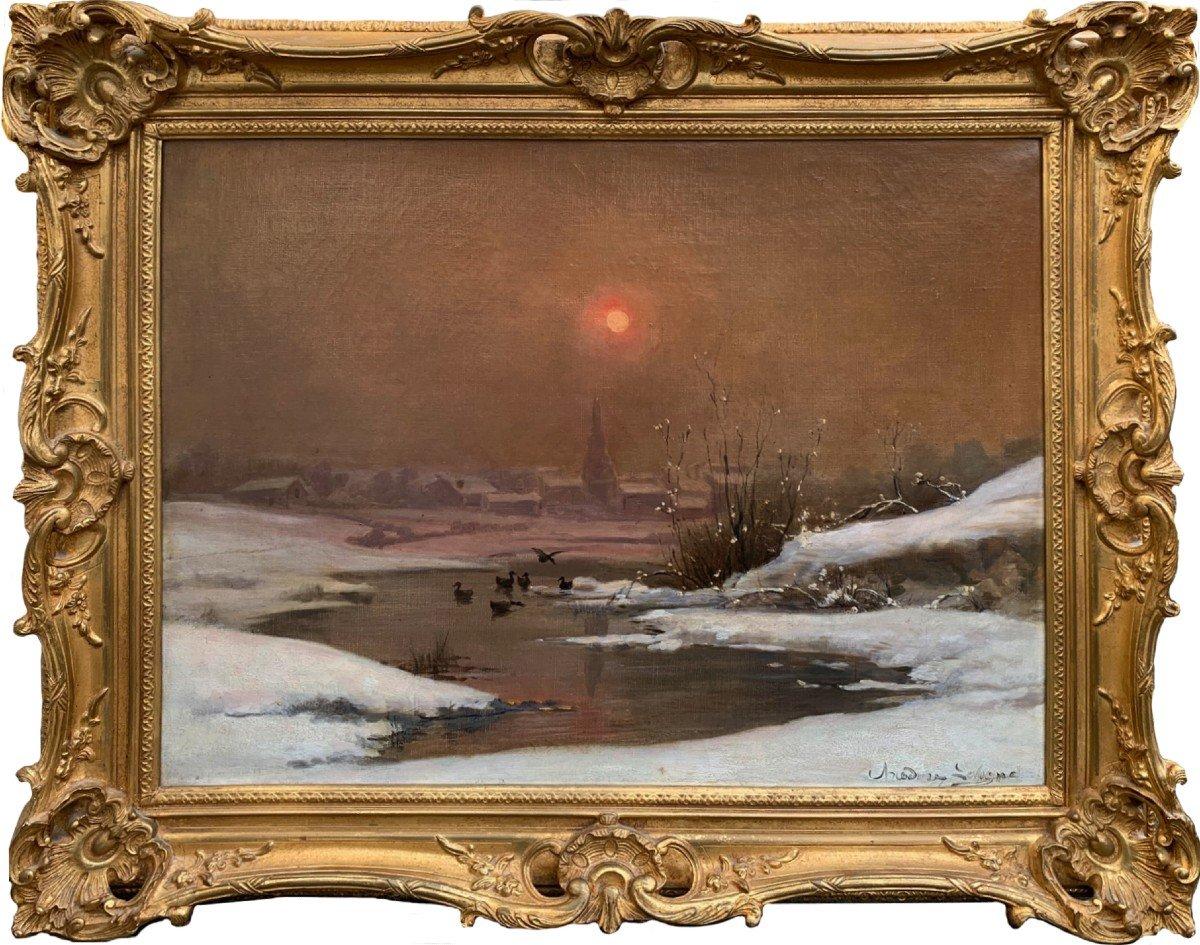
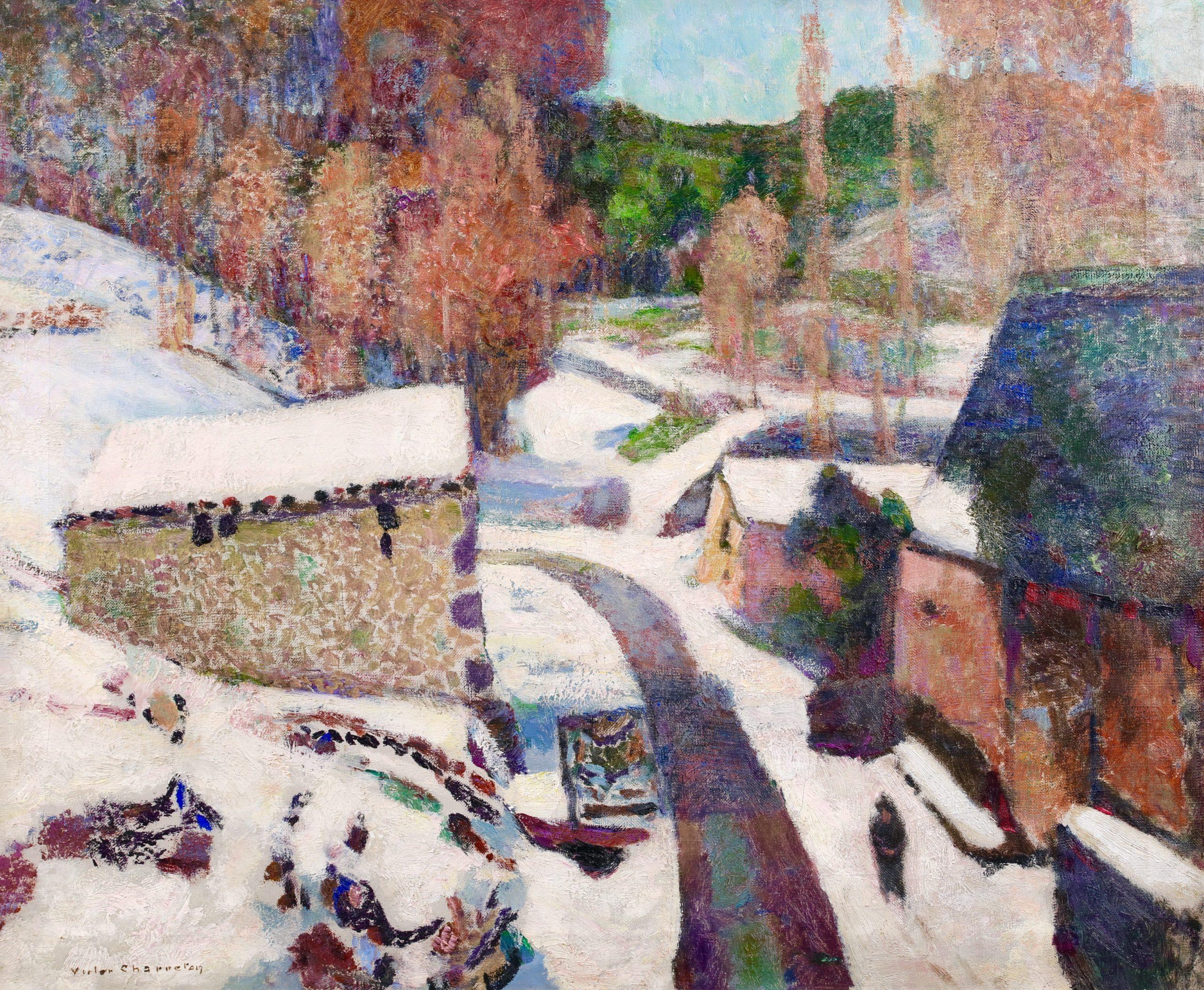
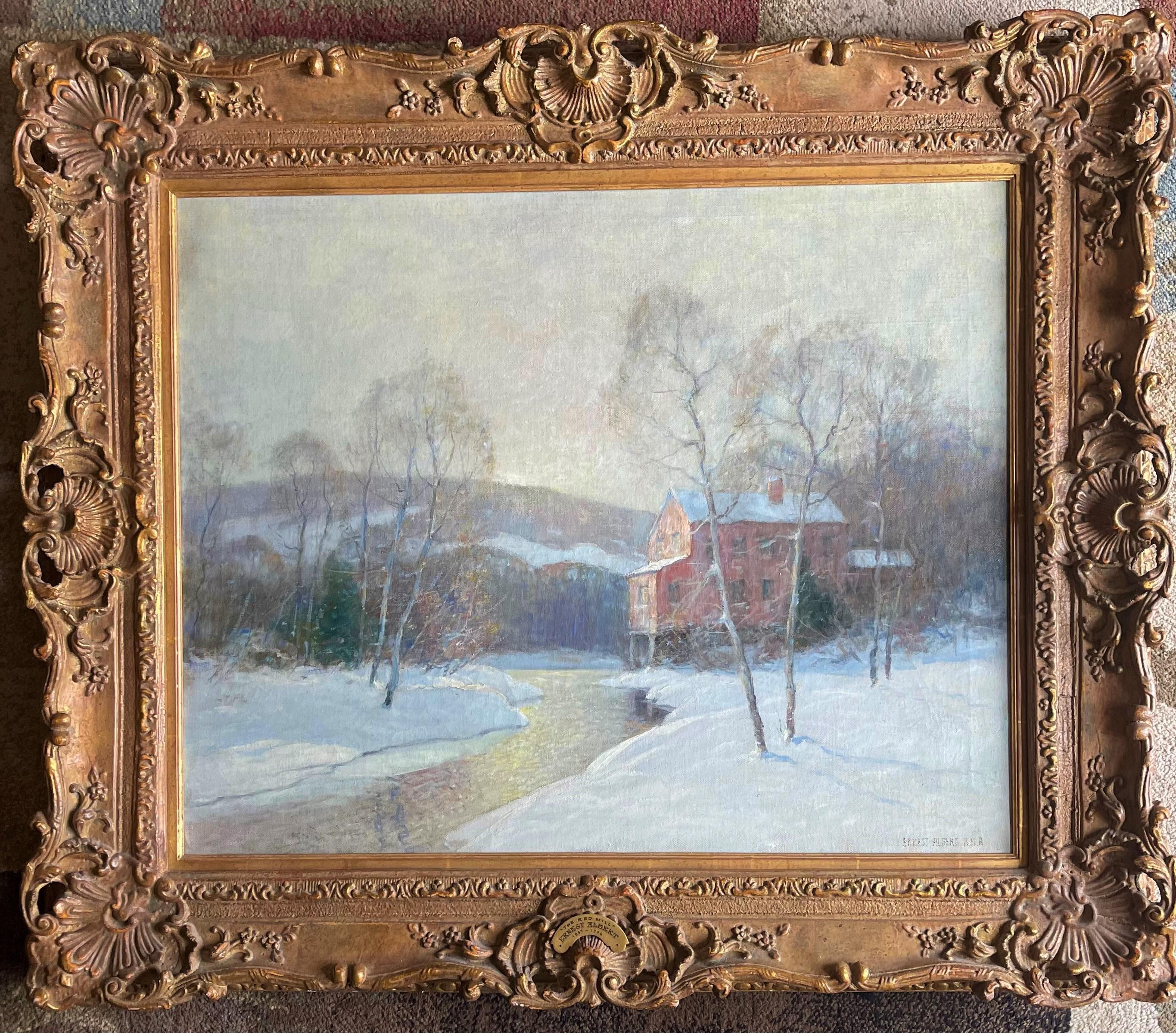
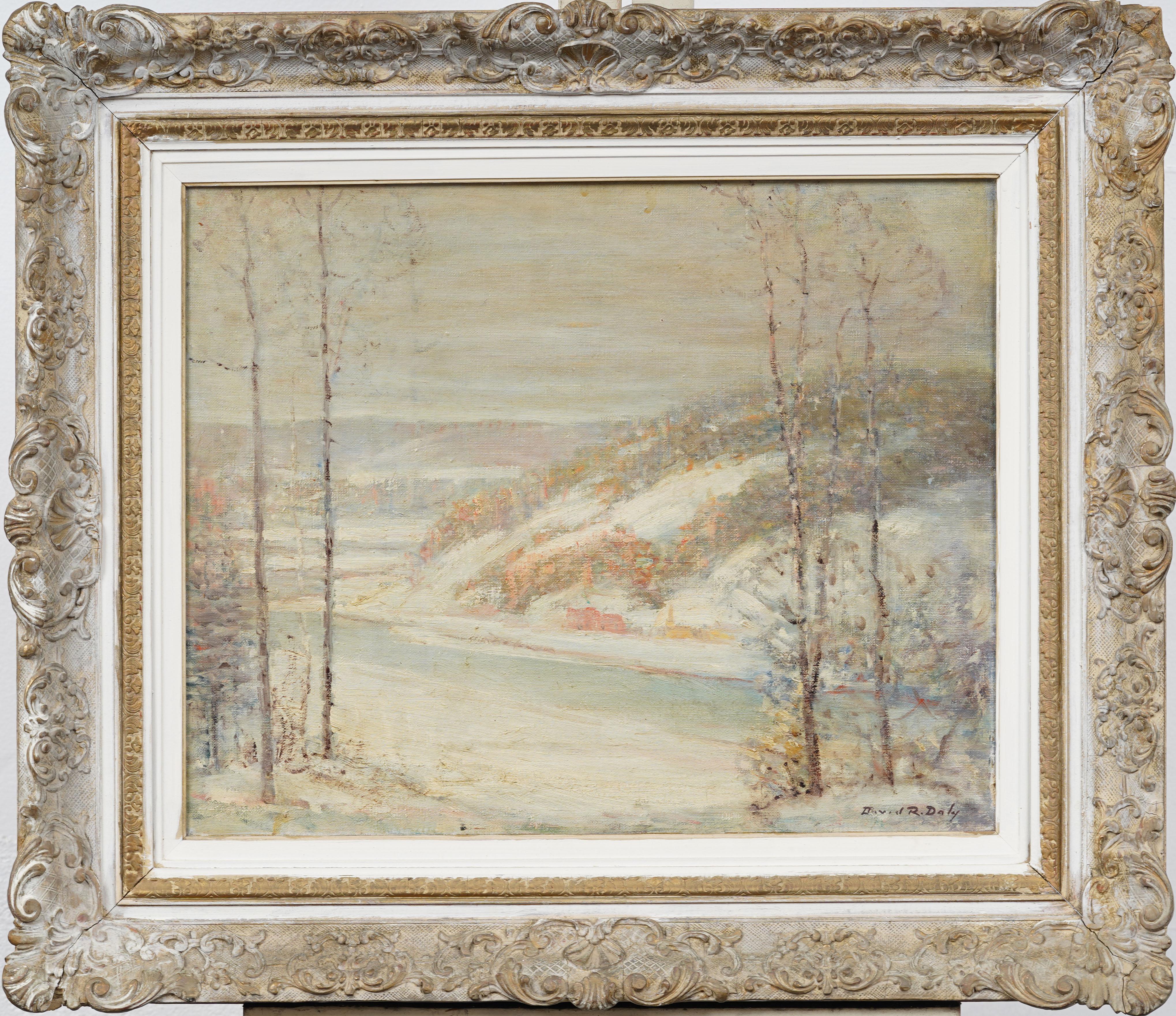
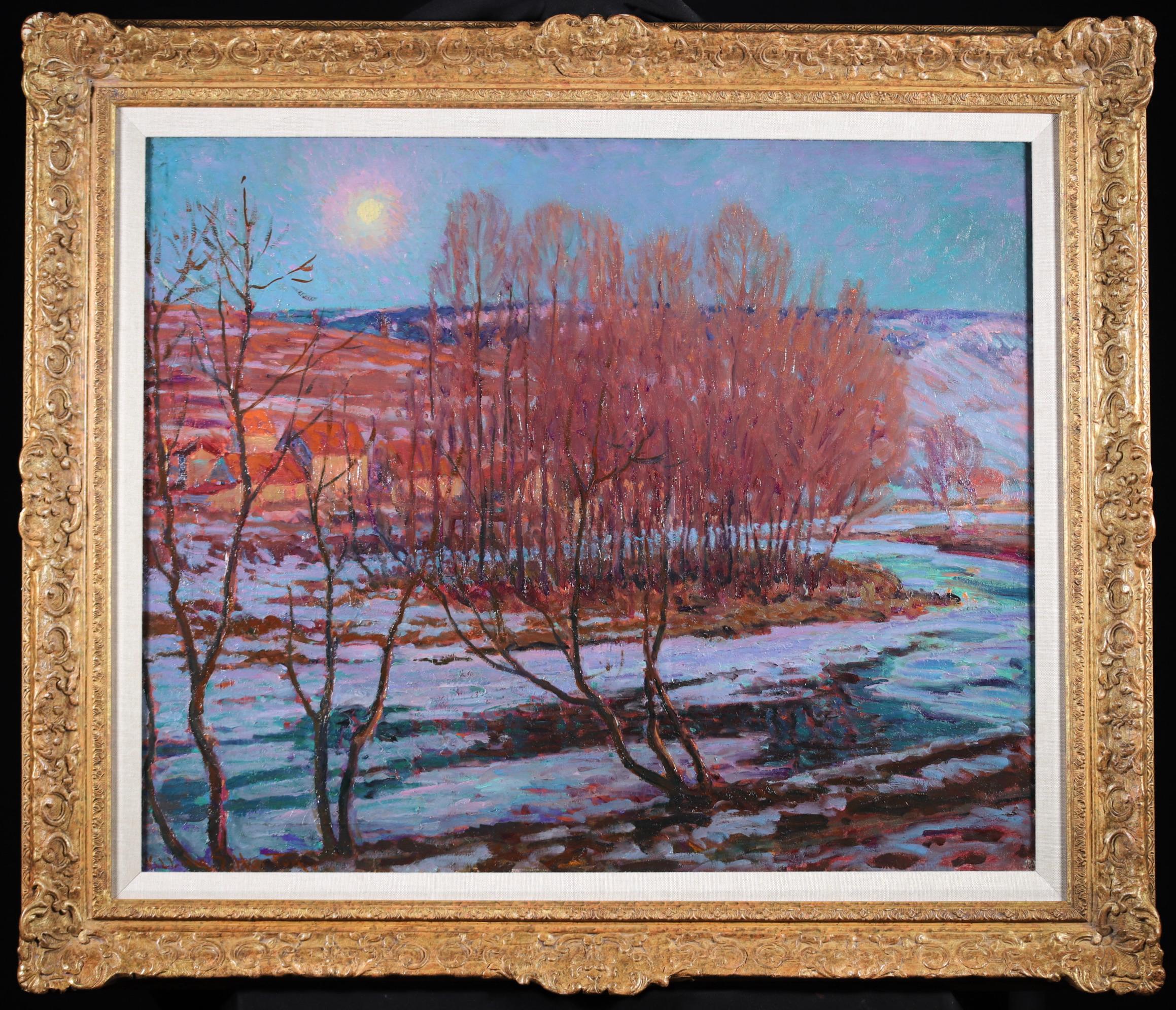
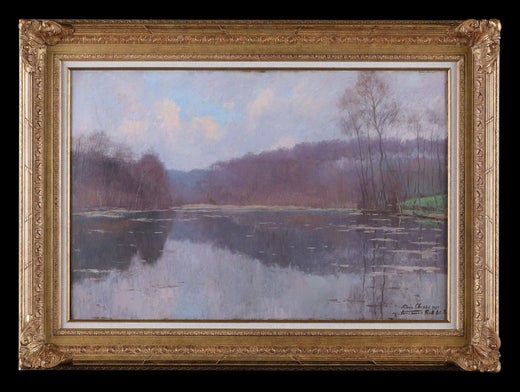
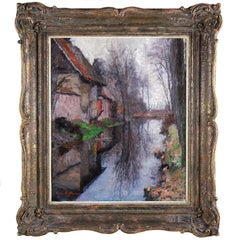
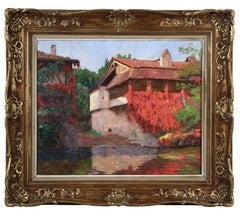
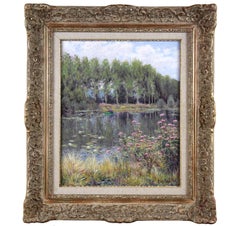
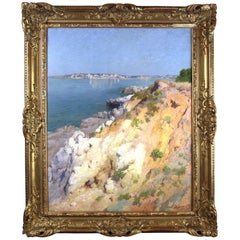
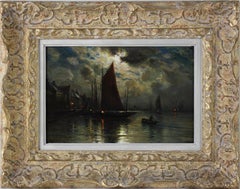
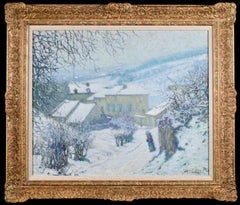
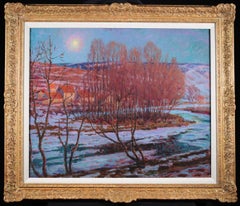
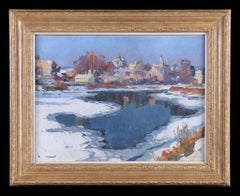
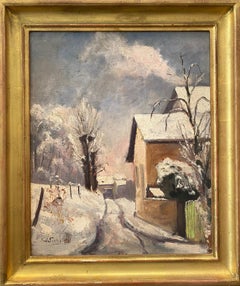
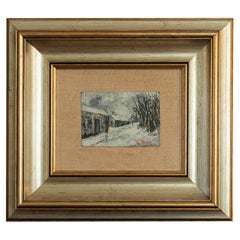
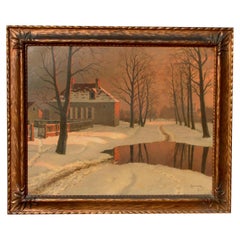
Louis Liévin Théophile Clesse (Ixelles, Brussels, 15 June 1889 – 9 February 1961) was a Belgian Post-Impressionist and Realist painter, aquarellist, and etcher, renowned for his atmospheric landscapes, maritime scenes, still lifes, and portraits. His work is marked by a lyrical use of light and colour, expressive brushwork, and a deep sensitivity to mood and place. Born into a modest family in Ixelles, he was the youngest of eight children. His father, François Auguste Clesse, was an upholsterer, and his mother, Augustine Josèphe Leduc, maintained a close-knit household. Louis was introduced to art at an early age by his older brother Theo, who worked as chief assistant in the decorative painting studio of Paul Hermanus. Clesse studied at the Academy of Fine Arts in Ixelles, where he excelled and received numerous awards, including the prestigious government medal in 1904. He went on to work for the Hermanus firm, producing decorative panels and copies of old masters—an experience that sharpened his technical skills and observational eye. While initially rooted in realism, Clesse’s exposure to artists such as Alfred Bastien and Emile Claus led him toward a more expressive, emotional style. His goal was not to reproduce nature, but to convey its essence through bold colour harmonies and textured, painterly compositions. He debuted at the Brussels Triennial Salon in 1907 and regularly exhibited throughout Belgium (Antwerp, Liège, Charleroi, Mons) and abroad (Barcelona, Nice). He was an active participant in the Belgian art scene, contributing to journals like Revue de l’Art Belge and Savoir et Beauté. Clesse’s favourite subjects included the woodlands and ponds of Auderghem—where he summered and became an honorary citizen in 1959—the Zenne Valley, the Sonian Forest, and the coastal landscapes of West Flanders, particularly around Ostend, Nieuwpoort, and Zeebrugge. Between 1928 and 1932, he also painted extensively along the northern French coast from Petit-Fort-Philippe. In the 1930s, he established a studio in Oudenburg, which became a base for his explorations of the Flemish polders and Bruges. His style is often described as a personal blend of Realism and Impressionism, deeply inspired by Franz Courtens, Isidore Verheyden, and especially Emile Claus. Clesse’s plein-air approach—even on large canvases—was often refined in the studio, lending his works both spontaneity and polish. In addition to landscapes and seascapes, he painted still lifes with game and poultry—drawing from his love of hunting—as well as portraits and figure studies. His art reflects a deep connection to nature and an appreciation for seasonal light. Clesse was a longtime member of the Cercle Artistique et Littéraire (Cercle Gaulois), served on the acquisition committee of the Ixelles Museum, and co-founded the Cercle d’Art d’Ixelles. In 1942, an avenue in Auderghem was named in his honour during his lifetime. He died in Ixelles in 1961. His grave is adorned with a sculpted portrait by René Cliquet. Today, his work is found in numerous public and private collections in Belgium and worldwide.