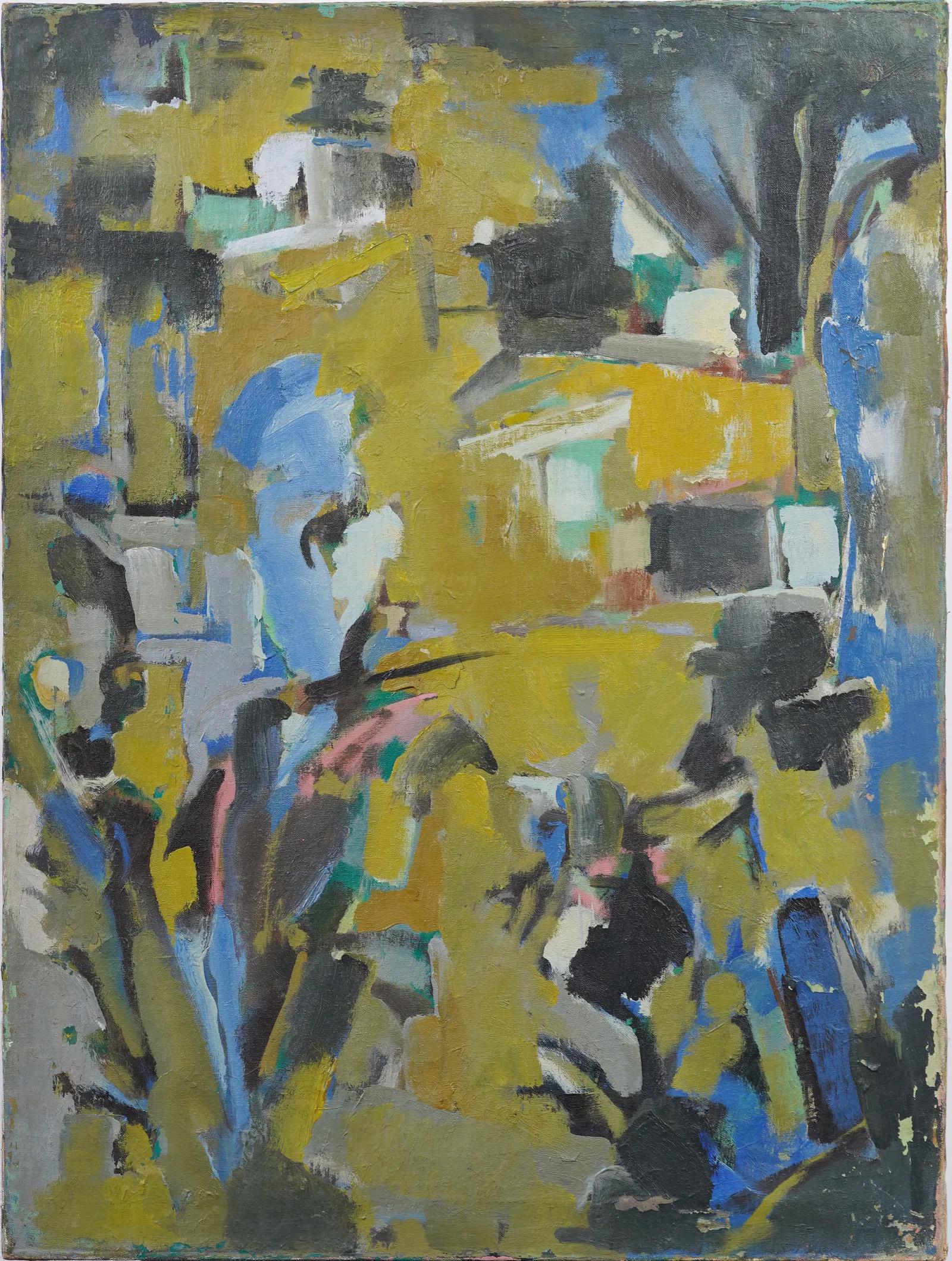
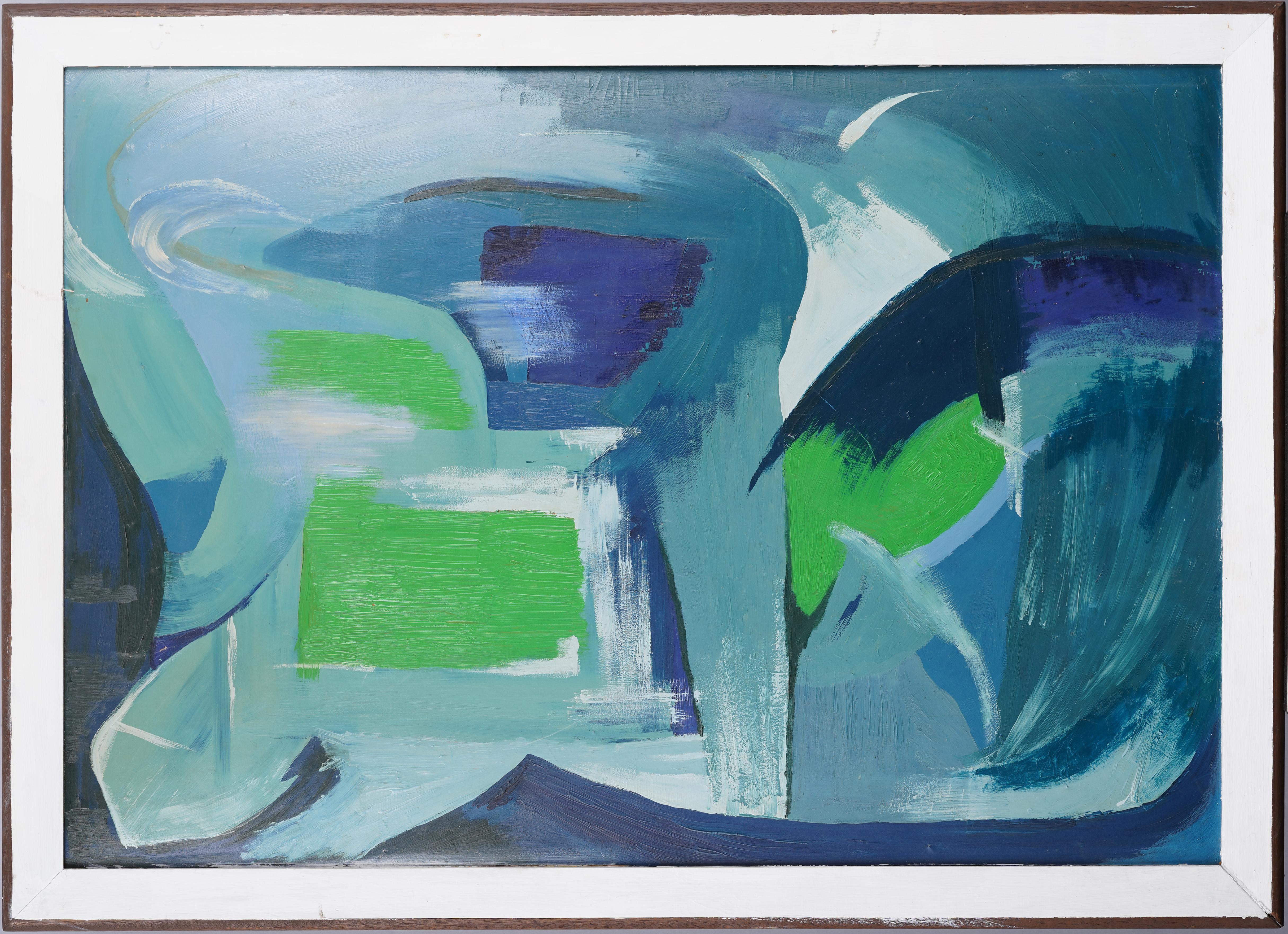
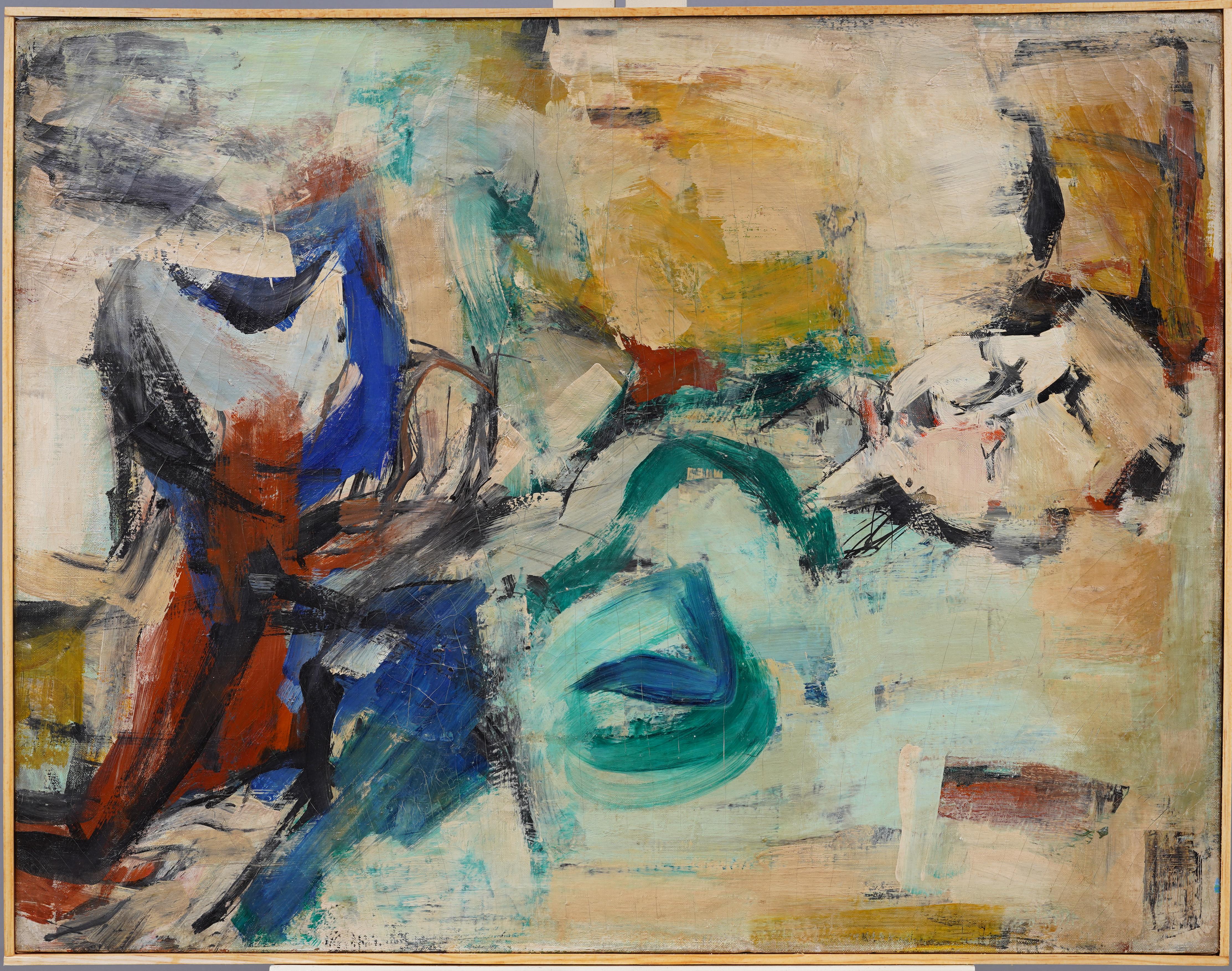
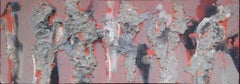
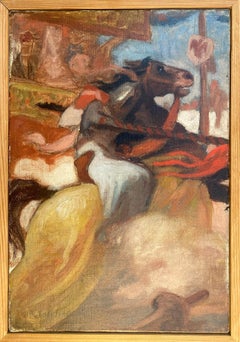
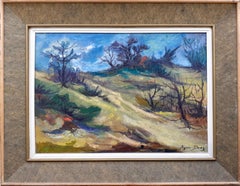
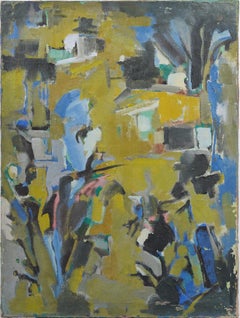
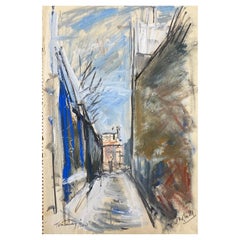
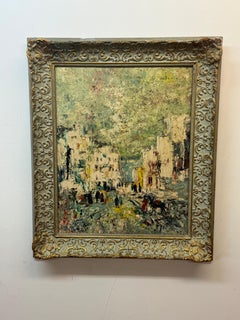
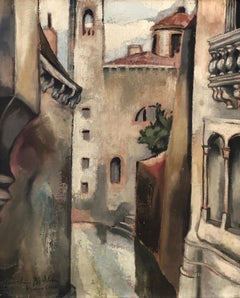
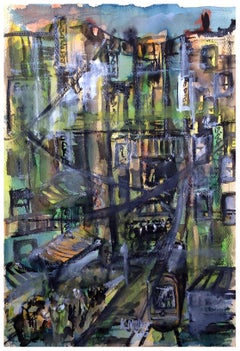
Meet the genuinely exciting modernist William Einstein, who is probably better known in Europe, where numerous publications on his work have been written, than in his native US!
Einstein studied at the St Louis School of Fine Arts and then settled in Paris in 1927, aged 20. He arrived at the height of the “Montparnasse” era and established meetings and friendships with the most cutting edge artists present in Paris: Léger , Mondrian , Kandinsky , Duchamp , Arp , Delaunay , Hélion , Calder , Man Ray , Georgia O'Keeffe , Frida- Kahlo .
He multiplies his experiences and develops in a spirit of modernity which owes a lot to his acquaintances. In his painting, he lived a short period devoted to abstraction, then, quickly detached from a movement too intellectual for his taste, he returned to figuration, for the force of representation and sensuality of the living, through a few assumed influences: those, in particular, of Rembrandt for the lighting and of Chaïm Soutine for the composition. Despite the political unrest, he traveled in the 30s and 40s: to Italy, Austria, Germany, Poland, then following Frida Khalo to Mexico. He returned to the United States numerous times where his pictorial truth deepened, notably with Georgia O'Keeffe and Alfred Stieglitz.
Einstein had numerous one man shows, notably at
Delphic Gallery - New York, An American Place - New York, Jeanne Castel Gallery - Paris, Associated American Artists Gallery, Bénézit Gallery and Druet Gallery. He also exhibited at the Paris Salons and his work featured at the iconic "Paris / New York 1908-1968" exhibition at the National Museum of Modern Art in Paris.
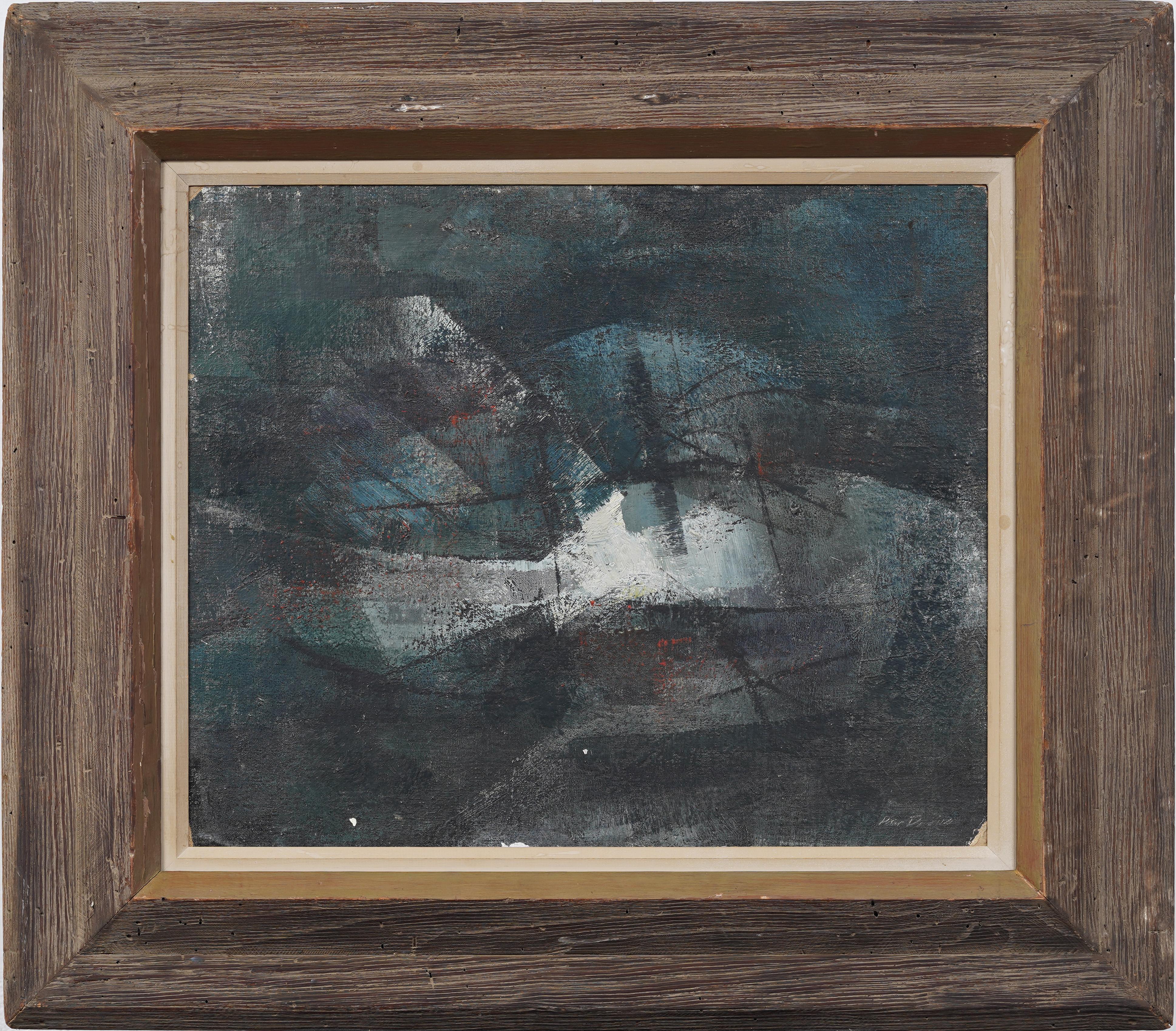
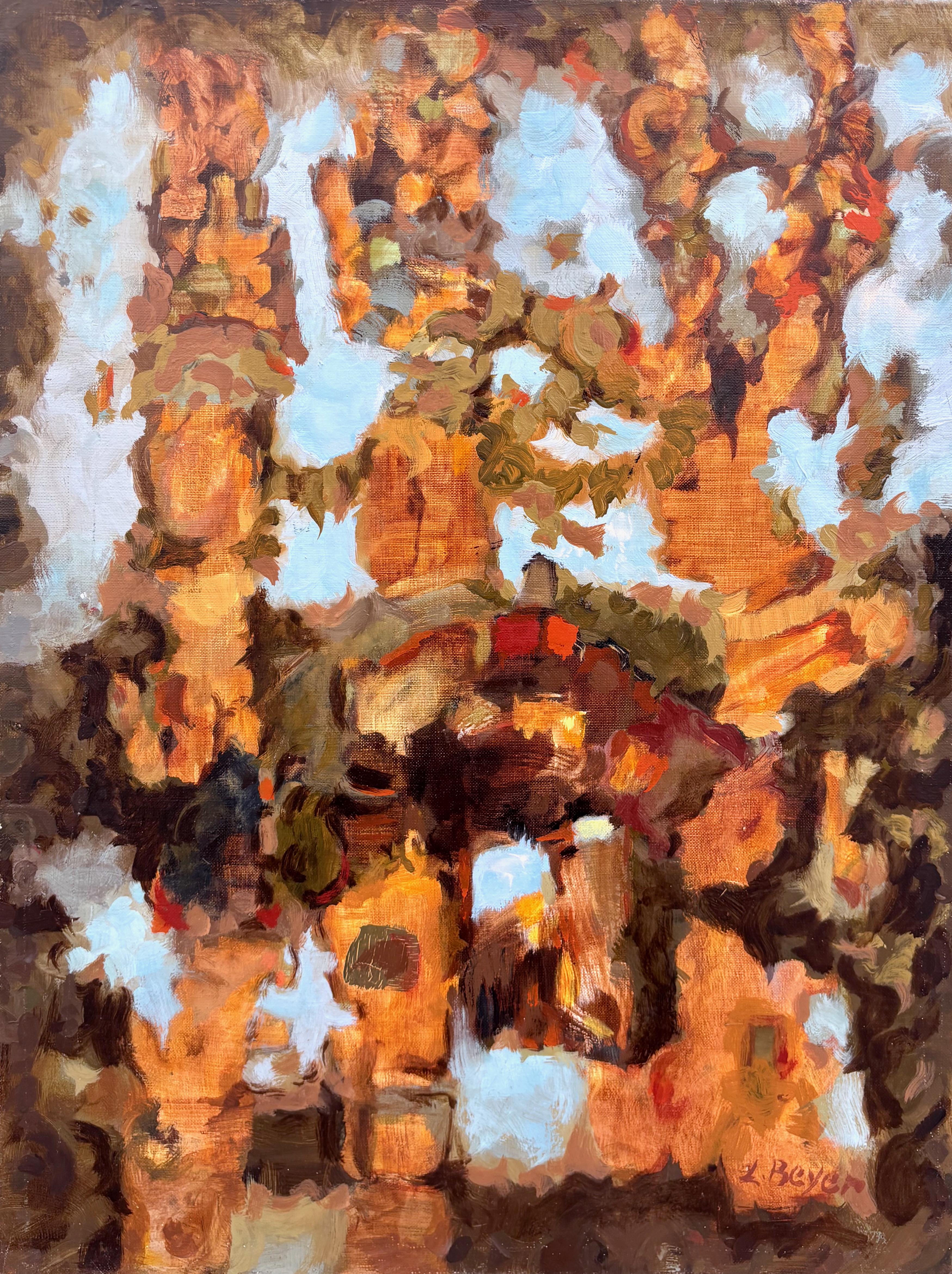
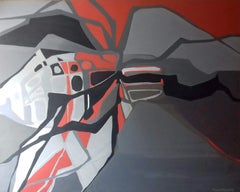
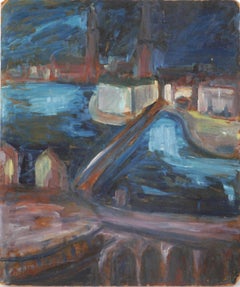
Our abstracted view of Venice by Einstein is signed and dated (19)57 at the lower right. The oil on canvas bears on the verso the stamp of the celebrated art suppling dynasty Lucien Léfèvre-Foinet. It is presented in its original artist strip frame.