Video Loading
Want more images or videos?
Request additional images or videos from the seller
1 of 22

Max Moreau
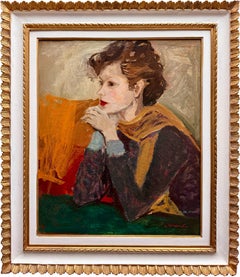
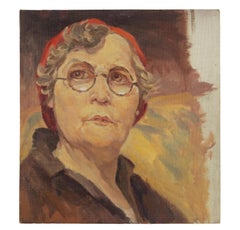
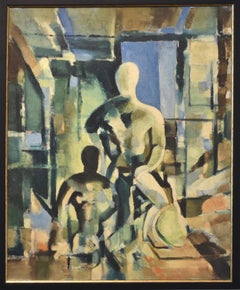
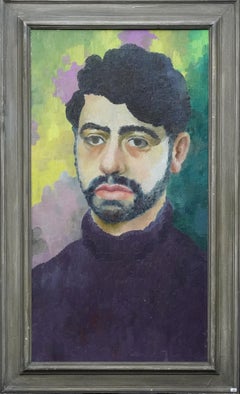
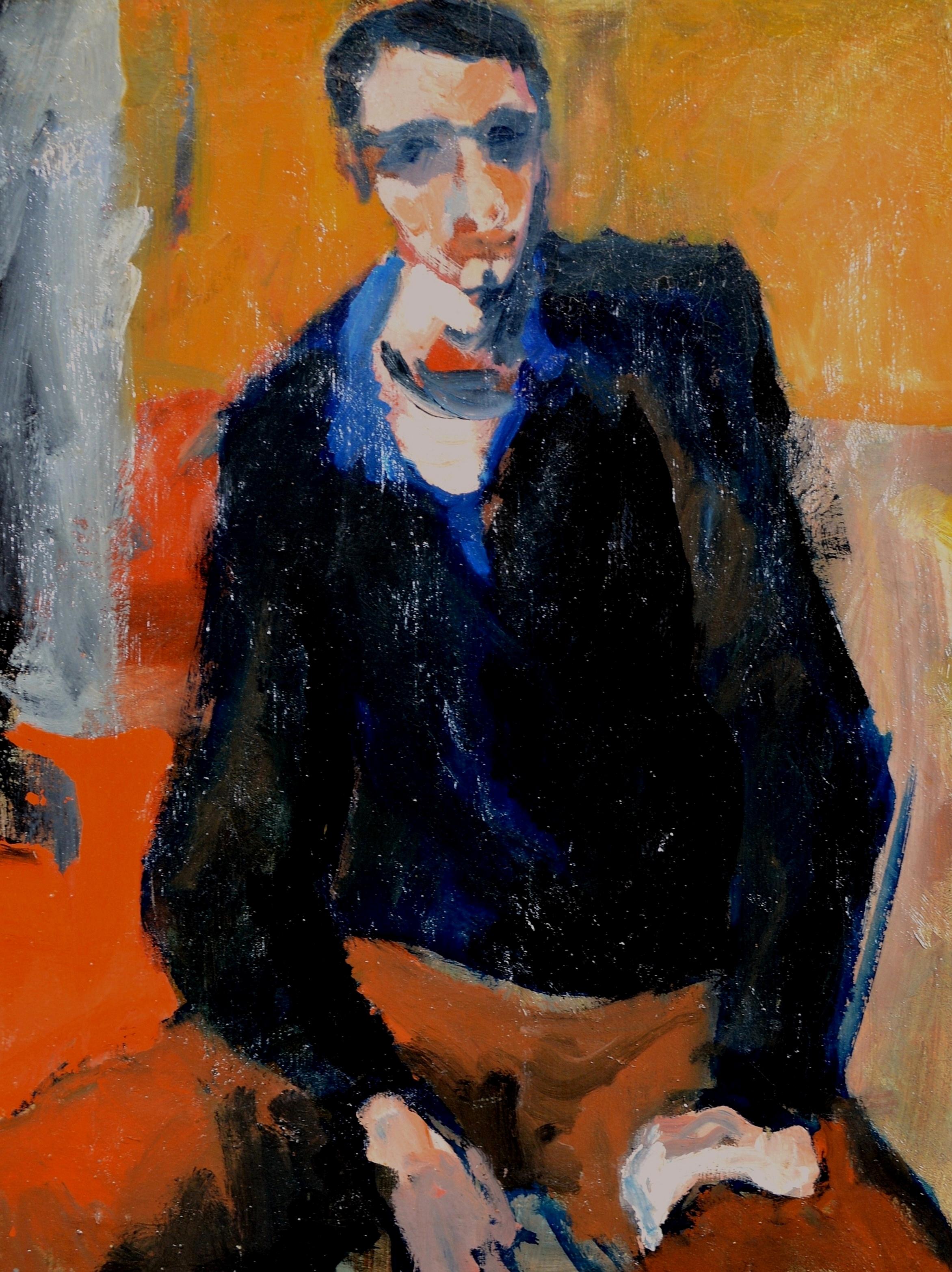
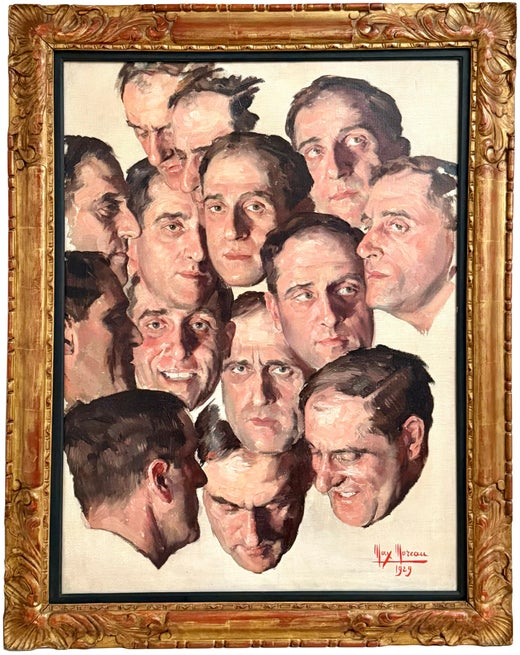
'Portrait of Fourteen Emotions' by Max Moreau (1902 – 1992) Franco-Belgian

1929

$19,871.95
£14,725.89
€16,800VAT Included
CA$27,483.19
A$27,717
CHF 16,135.79
MX$337,329.93
NOK 184,925.88
SEK 191,093.24
DKK 128,095.45

About the Item

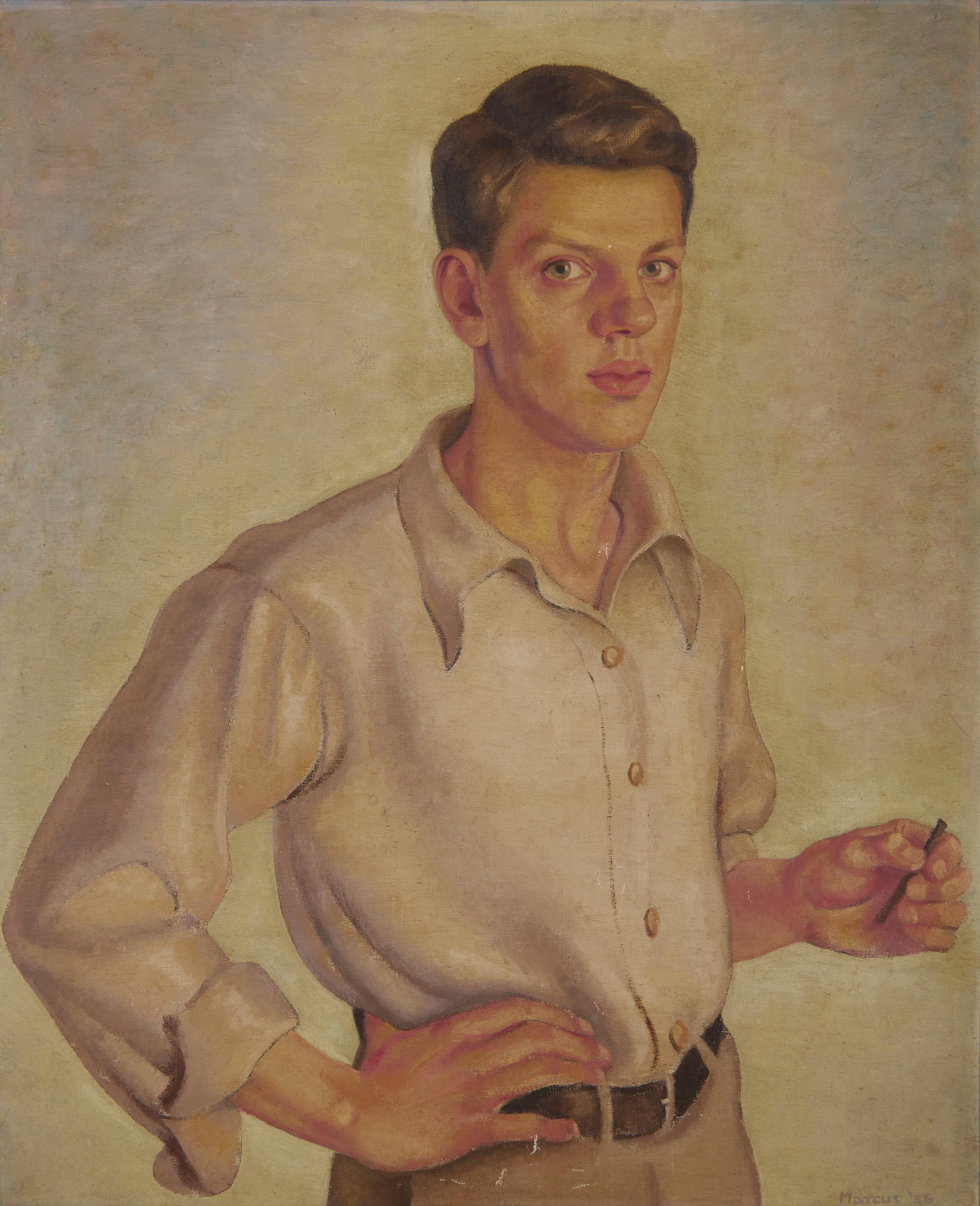
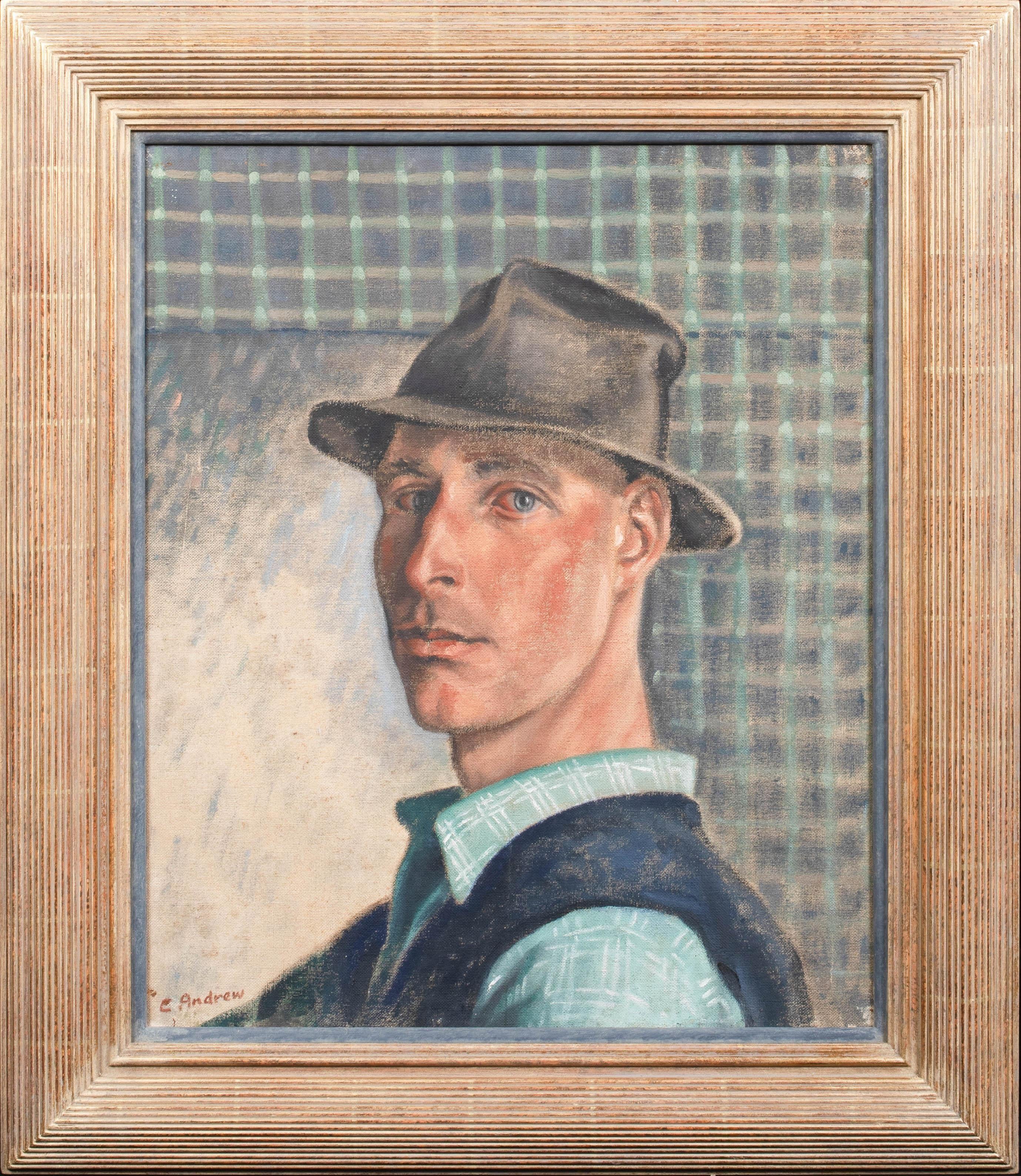
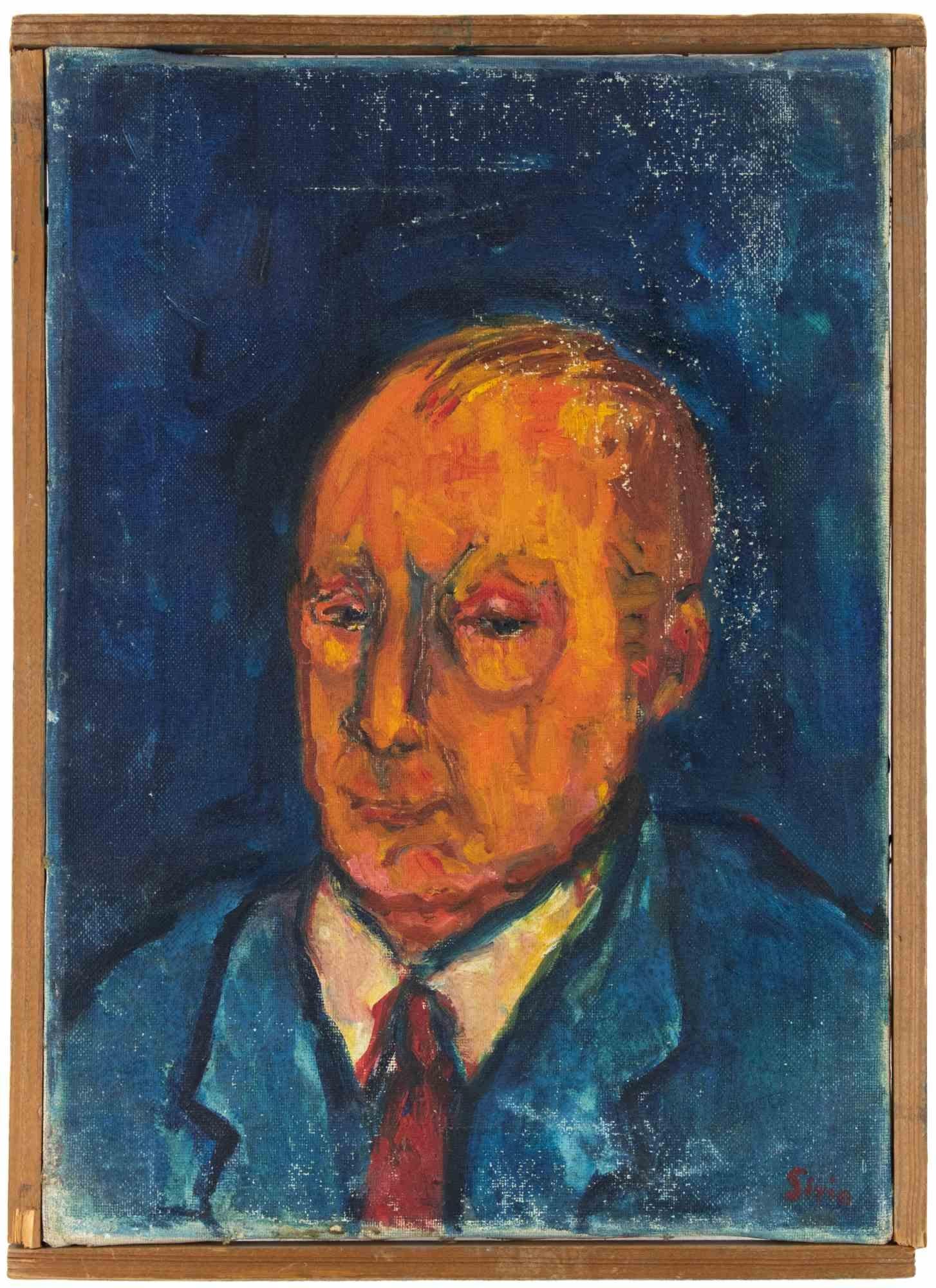
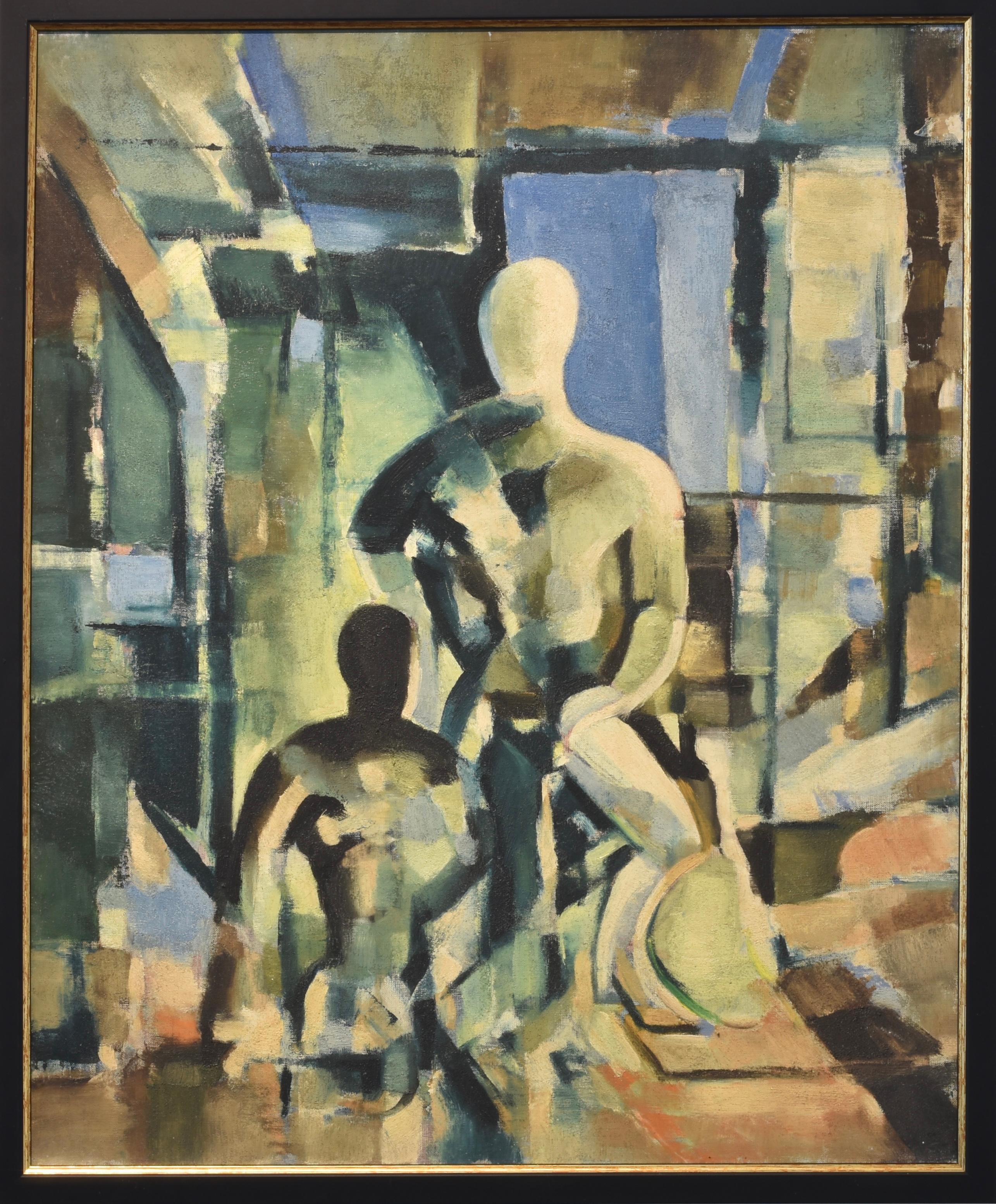
Max Moreau Soignies 1902 – 1992 Albaicín Franco-Belgian Painter 'Portrait of Fourteen Emotions' Signature: signed lower right and dated 1929 'Max Moreau 1929' Medium: oil on canvas Dimensions: image size 80 x 60,5 cm; frame size 95 x 75 cm Biography: Max Moreau was born in Soignies, Belgium, on 2 September 1902, and died ninety years later, on the very day of his birthday, 2 September 1992, in the Albaicín district of Granada, Spain. A Franco-Belgian painter closely associated with Realism, he devoted his life to portraiture and became renowned for his evocative depictions of the people and cultures of North Africa and southern Spain. Born Max Leo Moreau, he was the son of an artist and grew up in an environment where drawing and painting formed part of daily life. Although largely self-taught, he received his earliest instruction in draughtsmanship from his father. At the end of the First World War, Moreau moved with his family to Paris. There he worked as a stage designer and entered the lively artistic and theatrical circles of the French capital. During this period he formed a close friendship with the actor and director Denis d’Inès, a relationship that would remain important throughout his early career. In 1928, Moreau married Félicie Leclercq. The following year, the couple travelled to Tunisia, a journey that would profoundly shape the artist’s life and work. Moreau discovered in North Africa a world of striking light, rich colour and deeply rooted traditions. The landscapes, architecture and inhabitants of Tunisia awakened in him a lasting fascination with Moorish culture, an interest that would later extend naturally to southern Spain. Throughout the following decades, Moreau and his wife travelled widely. During the Second World War they remained in France, but after the war they journeyed extensively through Morocco, the Caribbean, the United States and across Europe. Wherever they went, Moreau painted. He became highly sought after as a society portraitist and portrayed members of the cultured and affluent circles in which the couple moved. These elegant commissions brought him considerable success and financial security. Yet beyond these sophisticated portraits, Moreau pursued a more personal artistic vision. He specialised in realistic portrayals of the people he encountered in the cities and villages of North Africa, as well as later in Granada. Street vendors, children, craftsmen, women in traditional dress and elderly townspeople became the subjects of his most compelling works. Painted with empathy and remarkable precision, these portraits reveal Moreau’s gift for capturing both the physical presence and the inner dignity of his sitters. His style remained firmly rooted in Realism. Moreau was less interested in artistic experimentation than in faithfully conveying character, atmosphere and light. The intense Mediterranean sunlight, the textures of fabrics and stone, and the expressive faces of his sitters all occupy a central place in his work. His paintings possess a quiet humanity and a refined sensitivity that set them apart. In 1966, Max and Félicie Moreau settled permanently in Granada. They purchased a neglected property in the historic Albaicín quarter: the Carmen de los Geranios, or House of the Geraniums. At the time of its acquisition, the house was in a state of disrepair. The couple devoted many years to restoring both the residence and its gardens, transforming it into a place of beauty and inspiration overlooking the Alhambra and the city below. Granada became the final and perhaps most meaningful chapter of Moreau’s life. There he continued to paint portraits of local inhabitants and to immerse himself in the atmosphere of Andalusia. His final exhibition was held in 1981, although the last years of his life were overshadowed by Parkinson’s disease. Max Moreau died in Granada in 1992 at the age of ninety. In a final gesture of generosity, he bequeathed his entire estate to the city. His home in the Albaicín was subsequently transformed into the Centro Cultural Max Moreau, which opened in 1998. Today, the museum preserves the artist’s house, studio, gardens and personal collections, offering a moving insight into the life and work of a painter who remained faithful throughout his long career to the art of portraiture and to the people who inspired him.
  • Creator:
    Max Moreau (1902 - 1992, Belgian)
  • Creation Year:
    1929
  • Dimensions:
    Height: 37.41 in (95 cm)Width: 29.53 in (75 cm)Depth: 2.37 in (6 cm)
  • Medium:
  • Movement & Style:
  • Period:
  • Condition:
    The artwork is elegantly presented in an original frame and is impeccably preserved in excellent condition. This piece is ready for immediate gallery display, having undergone a professional review.
  • Gallery Location:
    Knokke, BE
  • Reference Number:
    1stDibs: LU2006217979002

More From This Seller

View All
Romantic Portraits, Herman Richir, Brussels 1866 – 1942, Belgian Painter

Romantic Portraits, Herman Richir, Brussels 1866 – 1942, Belgian Painter

Located in Knokke, BE

Romantic Portraits Richir Herman Brussels 1866 – 1942 Belgian Painter Signature: Attributed to Richir Herman Medium: Oil on canvas Dimensions: Image size 67,50 x 62,50 cm, frame size 69,50 x 64,50 cm Biography: Richir Herman Jean Joseph was born in Ixelles (Brussels), on November 4, 1866. He was a Belgian painter of portraits, still lifes, genre paintings, nudes and landscapes. He made decorative paintings to fit into private homes. Richir mainly painted portraits. His clients usually belonged to the higher circles. He portrayed amongst others King Albert and Queen Elisabeth, Cardinal Mercier and Countess d’Oultremont. Less known are the landscape paintings he made Limburg and Kempen, where he regularly stayed with befriended artist Emile Van Doren (1865 – 1949). Herman Richir first studied at the Sint-Joost-ten-Node Academy with Gustave Biot and Charles Hermans, continued his education at the Royal Academy of Fine Arts in Brussels (1884-1889) with the master teacher and artist Jean-Francois Portaels (1818 – 1895). In 1886, during his studies, he won second Prize of Rome for Painting. Richir lived in Schaarbeek. In 1900 he became a teacher of drawing and in 1905 first teacher of painting after nature at the Brussels Academy. He was director there several times 1906-1907, 1910, 1911, 1915-1919, 1925-1927. He was retired in 1927. His pupils included Albert Alleman (1892 – 1933), Éliane de Meuse (1899 – 1993), Paul Hagemans (1884 – 1959), Maurice Mareels (1893 – 1976), Guy Onkelinx (1879 – 1935), Georges Rogy (1897 – 1981), José Storie (1899 – 1961), Charles Swyncop (1895 – 1970), Maurice Schelck...

Category

20th Century Romantic Portrait Paintings

Materials

Canvas, Oil

You May Also Like

Faces, Contemporary Abstract Portrait, Oil on Canvas, 20th Century

Faces, Contemporary Abstract Portrait, Oil on Canvas, 20th Century

By Pierre Henry 1

Located in Genève, GE

This captivating artwork presents an enigmatic portrait fused with a collage of abstract elements. The subtly sketched face emerges from a swirling interplay of earthy colors and lay...

Category

20th Century Other Art Style Abstract Paintings

Materials

Canvas, Oil

"Characters", Surrealist John Devoluy (1903-1982) Oil on canvas

"Characters", Surrealist John Devoluy (1903-1982) Oil on canvas

Located in New York, NY

John Devoluy (1903-1982) Characters, 1950 c. Oil on canvas 28 3/4 x 24 inches l 73 x 61 cm With frame: 30 3/4 x 26 inches l 78 x 66 cm John Devoluy was born in 1903 and became a cen...

Category

1950s Surrealist Figurative Paintings

Materials

Canvas, Oil