Rebecca Stern
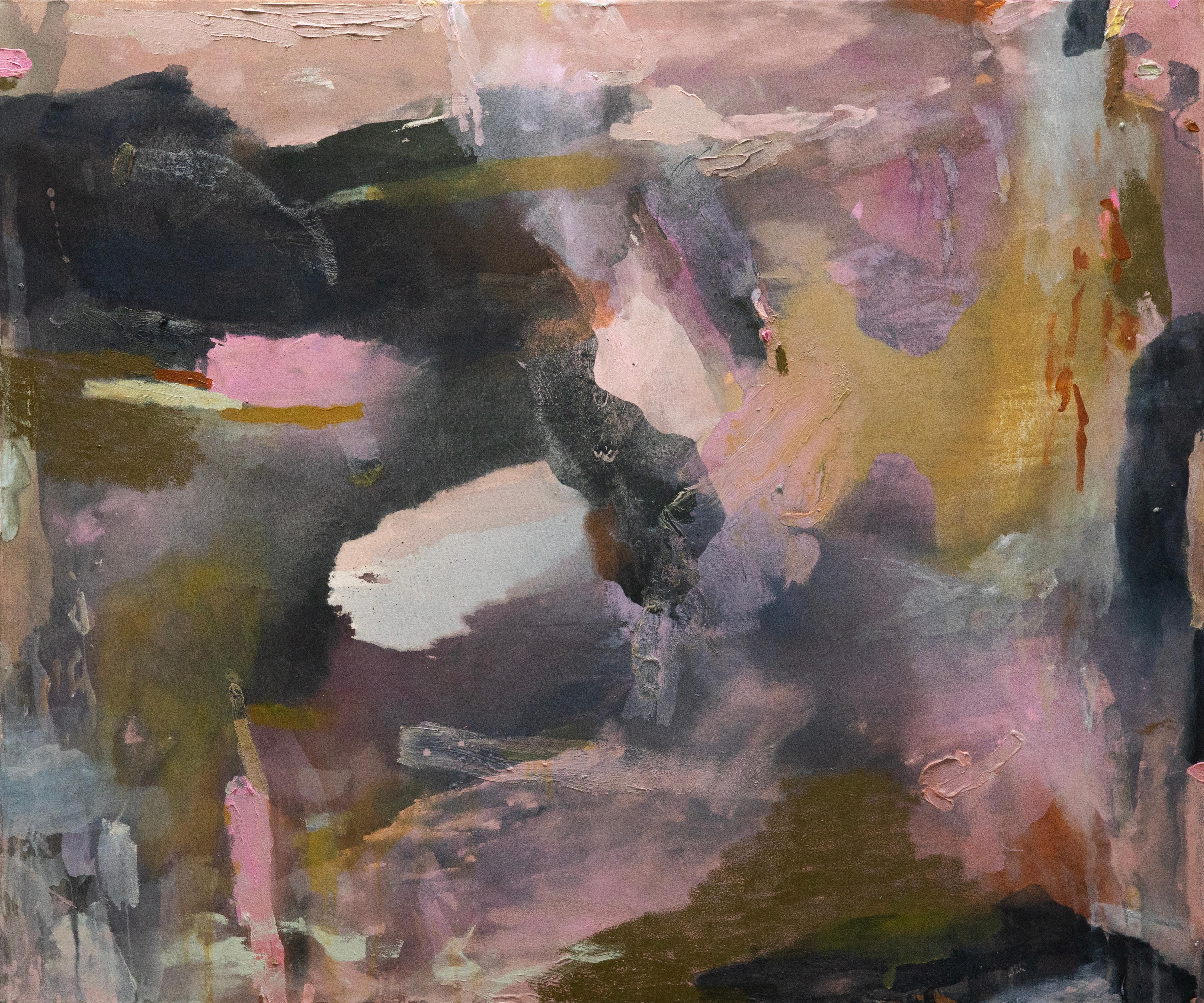
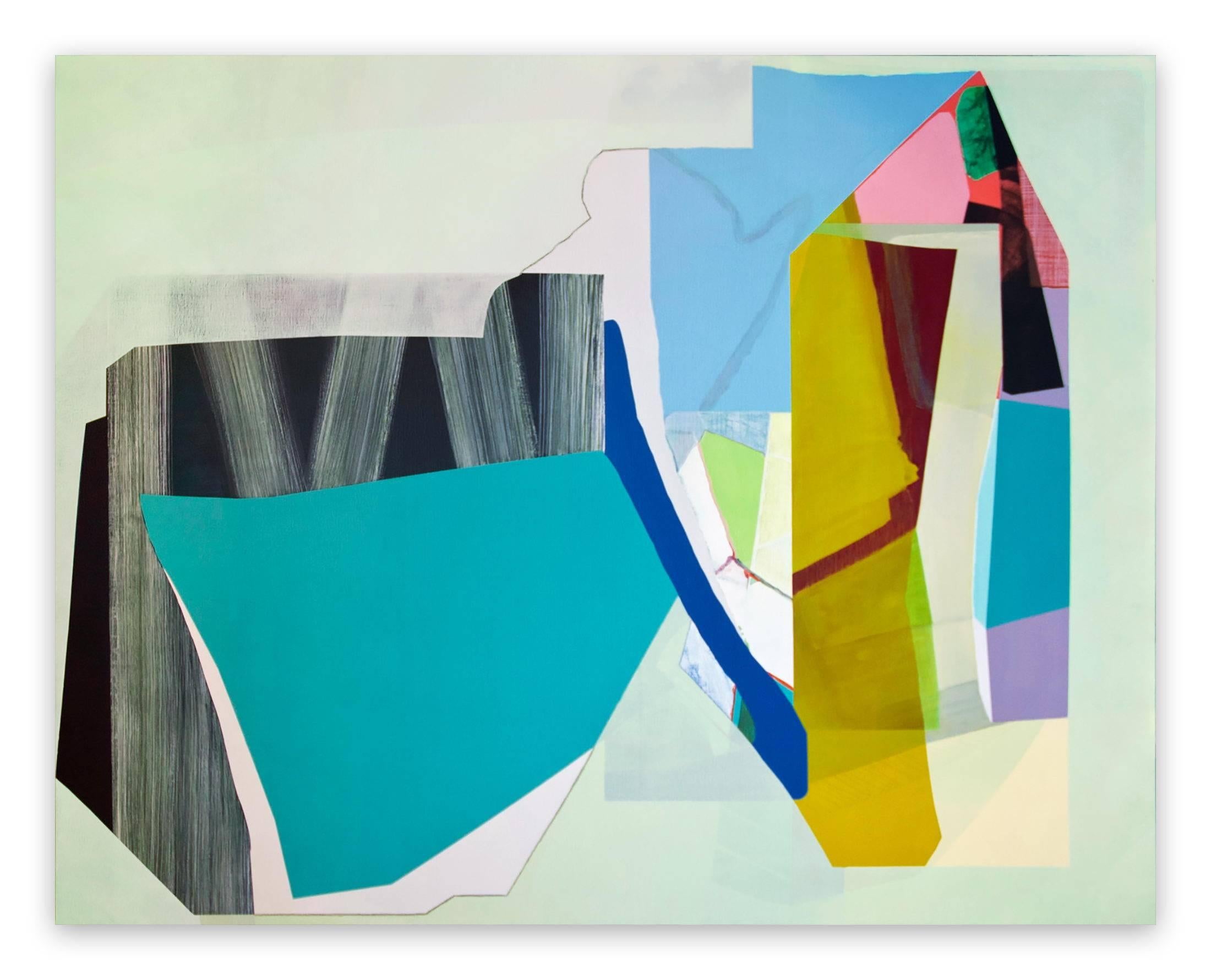
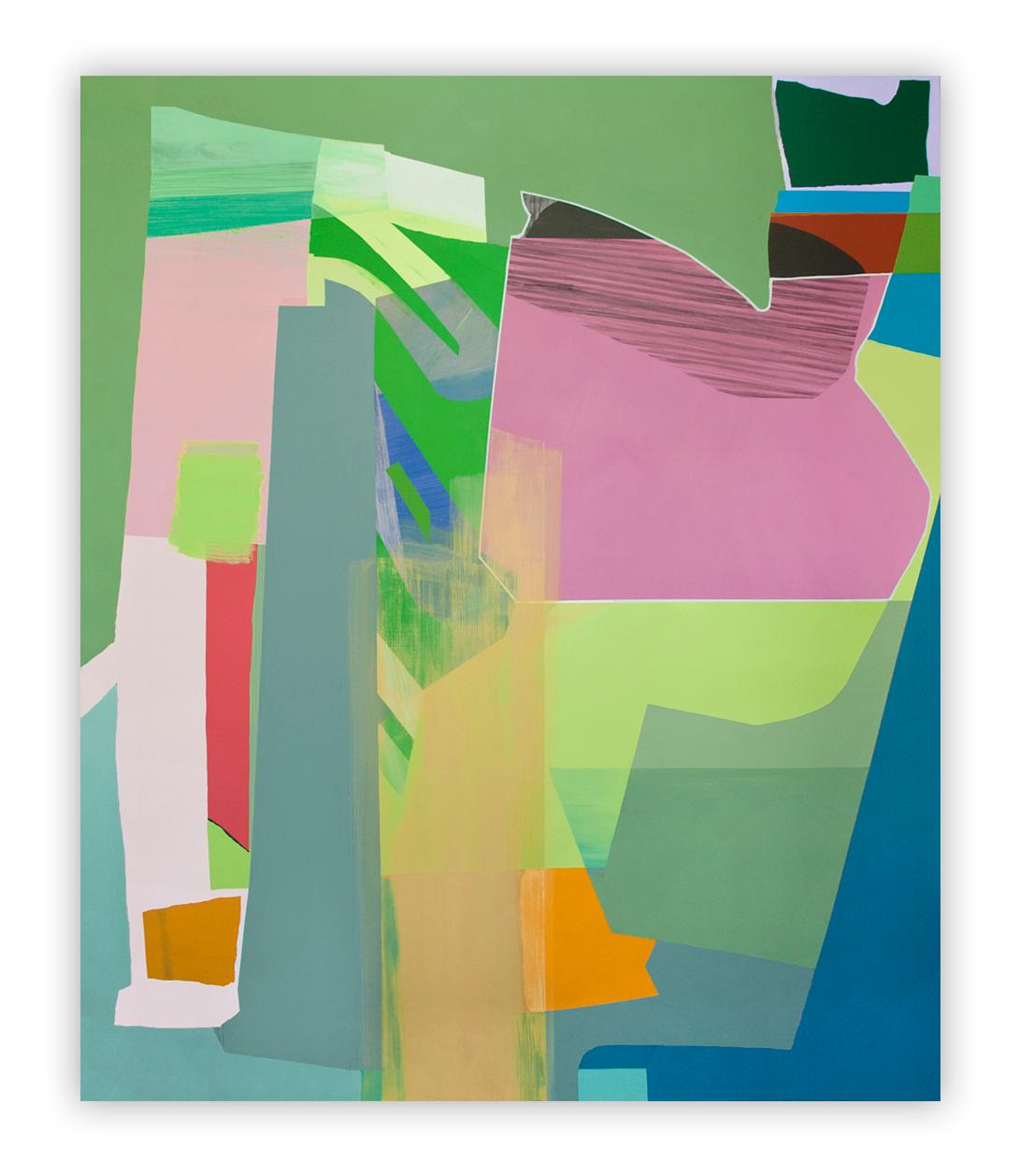
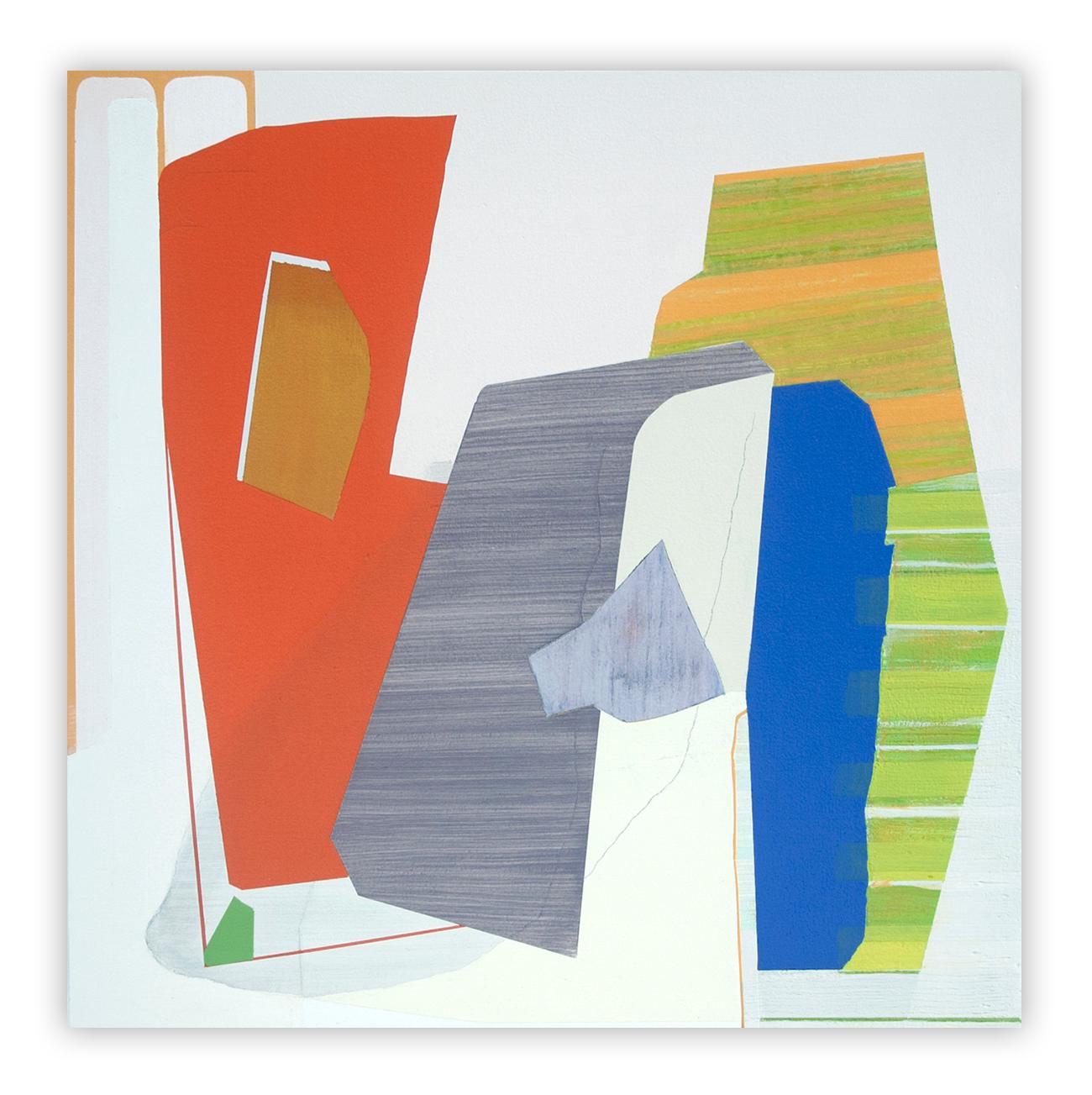
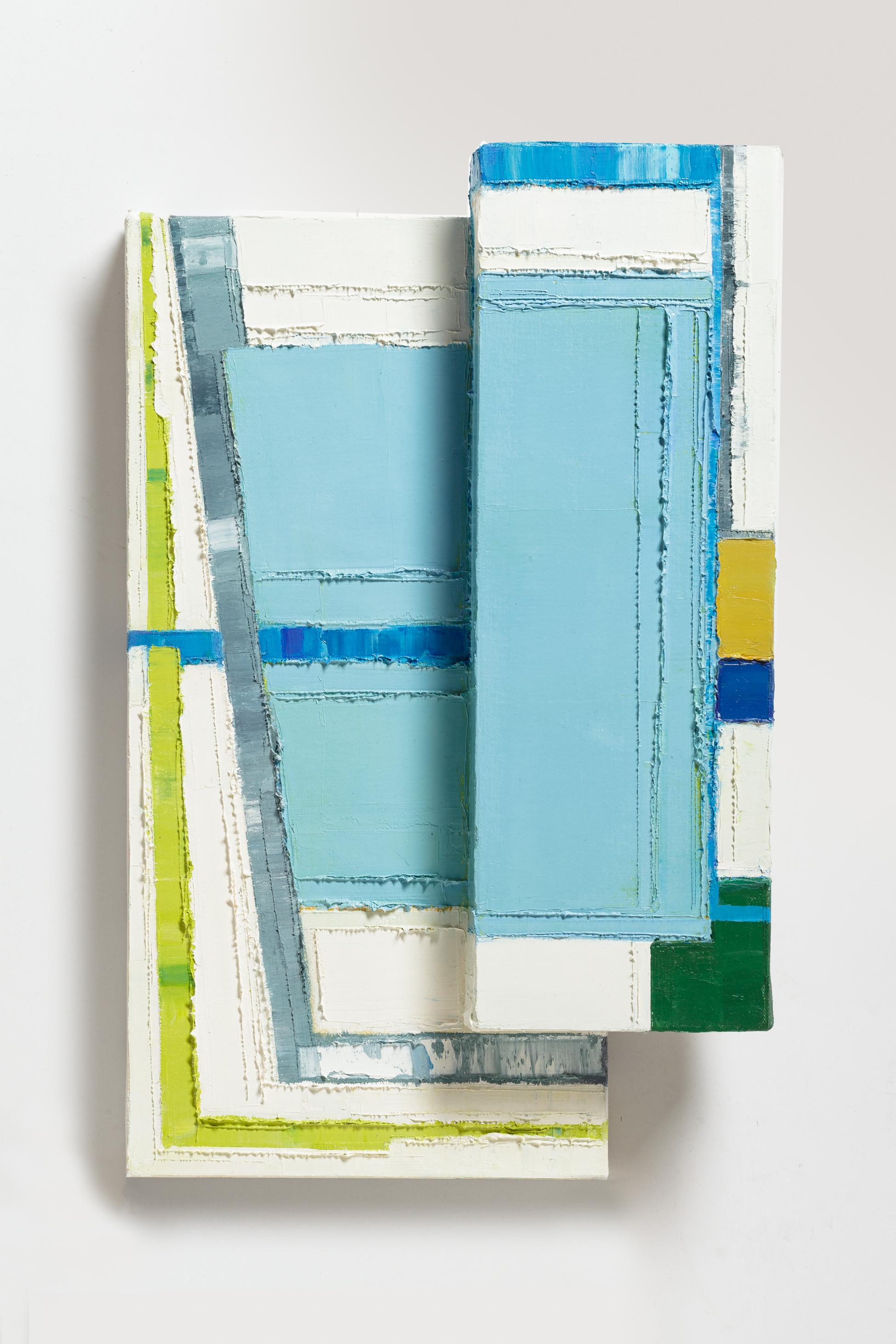
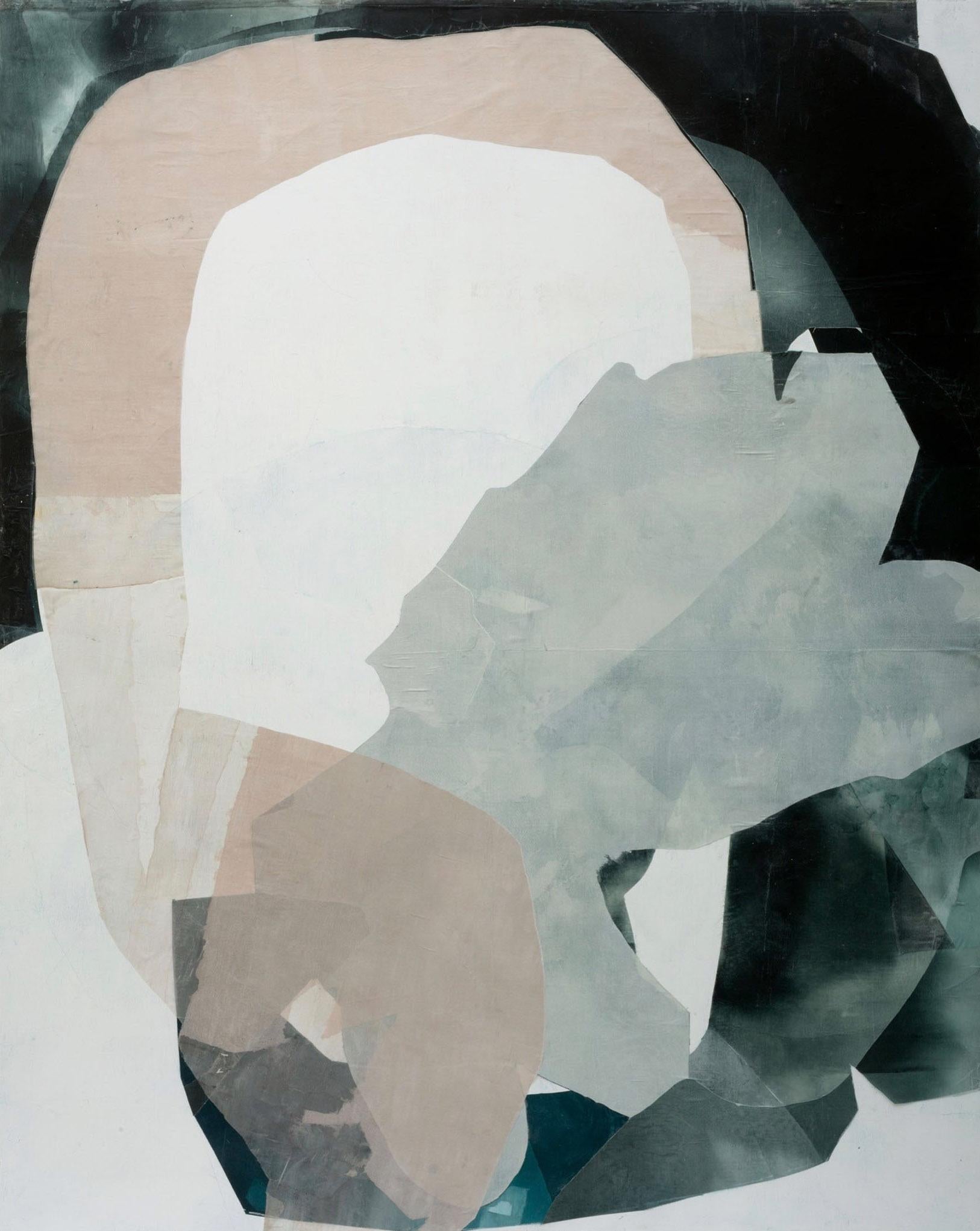
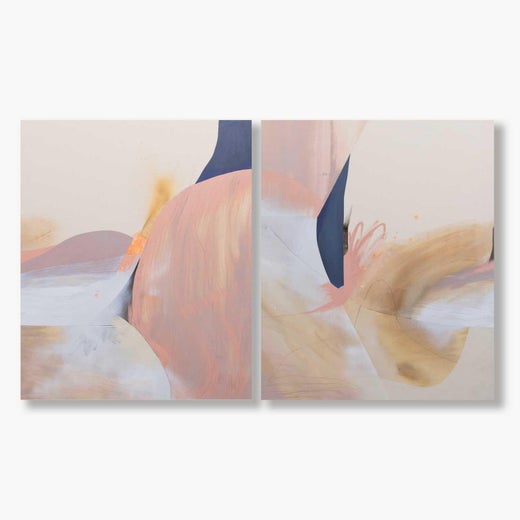
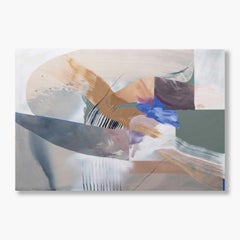
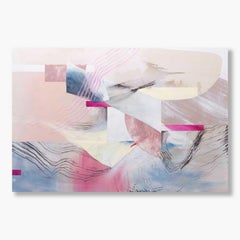
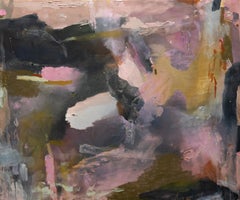
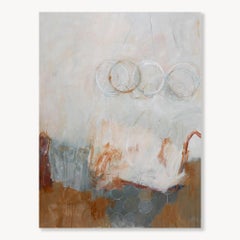
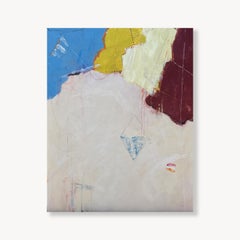
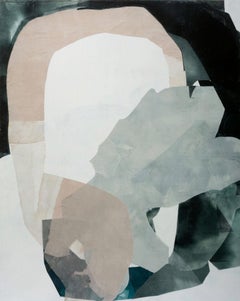
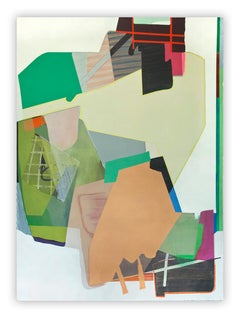
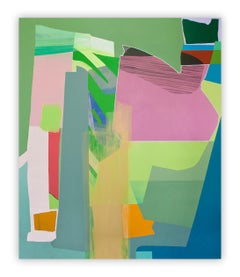
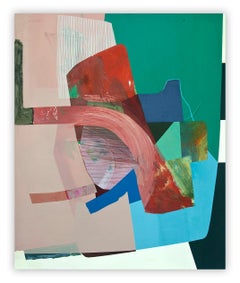
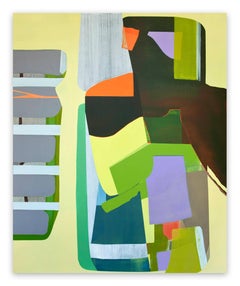
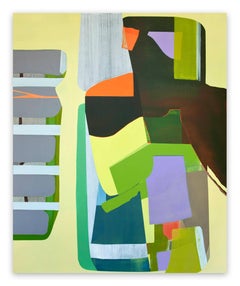
Rebecca Stern is an artist based in Fairfield, Connecticut, with a degree in art from Lesley University of Art and Design, where she graduated with honors in 2009. Rebecca’s work revolves around the creation of abstract mental landscapes, where she uses acrylic paint, collage, and drawing materials to explore the complexities of the mind. Her process is deeply introspective, as she navigates the balance between intentionality and expressive freedom through her chosen mediums. Her artwork reflects the way these materials—paint, paper, and ink—interact, capturing both the structure and fluidity of thought and emotion. For Rebecca, each piece is a meditation on the push and pull between control and spontaneity, finding harmony within the chaos of creativity. For contemporary painter Rebecca Stern, each piece is an opportunity to learn, to hone her ability to stay present and deeply engaged—working with, not despite, external forces. Canvas soaked in hardening solution can only be manipulated for so long before the form finds permanence. The sculptural elements of Stern’s recent works are imbued with that sense of urgency, a highly physical contention with a fast-changing medium. They are then pieced and sewn together with other canvases, raw and untouched or recycled from past experiments, and sewn into painting’s familiar rectangular form. Using her keen eye for texture, color, and light, Stern layers paint onto the hardened folds, highlighting peaks and deepening shadows, amplifying the canvas’s movement and harmonizing the tableau with rich pigment. Through color, each piece finds a resolution. Moments of tension, of hard, defined edges meeting softer washes and continuous strokes, are blended towards cohesion. The meeting of Stern’s two working styles—paint which, for such a consummate painter, is a method of control, and a sculptural technique that throws variability and temporality into the process—is akin to the mind’s movement. Cyclicality has long been a component of Stern’s practice. Paint, brush, and canvas are foundational tools. Yet, through process—through cutting, layering, blending, and sculpting, subtle tweaks and recombinations of the familiar—the mind’s capacity for discovery is unbounded. Even that which was previously rejected, scraps or stalled pieces from years past, may prove useful in revisitation. The artist shows that the repetitive motions and thoughts that undergird our daily lives, even those born of anxiety or unease, can foster radical growth and personal transformation. A snapshot may show the distance between two distinct styles of painting, indeed, between two selves. Yet, retrospect reveals that such distance is traversed through unyielding dedication to the work and to the process. Iteration breeds new awareness—in art making, as in life.