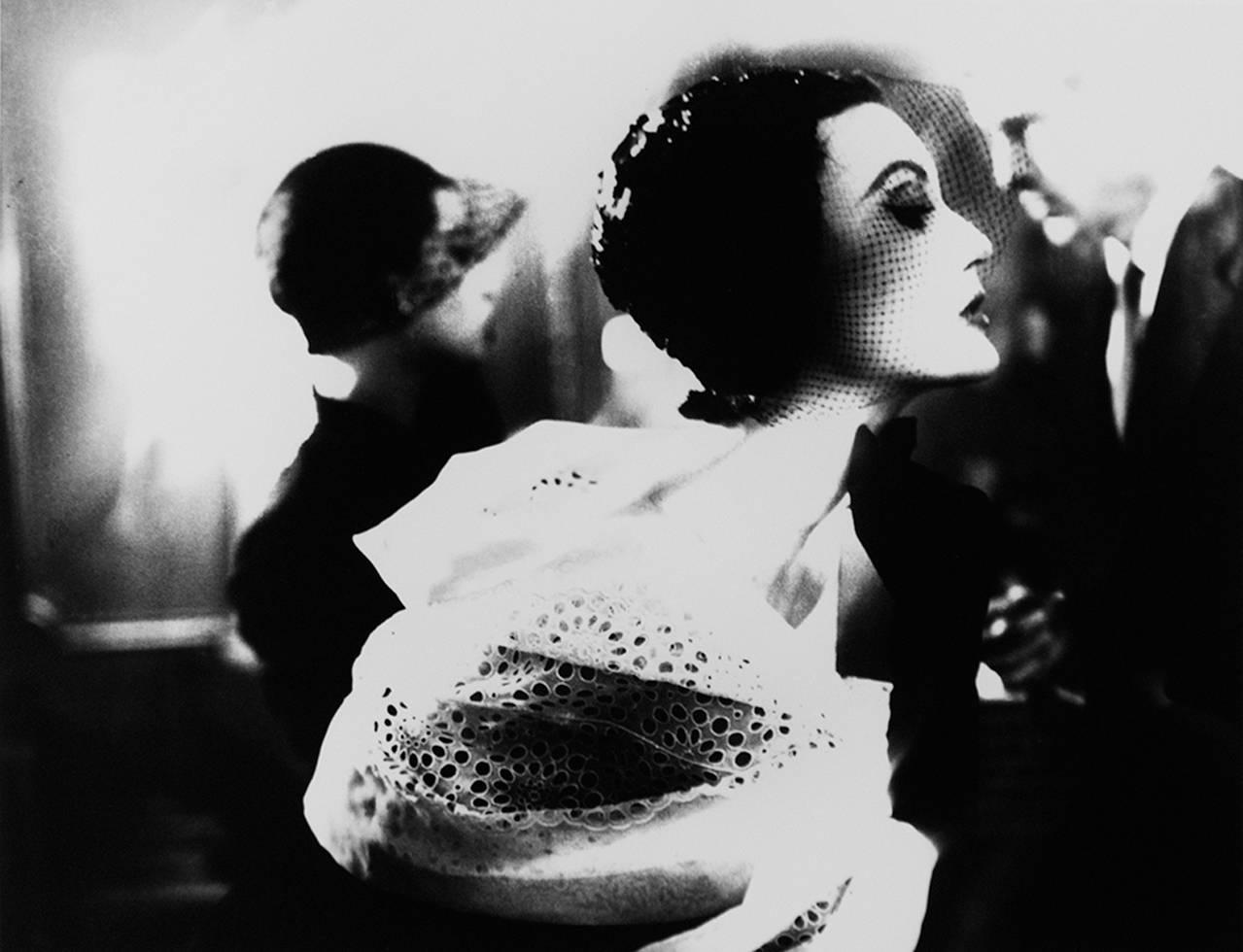
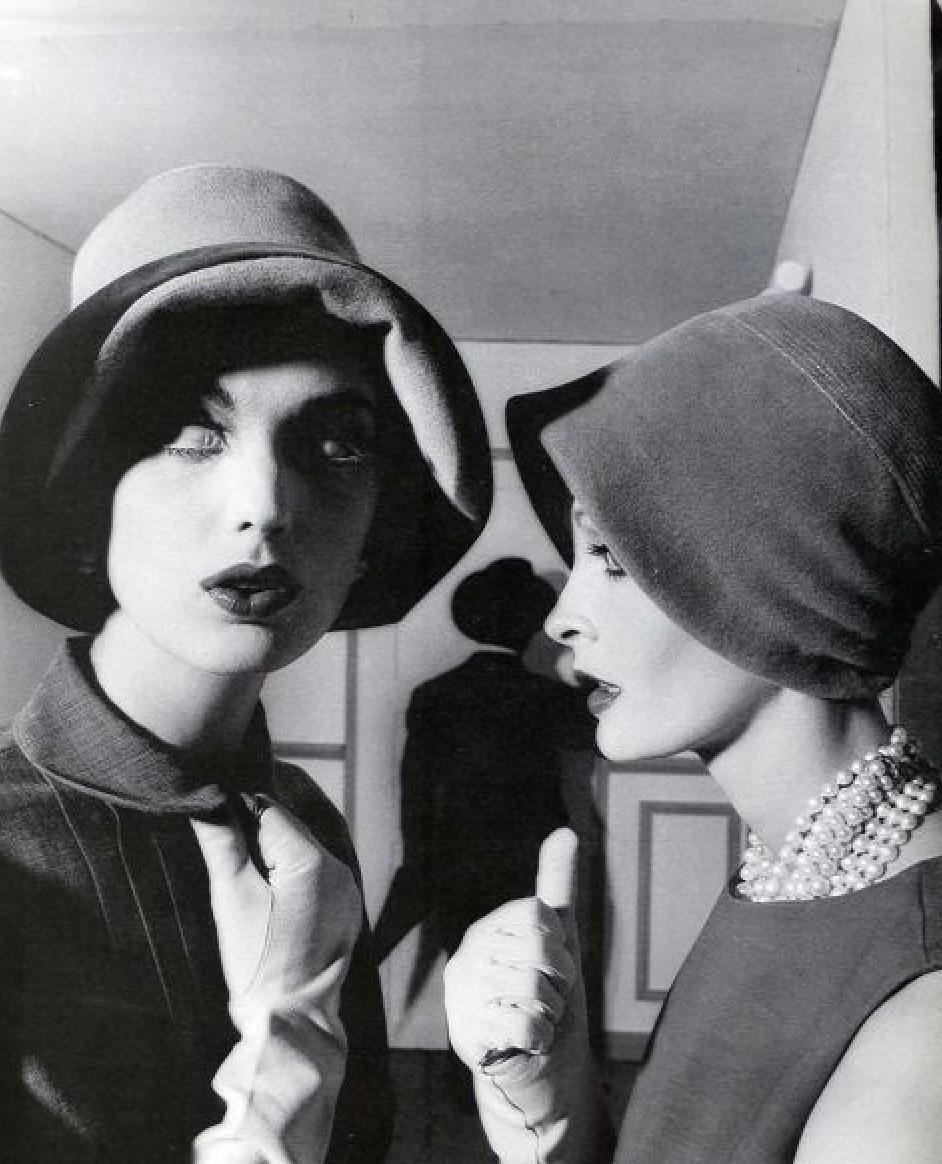
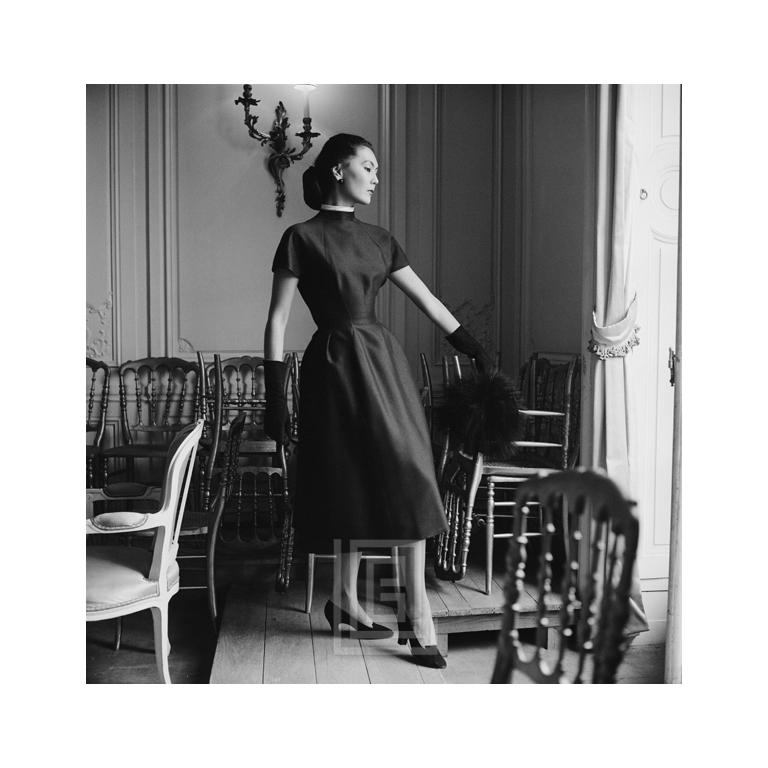
Elise Daniels, Turban by Paulette, Le Pré-Catalan, Paris
By Richard Avedon
Located in New York, NY
Signed by the photographer
Category
1940s Black and White Photography
Materials
Silver Gelatin
1948
A while back, Richard Avedon had a confession to make. “I hate cameras,” said the man who revolutionized fashion and portrait photography. “If I could only work with my eyes alone!”
Yet Avedon’s photos seem to do just that — they remove the distance the camera lens creates to make you feel that you are right there beside his subjects.
Born in New York City in 1923, Avedon had a stern father, an artistic mother and a beautiful, but troubled, sister. At 18, he wanted to be a poet. And the slight, 5’7” dreamer didn’t lack confidence — or a sense of drama. “I know my drifting will not prove a loss / For mine is a rolling stone that has gathered moss,” he wrote in 1941.
A year later, Avedon joined the Merchant Marines, where he spent his World War II years shooting ID photos of new recruits. “I must have taken pictures of 100,000 faces before it occurred to me I was becoming a photographer,” he later recalled.
After demobilization in 1944, Avedon shot fashion pictures for the tony Manhattan department store Bonwit Teller and studied with Alexey Brodovitch, the legendary art director of Harper’s Bazaar. By 1945, his work was appearing in Junior Bazaar.
“His first photographs for us were technically very bad,” Brodovitch later recalled. “But they were not snapshots. . . . Those first pictures of his had freshness and individuality, and they showed enthusiasm and a willingness to take chances.”
Who else was willing to take chances? Brodovitch and Carmel Snow, editor in chief of Harper’s Bazaar, who soon sent the young talent to fashion’s sacred capital, Paris.
The postwar years were hard in Paris. When Avedon first arrived there, in 1946, it was with an explicit directive from Snow. “Dick was tasked with this idea that he was there to rebuild Paris,” explains Martin. In restoring the energy and excitement around Paris, Avedon imbued it with some of his own.
Avedon’s models jumped, twirled, leapt over puddles and they smiled. Like Avedon himself, they rarely stood still. While he wasn’t the first to use action in fashion photography (in the 1930s, Martin Munkacsi and Toni Frissell began creating fashion images of women engaged in sporty scenarios), Avedon was the first to pair such vitality with women wearing couture.
Character and spirit became la mode. Dovima’s graceful silhouette juxtaposed against the wrinkled heft of two shackled elephants. Dorian Leigh laughing and embracing a bicycle racer. Suzy Parker roller skating across the Place de la Concorde. Sunny Harnett and her cool gaze just daring the roulette table — and every man in the room — not to do her bidding. There was always a narrative in an Avedon mise en scène — whether the background was elaborately staged or stark, the model’s job had forever changed from posing, to acting.
Of course, Avedon did not limit himself to fashion photography. The little boy who once collected autographs grew up to create the most iconic portraits of the 20th century, many of these were included in an exhibition at Guild Hall Museum in East Hampton, New York, in 2017.
A 1958 New Yorker profile noted that even though Avedon’s portraits immortalized cultural elites such as Truman Capote, Elsa Maxwell and Charles Laughton, the qualities that most interested the photographer were “advanced age, physical debility, ugliness, or the pathos underlying the surface insouciance.” Yet “none of Avedon’s subjects seem to resent this kind of treatment . . . being selected to sit for one of his Harper’s Bazaar portraits ranks as an accolade.”
Over the next 40-plus years of his career, his iconic portraiture never lost its force; although at times, his unvarnished truth felt cruel.
But Avedon was a creator, not an observer, and he made no apologies for this. The sitter and the photographer “have separate ambitions for the image,” he wrote in 1985. “His need to plead his case probably goes as deep as my need to plead mine, but the control is with me.”
Find original Richard Avedon photography on 1stDibs.
Elise Daniels, Turban by Paulette, Le Pré-Catalan, Paris
By Richard Avedon
Located in New York, NY
Signed by the photographer
Silver Gelatin
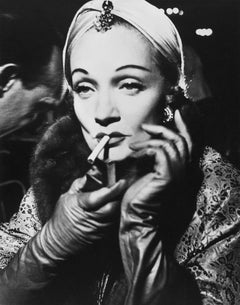
Marlene Dietrich, Turban by Dior, The Ritz, Paris, 1955
By Richard Avedon
Located in New York, NY
Signed by the photographer on the verso
Silver Gelatin
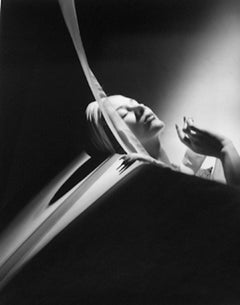
Lisa Fonssagrives in Turban, New York
By Horst P. Horst
Located in New York, NY
All editions signed by the photographer.
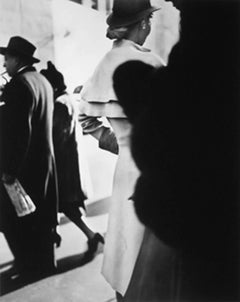
Model Wearing Rosenblum, Harper's Bazaar, New York
By Genevieve Naylor
Located in New York, NY
Signed by the photographer.
Silver Gelatin
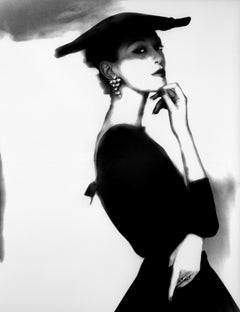
Barbara Mullen, New York. Harper's Bazaar, circa 1958
By Lillian Bassman
Located in New York, NY
Signed by the photographer
Silver Gelatin
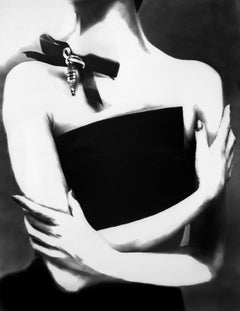
Betty Threat, New York, Harper's Bazaar
By Lillian Bassman
Located in New York, NY
All editions are signed by the photographer. Availability is subject to change without notice.
Silver Gelatin
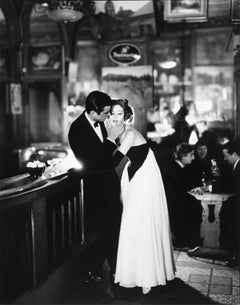
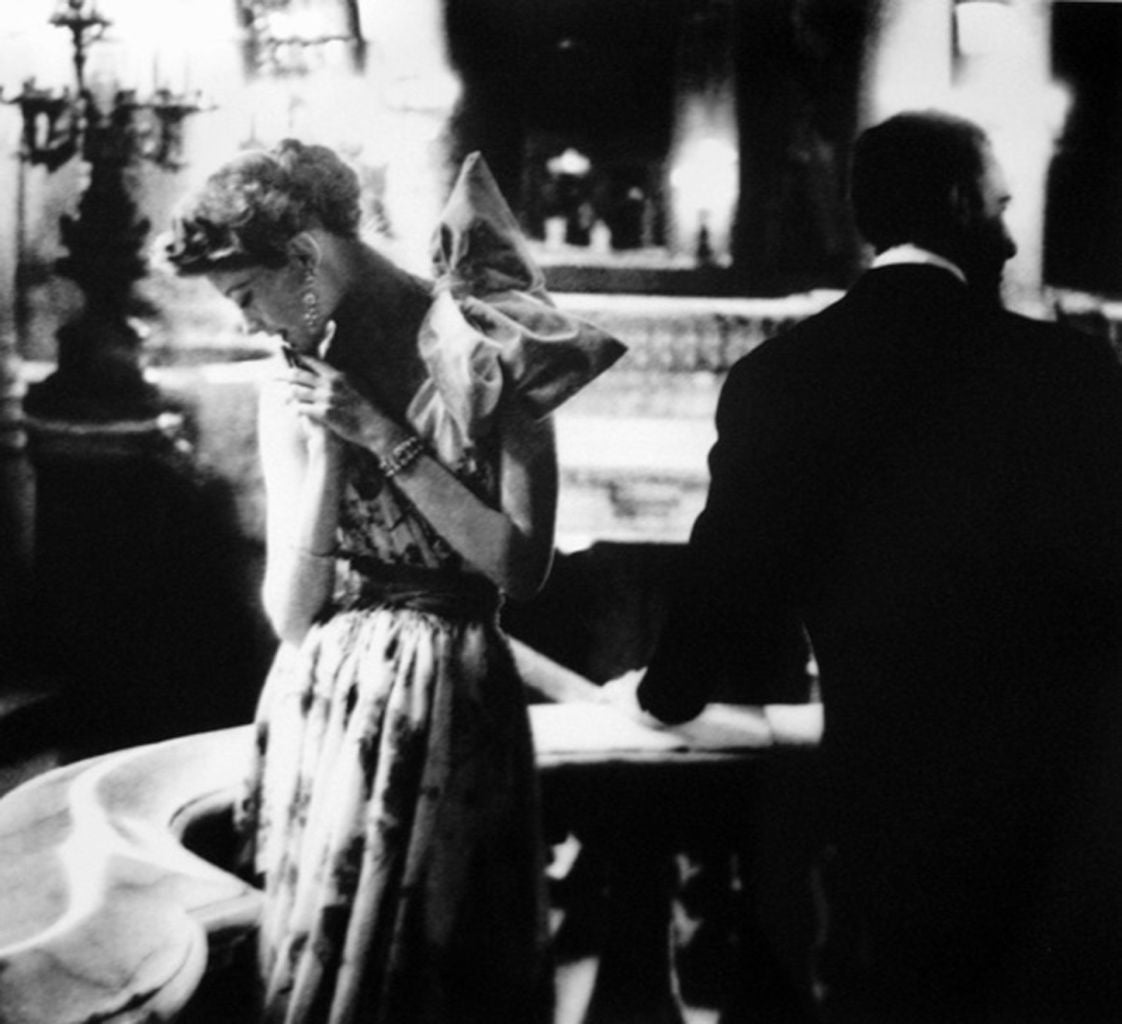
Suzy Parker and Gardner McKay (Dress by Balmain), Café Des Beaux-Arts, Paris
By Richard Avedon
Located in New York, NY
Richard Avedon (1923-2004) Suzy Parker and Gardner McKay (Dress by Balmain), Café des Beaux-Arts, Paris, August 1956 1956/2001 Signed and numbered in pencil, verso Gelatin silver ...
Silver Gelatin
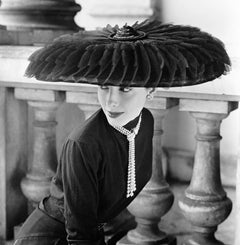
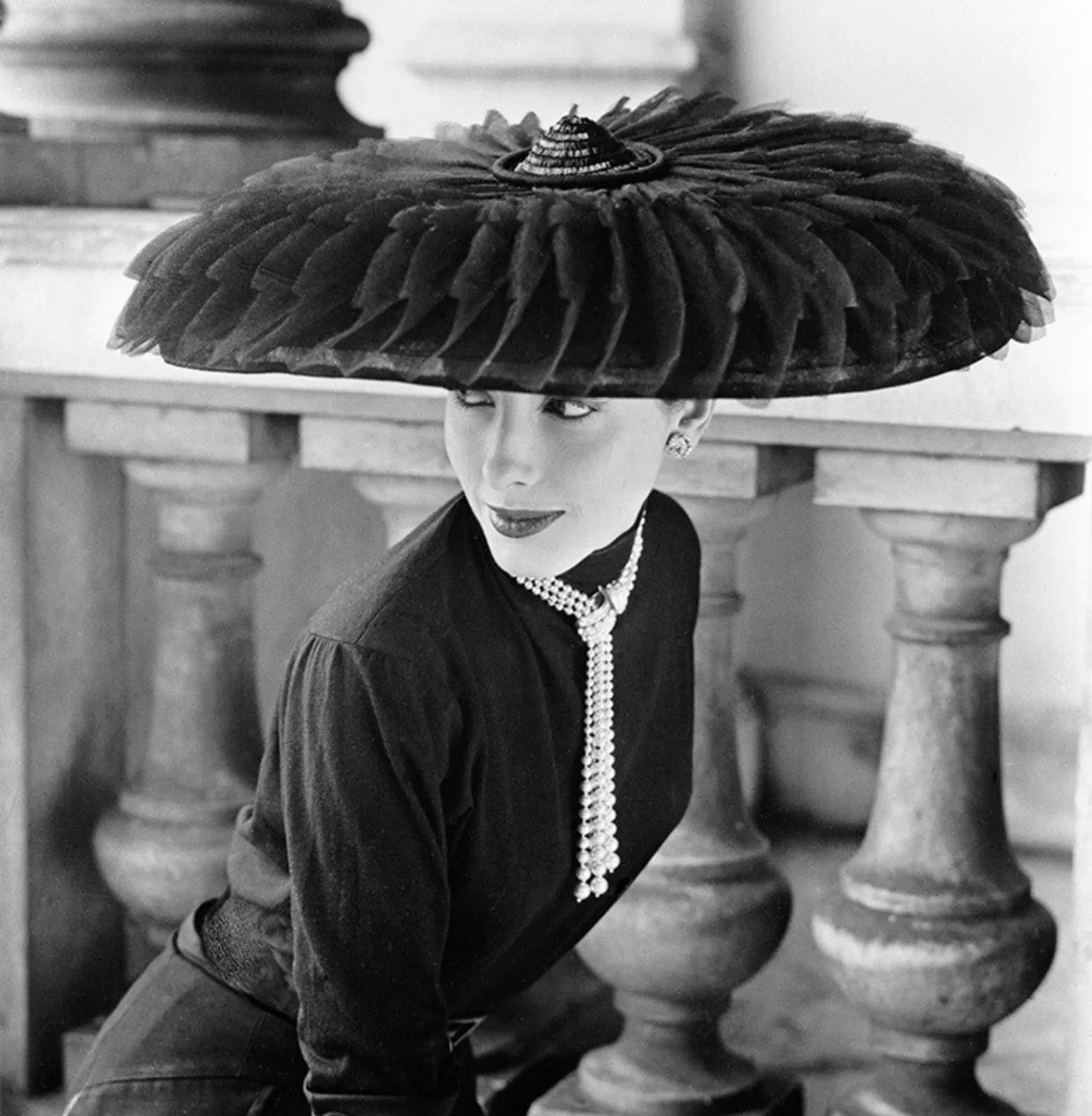
Norman Parkinson 'Legroux Soeurs’ Hat, 1952'
By Norman Parkinson
Located in New York, NY
Apollonia van Ravenstein at the Crane Beach Hotel in Barbados wearing a Jane Cattlin swimsuit with a Charles Batten hat, chiffon scarf from Liberty and Saint Laurent Rive Gauche sand...
Silver Gelatin

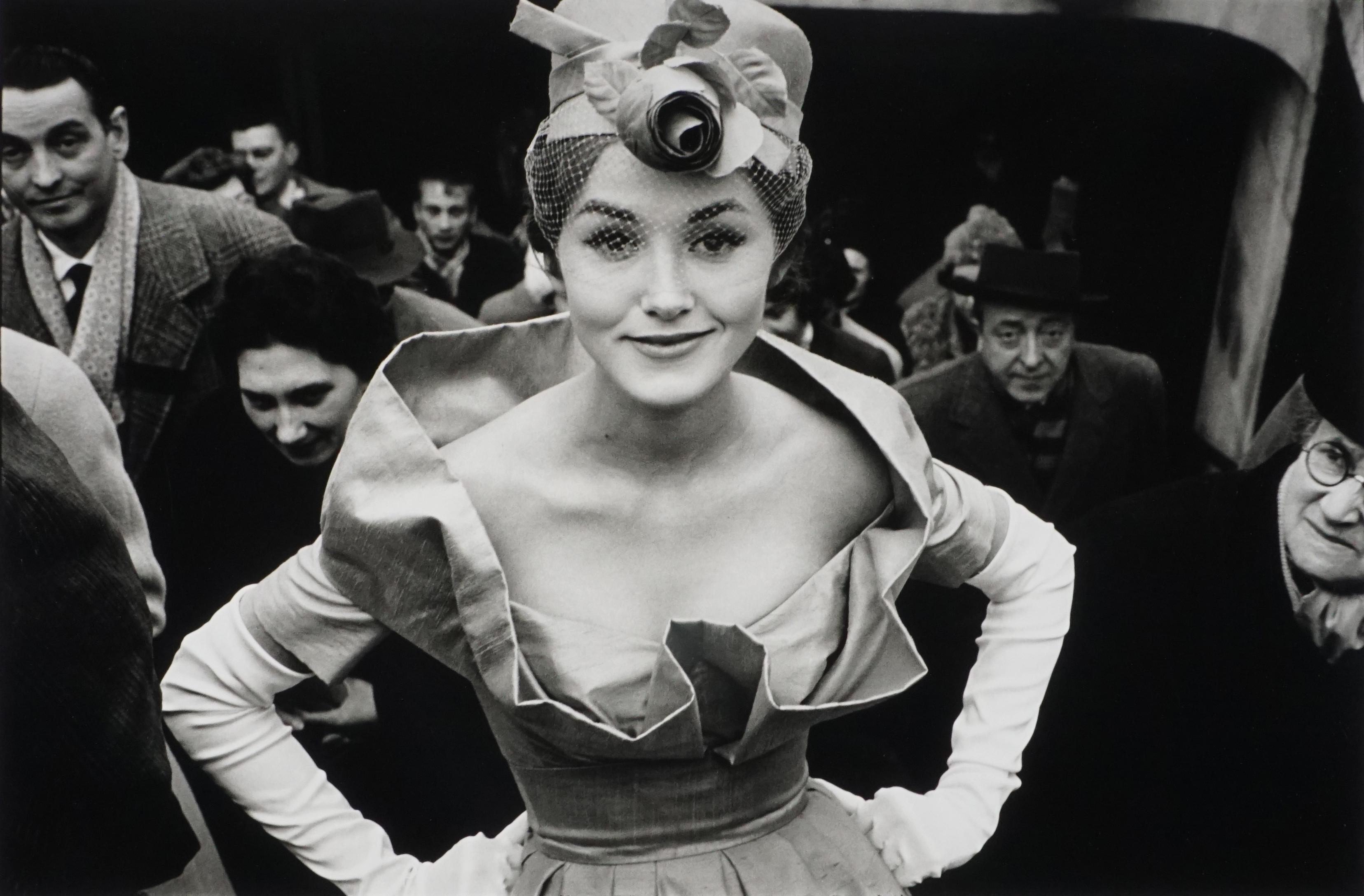
Dorothea McGowan, Vogue, 1962
By William Klein
Located in Santa Monica, CA
William Klein 1928-2022 Dorothea McGowan, Vogue, 1962 (Printed Later) Signed, Titled, Dated in pencil on verso Gelatin Silver Print Paper - 20"x24", Matted - 24"x30"
Silver Gelatin
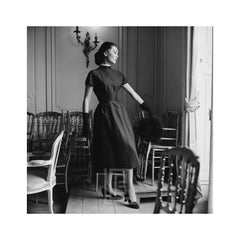
Dior, Alla in Croque-mitaine Holds Hat, 1953 - Mark Shaw Editioned Giclée Print
By Mark Shaw
Located in New York, NY
Dior, Alla in Croque-mitaine Holds Hat, 1953. Image size is 10" x 10" (for 11" x 17" paper size). All Mark Shaw prints are made to order in limited editions on Hahnemuhle photo rag p...
Giclée
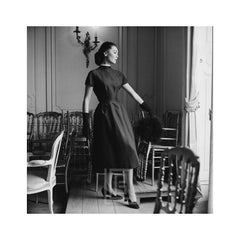
Dior, Alla in Croque-mitaine Holds Hat, 1953 - Mark Shaw Editioned Giclée Print
By Mark Shaw
Located in New York, NY
Dior, Alla in Croque-mitaine Holds Hat, 1953. Image size is 16" x 16" (for 17" x 22" paper size). All Mark Shaw prints are made to order in limited editions on Hahnemuhle photo rag p...
Giclée
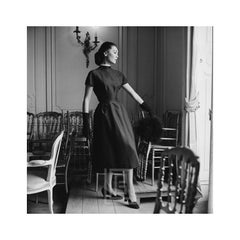
Dior, Alla in Croque-Mitaine Holds Hat, 1953 - Mark Shaw Editioned Giclée Print
By Mark Shaw
Located in New York, NY
Dior, Alla in Croque-mitaine Holds Hat, 1953. Image size is 22" x 22" (for 24" x 36" paper size). All Mark Shaw prints are made to order in limited editions on Hahnemuhle photo rag p...
Giclée
The famed photographer deftly captured the human condition through his black-and-white portraits of 20th-century Americans, at the Guild Hall Museum.
The French photographer transformed everyday encounters into enduring images of shared experience.