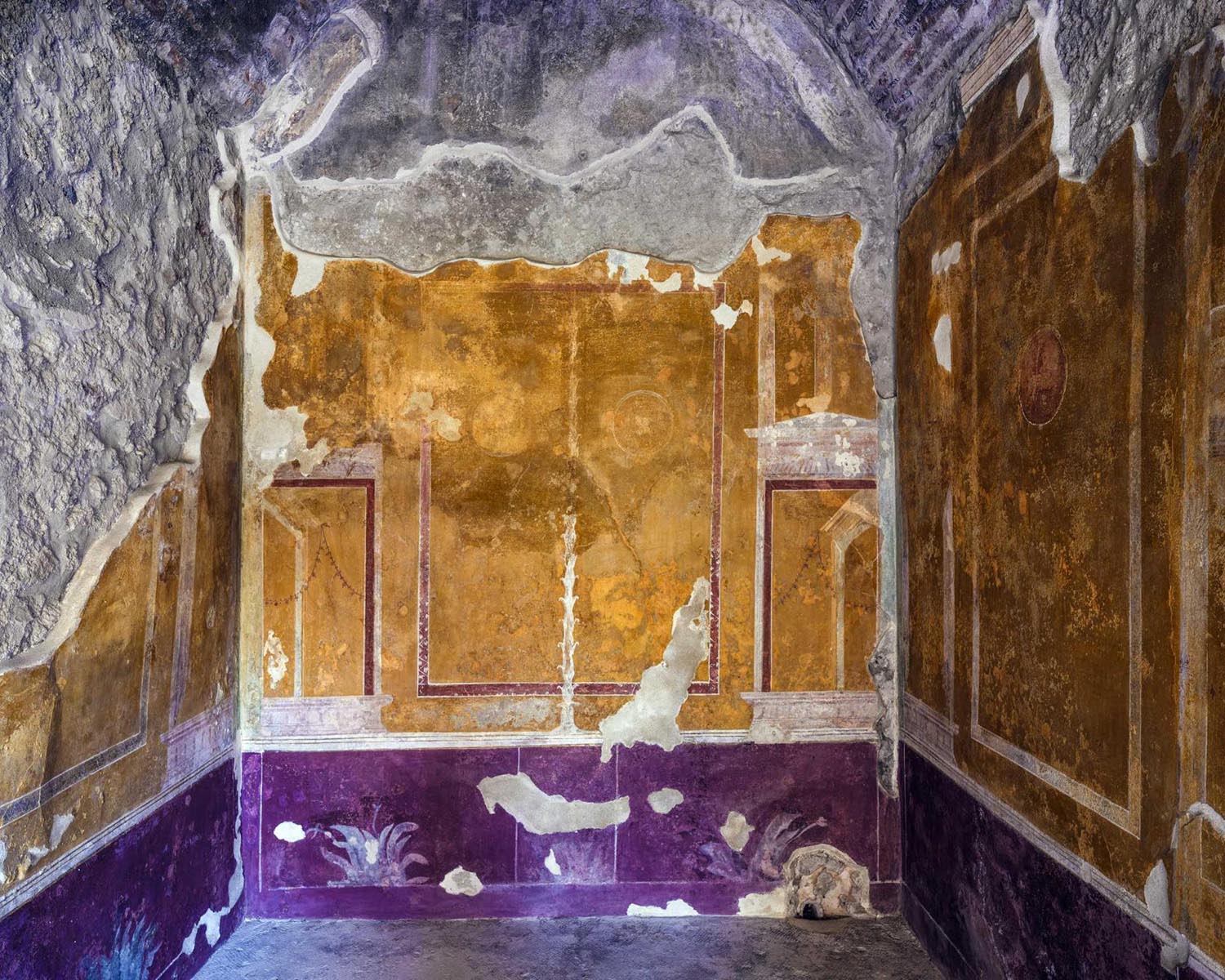
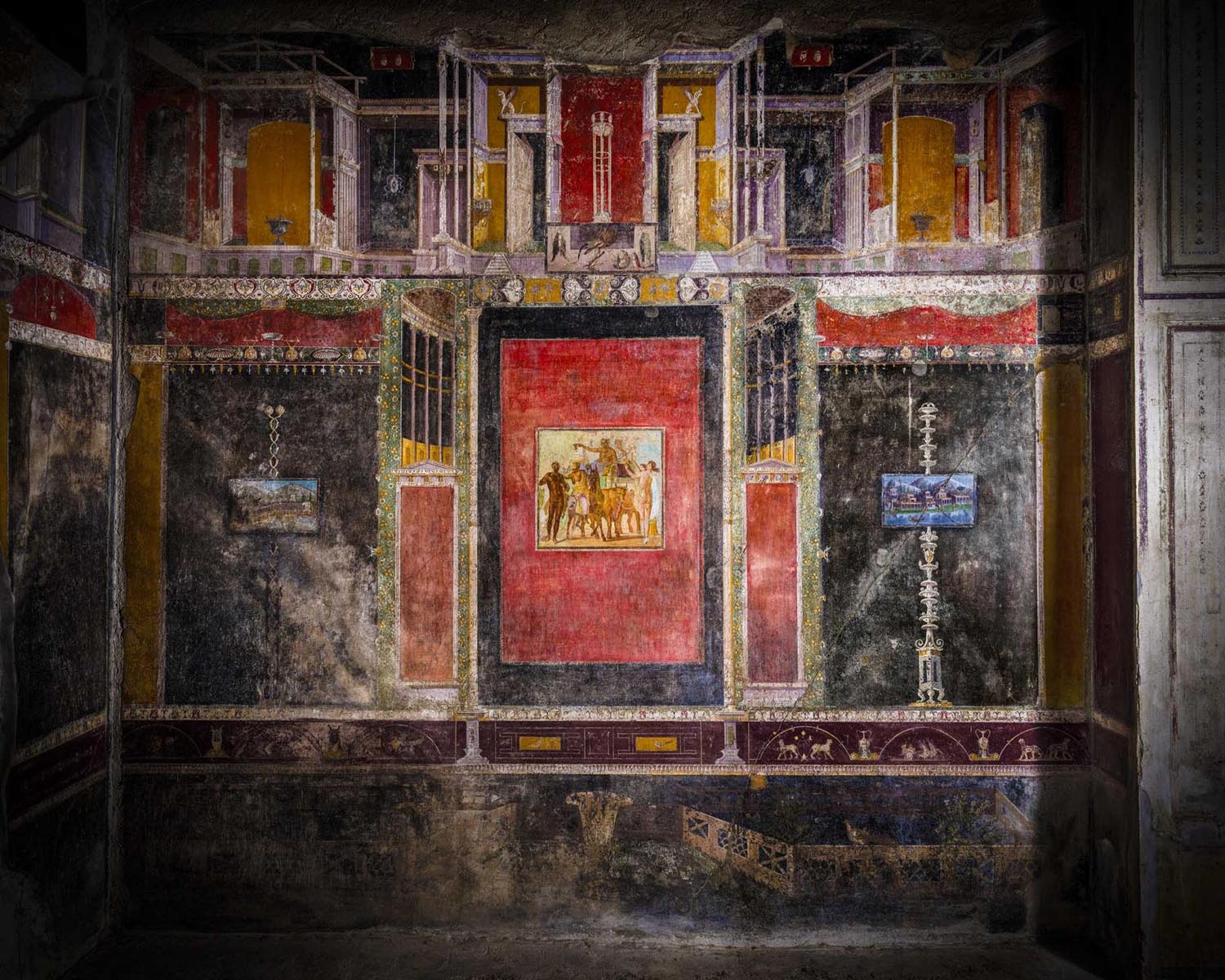
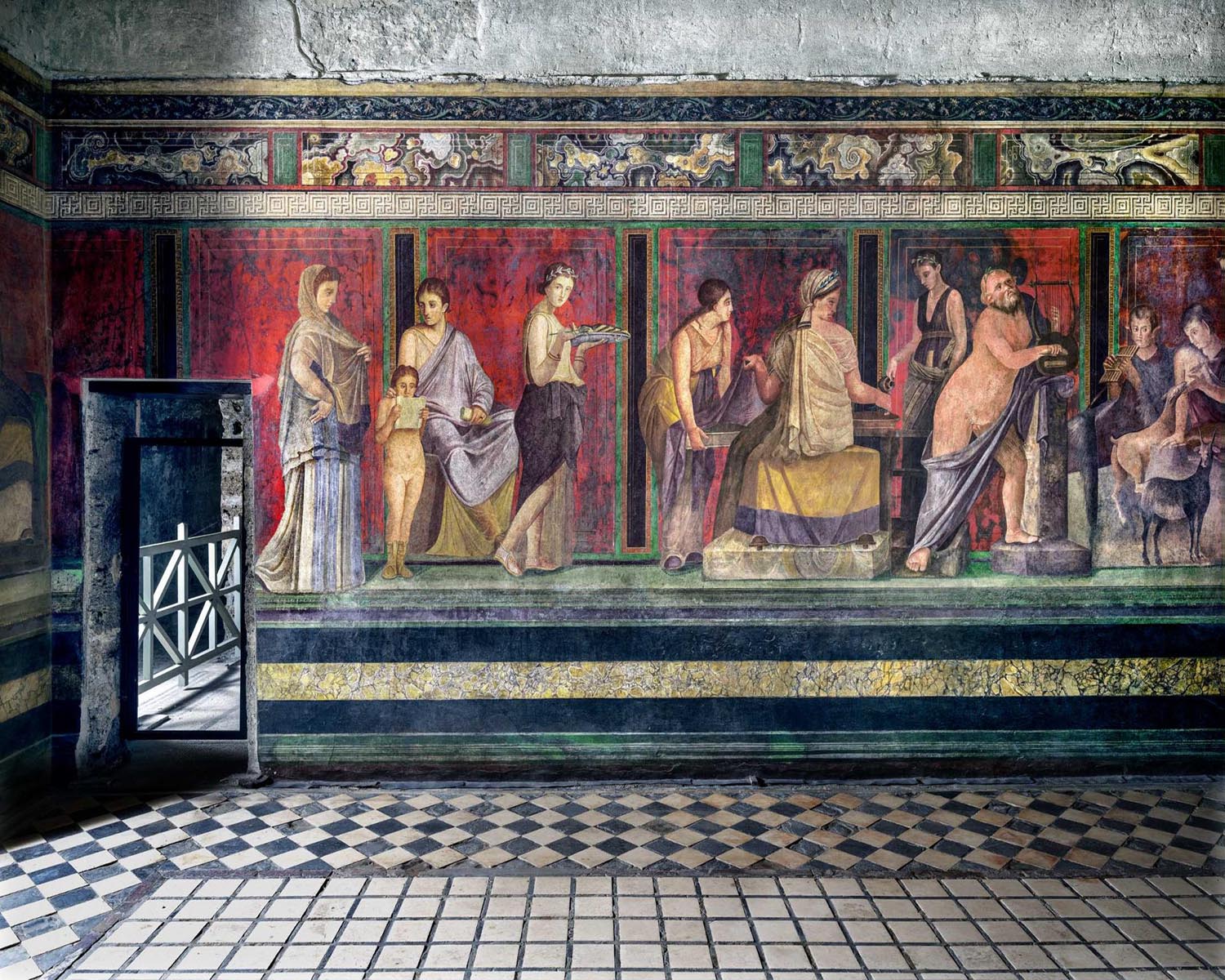
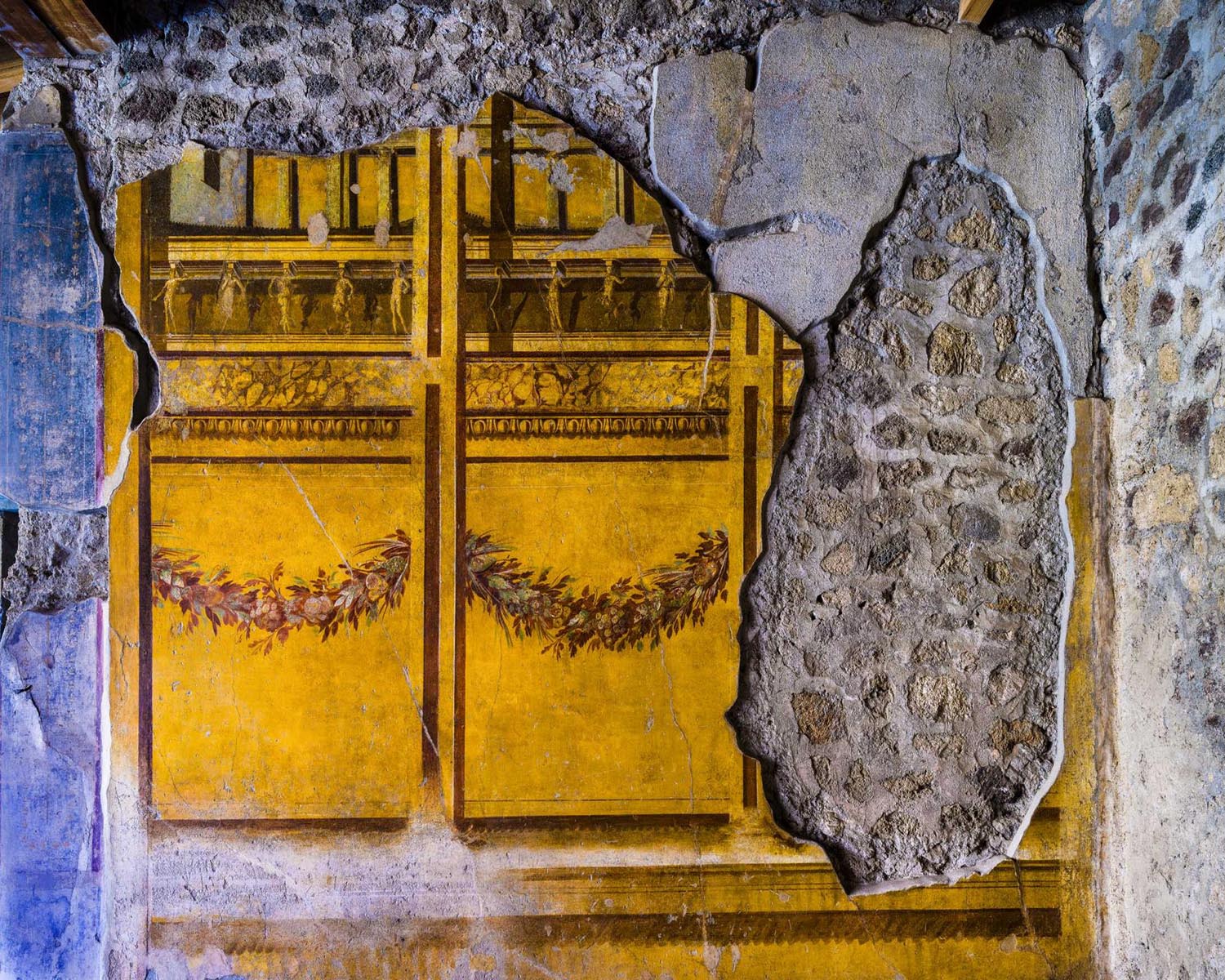
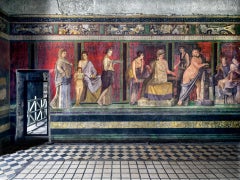
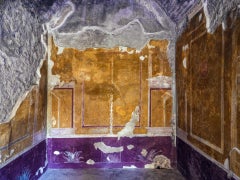
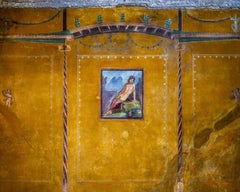
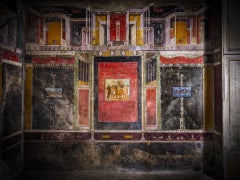
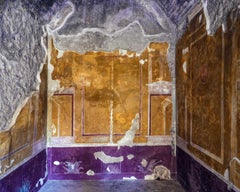
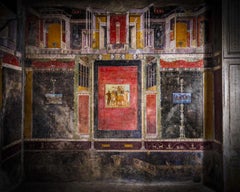
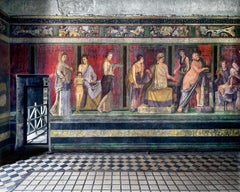
Massimo Listri’s photography transcends documentation to become a meditation on space, beauty, and time. His “absolute eye” reveals harmony in interiors where human presence is absent yet profoundly felt. Libraries, palaces, abbeys, and museums appear deserted, but their silence carries the memory of centuries, turning architecture itself into testimony of human aspiration.
Massimo Listri
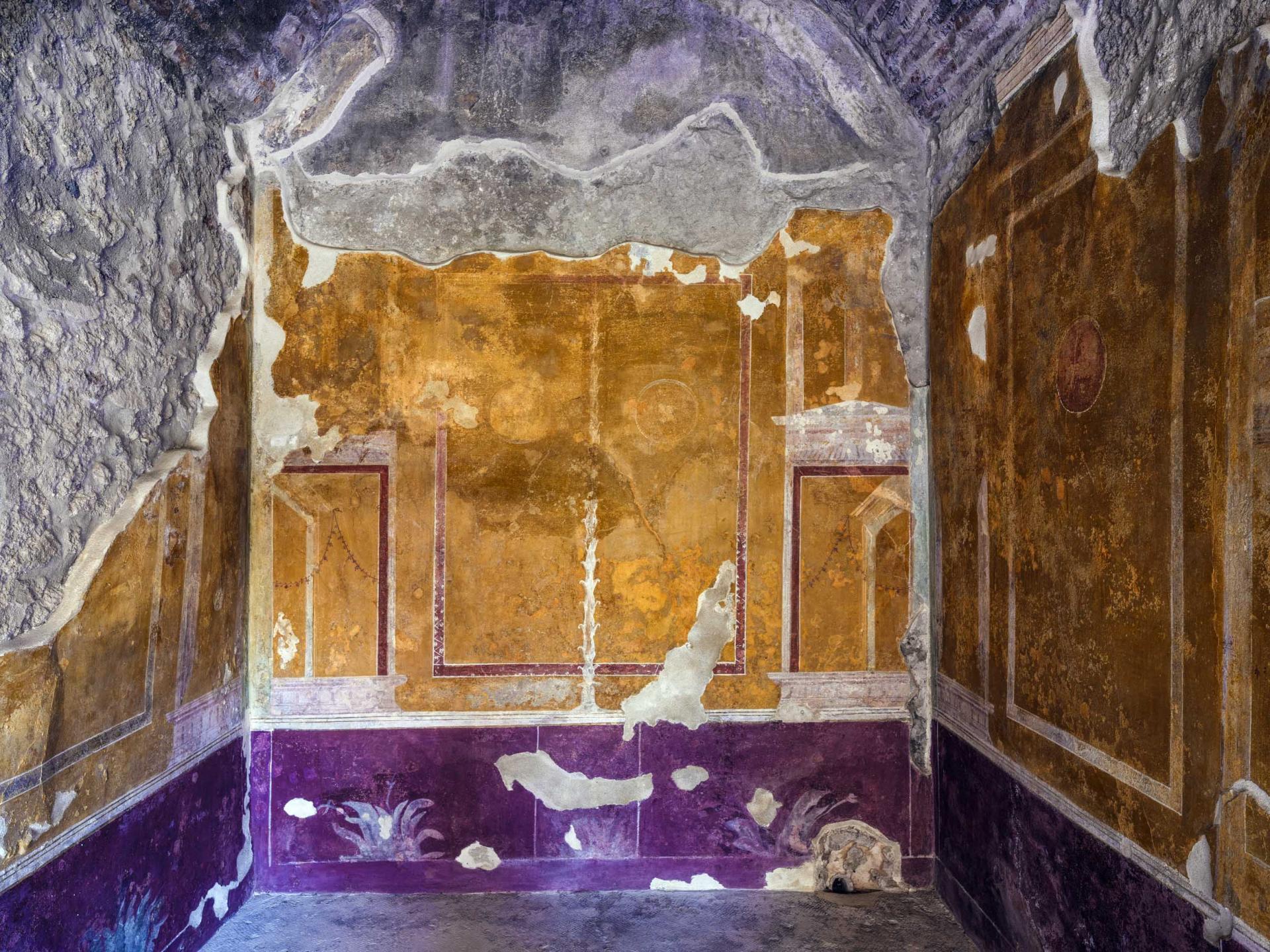
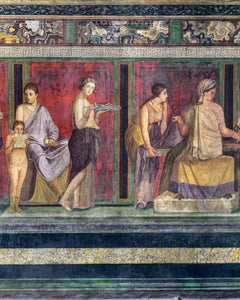
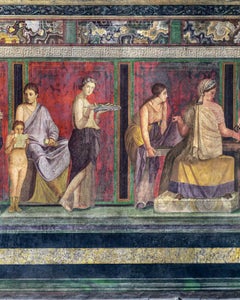
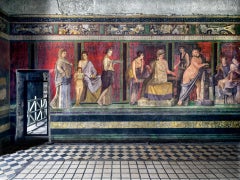
Pompeii 4
C-print
Signed, titled, dated and numbered edition of 5 on artist's label on verso.
39.5 x 47.5 inches
47.5 x 59 inches
71 x 88.5 inches
Framing options available
Massimo Listri’s photography transcends documentation to become a meditation on space, beauty, and time. His “absolute eye” reveals harmony in interiors where human presence is absent yet profoundly felt. Libraries, palaces, abbeys, and museums appear deserted, but their silence carries the memory of centuries, turning architecture itself into testimony of human aspiration.
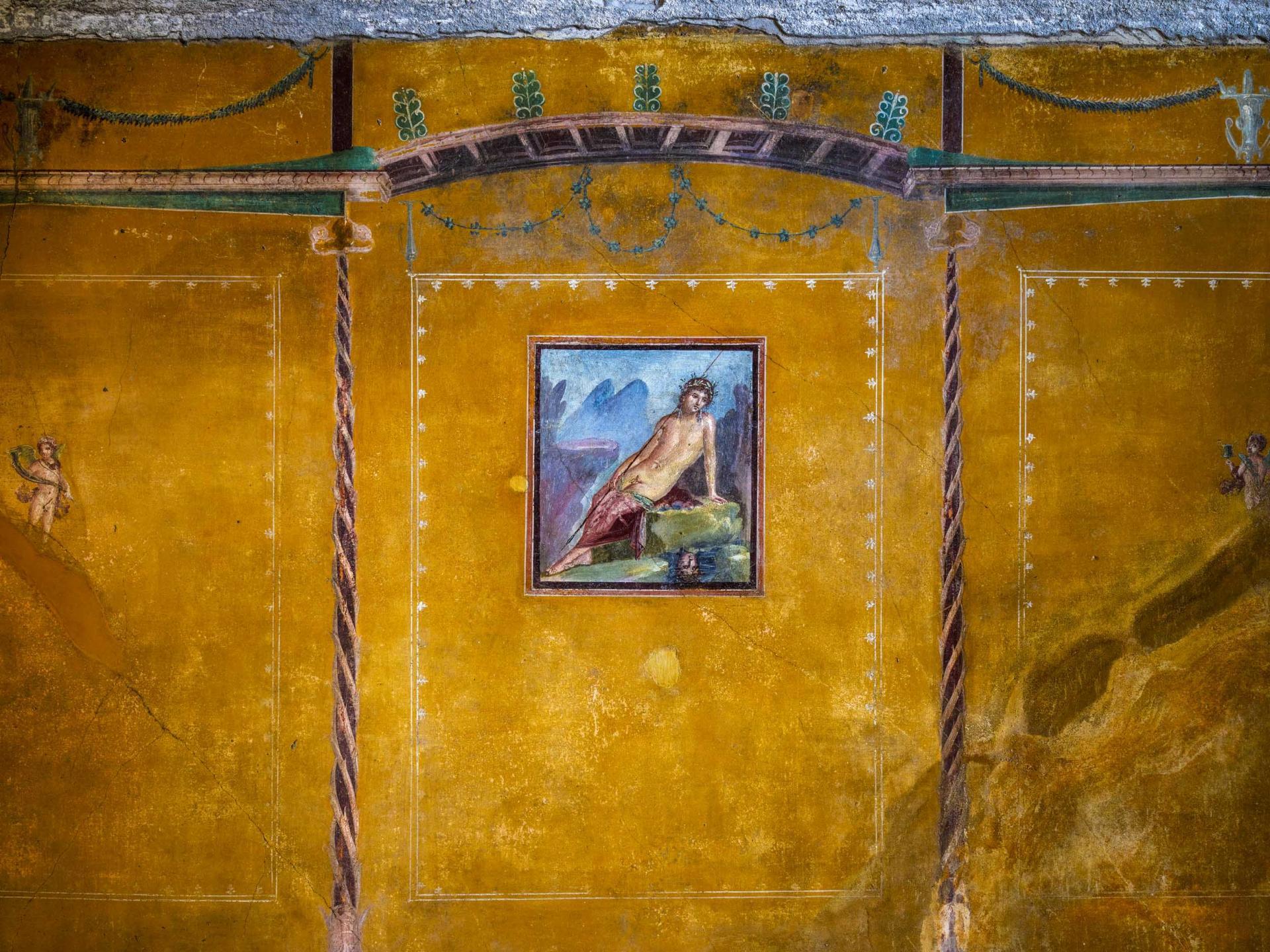
Formally, Listri privileges symmetry, perspective, and natural light. Refusing artifice, his images evoke the clarity of Piero della Francesca or Vermeer, translating spaces into works of art within works of art. Each photograph captures not only grandeur but also essence: rhythm, order, and an aura of timeless stillness.
In an age of visual noise, Listri’s images cultivate wonder and invite contemplation. They remind us that beneath modernity’s chaos lies a hidden architecture of meaning, and through it, a reflection of humanity’s search for order, truth, and transcendence.
Biography
Massimo Listri (b. 1953, Florence) is internationally recognized as one of the foremost photographers of architecture and interiors. For more than four decades, he has explored the world’s most important cultural sites—palaces, libraries, abbeys, and museums—capturing them with what critics have called his “absolute eye.” His photographs, devoid of human figures yet resonant with human presence, reveal a hidden harmony of space, order, and silence.
Since the early 1980s, Listri has collaborated with Franco Maria Ricci on the legendary FMR publications and has produced over seventy books devoted to art, design, and architecture. His work has been exhibited widely, including at the Vatican Museums, the Uffizi Galleries, Palazzo Reale in Milan, the Morgan Library in New York, the Hermitage in St. Petersburg, and the Museum of Fine Arts in Mexico City.
Listri’s oeuvre, often described as “a therapy for the soul,” continues to redefine architectural photography as both a cultural archive and a poetic art.