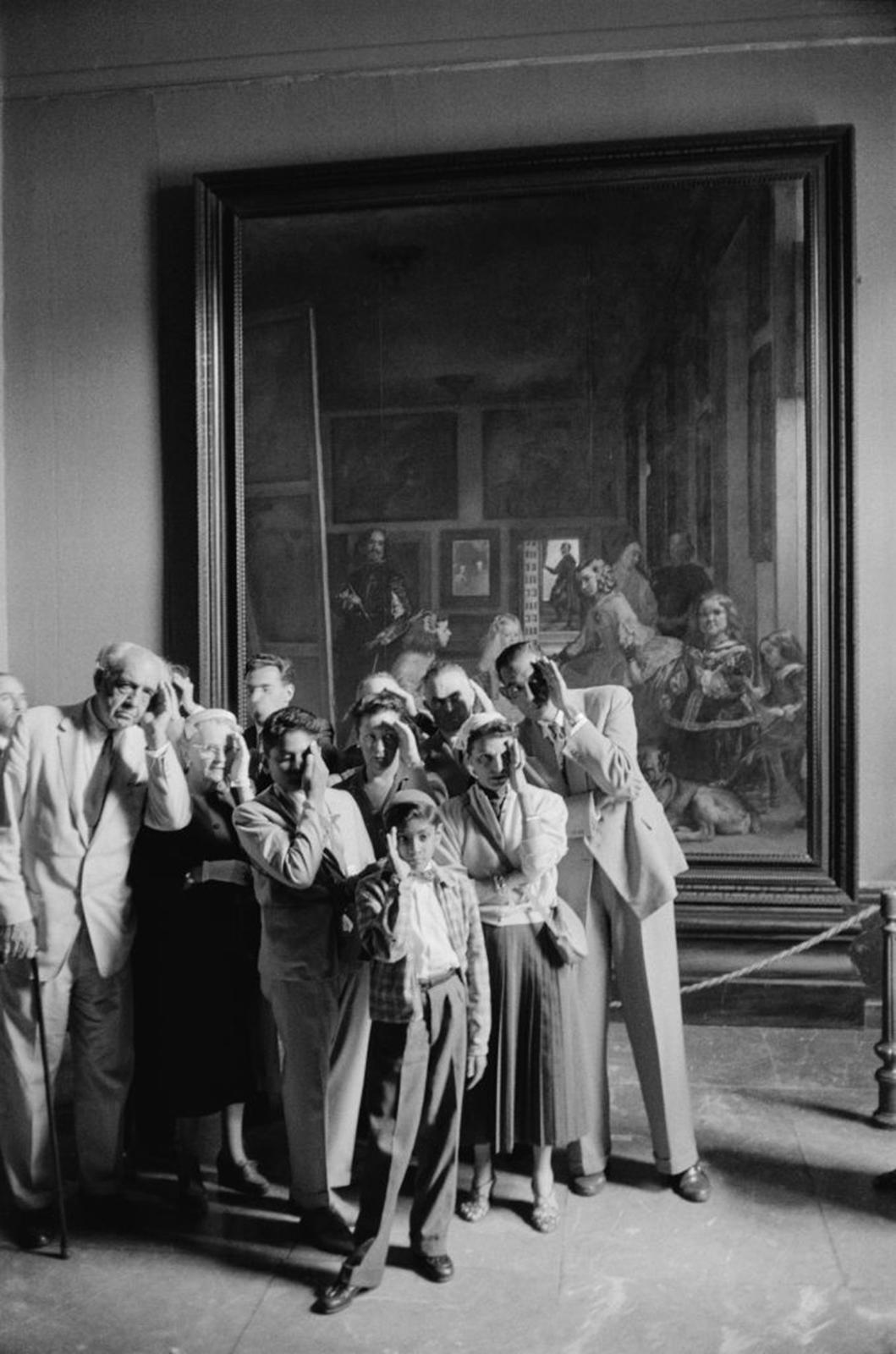
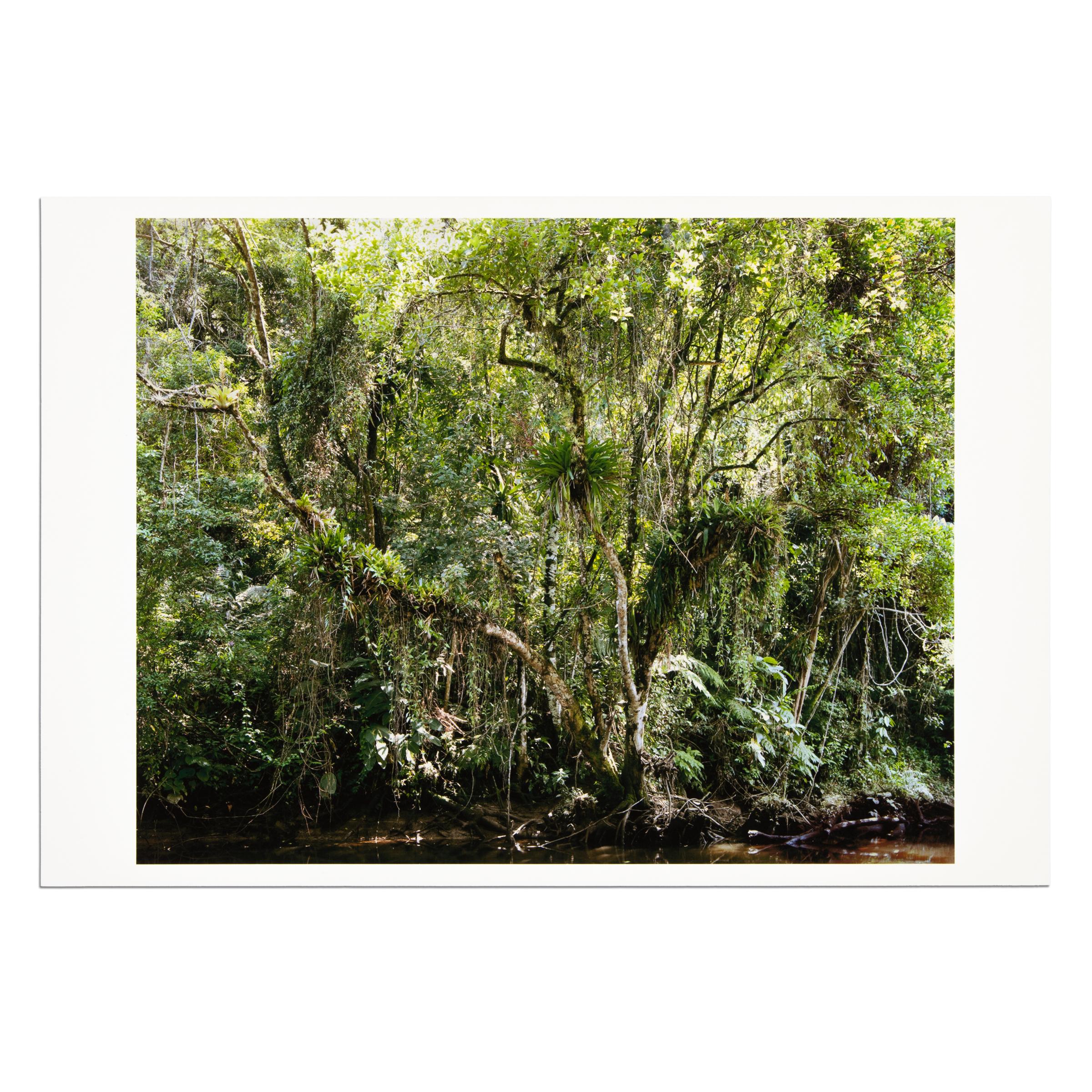
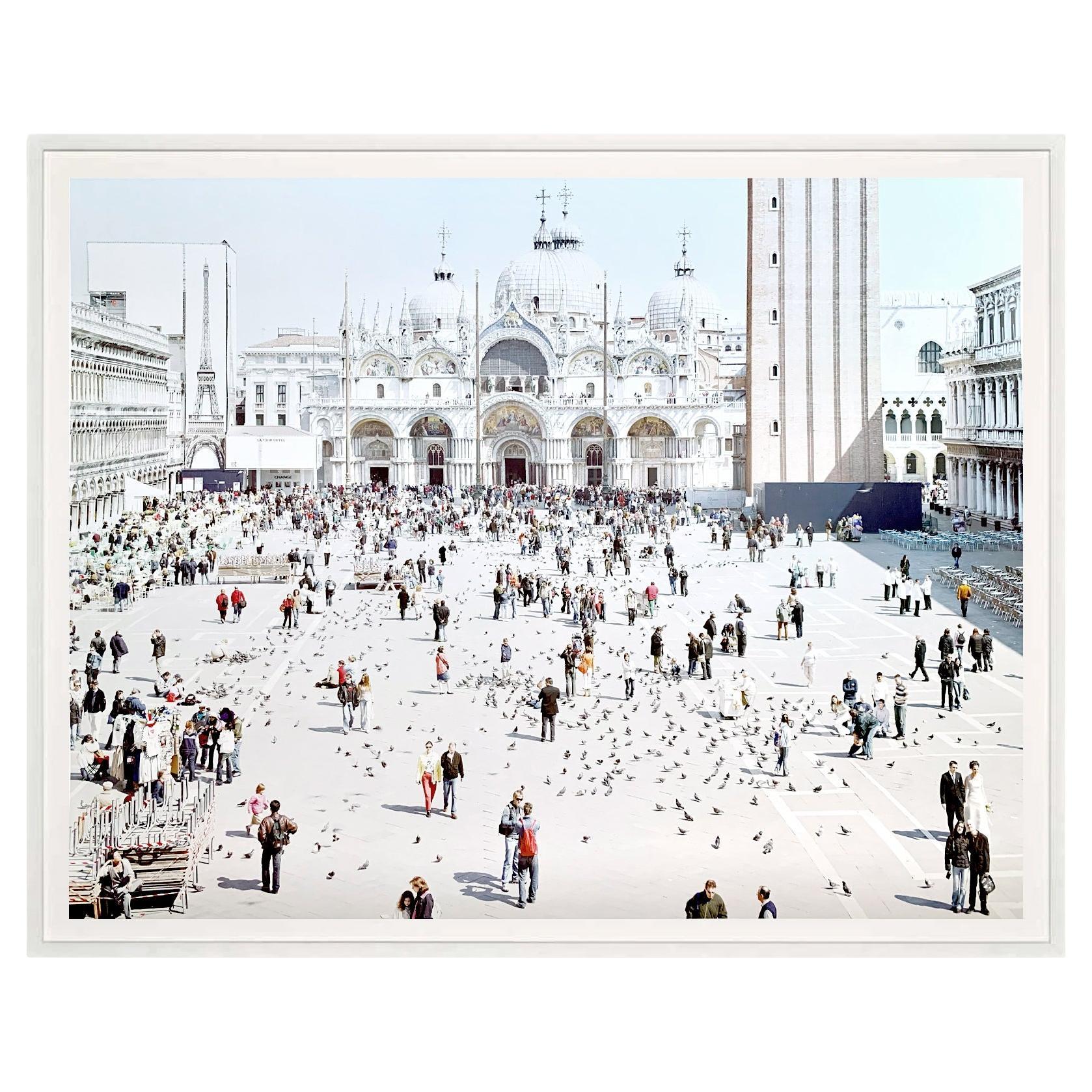
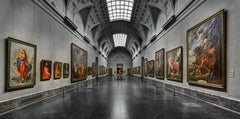
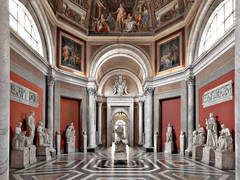
Thomas Struth, Museo del Prado
Contemporary, 21st Century, C-Print, Limited Edition
C-Print
Edition of 100
24,6 x 28,6 cm (9.6 x 11.2 in)
Signed and numbered, accompanied by Certificate of Authenticity
In mint condition, as acquired from the publisher
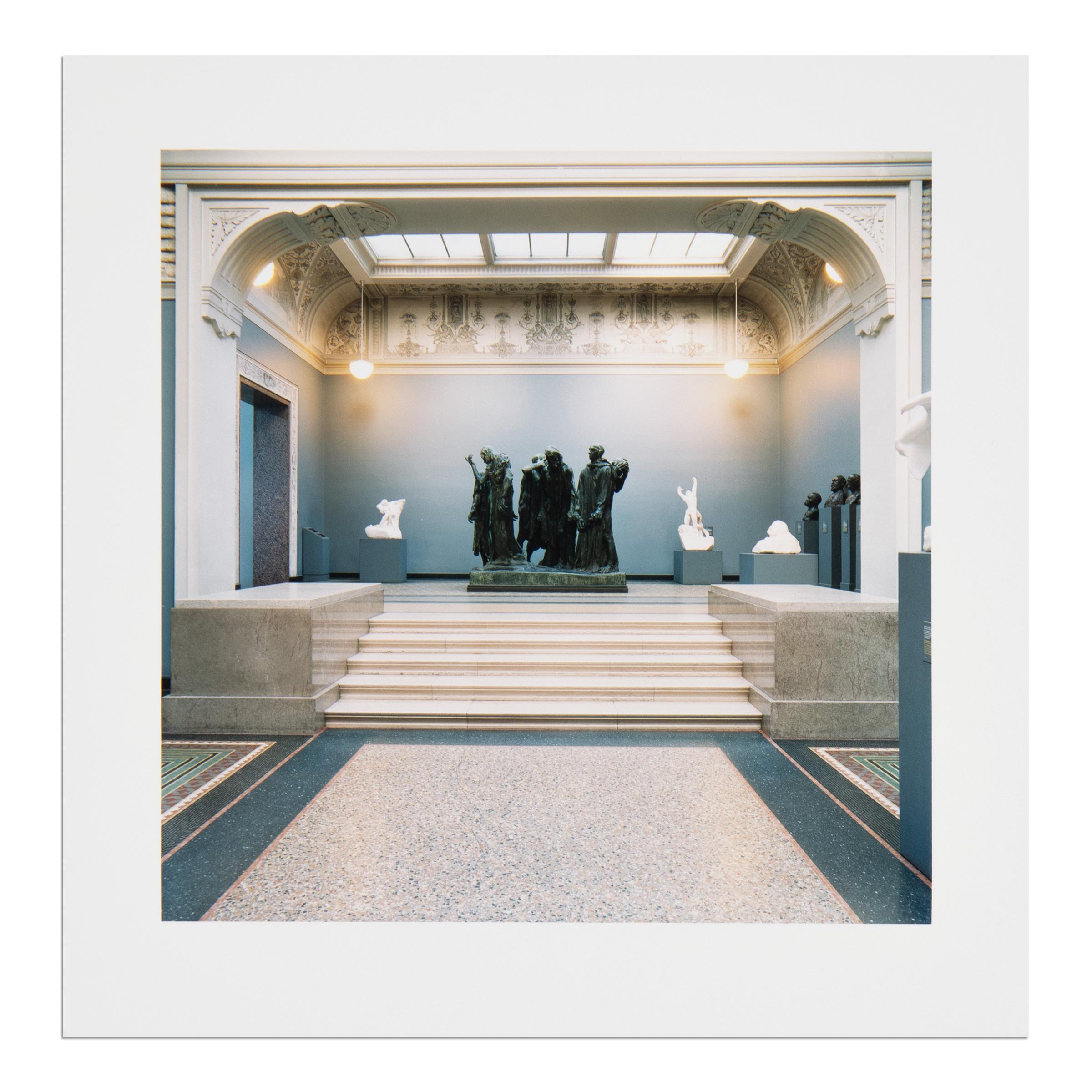
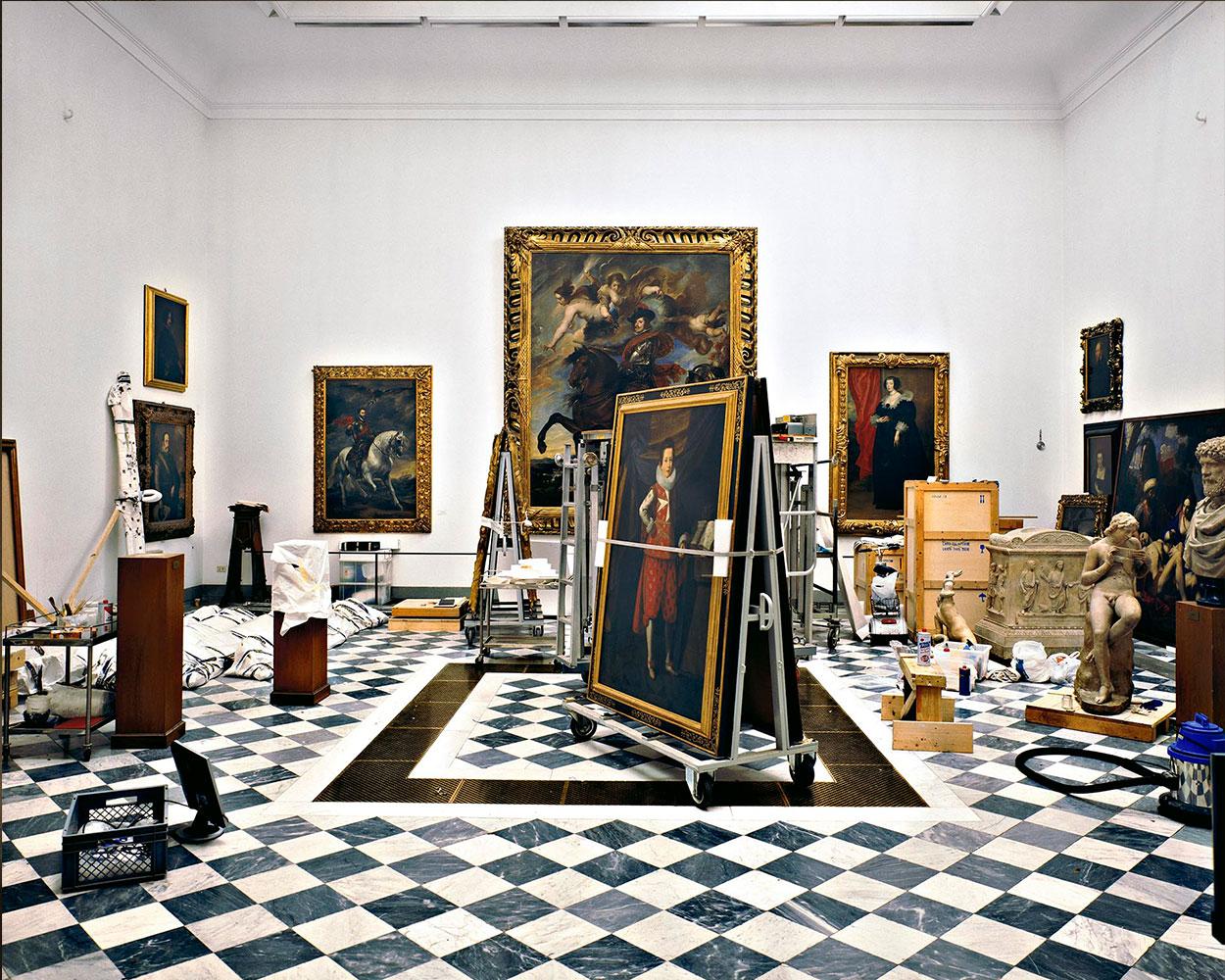
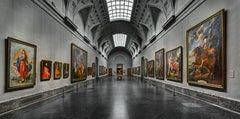
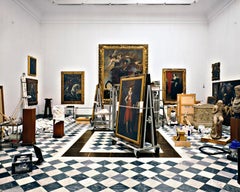
Madrid’s Prado Museum, home of one of the largest and most important art collections in the world, in the spring of 2007 served as the setting for an unusual Spanish-German exhibition project. Thomas Struth, one of the leading figures of the Düsseldorf school of photography, had a selection of his notorious large-format Museum Photographs on display. Some of his photos, which had been shot shortly before in the Prado, were installed in the immediate vicinity of the originals, thereby provoking a peculiar mise en abyme effect (i.e., the sensation of standing between two mirrors).
"In certain cases, I asked people to stay fixed in their position, but the effect was already lost. Those photographs don’t work, because photography is so sensitive a medium that one can’t lie using it." —Thomas Struth
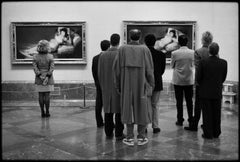
At its core, the series draws attention to the unexpected perceptions that the medium of photography can offer, in particular the different perceptions associated with photographic images taken in a museum – such as the various interactions taking place between the visitor/viewer and the museum space, exhibition and art on display. These interactions are made especially interesting through Struth’s representation of Velazquez's famous Las Meninas, a painting which itself “operates” with inscrutable reflections, different spatial levels, and the unequaled interplay of glances. Ultimately, this raises the question: Who is watching whom, and what is being watched?
THOMAS STRUTH
Thomas Struth was born in 1954 in Geldern, near Düsseldorf, in the German state of Nordrhein-Westfalen. From 1973 to 1980, he trained under Gerhard Richter and Bernd and Hilla Becher at the Kunstakademie Düsseldorf. Initially interested in painting, Struth turned his attention to photography in 1976.
Thomas Struth was born in 1954 in Geldern, near Düsseldorf, in the German state of Nordrhein-Westfalen. From 1973 to 1980, he trained under Gerhard Richter and Bernd and Hilla Becher at the Kunstakademie Düsseldorf. Initially interested in painting, Struth turned his attention to photography in 1976. Two years later, he was awarded the Kunstakademie’s first scholarship to New York, where he produced a series of black-and-white cityscapes.
"If I look at my work from the beginning it is more the idea of trying to establish a kind of material that one can work with for the future, rather than making nostalgic images to record something that will later become lost." —Thomas Struth
Struth developed an interest in Renaissance paintings, and this precipitated his best-known series, the Museum Photographs. In these works, Struth captured anonymous individuals and crowds looking at iconic works of Western art in the world’s most popular museums. Thus, Louvre IV, Paris (1989), National Gallery I, London (1989), Pergamon Museum III, Berlin (2001), and Museo del Prado XII, Madrid (2005) all show similar scenes. Since the early 1990s, Struth has expanded his photographic vocabulary to include natural landscapes (jungles, deserts, and forests), intimate nature studies, celebrated architectural monuments (Notre Dame and Milan Cathedral), and Chinese cityscapes.