Gordon House
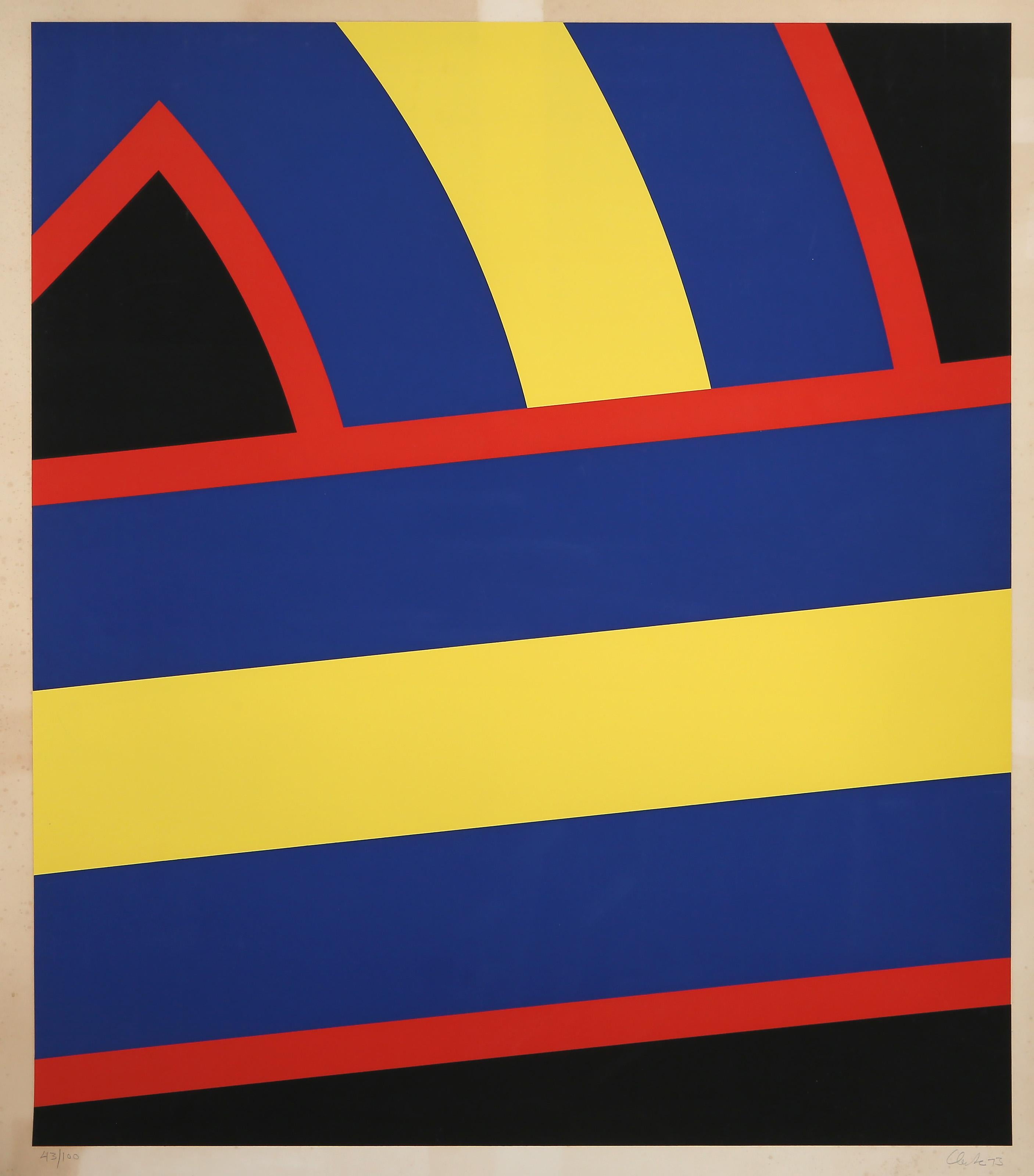
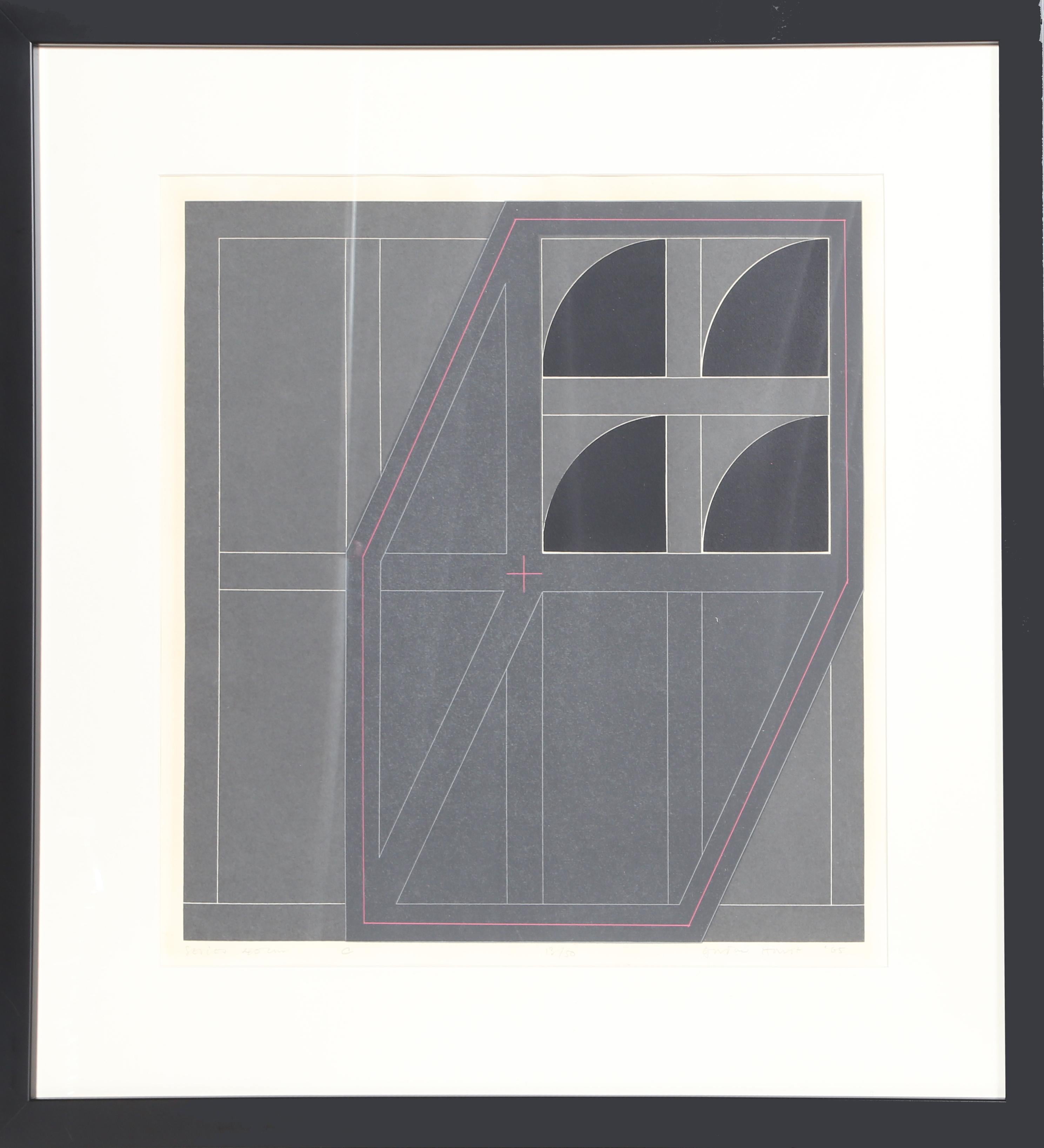
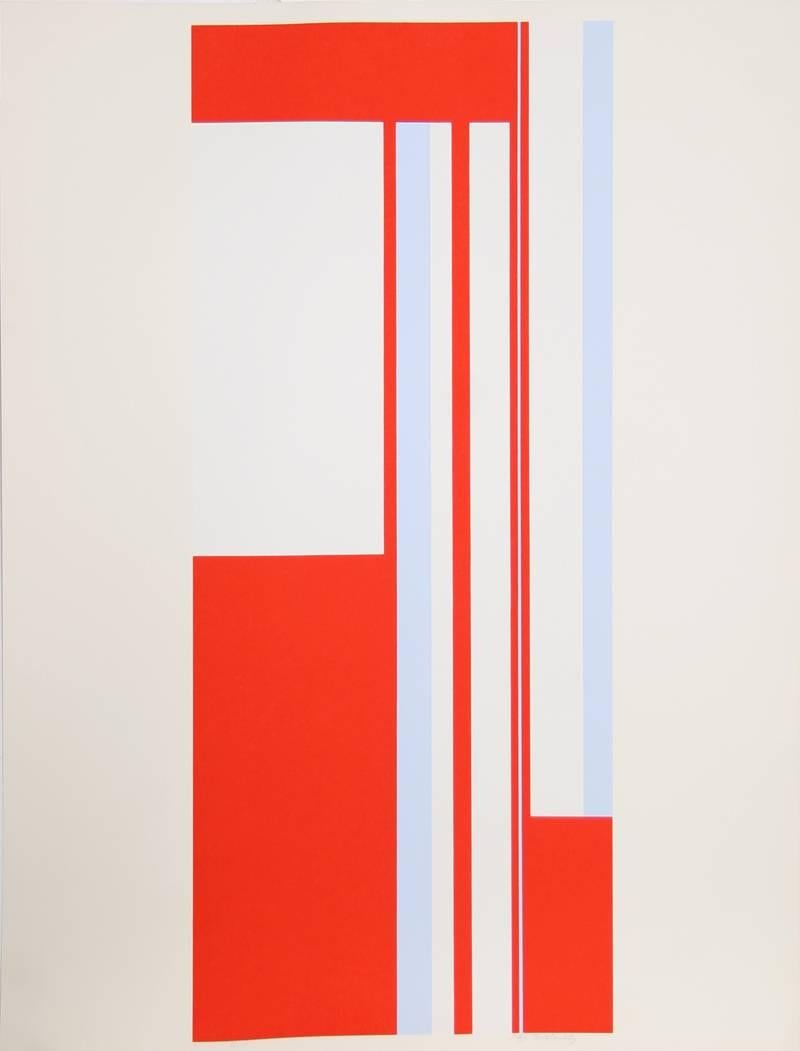
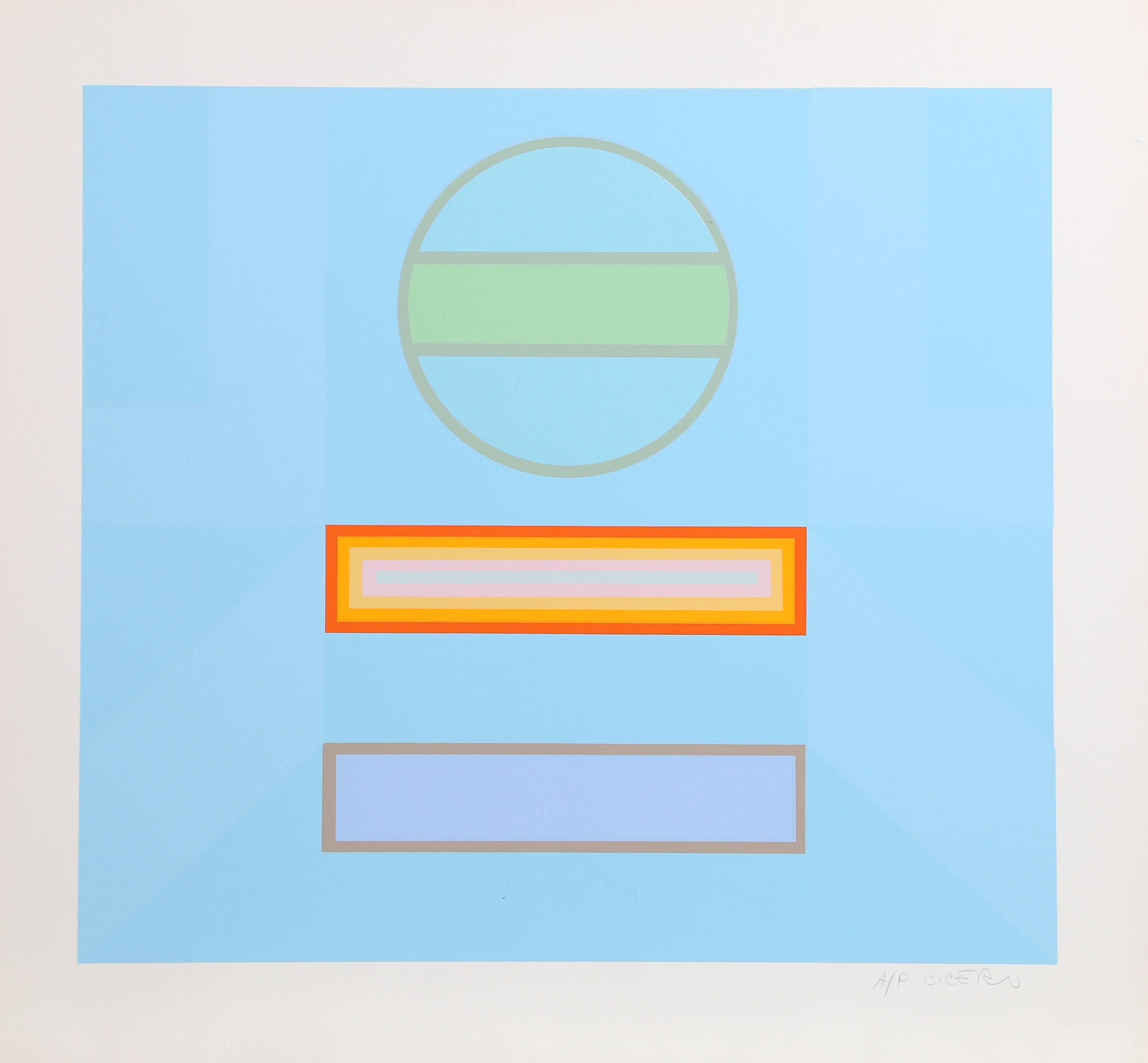
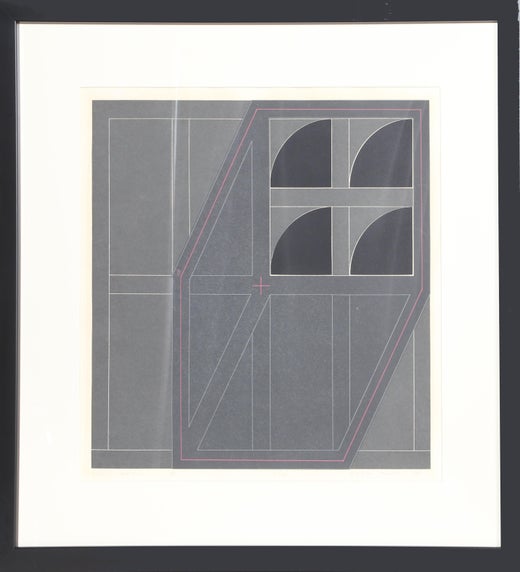
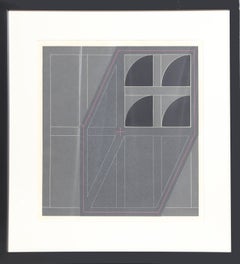
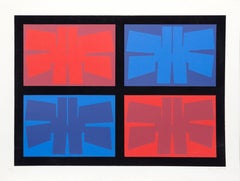
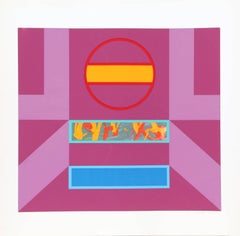
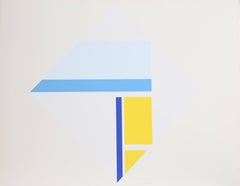
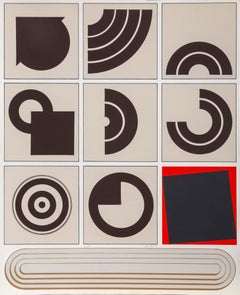
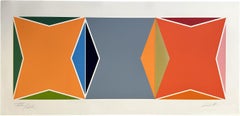
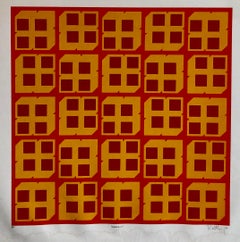
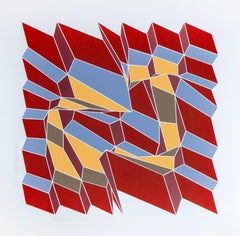
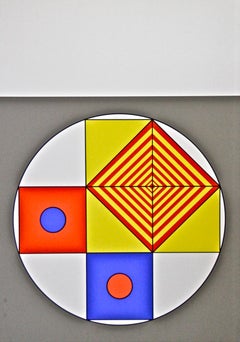
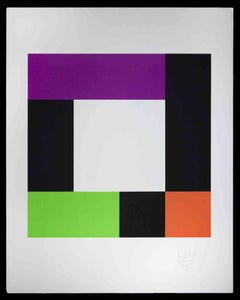
The Guardian wrote of Gordon House, upon his death in 2004: Many of the works made during his last years by the painter and graphic designer Gordon House, who has died aged 71, referred back to his birthplace in the Swansea valley. He spent his earliest years in the steel town of Pontardawe. In Tin-pan Valley, the memoir he published earlier this year, he recalled "the clamour of steel mills ... the tinplate works and pithead gear" and "dynamite blasting as coal seams were struck higher up the valley". Unemployment and the depression of the 1930s led Gordon's parents to take him from the valleys of south Wales to the order and designed coherence of Letchworth, "Hertfordshire's first garden city". After leaving school at 14, he went to study, first, at Luton School of Art. For a while after that, he worked in a hospital, before, with the aid of a scholarship, moving on to St Albans School of Art. By 1961, Gordon had become established among a new generation of artists as an independently minded and adventurous painter and designer. The previous year, he had shown his large, bold, hard-edged canvasses at the important London "Situation" exhibition of large-scale abstract painting, and had designed the catalogue for that exhibition. As the 1960s moved on, Gordon designed for the pop world. He worked for the Beatles, designing their White album and the back of the Sergeant Pepper album, for which his longtime friend Peter Blake designed the front. Later, he designed Wings' first album. He delighted in the creative energy of others, and so could respond to the talents of musicians and artists alike. Gordon made paintings throughout his life as a designer. During the 1960s and 70s, his canvasses and prints reflected the dramatic tensions of his graphic design; by the 1980s, Wales had become his constant subject matter. The surface, texture and colour of his paintings softened. No doubt, he needed to pay homage to the places and the people who had shaped him, just as he always paid homage to the artists for whom he designed. His canvasses reduced in size, becoming palm-of-the-hand landscapes. He spent much time in Wales and, in his final years, he used his brush to walk a path through memories of collieries, valleys, smoking stacks, rows of cottages and the people who had first nurtured him.