Jasper Johns
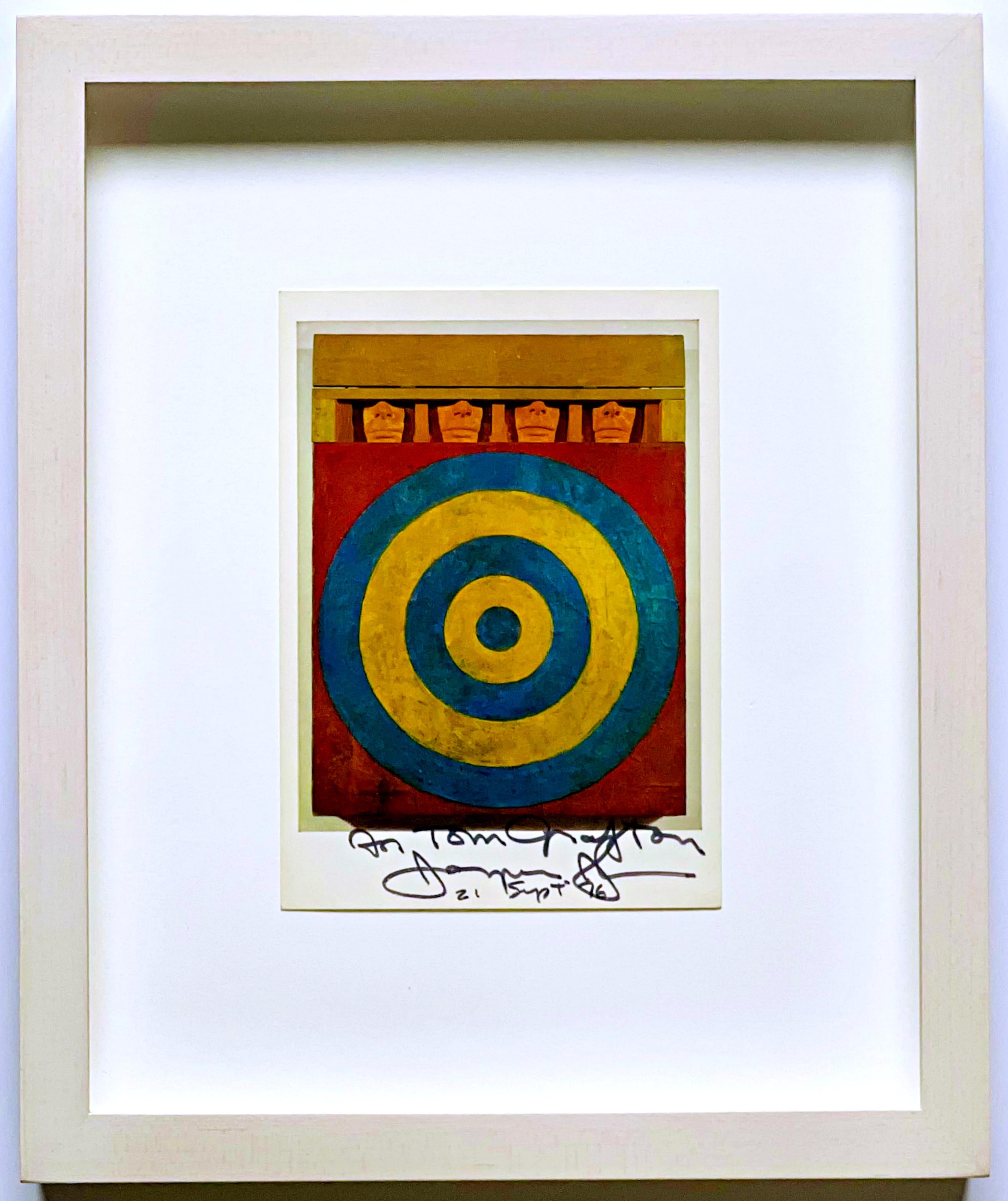
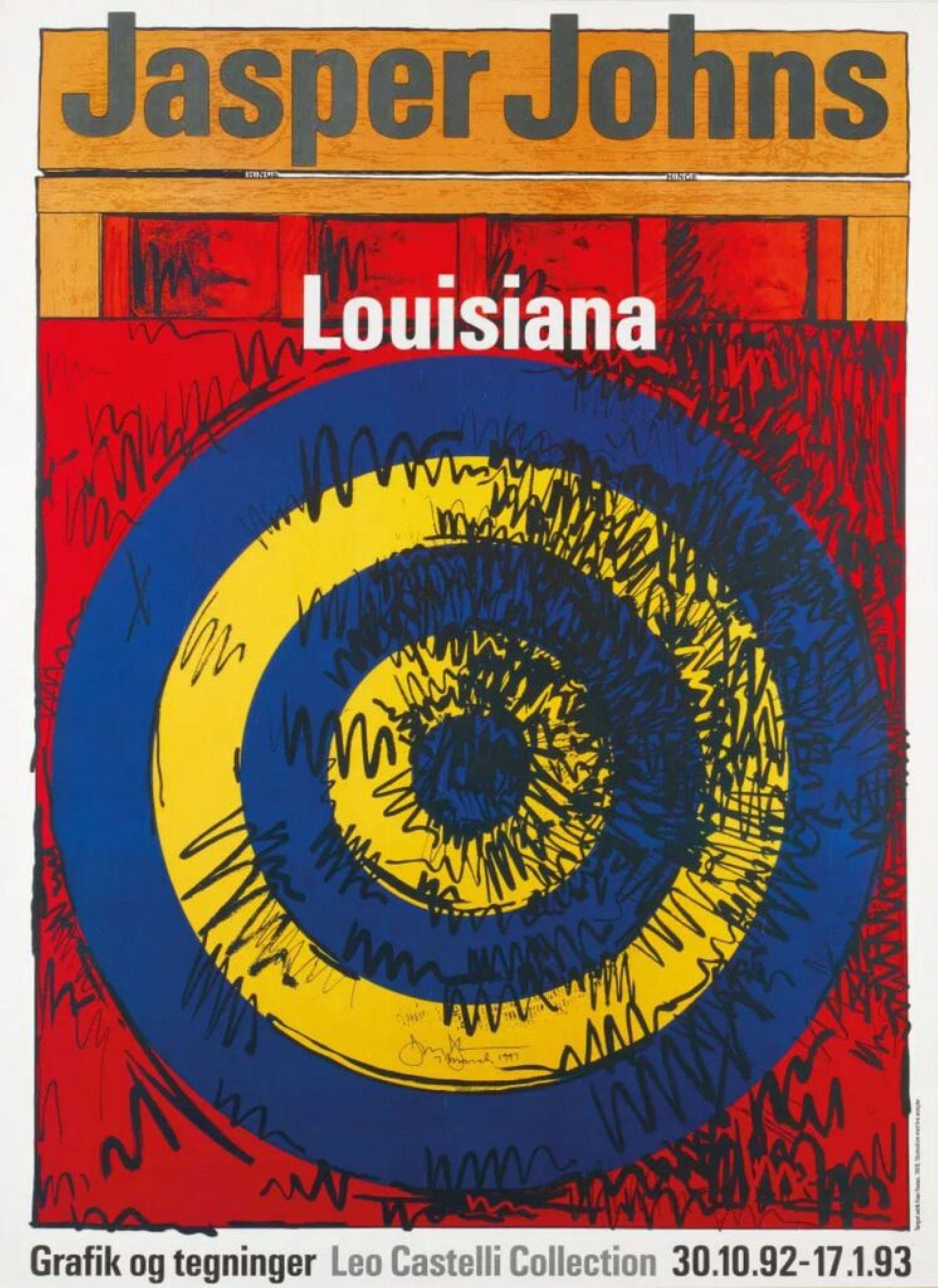
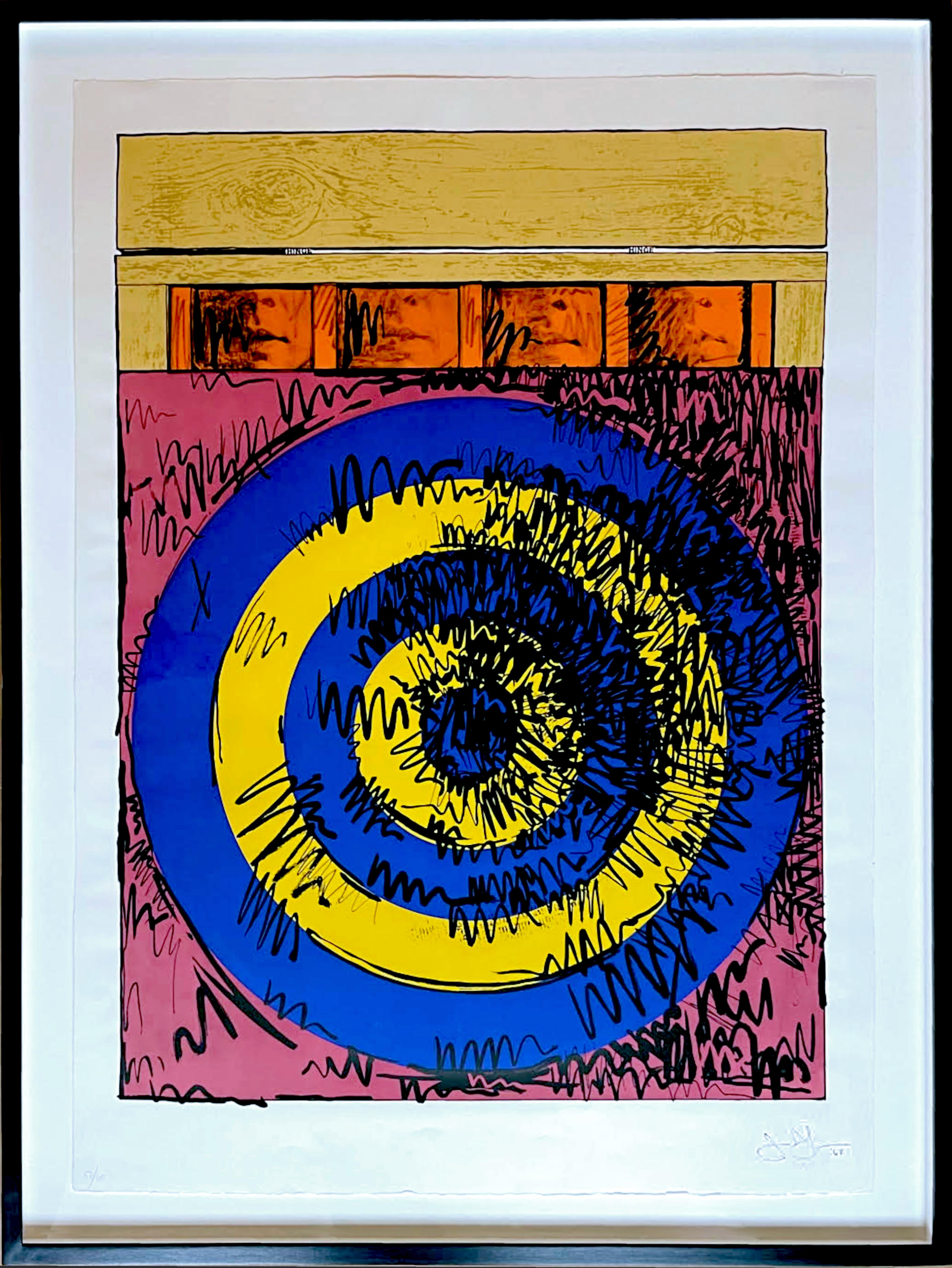
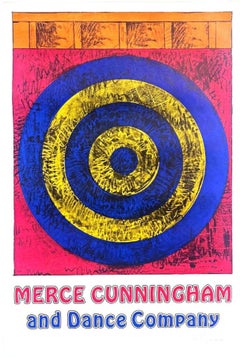
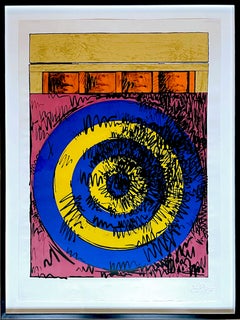
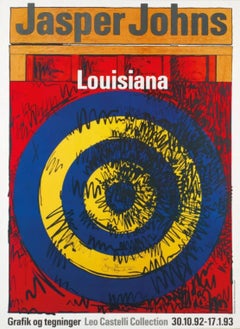
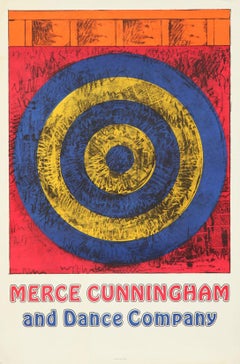
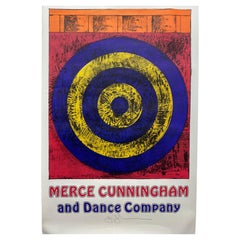
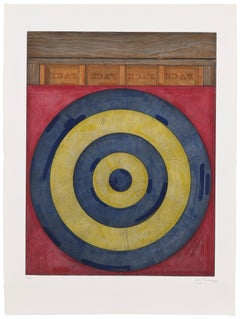
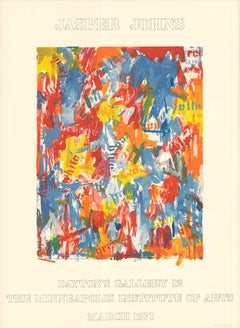
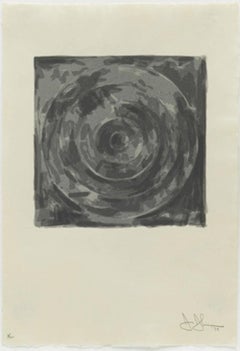
Target with Four Faces, 1968
Offset lithograph poster for Merce Cunningham Dance Company
Limited Edition of approx. 500 (unsigned and unnumbered)
35 × 23 inches
Printed by by ULAE, East Islip, Long Island
Bears artist's printed name, copyright and year
The work depicted in the image is Jasper Johns' 1968 print Target with Four Faces, which was printed by ULAE that same year.
Unframed
Uncommon limited edition vintage Jasper Johns poster from 1968. A bright impression, rarely seen in such good condition.
Provenance: Estate of pioneering curator and gallerist, Alice Denney, Denny was the founder of the Washington Project for the Arts and she served as the assistant director of the Washington Gallery of Modern Art.
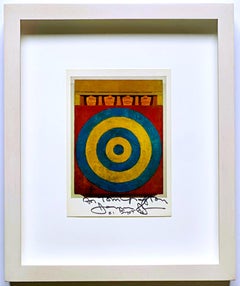
This poster was designed by Jasper Johns for the legendary American dancer and choreographer Merce Cunningham and his company. Founded in 1953 with composer John Cage (who would later become his life partner), the Merce Cunningham Dance Company quickly became known for its avant-garde and experimental performances that challenged conventional notions of dance. A friend of the dancer since the 1950s, Johns was his company’s artistic advisor from 1967 to 1980. After Cunningham’s death, he described him as "his favorite artist in any field" and noted the enduring impact his relationship with Cage had on his own partnership with artist Robert Rauschenberg. This poster reproduces Johns’s influential Target With Four Faces (1955), one of his earliest paintings depicting his most famous subject.
JASPER JOHNS BIOGRAPHY:
Jasper Johns’s groundbreaking 1958 installation at the Leo Castelli Gallery of his famous target and flag works changed the current of New York painting and had an extraordinary impact on contemporary art. In the paintings, Johns presents images that move into the realm of objects and wrestle with the validity of representation as a philosophical concept. The targets and flags, in the words of critic Leo Steinberg, were “co-extensive” with their canvases, existing somewhere between a symbol and a thing in the world. Not only did these paintings begin Johns’s successful dismantling of modern art through his ironic analysis of structures and rituals, but they also became the innovative new ground on which a generation of painters and sculptors made their work. Johns’s own career spans from the flags, through the device motif in the early 1960s, into the crosshatch paintings of the 1970s, and to his complex, densely layered recent works.
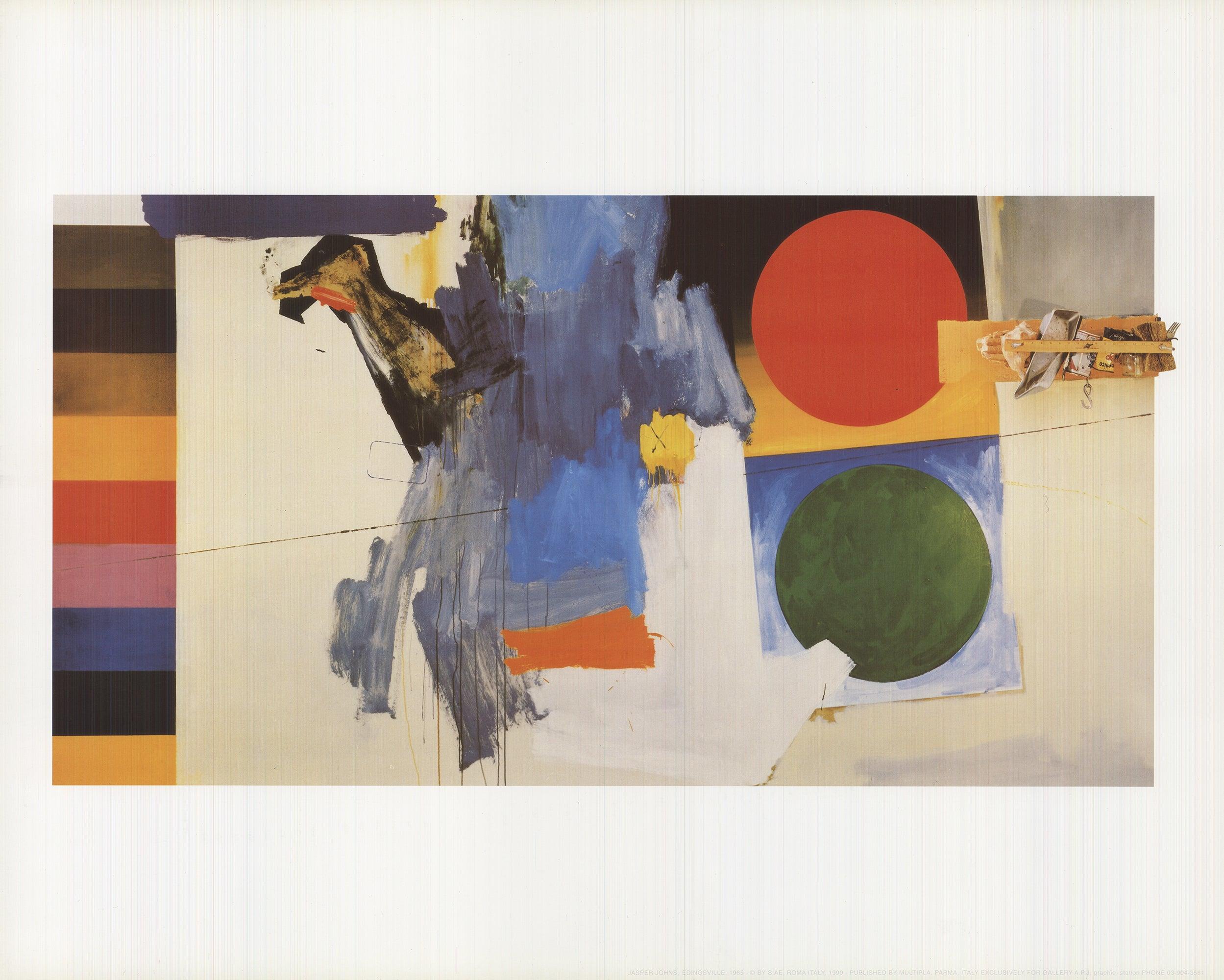
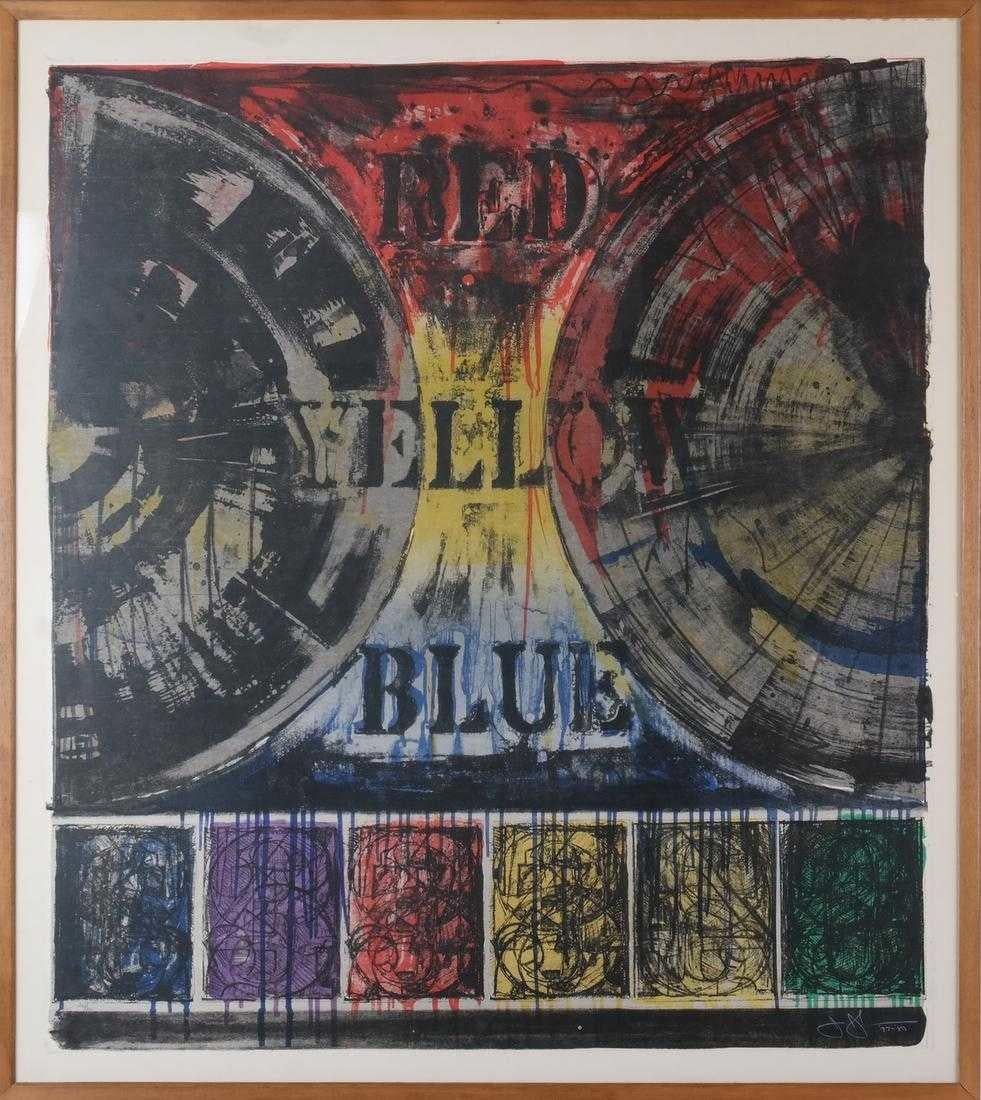
Watchman was made while Jasper Johns was living abroad in Tokyo, Japan, in 1964. The seminal work features a wax cast of Johns’s friend’s leg, two canvas panels, and half of a standard dining table chair. The surface of the painting is seemingly in the midst of action. The words “red,” “yellow,” and “blue” printed partially on left side of the canvas appear as though in a state of erasure, while their colorful pigment counterparts appear (also disrupted) on the right. The ejection of the chair upward to the sky leaves an aftermath of orange, green, and gray, like a falling rain of expressive marks across a once ordered surface. Overall, Watchman is a painting that is trying to be more than a painting; it is caught in the very moment where the world of thought and representation (of symbols and signs) is transitioning into the world of action and physical expression.
Johns repeats and collects motifs throughout his career, ready to use them at anytime for different purposes and ends. For example, though Watchman might be seen as a further critique of modernist painting, Johns’s later work takes on more mysterious and elusive ambitions, engaging both the history of painting and more personal concerns. Untitled, 1992–94, for instance, collects Johns’s familiar early methods such as the use of flagstone imagery and text and positions them alongside the remembered plans of Johns’s childhood home, a cruciform image containing a young boy and Icarus, and the outline of a soldier depicted in Northern Renaissance painter Matthias Grünewald’s Isenheim Altarpiece.