Roy De Forest
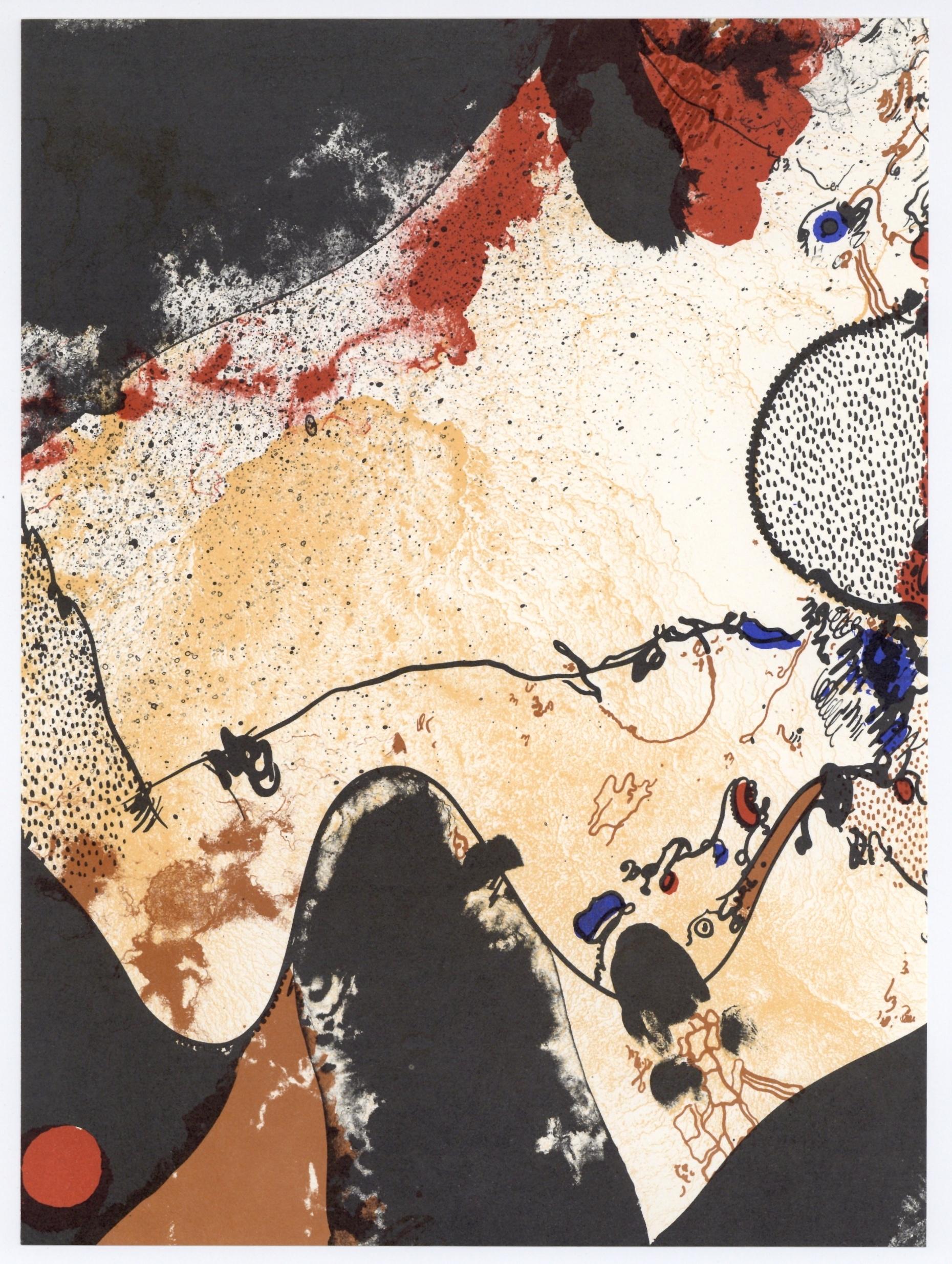
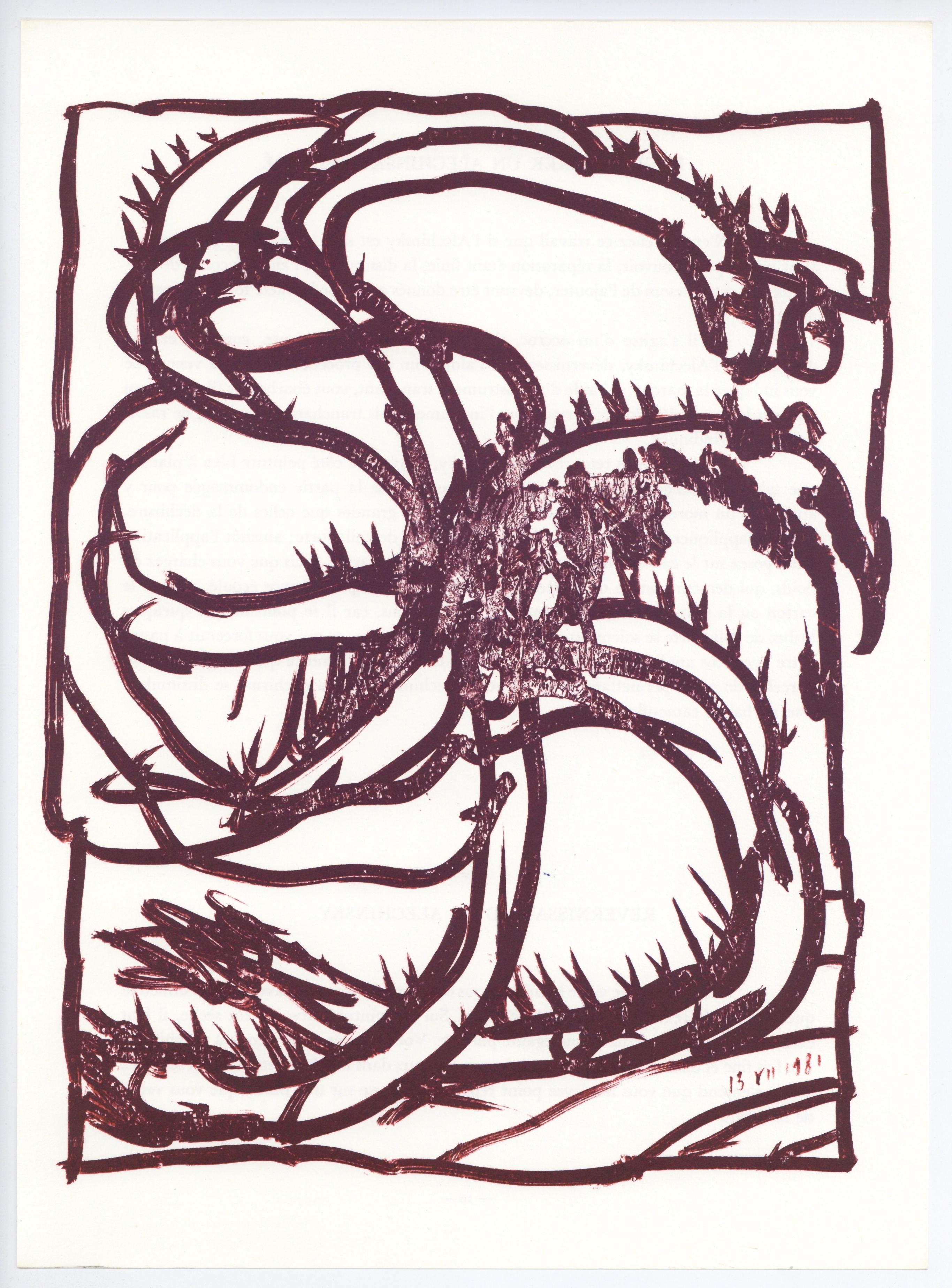
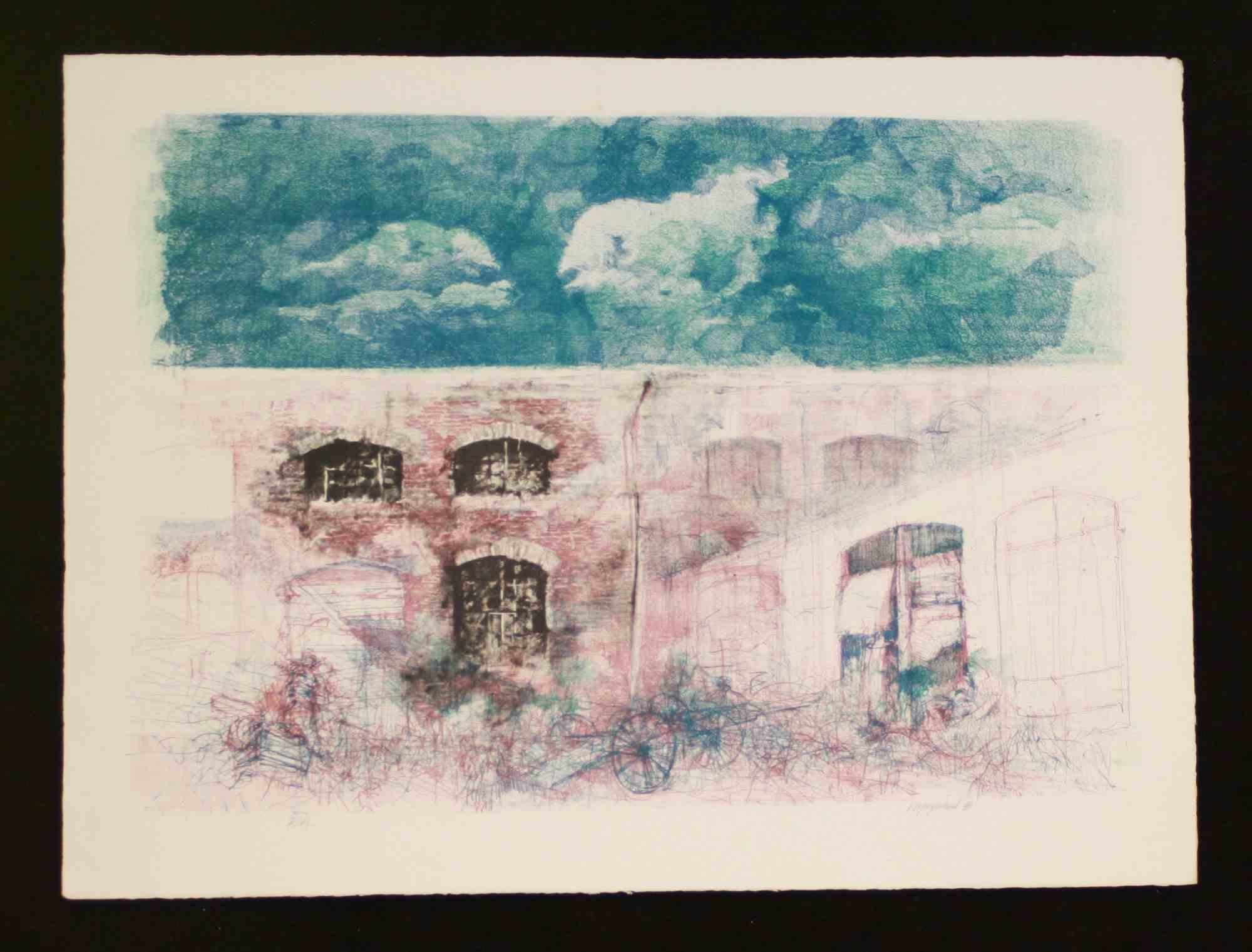
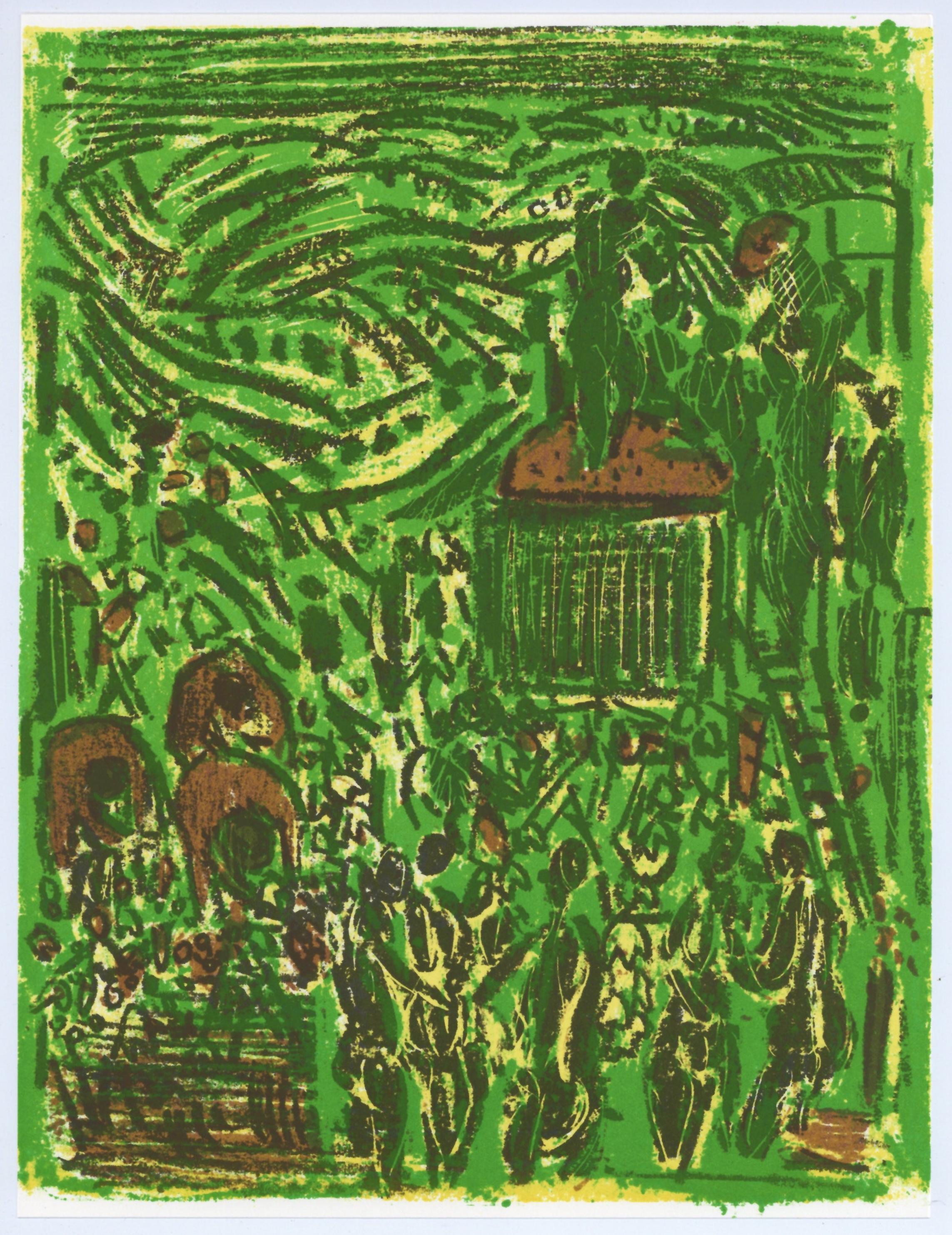
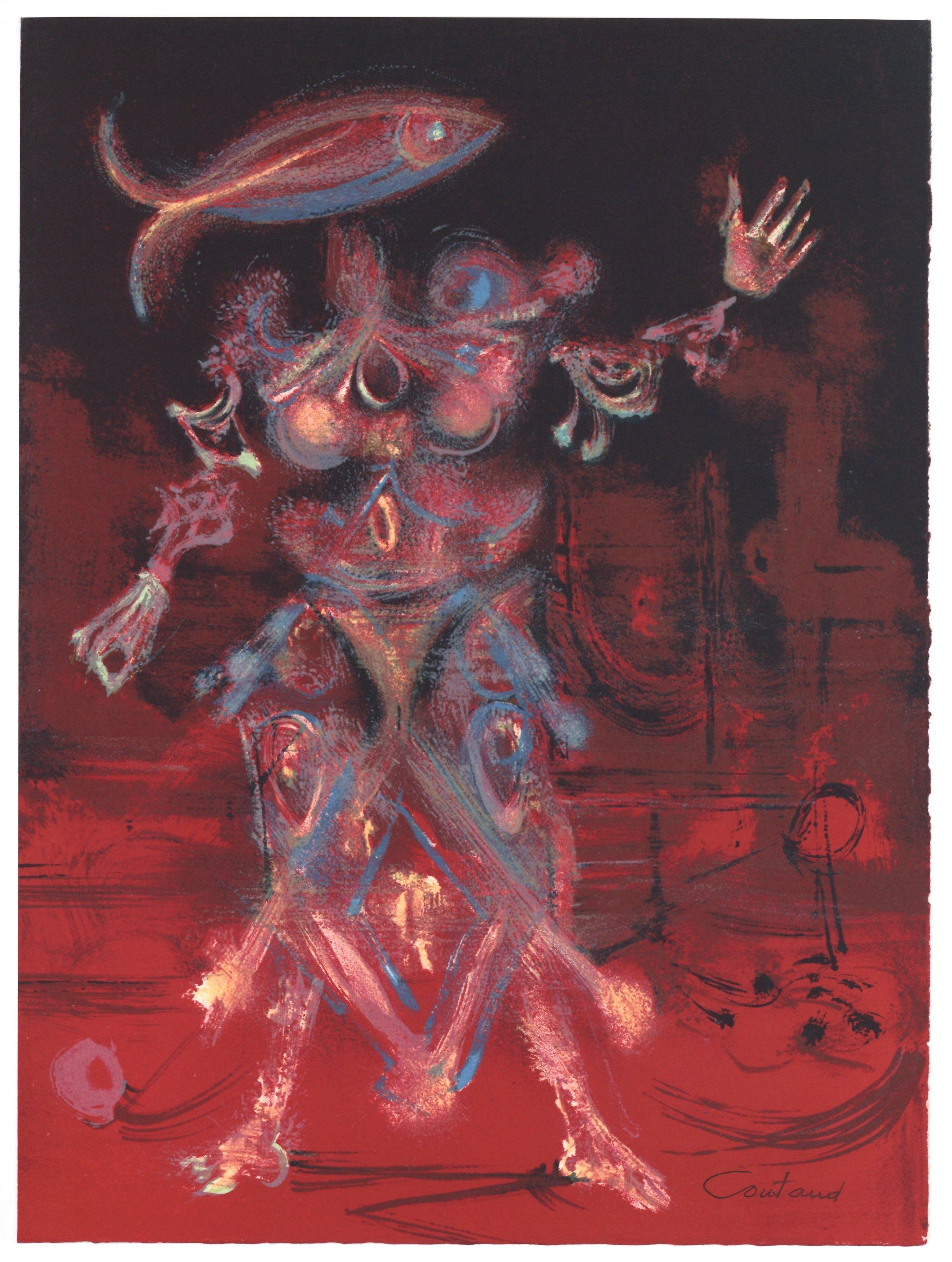
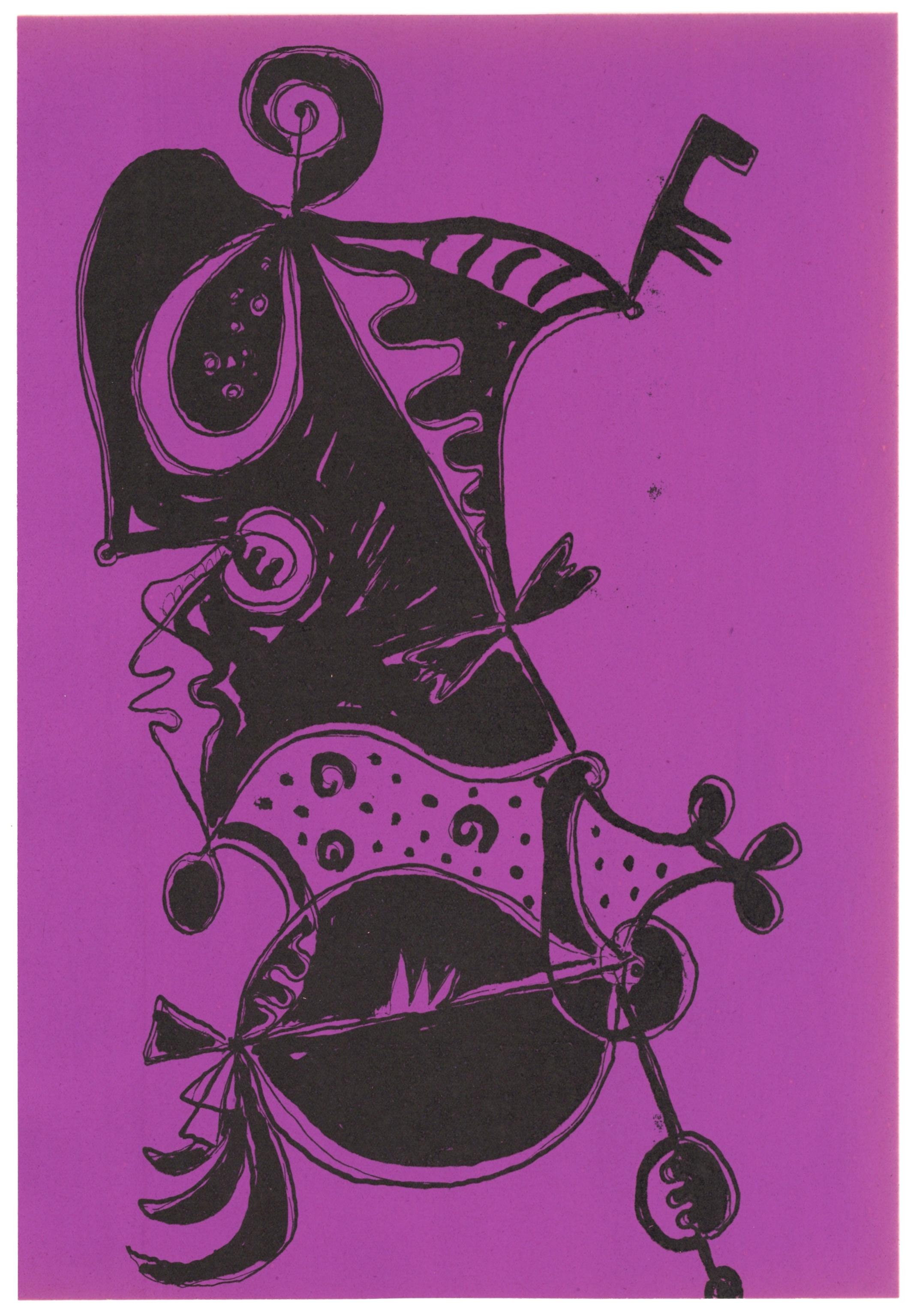
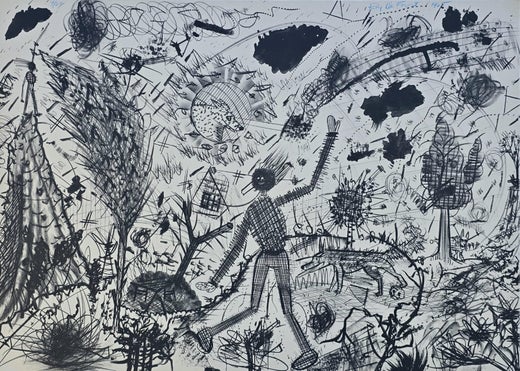
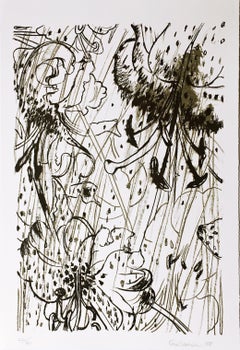
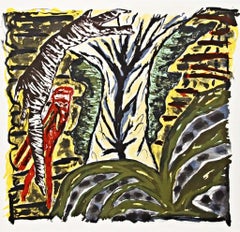
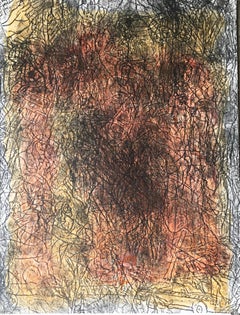
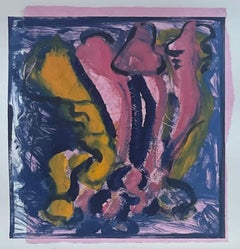
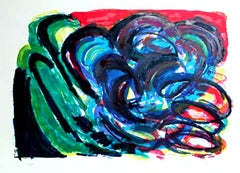
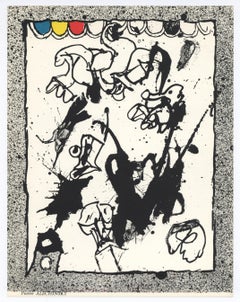
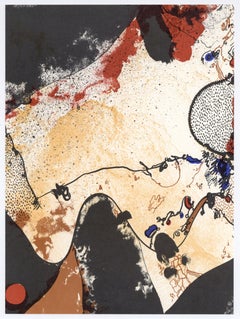
Roy De Forest (1930–2007) was an American painter associated with the Bay Area Funk Art movement, known for his exuberant, imaginative compositions that blend figuration, fantasy, and humor. Based primarily in Northern California, De Forest developed a highly distinctive visual language populated by stylized animals, hybrid creatures, and symbolic forms set within vibrant, often surreal landscapes. His work is characterized by intricate patterning, bright, saturated color, and a playful yet deeply personal iconography. Dogs appear frequently as recurring motifs—sometimes as companions, sometimes as alter egos—reflecting themes of loyalty, identity, and the subconscious. While his imagery can appear whimsical at first glance, De Forest’s compositions often contain layered narratives and references to mythology, dreams, and human psychology. De Forest was also an influential educator, teaching at the University of California, Davis, where he was part of a generation of artists who helped define the experimental and irreverent spirit of West Coast art in the postwar period. His work stands in contrast to the dominant New York abstraction of the time, embracing instead a more narrative, idiosyncratic, and expressive approach. Today, Roy De Forest’s paintings and prints are held in major museum collections, including the Museum of Modern Art, the Whitney Museum of American Art, and the San Francisco Museum of Modern Art. His legacy remains central to the development of Funk Art and the broader history of American figurative painting. Roy De Forest, Bay Area Funk Art, American painter, California art, UC Davis artist, postwar American art, figurative expressionism, West Coast art movement, contemporary American painting, narrative art, surreal figuration, modern American artist, funk movement art, symbolic imagery, colorful painting dog motif artwork, whimsical figurative painting, fantasy landscape, bright color composition, surreal narrative scene, patterned surface painting, hybrid creatures imagery, symbolic animals, playful abstraction, detailed line work, imaginative composition, expressive figuration, dreamlike environment, mythological references, decorative painting