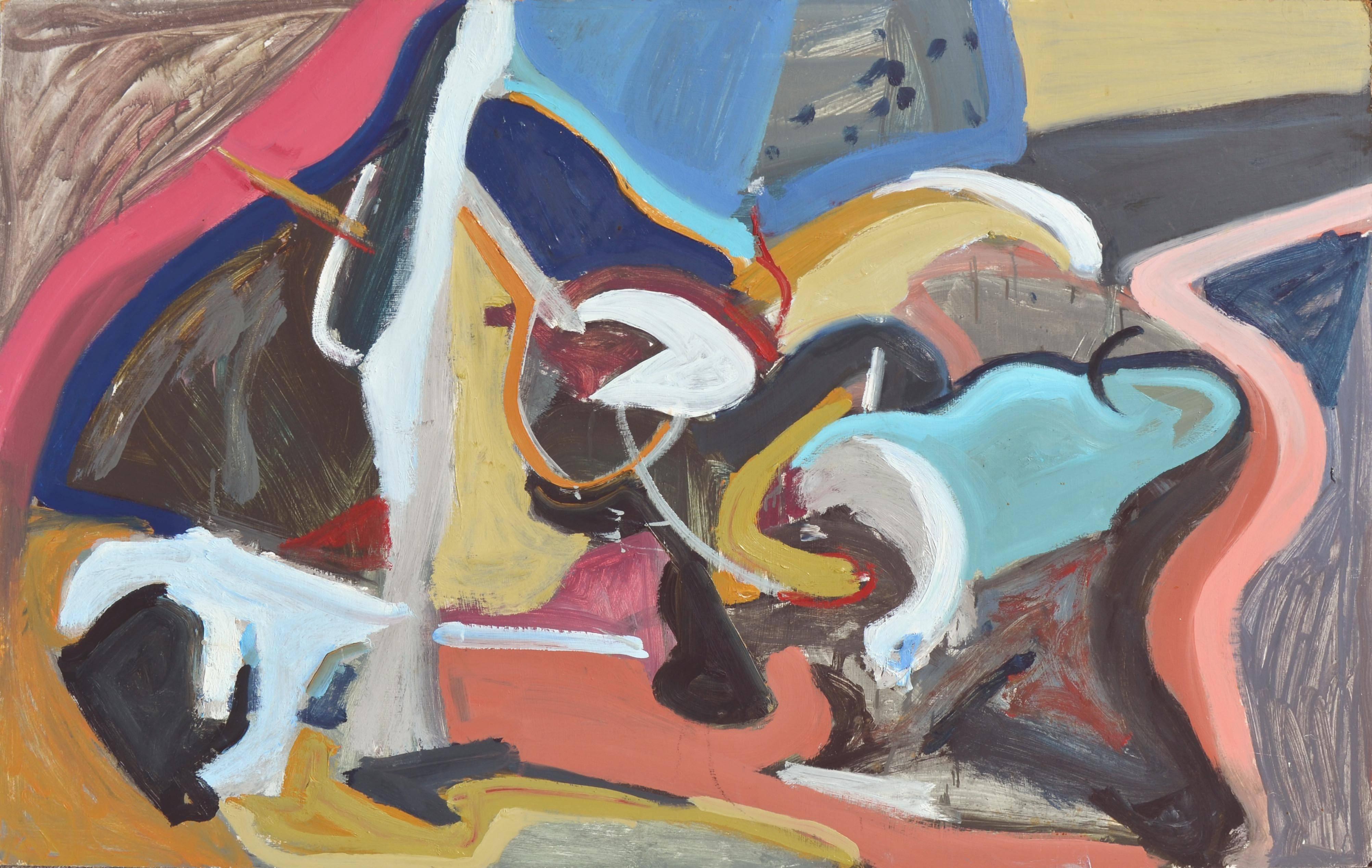
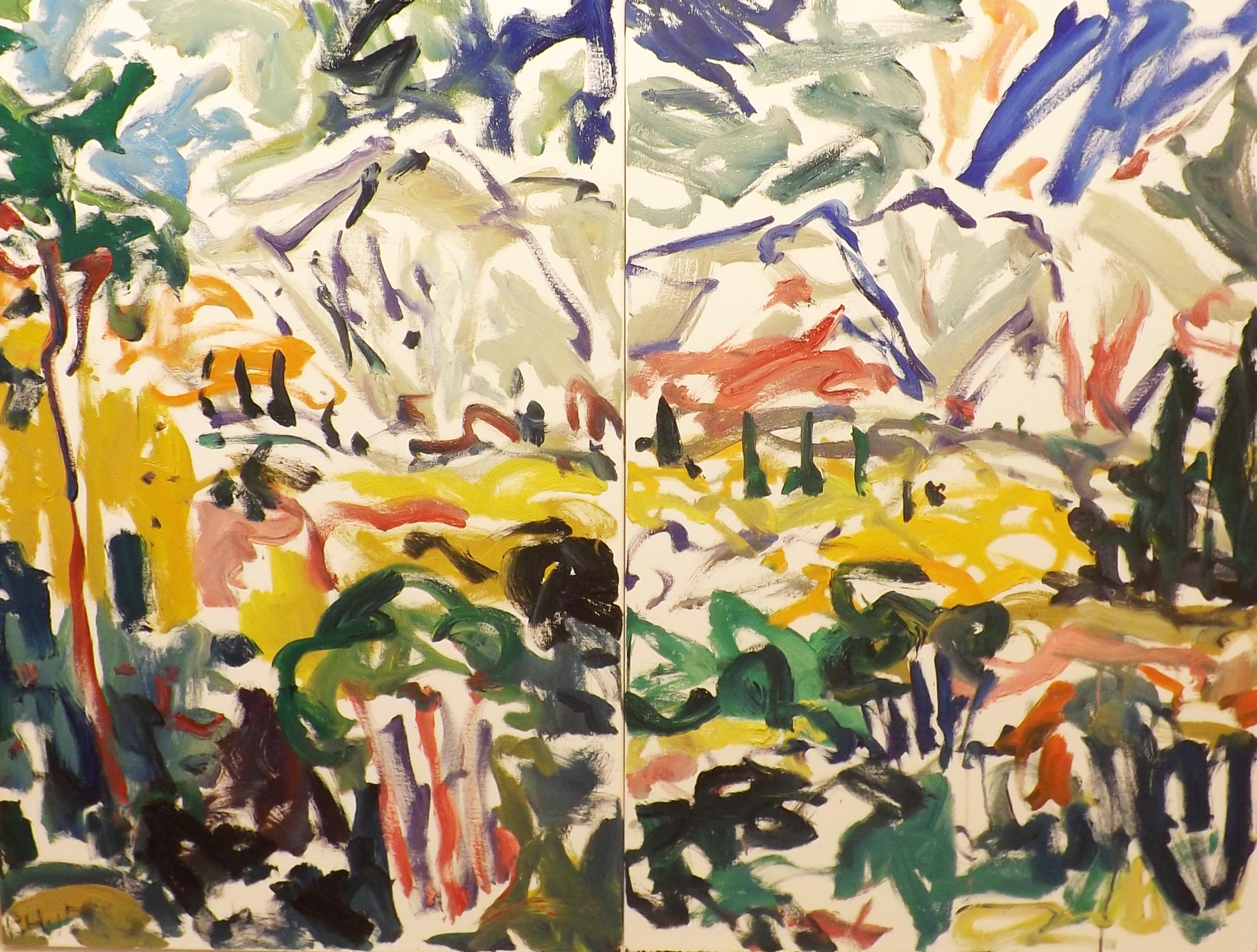
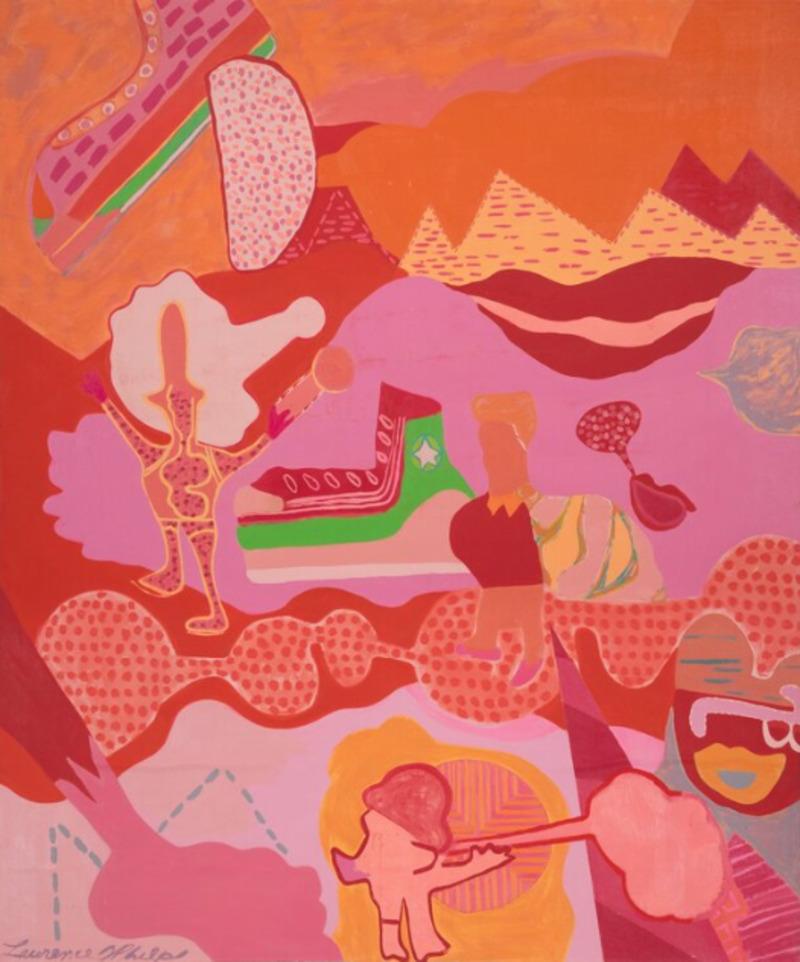
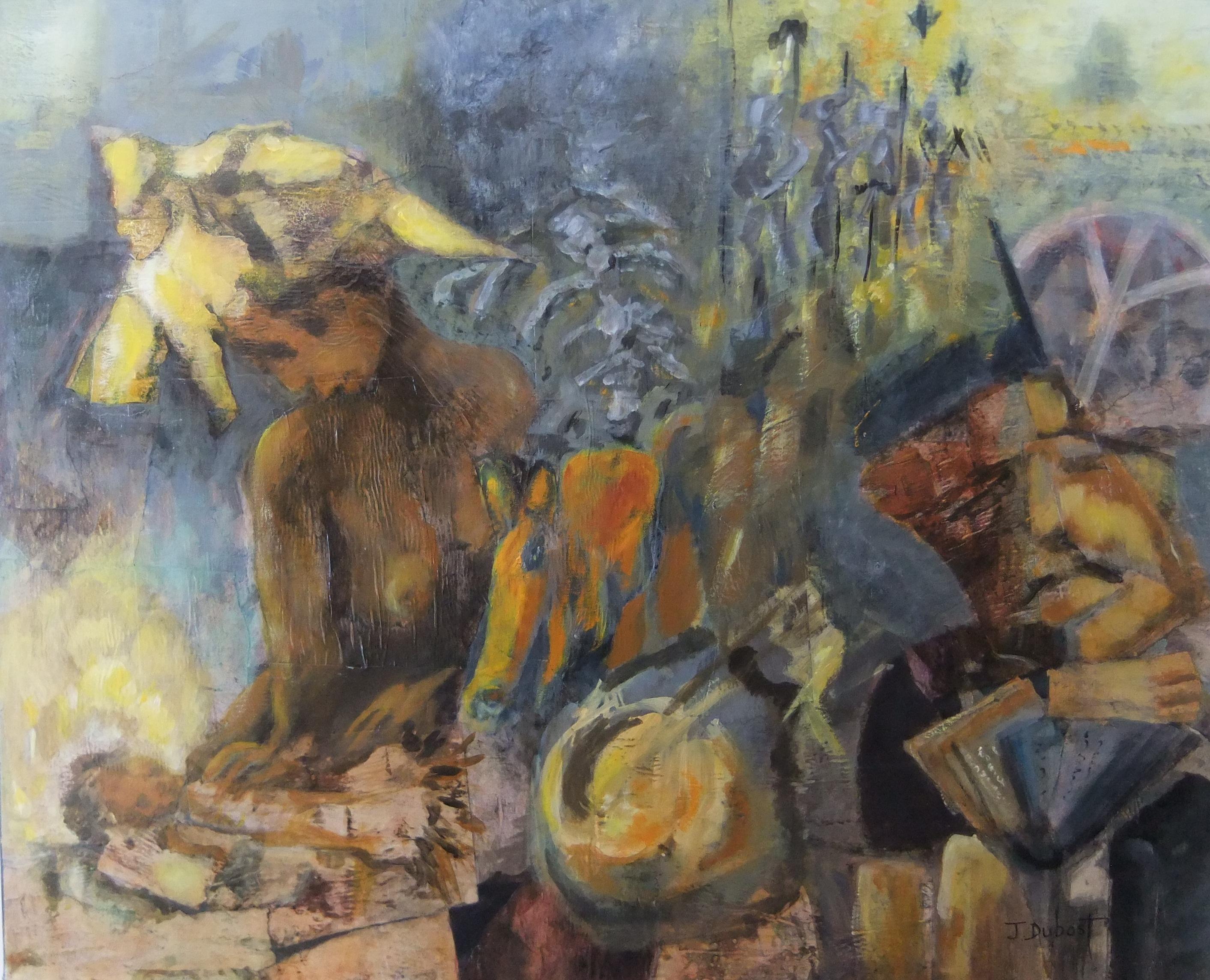
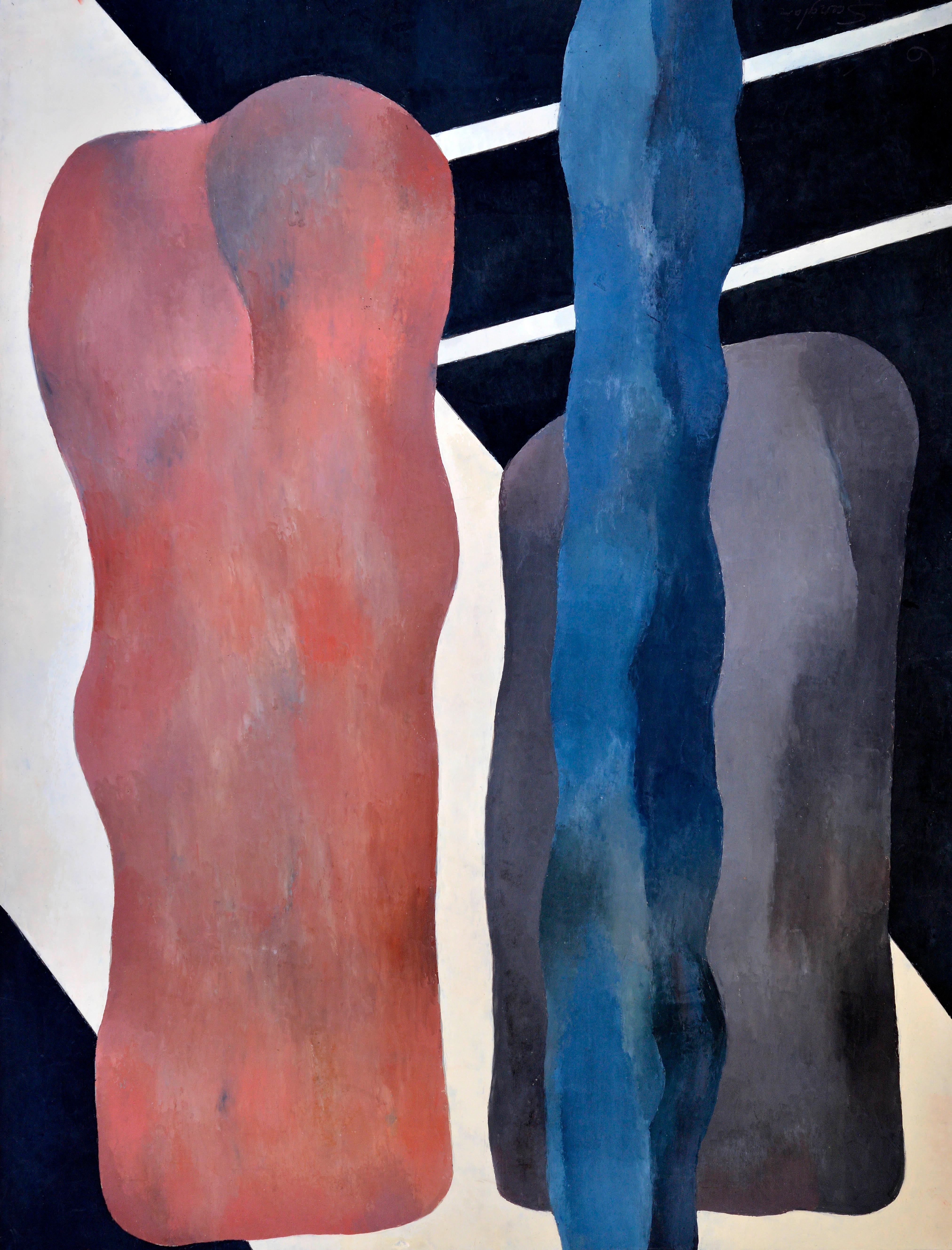
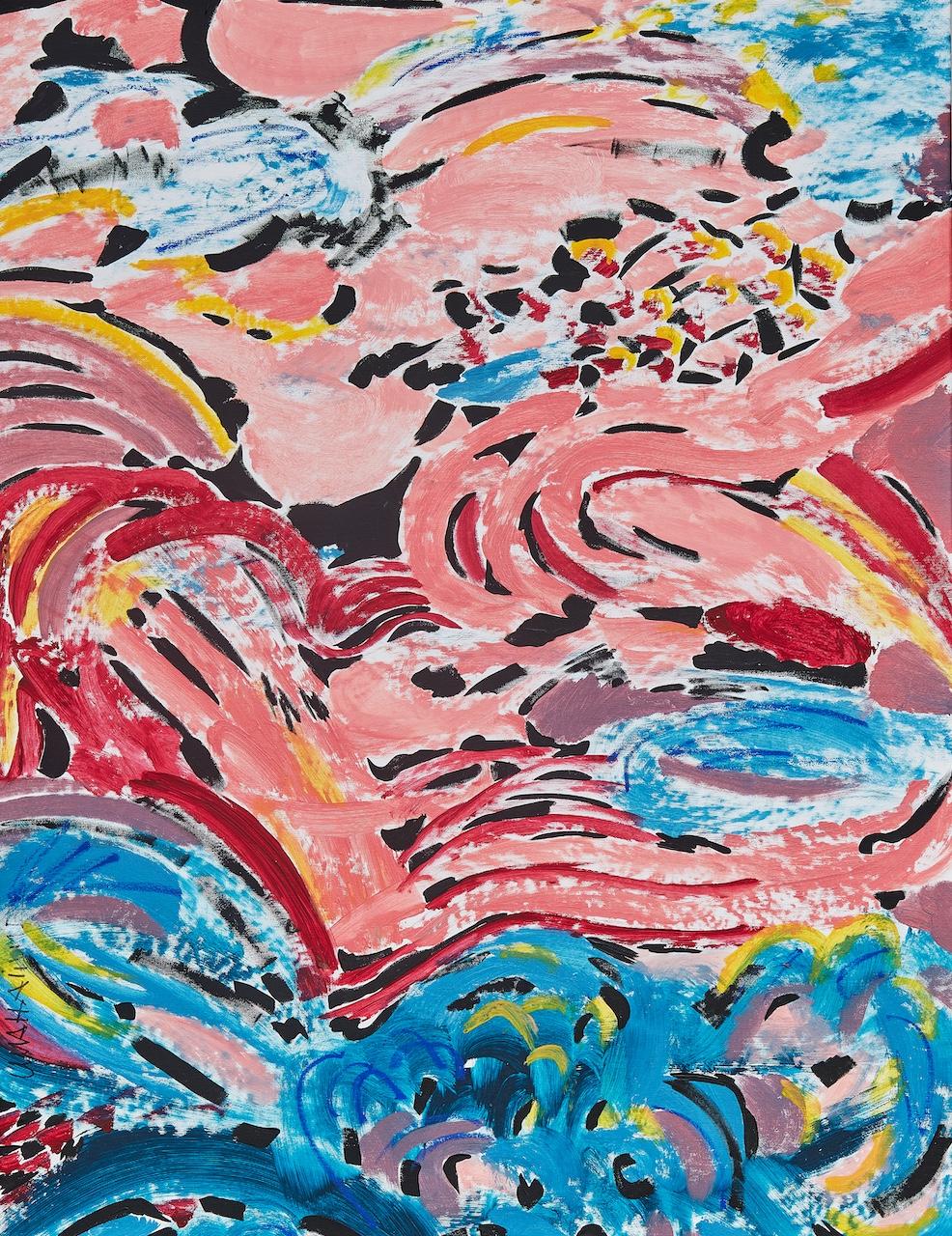
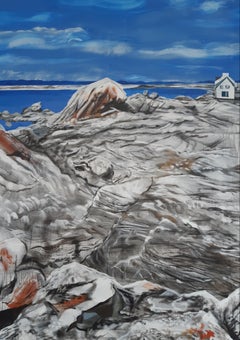
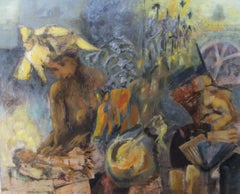
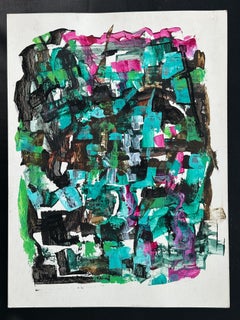
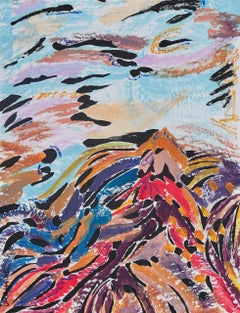
Silkscreen on vélin paper. Paper Size: 22 x 17 inches. Inscription: Unsigned and unnumbered, as issued. Notes: From the album, Poems of Léopold Sédar Senghor, 1996. Published by The Limited Editions Club, New York; printed by Studio Heinrici, Ltd., New York, under the direction of Alexander Heinrici, New York, 1996. Excerpted from the album, CC examples of this album have been printed by Daniel Keleher at Wild Carrot Letterpress. This edition was designed and set in Bodoni types by Dan Cart and Julia Ferrari at Golgonooza Letter Foundry. The silkscreen prints were made by Alexander Heinrici at Studio Heinrici.
LOIS MAILOU JONES (1905-1998) was an African American artist and educator, often associated with the Harlem Renaissance. Jones was raised in Boston by working-class parents who emphasized the importance of education and hard work. After graduating from Boston’s School of the Museum of Fine Arts, Jones began designing textiles for several New York firms. She left in 1928 to take a teaching position at Palmer Memorial Institute in North Carolina. At Palmer, Jones founded the art department, coached basketball, taught folk dancing, and played the piano for Sunday services. Two years later, she was recruited by Howard University in Washington, D.C., to join its art department. From 1930–77, Jones trained several generations of African American artists, including David Driskell, Elizabeth Catlett, and Sylvia Snowden. She began earning recognition for the content and technique of her own art. After a sabbatical year in Paris, Jones introduced African tribal art, a motif enormously popular in Parisian galleries, into her canvases. She was profoundly impacted by Paris, exhilarated by a country where her race seemed irrelevant. Her 1953 marriage to the Haitian graphic designer Louis Vergniaud Pierre-Noël influenced her further as she saw the bright colors and bold patterns of Haitian art on annual trips to her husband’s home. In 1970, Jones was commissioned by the United States Information Agency to serve as a cultural ambassador to Africa. She gave lectures, interviewed local artists, and visited museums in 11 countries. This experience led her to further explore African subjects in her work, especially her 1971–1989 paintings. Her work can be found in the collections of the Smithsonian American Art Museum, The Metropolitan Museum of Art, the National Museum of Women in the Arts, the Brooklyn Museum, the Museum of Fine Arts, Boston, Muscarelle Museum of Art, and The Phillips Collection.