Want more images or videos?
Request additional images or videos from the seller
1 of 2

Utagawa Kunisada II 2
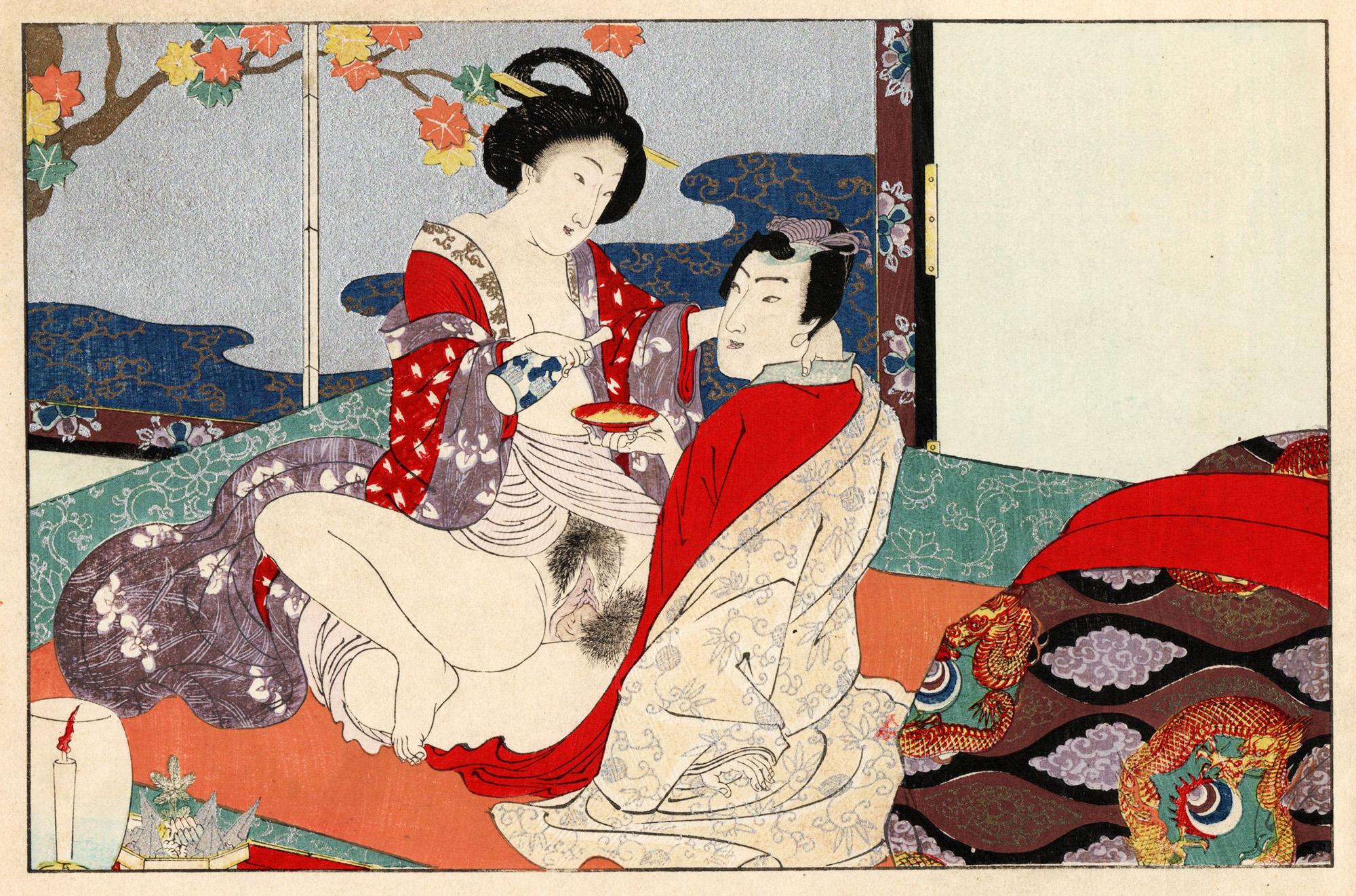
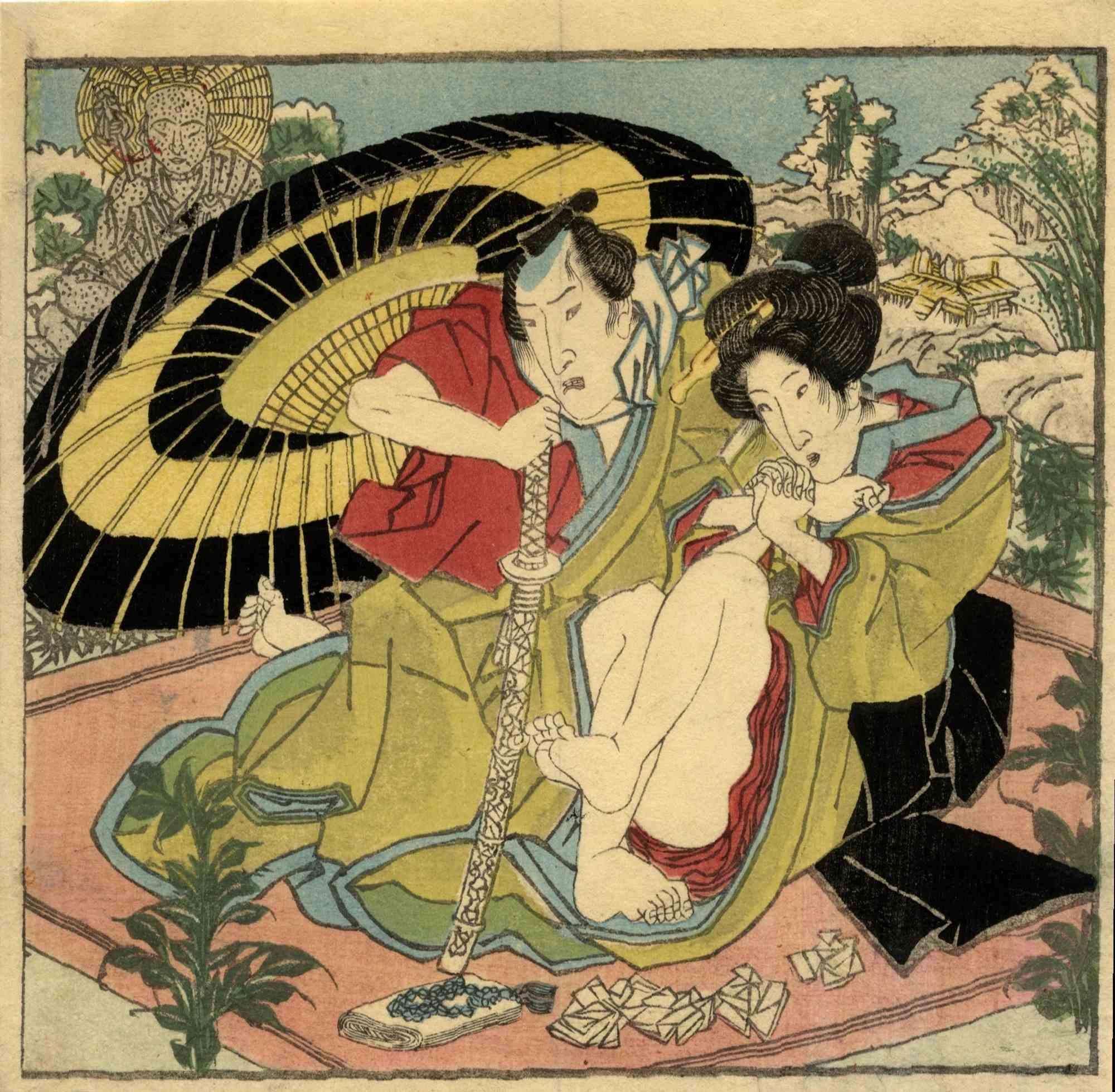
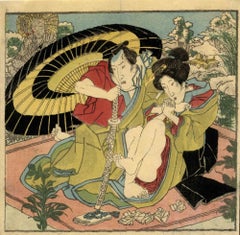
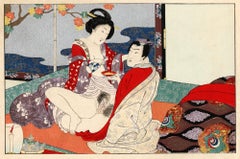
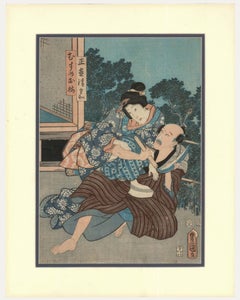
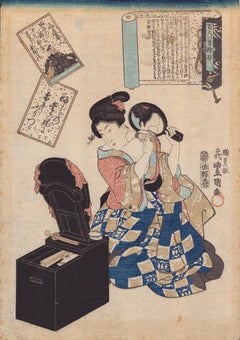
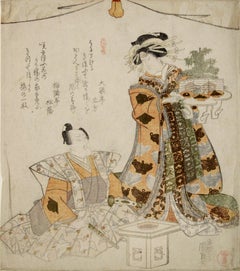
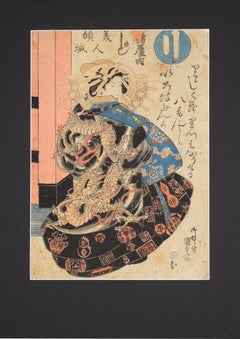
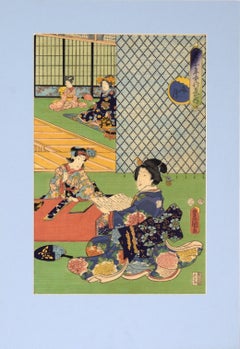
Shunga, Love Plays - Woodcut by Utagawa Kunisada - 1850s

1850s

$803.43
£592.85
€680
CA$1,113.99
A$1,131.48
CHF 652.04
MX$13,660.90
NOK 7,574.03
SEK 7,637.22
DKK 5,184.89

About the Item

Shunga, Love plays is an original artwork realized in the 1850s by Utagawa Kunisada (1786-1865). Good print with gold. Backed, restored wormholes and missing oarts, glued at upper corners, oxidation, faded, margins soiled, margins partly cut. Utagawa Kunisada, also known as Utagawa Toyokuni III (1786 - 1865) was one of the most famous designers of Ukiyo-e woodblock prints from Japan in the 19th century. Burn Sumita Syogoro, at the age of 15-16 years became a part of the Utagawa Toyokuni's family and in 1844 he took the male of the master Toyokuni.
  • Creator:
  • Creation Year:
    1850s
  • Dimensions:
    Height: 9.85 in (25 cm)Width: 11.82 in (30 cm)Depth: 0.04 in (1 mm)
  • Medium:
  • Movement & Style:
  • Period:
  • Framing:
    Framing Options Available
  • Condition:
    Insurance may be requested by customers as additional service, contact us for more information.
  • Gallery Location:
    Roma, IT
  • Reference Number:
    Seller: T-1253321stDibs: LU65039046432

More From This Seller

View All
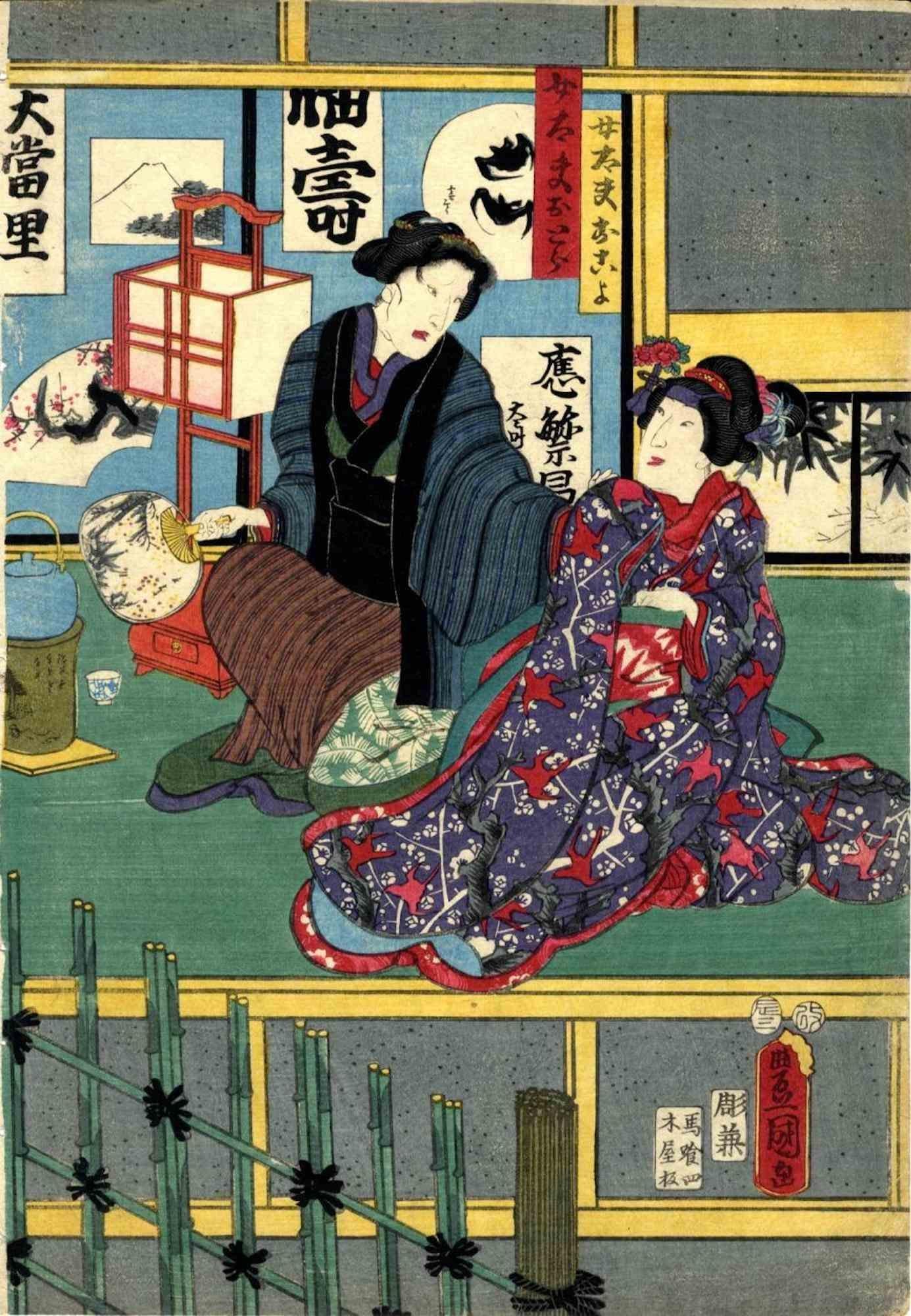
Yakushae - Woodcut Print by Utagawa Kunisada - 1856

Yakushae - Woodcut Print by Utagawa Kunisada - 1856

By Utagawa Kunisada 4

Located in Roma, IT

Yakushae is an original modern artwork realized by Utagawa Kunisada in 1856. Woodcut print Oban from a tryptich. An elderly lady has a worried conversation with a pretty young woma...

Category

19th Century Modern Figurative Prints

Materials

Woodcut

You May Also Like

Seishi Ai-oi Genji – Set of 12 Shunga works together w/astrological commentary

Seishi Ai-oi Genji – Set of 12 Shunga works together w/astrological commentary

By Utagawa Kunisada (Toyokuni III)

Located in Middletown, NY

Set of 12 woodblock prints in colors on handmade, laid mulberry paper, 6 3/4 x 10 1/4 inches (170 x 258 mm), printed in Ka-ei 4 (1851). Each print with minor handling wear, otherwise in excellent condition with bright and fresh color, and with details printed in silver ink. The images themselves contain several illusive characters indicating the publisher which are obfuscated by figures, as intended. Presented loose, as issued. A fine set. The astrological commentary print has a large and meandering blind stamp with a bird and palm frond motif. This print lists various phrases concerning the Twelve Zodiac Animals as historically counted in Japan, and appears to include erotic commentary on the traits of people born under each of the twelve signs. These Shunga images were issued in books that paralleled (in an erotic fashion...

Category

Mid-19th Century Edo Nude Prints

Materials

Ink, Handmade Paper, Woodcut

The Courtesan Kashiwagi and the Kamuro Wakano - Japanese Woodblock Print

The Courtesan Kashiwagi and the Kamuro Wakano - Japanese Woodblock Print

By Utagawa Kunisada (Toyokuni III)

Located in Soquel, CA

The Courtesan Kashiwagi and the Kamuro Wakano - Japanese Woodblock Print Original Toyokuni III/Kunisada (Japanese, 1786 - 1864) Japanese Woodblock Print "The Courtesan Kashiwagi and...

Category

1820s Realist Figurative Prints

Materials

Printer's Ink, Rice Paper, Woodcut
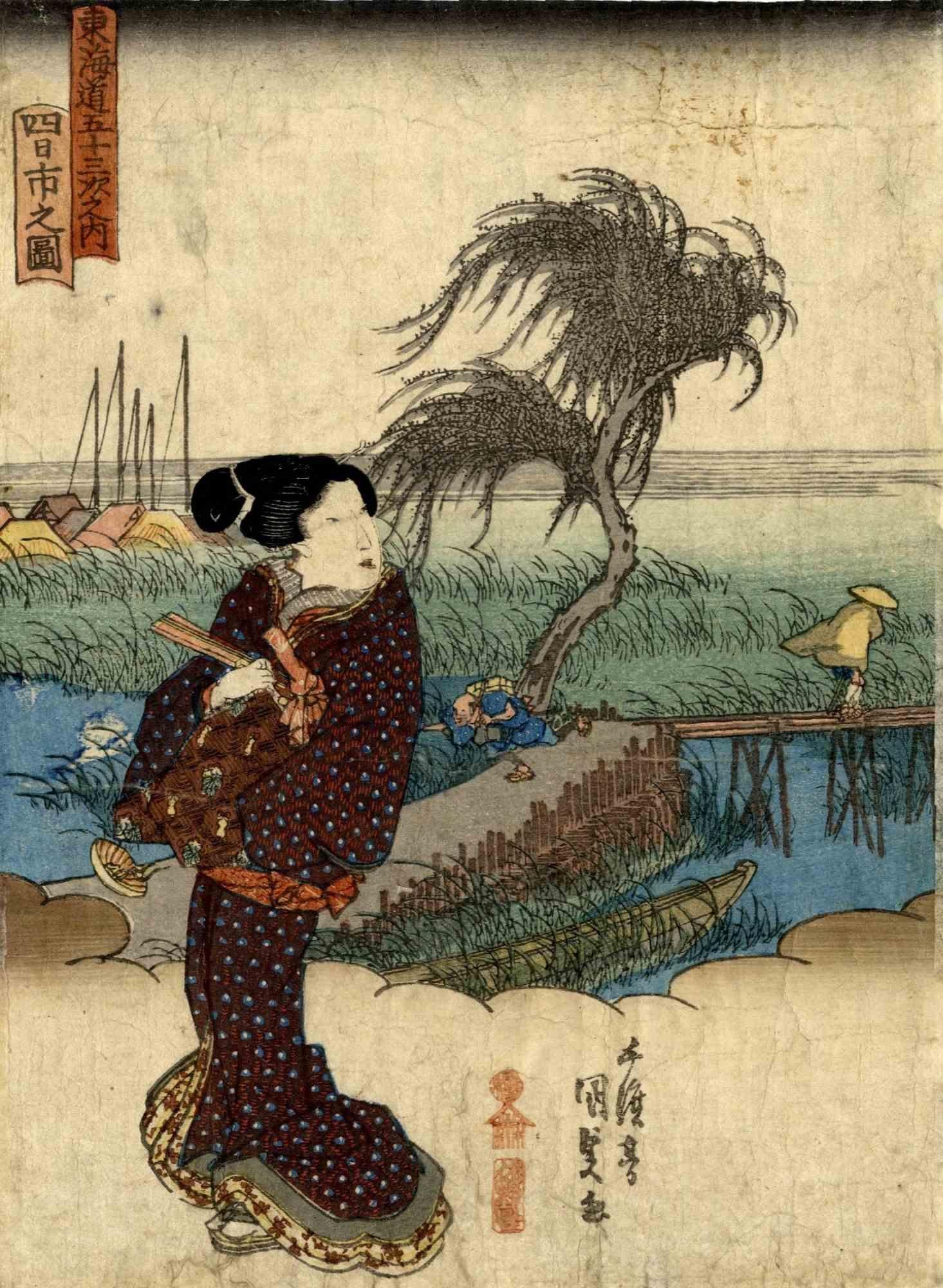
Annual Events for Young Murasaki (July) - Tales of Genji - Japanese Woodblock

Annual Events for Young Murasaki (July) - Tales of Genji - Japanese Woodblock

By Utagawa Kunisada (Toyokuni III)

Located in Soquel, CA

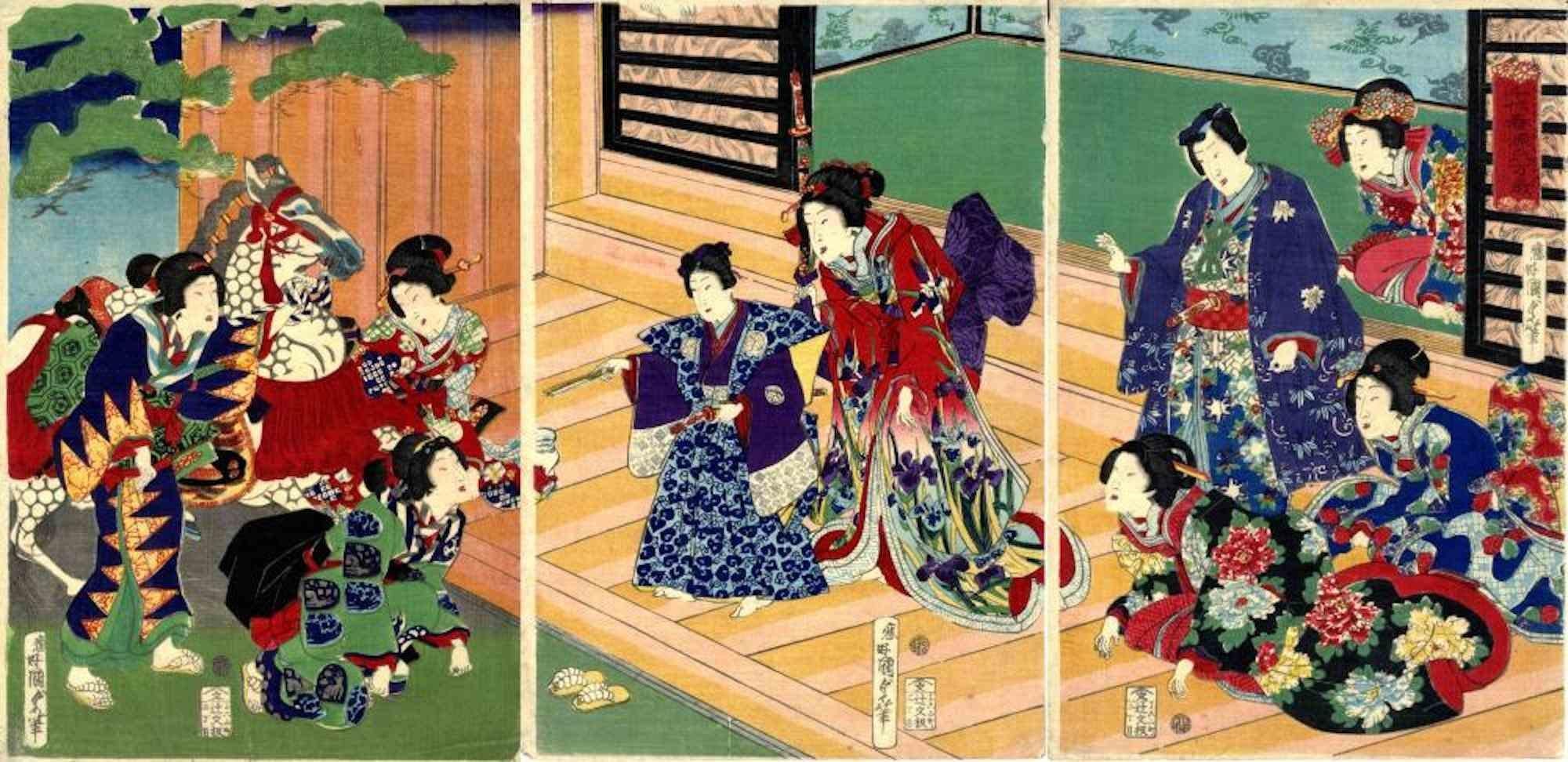
Annual Events for Young Murasaki (July) - Tales of Genji - Japanese Woodblock Rightmost panel a triptych, depicting monthly events for Wakamurasaki (Young Murasaki). This is the month of July. There appears to be a lesson taking place, possibly for writing or poetry. Artist: Toyokuni III/Kunisada (1786 - 1864) Publisher: Ebisu-ya Shoshichist Presented in a new blue mat. Mat size: 19"H x 13"W Paper size: 14.5"H x 10"W Commentary on the triptych: In the Edo period, Tanabata was designated as one of the five seasonal festivals, and became an annual event for the imperial court, aristocrats, and samurai families, and gradually came to be celebrated by the general public. Its origins are said to be a combination of the Kikoden festival, which originated from the Chinese legend of Altair and the Weaver Girl, and Japan's ancient Tanabata women's faith. Ink is ground with dew that has accumulated on potato leaves, poems and wishes are written on five colored strips of paper, which are then hung on bamboo branches to celebrate the two stars that meet once a year. Although the illustration is a Genji painting...

Category

1850s Realist Figurative Prints

Materials

Printer's Ink, Rice Paper, Woodcut