Joseph Hirsch
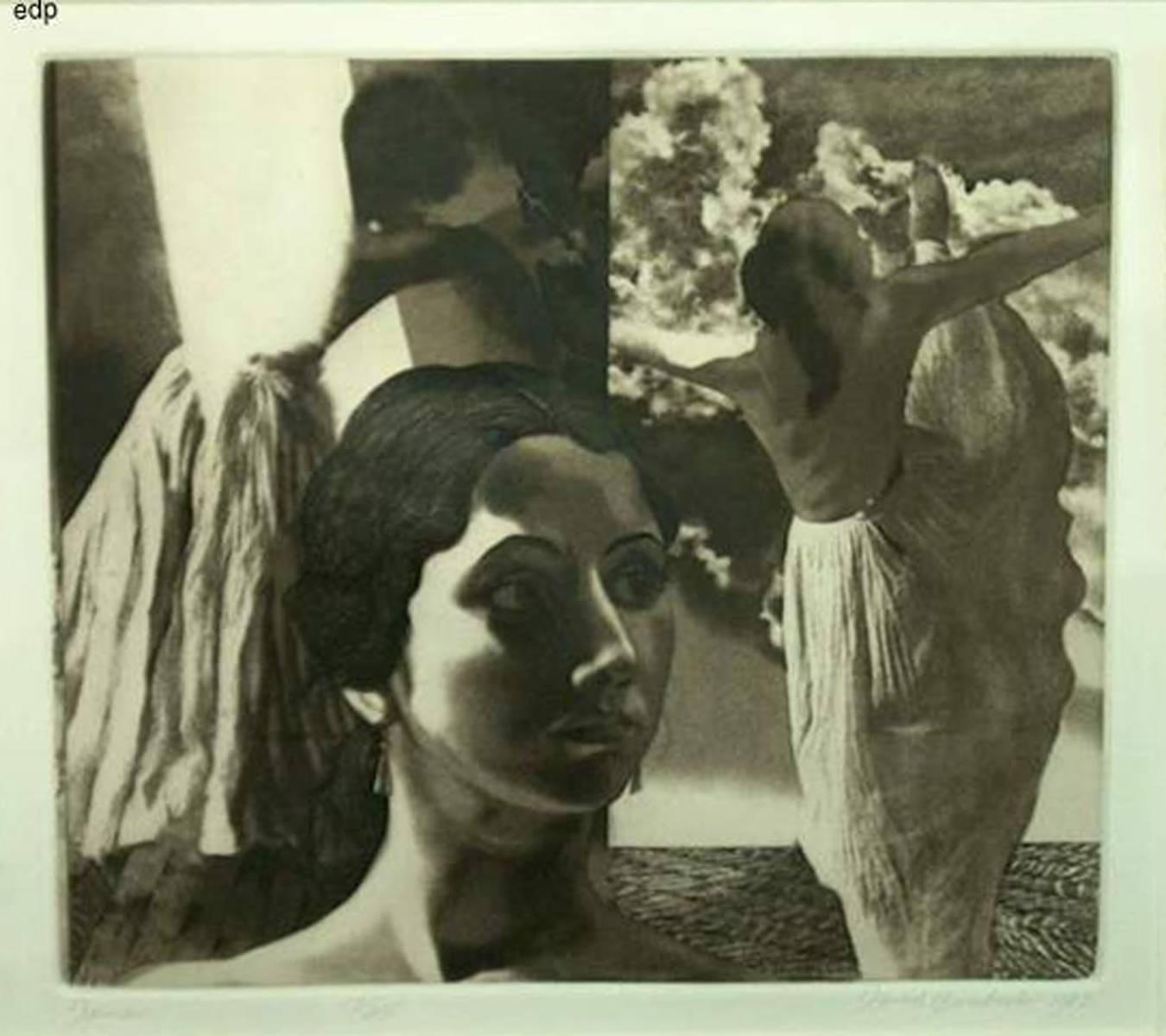
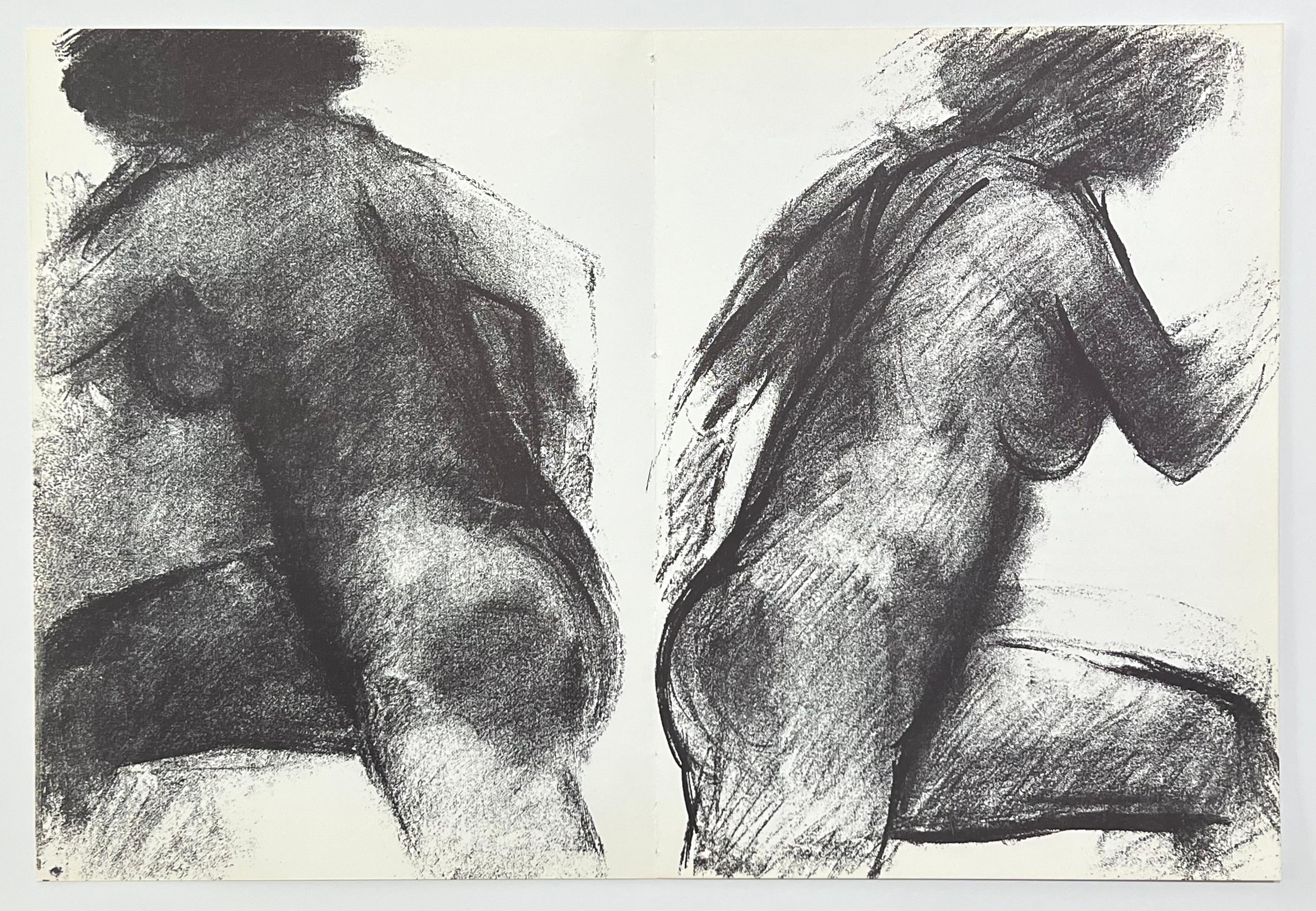
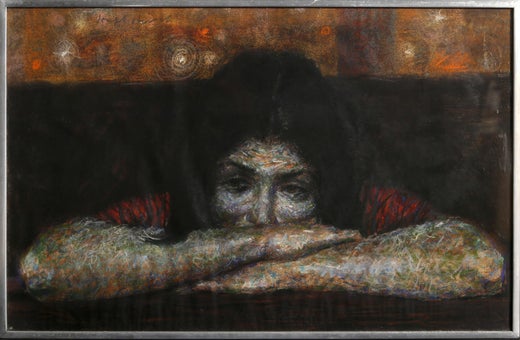
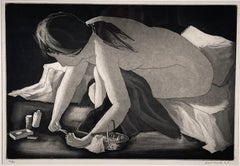
Joseph Hirsch was a member of the American Academy-Institute of Arts and Letters and a well-known realistic artist who came to national attention as a muralist for the Federal Works Progress Administration in the 1930's. Of his own work, Mr. Hirsch wrote: ''I believe that some day the fabric of art will be threaded with morality, enabling us to distinguish evil from good. Today, this is unthinkable, in the delightful art world where, excepting censorship, anything goes. But anything goes does not accord with the more discriminating ethics of our civilized code which rules out what is socially destructive.'' Mr. Hirsch is represented in the Metropolitan Museum of Art, the Museum of Modern Art and the Whitney in New York; the National Gallery, the Corcoran and the Hirshhorn in Washington; the Boston Museum of Fine Arts, and in many major collections in the United States. Joseph Hirsch was born on April 25, 1910 in Philadelphia, Pennsylvania. Hirsch studied at the Philadelphia Museum School, with Henry Hensche in Provincetown, Mass., and with George Luks in New York. In addition to formal study, He participated in the Works Project Administration in the easel painting division, with occasional work in the mural division, where he painted murals in the Amalgamated Clothing Workers Building and the Municipal Court. During World War II, Joseph Hirsch took part in the war effort, as an artist war correspondent, recording significant battles and events. He taught at the Chicago Art Institute, the American Art School, University of Utah, and had a significant tenure at the Art Students League in New York. He also won many awards, among them were a fellowship at the American Academy in Rome, the Walter Lippincott Prize, First Prize at the New York World's Fair (1939), the Guggenheim Foundation Fellowship (1942, 1943), and the Fulbright Fellowship (1949). In 1954 he was elected into the National Academy of Design as an Associate member and became a full Academician in 1958 Early in his career, Hirsch was introduced to the movement of Social Realism through George Luks, who was one of "The Eight". This group of painters, at the beginning of the century, chose to depict ordinary and everyday scenes. From this movement stemmed the Social Realism genre of the 1920s and 1930s. Social commentary was the backbone for the majority of Joseph Hirsch's paintings. During World War II, Mr. Hirsch went to the South Pacific, North Africa and Italy as an artist-correspondent for the Navy, and his paintings and drawings are in the Museum of Military History. . In Major Collections. Hirsch's work is represented in the Metropolitan Museum of Art, the Museum of Modern Art and the Whitney in New York; the National Gallery, the Corcoran and the Hirshhorn in Washington; the Boston Museum of Fine Arts, and other collections in the USA. He was elected to membership in the National Institute of Arts and Letters in 1967. Hirsch died in New York, NY on September 21, 1981.