Jill Casty
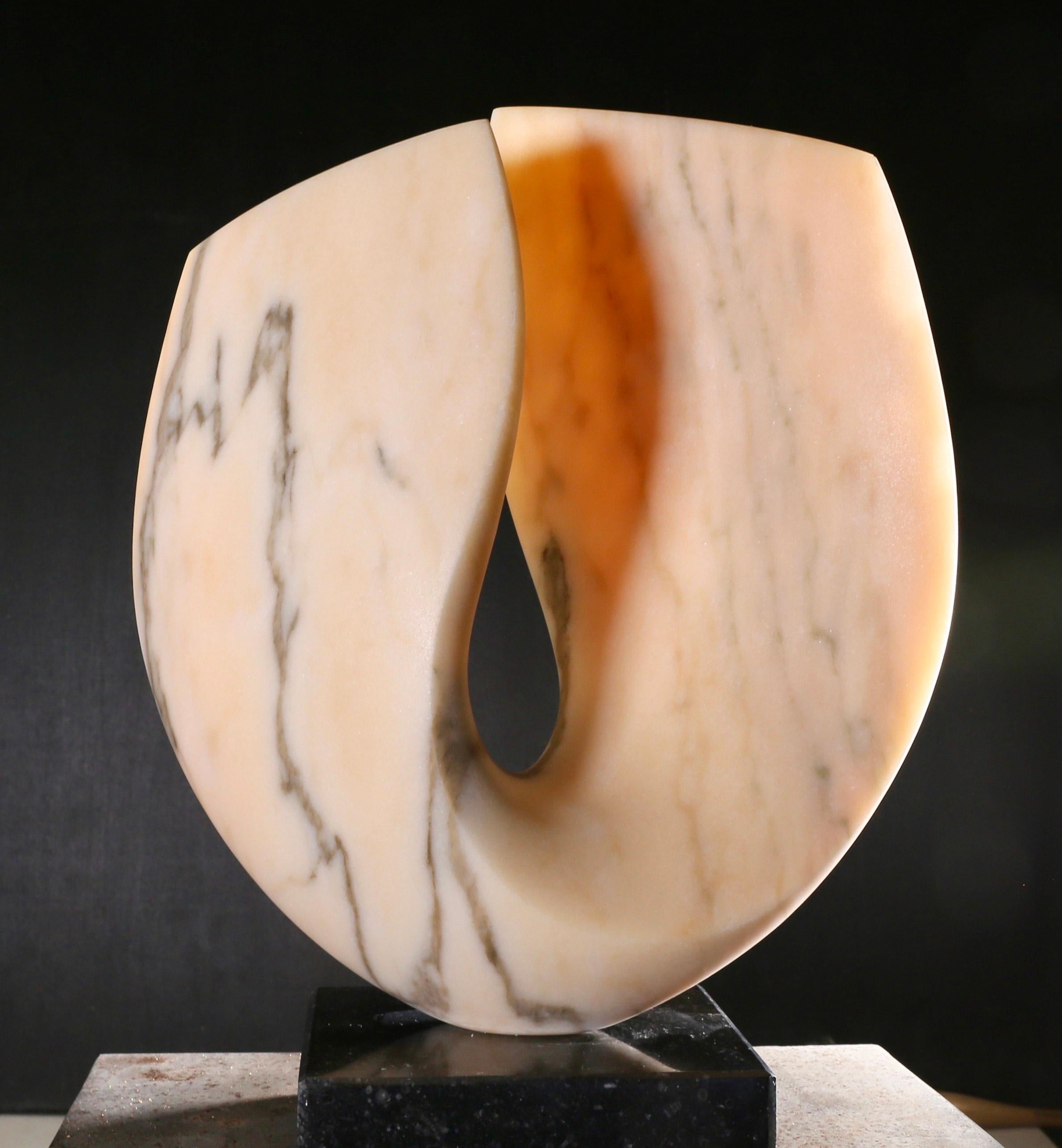
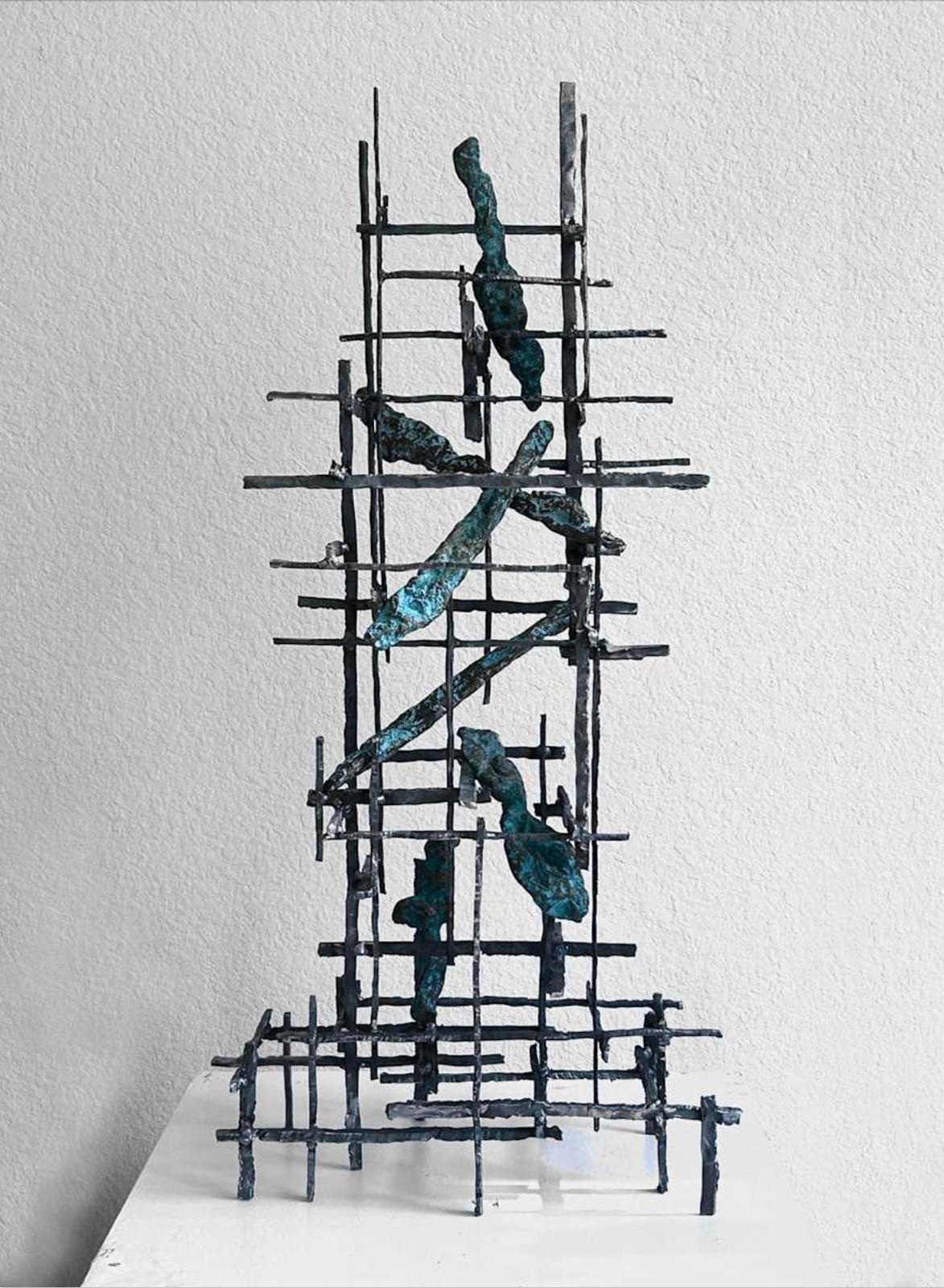
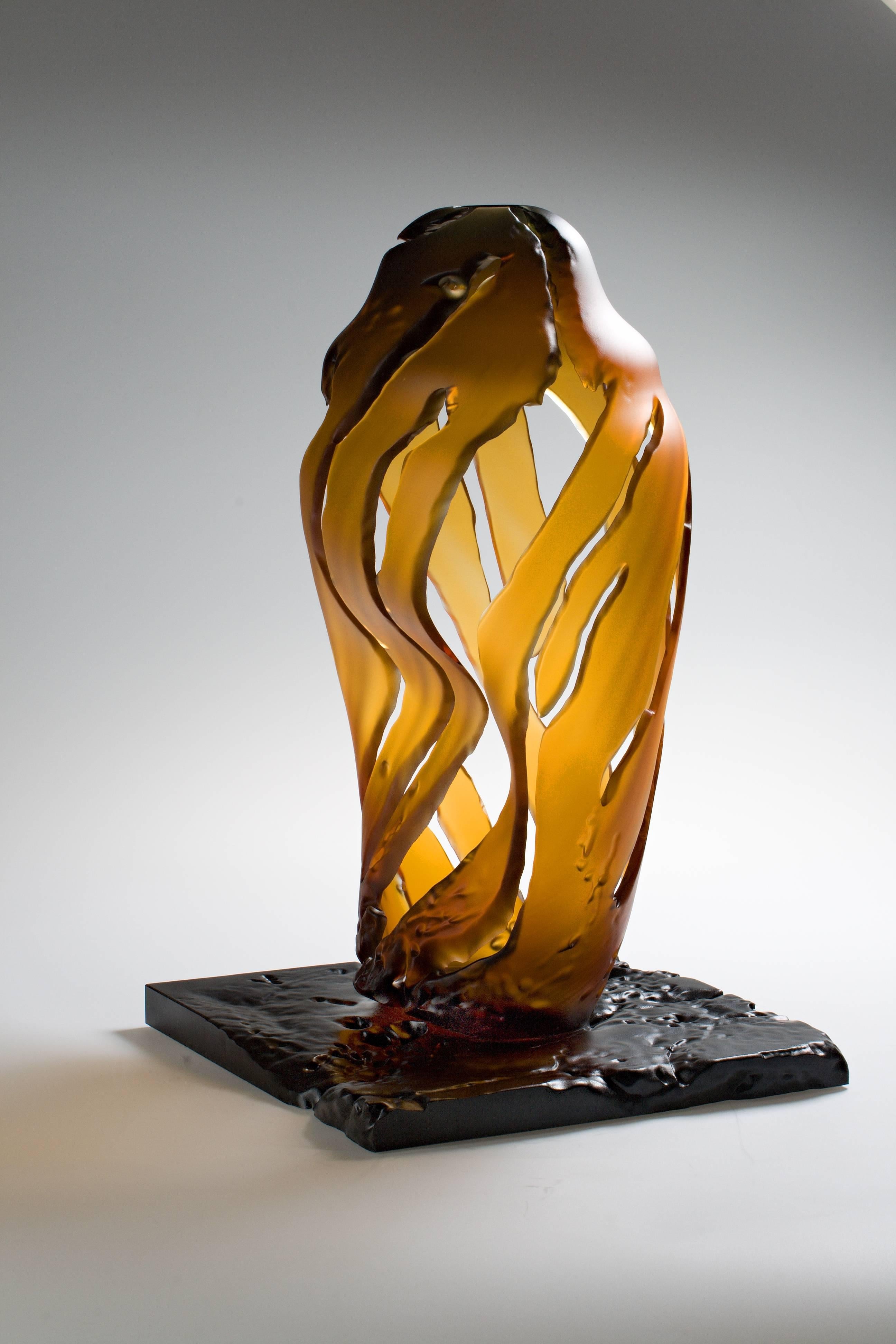
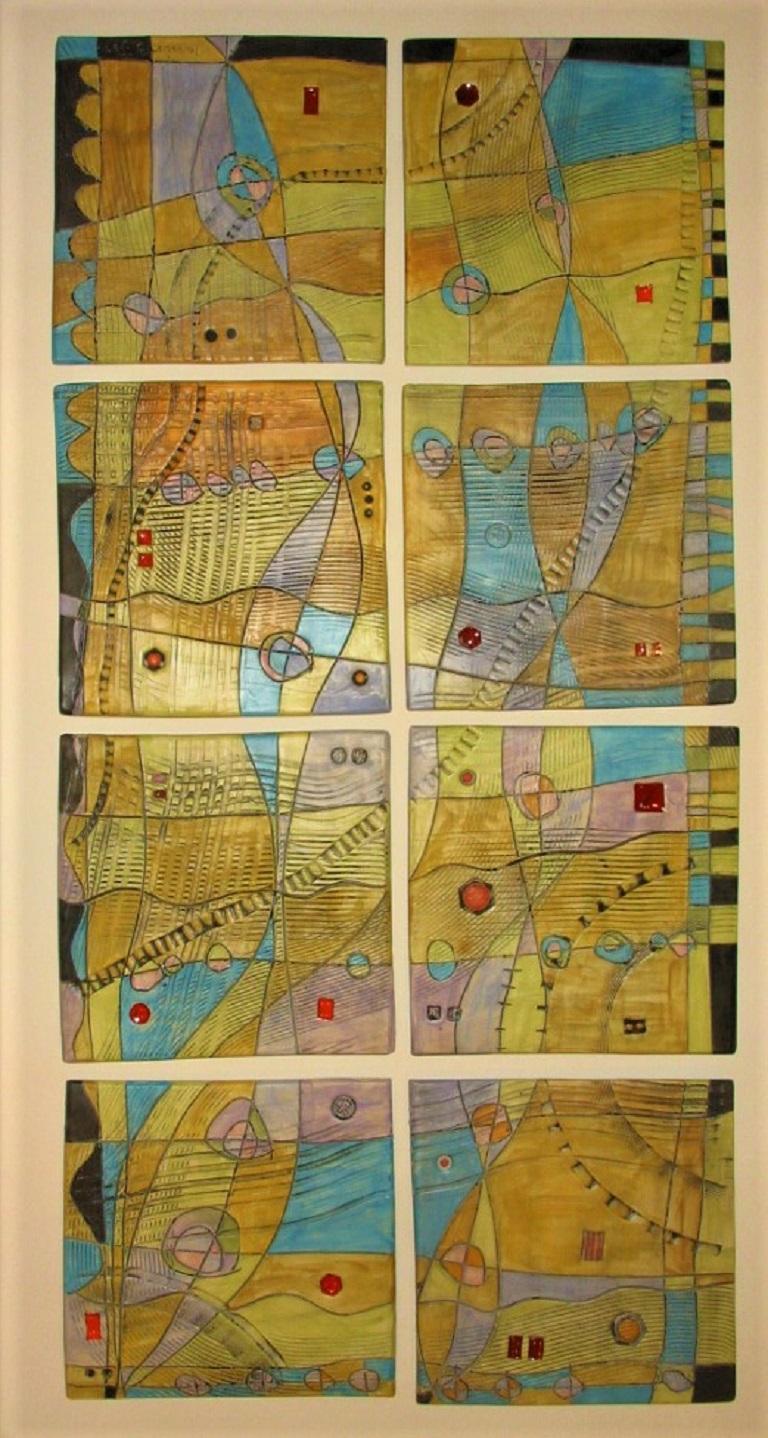
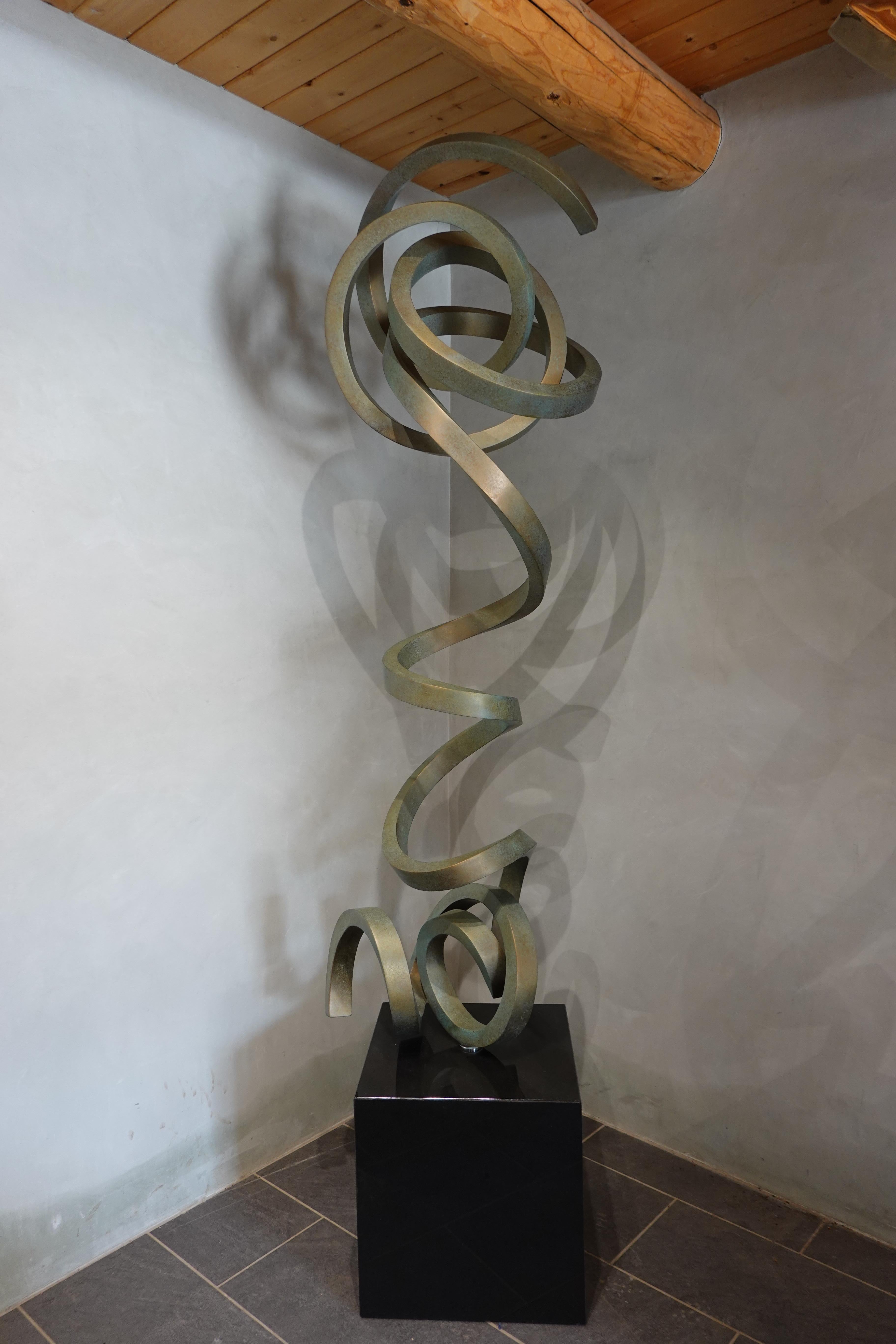
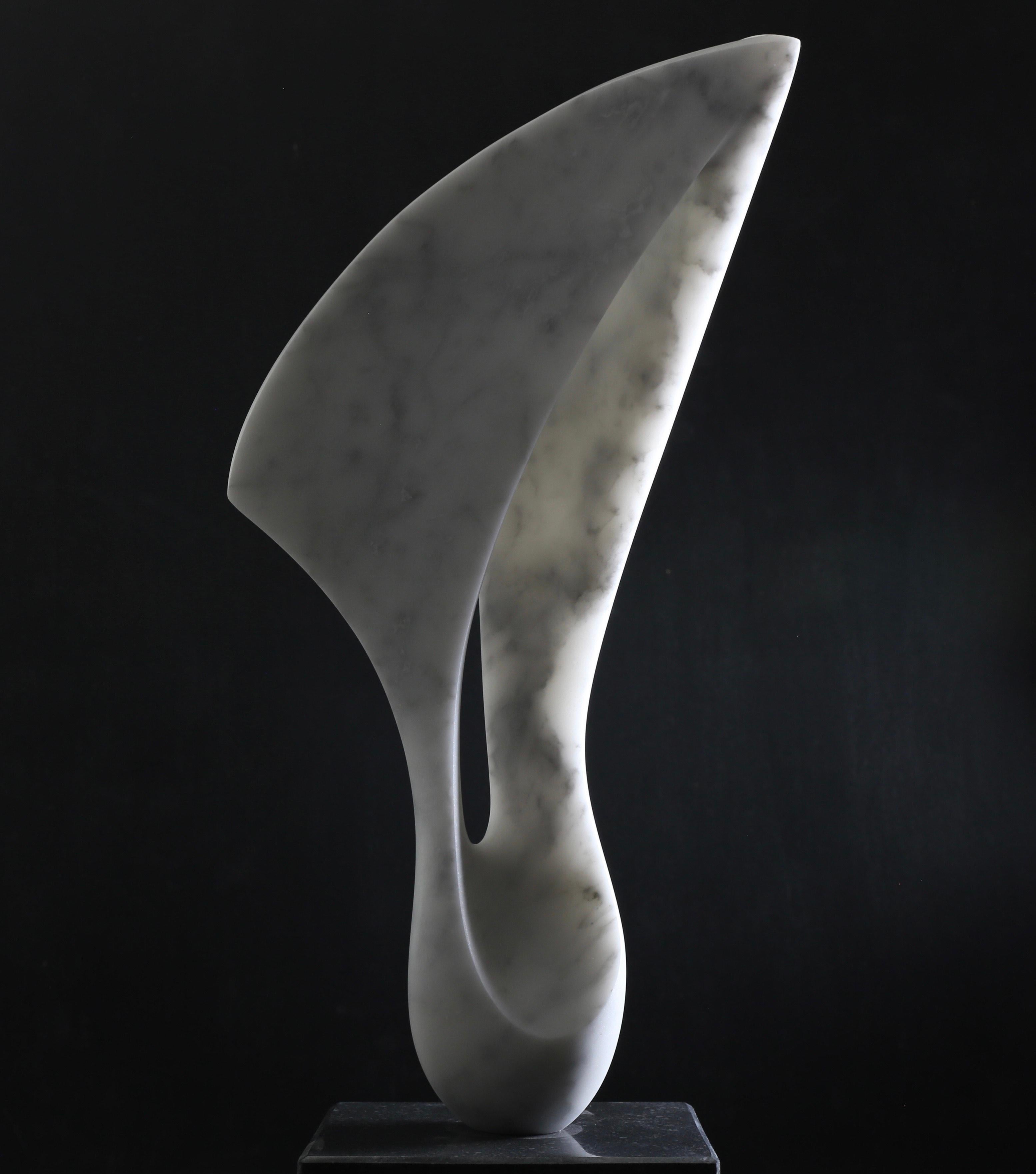
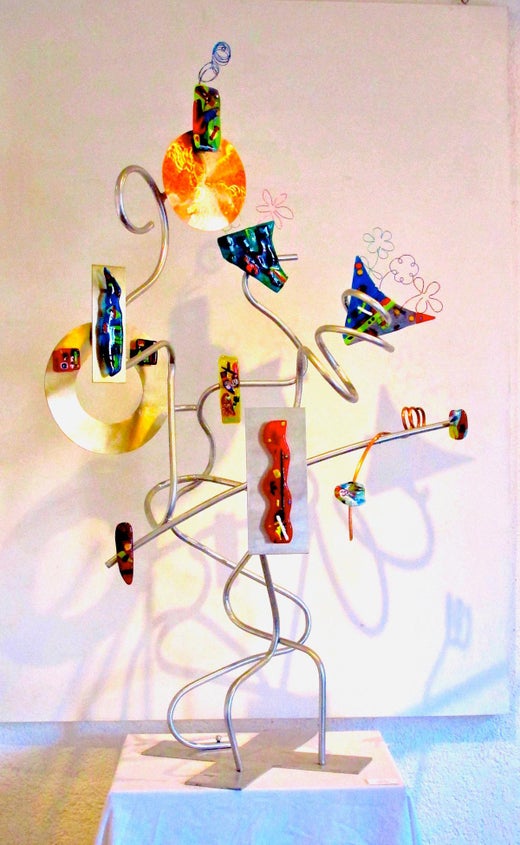
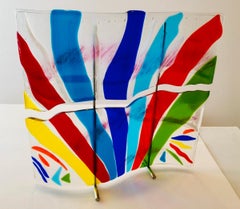
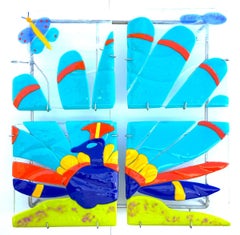
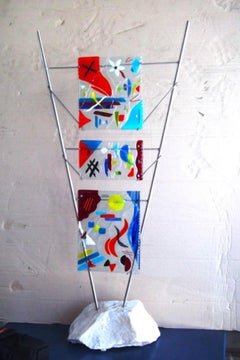
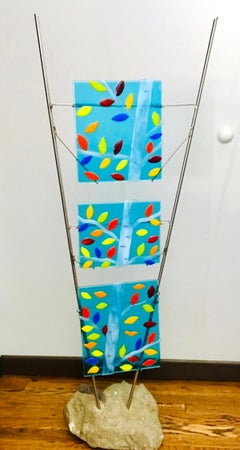
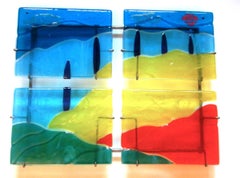
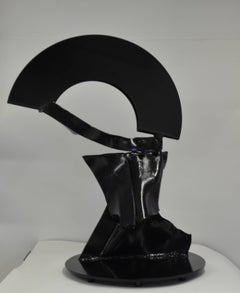
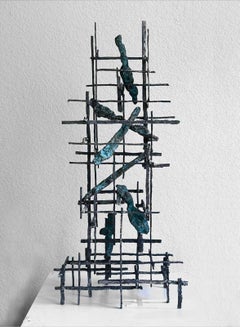
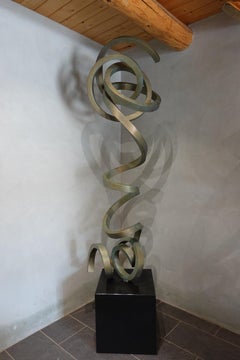
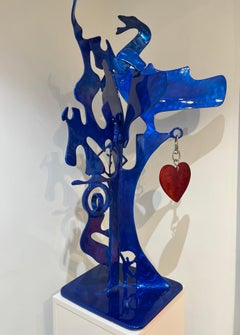
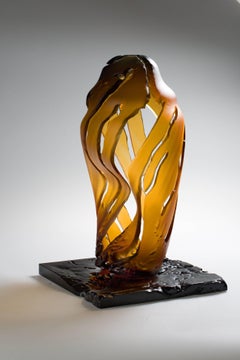
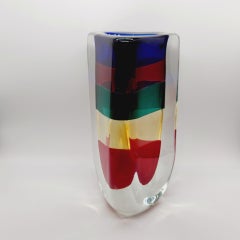
Impressions/ Expressions—The Art of Jill Casty Now working and presenting her art in California, Italy and Mexico, Jill Casty has focused in recent years on unique sculptures—ensembles of brilliant, colorful fused glass and various metals or works of glass solos. In the United States, an earlier stage of her career was devoted to the creation of large-scale works for public places—monumental sculptures, as high as 9.5 meters, and extensive series of “mobiles” and other forms of aerial art that provided identity and celebration for central locations in cities and in public and commercial buildings and centers. Her current work is more intimate in scale, personal in style, theme, and emotion. As befits these times that we live and work in, her art is innovative, “cutting edge”, even provocative in its own way. But unlike so much contemporary art, it is an art of flowing rhythms and form, bright, glowing color—an exuberant art, full of celebration and grace. In surprising, unique ways, in many works she combines the glass images created by fusion—dramatic, lyrical, elegant, with an evocative transparency—with the crisp, precise edges and surfaces—solid, self-contained—of varied patterns and types of metal, or even Carrara marble. These sculptures are created for hanging on walls or standing on floors or table tops. It is a “painterly” use of glass, the works like dramatic paintings in shapes and space. Color, as transformed in glass, is her guiding force and passion, Henri Matisse her guiding spirit. Inspired by his quest to see “…how to make my colors sing.” For everyone knows, he wrote, that “Good color sings. It is melodious, aroma-like, never over-baked…, can inspire ideas of joy, of riches, of glory and love.” Her colors, layered and textured, full of light and energy, capture this spirit. They are rich, serene or bold, vivacious. She capitalizes on the unique open-ness of fusions and re-fusions of clear and colored glass—as colors shift and change their tones, impressions, subtleties as they interact with the play of changing light. Reflecting light, changing light on its passage through the glass. There is an inner spirit, an interior narrative within the formal structures and abstractions of her work. In each, and in varying ways, she seeks to capture the continuing drama of spirit—beauty, hope, connection, compassion, love—within material form, the material world. That drama, that narrative, reflects her sense of possibility. She sees a kind of re-opening, an affirming light in the innate presence of the glass. She enthusiastically follows the banner of the artistic credo of Pierre August Renoir about the place of, indeed the need for beauty in the world: “To my mind, a picture should be something pleasant, cheerful, and pretty, yes pretty! There are many unpleasant things in life as it is without creating still more of them.”