Want more images or videos?
Request additional images or videos from the seller
1 of 2

Aimé-Jules Dalou
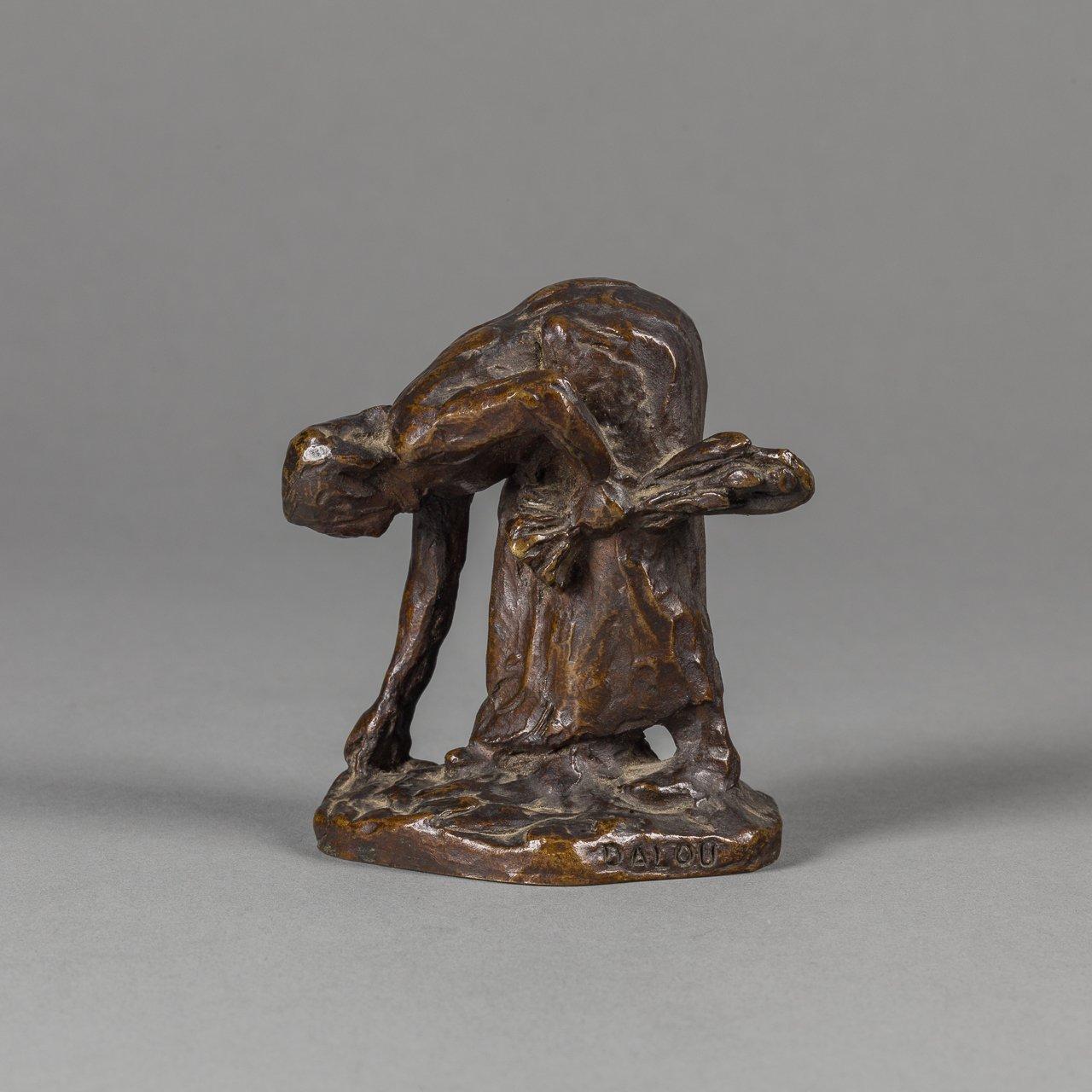
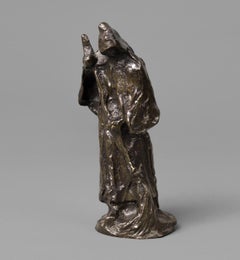
Boulonnaise at Prayer

circa 1879

$22,705.35
£17,985VAT Included
€19,639.49
CA$31,675.10
A$32,133.25
CHF 18,346.38
MX$389,083.42
NOK 215,981.69
SEK 215,264.88
DKK 146,858.20

About the Item

Aimé-Jules Dalou (1838-1902) was one of only a handful of leading late-nineteenth century French Sculptors, whose reputation was perhaps second only to his contemporaries, Henri Chapu (1833-1891) and Marius Jean Antonin Mercié (1845-1916). Dalou was hugely influential and was a founding member of the Société des Artistes Français and later a founder of the Société Nationale des Beaux-Arts. He was officially rewarded with the highest rank of the Légion d'Honneur two years before his death, with the inauguration of the Triumph of the Republic, in 1899. He started his artistic training in 1852 at the Petite Ecole after being encouraged to do so by Jean-Baptiste Carpeaux, where he studied drawing and modelling. Carpeaux continued to support Dalou throughout his career and influenced his sculpture greatly. Dalou began employment in the field of decorative sculpture working for two companies in Paris, Lefèvre and Favière goldsmiths. During this time he contributed towards the architectural features of Hôtel de la Païva, the then home of the infamous French courtesan Esther Lachmann known as La Païva. Dalou's unique approach lay in his broad range of subject, painterly and sculptural source material, though which he absorbed an impressive spectrum of inspiration. The work of an eighteenth-century sculptor, Louis-François Roubiliac, played a significant role in Dalou's artistic development, whose sculptures he studied whilst in London. Dalou's work includes friezes, maquettes, reliefs, and individual bronze figures. He is known for Baroque-inspired allegorical group compositions, as much as for his depictions of the French rural labouring classes. Dalou encouraged students of art to free themselves from the constraints of established traditions, with his style and teachings thought to have awakened a new generation of young British sculptors whose work was later aligned to the New Sculpture movement. This rough plaster model was kept in the studio of Alfred Drury throughout his career, and passed down to his son, the English printmaker Paul Drury. A similar version, without prayer box, is held in the collection of the Petit Palais. The example acts as an important illustration of the modelling technique that Dalou taught at National Art Training School in South Kensington. Being unable to speak English, his hands-on demonstrations were hugely popular with students and admirers alike, and inspired a whole generation of sculptors in Britain. Signed & dated: Signed DALOU Provenance: Alfred Drury RA Paul Drury By direct decent Exhibitions: 2023: RODIN DALOU, Eros Gallery, 1-22 December. Literature: Duck and Hamnett, RODIN DALOU exh. cat (London: Eros Gallery, 2023), 1-22 December 2023.
  • Creator:
    Aimé-Jules Dalou (1838 - 1902, French)
  • Creation Year:
    circa 1879
  • Dimensions:
    Height: 10.24 in (26 cm)Width: 4.93 in (12.5 cm)Depth: 7.88 in (20 cm)
  • Medium:
  • Movement & Style:
  • Period:
  • Condition:
  • Gallery Location:
    London, GB
  • Reference Number:
    1stDibs: LU2915217922652

More From This Seller

View All
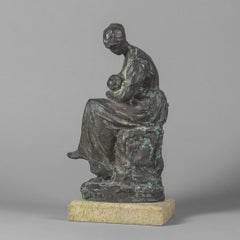
Boulonnaise Carrying her Infant

Boulonnaise Carrying her Infant

By Aimé-Jules Dalou

Located in London, England

Aimé-Jules Dalou (1838-1902) was one of only a handful of leading late-nineteenth century French Sculptors, whose reputation was perhaps second only to his contemporaries, Henri Chap...

Category

1870s Victorian Figurative Sculptures

Materials

Bronze

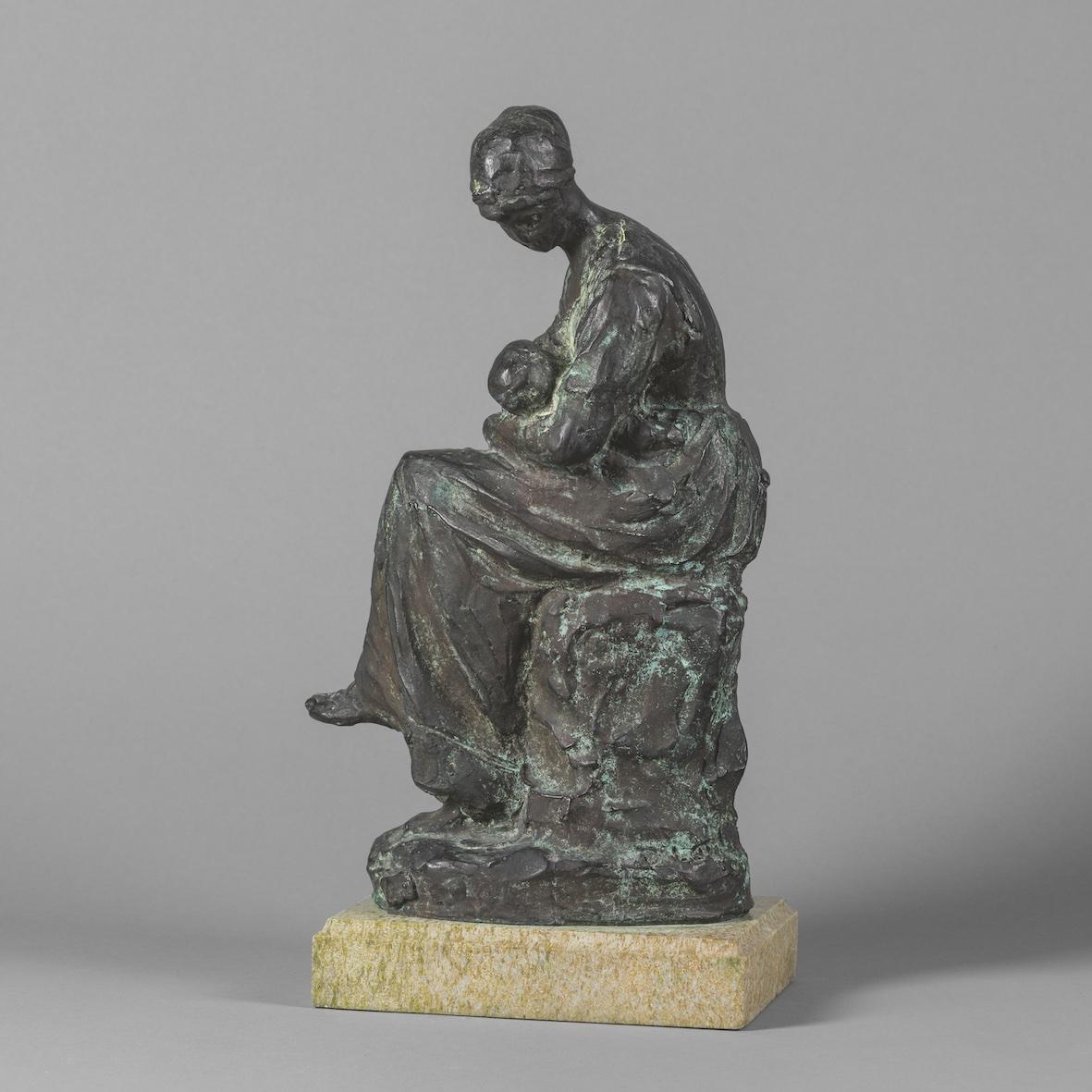
Charity, also known as Maternity

Charity, also known as Maternity

By Aimé-Jules Dalou

Located in London, England

Aimé-Jules Dalou (1838-1902) was one of only a handful of leading late-nineteenth century French Sculptors, whose reputation was perhaps second only to his contemporaries, Henri Chapu (1833-1891) and Marius Jean Antonin Mercié (1845-1916). Dalou was hugely influential and was a founding member of the Société des Artistes Français and later a founder of the Société Nationale des Beaux-Arts. He was officially rewarded with the highest rank of the Légion d'Honneur two years before his death, with the inauguration of the Triumph of the Republic, in 1899. He started his artistic training in 1852 at the Petite Ecole after being encouraged to do so by Jean-Baptiste Carpeaux, where he studied drawing and modelling. Carpeaux continued to support Dalou throughout his career and influenced his sculpture greatly. Dalou began employment in the field of decorative sculpture working for two companies in Paris, Lefèvre and Favière goldsmiths. During this time he contributed towards the architectural features of Hôtel de la Païva, the then home of the infamous French courtesan Esther Lachmann known as La Païva. Dalou's unique approach lay in his broad range of subject, painterly and sculptural source material, though which he absorbed an impressive spectrum of inspiration. The work of an eighteenth-century sculptor, Louis-François Roubiliac, played a significant role in Dalou's artistic development, whose sculptures he studied whilst in London. Dalou's work includes friezes, maquettes, reliefs, and individual bronze figures. He is known for Baroque-inspired allegorical group compositions, as much as for his depictions of the French rural labouring classes. Dalou encouraged students of art to free themselves from the constraints of established traditions, with his style and teachings thought to have awakened a new generation of young British sculptors whose work was later aligned to the New Sculpture movement. Dalou’s first public commission in England was to create a large public fountain which still sits behind the Royal Exchange in London entitled Charity, featuring a mother and two children. This maquette is an early sketch, modelled in 1877. During his time in Britain, Dalou’s artistic focus shifted to increasingly domestic scenes that celebrated mothers and children of all social backgrounds. During a time when the Industrial Revolution was making life increasingly frenzied, more pastoral, idealised visions of a simpler life became an increasingly popular escape. It is thought that the shrinking of Dalou’s social circle during his exile to encompass his family and close friends prompted him to focus more on intimate family scenes such as this one. In Charity the mother and her children are fused together in their embrace. Dalou creates a sense of intimacy by focusing the mother’s gaze away from the viewer - the trio are entirely in their own world. Charity’s intended position at one of the city’s key financial centres would have acted as a provocative reminder of what Dalou considered the responsibilities owed to the poor of London by the ruling elite, as aligned with his socialist leanings. Provenance: Alfred Drury...

Category

1870s Victorian Figurative Sculptures
Materials

Bronze

St Catherine (The Miraculous Wedding)

St Catherine (The Miraculous Wedding)

Located in London, England

Alfred Gilbert (1854–1934) was probably the greatest and best known sculptor in pre-20th century British art. Works such as The Shaftesbury Memorial (Eros) located at the southeaster...

Category

1890s Victorian Figurative Sculptures
Materials

Bronze

Puddler with pliers, mask and apron

Puddler with pliers, mask and apron

By Aimé-Jules Dalou

Located in London, England

Aimé-Jules Dalou (1838-1902) was one of only a handful of leading late-nineteenth century French Sculptors, whose reputation was perhaps second only to his contemporaries, Henri Chap...

Category

1890s Victorian Figurative Sculptures
Materials

Bronze

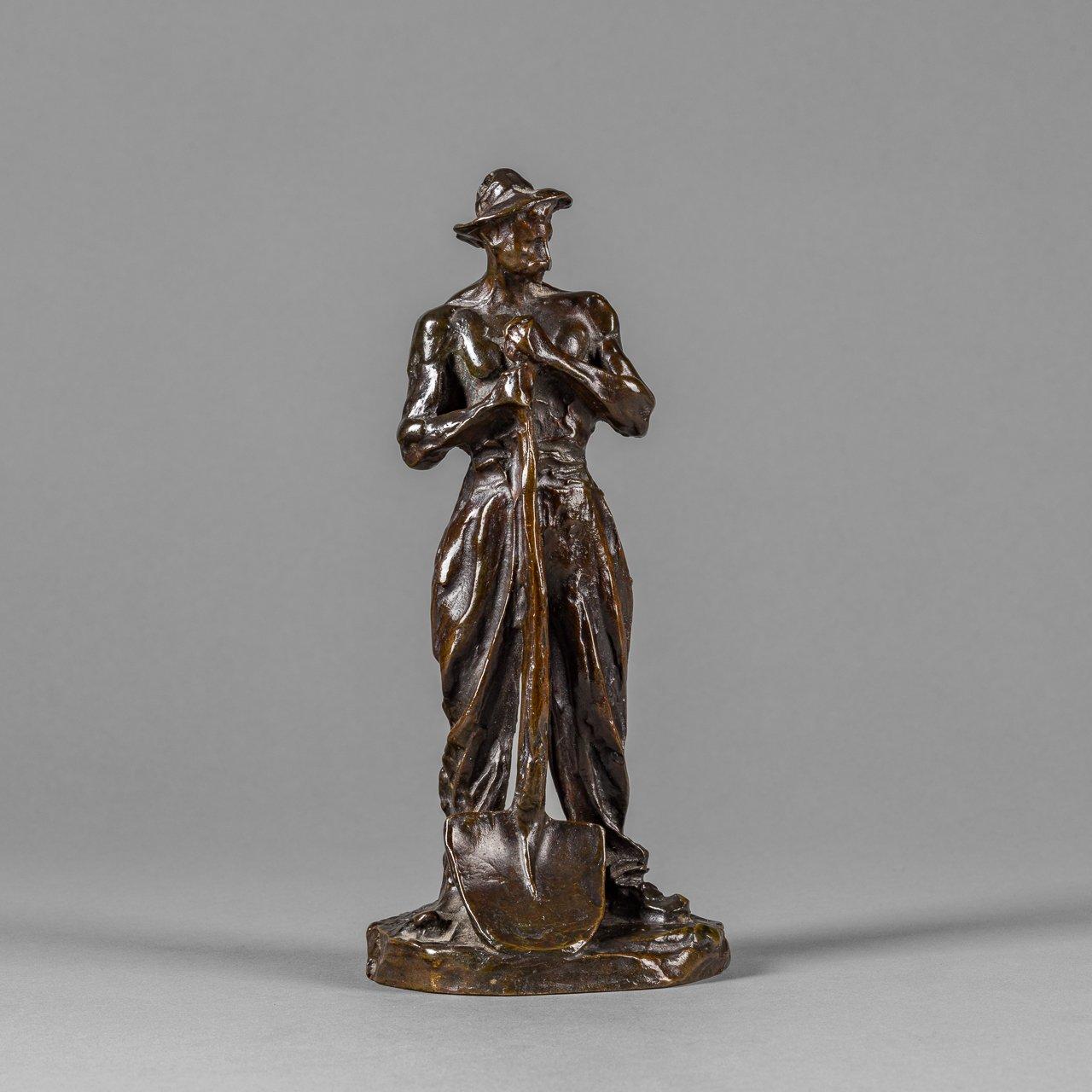
The Resting Worker

The Resting Worker

By Aimé-Jules Dalou

Located in London, England

Aimé-Jules Dalou (1838-1902) was one of only a handful of leading late-nineteenth century French Sculptors, whose reputation was perhaps second only to his contemporaries, Henri Chap...

Category

1890s Victorian Figurative Sculptures
Materials

Bronze

The Hay Baler

The Hay Baler

By Aimé-Jules Dalou

Located in London, England

Aimé-Jules Dalou (1838-1902) was one of only a handful of leading late-nineteenth century French Sculptors, whose reputation was perhaps second only to his contemporaries, Henri Chap...

Category

1890s Victorian Figurative Sculptures
Materials

Bronze

You May Also Like

Personification of the Four Seasons – Winter, Probably France, 19th Century

Personification of the Four Seasons – Winter, Probably France, 19th Century

Located in Greding, DE

Marble sculpture representing the personification of Winter as a young, cloaked woman holding stone pine cones—symbols of dormancy and the sparse nature of the cold season. The sculp...

Category

Antique 19th Century French Figurative Sculptures

Materials

Marble

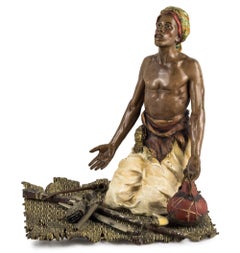
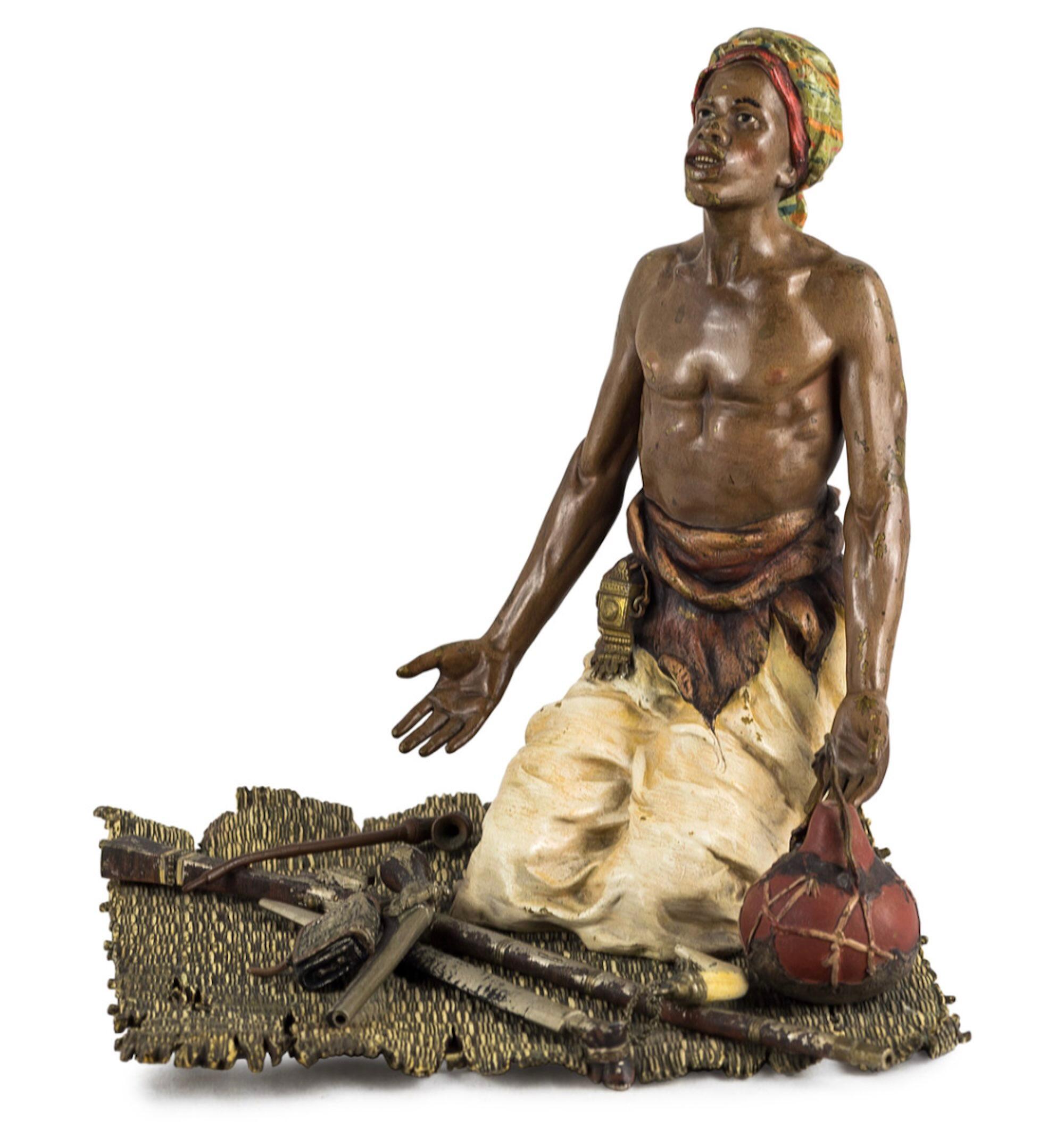
At The prayer

At The prayer

By Franz Bergmann

Located in New York, NY

A Fine Austrian Cold-painted Bronze Figures of Arab Man at Prayer by Franz Bergman At The prayer Artist: Franz Bergman (1838-1894) Origin: Austrian Date: 1900 Dimension: 8 1/4 in. t...

Category

Early 1900s Naturalistic Figurative Sculptures

Materials

Bronze

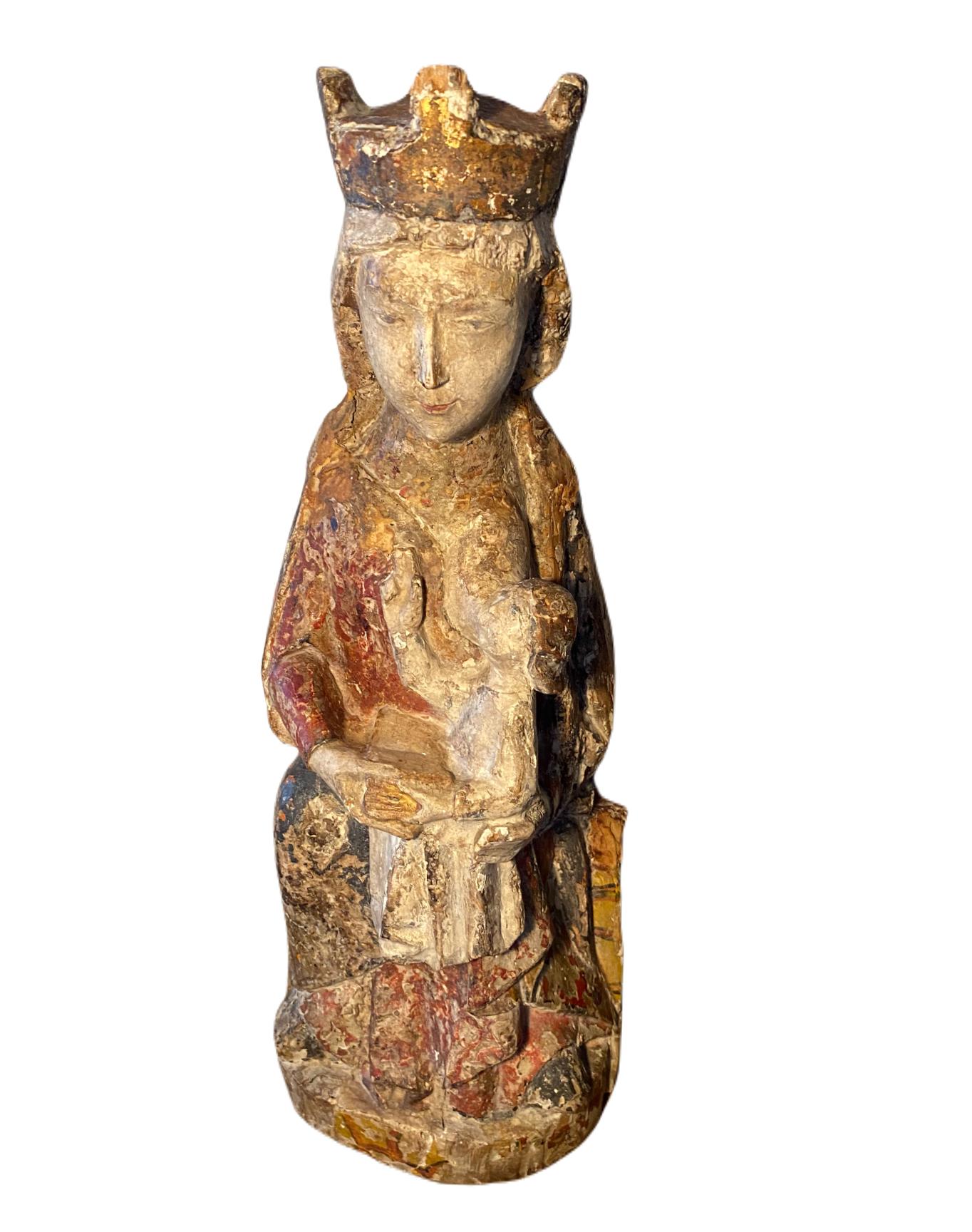
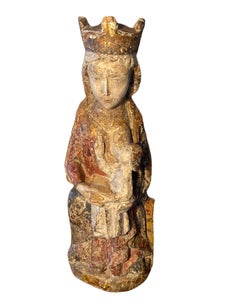
Vierge en majesté. Catalogne française - Maria Lactans

Vierge en majesté. Catalogne française - Maria Lactans

Located in PARIS, FR

Rare Vierge à l'Enfant en bois polychrome de tradition romane, région du Fenouillèdes, représentant une Virgo Lactans. Avant cette découverte, seules 3 vierges allaitantes médiévales...

Category

15th Century and Earlier Gothic Figurative Sculptures

Materials

Wood

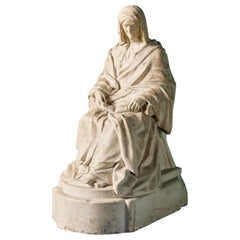
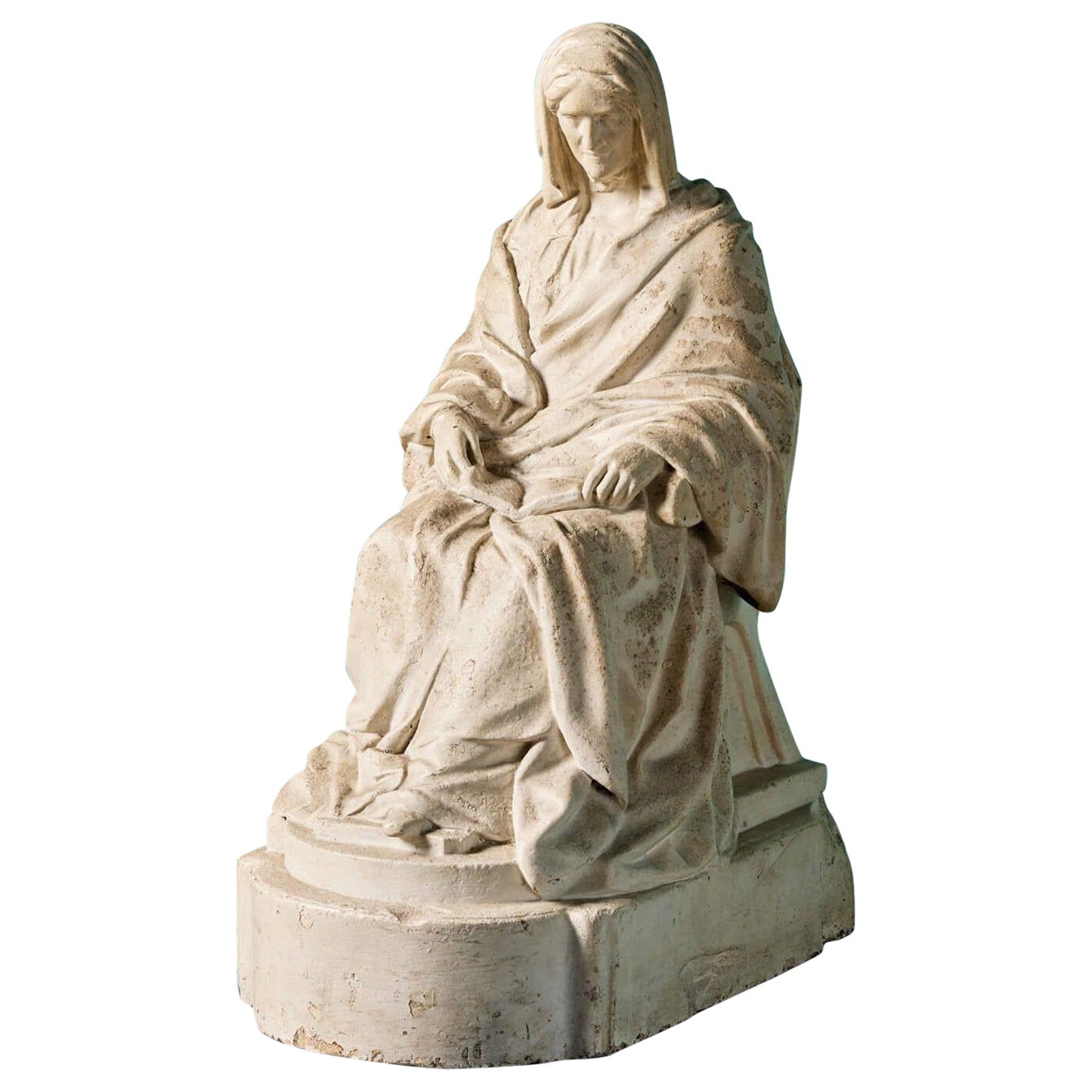
Plaster Maquette of a Seated Lady

Plaster Maquette of a Seated Lady

Located in Wormelow, Herefordshire

An antique plaster maquette of a seated lady holding a book on her lap. From the Studio of Ralph & Rodger Hedley (1848-1913 & 1879-1970). The woman is hooded and swathed in drapery i...

Category

Antique Late 19th Century English Victorian Figurative Sculptures
Materials

Plaster

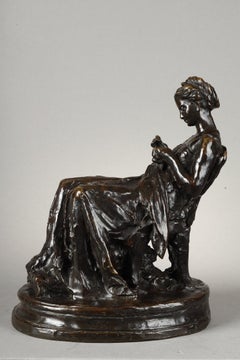
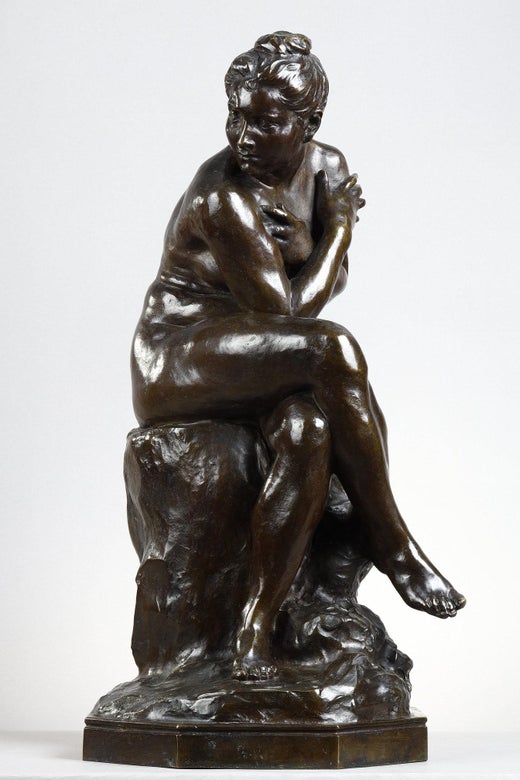
The Embroiderer

The Embroiderer

By Aimé-Jules Dalou

Located in PARIS, FR

"The Embroiderer" by Aimé-Jules DALOU (1838-1902) A beautiful bronze sculpture with a nuanced dark brown patina Signed on the base "Dalou" A very fine cast by "A.A. Hébrard" (with...

Category

Late 19th Century French School Figurative Sculptures
Materials

Bronze