Perhaps it’s the smile, the glint in the eye or the almost imperceptible tilt of the head. Or it could be the clothing, whether a luxuriously embroidered gown of centuries past or a modern-day uniform of T-shirt and jeans.
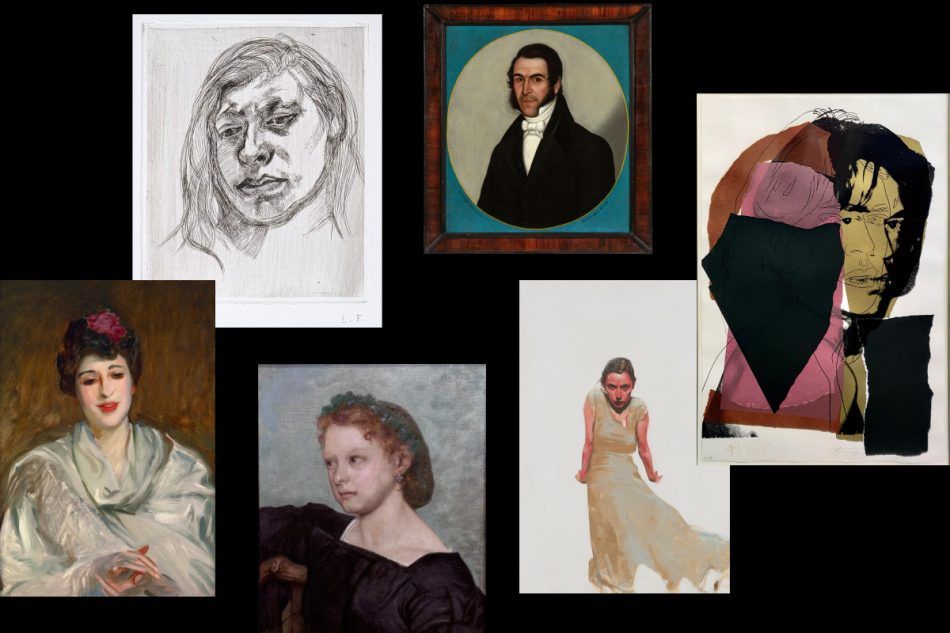
Whatever the hook, a human’s likeness captured by the hand of an artist has the power to captivate in a uniquely intimate way. That’s why many of art history’s most admired and valuable works — from Leonardo da Vinci’s Mona Lisa to John Singer Sargent’s Madame X, Gustav Klimt’s Portrait of Adele Bloch-Bauer I and Andy Warhol’s depictions of icons like Marilyn Monroe, Liza Minnelli and Elvis Presley — are portraits.
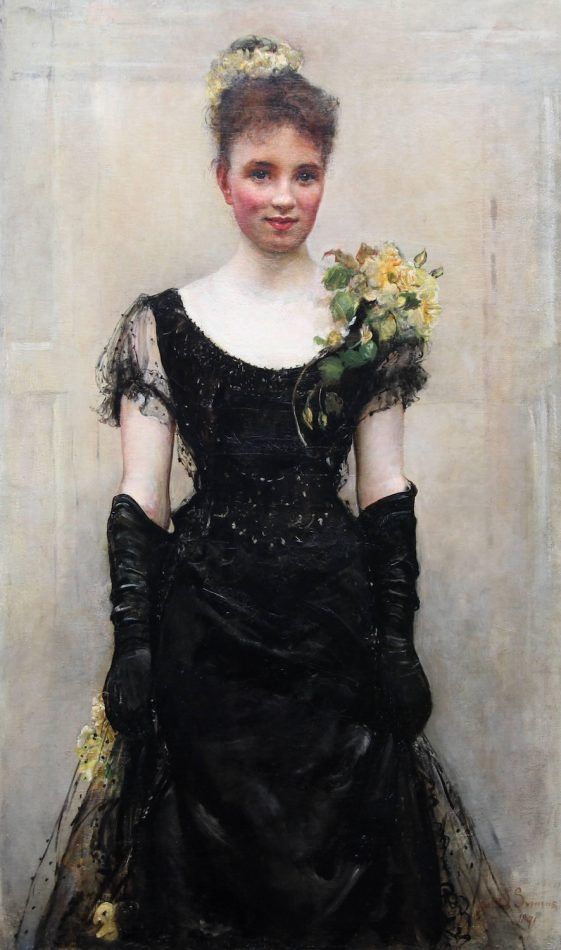
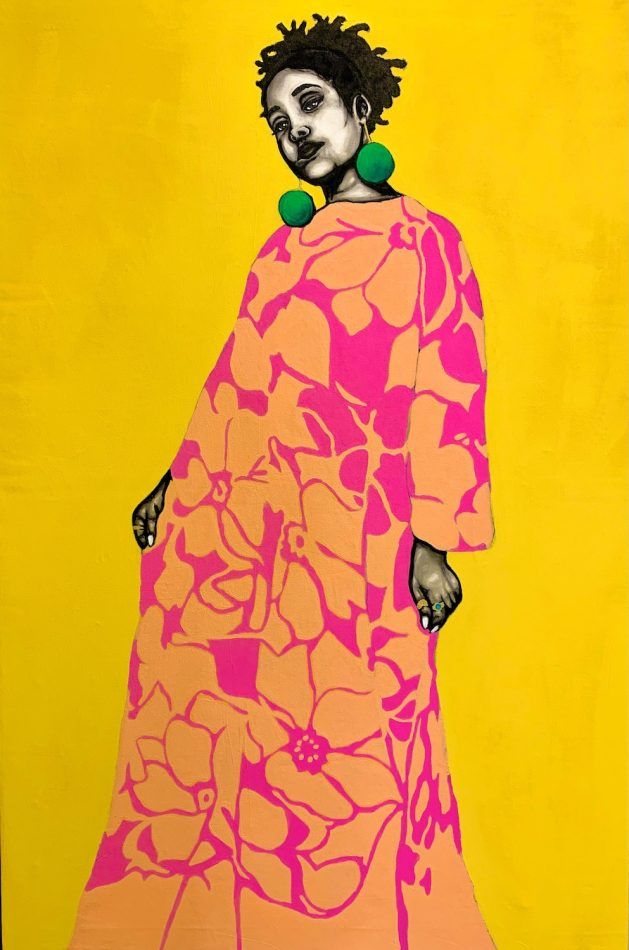
More than a quarter of the way through the 21st century, with the number of selfies snapped daily on cell phones around the world creeping, by some estimates, into the billions, you might assume that old-school portraiture had become passé. And yet, the Louvre is building a new gallery just to handle the shoulder-to-shoulder crowds angling for a glimpse of the Mona Lisa. In the past few years, some of the most compelling art exhibitions have presented fresh takes on portraiture, including the Metropolitan Museum of Art’s retrospective of the Finnish artist Helene Schjerfbeck, heretofore little known outside Scandinavia, and the traveling mid-career survey of Amy Sherald, who first came to national attention with her striking official portrait of then–First Lady Michelle Obama. Last November, Klimt’s Portrait of Elisabeth Lederer, an ethereal image of the daughter of his most loyal patrons, went for $236.4 million at Sotheby’s, making it the second-most-expensive work ever sold at auction.
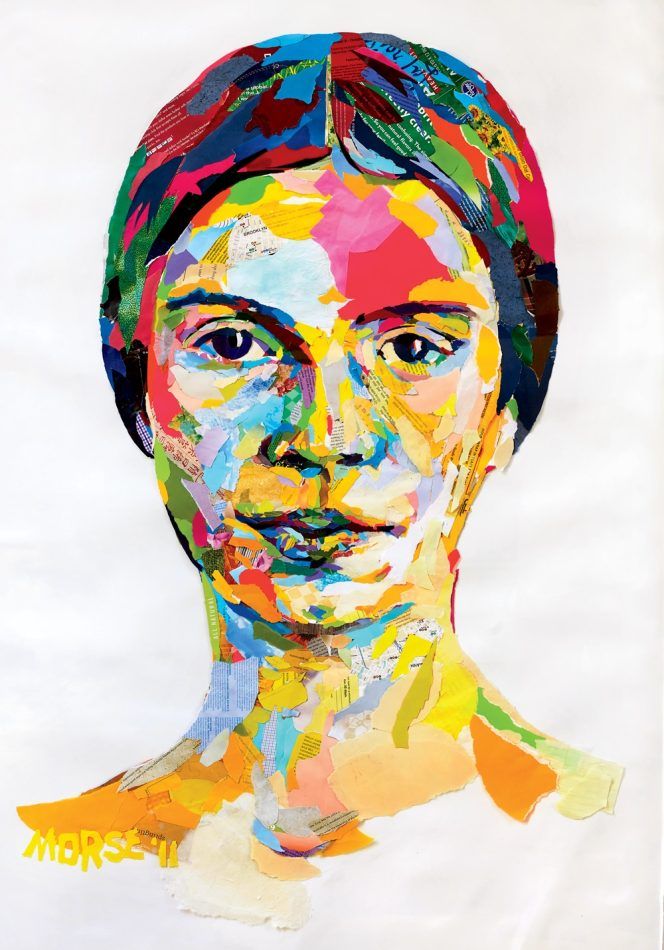
The draw is unmistakable. It’s nearly impossible to look at a well-executed portrait and not feel a connection to the subject’s humanity — and, by extension, our own.
Portraiture has been foundational to art from its inception. Consider ancient Egyptian funerary masks placed atop mummified remains or the marble odes to ancient Greek and Roman emperors and philosophers that have inspired sculptors for millennia. Later, as modern European civilization blossomed, the memorializing of VIPs in oil paint became ingrained in the culture.
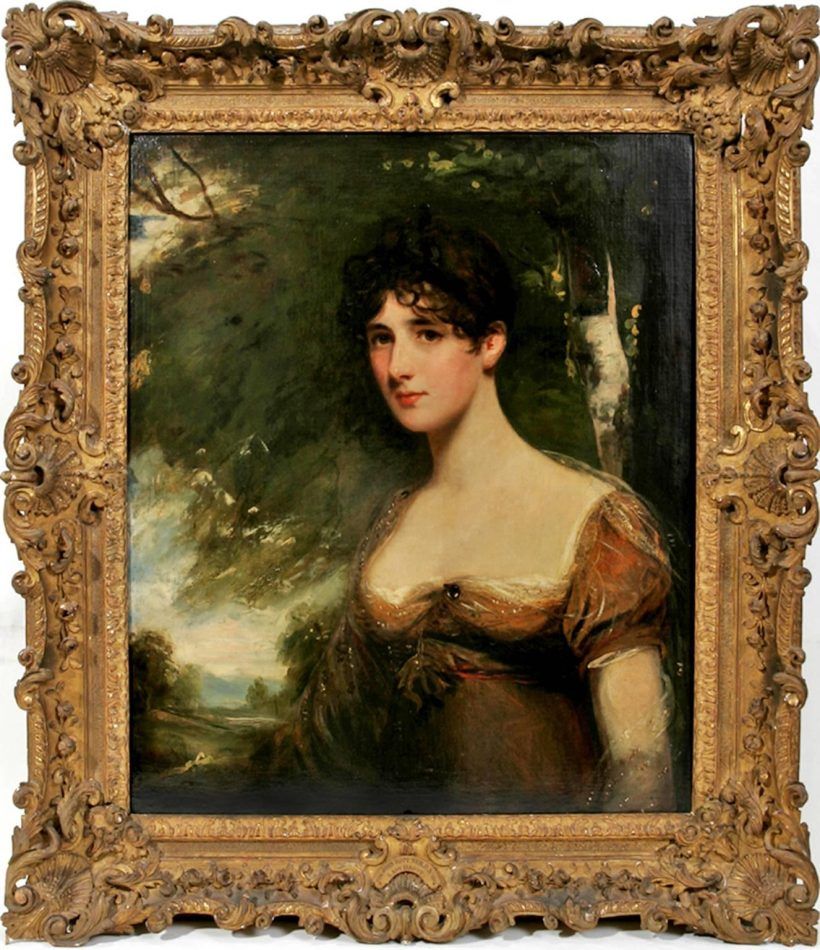
Long before the emergence of the commercial-gallery system that we know today, the Old Masters relied on private commissions for their living, and portraits formed a large portion of their output. Whether court painters like Diego Velázquez in 17th-century Spain or Rembrandt and other chroniclers of that period’s ascendant merchant class in northern Europe, successful practitioners became adept at conveying power, wealth and status. The era’s fashionable clothing, furnishings, globes and scientific instruments still signal riches and worldliness, while the abundance of skulls, portraitists’ go-to memento mori, offer windows into the subjects’ and artists’ preoccupations. Sometimes artists even inserted images of their paying customers into religious paintings to honor their piety — and patronage.
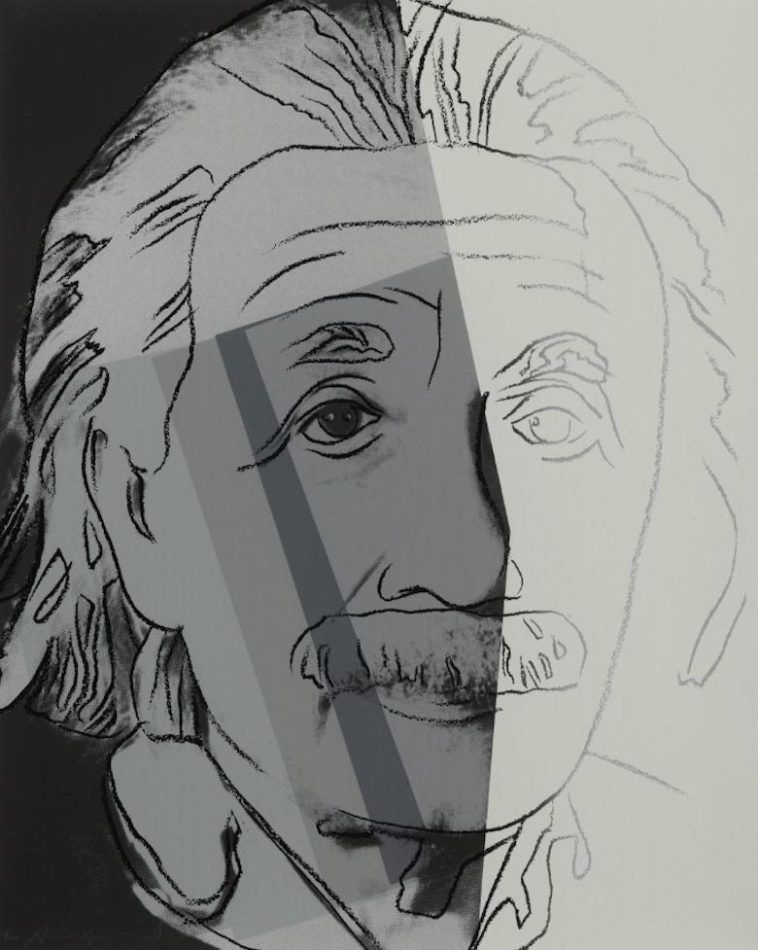
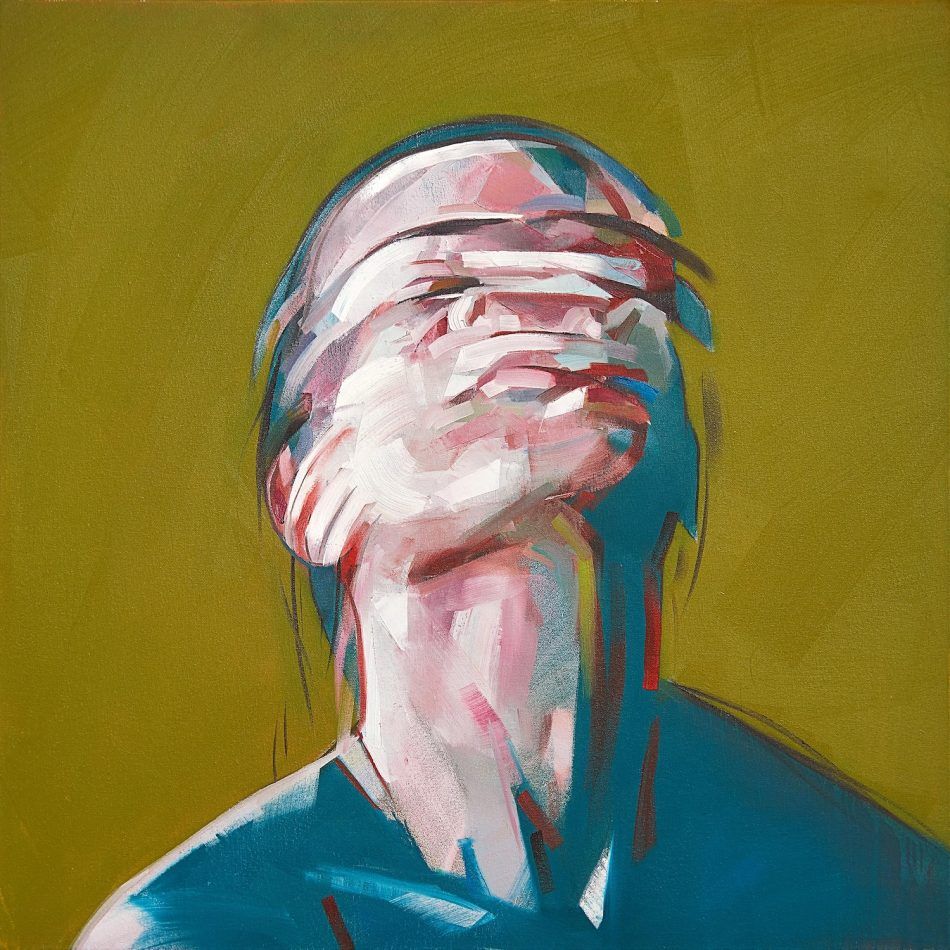
But before you conclude that artists made portraits just for the money, take a look at their self-portraits, some of which rank among the most moving pieces in the canon. Rembrandt’s roughly 40 surviving iterations are like a time-lapse record of his life. The later works, showing his face lined from the passing years, are especially poignant. Four centuries later, the same is true of Ellsworth Kelly. Though best known for his shaped abstract canvases, typically covered in just one or two vibrant hues, Kelly, who died in 2015 at the age of 92, left behind a trove of drawings that track his mien from fresh-faced innocence to bespectacled old age.
Painted portraiture’s resonance is proved by its survival. The advent of photography infamously disrupted the medium of oil paint, offering a more precise likeness at a fraction of the cost and time. Very quickly, the masses, too, were able to memorialize their loved ones and milestones for the ages in framed images.
The market for painted portraits, however, never really went away. The privileged set still wanted canvases to hang alongside those of their ancestors, and, more intriguingly, great 20th-century iconoclasts, from Alice Neel to Lucian Freud, found their calling in creating psychologically charged, often unflattering likenesses. Neel recruited regular people, including her neighbors in Spanish Harlem and pregnant women, while Freud often made his subjects pose for days or weeks on end. His fleshy, imperfect bodies, male and female alike, challenged centuries of idealized nudes.

For a time, Abstract Expressionism made figuration unfashionable, but as the Pop art movement reinvigorated representational work, a clutch of artists gave new life to portraiture. Borrowing from billboards’ flat swaths of brilliant color, Alex Katz began in the 1960s rendering sitters — most famously his wife, Ada, whom the 98-year-old has painted hundreds of times — with minimal detail. Soon Chuck Close was painting his photorealistic “heads,” as he called his monumental renderings of family, friends and fellow artists, and David Hockney was bringing cinematic narrative to his double portraits.
The genre has continued to evolve, recently undergoing a seismic change as prominent artists of color have challenged orthodoxy on just who should be immortalized. In addition to Sherald, well-regarded painters like Jordan Casteel, Mickalene Thomas and Njideka Akunyili Crosby have built practices in which neither fame nor fortune — nor European ancestry — is a prerequisite for a posing. The result is a collective body of work that underscores portraiture’s primary function, putting our shared humanity front and center.