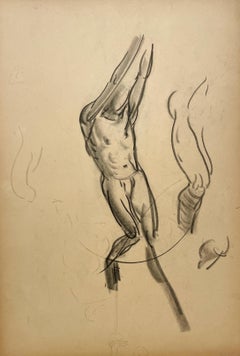
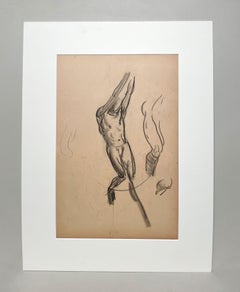
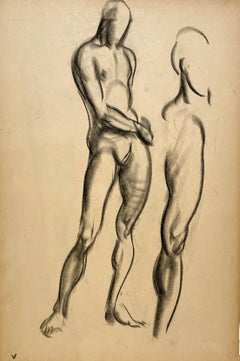
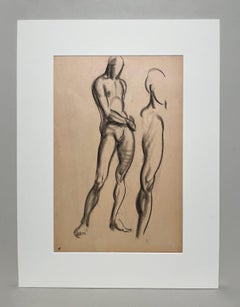
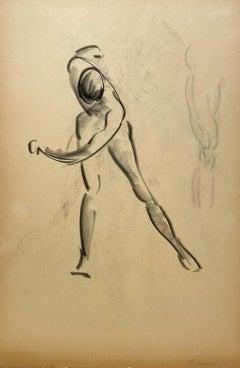
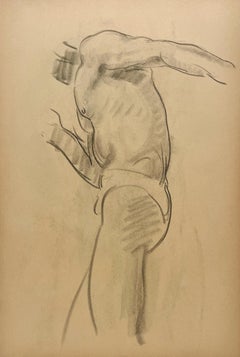
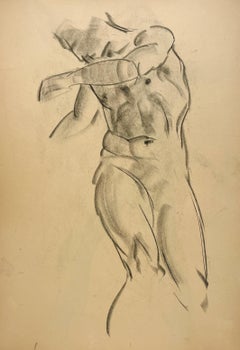
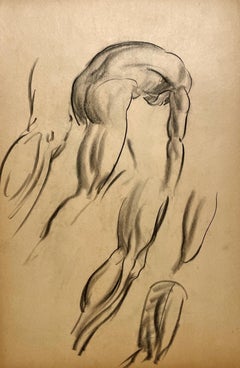
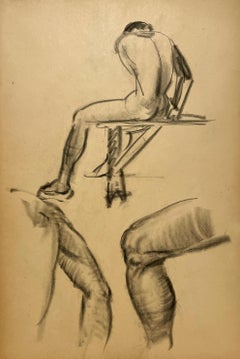
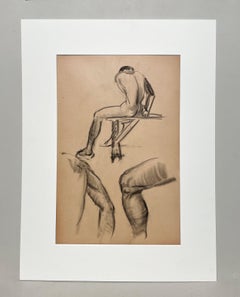
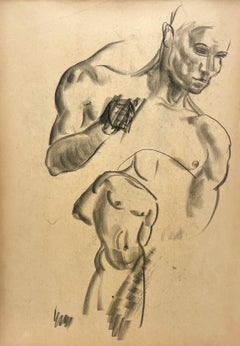
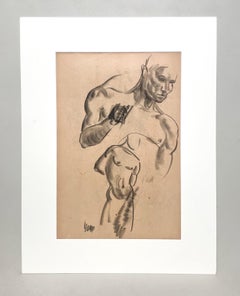
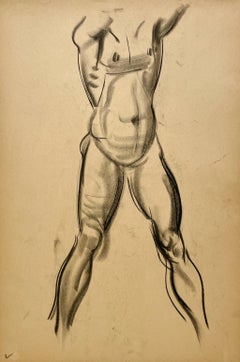
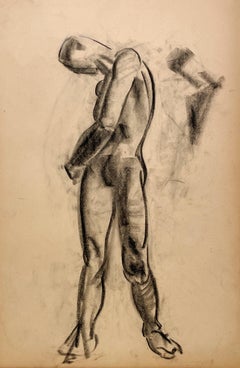
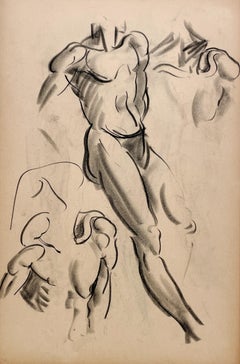
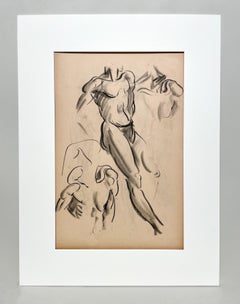
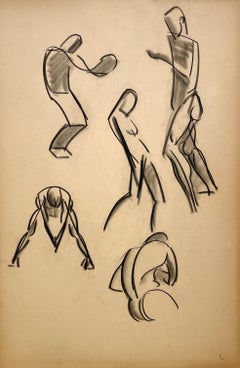
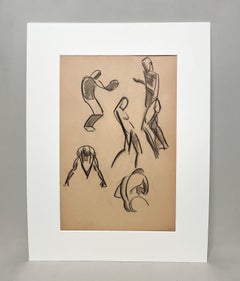
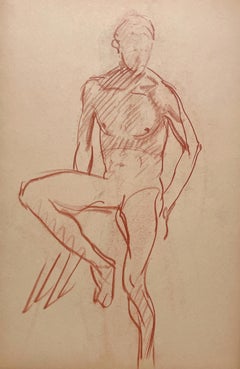
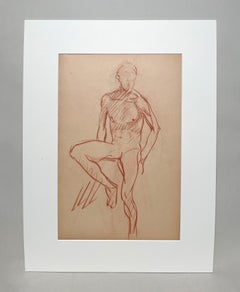
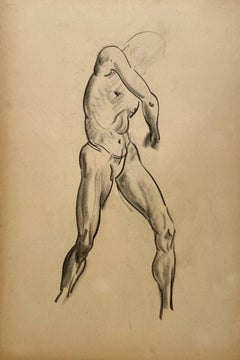
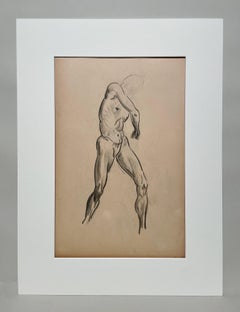
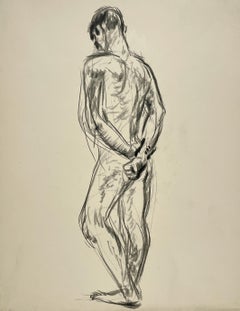
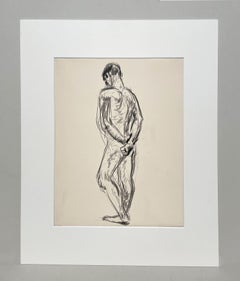
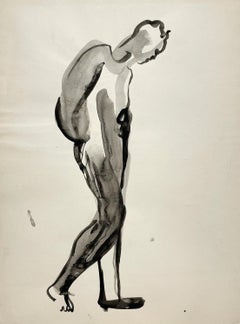
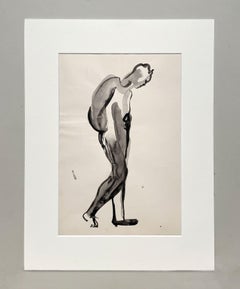
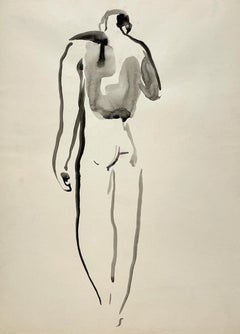
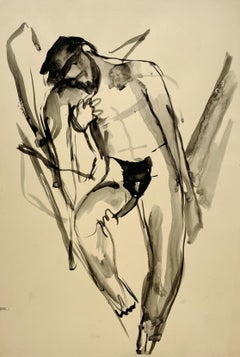
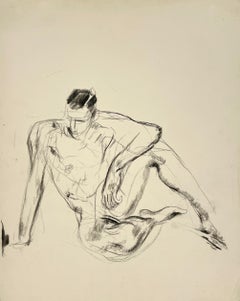
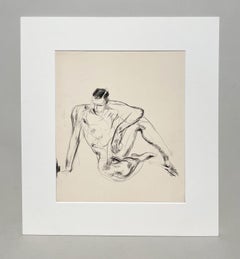
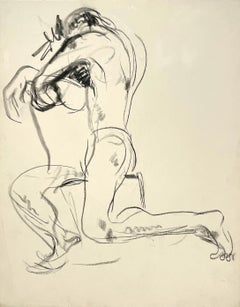
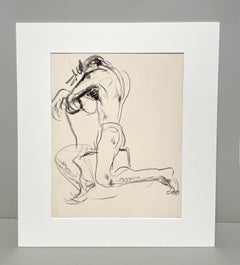
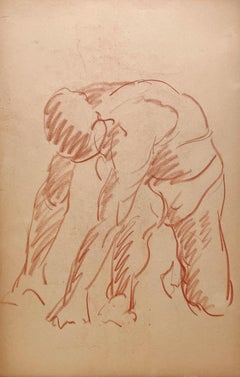
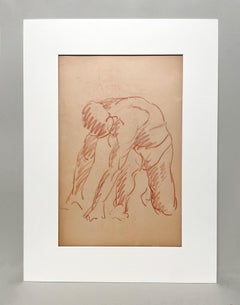
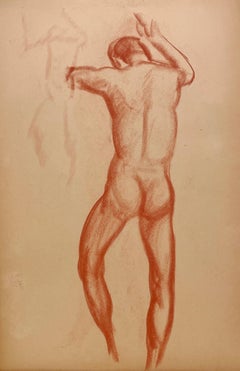
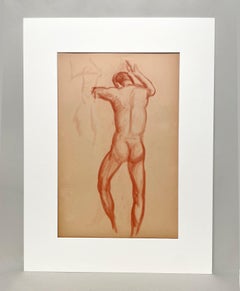
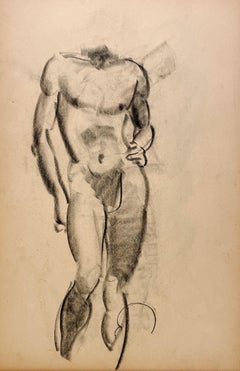
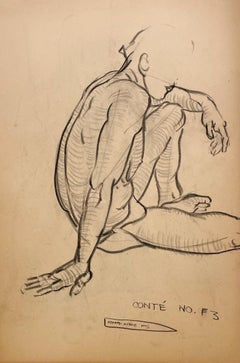
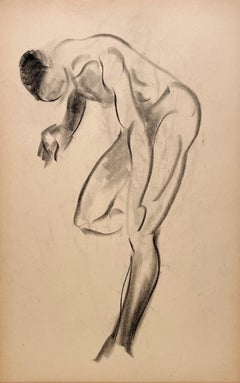
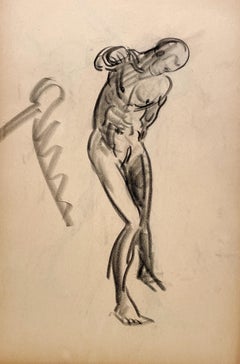
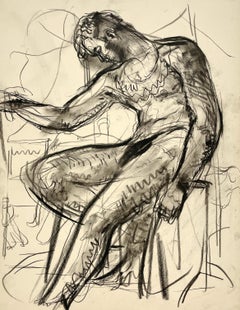
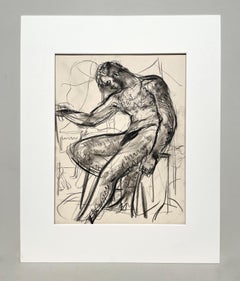
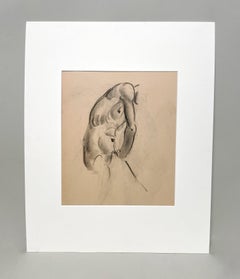
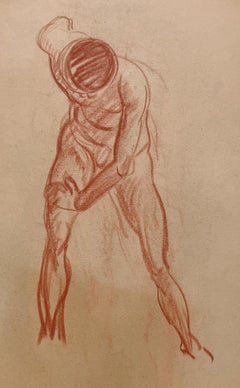
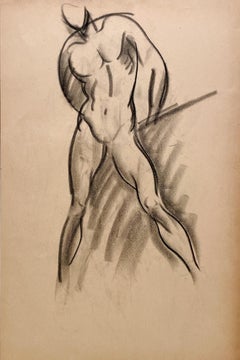
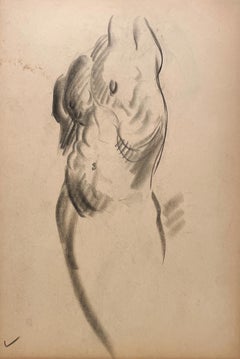
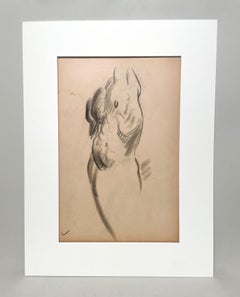
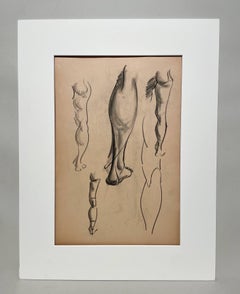
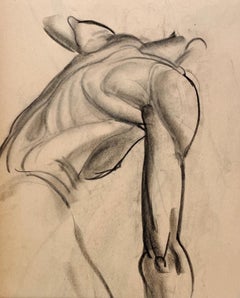
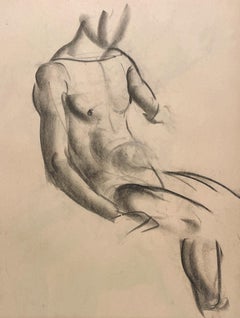
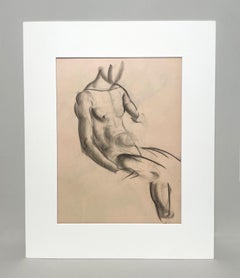
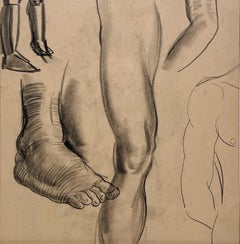
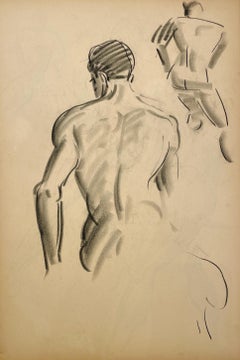
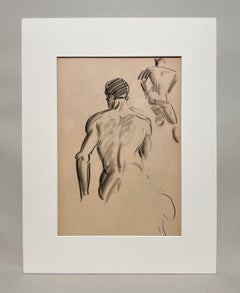
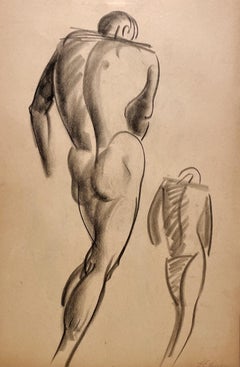
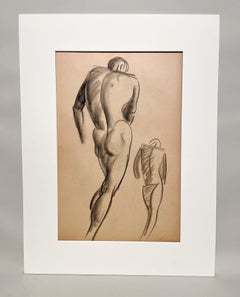
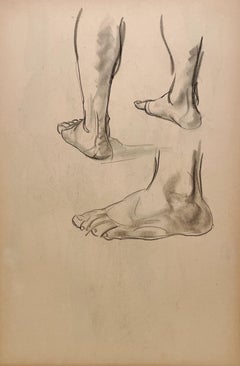
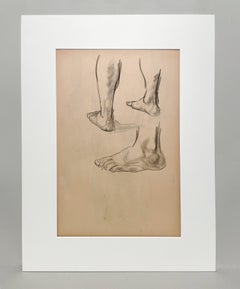
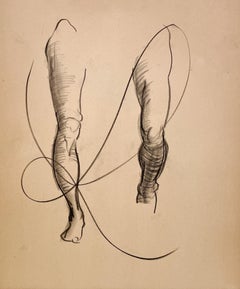
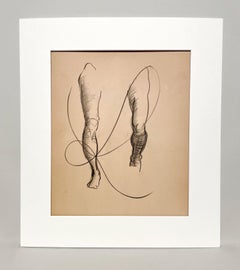
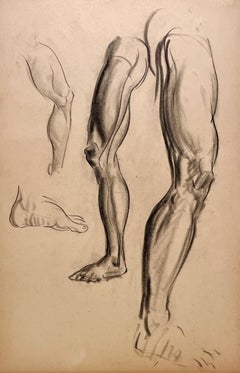
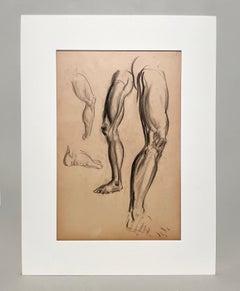
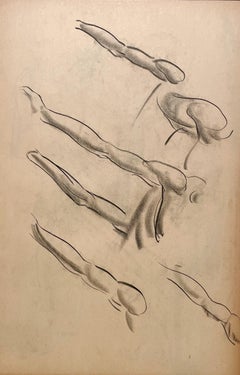
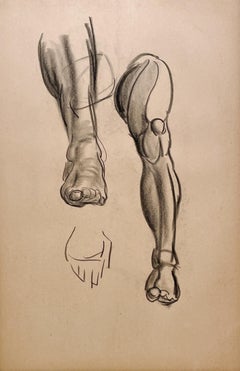
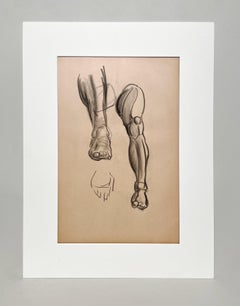
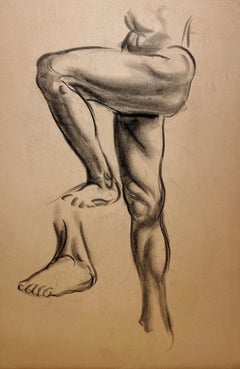
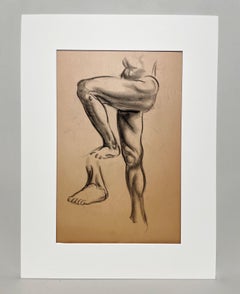
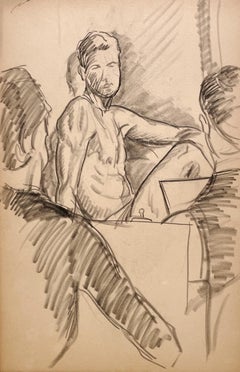
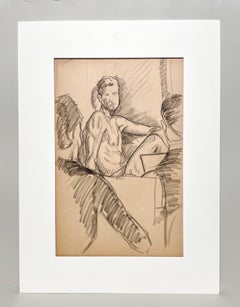
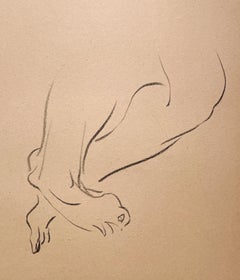
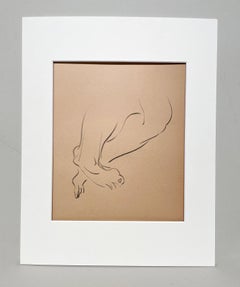
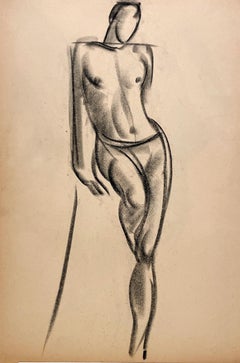
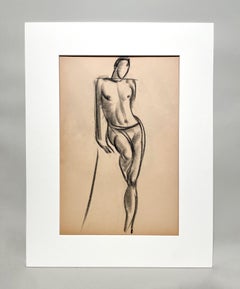
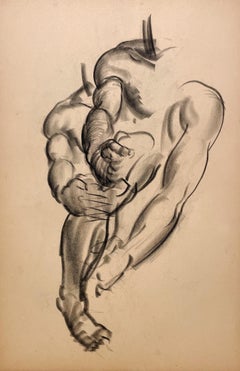
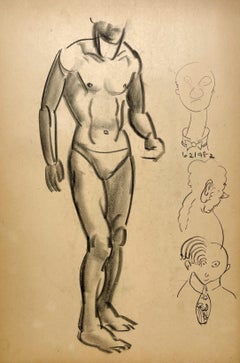
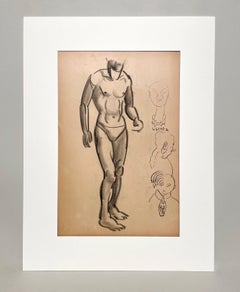
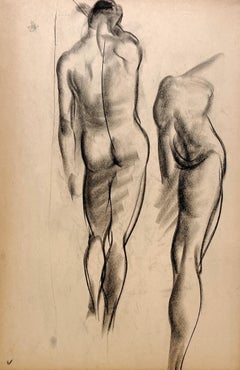
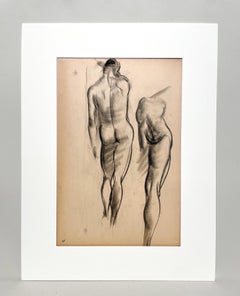
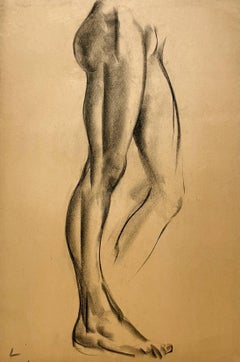
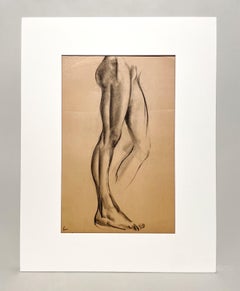
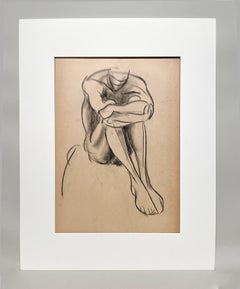
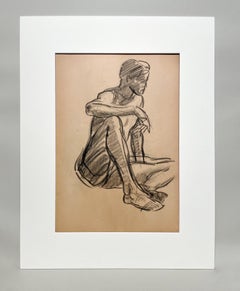
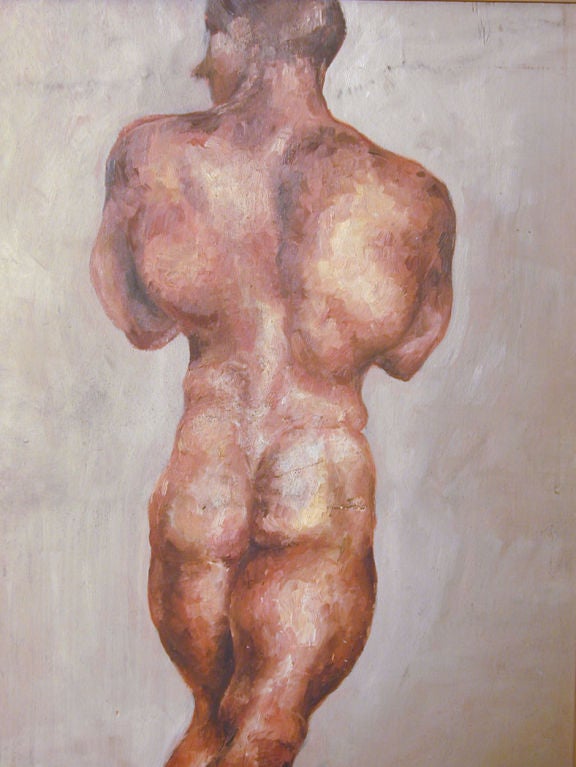
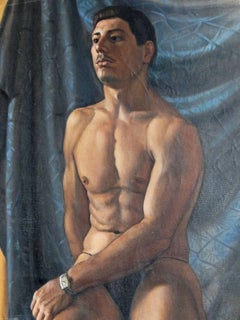
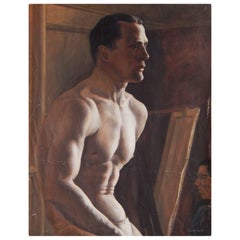
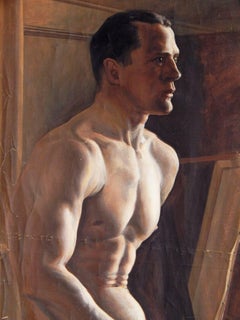
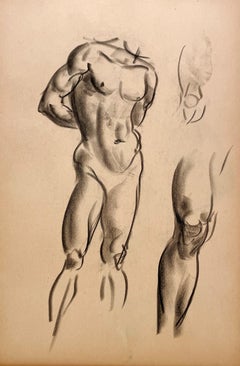
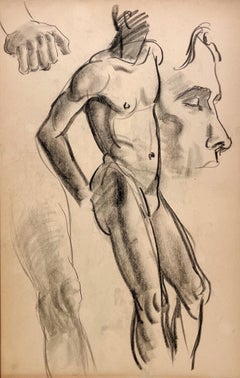
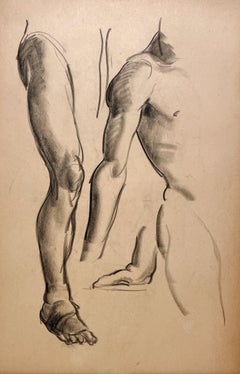
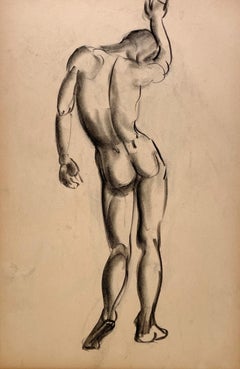
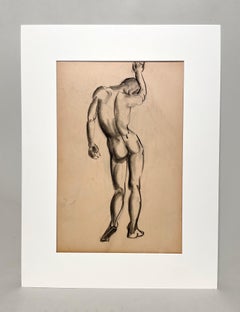
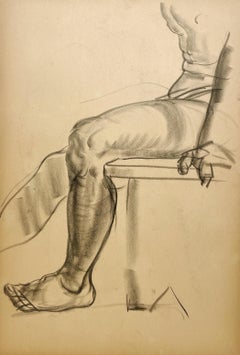
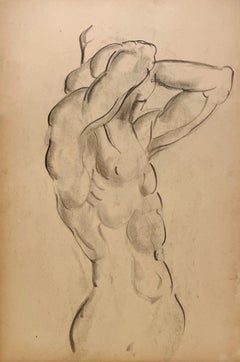
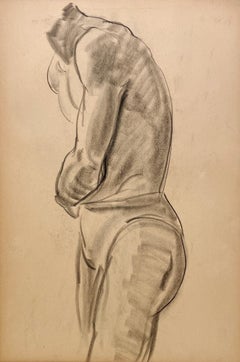
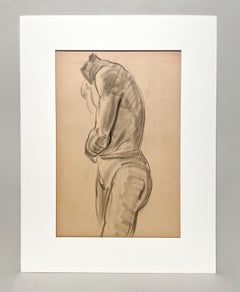
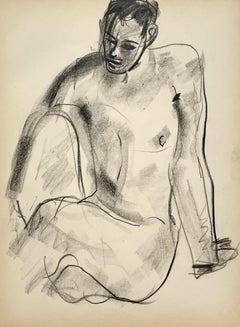
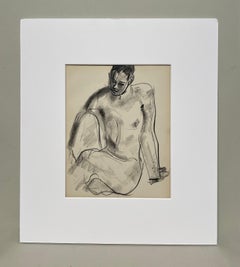
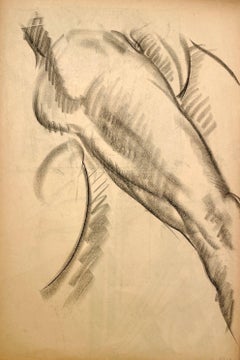
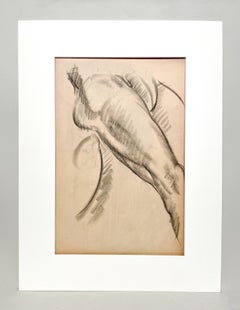
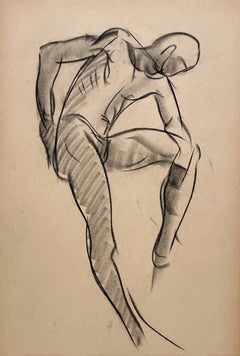
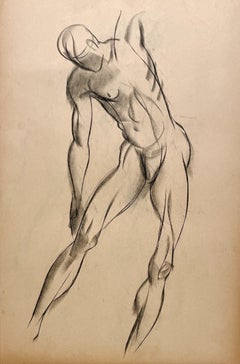
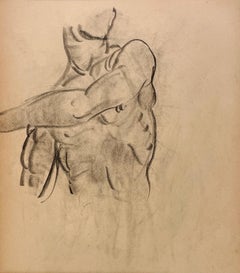
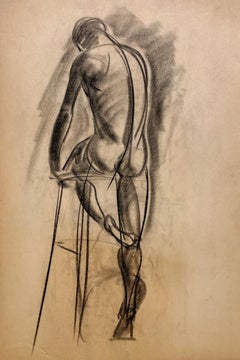
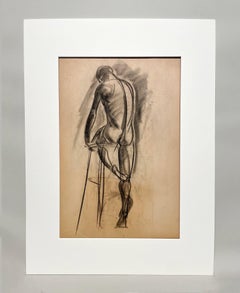
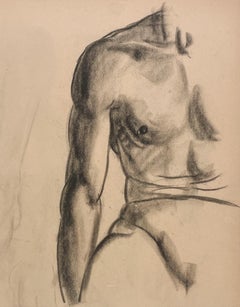
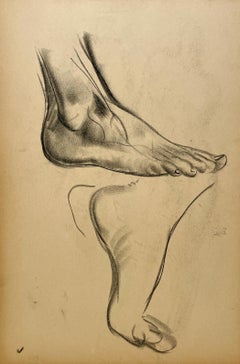
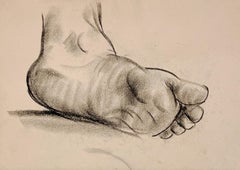
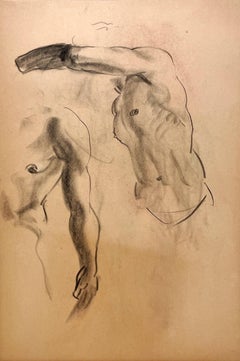
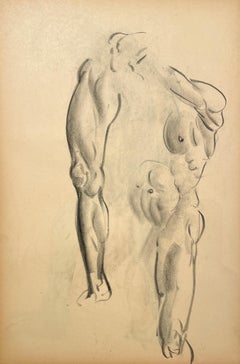
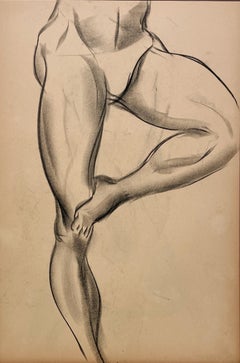
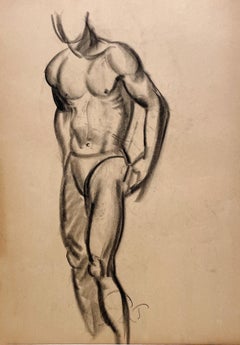
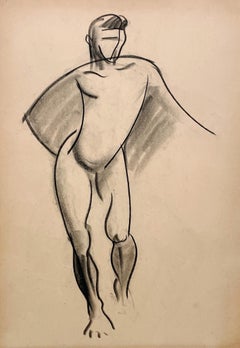
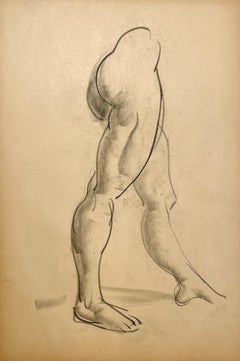
An assortment of 1930s nude male paintings is available at 1stDibs. Frequently made of
paint,
paper and
wood, all 1930s nude male paintings available were constructed with great care. 1930s nude male paintings have been made for many years, and versions that date back to the 20th Century alongside those produced as recently as the 20th Century.
Art Deco 1930s nude male paintings are consistently popular styles. Many 1930s nude male paintings are appealing in their simplicity, but
Dunbar D. Beck,
H. J. "Dooley" Dionysius and
John Garth produced popular 1930s nude male paintings that are worth a look.
1930s nude male paintings can differ in price owing to various characteristics — the average selling price at 1stDibs is $4,750, while the lowest priced sells for $1,832 and the highest can go for as much as $75,000.
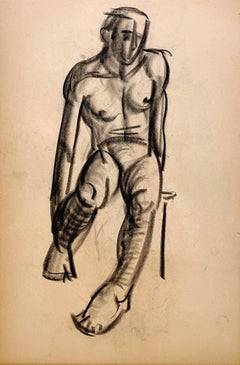
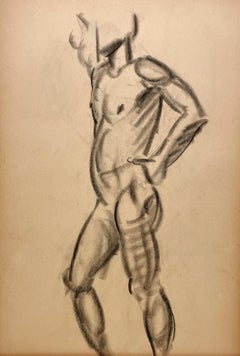
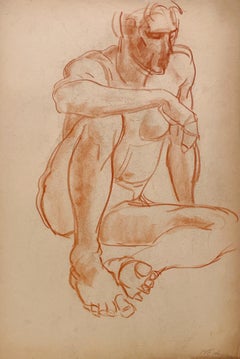
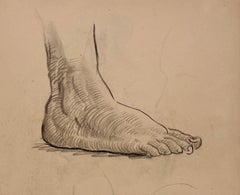
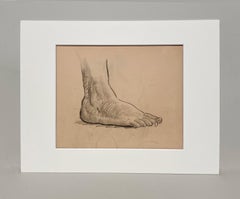
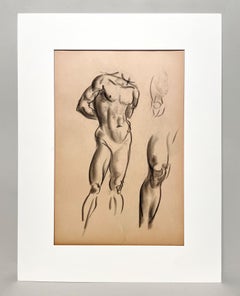
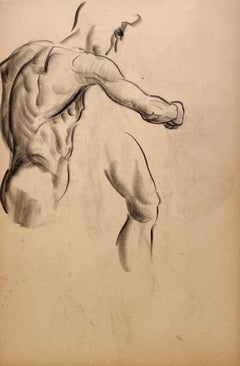
Harold Emerson Haydon was born in Fort William, Ontario, Canada in 1909. Haydon came to Chicago with his family in 1917 and became a naturalized American citizen in 1941. He attended the University of Chicago Lab School and the University of Chicago, where he earned a Bachelor’s Degree and Master’s Degree in Philosophy. He also studied painting at the Art Institute of Chicago. Haydon was a long-time Professor of Art at the University of Chicago, teaching from 1944-1975. He became an instructor at the Art Institute of Chicago from 1975-1981. Haydon also taught as an Adjunct Professor of Fine Arts at Indiana University from 1975-1982. In addition, Haydon served as the noted art critic of the Chicago Sun-Times from 1963-1985. He died in Chicago in 1994.
Revitalize your interiors — introduce drawings and watercolor paintings to your home to evoke emotions, stir conversation and show off your personality and elevated taste.
Drawing is often considered one of the world’s oldest art forms, with historians pointing to cave art as evidence. In fact, a cave in South Africa, home to Stone Age–era artists, houses artwork that is believed to be around 73,000 years old. It has indeed been argued that cave walls were the canvases for early watercolorists as well as for landscape painters in general, who endeavor to depict and elevate natural scenery through their works of art. The supplies and methods used by artists and illustrators to create drawings and paintings have evolved over the years, and so too have the intentions. Artists can use their drawing and painting talents to observe and capture a moment, to explore or communicate ideas and convey or evoke emotion. No matter if an artist is working in charcoal or in watercolor and has chosen to portray the marvels of the pure human form, to create realistic depictions of animals in their natural habitats or perhaps to forge a new path that references the long history of abstract visual art, adding a drawing or watercolor painting to your living room or dining room that speaks to you will in turn speak to your guests and conjure stimulating energy in your space.
When you introduce a new piece of art into a common area of your home — a figurative painting by Italian watercolorist Mino Maccari or a colorful still life, such as a detailed botanical work by Deborah Eddy — you’re bringing in textures that can add visual weight to your interior design. You’ll also be creating a much-needed focal point that can instantly guide an eye toward a designated space, particularly in a room that sees a lot of foot traffic.
When you’re shopping for new visual art, whether it’s for your apartment or weekend house, remember to choose something that resonates. It doesn’t always need to make you happy, but you should at least enjoy its energy. On 1stDibs, browse a wide-ranging collection of drawings and watercolor paintings and find out how to arrange wall art when you’re ready to hang your new works.