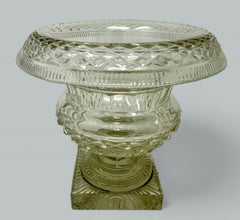
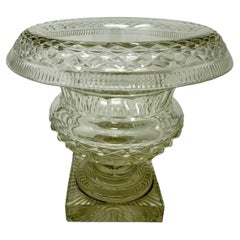
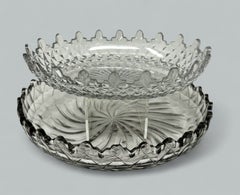
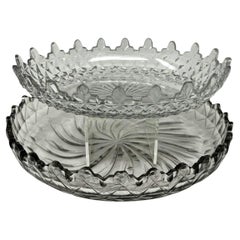
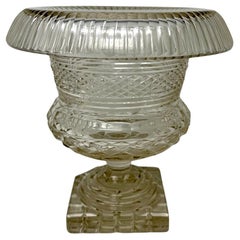
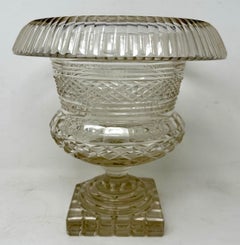
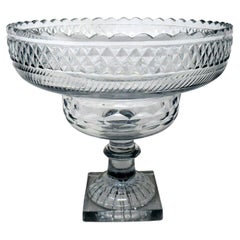
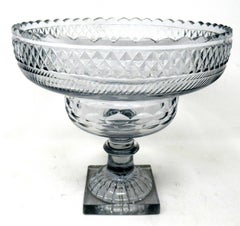
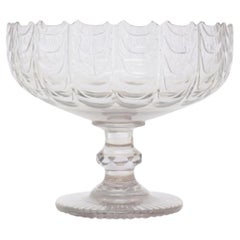
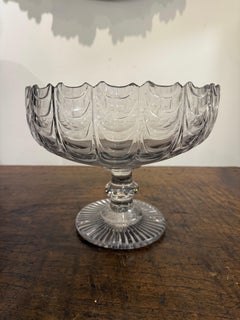
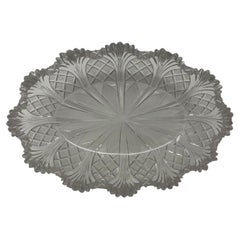
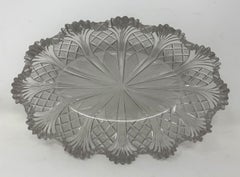
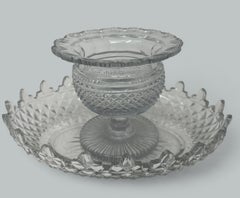
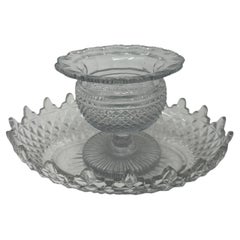
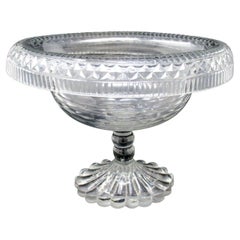
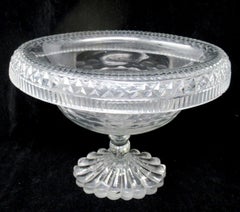
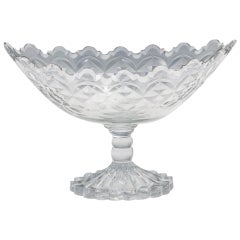
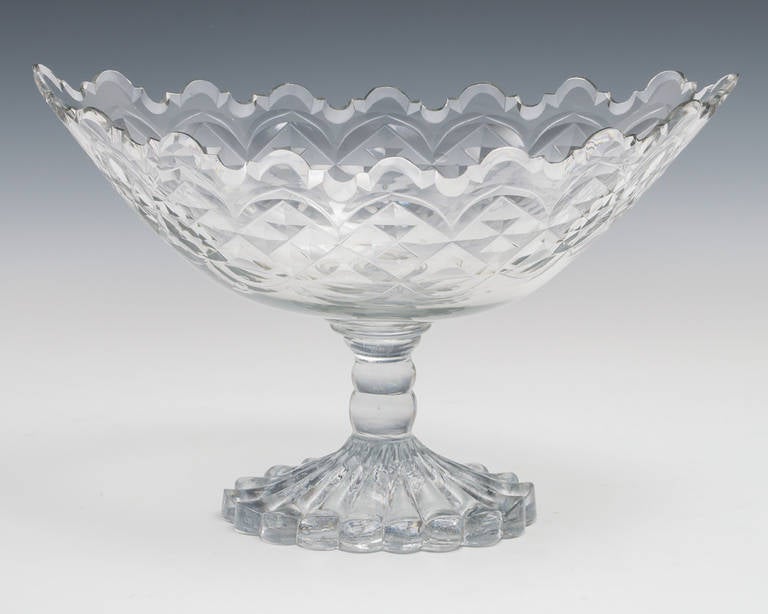
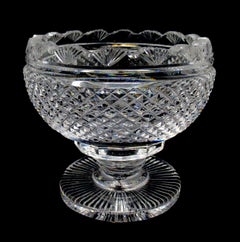
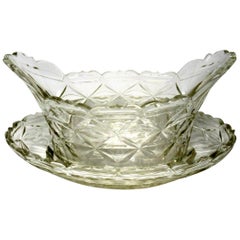
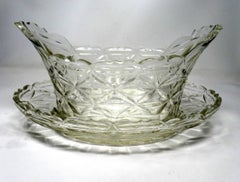
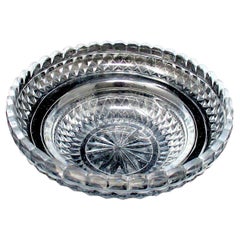
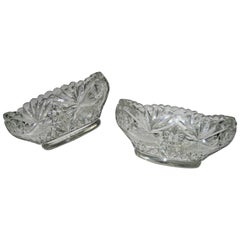
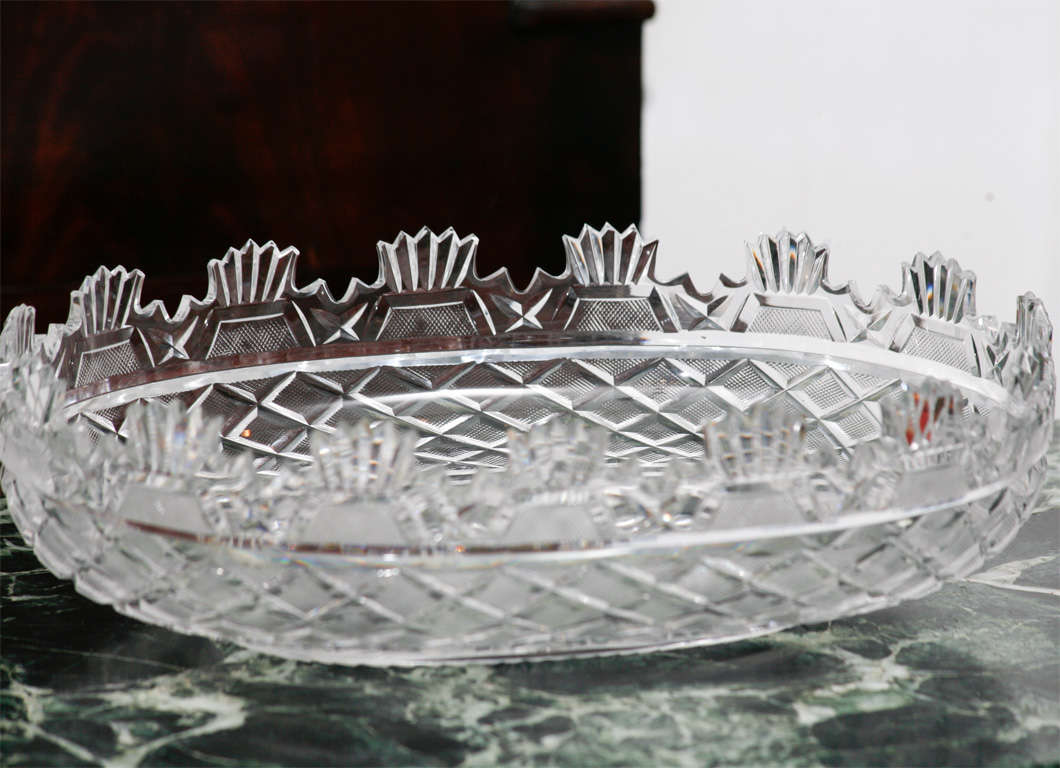
With a vast inventory of beautiful furniture at 1stDibs, we’ve got just the antique waterford crystal bowl you’re looking for. Frequently made of
crystal,
stone and
cut glass, every antique waterford crystal bowl was constructed with great care. You’ve searched high and low for the perfect antique waterford crystal bowl — we have versions that date back to the 18th Century alongside those produced as recently as the 20th Century are available. Each antique waterford crystal bowl bearing
Victorian,
Georgian or
Louis XVI hallmarks is very popular. You’ll likely find more than one antique waterford crystal bowl that is appealing in its simplicity, but
Waterford Crystal produced versions that are worth a look.
Prices for an antique waterford crystal bowl can differ depending upon size, time period and other attributes — at 1stDibs, they begin at $294 and can go as high as $28,900, while the average can fetch as much as $973.
Among glassware aficionados, the name Waterford has earned a place of eminence — both for antique crystal vases, glasses, chandeliers and serveware made by the original Irish company in the 18th and 19th centuries, and for new versions of the firm’s classic patterns produced after its rebirth in the 1940s. With either iteration, Waterford is a byword for traditional elegance.
Waterford crystal was born of a tax loophole. In 1783, business-minded brothers George and William Penrose founded the Waterford Glass House in southeastern Ireland because Irish glass was exempt from steep British import duties. The two wanted to make fine-quality wares and hired artisans from England, including master glassmaker John Hill. The factory’s flint glass — a precursor to lead crystal — soon won a clientele among British and continental aristocrats.
One of Hill’s aesthetic innovations was to polish glassware after a pattern was cut, to buff off the resulting frosted surface. The look became a Waterford trademark. Through the fame of its wine goblets, claret jugs and decanters, the firm continued to win honors at the many industrial expositions of the early Victorian era. But over those years, higher and higher luxury excise taxes were placed on fine crystal. Waterford products became prohibitively expensive, and the company closed in 1851.
The brand’s renown was still intact when it was revived in 1947 by a Czech glass manufacturer named Charles Bacik, who moved to Ireland after the Communist takeover of his country. For centuries, the region now called the Czech Republic had been the great glassware center of Middle Europe — the source of crystal to legendary Viennese glass design firms such as Lobmeyr and Bakalowits. So Bacik brought with him the master glassblower and designer Miroslav Havel.
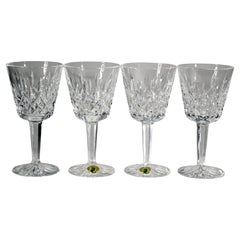
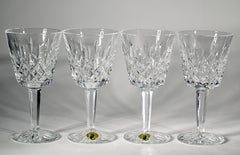
In Dublin, Havel studied the old Waterford style book archives kept in the National Museum. He used these classic patterns as the basis for new ones such as Lismore, with its crosshatching and flame-like vertical cuts, and Alana, with its heavily textured diamond cuts. Past and present are thus linked at Waterford.
Introduced in 1991, the Marquis by Waterford range of vases, bowls and other wares were priced for everyday use and were intended for use in modern homes. It was the first new brand debuted by the company in what was then its more than two-century history.
As you will see on 1stDibs, antique or recently made, Waterford crystal is the essence of refinement.
Find Waterford crystal vases, serveware and other collectibles for sale on 1stDibs.
Vintage, new and antique decorative bowls have been an important part of the home for centuries, although their uses have changed over the years. While functional examples of bowls date back thousands of years, ornamental design on bowls as well as baskets likewise has a rich heritage, from the carved bowls of the Maya to the plaited river-cane baskets of Indigenous people in the Southeast United States.
Decorative objects continue to bring character and art into a space. An outdoor gathering can become a sophisticated garden party with the addition of a few natural-fiber baskets to hold blankets or fruit on a table, as demonstrated in the interior design work by firms such as Alexander Design.
Elsewhere, Richard Haining’s reclaimed wood vases and bowls can express eco-consciousness. Sculptural handmade cast concrete bowls like those made by the Oakland, California–based UMÉ Studio introduce compelling textures to your dining room table.
Minimalist ceramic decorative bowls of varying colors can evoke a feeling of human connectedness through their association with handmade craftsmanship, such as in the rooms envisioned by South African interior designer Kelly Hoppen. And you can elevate any space with ceramic bowls that match the color scheme.
Browse the 1stDibs collection of decorative bowls and explore the endless options available.