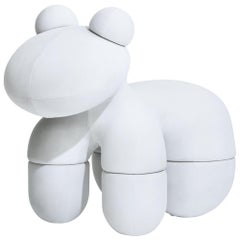
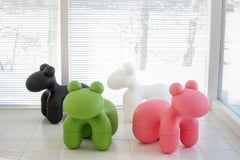
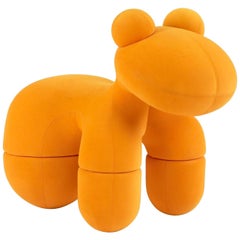
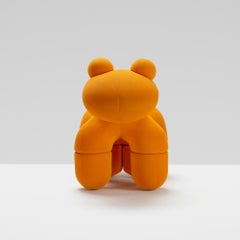
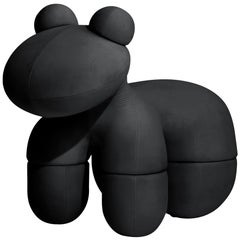
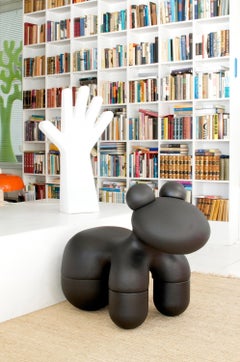
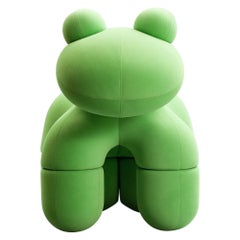
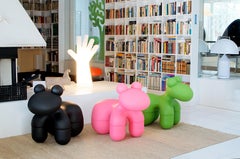
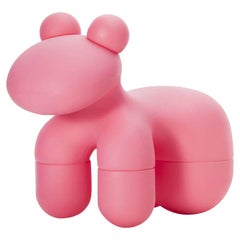
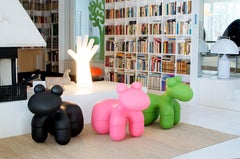
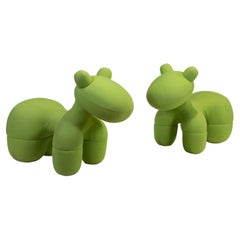
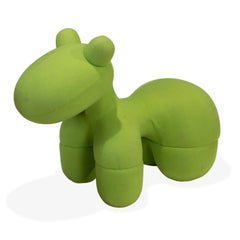
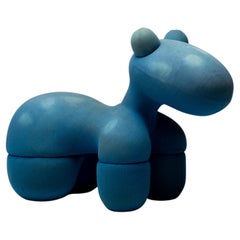
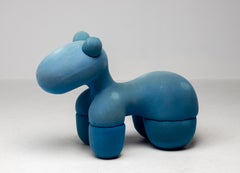
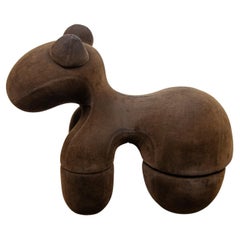
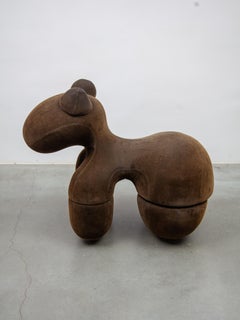
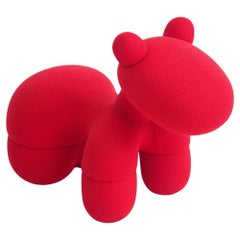
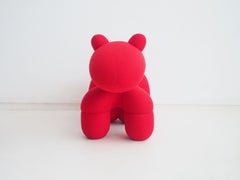
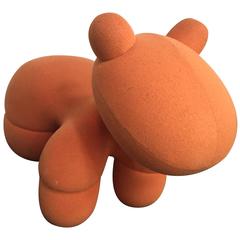
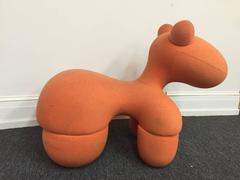
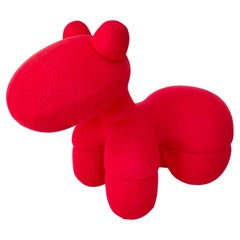
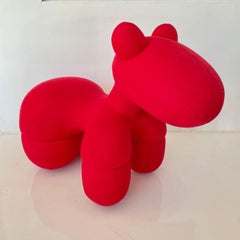
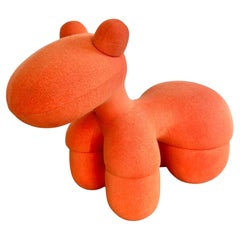
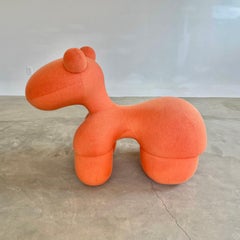
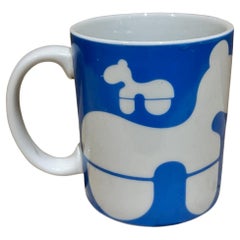
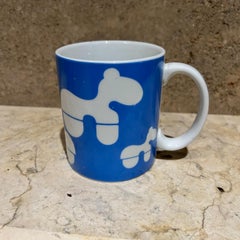
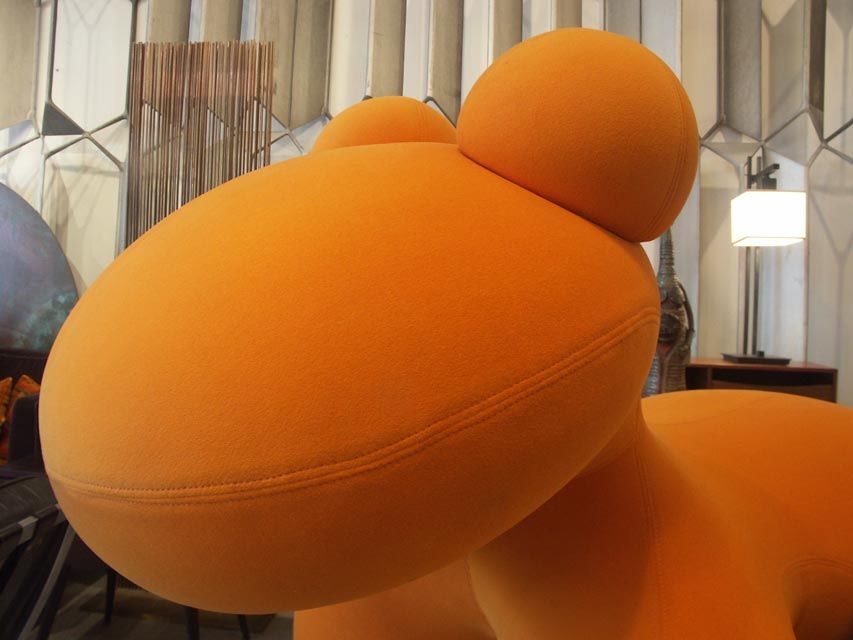
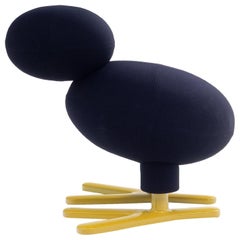
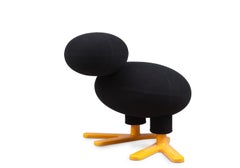
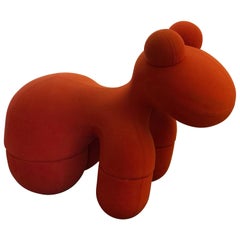
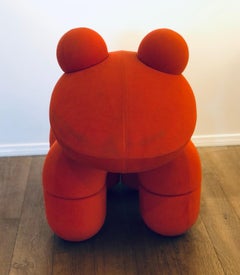
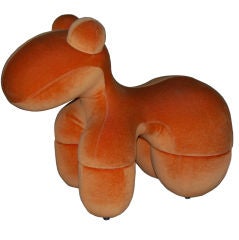
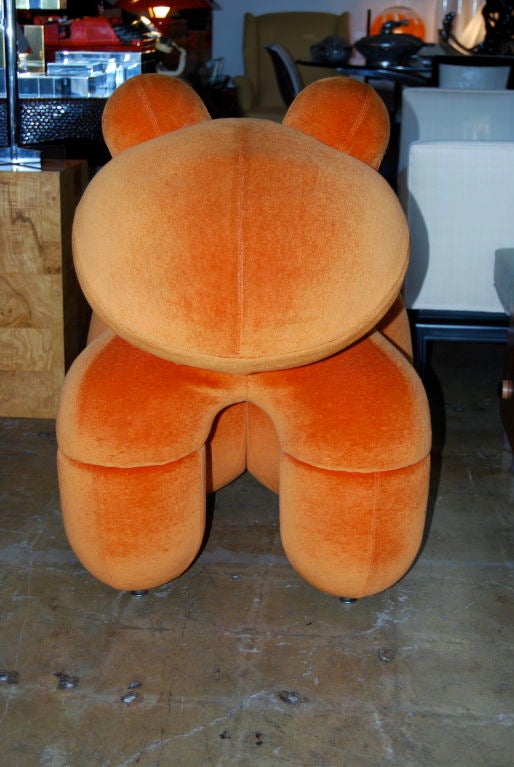
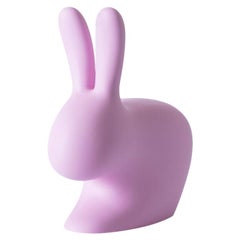
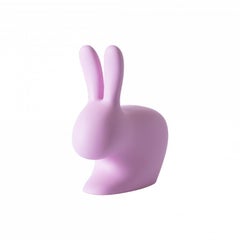
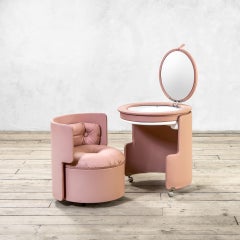
Find many varieties of an authentic eero pony available at 1stDibs. Each eero pony for sale was constructed with extraordinary care, often using
plastic,
fabric and
foam. If you’re shopping for a eero pony, we have 6 options in-stock, while there are 5 modern editions to choose from as well. There are many kinds of the eero pony you’re looking for, from those produced as long ago as the 20th Century to those made as recently as the 21st Century. Each eero pony bearing
Modern or
Mid-Century Modern hallmarks is very popular. Many designers have produced at least one well-made eero pony over the years, but those crafted by
Eero Aarnio and
Eero Saarinen are often thought to be among the most beautiful.
A eero pony can differ in price owing to various characteristics — the average selling price 1stDibs is $4,012, while the lowest priced sells for $1,975 and the highest can go for as much as $7,000.
“I always look ahead, never back,” Finnish design legend Eero Aarnio has been quoted as saying. A leading innovator of modern furniture design, Aarnio has long embraced a bold, playful, confident and colorful style several steps ahead of his time.
For his 1954 entrance test for the Institute of Industrial Arts in Helsinki, Aarnio created a whimsical painting of a man reading a newspaper in a red, curved chair whose silhouette foreshadowed Aarnio’s Ball chair of 1963. That spherical seat skyrocketed him to design fame, and decades later, it is still recognized as one of the world’s most futuristic designs.
Born in 1932 to a house painter and a seamstress, Aarnio has always had a cheerful disposition and an independent spirit. He went his own way early on: After just two years at Asko, the big Scandinavian furniture company that originally produced his Ball chair, Aarnio established his own studio in 1962.
Over the next decade, the young visionary made an indelible mark on the world. Open-minded and entrepreneurial, Aarnio embraced the aesthetics, materials and technologies of the Swinging Sixties, working with a new generation of plastics and molding them into fluid, organically shaped, brightly hued forms.
Introduced at the 1966 Cologne Furniture Fair, the pod-like fiberglass Ball chair soon adorned the homes of movie stars and royalty, graced magazine covers around the world and was featured in films and ads. The groundbreaking seat originally came in orange, white, black, yellow and red and could be ordered with a telephone installed in it. Yet this designer of the future, as he was known in the 1960s, has always insisted that he didn’t deliberately seek to be associated with the decade’s sci-fi aesthetic.
“I had no intention to create either pop or Space Age design — as many people label my work,” Aarnio declares in one of the essays included in Eero Aarnio — Designer of Colour and Joy, a book jointly created by the Design Museum and publisher WSOY to accompany 2016’s “Eero Aarnio” exhibition.
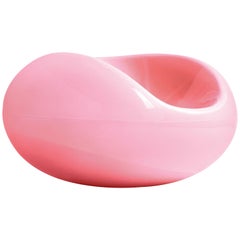
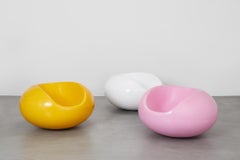
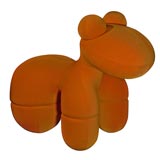
The show featured a number of Aarnio’s objects, including his iconic Ball, Pastil (1967), Bubble (1968), Tomato (1971) and Pony (1973) chairs. These were joined by lesser-known seating and other objects like the rattan Juttujakkara, or mushroom, stool (1960); the sculptural Double Bubble lamp (2000), with which Aarnio first explored the possibilities of rotation-cast plastic; and the three-legged Rocket (1995) and Baby Rocket (2006) stools, both parts of a collection produced by Artek after Tom Dixon, the company’s creative director from 2004 to 2009, discovered the original piece in Aarnio’s kitchen.
“Aarnio expanded the whole idea of what constitutes furniture,” explained Suvi Saloniemi, the Design Museum’s chief curator. “His significance as a designer is crystallized in the liberation of form that he has introduced by discovering the properties of plastic as the material of a designer. His furniture is sculpture-like and eye-catching, but the pieces are always utilitarian at the same time.”
Find an extraordinary range of vintage Eero Aarnio chairs, tables and other furniture on 1stDibs.