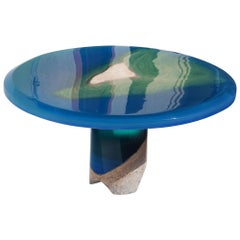
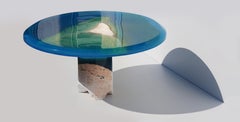
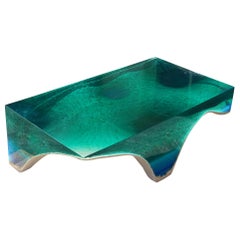
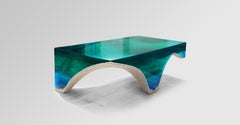
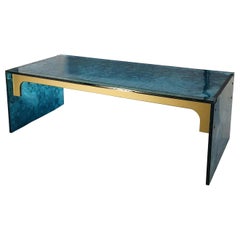
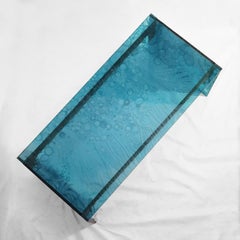
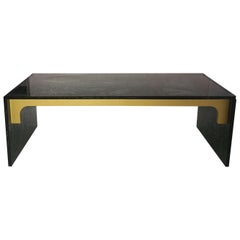
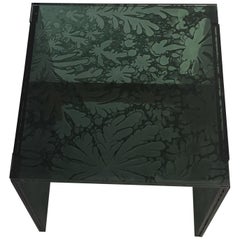
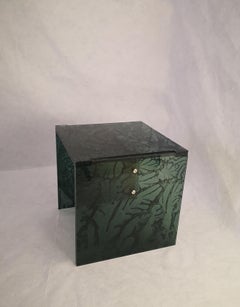
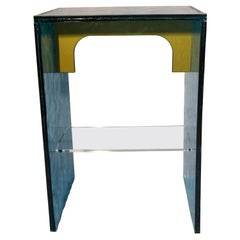
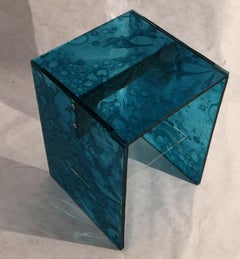
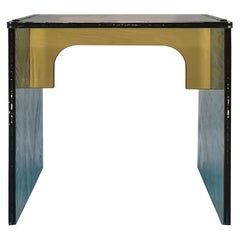
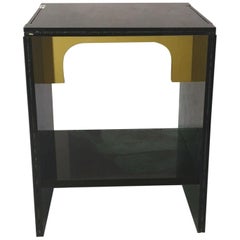
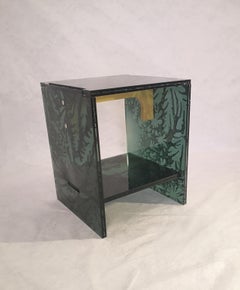
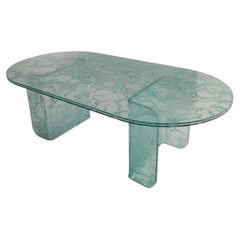
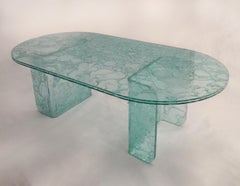
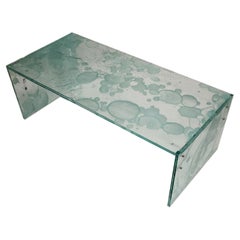
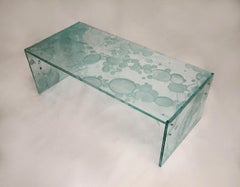
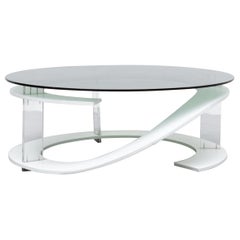
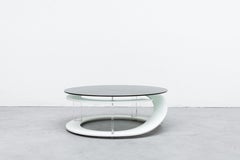
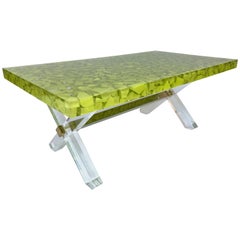
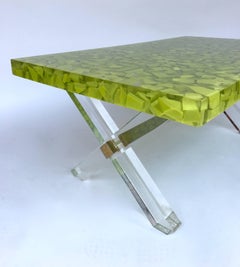
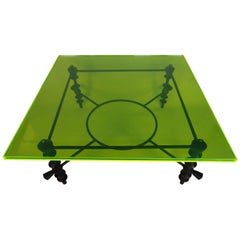
Green Acrylic Coffee Table For Sale on 1stDibs
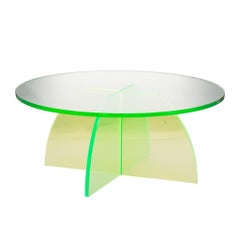
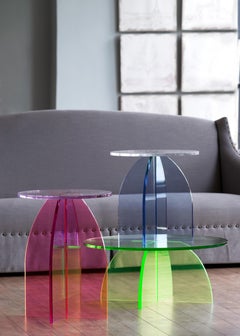
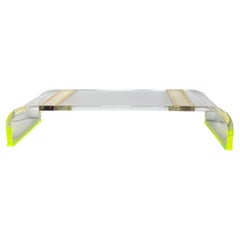
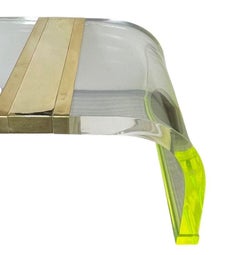
With a vast inventory of beautiful furniture at 1stDibs, we’ve got just the green acrylic coffee table you’re looking for. Frequently made of
acrylic,
plastic and
organic material, every green acrylic coffee table was constructed with great care. If you’re shopping for a green acrylic coffee table, we have 2 options in-stock, while there are 9 modern editions to choose from as well. Your living room may not be complete without a green acrylic coffee table — find older editions for sale from the 20th Century and newer versions made as recently as the 21st Century. A green acrylic coffee table, designed in the
Modern or
Mid-Century Modern style, is generally a popular piece of furniture. A well-made green acrylic coffee table has long been a part of the offerings for many furniture designers and manufacturers, but those produced by
Roberto Giacomucci,
Eduard Locota and
Carnevale Studio are consistently popular.
How Much is a Green Acrylic Coffee Table?
The average selling price for a green acrylic coffee table at 1stDibs is $1,447, while they’re typically $882 on the low end and $12,124 for the highest priced.
A Close Look at Modern Furniture
The late 19th and early 20th centuries saw sweeping social change and major scientific advances — both of which contributed to a new aesthetic: modernism. Rejecting the rigidity of Victorian artistic conventions, modernists sought a new means of expression. References to the natural world and ornate classical embellishments gave way to the sleek simplicity of the Machine Age. Architect Philip Johnson characterized the hallmarks of modernism as “machine-like simplicity, smoothness or surface [and] avoidance of ornament.”
Early practitioners of modernist design include the De Stijl (“The Style”) group, founded in the Netherlands in 1917, and the Bauhaus School, founded two years later in Germany.
Followers of both groups produced sleek, spare designs — many of which became icons of daily life in the 20th century. The modernists rejected both natural and historical references and relied primarily on industrial materials such as metal, glass, plywood, and, later, plastics. While Bauhaus principals Marcel Breuer and Ludwig Mies van der Rohe created furniture from mass-produced, chrome-plated steel, American visionaries like Charles and Ray Eames worked in materials as novel as molded plywood and fiberglass. Today, Breuer’s Wassily chair, Mies van der Rohe’s Barcelona chair — crafted with his romantic partner, designer Lilly Reich — and the Eames lounge chair are emblems of progressive design and vintage originals are prized cornerstones of collections.
It’s difficult to overstate the influence that modernism continues to wield over designers and architects — and equally difficult to overstate how revolutionary it was when it first appeared a century ago. But because modernist furniture designs are so simple, they can blend in seamlessly with just about any type of décor. Don’t overlook them.
Materials: Plastic Furniture
Arguably the world’s most ubiquitous man-made material, plastic has impacted nearly every industry. In contemporary spaces, new and vintage plastic furniture is quite popular and its use pairs well with a range of design styles.
From the Italian lighting artisans at Fontana Arte to venturesome Scandinavian modernists such as Verner Panton, who created groundbreaking interiors as much as he did seating — see his revolutionary Panton chair — to contemporary multidisciplinary artists like Faye Toogood, furniture designers have been pushing the boundaries of plastic forever.
When The Graduate's Mr. McGuire proclaimed, “There’s a great future in plastics,” it was more than a laugh line. The iconic quote is an allusion both to society’s reliance on and its love affair with plastic. Before the material became an integral part of our lives — used in everything from clothing to storage to beauty and beyond — people relied on earthly elements for manufacturing, a process as time-consuming as it was costly.
Soon after American inventor John Wesley Hyatt created celluloid, which could mimic luxury products like tortoiseshell and ivory, production hit fever pitch, and the floodgates opened for others to explore plastic’s full potential. The material altered the history of design — mid-century modern legends Charles and Ray Eames, Joe Colombo and Eero Saarinen regularly experimented with plastics in the development of tables and chairs, and today plastic furnishings and decorative objects are seen as often indoors as they are outside.
Find vintage plastic lounge chairs, outdoor furniture, lighting and more on 1stDibs.
Finding the Right Coffee-tables-cocktail-tables for You
As a practical focal point in your living area, antique and vintage coffee tables and cocktail tables are an invaluable addition to any interior.
Low tables that were initially used as tea tables or coffee tables have been around since at least the mid- to late-1800s. Early coffee tables surfaced in Victorian-era England, likely influenced by the use of tea tables in Japanese tea gardens. In the United States, furniture makers worked to introduce low, long tables into their offerings as the popularity of coffee and “coffee breaks” took hold during the late 19th century and early 20th century.
It didn’t take long for coffee tables and cocktail tables to become a design staple and for consumers to recognize their role in entertaining no matter what beverages were being served. Originally, these tables were as simple as they are practical — as high as your sofa and made primarily of wood. In recent years, however, metal, glass and plastics have become popular in coffee tables and cocktail tables, and design hasn’t been restricted to the conventional low profile, either.
Visionary craftspeople such as Paul Evans introduced bold, geometric designs that challenge the traditional idea of what a coffee table can be. The elongated rectangles and wide boxy forms of Evans’s desirable Cityscape coffee table, for example, will meet your needs but undoubtedly prove imposing in your living space.
If you’re shopping for an older coffee table to bring into your home — be it an antique Georgian-style coffee table made of mahogany or walnut with decorative inlays or a classic square mid-century modern piece comprised of rosewood designed by the likes of Ettore Sottsass — there are a few things you should keep in mind.
Both the table itself and what you put on it should align with the overall design of the room, not just by what you think looks fashionable in isolation. According to interior designer Tamara Eaton, the material of your vintage coffee table is something you need to consider. “With a glass coffee table, you also have to think about the surface underneath, like the rug or floor,” she says. “With wood and stone tables, you think about what’s on top.”
Find the perfect centerpiece for any room, no matter what your personal furniture style on 1stDibs — shop Art Deco coffee tables, travertine coffee tables and other antique and vintage coffee tables and cocktail tables today.