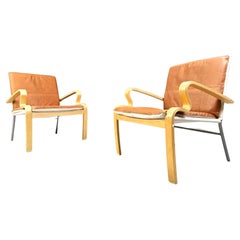
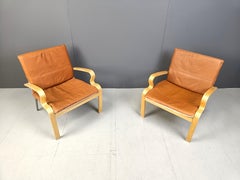
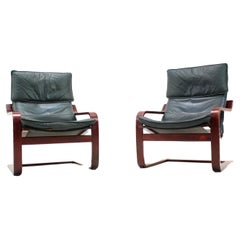
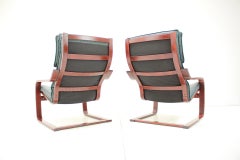
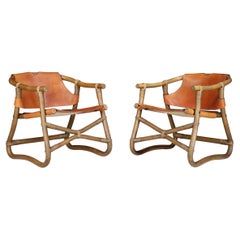
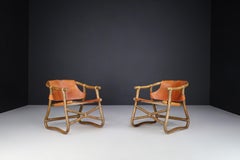
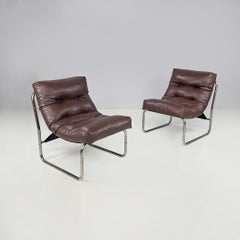
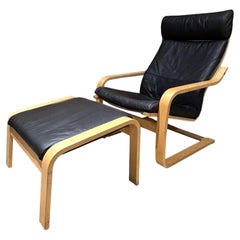
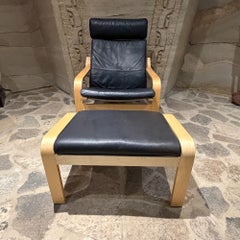
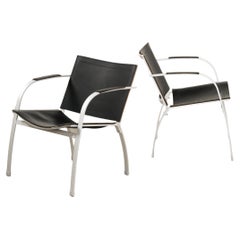
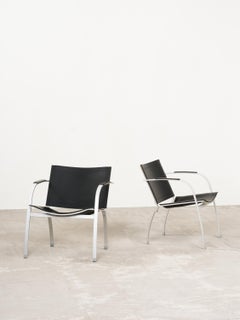
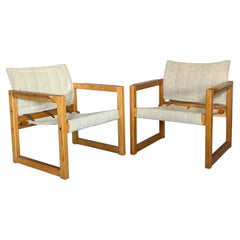
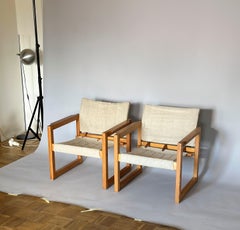
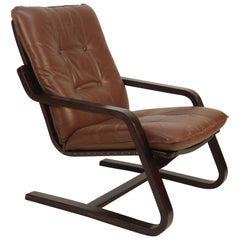
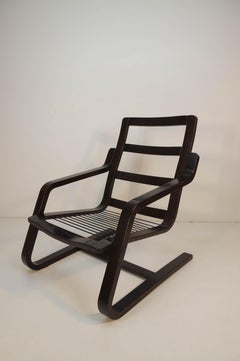
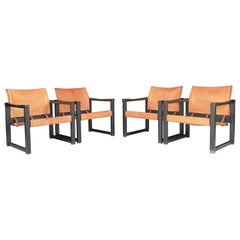
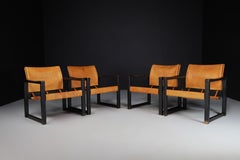
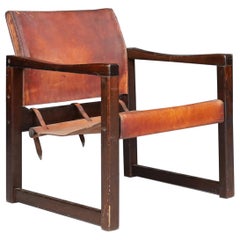
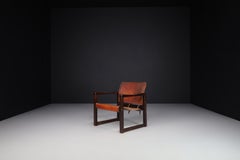
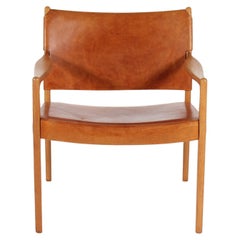
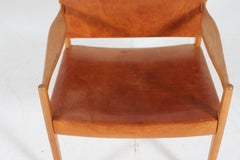
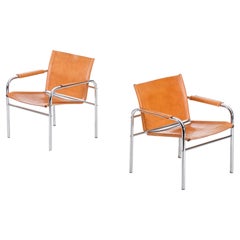
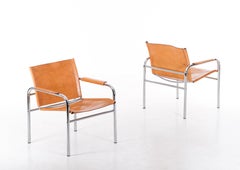
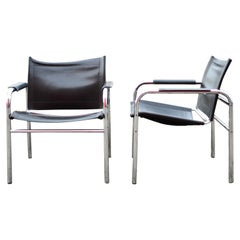
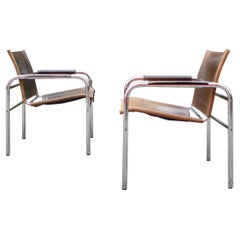
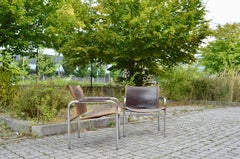
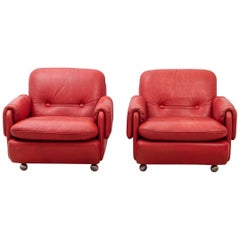
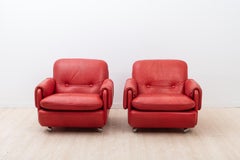
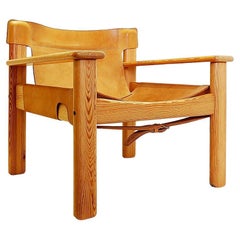
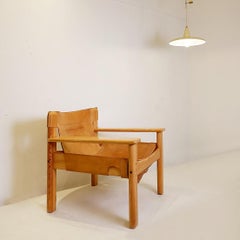
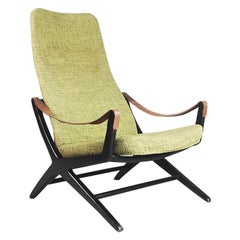
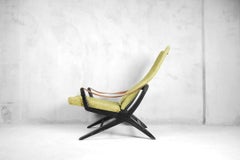
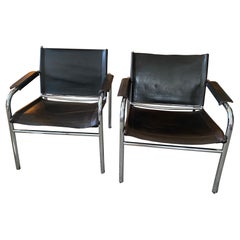
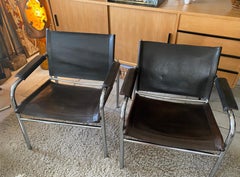
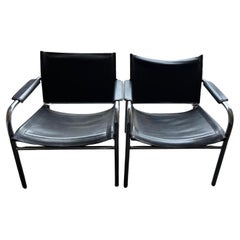
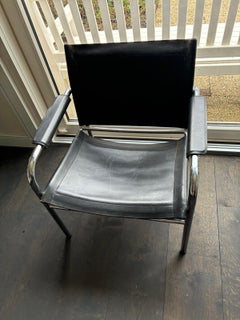
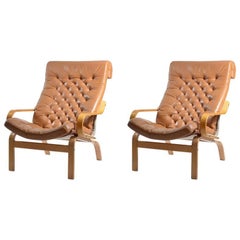
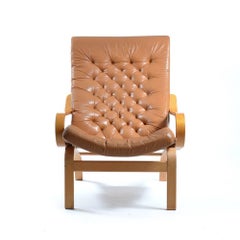
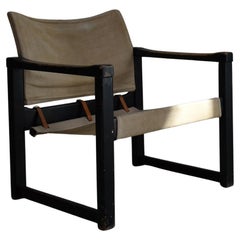
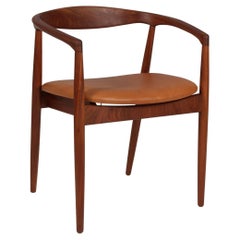
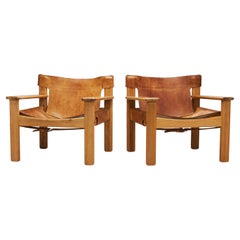
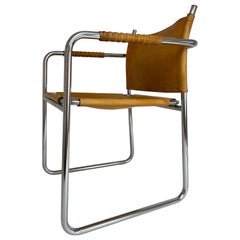
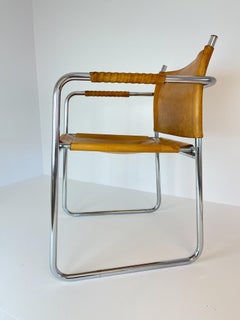
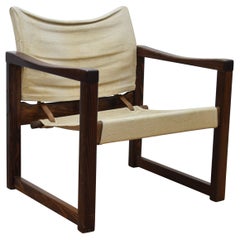
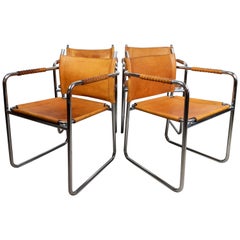
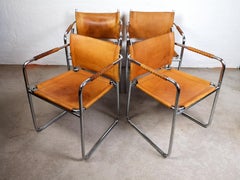
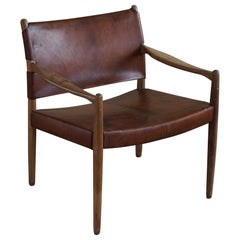
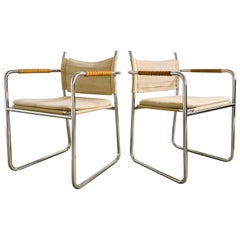
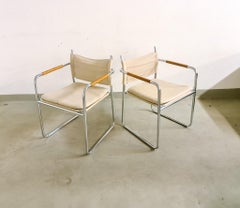
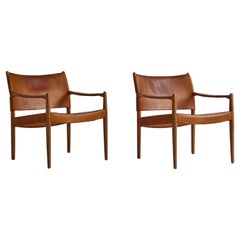
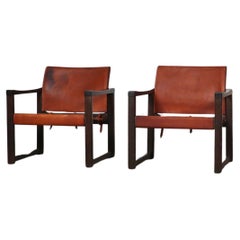
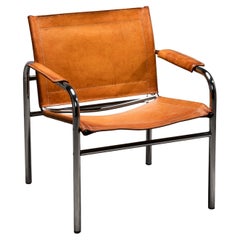
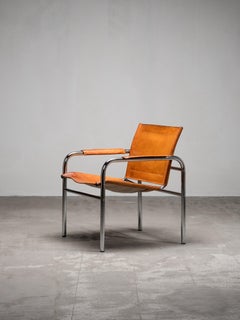
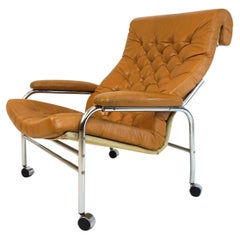
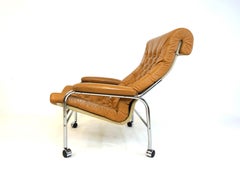
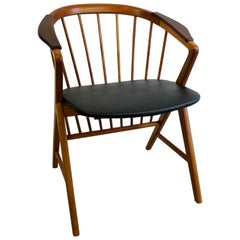
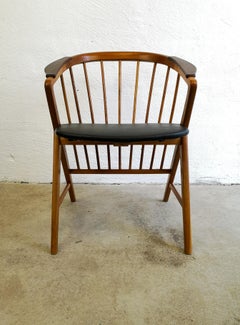
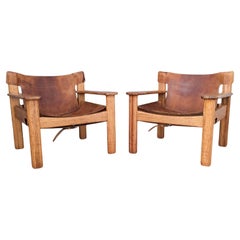
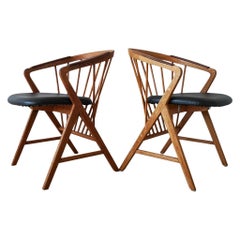
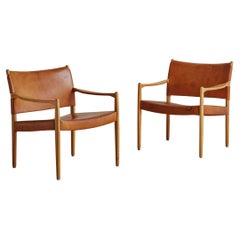
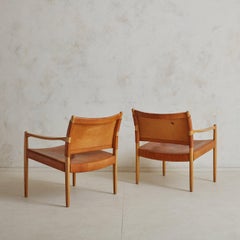
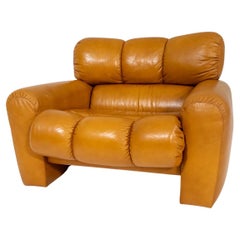
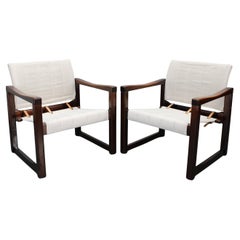
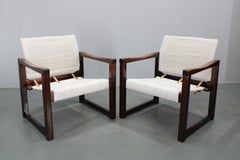
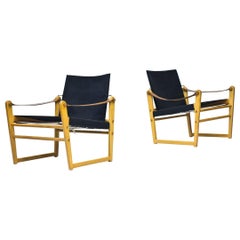
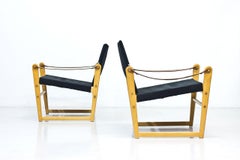
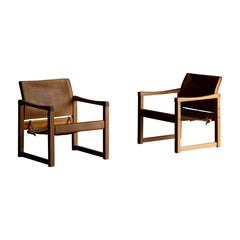
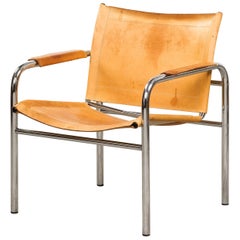
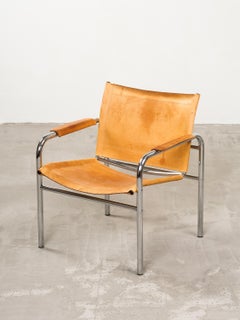
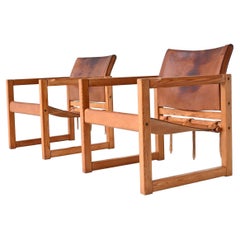
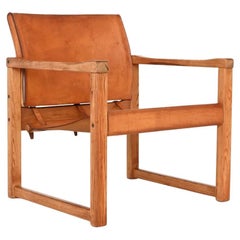
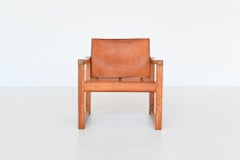
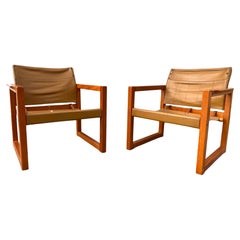
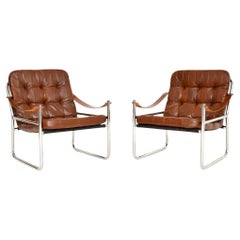
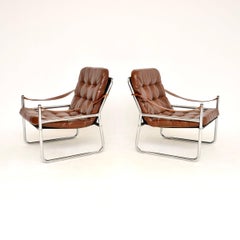
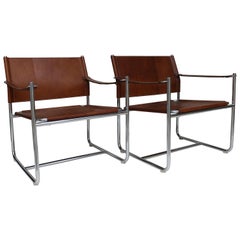
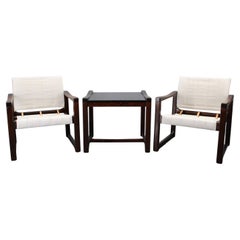
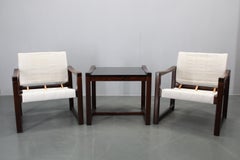
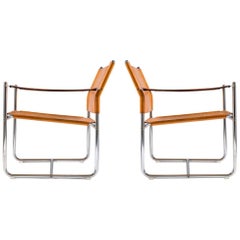
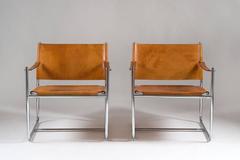
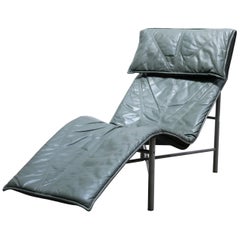
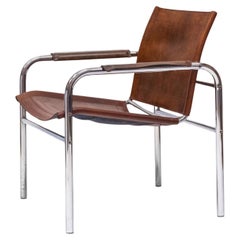
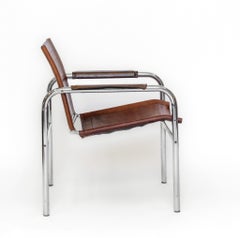
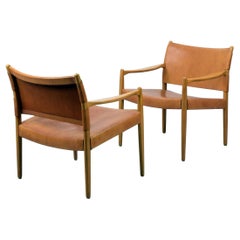
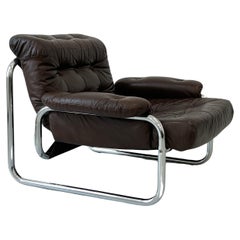
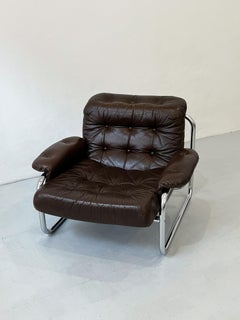
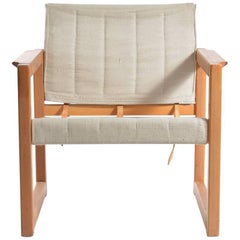
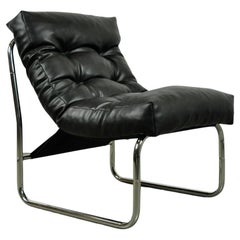
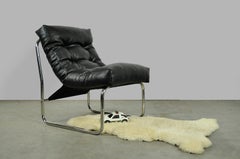
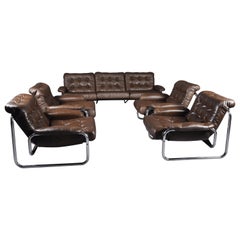
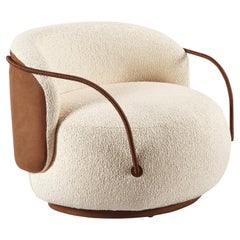
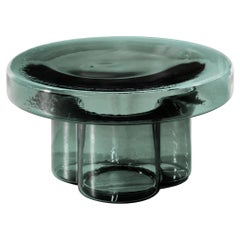
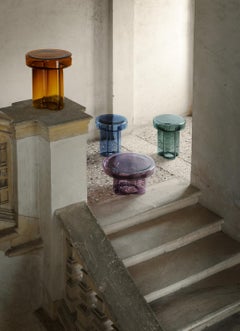
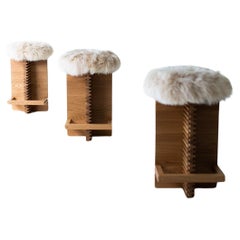
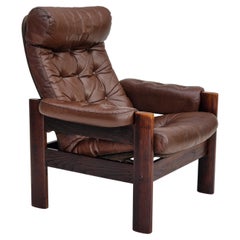
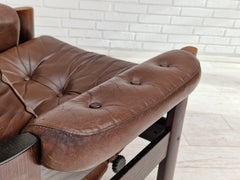
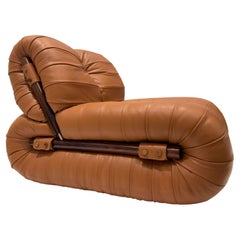
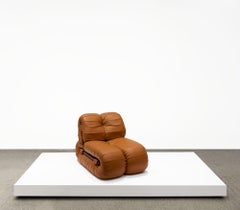
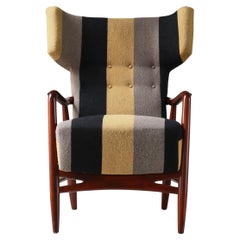
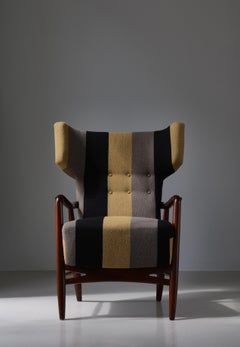
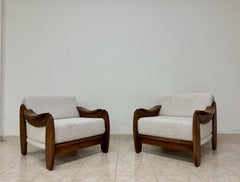
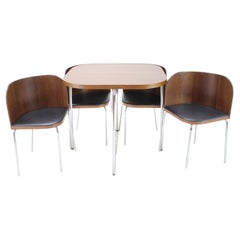
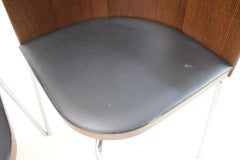
With a vast inventory of beautiful furniture at 1stDibs, we’ve got just the ikea leather armchair you’re looking for. Each ikea leather armchair for sale was constructed with extraordinary care, often using
animal skin,
leather and
wood. Whether you’re looking for an older or newer ikea leather armchair, there are earlier versions available from the 20th Century and newer variations made as recently as the 20th Century. When you’re browsing for the right ikea leather armchair, those designed in
Scandinavian Modern and
Mid-Century Modern styles are of considerable interest. A well-made ikea leather armchair has long been a part of the offerings for many furniture designers and manufacturers, but those produced by
Ikea,
Karin Mobring and
Bengt Ruda are consistently popular.
A ikea leather armchair can differ in price owing to various characteristics — the average selling price 1stDibs is $3,373, while the lowest priced sells for $552 and the highest can go for as much as $7,113.
IKEA is the world's largest furniture retailer, but its origins were far humbler than its global footprint suggests. Founded in 1943 by 17-year-old Ingvar Kamprad in the Swedish village of Älmhult, the company began as a mail-order business selling pens, wallets and picture frames. It wasn't until 1948 that the IKEA catalog started featuring furniture, altering the course of modern domestic design.
IKEA is rooted in democratic design, or the belief that well-made, beautiful objects should be accessible to everyone. This philosophy took shape in the 1950s when IKEA began working with independent designers to develop its own furniture lines. The pivotal innovation came in 1956, when IKEA introduced flat-pack furniture, a practical solution born out of necessity when designer Gillis Lundgren removed a table's legs to fit it into a car. This single insight reshaped how the world thinks about manufacturing, shipping and the relationship between consumer and object.
The 1970s and 1980s are now widely considered the golden age of IKEA design, a period when the company regularly collaborated with outside designers before transitioning to entirely in-house production. These decades produced some of the brand's most collectible pieces, and vintage examples are today actively sought after by collectors worldwide. Karen Mobring's safari-influenced seating — including the Diana, Natura and Amiral chairs — captures the organic, relaxed spirit of the era, while Noboru Nakamura's Bore chair and Lundgren's Pixi lounge chair round out the most coveted 1970s offerings. The 1980s brought a sharper, more industrial sensibility through Niels Gammelgaard's work in wire and tubular steel, among them the Enetri shelf, the wire Jarpen chairs and the foldable Ted chair, as well as Tord Björklund's Skye chaise and Klinte armchair.
Beyond these core collaborators, IKEA has worked with some of the most significant names in 20th-century design. Kai Kristiansen, Ettore Sottsass, Verner Panton and Mats Theselius all produced pieces for the brand, and rare examples of their IKEA work are among the most prized finds for collectors today. More recently, collaborations with designers such as Ilse Crawford, Tom Dixon and Hella Jongerius through its IKEA PS (“post scriptum”) collections have continued to push the brand into more expressive territory.
IKEA has also shaped retail culture itself. Its sprawling, maze-like store format — introduced in Älmhult in 1958 — transformed shopping into an experience, complete with room vignettes, a Swedish café and a one-way path designed to inspire. The brand has since expanded to more than 60 countries, while its annual catalog, once one of the most widely distributed publications in the world, became a cultural artifact in its own right.
IKEA continues to balance its founding tension: mass production in the service of good design. As Kamprad once put it, "to design a desk which may cost $1,000 is easy for a furniture designer, but to design a functional and good desk which shall cost $50 can only be done by the very best."
Find a range of vintage and collectible IKEA chairs, shelving and furniture on 1stDibs.
Armchairs have run the gamut from prestige to ease and everything in between, and everyone has an antique or vintage armchair that they love.
Long before industrial mass production democratized seating, armchairs conveyed status and power.
In ancient Egypt, the commoners took stools, while in early Greece, ceremonial chairs of carved marble were designated for nobility. But the high-backed early thrones of yore, elevated and ornate, were merely grandiose iterations of today’s armchairs.
Modern-day armchairs, built with functionality and comfort in mind, are now central to tasks throughout your home. Formal dining armchairs support your guests at a table for a cheery feast, a good drafting chair with a deep seat is parked in front of an easel where you create art and, elsewhere, an ergonomic wonder of sorts positions you at the desk for your 9 to 5.
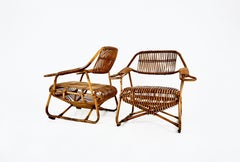
When placed under just the right lamp where you can lounge comfortably, both elbows resting on the padded supports on each side of you, an upholstered armchair — or a rattan armchair for your light-suffused sunroom — can be the sanctuary where you’ll read for hours.
If you’re in the mood for company, your velvet chesterfield armchair is a place to relax and be part of the conversation that swirls around you. Maybe the dialogue is about the beloved Papa Bear chair, a mid-century modern masterpiece from Danish carpenter and furniture maker Hans Wegner, and the wingback’s strong association with the concept of cozying up by the fireplace, which we can trace back to its origins in 1600s-era England, when the seat’s distinctive arm protrusions protected the sitter from the heat of the period’s large fireplaces.
If the fireside armchair chat involves spirited comparisons, your companions will likely probe the merits of antique and vintage armchairs such as Queen Anne armchairs, Victorian armchairs or even Louis XVI armchairs, as well as the pros and cons of restoration versus conservation.
Everyone seems to have a favorite armchair and most people will be all too willing to talk about their beloved design. Whether that’s the unique Favela chair by Brazilian sibling furniture designers Fernando and Humberto Campana, who repurposed everyday objects to provocative effect; or Marcel Breuer’s futuristic tubular metal Wassily lounge chair; the functionality-first LC series from Charlotte Perriand, Le Corbusier and Pierre Jeanneret; or the Eames lounge chair of the mid-1950s created by Charles and Ray Eames, there is an iconic armchair for everyone and every purpose. Find yours on 1stDibs right now.