Statues Java

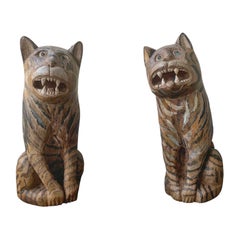
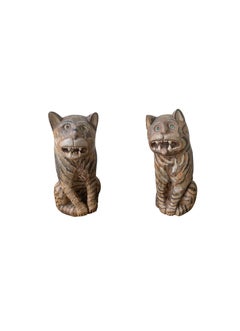
Pair of Vintage Hand-Crafted Tiger Sculpture / Statue from Java, Indonesia

Pair of Vintage Hand-Crafted Tiger Sculpture / Statue from Java, Indonesia

Located in Jimbaran, Bali

A wonderful pair of hand-crafted tiger statues from the island of Java. With a mixture of hand-painted and hand-carved detailing.

Category

Mid-20th Century Indonesian Other Animal Sculptures

Materials

Wood, Paint

People Also Browsed

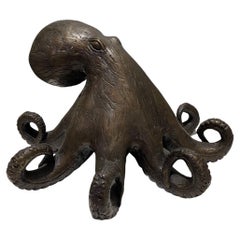
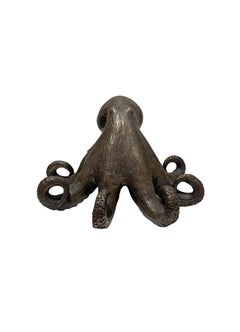
Cast Bronze Octopus Sculpture — Dark Patina Marine Form with Expressive Tentacle

Cast Bronze Octopus Sculpture — Dark Patina Marine Form with Expressive Tentacle

$960Sale Price / item|20% Off

H 8.67 in W 13.39 in D 13.39 in

Cast Bronze Octopus Sculpture — Dark Patina Marine Form with Expressive Tentacle

Located in Jimbaran, Bali

A striking cast bronze octopus sculpture, distinguished by its deep, richly aged patina and bold, expressive form. The piece captures the quiet intelligence and fluid movement of the...

Category

21st Century and Contemporary Indonesian Modern Animal Sculptures

Materials

Bronze

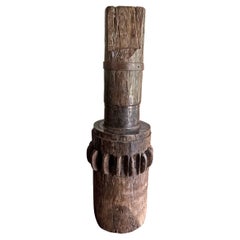
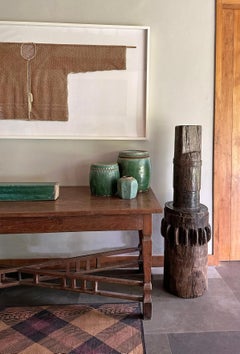
Solid Teak Sugar Cane Mill Crusher / Grinder from Java, Indonesia, c. 1900

Solid Teak Sugar Cane Mill Crusher / Grinder from Java, Indonesia, c. 1900

Located in Jimbaran, Bali

This solid crusher from Java, Indonesia was part of a larger sugar cane press extracting the sugar rich juices from harvested sugar cane. Hand-crafted from teak It has beautiful wood...

Category

Antique Early 1900s Indonesian Other Abstract Sculptures

Materials

Wood, Teak

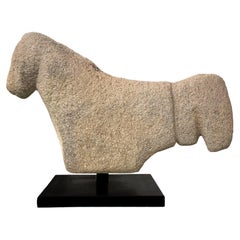
Megalithic Stone Chicken Statue from Sumba Island, Indonesia, c. 1500

Megalithic Stone Chicken Statue from Sumba Island, Indonesia, c. 1500

Located in Jimbaran, Bali

Sumba Island has maintained a megalithic tradition from the Neolithic times to the present day and is one of the few remaining truly megalithic cultures. Sumba Island Nobility and th...

Category

Antique 15th Century and Earlier Indonesian Other Sculptures and Carvings

Materials

Stone

Get Updated with New Arrivals
Save "Statues Java", and we’ll notify you when there are new listings in this category.

Statues Java For Sale on 1stDibs

At 1stDibs, there are many versions of the ideal statues java for your home. A statues java — often made from stone, lava and paint — can elevate any home. There are many kinds of the statues java you’re looking for, from those produced as long ago as the 18th Century to those made as recently as the 20th Century. A statues java, designed in the folk art style, is generally a popular piece of furniture. You’ll likely find more than one statues java that is appealing in its simplicity, but Herve Baille produced versions that are worth a look.

How Much is a Statues Java?

The average selling price for a statues java at 1stDibs is $2,365, while they’re typically $279 on the low end and $31,763 for the highest priced.

Finding the Right Sculptures-carvings for You

Asian sculptors have worked in materials including wood, bronze and jade. Artists and artisans have used traditional techniques to depict deities, scenes from culture and more, and today, antique Asian sculptures and carvings are a popular choice for provocative and sophisticated home decor.

In China, the Qing dynasty, from the mid-17th century to the early 20th century, brought about significant changes in art while preserving traditional culture. Many emperors during this period were patrons of the arts, such as painting, calligraphy and decorative arts. This era saw the building of new Buddhist temples, which were decorated with statues. Some of these sculptures were adorned with colorful cloisonné decoration, in which tiny compartments, or cloisons, made by soldering copper filaments to a metal surface were filled with vibrantly hued enamel.

From the 17th to mid-19th century in Japan, kimonos were worn across classes and often fastened with a netsuke, a type of small carved toggle. Artists carved these from ivory, wood, shells and coral, creating animals, flowers and mythical creatures. During the Japanese Meiji period, spanning from 1868–1912, the country began trading internationally after centuries of isolation, allowing artists to sell their work overseas. Bronze sculpture flourished around this time for creating teapots, vases and incense burners.

Asian sculpture continued to evolve in the 20th century. During the Japanese Shōwa era, from 1926–89, art was influenced by international modernist movements like abstraction, Futurism and Surrealism. Contemporary Asian sculptures and carvings continue to combine global influences and a rich heritage of technique.

Decorating a space with Asian sculptures and carvings is a great way to add interest to any corner of your home. Explore by material, period or style on 1stDibs.