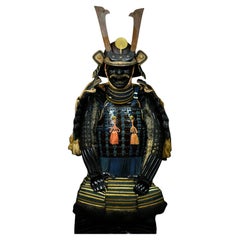
1 of 5

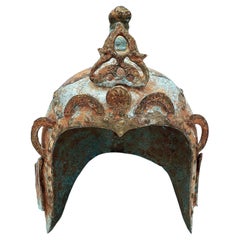
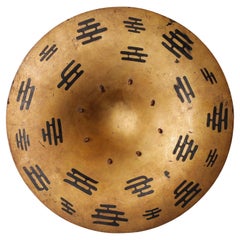
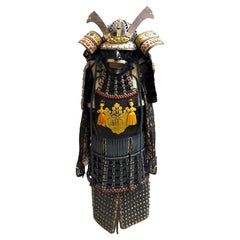
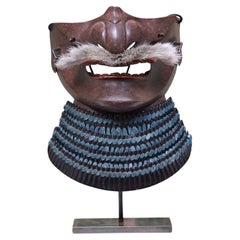
Eboshi-Nari Kabuto, Samurai Helmet in the Shape of a Court Cap

$11,879.33List Price

You May Also Like

A Momonari-type samurai Kabuto with menpō mask

A Momonari-type samurai Kabuto with menpō mask

$16,987

H 23.23 in W 14.97 in D 14.18 in

A Momonari-type samurai Kabuto with menpō mask

Located in Milano, IT

A Kabuto Momonari-type samurai helmet, so named because of its characteristic shape resembling a peach, made of natural iron. The visor (mabizashi) is embellished with raised eyebr...

Category

Antique Late 18th Century Japanese Metalwork

Materials

Iron

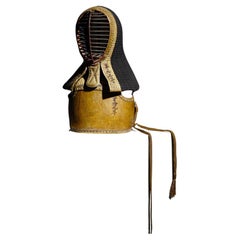
A Kendo Mask & Bust Protection Japan 1930s

A Kendo Mask & Bust Protection Japan 1930s

$2,910

H 21.66 in W 12.6 in D 7.88 in

A Kendo Mask & Bust Protection Japan 1930s

Located in HYÈRES, FR

A Kendo mask and bust protection. Japan 1930s. Very good patina. In original good condition

Category

Vintage 1930s Japanese Masks

Materials

Leather, Fabric, Rope, Wood

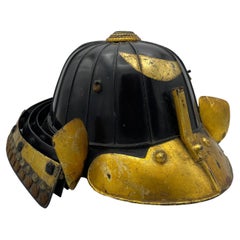
Japanese Antique Combat Helmet 'Kabuto' 1800s Edo Era

Japanese Antique Combat Helmet 'Kabuto' 1800s Edo Era

Located in Paris, FR

This is an antique combat helmet made around 1800s in Edo era in Japan. Kabuto is a type of helmet first used by ancient Japanese warriors which, in later periods, became an important part of the traditional Japanese armour...

Category

Antique Early 19th Century Japanese Antiquities

Materials

Iron

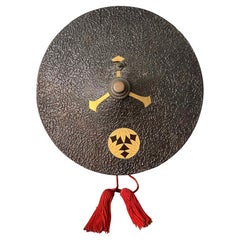
Japanese Lacquered Samurai Jingasa Hat Edo Period

Japanese Lacquered Samurai Jingasa Hat Edo Period

Located in Atlanta, GA

A bespoken Japanese historical hat known as Jinggasa (militant hat) that was worn by samurai in Edo period (1603-1868) circa 18-19th century. There were several subtypes of Jingasa a...

Category

Antique 19th Century Japanese Japonisme Lacquer

Materials

Wood, Lacquer

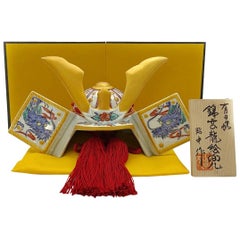
Japanese Contemporary Gilded Porcelain Kabuto Helmet

Japanese Contemporary Gilded Porcelain Kabuto Helmet

Located in Takarazuka, JP

Unique Japanese contemporary decorative porcelain "kabuto" or helmet, hand painted in gold, red and blue colors. Kabuto dates back to 6th century. I...

Category

21st Century and Contemporary Japanese Edo Figurative Sculptures

Materials

Gold

South Eastern Japanese Mixed-Metal Helmet, Ca. 18th Century

South Eastern Japanese Mixed-Metal Helmet, Ca. 18th Century

Located in New York, NY

South Eastern Japanese Mixed-Metal Helmet, Ca. 18th Century DIMENSIONS Height: 10.5 inches Width: 7.5 inches Depth: 6 inches

Category

Antique 1770s Japanese Japonisme Metalwork

Materials

Metal

Unusual Samurai Jingasa Hat with Gilded Crests and Gilded Interior

Unusual Samurai Jingasa Hat with Gilded Crests and Gilded Interior

Located in Fukuoka, JP

An uncommon Edo-period samurai jingasa, distinguished by its applied gilded crest decorations and rare gilded interior finish. Jingasa of this type were worn by samurai and retainers...

Category

Antique 18th Century Japanese Edo Antiquities

Materials

Wood, Lacquer

Showa-Period Japanese Samurai Armor (Yoroi), with Paulownia Crest, Post-WWII

Showa-Period Japanese Samurai Armor (Yoroi), with Paulownia Crest, Post-WWII

Located in West Palm Beach, FL

Showa-Period Japanese Samurai Armor with Paulownia Crest, Post-WWII Diplomatic Gift A complete suit of Japanese samurai armor (yoroi), crafted in the Showa period (post-World War II...

Category

Mid-20th Century Japanese Showa Arms, Armor and Weapons

Materials

Metal, Brass

A Samurai Menpō (Face Mask) Japan, Edo Period, Early 18th Century

A Samurai Menpō (Face Mask) Japan, Edo Period, Early 18th Century

Located in London, GB

A Samurai Menpō (Face Mask) Japan, Edo Period, Early 18th Century A samurai face mask, retaining its original red lacquer finish, white boar’s hair moustache and silk lacing. Produc...

Category

Antique Early 18th Century Japanese Edo Masks

Materials

Iron

Rare Antique Original high Ranking Edo period Samurai armor Yoroi Japan Daimyō

Rare Antique Original high Ranking Edo period Samurai armor Yoroi Japan Daimyō

Located in Ijzendijke, NL

This complete Edo-period samurai armor is an exceptional example of the refined martial elegance and ceremonial grandeur associated with Japan’s warrior aristocracy. Every component reflects a precise harmony of functionality, symbolism, and prestige. At the heart of the set is a superb suji-bachi kabuto, constructed from multiple riveted iron plates arranged with flawless symmetry and enriched by a beautifully aged patina. It is crowned with a gilt tehen no kanamono, and the imposing maedate presents a pair of antler-like blades framing a gilded sun disc an emblem of celestial authority and divine lineage. The Fukigaeshi feature extraordinary gilt dragon ornaments, carved in high relief. Dragons, ancient symbols of protection and power, were reserved for armor of the highest rank, strongly indicating that this set belonged to a Daimyō or high-ranking retainer. The menpō, lacquered in deep black, includes a natural-hair moustache and an articulated jaw (resseibō), lending the face a vivid sense of character. Below it, the shikoro is composed of finely lacquered blue-and-gold plates, meticulously laced with silk. The okegawa ni-mai dō cuirass is finished in a dark brown lacquer and laced in deep indigo silk, complemented by elegant orange ceremonial tassels a hallmark of formal presentation armor. The sode (shoulder guards) retain their rare bear-fur trimming, an expensive and status-laden material symbolizing courage and noble rank. Completing the ensemble are beautifully made kote, haidate, and suneate, each executed with rich fabrics and refined lacquer work. A butterfly mon (chō-mon) appears on the leg guards an elegant symbol of transformation, adding a poetic contrast to the armor’s martial presence. The extensive use of gilding, the rare bear-fur details, and the prominent dragon motifs confirm this as a piece created for the highest echelons of samurai society. It is a masterpiece where ceremonial artistry, symbolism, and authority converge. Artistic and Historical Significance This armor epitomizes the Edo-period ideal, when arms and armor transcended their battlefield origins and became expressions of identity, dignity, and cultural refinement. The interplay of dark lacquer, golden ornamentation, and natural materials embodies the spirit of bushidō discipline, inner strength, and beauty through restraint. Whether displayed in a private collection, gallery, office, or interior setting, this armor commands attention. Its presence transforms any space, making it a truly museum-worthy centerpiece for collectors of Japanese, military, or historical art. The set includes its traditional stand and storage box. As with all antique armor...

Category

Antique 17th Century Japanese Japonisme Antiquities

Materials

Metal