Video Loading
Want more images or videos?
Request additional images or videos from the seller
1 of 17

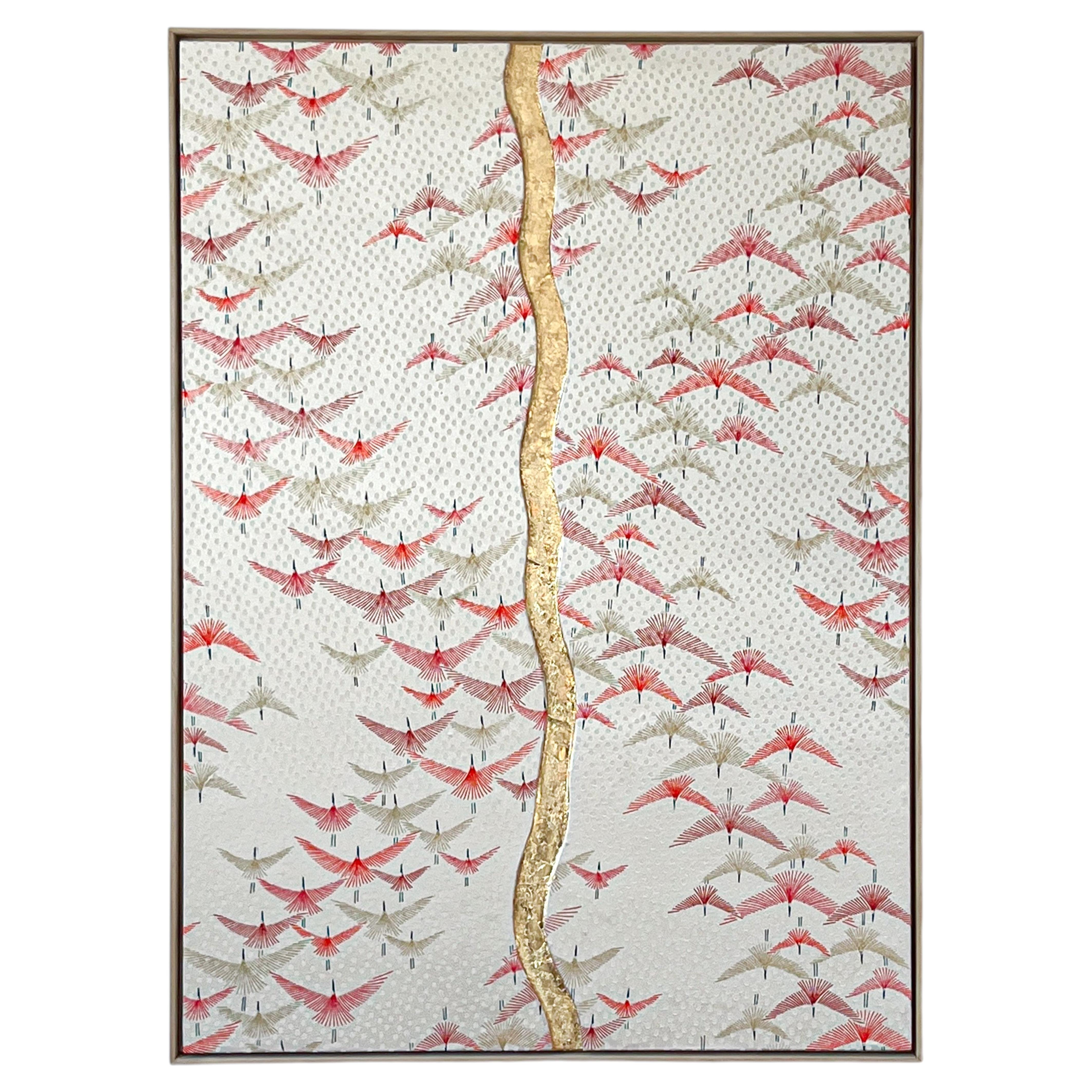
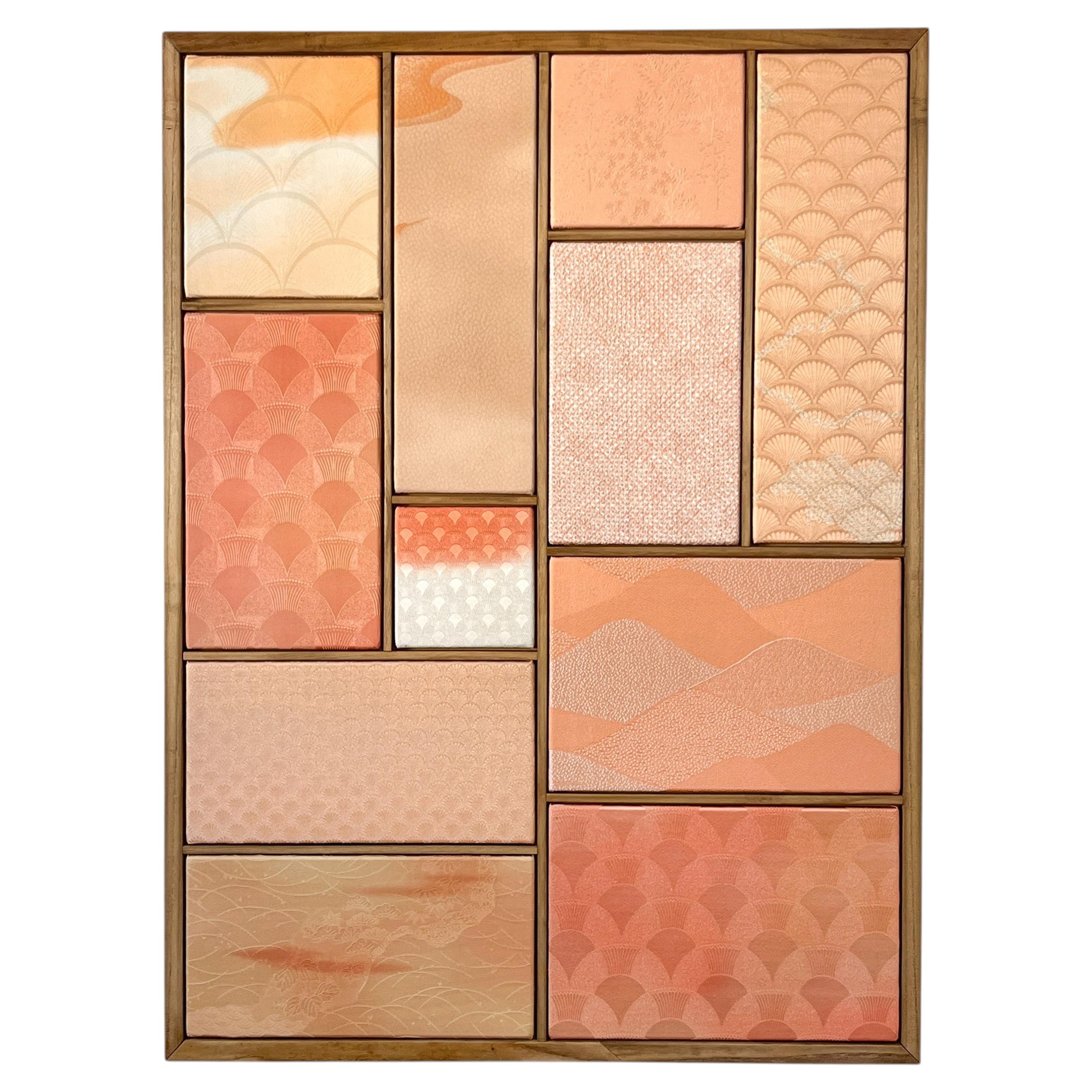
Vintage obi textile art "Under the Sun ~ Serendipity ~" by ikasu Red Beige Japan

$2,600
£1,961.97
€2,283.26
CA$3,670.50
A$3,683.33
CHF 2,148.17
MX$44,784.85
NOK 24,684.55
SEK 25,386.80
DKK 17,068.54

About the Item

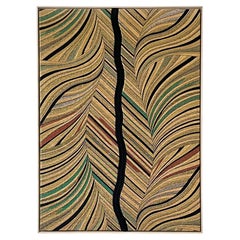
Certified Kimono Meister work / Certificate of Authenticity included. One-of-a-kind Japanese textile art made from vintage obi fabrics. Sustainable artwork for modern interiors, collectors, boutique hotels, and lovers of Japanese aesthetics. [Size] 73cm x 53cm x 5cm [Materials] silk (outside-layer) , wooden frame (under-layer), bark (pine, oak, sawtooth oak, etc.) [Story behind the work] This artwork creatively uses tree bark to evoke the imagery of woods and mountains during both the morning and nighttime on left and right. It is elegantly framed with paulownia wood, a tree closely connected to kimono culture, and is filled with storytelling and sense of luxury. By incorporating both the front and back sides of the same obi fabric woven in different colors, the play of light and shadow on the mountains is depicted through the contrasting appearances of these surfaces. The intention behind this piece is to convey the exquisite beauty of Japanese mountains and the lush forests that inhabit them. To achieve this, traditional elements of Japanese culture, such as obi textiles and craftsmanship involving wood, were used. The outer and inner linings of the same obi, no longer suitable for clothing, along with bark material that would normally be discarded, have been repurposed to create this exceptional upcycle artwork. The fusion of Japanese natural materials – silk, paulownia wood, and pine bark for the central decoration – along with the so-called "Tozan" pattern, a unique Japanese natural design showing mountains from far-away point, captures the magnificent beauty of Japanese nature from various perspectives. The central bark decoration stands out as a distinctive feature of this work. Pine, oak, and other tree barks are interwoven among the mountains woven into the obi, creating a tangible and authentic natural atmosphere. [Period / Story] The obi used in this piece was originally crafted during the late Showa period (1960-80ies). [Explanation and meaning of pattern and colors] This upcycle artwork uses an obi with a tozan pattern woven in two colors. The design is inspired by a distant mountain range, a motif that has been used in paintings and crafts since ancient times. However, in this particular design, the mountains are depicted not as distant peaks but as graceful semicircles giving it a mild atmosphere. [Characteristics of the fabric] This upcycled Fukuro-obi (two-side oni) showcases a festive color pattern of mountains intricately woven with gold threads against a beige front and red on the back. The way this obi interacts with light allows it to shift in expression, much like a mountain revealing different facets over time. It can transform from deep shades of color to the appearance of gold shimmering against bright hues, depending on the lighting and viewing angle. [About the frame] Kiritansu - chest-of-drawers for kimono, is traditionally made from paulownia wood, a uniquely Japanese material closely tied to the world of kimonos. Paulownia wood is known as the lightest wood in Japan, prased for its natural luster, resistance to moisture, and resilience against cracking. Since ancient times, it has been used in crafting furniture, chests, and musical instruments. During the Edo period, it became customary to store cherished kimonos in paulownia chests, which offered fire resistance and protection from moisture and insects. Traditionally, when a daughter was born, a paulownia tree would be planted. Upon her marriage, the tree would be cut down, and the wood would be used to craft a chest for her as a wedding gift. Following the Ansei Earthquake during the late Edo period in 1855, paulownia chests gained popularity due to their ability to withstand fires and even float in water, thereby safeguarding their contents during floods. I use antique kiritansu that can’t be used as furniture anymore to create basis and frames for my works. It adds them even more authentic atmosphere of traditional wabisabi spirit. Can you feel it? [Precaution] All the works are made from real kimonos, antiques and vintages. For this reason, the fabric may have traces of long-term use and minor fabric damages.
  • Creator:
    Lena Okamoto (Artist),Kimono ikasu (Artist)
  • Dimensions:
    Height: 28.75 in (73 cm)Width: 20.87 in (53 cm)Depth: 1.97 in (5 cm)
  • Style:
    Arts and Crafts (In the Style Of)
  • Materials and Techniques:
    Composite,Fabric,Gold Leaf,Reclaimed Wood,Silk,Silver Leaf,String,Textile,Thread,Wood,Yarn,Embroidered,Gilt,Hand-Crafted,Hand-Painted,Hand-Woven,Needlework,Other,Patchwork,Woodwork,Woven
  • Place of Origin:
  • Period:
  • Date of Manufacture:
    2024
  • Condition:
    All the works are made from real kimonos, antiques and vintages. For this reason, the fabric may have traces of long-term use and minor fabric damages. In case there are any scratches or stains, we always add a photo of the area on the item page.
  • Seller Location:
    Setagaya City, JP
  • Reference Number:
    1stDibs: LU10079242906542

More From This Seller

View All
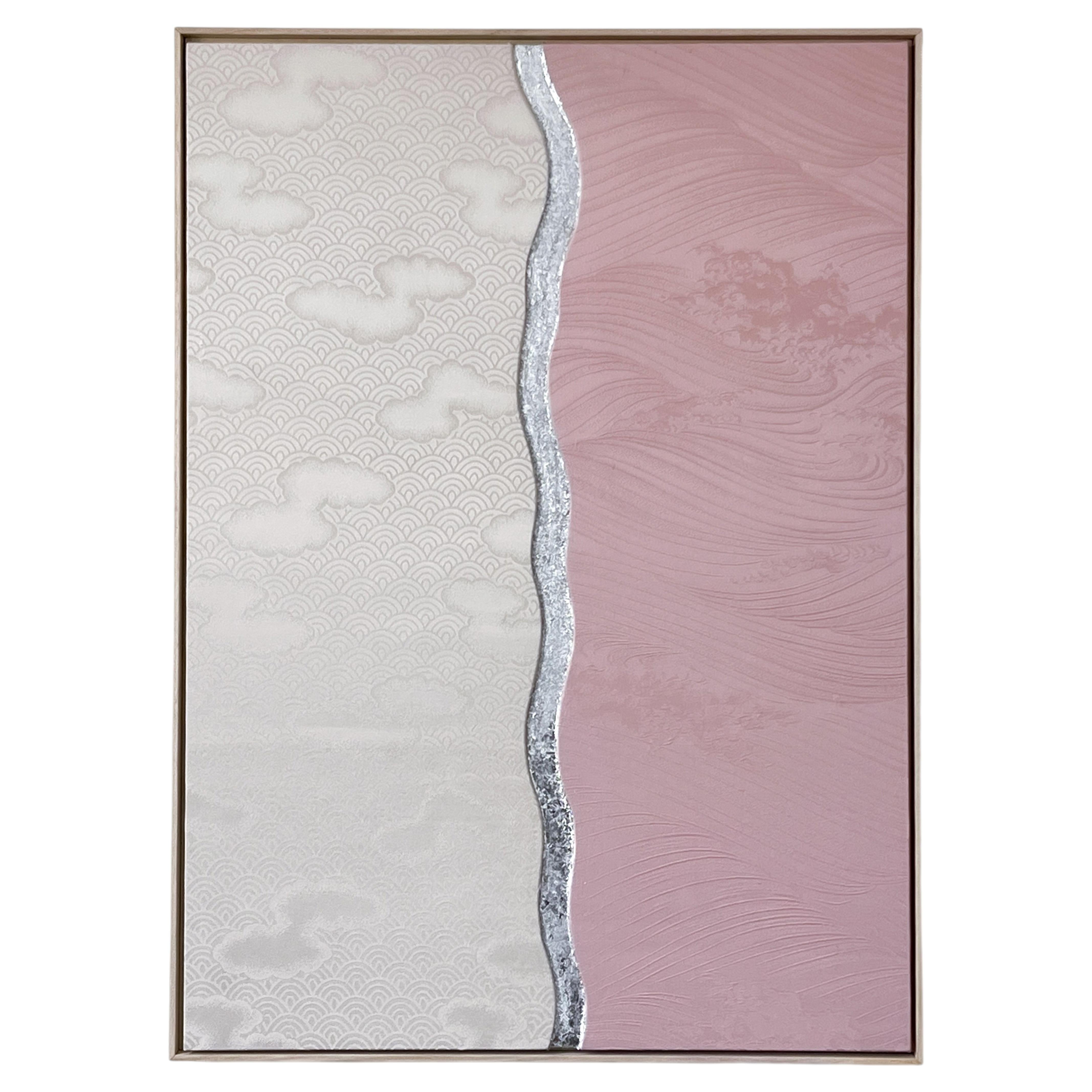
Vintage kimono textile art " Sunset Timelapse ~ Ephemerality ~" ikasu Red Japan

Vintage kimono textile art " Sunset Timelapse ~ Ephemerality ~" ikasu Red Japan

By Kimono ikasu, Lena Okamoto

Located in Setagaya City, JP

Certified Kimono Meister work / Certificate of Authenticity included. One-of-a-kind Japanese textile art made from vintage obi fabrics. Sustainable artwork for modern interiors, collectors, boutique hotels, and lovers of Japanese aesthetics. [Story behind the work] The art piece uses two sides - front and reverse - of the same kimono, to show beautiful sea surrounding Japan, in hues and in late sunset, as a timelapse. The frame for this work is made of paulownia wood taken from antique Kiritansu - chest-of-drawers for kimono. I use antique kiritansu that can’t be used as furniture anymore to create basis and frames for my works. It adds them even more authentic atmosphere of traditional wabisabi spirit. Can you feel it? [Period / Story] The kimono used in this piece was originally crafted during the late Showa period (1960-80ies). [Explanation and meaning of pattern and colors] Sea waves, depicted in two color variations here, are a symbol of transience and Impermanence in Japanese culture. The ebb and flow of the tides, the ever-changing currents, and the relentless motion of the waves serve as reminders of the fleeting nature of life. This artwork featuring the sea convey themes of impermanence, reminding viewers to cherish the present moment and appreciate the beauty of life's fleeting moments. The theme of impermanence is strengthen by two colors of the sea - the lighter in early hues and the darker when the sun is just about to set in the sea. [About the frame] This artwork frame is crafted from paulownia wood, a uniquely Japanese material closely tied to the world of kimonos, and it serves to convey the refined beauty of Japanese nature. Paulownia wood is known as the lightest wood in Japan, prased for its natural luster, resistance to moisture, and resilience against cracking. Since ancient times, it has been used in crafting furniture, chests, and musical instruments. Paulownia wood is closely linked to kimono culture. During the Edo period (17th cent.~), it became customary to store cherished kimonos in paulownia chests...

Category

Vintage 1960s Japanese Japonisme Paintings

Materials

Gold Leaf, Silver Leaf

Vintage Obi textile art " From the Ashes ~ Serendipity ~" by ikasu Beige Japan

Vintage Obi textile art " From the Ashes ~ Serendipity ~" by ikasu Beige Japan

By Lena Okamoto, Kimono ikasu

Located in Setagaya City, JP

Certified Kimono Meister work / Certificate of Authenticity included. One-of-a-kind Japanese textile art made from vintage kimono fabrics. Sustainable artwork for modern interiors, ...

Category

Vintage 1910s Japanese Japonisme Decorative Art

Materials

Canvas, Silk, Fabric, Textile, String, Thread, Yarn

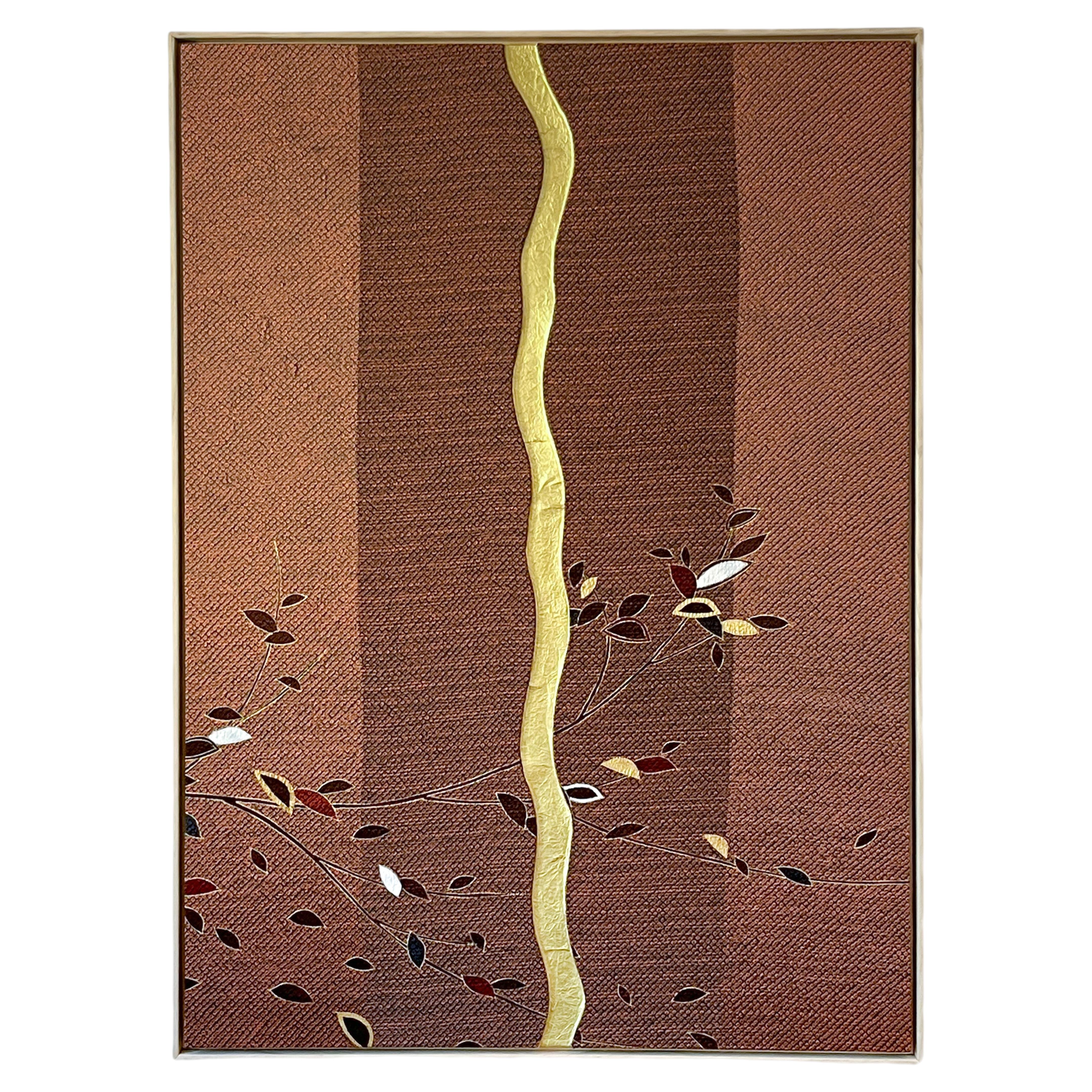
Vintage kimono textile art " Autumn branches ~ Kintsugi ~" by ikasu Brown Japan

Vintage kimono textile art " Autumn branches ~ Kintsugi ~" by ikasu Brown Japan

By Lena Okamoto, Kimono ikasu

Located in Setagaya City, JP

Certified Kimono Meister work / Certificate of Authenticity included. One-of-a-kind Japanese textile art made from vintage obi fabrics. Sustainable artwork for modern interiors, col...

Category

Vintage 1960s Japanese Japonisme Paintings and Screens

Materials

Silk, Wood, Paper, Fabric, Textile, String, Thread, Yarn, Reclaimed Wood...

Antique kimono textile art "Geometry ~Colors of Desert~ II" by ikasu Japan

Antique kimono textile art "Geometry ~Colors of Desert~ II" by ikasu Japan

By Kimono ikasu, Lena Okamoto

Located in Setagaya City, JP

Certified Kimono Meister work / Certificate of Authenticity included. One-of-a-kind Japanese textile art made from vintage kimono fabrics. Sustainable artwork for modern interiors, ...

Category

Mid-20th Century Japanese Japonisme Paintings

Materials

Fabric, Textile, Silk, String, Thread, Yarn, Wood

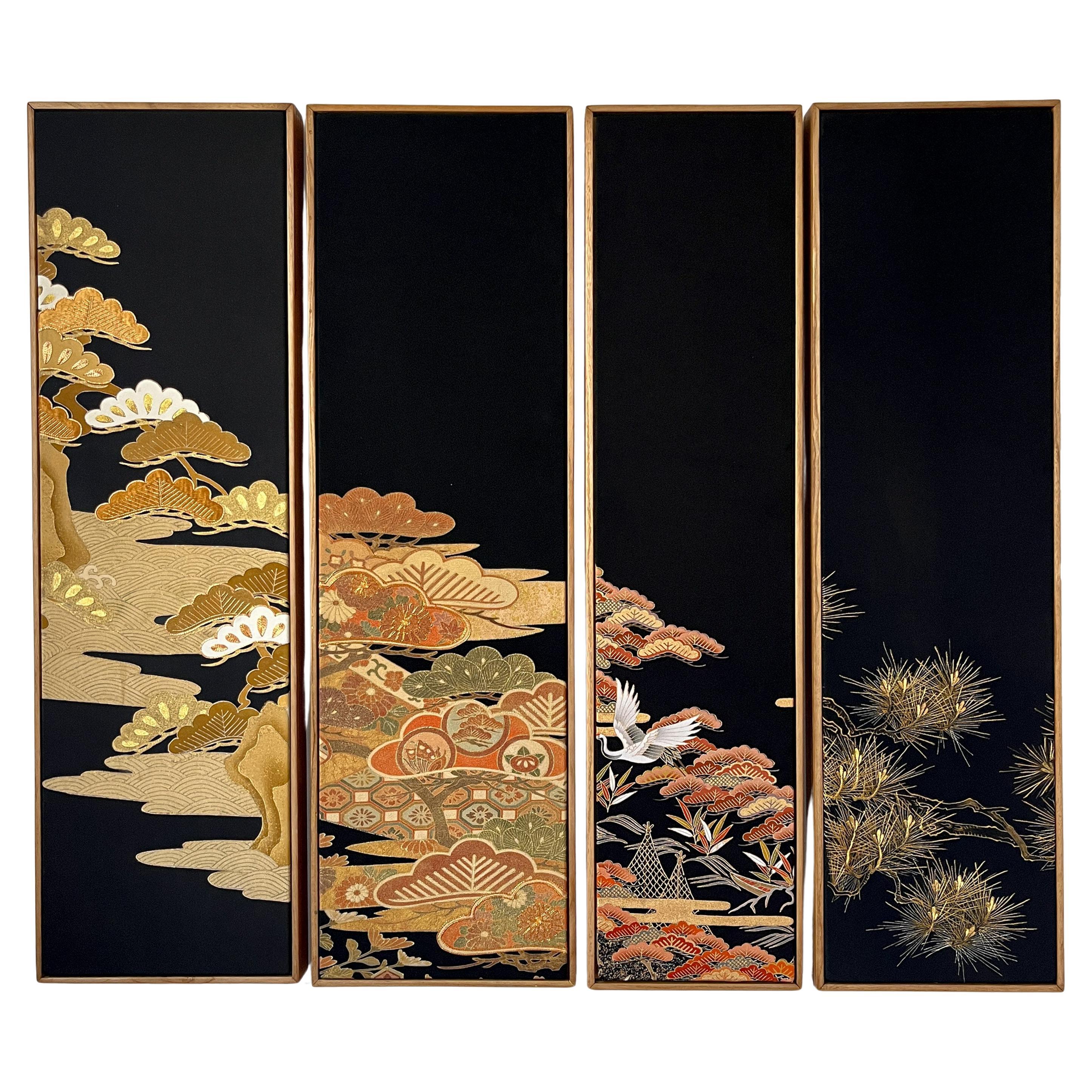
Vintage obi textile art " Broken Vase ~ kintsugi ~" by ikasu Black Gold Japan

Vintage obi textile art " Broken Vase ~ kintsugi ~" by ikasu Black Gold Japan

By Kimono ikasu, Lena Okamoto

Located in Setagaya City, JP

Certified Kimono Meister work / Certificate of Authenticity included. One-of-a-kind Japanese textile art made from vintage obi fabrics. Sustainable artwork for modern interiors, collectors, boutique hotels, and lovers of Japanese aesthetics. [Story behind the work] This work uses a vintage obi dated around 1980ies, with a feather motif, and arranges it so that it looks like a vase. Antique obi, just as it is a broken vase, is united back again with black obijime - a string used to tie up obi when it’s worn. Framed in kiritansu (antique chest) paulownia wood. It is elegantly framed with paulownia wood originally used for kimono chest-of-drawers, and is filled with storytelling and sense of luxury. I used pieces of kimono that could no longer be used as clothing and kiritansu chest-of-drawers that would normally be discarded to create the ultimate upcycled piece. [Explanation and meaning of pattern and colors] Feathers hold various meanings and symbolism in Japanese traditional culture, often reflecting themes of spirituality, symbolism, and folklore. Here are some of the meanings associated with feathers in Japanese tradition: ・Divine Protection: Feathers are often seen as symbols of divine protection and spiritual guidance. Feathers, especially those from birds, are considered to be imbued with the protective energy, offering spiritual guardianship and safeguarding against negative forces. ・Connection to the Spirit World: Feathers are sometimes associated with the spirit world and the realm of the divine. In folklore and mythology, feathers are depicted as messengers between the earthly realm and the celestial realms. ・Symbol of Beauty and Elegance: Feathers are admired for their natural beauty, grace, and elegance. In traditional Japanese arts such as Noh theater, Kabuki, and dance performances like Kagura, actors and performers often use feathered costumes or accessories to enhance their appearance and convey a sense of refinement and sophistication. ・Sign of Good Luck and Prosperity: In Japanese folklore, certain birds like cranes and pheasants are considered symbols of good fortune, longevity, and prosperity. Feathers from these birds are often depicted in art and craftwork as auspicious symbols believed to bring blessings and positive energy to the bearer. [About the frame] Kiritansu - chest-of-drawers for kimono, is traditionally made from paulownia wood, a uniquely Japanese material closely tied to the world of kimonos. Paulownia wood is known as the lightest wood in Japan, prased for its natural luster, resistance to moisture, and resilience against cracking. Since ancient times, it has been used in crafting furniture, chests, and musical instruments. During the Edo period, it became customary to store cherished kimonos in paulownia chests...

Category

Vintage 1980s Japanese Japonisme Paintings

Materials

String, Composite, Reclaimed Wood, Yarn, Thread, Textile, Fabric, Wood, ...

You May Also Like

Paravent japonais- A batik silk Japanese screen with Uji Kyoto by Minagawa Taizō

Paravent japonais- A batik silk Japanese screen with Uji Kyoto by Minagawa Taizō

Located in Brussels, BE

A two-fold some-e (batik) silk folding screen by Minagawa Taizō (1917-2005), with the landscape of a sunrise at Uji, Kyoto. Byodoin temple can be seen on the lower right hand side. ...

Category

Late 20th Century Japanese Showa Paintings and Screens

Materials

Silk, Wood

Japanese Two Panel Screen: Textile Landscape

Japanese Two Panel Screen: Textile Landscape

Located in Hudson, NY

"The Garden of Tenryu-ji Temple" Mineral pigments on fabric in a black lacquer trim with bronze mounts. signature and seal read: Minagawa Taizo. ...

Category

20th Century Japanese Paintings and Screens

Materials

Fabric, Lacquer

Handmade Vintage Japanese Wall Embroidery, Cotton Silk Metal, 1980s - 1C670

Handmade Vintage Japanese Wall Embroidery, Cotton Silk Metal, 1980s - 1C670

Located in Bordeaux, FR

Handmade vintage embroidery from Japan made in cotton, silk and metal. This beautiful wall decoration has been made in the end of 20th century. -condition: original good, -circa: ...

Category

Vintage 1980s Japanese More Carpets

Materials

Wool

Vintage Japanese Obi Textile, Mid 20th C

Vintage Japanese Obi Textile, Mid 20th C

Located in Istanbul, TR

An obi in very good condition that can be utilized as a table runner, wall hanging.

Category

Mid-20th Century Japanese Pillows and Throws

Materials

Silk

Silk Scroll Painting by Matsumura Keibun, 18th Century

Silk Scroll Painting by Matsumura Keibun, 18th Century

By Matsumura Keibun

Located in New York, NY

A silk parchment scroll with a Camellia Flower painting, by Japanese artist Matsumura Keibun (1779-1843). The younger half-brother to Matsumura Goshun, founder of the Shijo schoo...

Category

Antique 1790s Asian Edo Paintings and Screens

Materials

Silk, Parchment Paper