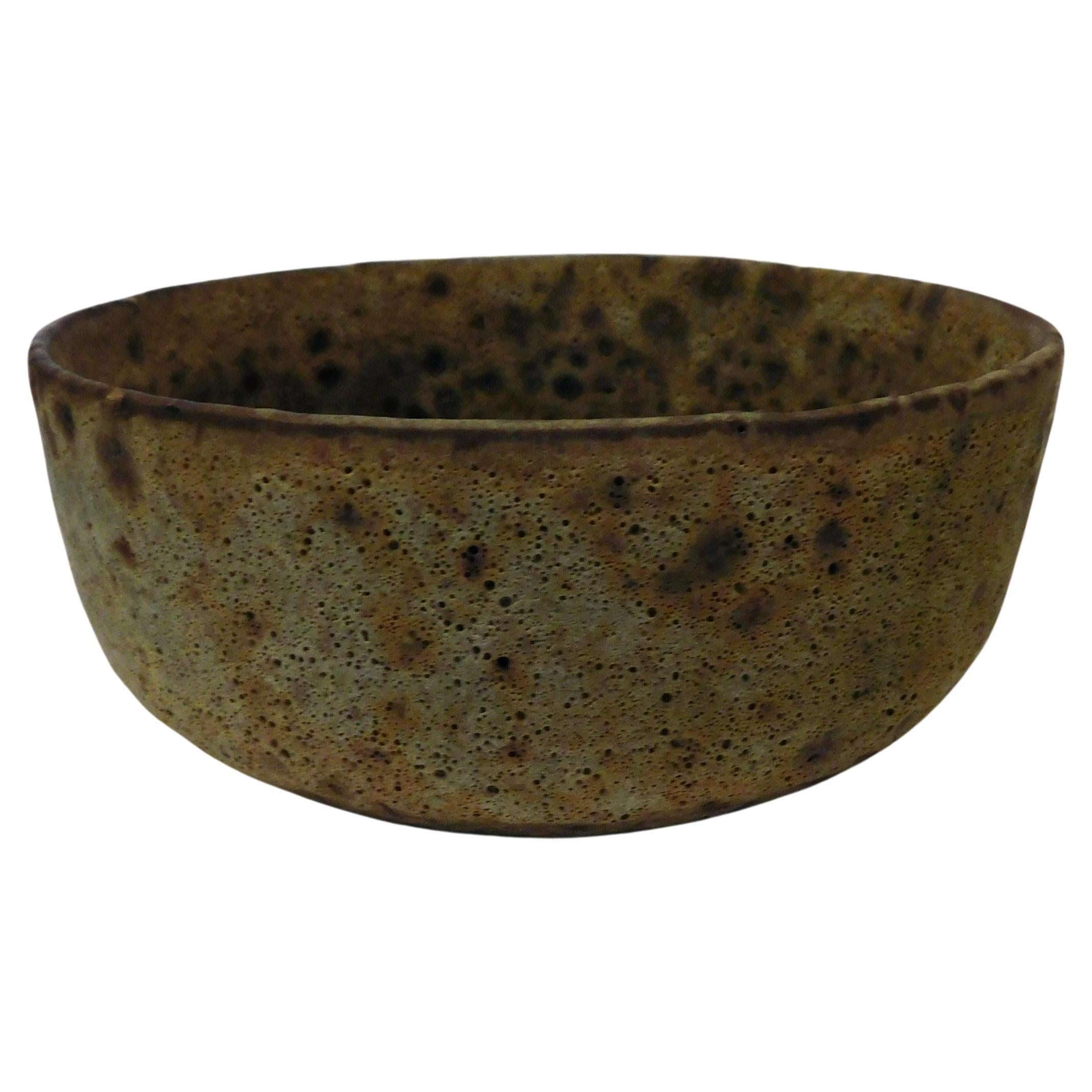
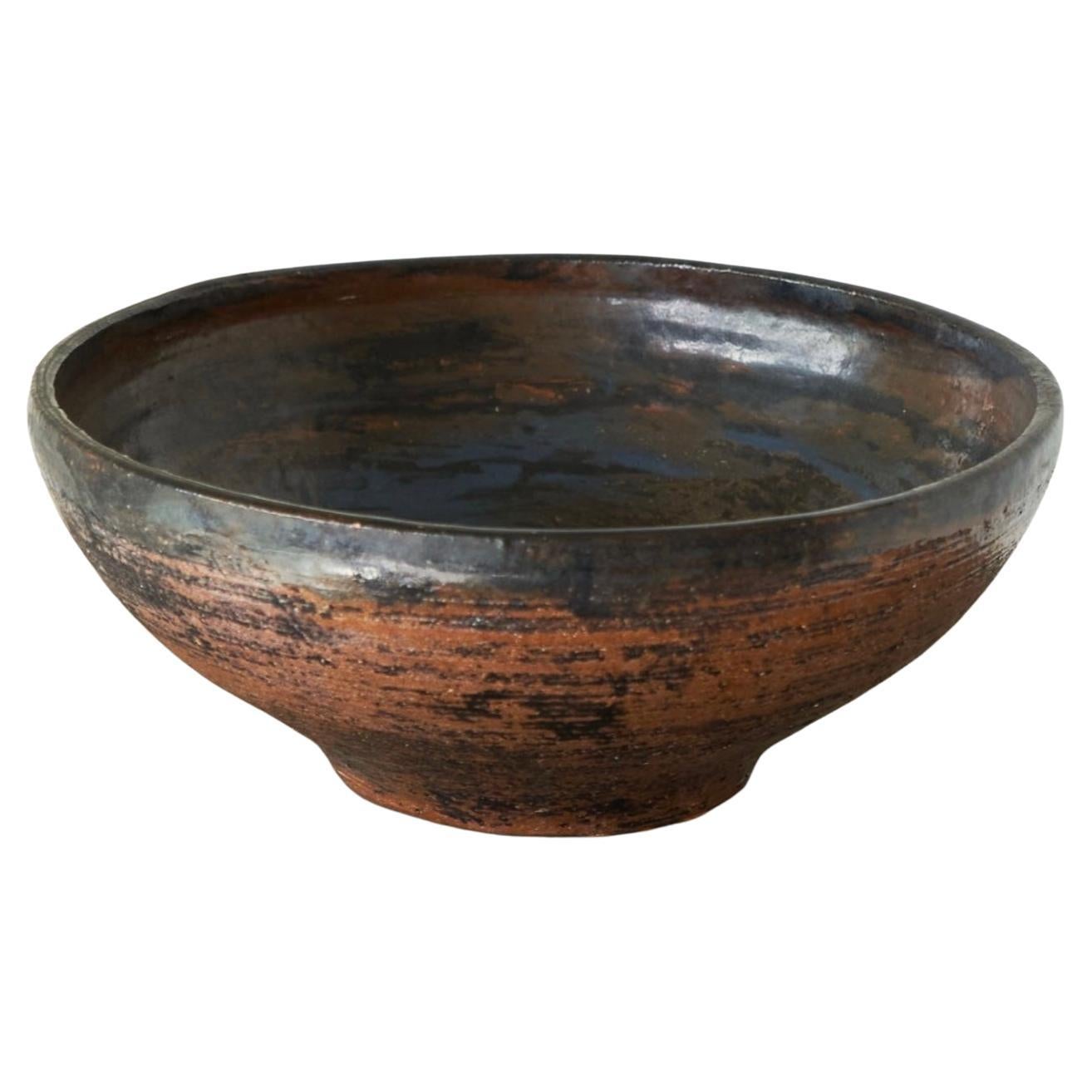
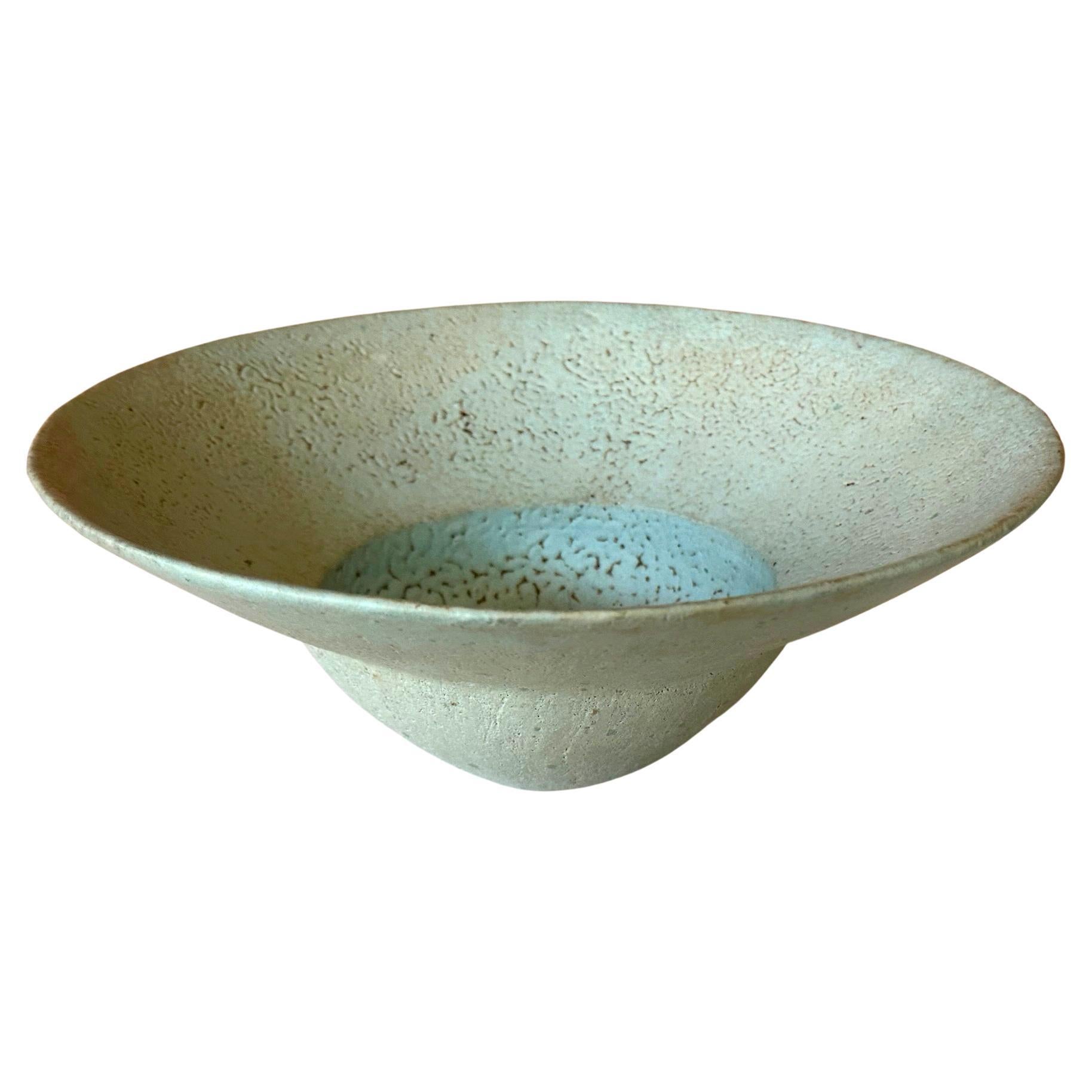
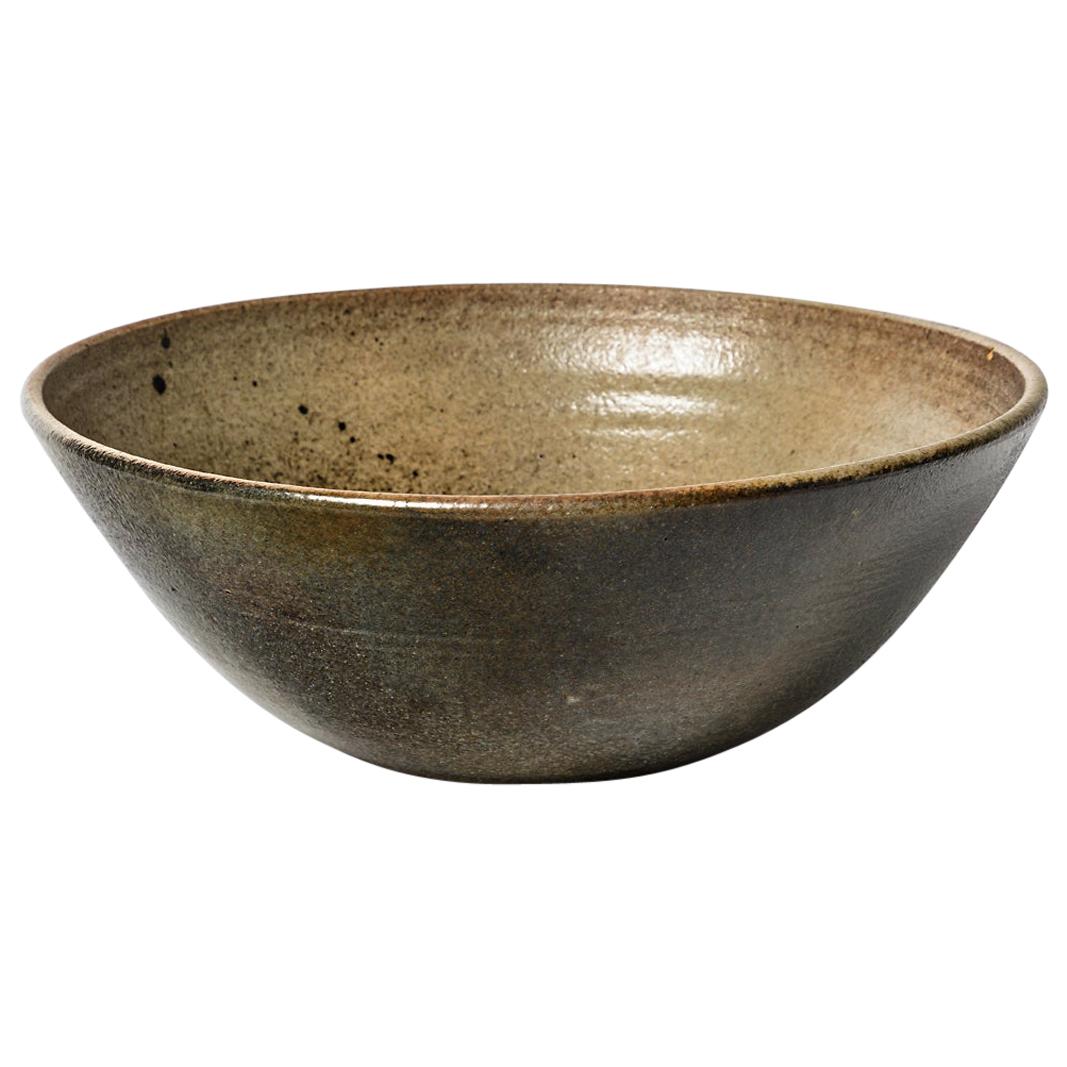
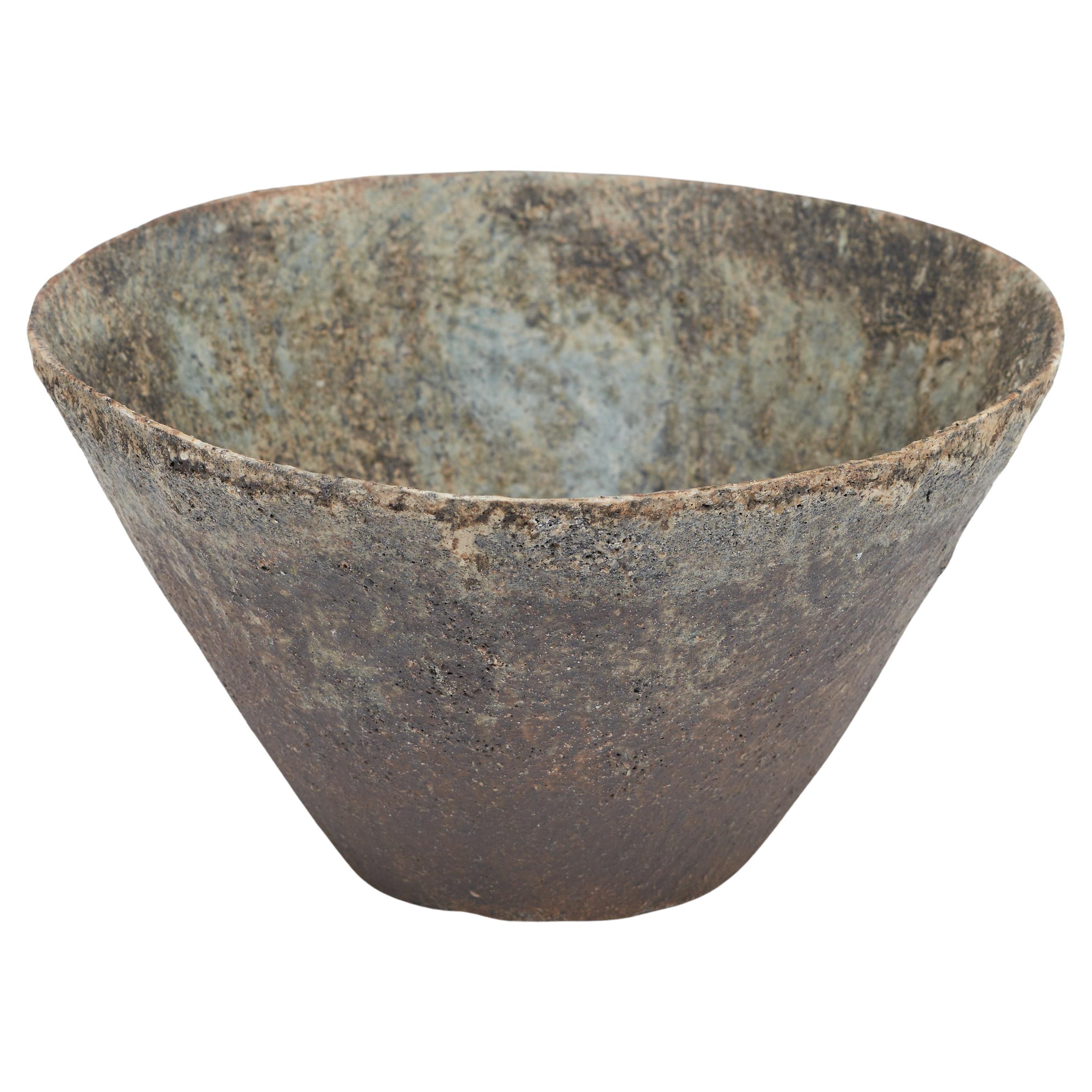
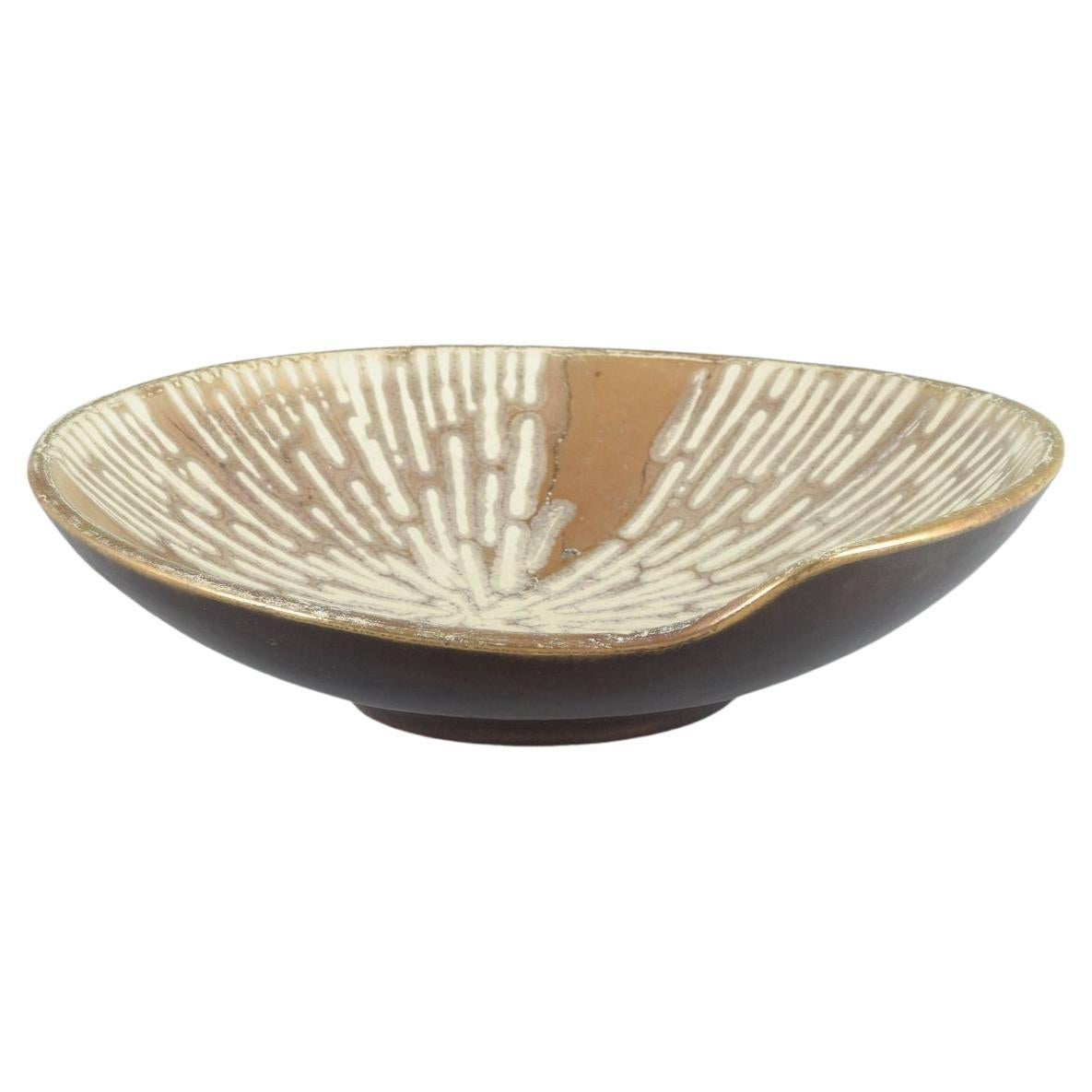
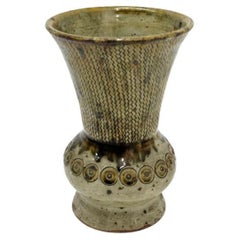
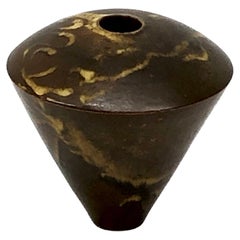
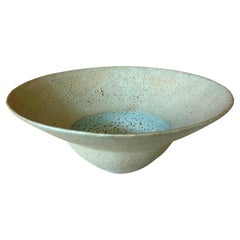
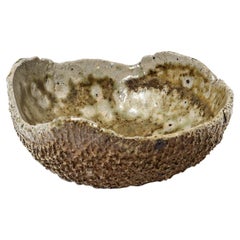
Élisabeth Joulia, born July 30, 1925 in Riom and died August 11, 2003 in Bourges1 , was a French ceramist. From the 1950s onwards, she contributed to freeing ceramics from tradition, creating organic forms of great sensuality, born of her view of nature and constantly renewed through her research and intimate vision of the world.
Joulia leads an austere life, rejecting consumer society8. She pays "close attention to nature, whose inexhaustible forms are a constant source of similarities and hieroglyphic symbols. To understand, we must forget and remember
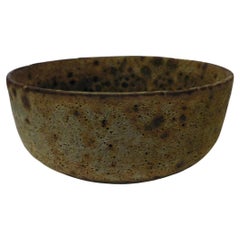
Joulia uses La Borne black clay, which can be fired up to 1300°. It's a clay with rare natural qualities and requires no industrial additives.
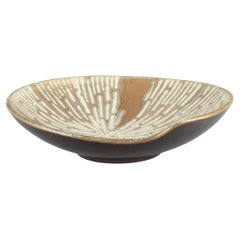
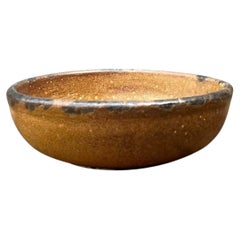
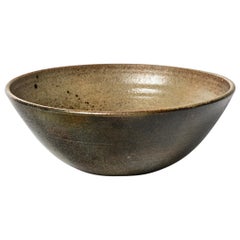
She also collects all kinds of clay on her travels and uses porcelain earth. For her, clay is a living, sacred material. She works it with great gentleness, care and caution, and doesn't hide it under gleaming glazes4 : "Living organic forms appear as natural beings that are born and grow in a continuous process. It is of the utmost importance that the earth aspect, i.e. the property of living matter, be expressed. A ceramic should be readable when the earth is treated as a human being and not as a dead material, hidden behind a thick glaze4".
Joulia's works have been acquired by major collectors and the following museums
La grande aile qui s'envole (1985)
Musée de Saint-Amand-les-Eaux, Musée du Berry, Bourges, Musée de la poterie de La Borne, Musée des Arts décoratifs, Paris, Musée national de céramique de Sèvres, Musée Joseph Déchelette, Roanne, Musée de la Céramique, Vallauris, Musée Ariana, Geneva (Switzerland), Musée Bellerive, Zurich (Switzerland), Musée national de Kyoto (Japan), Ville de Fribourg (FRG), Musée de Darmstadt (FRG), Musée de Stuttgart (FRG), Musée de Faenza (Italy).