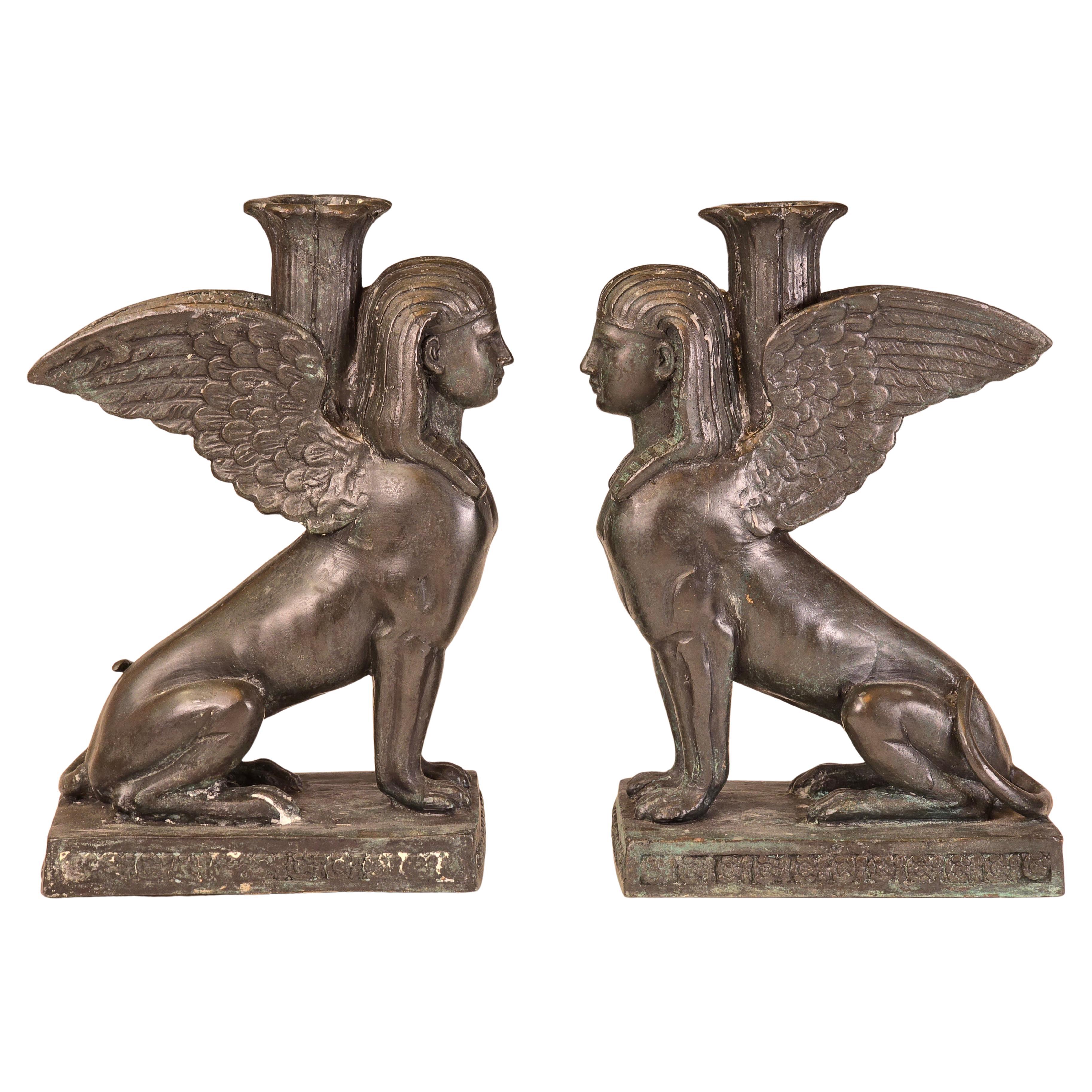
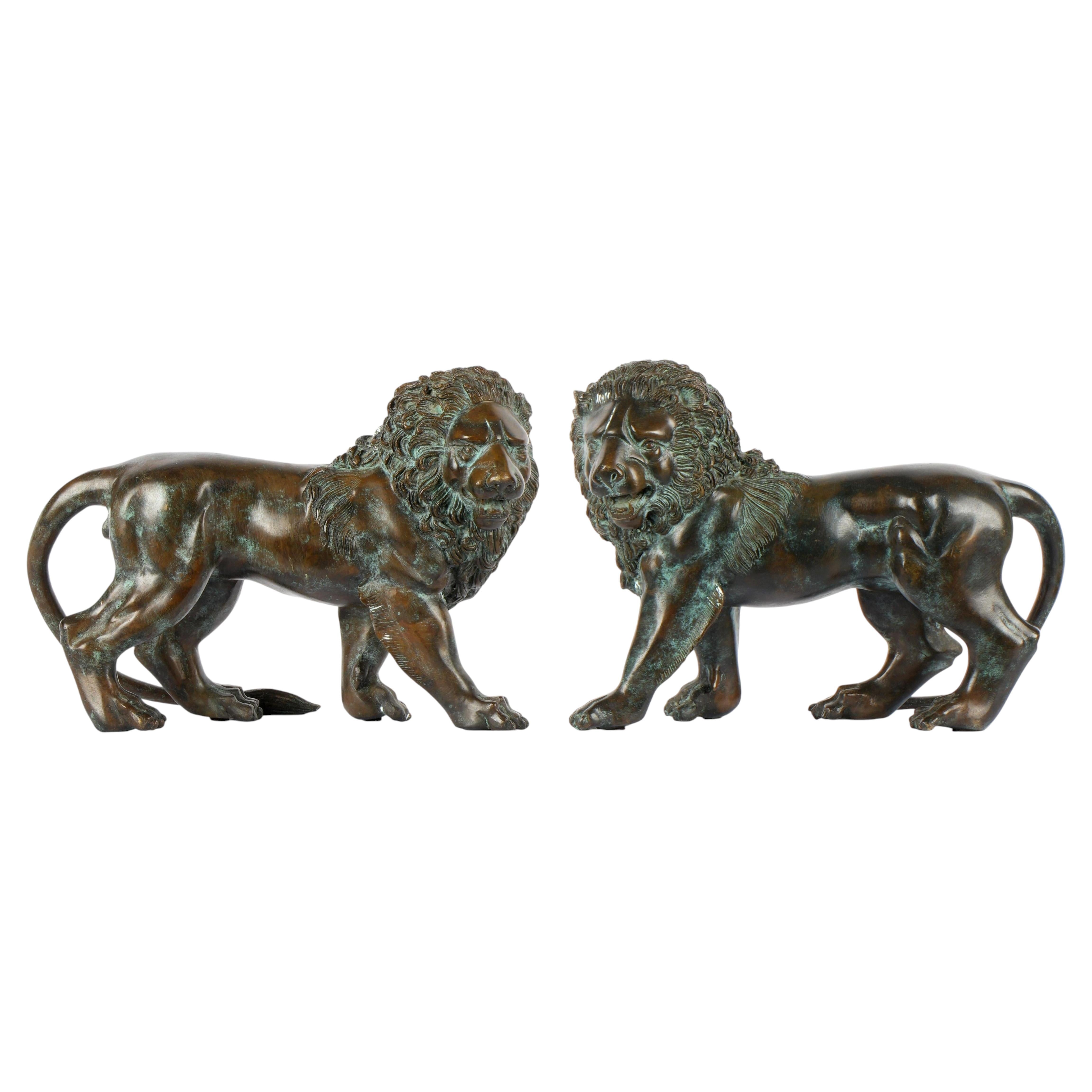
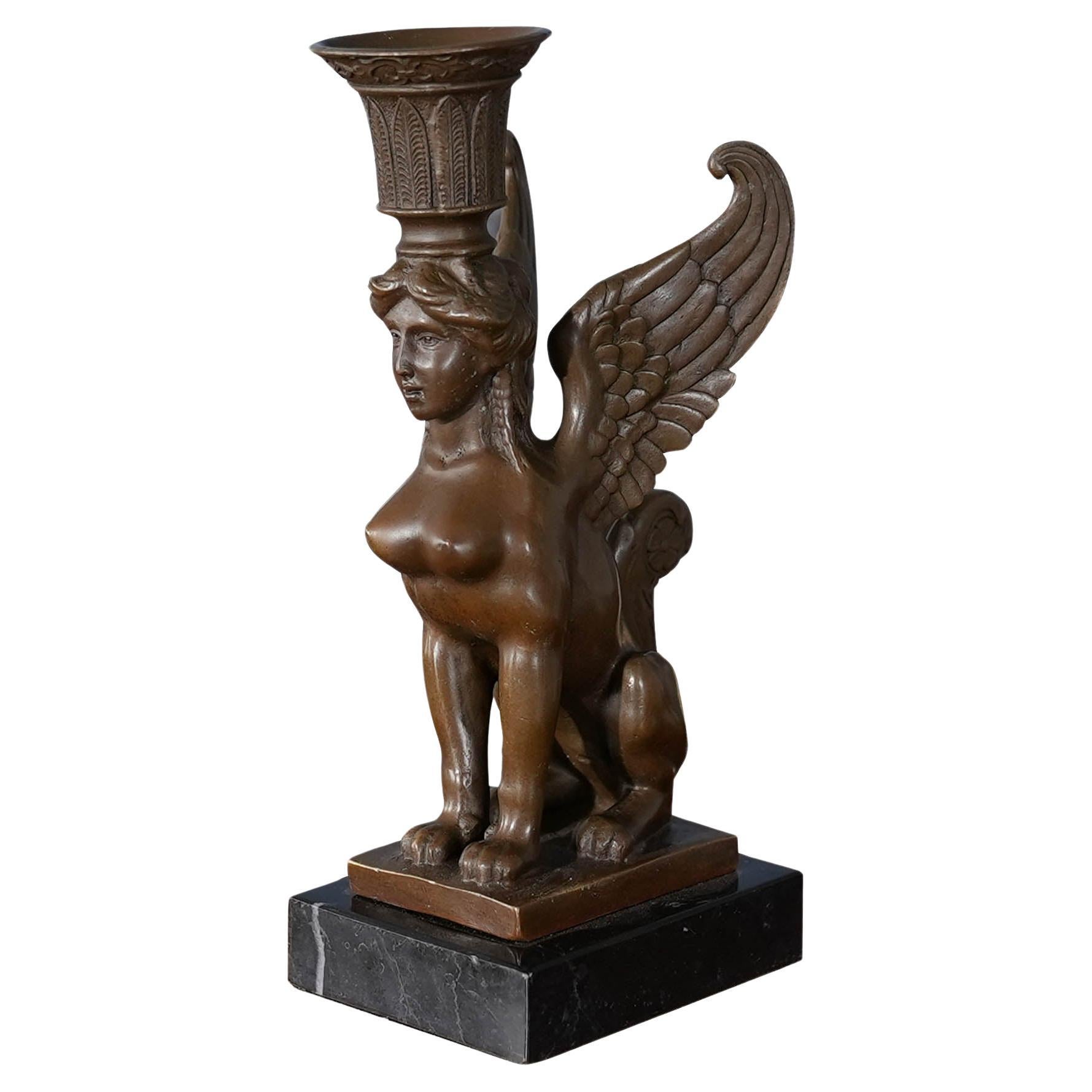
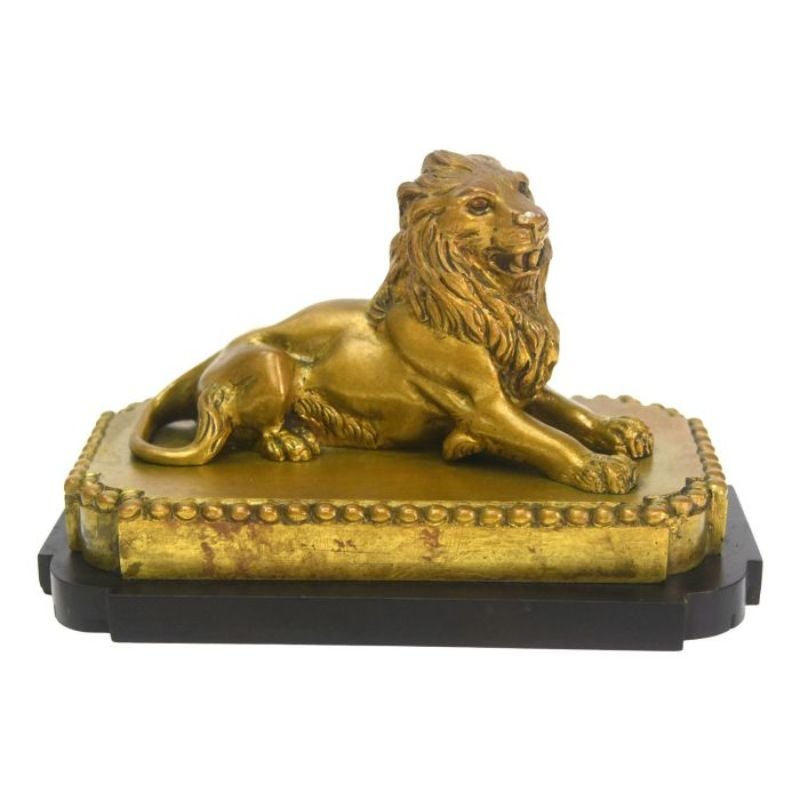
Silver Gilded Reclining Lion Sculpture
Located in Los Angeles, CA
Hand-carved and silver gilded reclining lion on attached footed base.
Category
Antique Late 19th Century Italian Animal Sculptures
Materials
Giltwood
Silver Gilded Reclining Lion Sculpture
Located in Los Angeles, CA
Hand-carved and silver gilded reclining lion on attached footed base.
Giltwood
Pair of Mounted Gilded Altar Angels
Located in Los Angeles, CA
Fine pair of left and right, hand-carved, gessoed and 22-karat gold gilded, angels singing in adoration while in flight. Both later mounted on custom, Lucite stands. Originally from ...
Wood
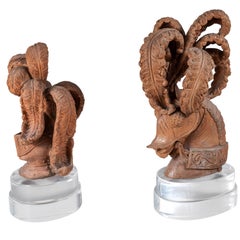
Two Rare Italian, Terracotta Sculptures
Located in Los Angeles, CA
Very rare Italian terracotta sculptures of a knight, and horse, both in repousse armor decorated with dramatic plumes. Each mounted on cu...
Terracotta, Lucite
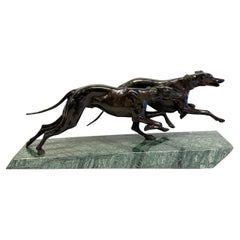
1940's Patinated Bronze Hounds on a Marble Base
Located in Los Angeles, CA
Pair of patinated, cast bronze hounds in motion mounted on a marble base.
Marble, Bronze
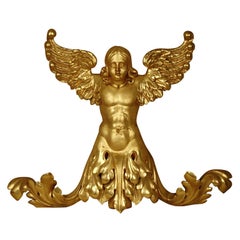
Italian, 19th Century, Gilded Angel
Located in Los Angeles, CA
Beautifully hand carved, gessoed and 22-karat gold gilded, wood angel with flowing hair, extended wings and scrolling, acanthus leaf drapery.
Gold
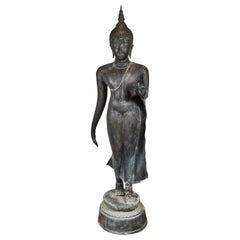
Life-Sized, Antique, Bronze, Thai Buddha
Located in Los Angeles, CA
A beautiful, circa 1920, cast bronze Buddha in mid-stride atop a stylized lotus blossom. The figure is clad in see-through drapery, and is surmounted by whirls of hair capped...
Bronze
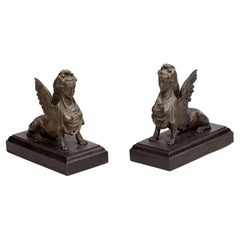
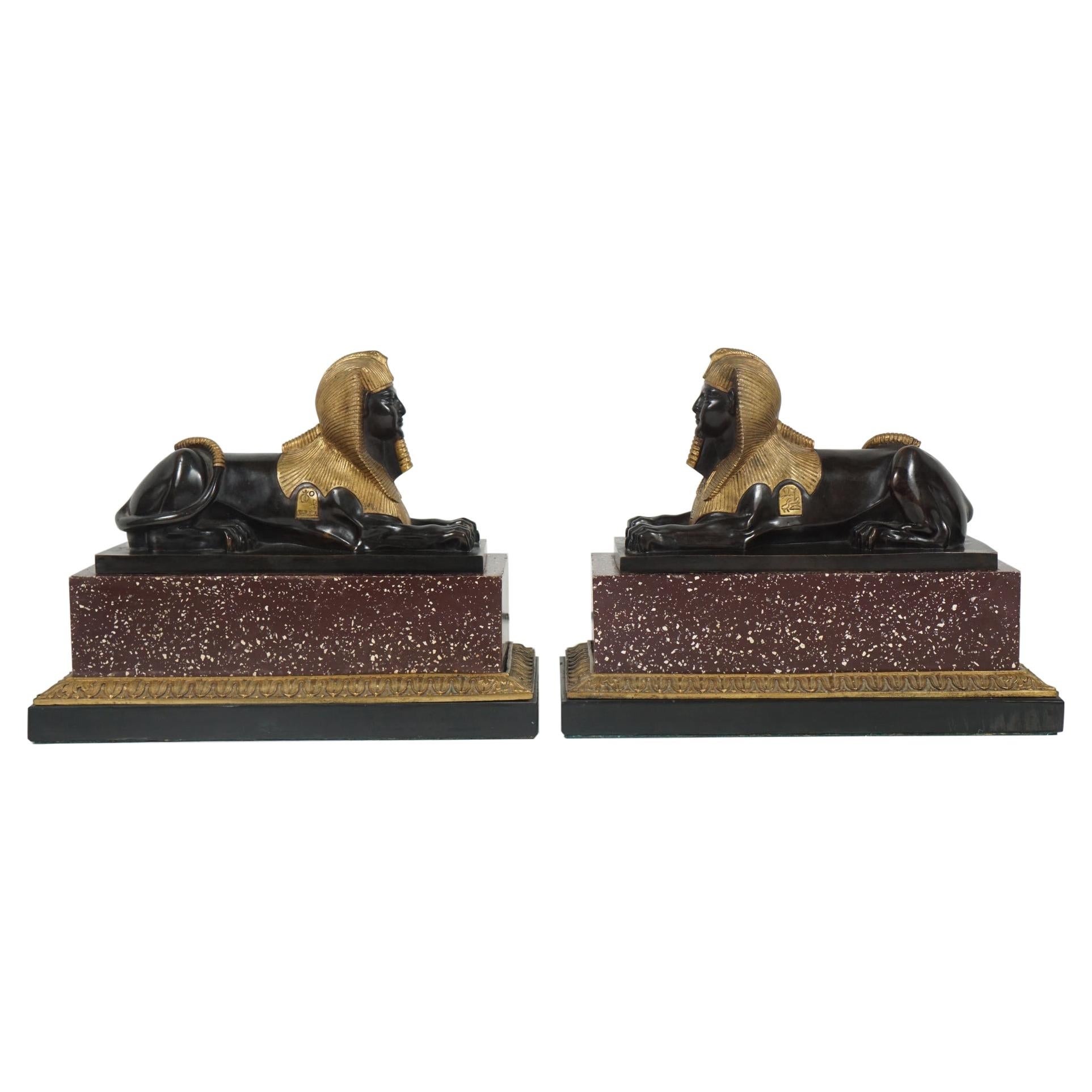
19th Century Pair of Bronze Egyptian Revival Sphinx
Located in Dublin 8, IE
19th century pair of bronze Egyptian Revival sphinx figures in reclining poses seated on solid wooden rectangular plinth bases. A well-detailed...
Bronze
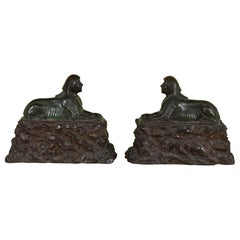
Large Antique Pair of Bronze Sphinxs on Rocky Bases
Located in Hudson, NY
This unusual pair of sphinxes resting upon rocky large bases are French we believe. Modeled and cast around the time of Carter's discovery of the tomb of Tutankhamun and showing some...
Bronze
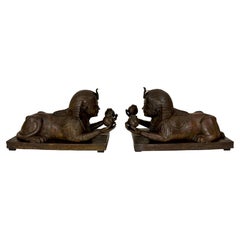
Pair of Hollow-Cast Bronze Egyptian Revival Sphinx Torchères, American C 1920s
Located in Palm Desert, CA
A rare pair of hollow-cast bronze sphinxes, almost certainly removed from an Art Deco building interior or facade, executed with exceptional sculptural ambition and archaeological specificity. Each figure is modeled as a recumbent sphinx with a human head wearing the traditional nemes headdress with uraeus — the royal cobra at the brow — and a broad decorative pectoral collar incised with geometric and hieroglyph-inspired ornament. The lion body is carefully articulated with musculature and surface detailing consistent with high-quality foundry work of the interwar period. Most remarkably, each sphinx extends its human forearms forward to cradle a spherical vessel — originally a lamp socket, gas jet, or candle cup — in outstretched hands, transforming the figures from purely decorative objects into functional architectural light fixtures of considerable drama. Each rests on an integral flat plinth base. The hollow construction confirms these as purpose-built architectural elements rather than studio bronzes: the technique was standard practice for large-scale building ornament in the 1920s and 1930s, allowing monumental scale without prohibitive weight or cost. The rich dark brown patina with traces of verde antique in the recesses is consistent with decades of interior installation and speaks to the quality of the bronze alloy. The iconographic program — sphinxes as light-bearers — draws directly on the wave of Egyptomania that swept Western architecture and decorative arts following Howard Carter's excavation of Tutankhamun's tomb in 1922, a cultural moment that fused the ancient imagery of sacred guardianship with the bold geometry and ornamental ambition of the emerging Art Deco style. Sphinxes appeared throughout this period as threshold guardians...
Bronze
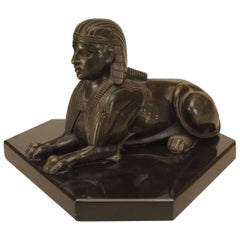
19th Century French Empire Bronze Sphinx Sculpture on Marble Base
Located in Queens, NY
French Empire style (19th Cent) bronze reclining sphinx figure mounted on a rectangular black marble base
Marble, Bronze
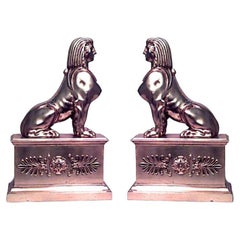
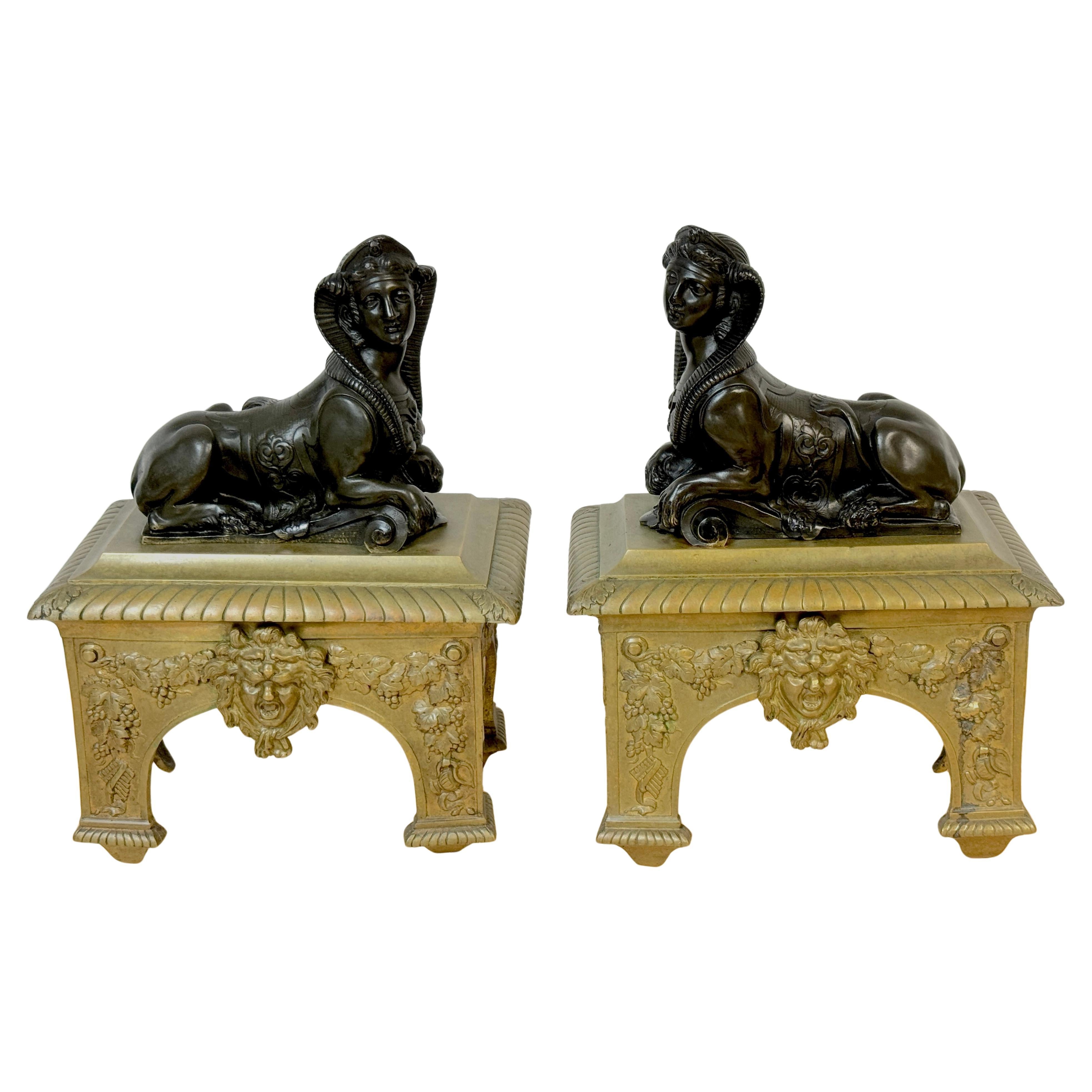
19th Century French Empire Bronze Sphinx Andirons, Antique Pair
Located in Queens, NY
PAIR of French Empire-style (19/20th Century) bronze sphinx andirons on rectangular base (PRICED AS PAIR)
Bronze
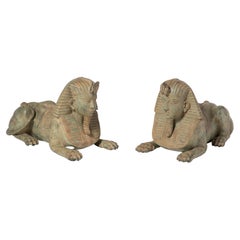
Antique Grand Tour Style Patinated Sphinx Statues, 44 Inches Wide
Located in San Francisco, CA
Pair of grand tour style large patinated figures of seated sphinxes. Each noble figure with serpent diadem headdress, lying with front paws postured.
Metal