Want more images or videos?
Request additional images or videos from the seller
1 of 5

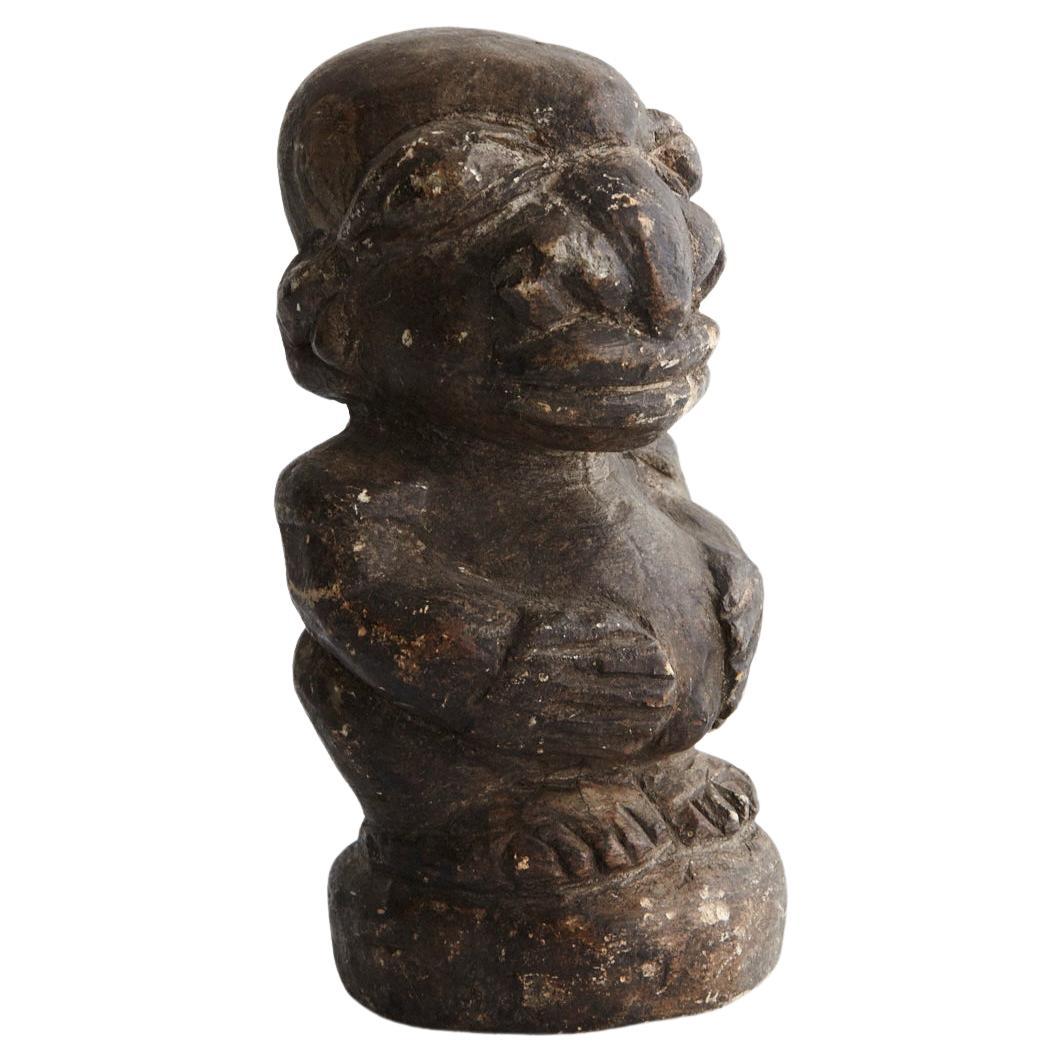
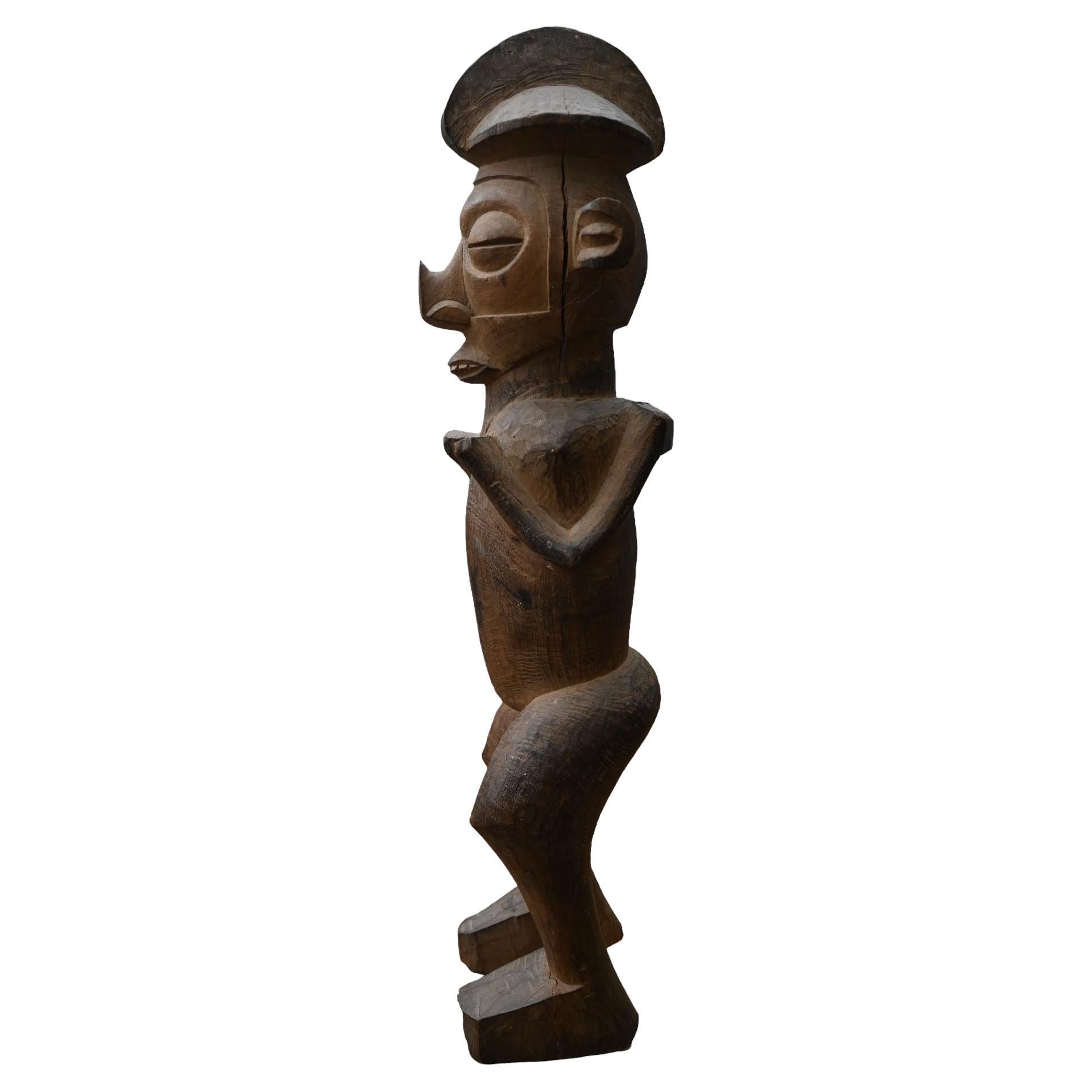
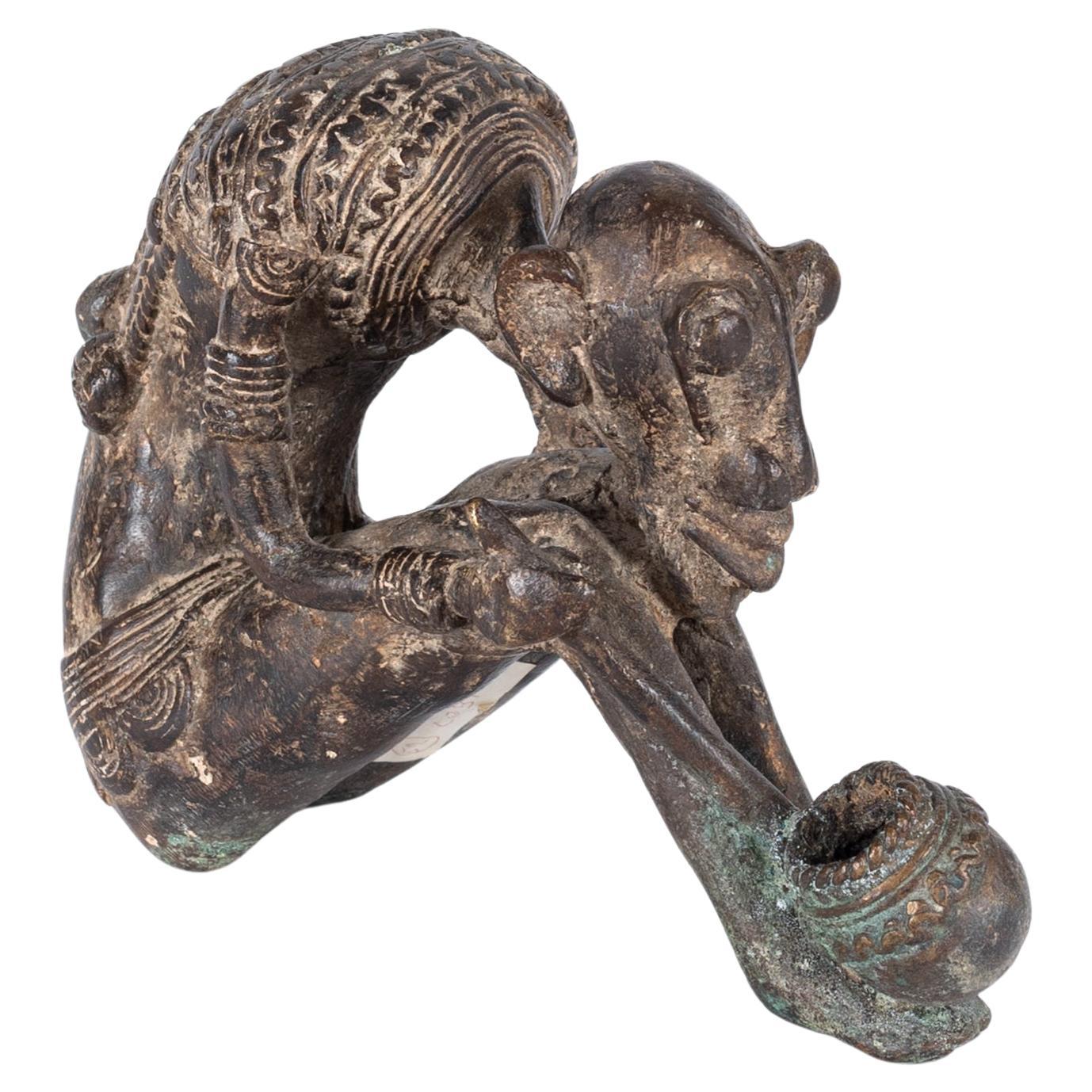
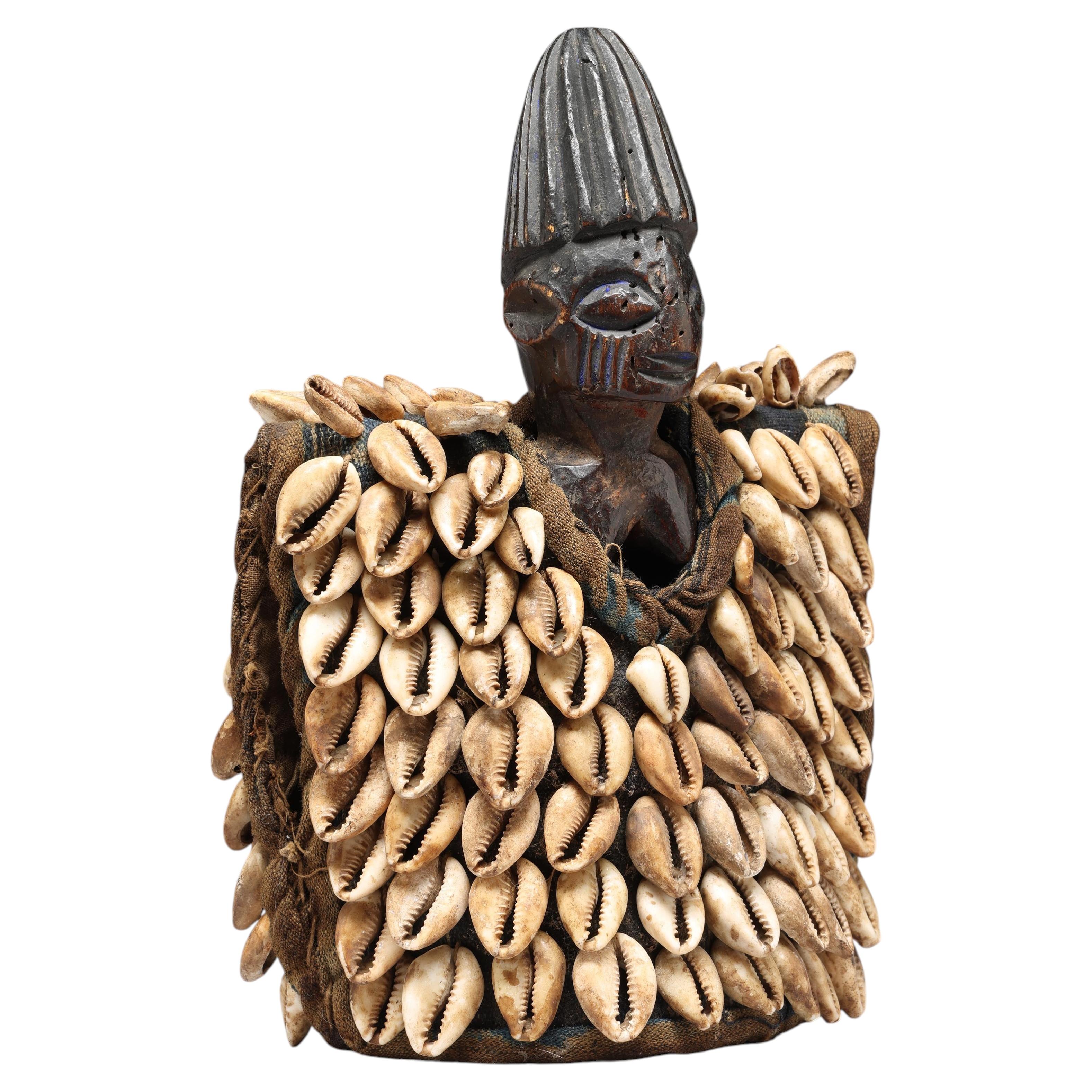
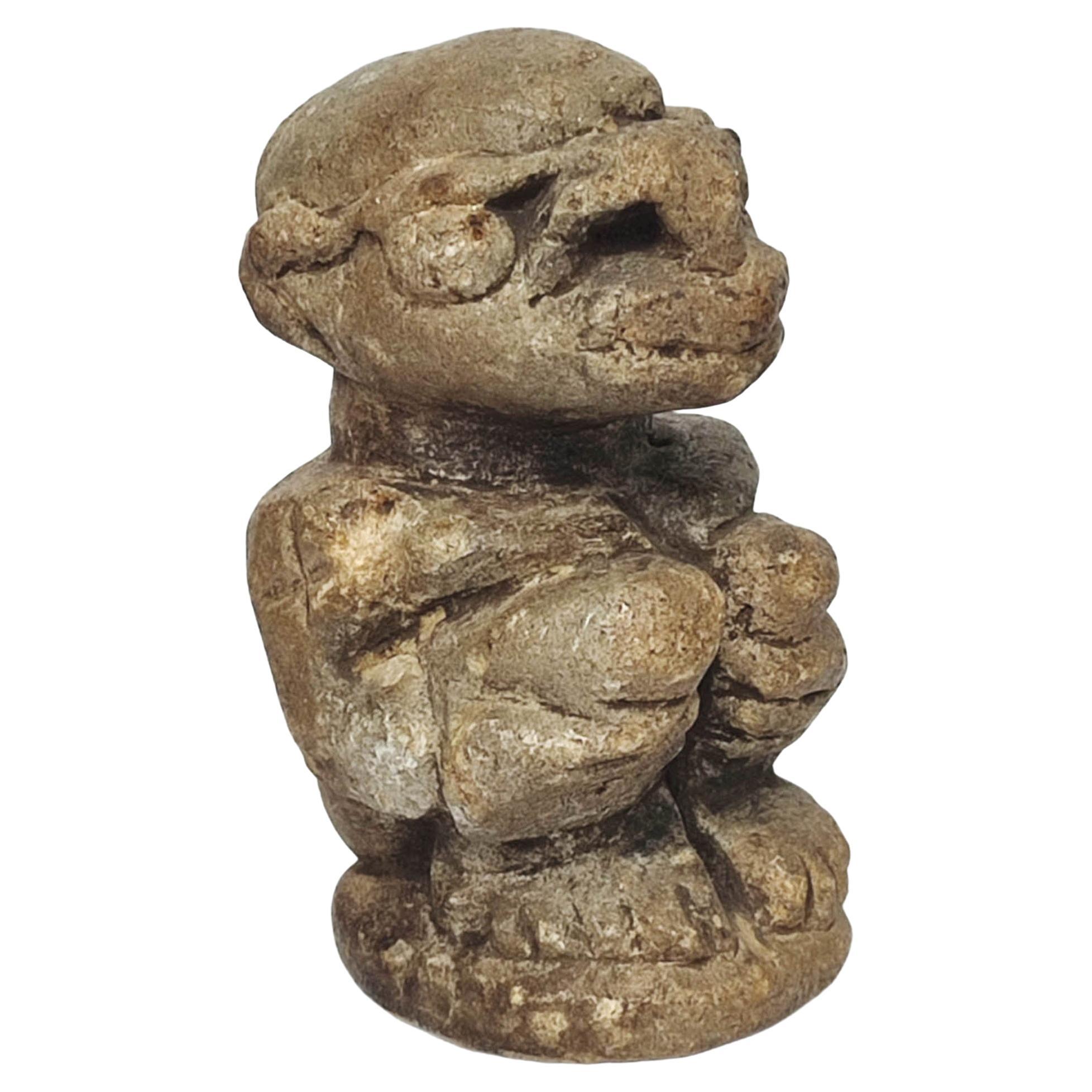
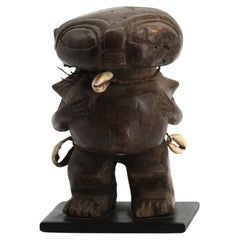
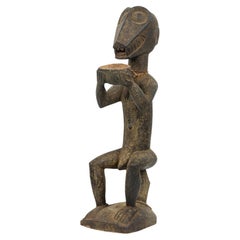
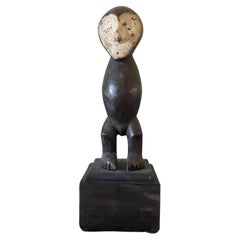
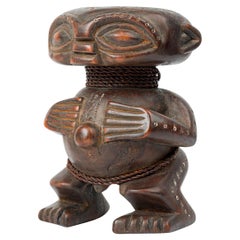
Ethnic Design-Ceremonial Monkey Figure on Snailshell, German Coll., Bulu People

$4,715.26
£3,494.98
€4,840VAT Included
CA$6,578.02
A$6,672.22
CHF 3,810.02
MX$80,802.79
NOK 44,853.28
SEK 44,704.42
DKK 30,498.29

About the Item

The eye-catcher of this bell jar is the centrally placed blue bird with spread wings. It is an Indian Roller that occurs mainly in West Africa and the Indian subcontinent. Provenance: German Private Collection
  • Dimensions:
    Height: 5.52 in (14 cm)Width: 3.15 in (8 cm)Depth: 5.91 in (15 cm)
  • Materials and Techniques:
  • Place of Origin:
  • Period:
  • Date of Manufacture:
    -
  • Condition:
    Wear consistent with age and use. Minor losses.
  • Seller Location:
    Leuven , BE
  • Reference Number:
    Seller: 10401stDibs: LU3301138811272

More From This Seller

View All
Ethnic Design-Authentic Female Fertility figure “Yanda", Zande People, DRC.

Ethnic Design-Authentic Female Fertility figure “Yanda", Zande People, DRC.

Located in Leuven , BE

Female Fertility figure “Yanda", Zande People, DRC, Old collection n° 394 Baudouin de Grunne . This highly abstract fertility bust, characterized by a prominent belly, is sculpted fr...

Category

Antique 19th Century Congolese Figurative Sculptures

Materials

Terracotta

Jukun Commemorative  Royal Ancestor Figure, Jukun People, Northeastern Nigeria.

Jukun Commemorative Royal Ancestor Figure, Jukun People, Northeastern Nigeria.

Located in Leuven , BE

Jukun Commemorative Royal Ancestor Figure, Jukun People, Northeastern Nigeria. Provenance Martial bronsin 2009 Native 2012 - Martin Lagrain AHDRC ao-0096159-001,002,003 The figure is depicted standing, bearded, with a tribal skull...

Category

Early 20th Century Nigerian Figurative Sculptures

Materials

Wood

Ethnic Design-Anthropomorphic ceramic vessel, Luba People, DRC.

Ethnic Design-Anthropomorphic ceramic vessel, Luba People, DRC.

Located in Leuven , BE

This vessel exemplifies the anthropomorphic style, incorporating distinct human-like features into its design. Most notably, the upper portion of the vessel includes a stylized human...

Category

Early 20th Century Congolese Figurative Sculptures

Materials

Terracotta

Lightwood Male Statue Snake Vertebrae Belt and Necklace, Mangbetu People, DRC

Lightwood Male Statue Snake Vertebrae Belt and Necklace, Mangbetu People, DRC

Located in Leuven , BE

The Mangbetu people once reigned over a flourishing kingdom in northeastern Congo. Hence their traditional art flourished around the court. Their very rare figural sculptures are rem...

Category

Early 20th Century Congolese Figurative Sculptures

Materials

Softwood

Ethnic Design-Anthromorphic Figural Vessel in Blackened Terracotta

Ethnic Design-Anthromorphic Figural Vessel in Blackened Terracotta

Located in Leuven , BE

This fine, round, dark grey vessel depicts a complete figure which is rare. It was made by the Mangbetu People. The Mangbetu ethnic group lives deep in the...

Category

20th Century Congolese Figurative Sculptures

Materials

Terracotta

You May Also Like

Nomoli Stone Figure, Sierra Leone, Kissi, Tribal Art

Nomoli Stone Figure, Sierra Leone, Kissi, Tribal Art

Located in Bochum, NRW

A Kissi Nomoli carved stone figure, a male with his hands wrapped around his knees, on a base; from the Kissi people of Sierra Leone. Greyish brown patina, snout-like mouth, large no...

Category

Antique Late 19th Century Sierra Leonean Tribal Figurative Sculptures

Materials

Soapstone

Pygmy Wood and Cowrie Shell Fertility Figure

Pygmy Wood and Cowrie Shell Fertility Figure

Located in West Palm Beach, FL

Pygmy Wood and Cowrie Shell Fertility Figure Height 5.25 in., Width 3.75 in., Depth 4 in.

Category

20th Century Animal Sculptures

Materials

Wood

Baule Mbra Monkey Figure, Carved Wood, Ivory Coast, 20th Century

Baule Mbra Monkey Figure, Carved Wood, Ivory Coast, 20th Century

Located in Queens, NY

African Ivory Coast 20th Century carved wood Baule Mbra monkey figure, seated with a string necklace, holding a cup or bowl. (Literature: Pg. 238, Baule: African Art, Western Eyes b...

Category

20th Century African Tribal Figurative Sculptures

Materials

Ivory

Bwami Initiation Statue, Lega People, early 20th Century

Bwami Initiation Statue, Lega People, early 20th Century

Located in CA, CA

The smooth, dark patina of this small, carefully shaped, male, wooden initiation statue from the early 20th century, by the Lega people of the Democratic Republic of Congo, reflects ...

Category

Vintage 1910s Congolese Tribal Figurative Sculptures

Materials

Wood

African Cameroon Contemporary Carved Wood Pygmy Squatting Figure

African Cameroon Contemporary Carved Wood Pygmy Squatting Figure

Located in Queens, NY

African Cameroon Contemporary carved wood figure features a flattened head with elliptical eyes, short arms with long fingers extending over the belly, protruding navel, string neckl...

Category

20th Century African Tribal Figurative Sculptures

Oceanic Ancestral Figure with Shell Inlay, Middle Sepik Region, Papua New Guinea

Oceanic Ancestral Figure with Shell Inlay, Middle Sepik Region, Papua New Guinea

Located in Nottingham, GB

The Sepik River region of Papua New Guinea has long been recognised as one of the great centres of Oceanic art, renowned for its extraordinary diversity of sculptural traditions. Stretching through remote villages connected by waterways and shared ceremonial practices, the region fostered distinctive artistic languages that gave visual form to ancestry, spirituality and communal identity. Carved figures depicting ancestors, protective spirits and mythological beings served as intermediaries between the visible and unseen worlds, occupying an essential place within ritual life. Styles vary considerably between communities, from the flowing forms associated with Iatmul carving to the dramatic hooked silhouettes of yipwon figures. Despite these differences, Sepik sculpture is united by its expressive power and its role in maintaining relationships between the living, their ancestors and the forces that shaped the world around them. This compelling ancestral figure originates from the Middle Sepik River region of Papua New Guinea and dates to the early to mid-twentieth century. Carved from dense hardwood, it embodies the dramatic abstraction and spiritual intensity for which Sepik sculpture is celebrated. The figure stands in a dynamic posture with sharply bent knees and angular arms, its hands splayed and feet flattened in a manner that conveys both tension and authority. The body has been deeply incised and enriched with natural earth pigments in red, white and black, creating a striking interplay between carved texture and painted surface. Blackened pigment defines the principal forms, while contrasting colours emphasise the limbs, facial features and other key details, heightening the visual impact of the composition. The head is particularly arresting. Elongated and mask-like in appearance, it features a pronounced brow and a dramatic beak-like hooked nose that projects confidently from the face. Set within hollowed sockets are a pair of inlaid cowrie shell eyes, their luminous surfaces animating the figure with an intense and watchful presence. This combination of angular anatomy, exaggerated facial structure and shell ornamentation is consistent with the carving traditions of the Iatmul peoples and related communities of the Middle Sepik, where ancestral imagery occupied a central role in ceremonial life. Figures of this type were often displayed within ceremonial structures or brought into ritual contexts to invoke the guidance, protection and authority of ancestral spirits. They acted as powerful reminders of lineage and continuity, reinforcing the bonds between generations while maintaining connections with the supernatural realm. Rich in character and sculptural strength, this figure exemplifies the expressive sophistication of Sepik art...

Category

20th Century Tribal Art
Materials

Wood