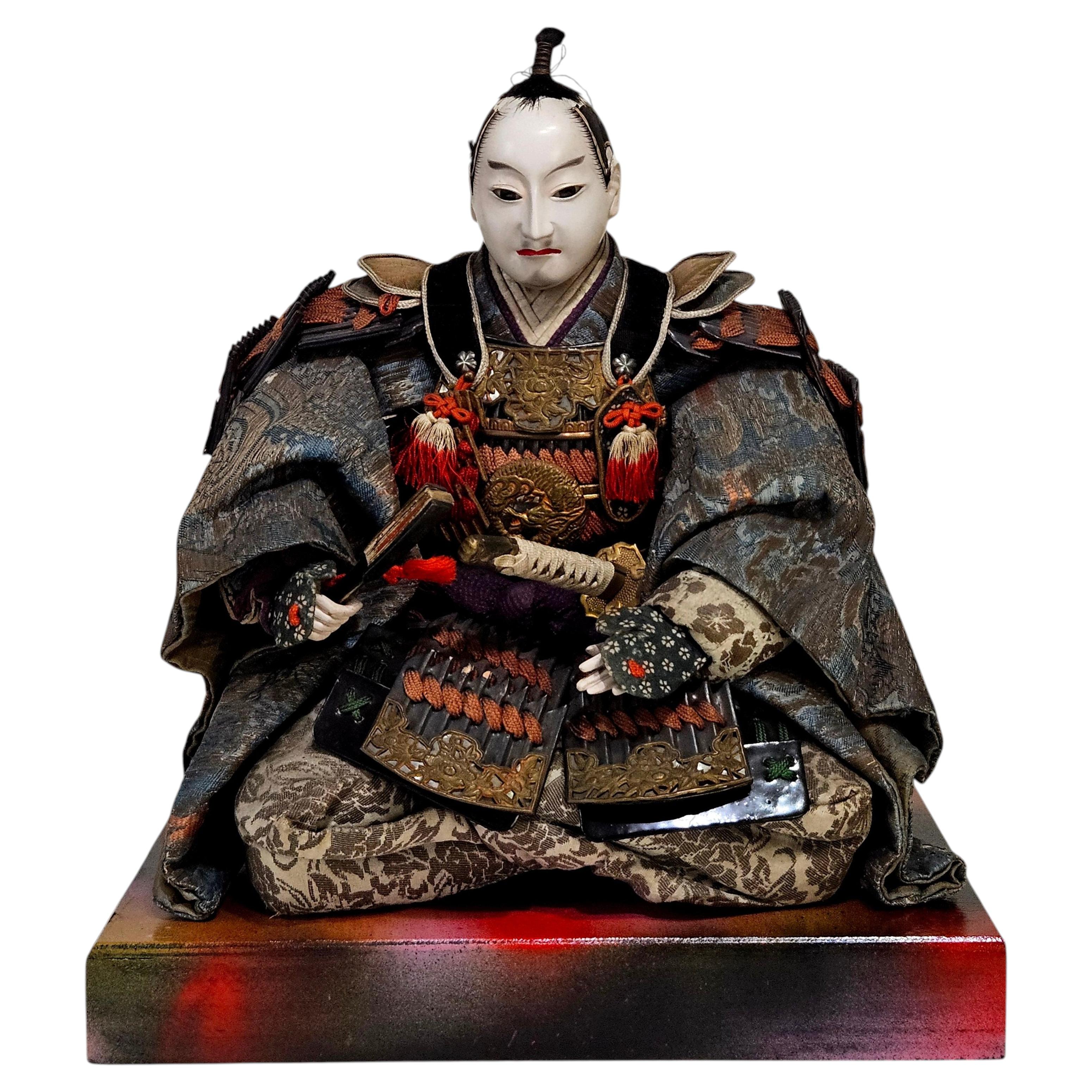
Japanese Edo Period Saga Ningyo, Ca. 1850
Located in New York, NY
Japanese Edo Period Saga Ningyo, Ca. 1850 DIMENSIONS Height: 9.5 inches Width: 6 inches Depth: 5 inches
Category
Antique 1850s Japanese Japonisme Figurative Sculptures
Materials
Wood
Japanese Edo Period Saga Ningyo, Ca. 1850
Located in New York, NY
Japanese Edo Period Saga Ningyo, Ca. 1850 DIMENSIONS Height: 9.5 inches Width: 6 inches Depth: 5 inches
Wood
Japanese Edo Period Yoshitsune and Bannerman Warrior Musha Ningyô, Ca. 1800
Located in New York, NY
Japanese Edo Period Grand-Scale Yoshitsune and Bannerman Warrior Musha Ningyô, Ca. 1800 DIMENSIONS Warrior - Height: 31 inches with platform. Bannerman - Height: 28 inches with b...
Wood
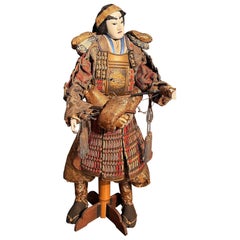
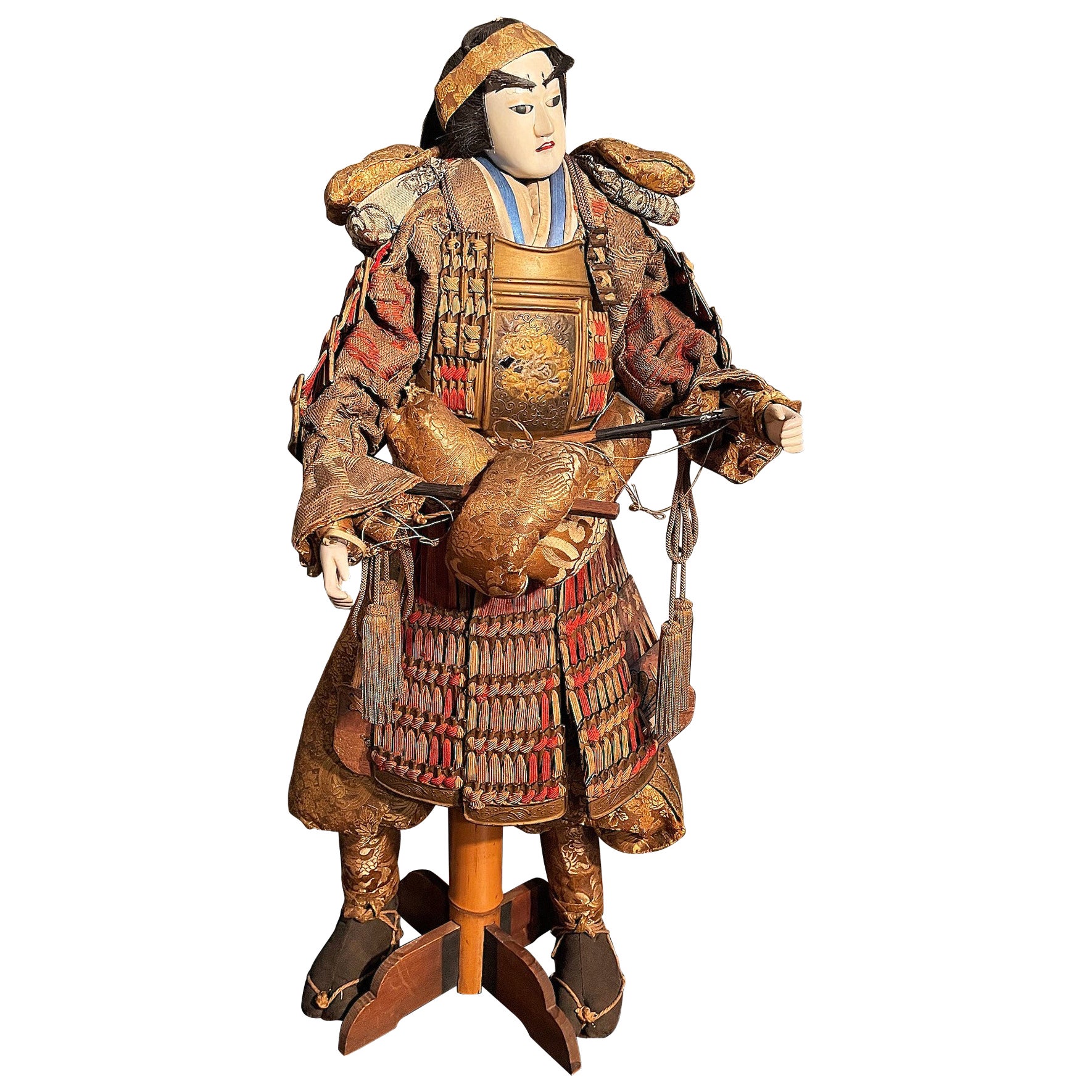
Japanese Meiji Period Elaborate Bunraku Puppeta, 19th Century
Located in New York, NY
Japanese Meiji Period Elaborate Bunraku Puppeta. 19th Century Meiji Period (1868-1912) Minor wear to textiles, fine antique condition, Original Bamboo display stand. DIMENSION Height: 33 inches Width: 18 inches Depth: 9 inches ABOUT Bunraku (puppet) depicting the warrior Minamoto Yoshistune his head carved of wood and covered in a fine white gofun with painted details, face of a handsome youth with trigger mechanism allowing for the eyebrows to raise and lower and the eyes to shift from side, is wearing military armor with signature dragon on his breastplate ,brocade patterning of his thick obi tie, sumptuous silk brocade kimono and brocade hakama trousers with the Minamoto Clan pattern, silk tabi socks...
Wood
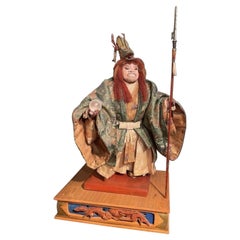
Japanese Edo Period Dragon God Ningyô, Ca. 1820
Located in New York, NY
Japanese Edo Period Dragon God Ningyô, Ca. 1820 DIMENSIONS Height: 26 inches over all Minor wear in textiles. Fine antique condition ABOUT Musha-Ningyô (warr...
Wood
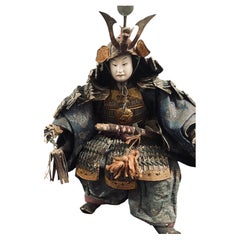
Japanese Edo Musha Ningyō Samurai Warrior Doll with Armor, circa 1750
Located in New York, NY
Ningyō Samurai Warrior Doll with Armor, circa 1750 A rare and exceptional Japanese Musha Ningyō (Samurai Warrior Doll), dating to the Edo Period (1603–1868), circa 1750. This outstanding 18th-century warrior doll represents the finest tradition of Japanese Musha Ningyō artistry. These ceremonial warrior figures were traditionally displayed during Tango no Sekku (Boys’ Day Festival), symbolizing bravery, protection, strength, and the noble virtues of the samurai class. The figure features a beautifully carved wooden head finished with fine white gofun — a traditional Japanese technique using layers of refined shell pigment to achieve a smooth, luminous surface. The powerful facial expression, sharply painted eyes, and commanding presence reflect the exceptional craftsmanship of Edo Period doll makers. The warrior is presented seated on a traditional military camp stool and dressed in elaborate samurai armor with intricate metal fittings, lacquered elements, and richly detailed decoration. The impressive helmet features a dramatic crescent moon crest with a dragon ornament, symbols historically associated with power, courage, and protection. The figure retains its original saihai battle command baton, carried by samurai leaders to direct troops. The costume is composed of luxurious silk brocade textiles with beautifully patterned robes, detailed armor plates, and faux fur boots...
Silk, Wood
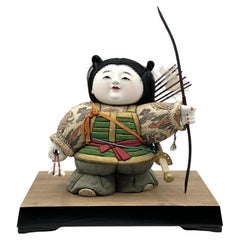
Japanese Meiji Period Gosho Ningyô of the First Emperor, Jimmu, Ca. 190
Located in New York, NY
Japanese Meiji Period Gosho Ningyô of Jimmu, the First Emperor of Japan, Ca. 1900 DIMENSIONS: Height: 8.5 inches Widt...
Ceramic
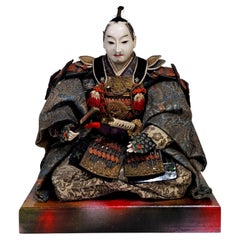
Antique A Japanese Musha Ningyo Samurai Doll, Edo/Meiji
Located in Norton, MA
Presenting a high-end and important Japanese doll of Musha Ningyo Samurai Doll from the late Edo to the early Meiji period, a traditional Japanese warrior doll...
Metal
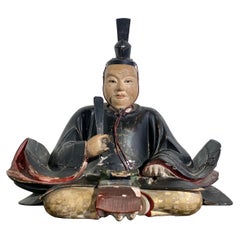
Japanese Carved and Lacquered Wood Shogun, Edo Period, 19th Century, Japan
Located in Austin, TX
An unusual Japanese carved wood, lacquer, and gilt decorated portrait sculpture of a shogun, Edo Period, early 19th century, Japan. The unidentified shogun (possibly Tokugawa Iey...
Wood, Lacquer
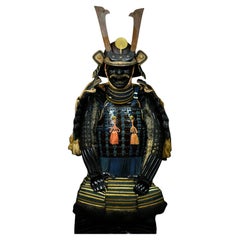
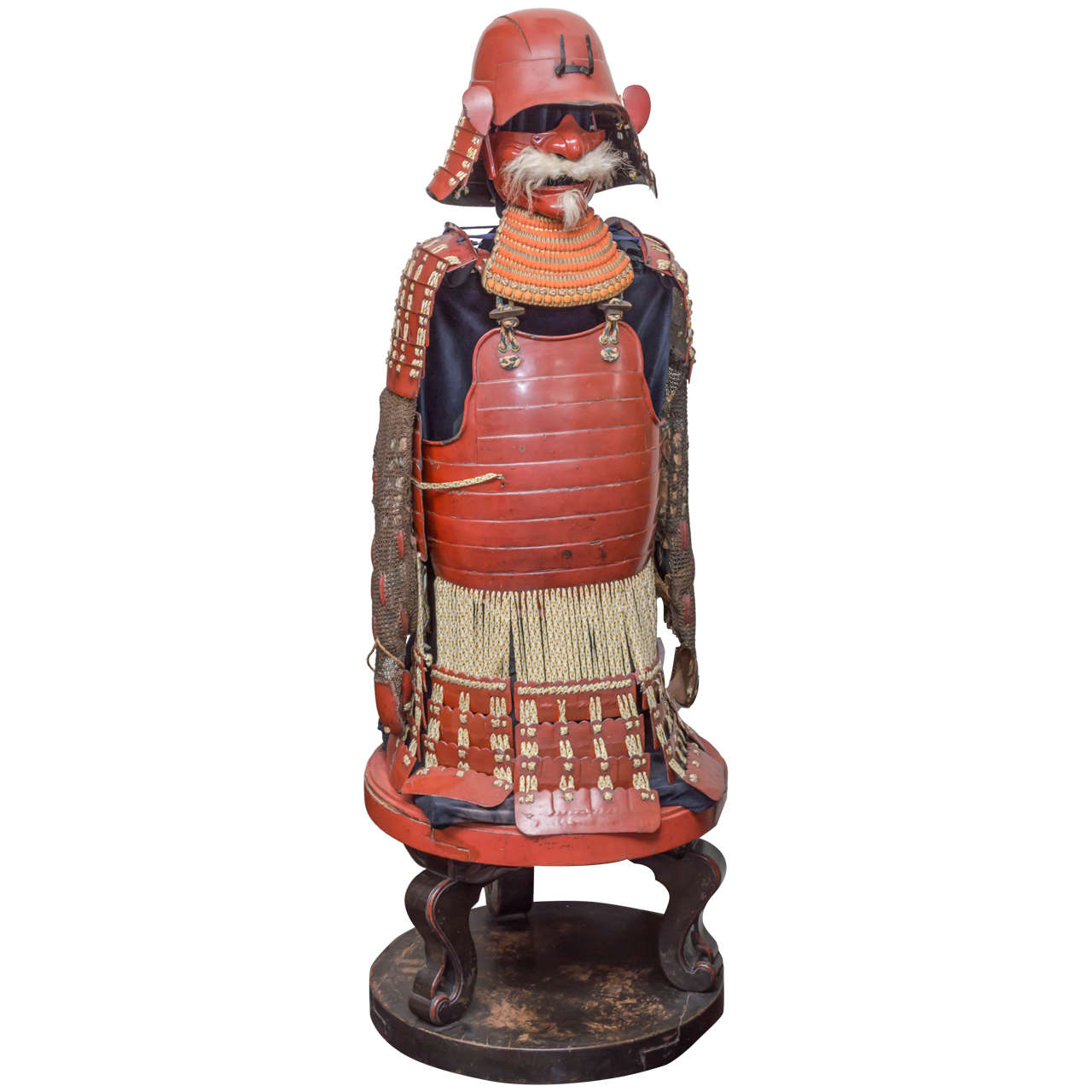
Rare Antique Original high Ranking Edo period Samurai armor Yoroi Japan Daimyō
Located in Ijzendijke, NL
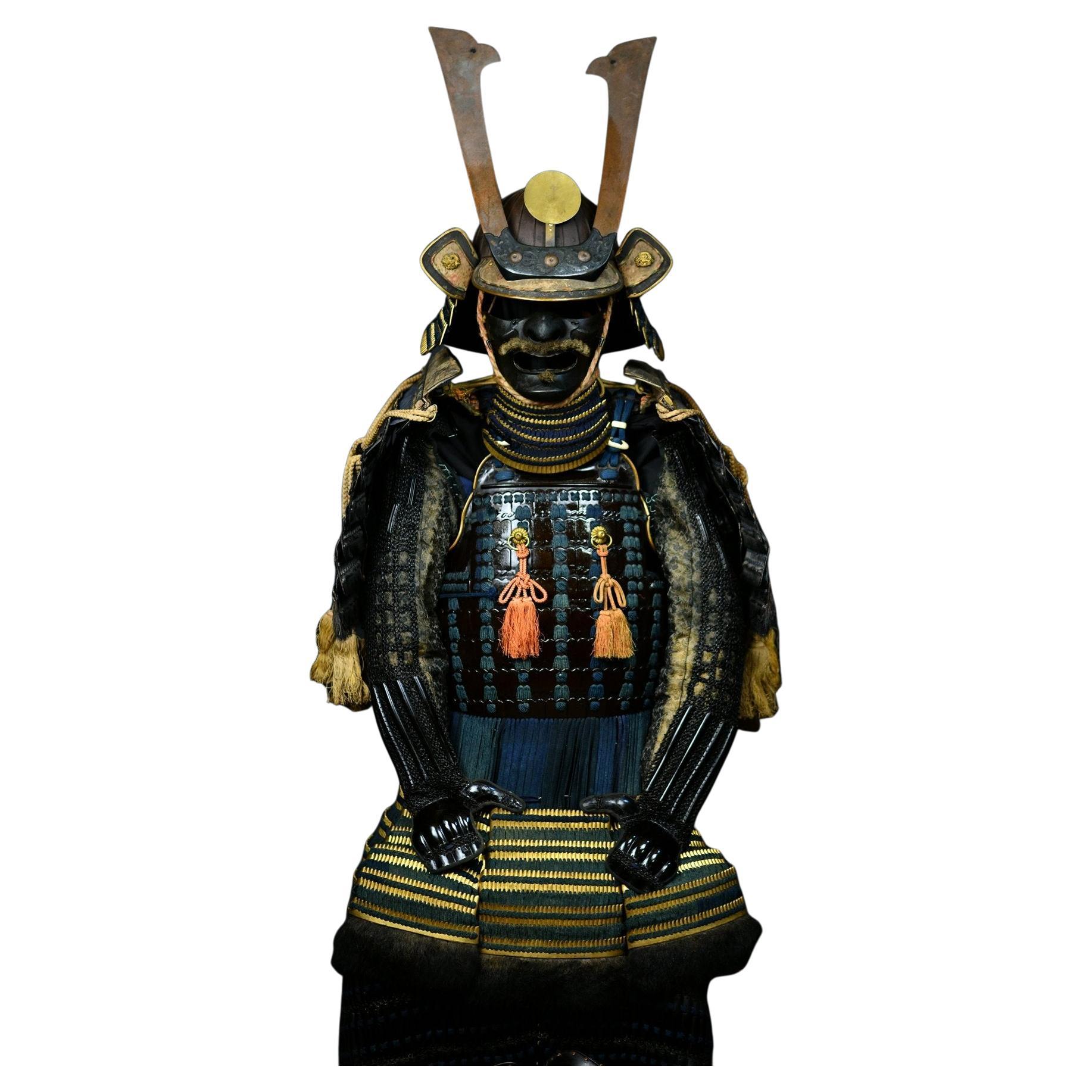
This complete Edo-period samurai armor is an exceptional example of the refined martial elegance and ceremonial grandeur associated with Japan’s warrior aristocracy. Every component reflects a precise harmony of functionality, symbolism, and prestige. At the heart of the set is a superb suji-bachi kabuto, constructed from multiple riveted iron plates arranged with flawless symmetry and enriched by a beautifully aged patina. It is crowned with a gilt tehen no kanamono, and the imposing maedate presents a pair of antler-like blades framing a gilded sun disc an emblem of celestial authority and divine lineage. The Fukigaeshi feature extraordinary gilt dragon ornaments, carved in high relief. Dragons, ancient symbols of protection and power, were reserved for armor of the highest rank, strongly indicating that this set belonged to a Daimyō or high-ranking retainer. The menpō, lacquered in deep black, includes a natural-hair moustache and an articulated jaw (resseibō), lending the face a vivid sense of character. Below it, the shikoro is composed of finely lacquered blue-and-gold plates, meticulously laced with silk. The okegawa ni-mai dō cuirass is finished in a dark brown lacquer and laced in deep indigo silk, complemented by elegant orange ceremonial tassels a hallmark of formal presentation armor. The sode (shoulder guards) retain their rare bear-fur trimming, an expensive and status-laden material symbolizing courage and noble rank. Completing the ensemble are beautifully made kote, haidate, and suneate, each executed with rich fabrics and refined lacquer work. A butterfly mon (chō-mon) appears on the leg guards an elegant symbol of transformation, adding a poetic contrast to the armor’s martial presence. The extensive use of gilding, the rare bear-fur details, and the prominent dragon motifs confirm this as a piece created for the highest echelons of samurai society. It is a masterpiece where ceremonial artistry, symbolism, and authority converge. Artistic and Historical Significance This armor epitomizes the Edo-period ideal, when arms and armor transcended their battlefield origins and became expressions of identity, dignity, and cultural refinement. The interplay of dark lacquer, golden ornamentation, and natural materials embodies the spirit of bushidō discipline, inner strength, and beauty through restraint. Whether displayed in a private collection, gallery, office, or interior setting, this armor commands attention. Its presence transforms any space, making it a truly museum-worthy centerpiece for collectors of Japanese, military, or historical art. The set includes its traditional stand and storage box. As with all antique armor...
Metal
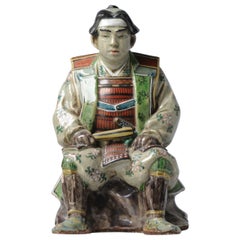
Japanese Kutani Statues Story of Momotaro Tsugata Yuma, 19/20th C
Located in Amsterdam, Noord Holland
Large, lovely and very nicely made Kutani statues They depict the characters from the story of Momotaro (Peach Boy). Specifically, Momotaro himself, Do...
Porcelain
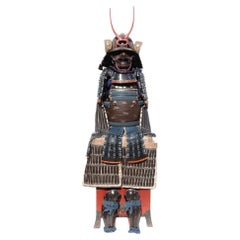
Antique Japanese Samurai Suit of Armor, Edo Period, 18th Century
Located in Point Richmond, CA
Antique Japanese Samurai Suit of Armor, Edo period, 18th century. A complete matching set of lacquered iron work; the cuirass with dragonfly decoration and blue lacing, a Kaga schoo...
Metal, Silver, Foil, Iron, Gold Leaf
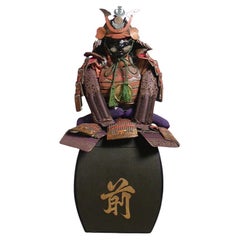
Antique Japanese Boy's Day Display Suit of Armor
Located in Point Richmond, CA
Antique Japanese miniature model of a suit of armor made for the Boy’s day display. Constructed of a lacquered paper cuirass, upper arm guar...
Textile, Wood, Lacquer, Paper