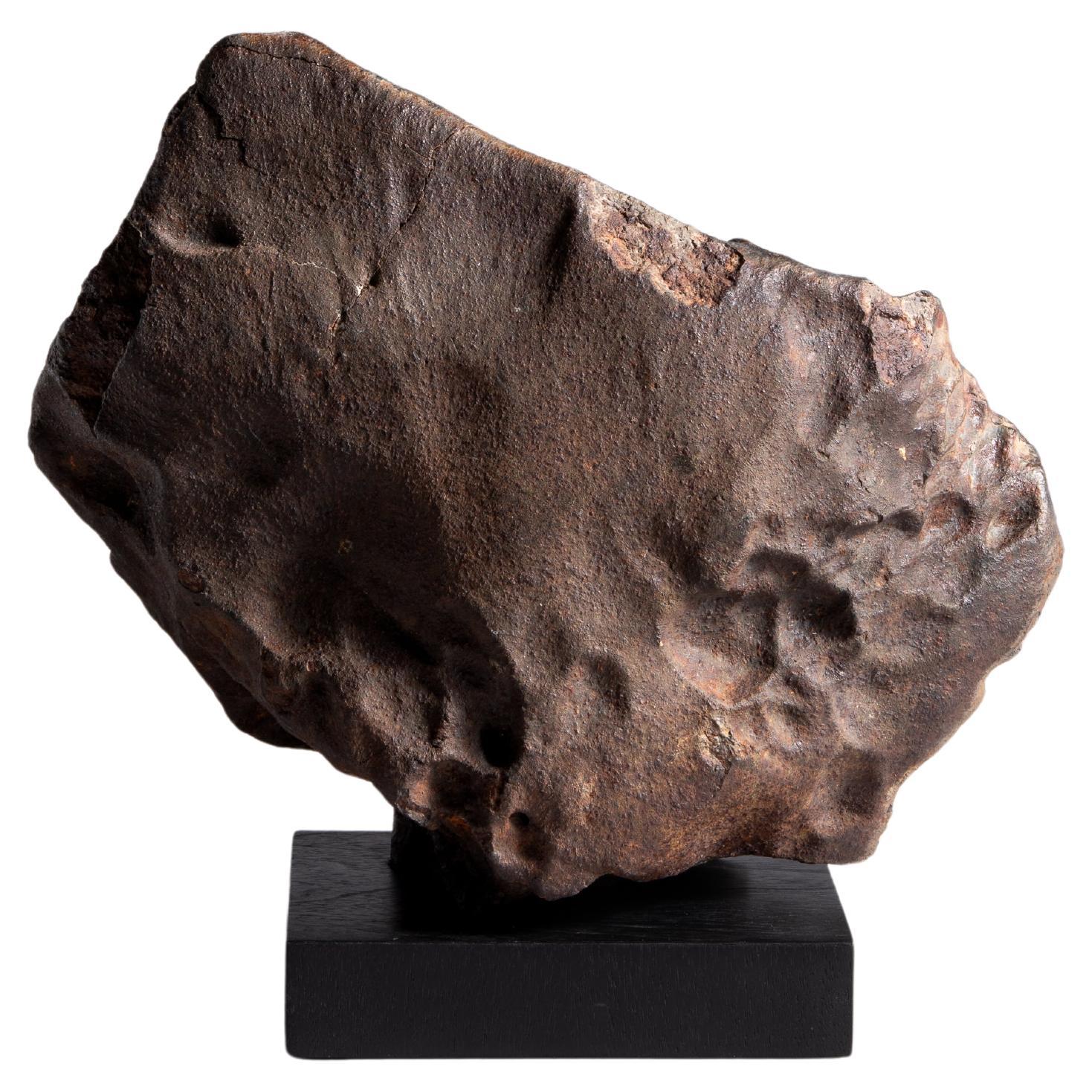
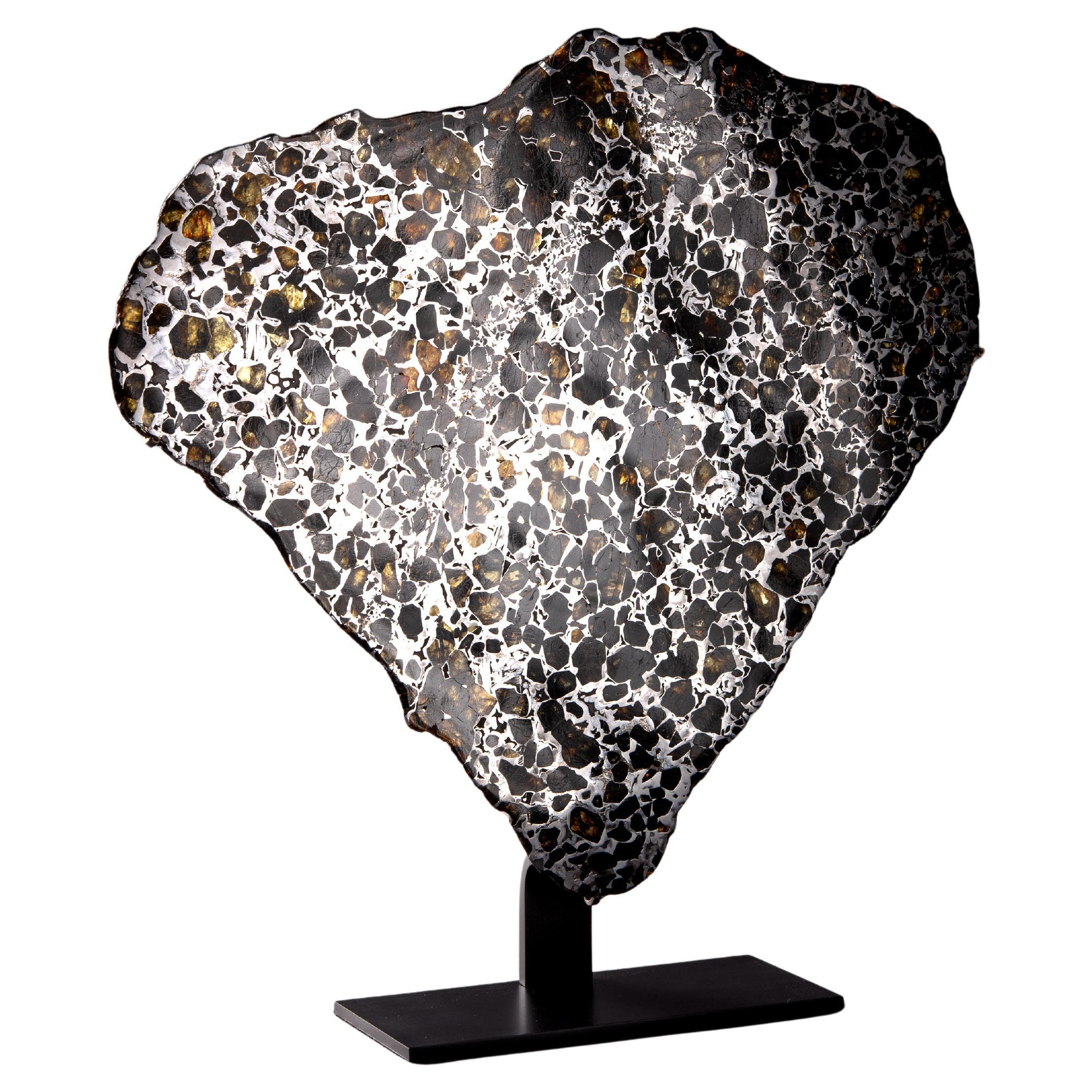
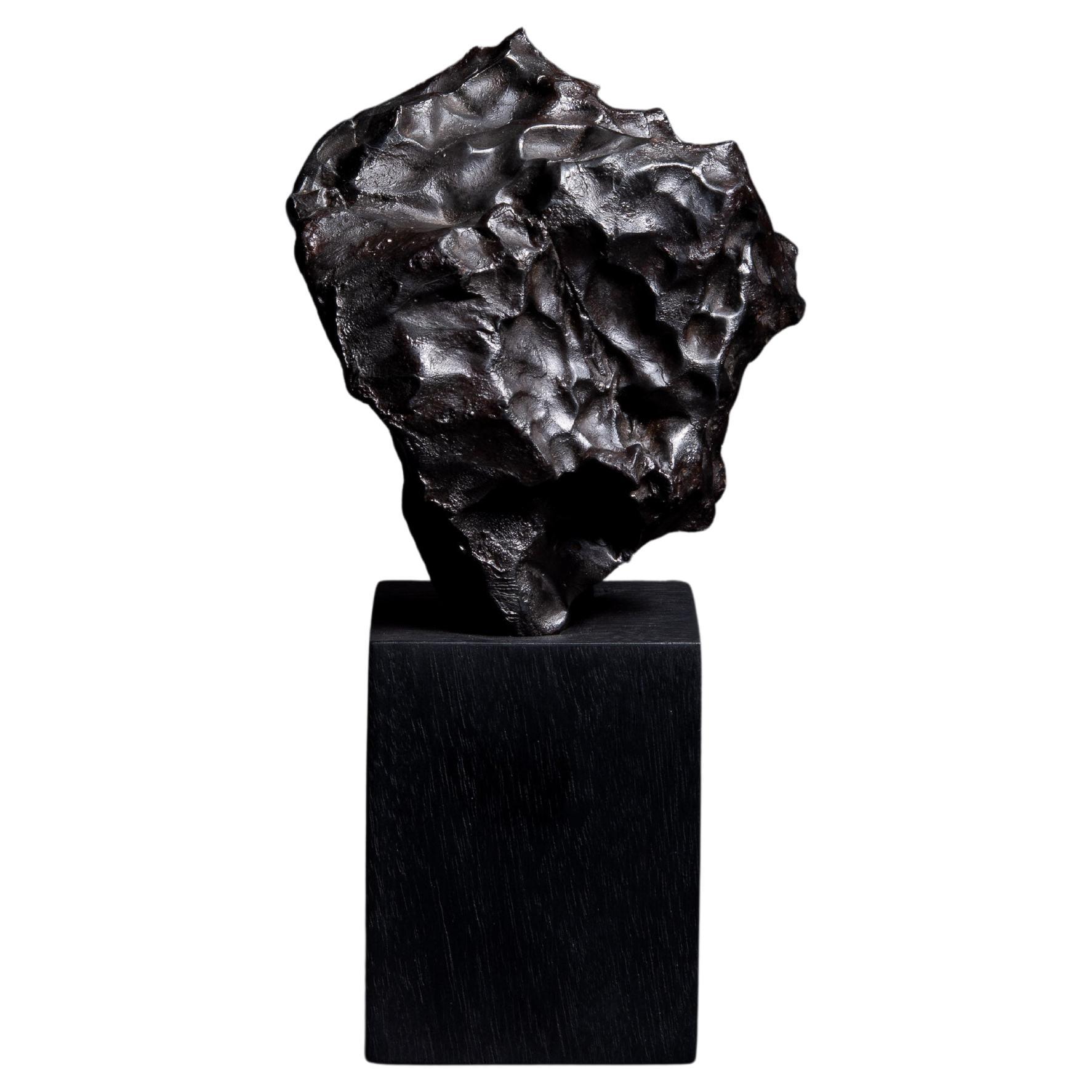
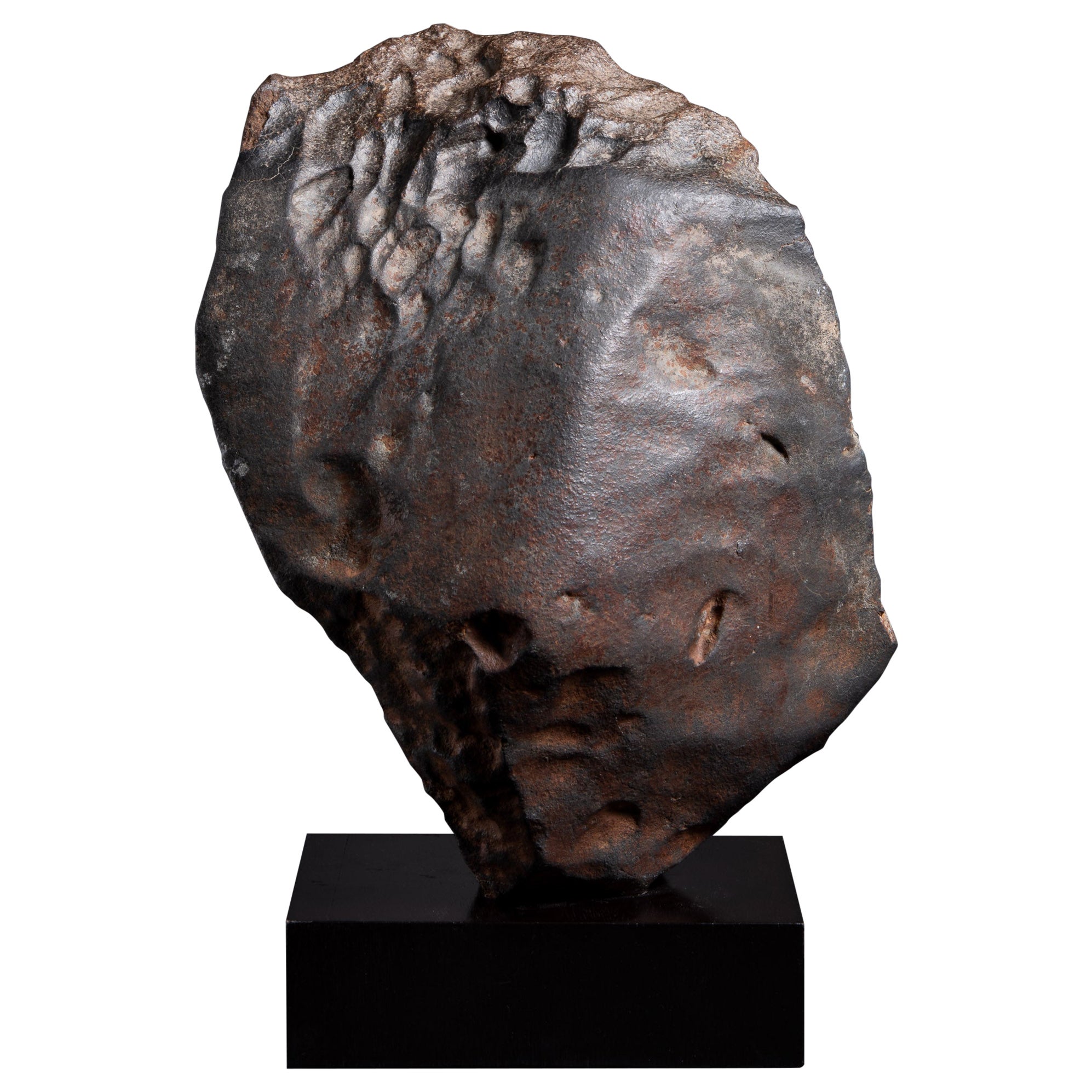
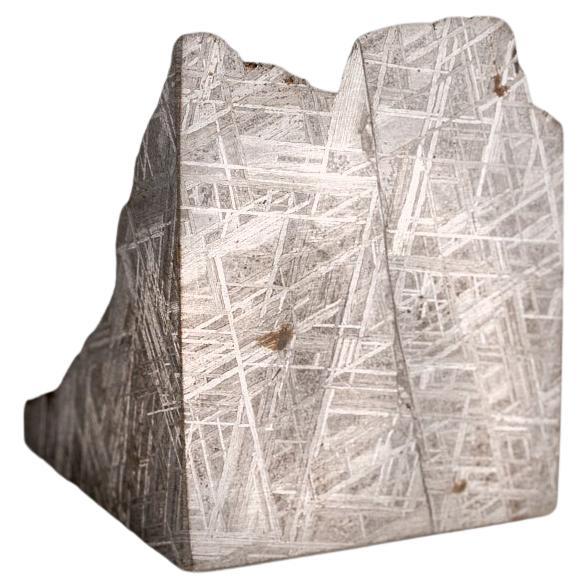
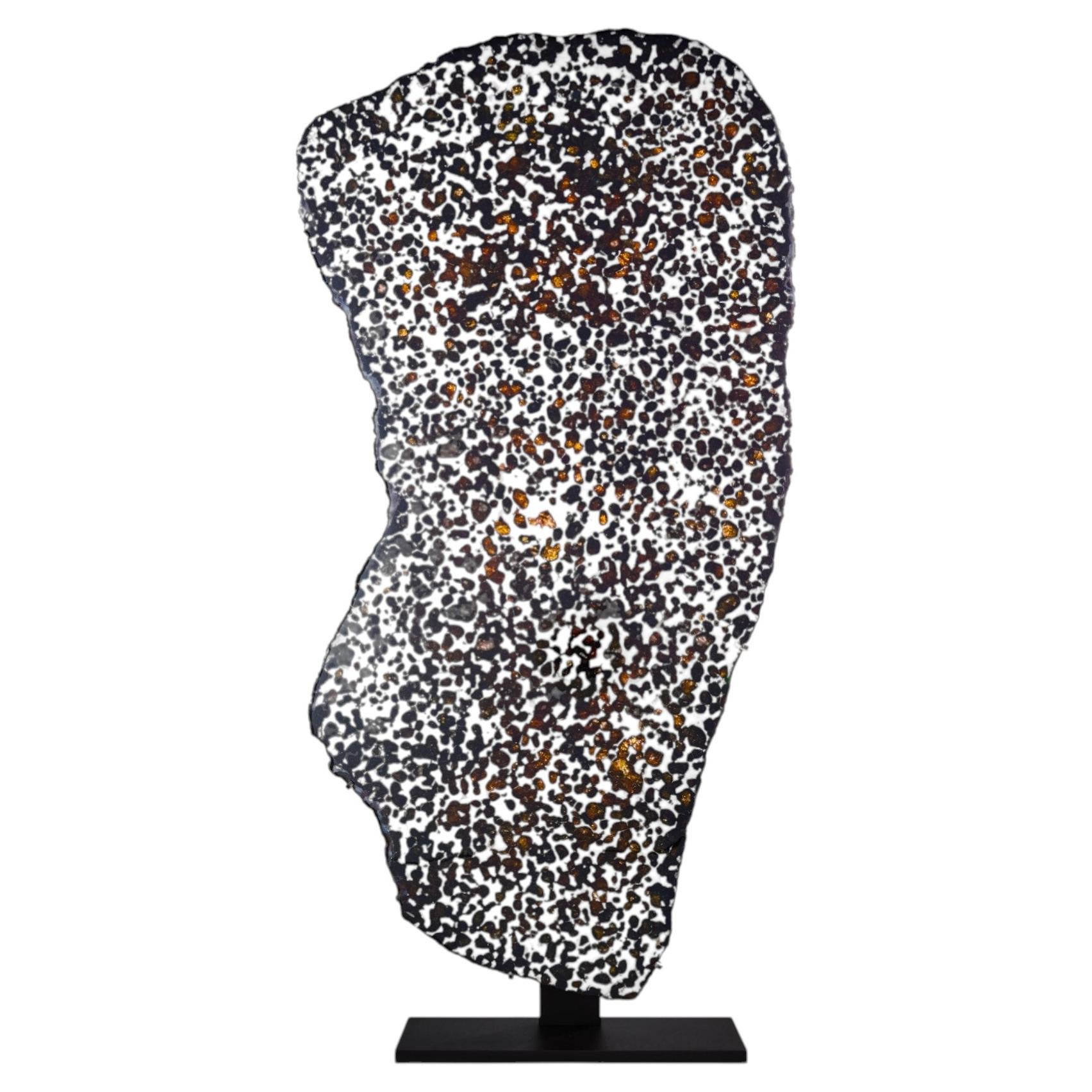
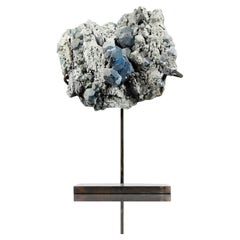
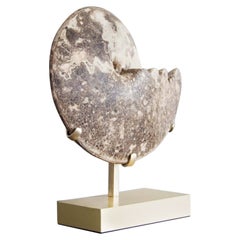
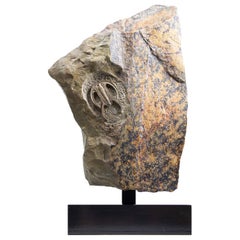
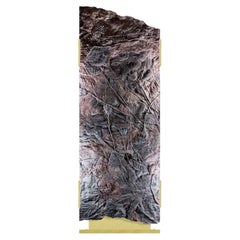
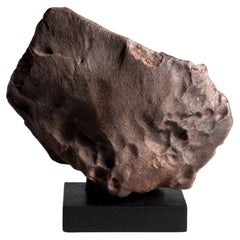
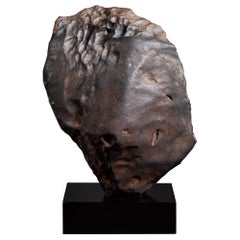
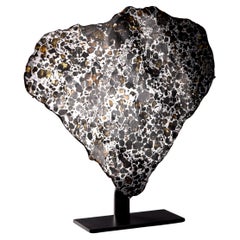
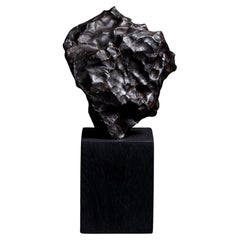
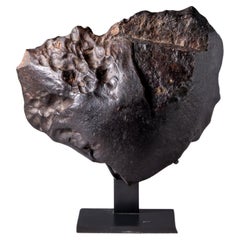
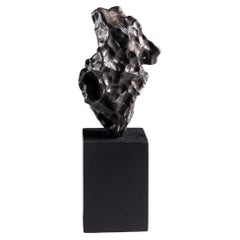
These fragmented NWA [H5] meteorite sections are transformed within a beautiful bronze stand displaying all fragments, all of which are included with this product, including the bronze stand.
These extraterrestrial stars form our ever-evolving solar system dating 4,400,000,000+ [4.4+ Billion] years, with less than 0.01% of 50,000+ terrestrial impacts occurring each year on the planets that we know of, many of which burn upon entering earth's upper atmosphere or fall into our oceans.
Such discoveries were once part of a substantial meteor body orbiting asteroids or asteroid belts in our solar system. In rare events, these stars fall to planetary objects, in this case, earth - entering our stratosphere and impacting the Western Saharan Desert. Exhibiting shallow regmaglypts on the surface, [indentations] created by ablation while falling through the atmosphere, and on occasion consist of fractures caused by terrestrial impact.
Chondrite meteorites contain chondrules, microscopic spheres which are by repute the building blocks of our planetary systems. Science identifies chondrites by the approximated 20% of iron and nickel found within and these mineralised spherical chondrule compounds are often discovered within iron chondrites which offers a greater understanding of the history of our planetary system, enabling science the opportunity to further study a small percentage of extraterrestrial matter that forms parts of our solar system which has evolved over 4,500,000,000 years, as we know it today.
Chondrites and achondrites are both types of stony meteorites, but they have different origins and compositions. Both chondrites and achondrites have many subgroups based on their compositions, structures, and the minerals they contain. With this, it is appreciated that Meteorites can provide great insight into the formation and evolution of our solar system.
Chondrites; are made up of iron, magnesium, silicon, and oxygen. The most abundant constituents are chondrules, which are igneous particles that crystallised rapidly. Chondrites can be distinguished from iron meteorites by their low iron and nickel content. and are formed in the asteroid belt about 4.56 billion years ago. They are some of the oldest materials in the solar system. Achondrites; have an evolved composition, including aubrite, eucrite, diogenite, and howardite. Achondrites also do not attract magnets because they do not contain iron-nickel metal and come from differentiated bodies, such as asteroids, Mars, or the Moon.
STAT
Type: Meteorite; Stony Iron [H5] [Magnetic]
Origin: Mauritanian desert. Nr Zuwairat
Class: [NWA] H5. North West African
Excav: Open Field Discovery [OPD]
Space age: Upto 4.5 billion years
Impact: 1,000-2,700 years B
Avg. Fragment CM: L: 11.8
In stand CM: H: 19 / W: 21 / D: 6.4