Video Loading
Want more images or videos?
Request additional images or videos from the seller
1 of 6

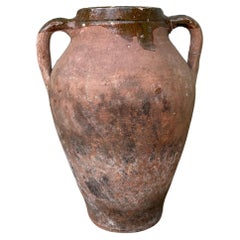
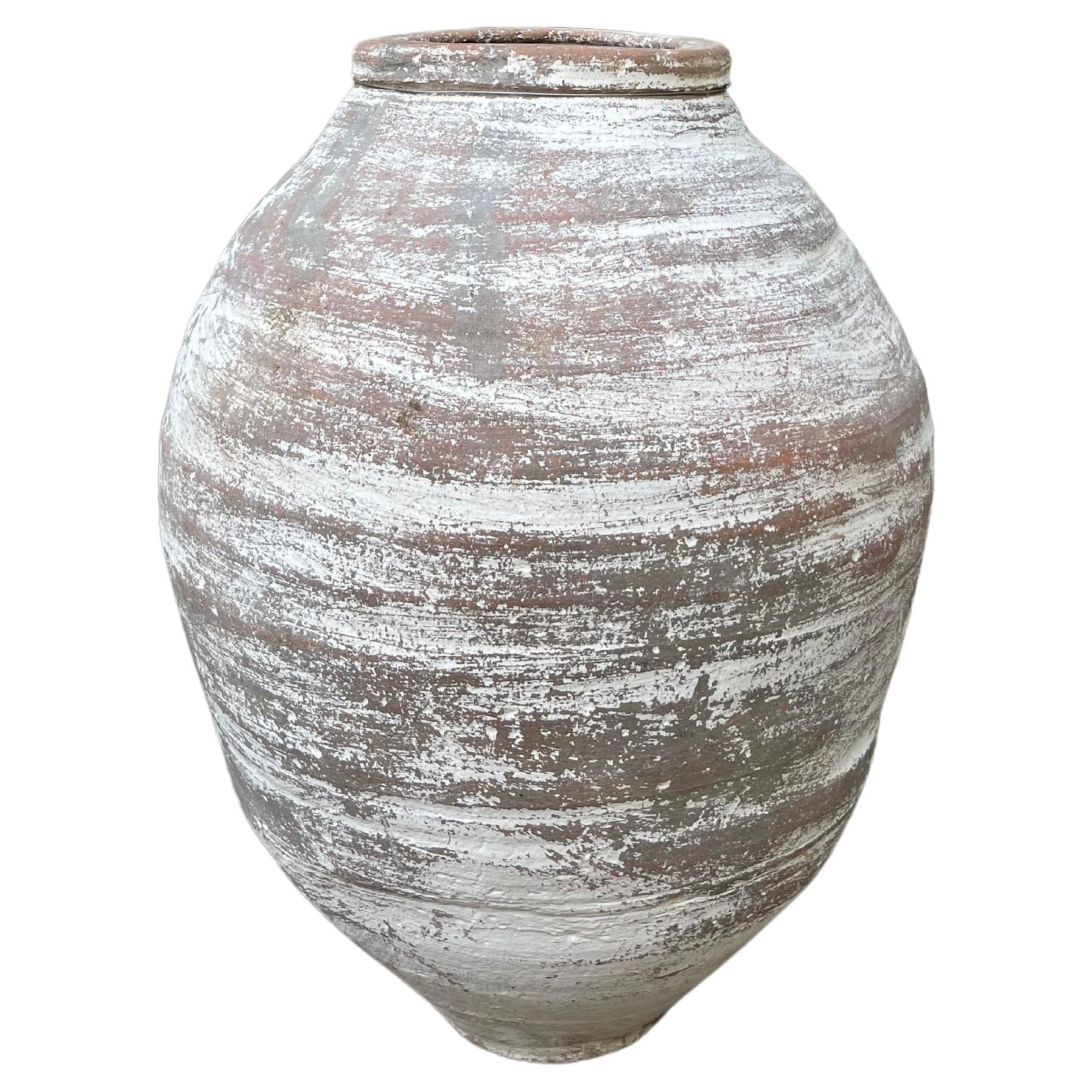
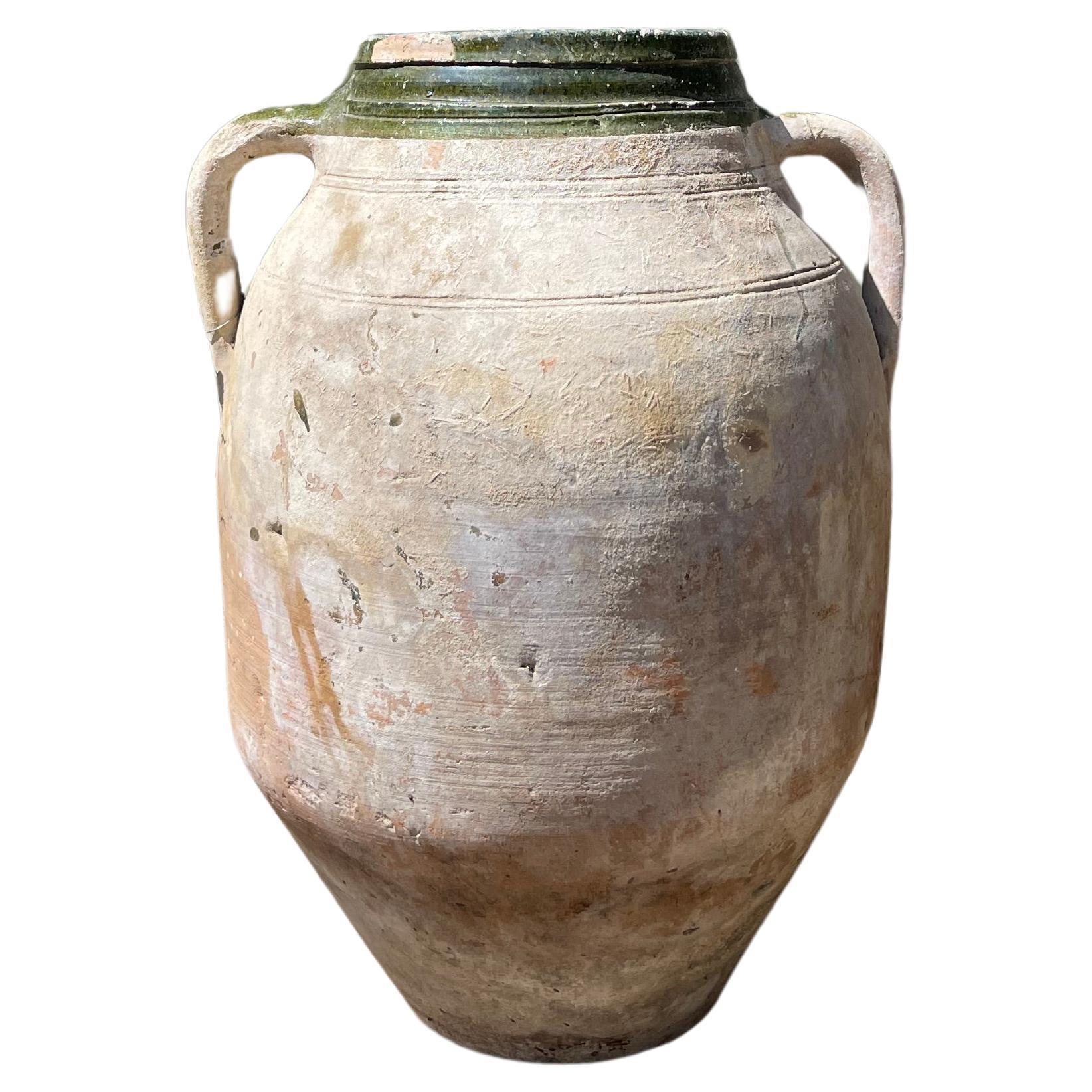
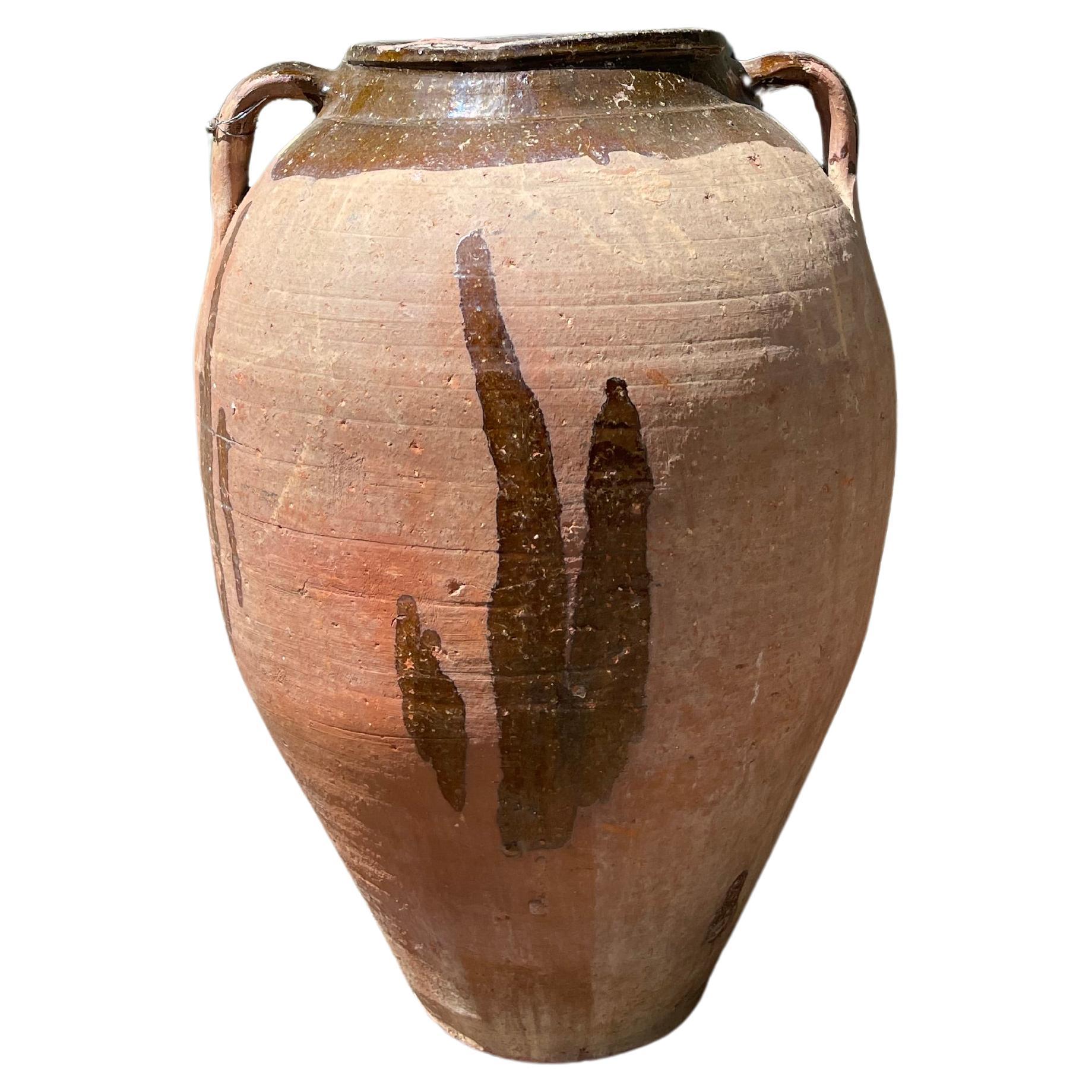
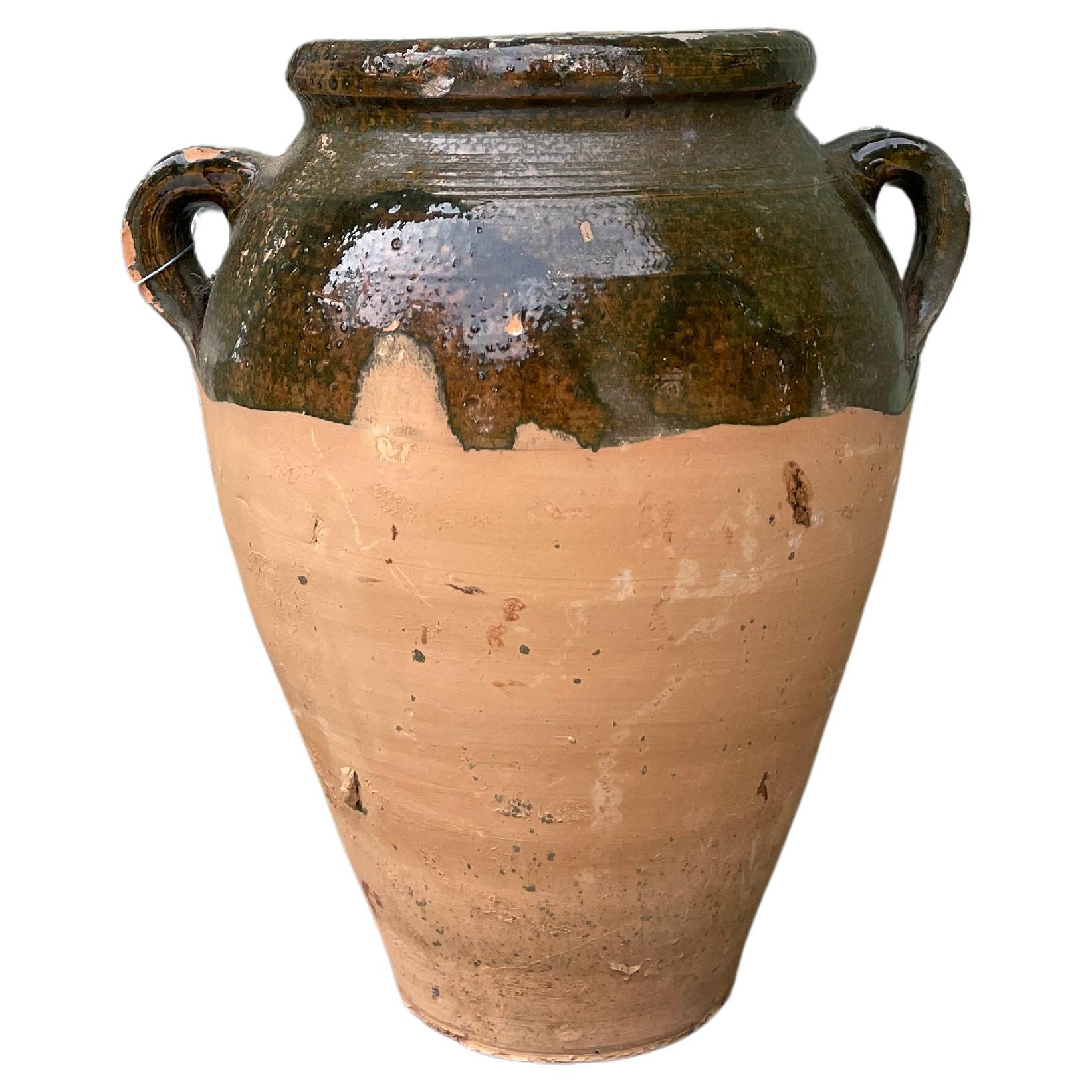
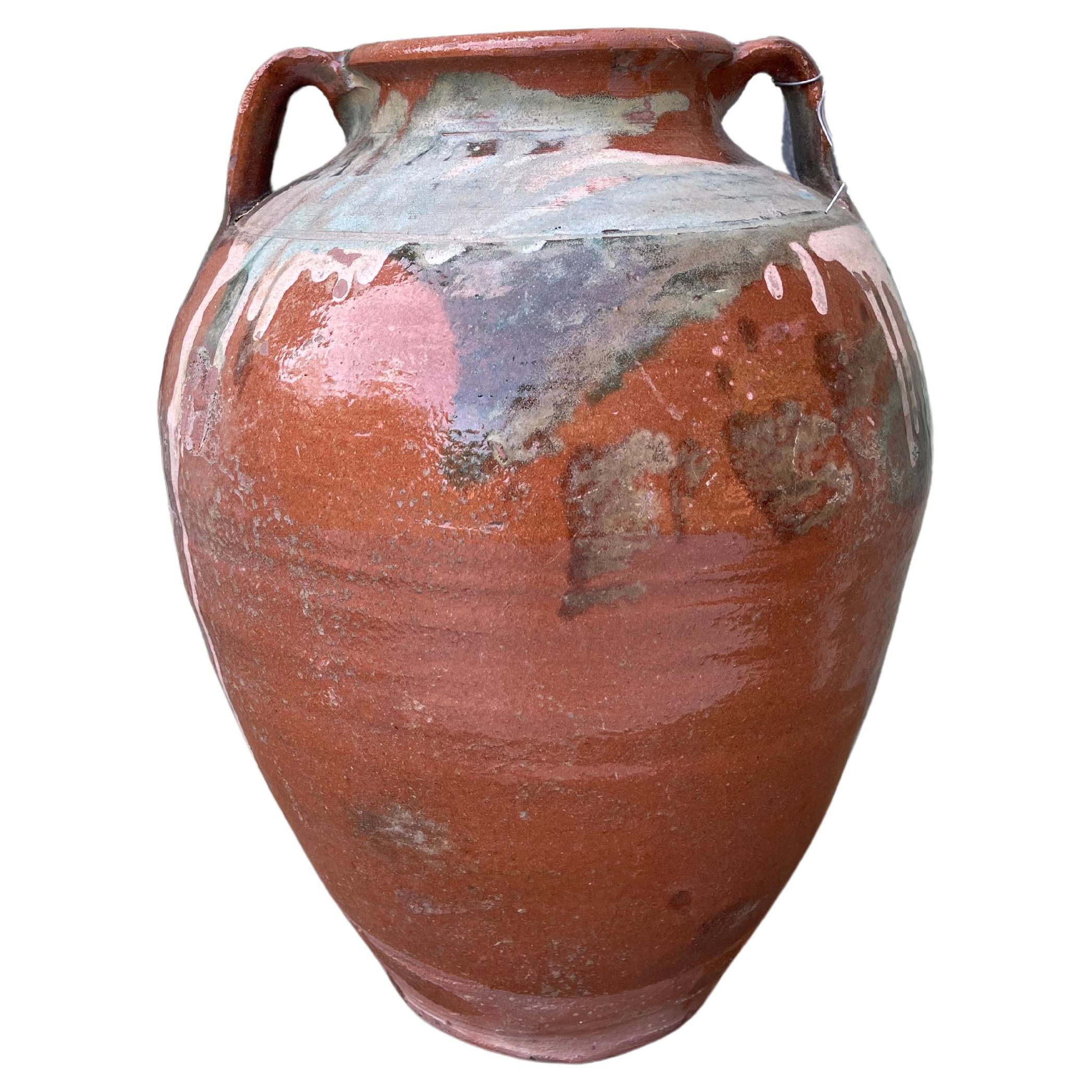
Sırlı Küp (Turkish Glazed Jar - Medium)

$360
$45020% Off
£272.80
£341.2320% Off
€317.96
€398.6720% Off
CA$514.60
CA$643.4720% Off
A$521.04
A$653.3520% Off
CHF 296.42
CHF 370.3720% Off
MX$6,332.28
MX$7,959.1220% Off
NOK 3,503.82
NOK 4,380.4620% Off
SEK 3,485.41
SEK 4,381.7420% Off
DKK 2,376.86
DKK 2,980.0120% Off

About the Item

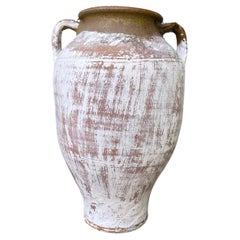
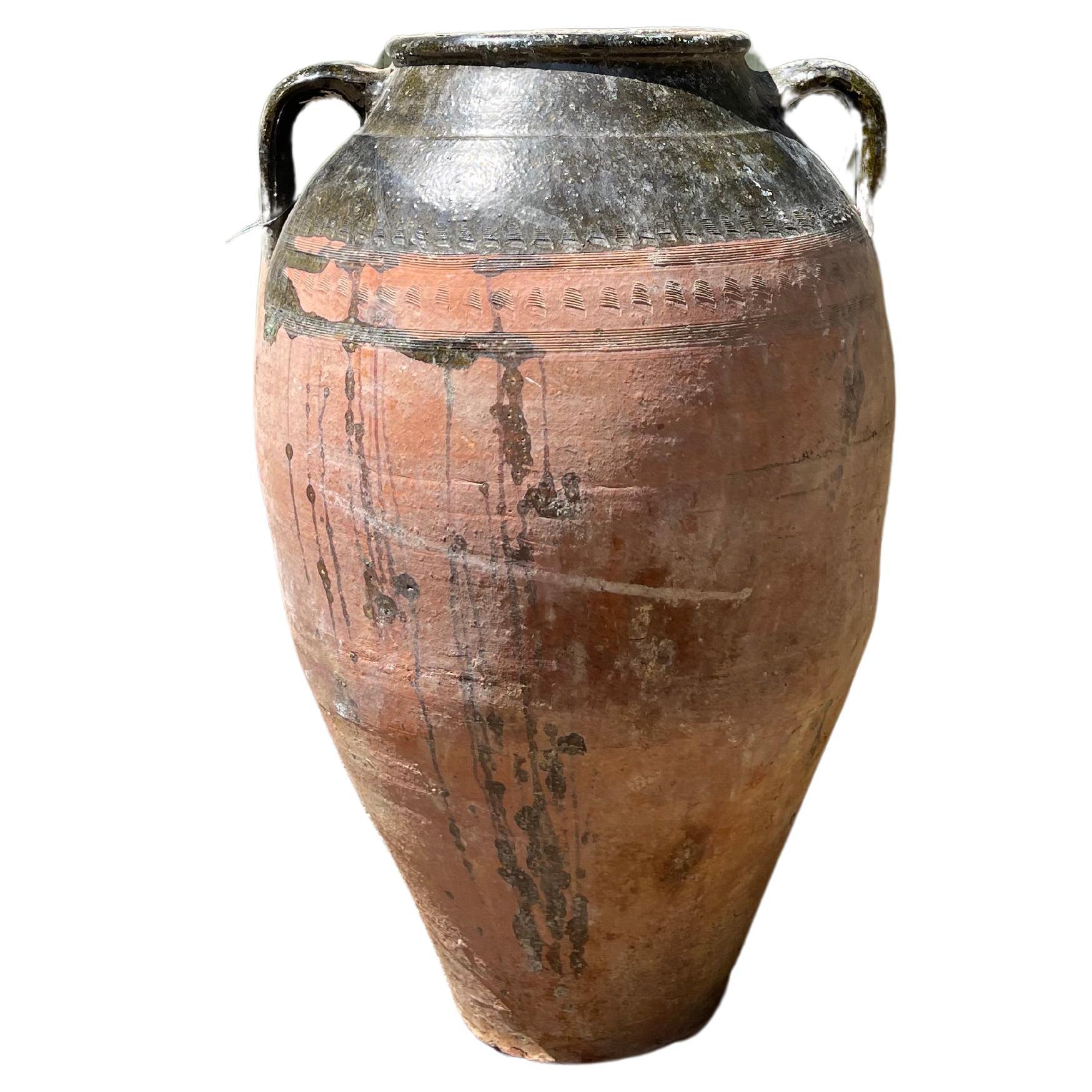
This medium glazed and limewashed küp was likely used to store cheese by generations of families in the Levant. The design is similar to jugs used to carry water, wine, or other liquids (as cheese is traditionally stored in its brine). Glazing and lime-washing are techniques that has been used for centuries by Anatolian ceramicists to refresh, seal, and protect a clay vessel. Cheese is a staple in most Turkish breakfasts today, with a fascinating history springing from the Fertile Crescent: the region of Southwest Asia that includes portions of present-day Turkey, Iraq, Iran, Jordan, Lebanon, and Syria. Around 8000 BCE, the first humans to keep livestock began firing pottery that could store dairy products in the warm climate. In this process, they discovered that they could use ceramic strainers to drain off the whey, creating cheese to enjoy fresh, to dry in the sun, or to salt & store. One of the oldest urban centers of the world, Konya was the capital city of the Anatolian Seljuk Empire from 1060 until 1307. As the Anatolian Seljuks embellished their magnificent structures with colorful ceramic tiles, Konya became an esteemed global hub of ceramics (and remains so today). Rumi, the great 13th century Sufi poet, is buried in Konya. *One-of-a-kind and marked by time, each of these pieces will show patina and natural imperfections. From oil stains to oxidation, we consider these alterations to be portals into a time long ago.
  • Dimensions:
    Height: 16 in (40.64 cm)Diameter: 9 in (22.86 cm)
  • Style:
    Greco Roman (In the Style Of)
  • Materials and Techniques:
  • Place of Origin:
  • Period:
  • Date of Manufacture:
    Unknown
  • Condition:
    Minor fading.
  • Seller Location:
    Ojai, US
  • Reference Number:
    Seller: SKU: 09141stDibs: LU9865240678402

More From This Seller

View All
Sırlı Küp (Turkish Glazed Jar - Medium)

Sırlı Küp (Turkish Glazed Jar - Medium)

Located in Ojai, US

This medium glazed and limewashed küp was likely used to store cheese by generations of families in the Levant. The design is similar to jugs used to carry water, wine, or other liquids (as cheese is traditionally stored in its brine). Glazing and lime-washing are techniques that has been used for centuries by Anatolian ceramicists to refresh, seal, and protect a clay vessel. Cheese is a staple in most Turkish breakfasts today, with a fascinating history springing from the Fertile Crescent: the region of Southwest Asia that includes portions of present-day Turkey, Iraq, Iran, Jordan, Lebanon, and Syria. Around 8000 BCE, the first humans to keep livestock began firing pottery that could store dairy products in the warm climate. In this process, they discovered that they could use ceramic strainers...

Category

Mid-20th Century Turkish Greco Roman Jars

Materials

Ceramic, Terracotta

Sırlı Küp (Turkish Glazed Jar - Medium)

Sırlı Küp (Turkish Glazed Jar - Medium)

Located in Ojai, US

This medium glazed and limewashed küp was likely used to store cheese by generations of families in the Levant. The design is similar to jugs used to carry water, wine, or other liquids (as cheese is traditionally stored in its brine). Glazing and lime-washing are techniques that has been used for centuries by Anatolian ceramicists to refresh, seal, and protect a clay vessel. Cheese is a staple in most Turkish breakfasts today, with a fascinating history springing from the Fertile Crescent: the region of Southwest Asia that includes portions of present-day Turkey, Iraq, Iran, Jordan, Lebanon, and Syria. Around 8000 BCE, the first humans to keep livestock began firing pottery that could store dairy products in the warm climate. In this process, they discovered that they could use ceramic strainers...

Category

Mid-20th Century Turkish Greco Roman Jars

Materials

Ceramic, Terracotta

Sırlı Küp (Turkish Glazed Jar - Small)

Sırlı Küp (Turkish Glazed Jar - Small)

Located in Ojai, US

This small "green-glazed" küp was likely used for wine, water, goat's milk, or cheese by generations of families in the Levant. The phosphorescent green glaze, a traditional techniqu...

Category

Mid-20th Century Turkish Greco Roman Jars

Materials

Ceramic, Terracotta

Sırlı Küp (Turkish Glazed Jar - Small) 0216

Sırlı Küp (Turkish Glazed Jar - Small) 0216

Located in Ojai, US

This small ""green-glazed"" küp was likely used for wine, water, goat's milk, or cheese by generations of families in the Levant. The phosphorescent green glaze, a traditional techni...

Category

Mid-20th Century Turkish Greco Roman Jars

Materials

Ceramic, Terracotta

Sırlı Küp (Turkish Glazed Jar - Large)

Sırlı Küp (Turkish Glazed Jar - Large)

Located in Ojai, US

This large "green-glazed" küp was likely used for wine, water, goat's milk, or cheese by generations of families in the Levant. The phosphorescent green glaze, a traditional techniqu...

Category

Mid-20th Century Turkish Greco Roman Jars

Materials

Ceramic, Terracotta

Sırlı Küp (Turkish Glazed Jar - Small)

Sırlı Küp (Turkish Glazed Jar - Small)

Located in Ojai, US

This small "green-glazed" küp was likely used for wine, water, goat's milk, or cheese by generations of families in the Levant. The phosphorescent green glaze, a traditional techniqu...

Category

Mid-20th Century Turkish Greco Roman Jars

Materials

Ceramic, Terracotta

You May Also Like

20th Century Anatolian Earthenware Storage Vessel

20th Century Anatolian Earthenware Storage Vessel

Located in London, GB

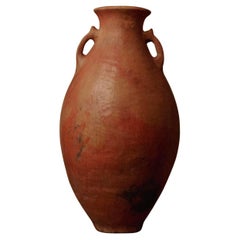
This 20th-century Anatolian earthenware storage jar is a beautifully crafted vintage clay vessel that brings an authentic touch of Turkish heritage to any rustic, Mediterranean, farm...

Category

Vintage 1950s Turkish Rustic Vases

Materials

Clay

20th Century Large Anatolian Terracotta Storage Jar

20th Century Large Anatolian Terracotta Storage Jar

Located in London, GB

This 20th-century Anatolian terracotta storage jar represents the rich heritage of Turkish pottery, crafted with an emphasis on function and durability. Its expansive, bulbous form w...

Category

Vintage 1940s Turkish Rustic Jars

Materials

Clay

19th Century Antique Greek Peloponnese Olive Oil Jar

19th Century Antique Greek Peloponnese Olive Oil Jar

Located in West Palm Beach, FL

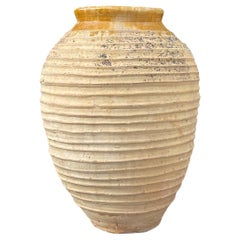
An antique Greek Peloponnese olive oil jar with the typical handcrafted ribbed Nekuma decoration on its round bodice. The rim has a warm yellow glaze. These antique garden pottery ve...

Category

Antique Late 19th Century Greek Jars

Materials

Terracotta

Turkish Antique 20th-Century Terracotta Ceramic Storage Pot

Turkish Antique 20th-Century Terracotta Ceramic Storage Pot

Located in London, GB

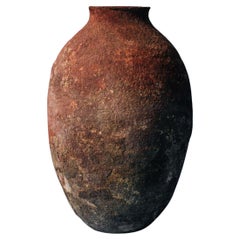
This 20th-century hand-crafted terracotta olive jar originates from Anatolia, where field firing — an open-air kiln method — produced vessels with richly varied tones and natural smo...

Category

Vintage 1940s Turkish Primitive Jars

Materials

Clay

Antique Anatolian Terracotta Vessel, Early 20th Century Hand-Thrown Pottery

Antique Anatolian Terracotta Vessel, Early 20th Century Hand-Thrown Pottery

Located in London, GB

A beautifully weathered terracotta vessel from early 20th-century Anatolia, hand-thrown in coarse local clay and fired in a traditional wood kiln. Originally used for storing olive o...

Category

Vintage 1940s Turkish Primitive Jars

Materials

Clay