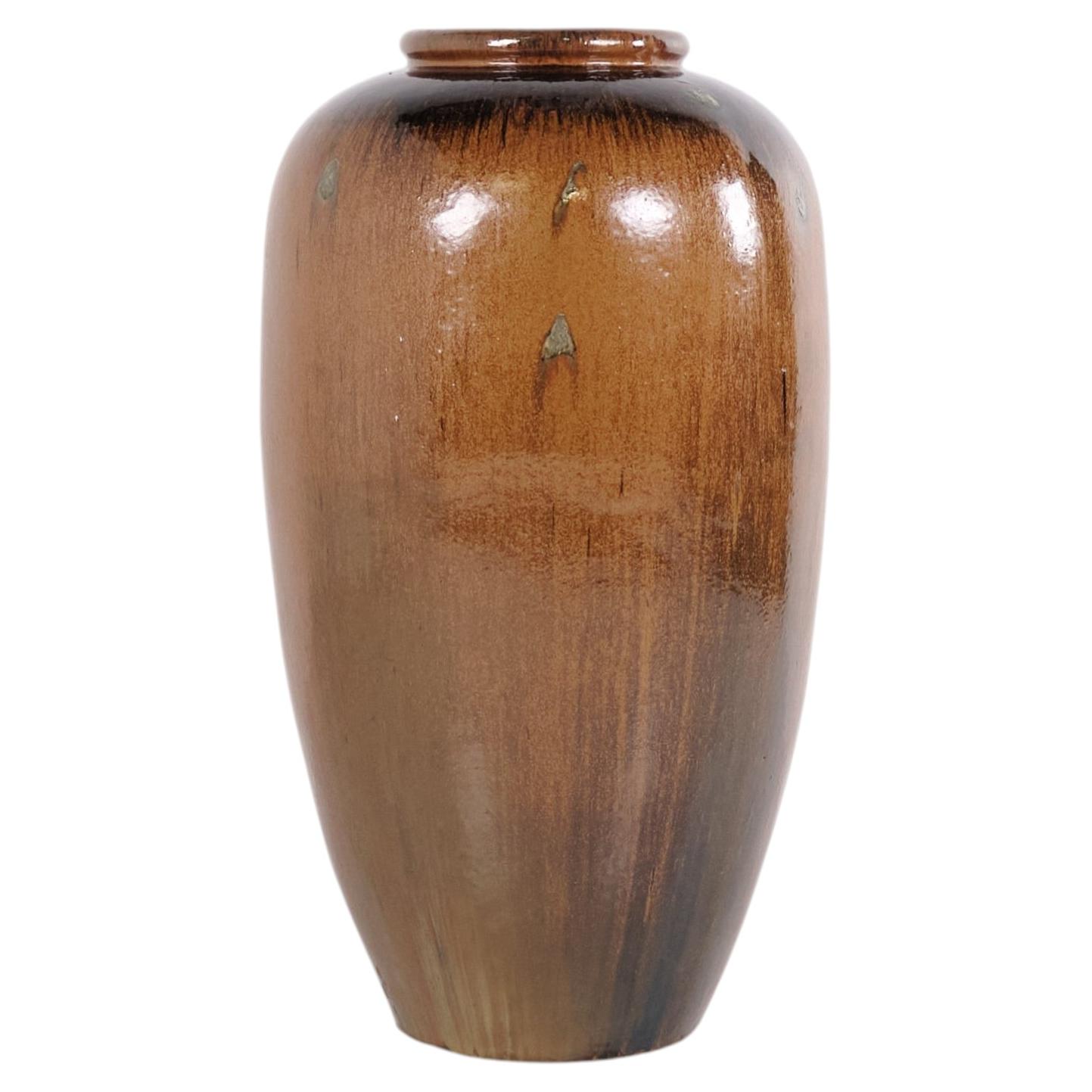
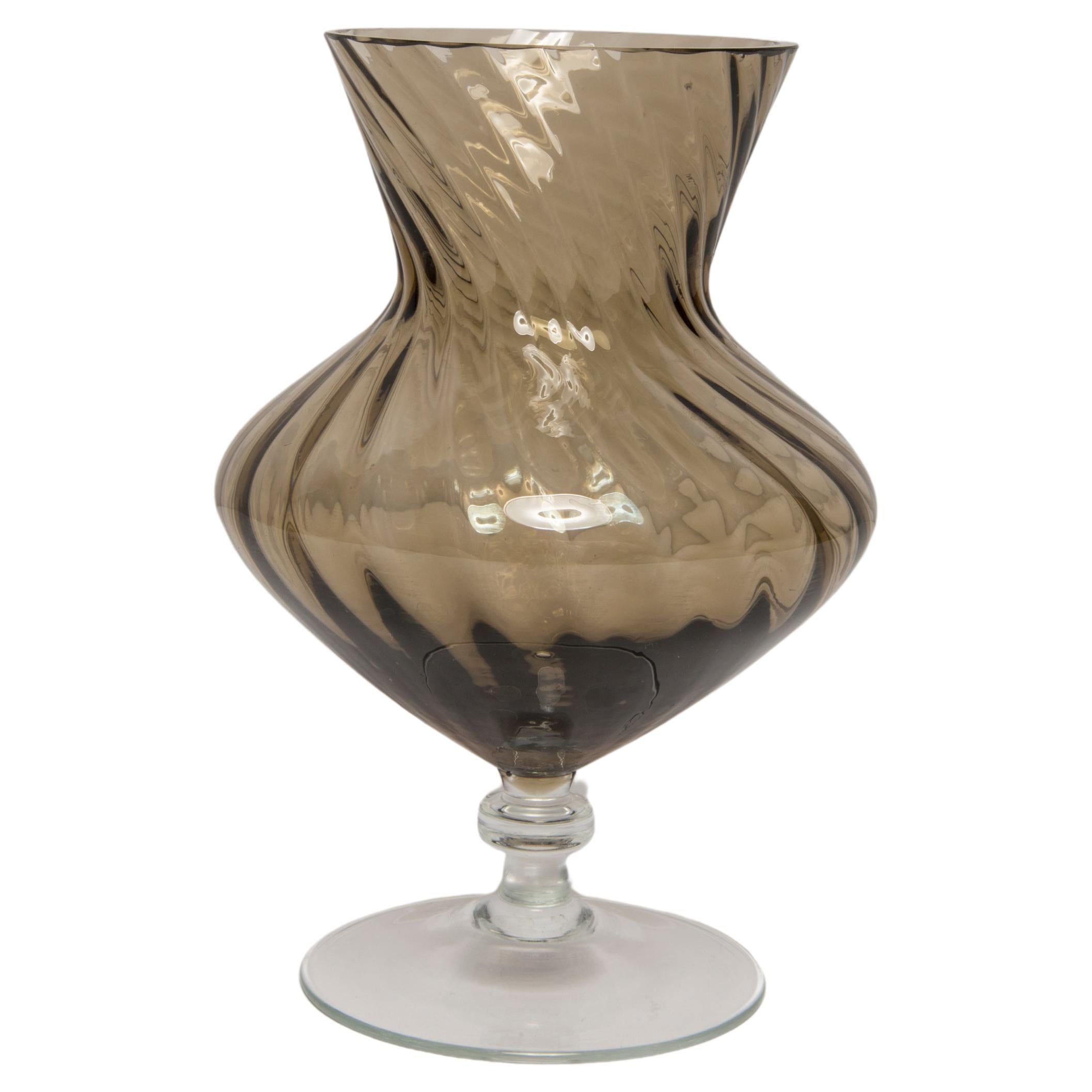
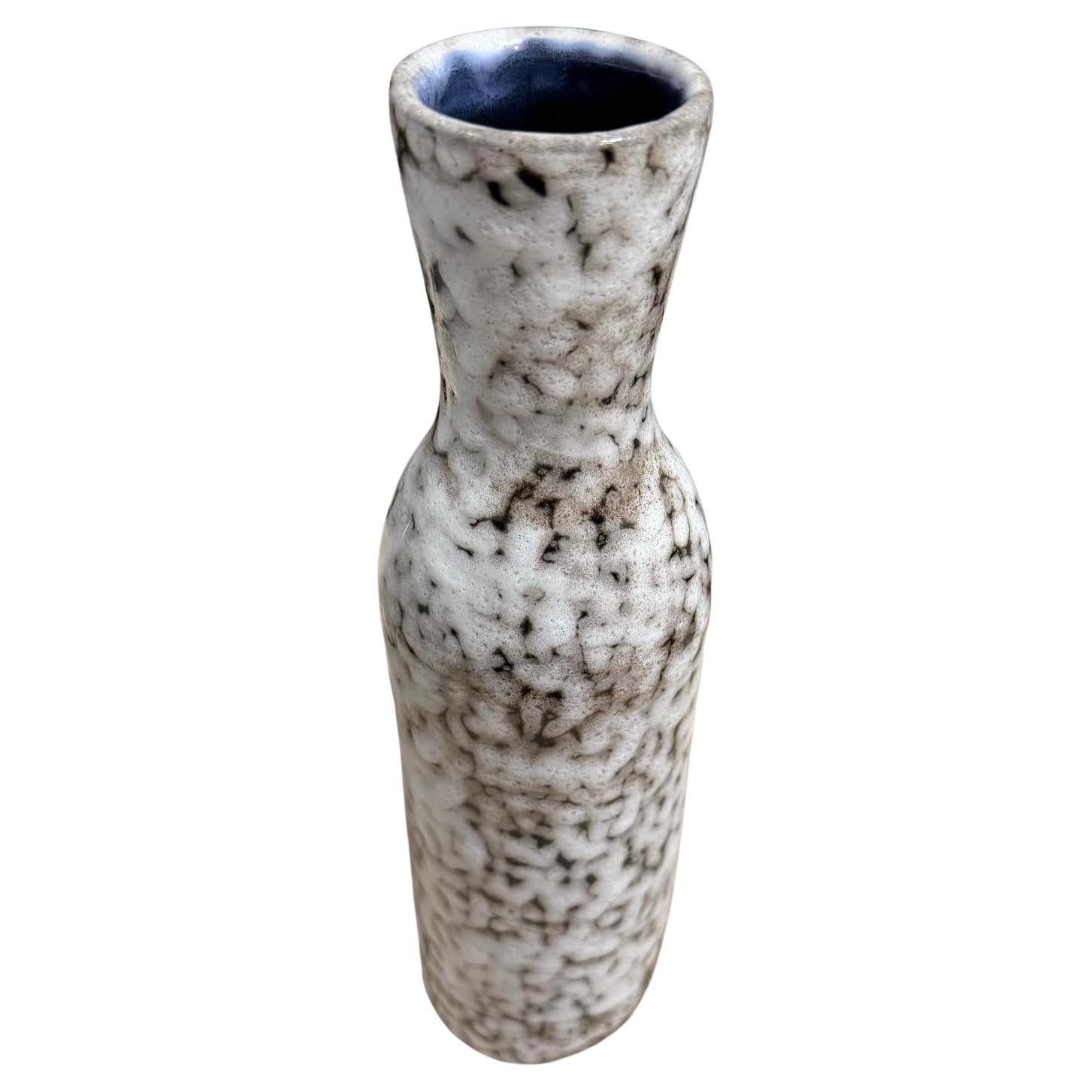
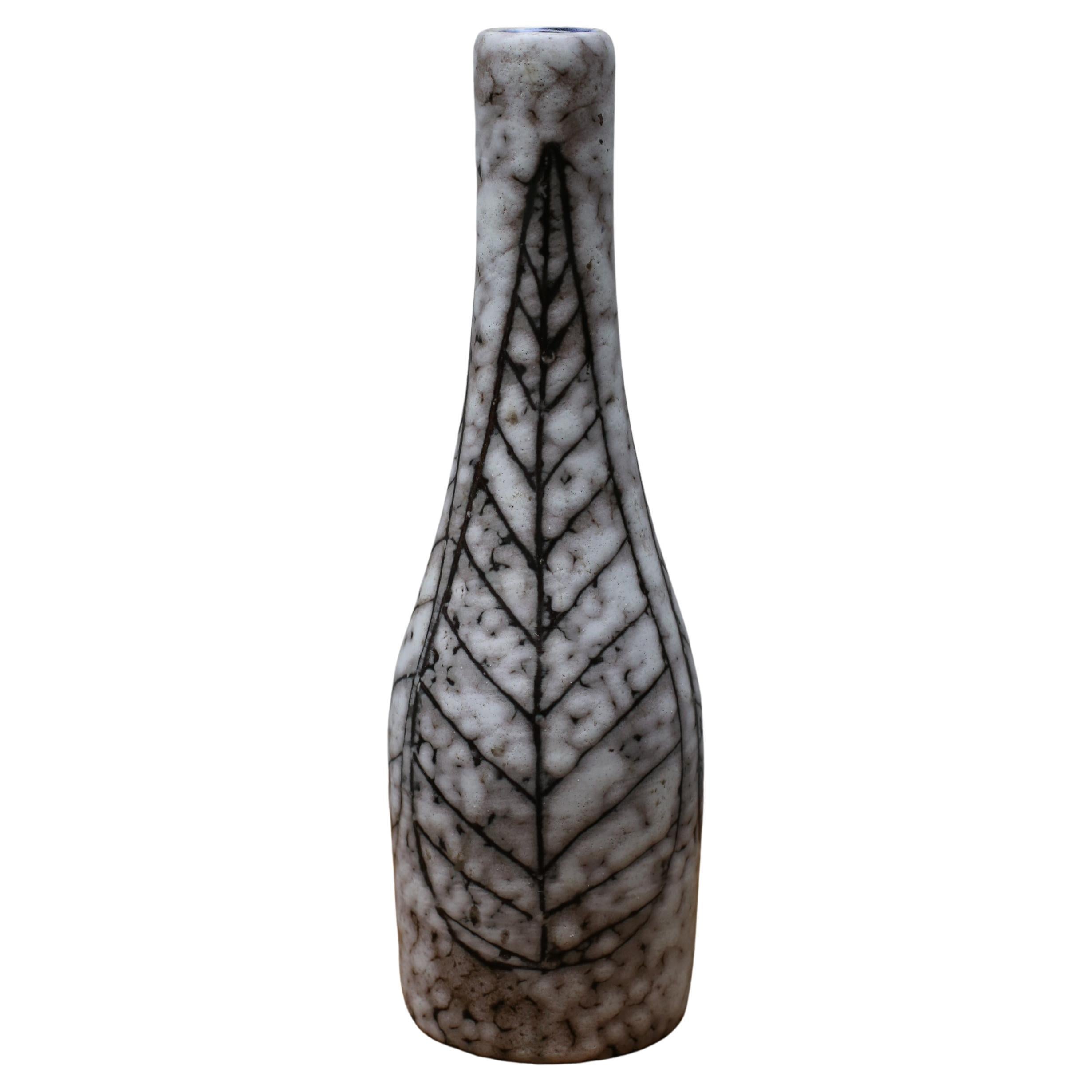
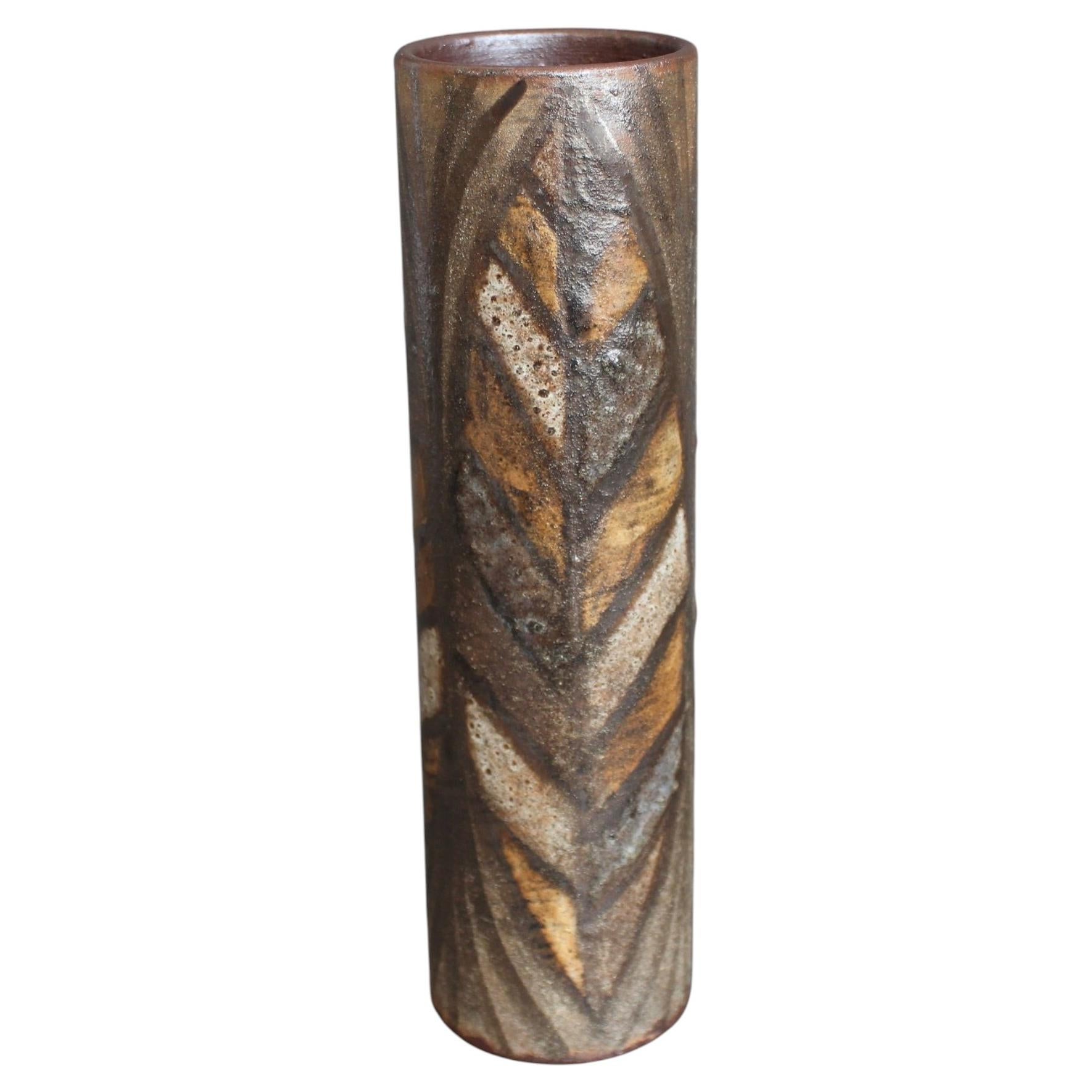
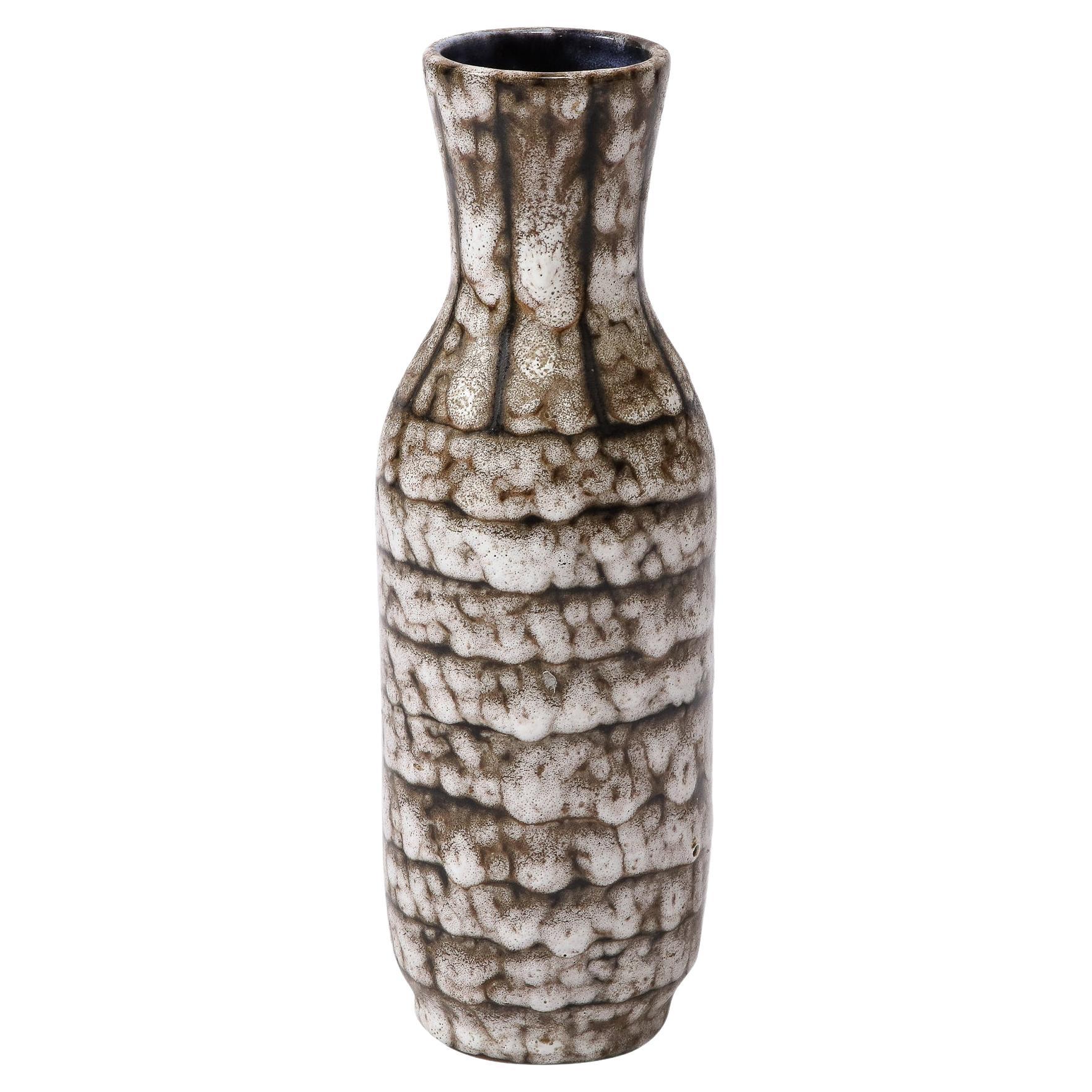
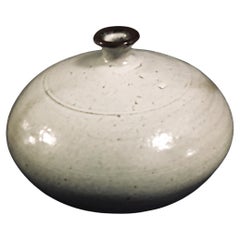
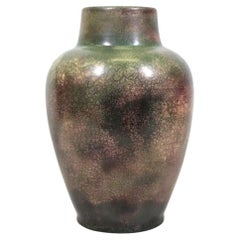
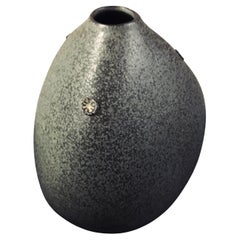
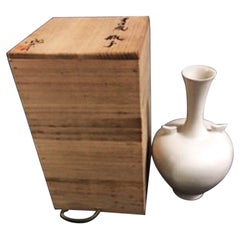
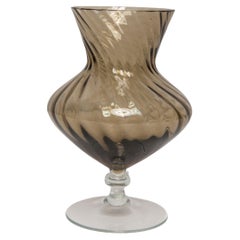
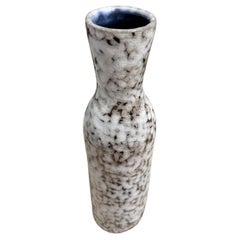
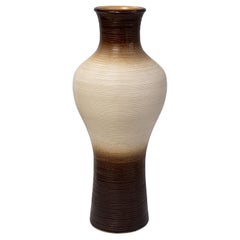
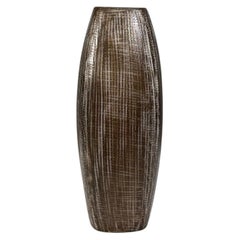
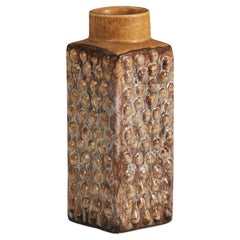
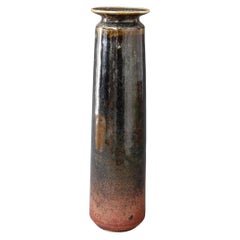
Japanese Modernist Beige Studio Ceramic Flower Vase, Circa 1950s
DIMENSIONS:
Height: 11 inches
Diameter: 4 inches
ABOUT JAPANESE MODERNIST BEIGE STUDIO CERAMICS
Japanese Modernist Beige Studio Ceramics represent a harmonious blend of traditional craftsmanship and modernist aesthetics, characterized by minimalist forms, subdued beige tones, and a focus on materiality and form. These ceramics emerged prominently in the post-World War II era, reflecting a shift towards individual artistic expression and a departure from purely functional pottery.
ORIGINS & INFLUENCES
The evolution of Japanese modernist ceramics was significantly influenced by two major movements:
• Mingei Movement: Initiated in the 1920s by philosopher Yanagi Sōetsu and potters like Hamada Shōji and Kawai Kanjirō, the Mingei (folk craft) movement celebrated the beauty of everyday, utilitarian objects made by anonymous craftsmen. It emphasized simplicity, natural materials, and traditional techniques, laying the groundwork for modernist interpretations in ceramics. Daniella On Design+2Financial Times+2Saint Louis Art Museum+2
• Sōdeisha Group: Founded in 1948 by Yagi Kazuo, Kano Tetsuo, and others, Sōdeisha (Crawling through Mud Association) sought to break away from traditional functional pottery. They emphasized sculptural forms and abstract expression, often incorporating muted glazes and minimalist designs. Mirviss+2Ceramics Now+2Wikipedia+2
CHARACTERISTCS OF BEIGE MODERNIST CERAMICS
Beige tones in Japanese modernist ceramics are not merely aesthetic choices but reflect deeper philosophical and cultural values:
• Wabi-Sabi Aesthetics: The preference for subdued, earthy colors aligns with the Japanese concept of wabi-sabi, which finds beauty in imperfection, impermanence, and simplicity.
• Material Emphasis: Artisans often highlight the natural texture and color of the clay, using minimal glazing to allow the material's inherent qualities to shine.
• Functional Minimalism: While some pieces are purely sculptural, many maintain functionality, embodying a minimalist design that serves both aesthetic and practical purposes.
• NOTABLE ARTISTS & STUDIOS
• Yagi Kazuo: A leading figure in the Sōdeisha group, Yagi's work exemplifies the fusion of modernist abstraction with traditional ceramic techniques. His pieces often feature neutral tones and innovative forms. Leonard Joel Auctions+3Wikipedia+3Ceramics Now+3
• Shoji Hamada: A key proponent of the Mingei movement, Hamada's ceramics are celebrated for their rustic simplicity and natural glazes, often in earthy hues including beige. Financial Times+1Daniella On Design+1
• Ken Matsuzaki: A contemporary potter influenced by both Mingei and modernist principles, Matsuzaki's works often showcase natural glazes and forms that highlight the clay's texture.
COLLECTING & APPRECIATING
Japanese modernist beige ceramics are highly regarded in both art and design circles for their timeless appeal and philosophical depth. Collectors and enthusiasts can explore these works through various avenues:
Galleries and Auctions: Institutions like Leonard Joel Auctions have featured exhibitions focusing on modernist Japanese ceramics, showcasing pieces from the 1950s to the present.
Online Marketplaces: Platforms such as 1stDibs and others offer a range of vintage and contemporary Japanese ceramics, including beige-toned pieces that reflect modernist aesthetics.
Museum Collections: Museums worldwide, including the Museum of Modern Art (MoMA), have recognized and exhibited works by Japanese modernist ceramicists, underscoring their global significance.
In summary, Japanese Modernist Beige Studio Ceramics encapsulate a unique intersection of tradition and innovation, offering insights into Japan's cultural evolution and artistic sensibilities. Their understated elegance and philosophical underpinnings continue to inspire and captivate audiences around the world.