Want more images or videos?
Request additional images or videos from the seller
1 of 10

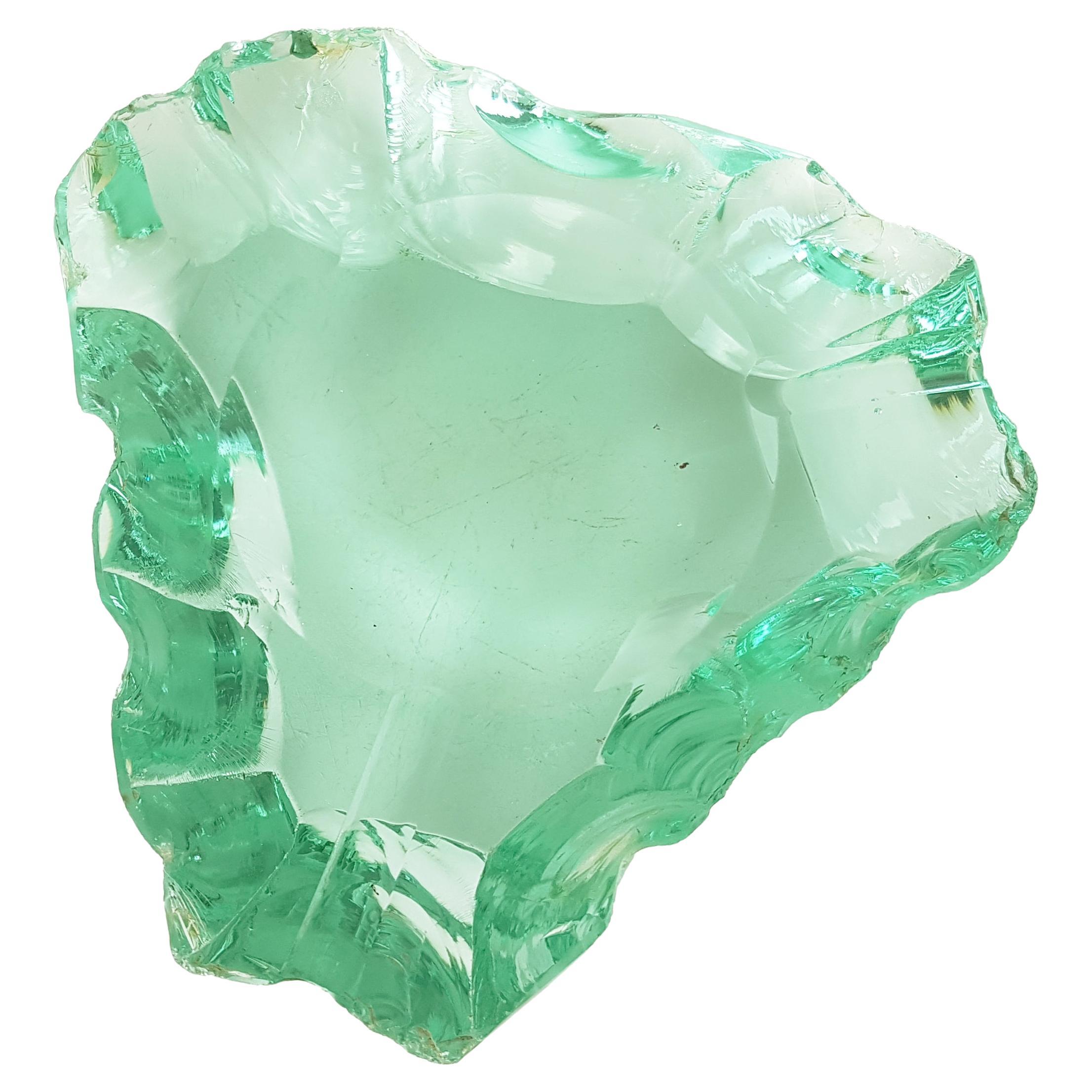
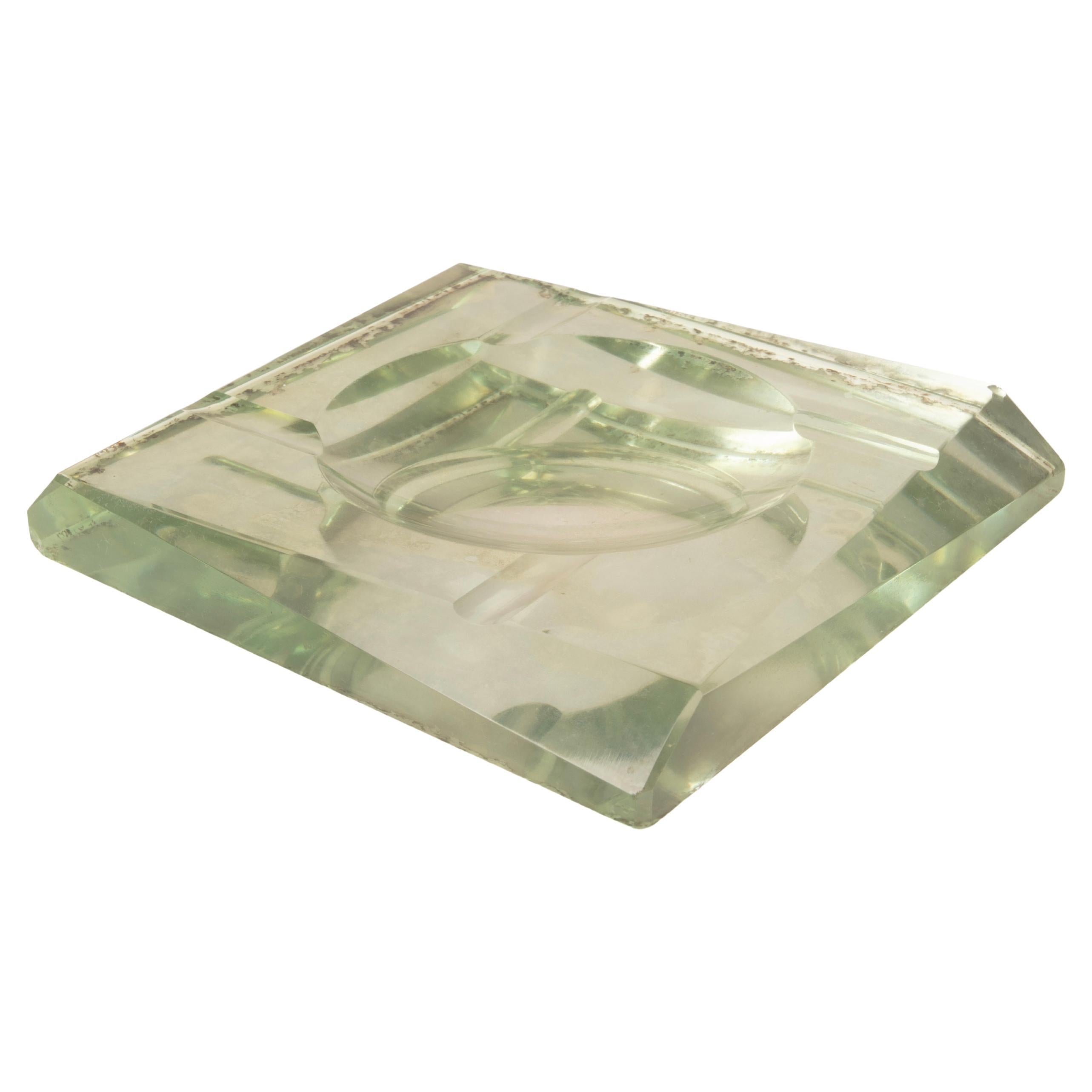
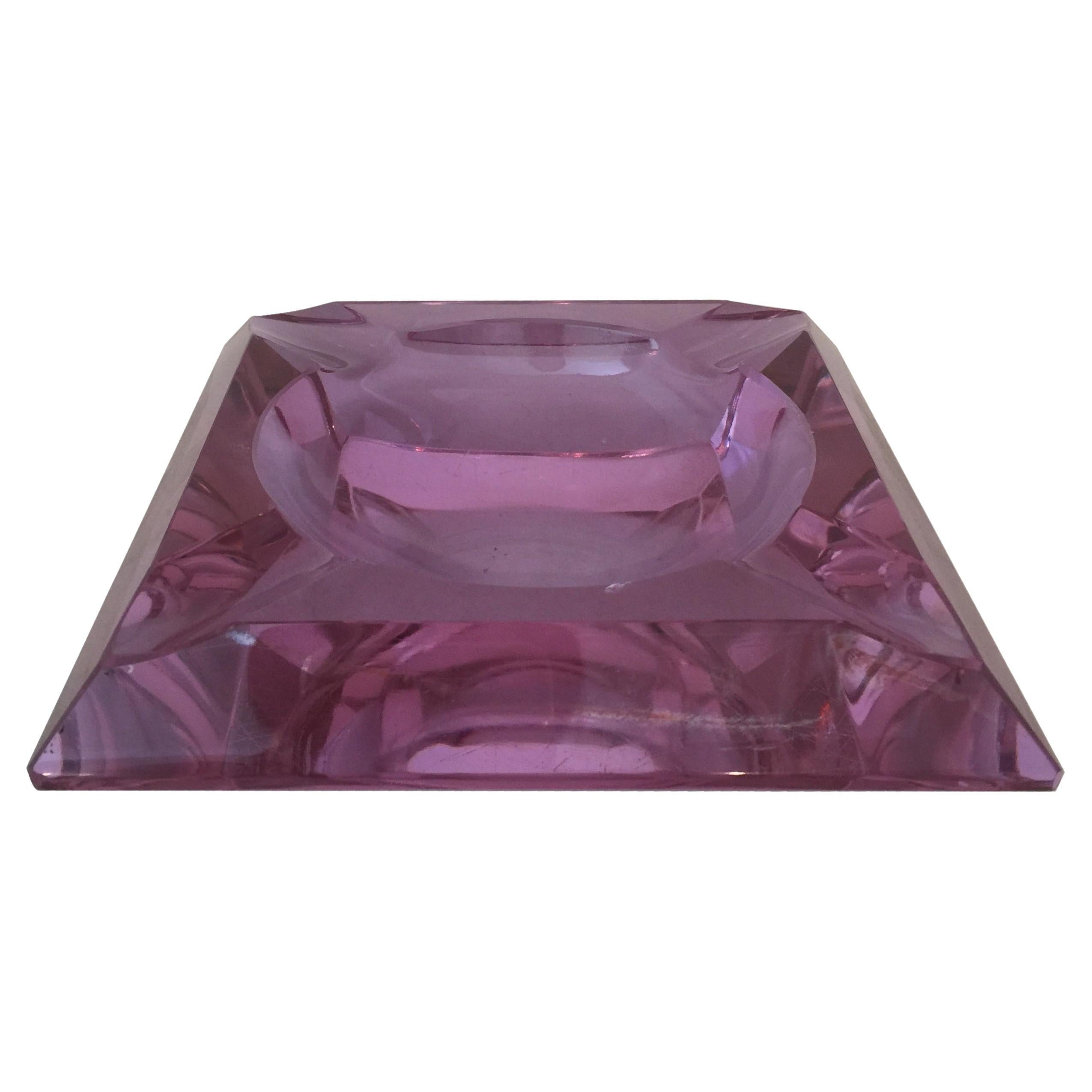
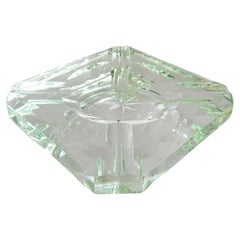
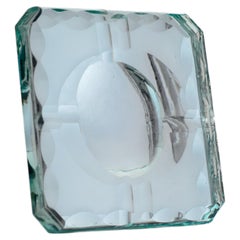
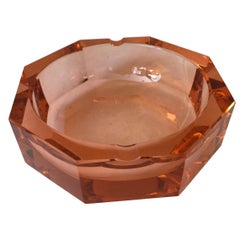
Art Deco ashtray by Jean Luce in Saint Gobain glass, France, 1920s.

$1,122.54
£829.36
€1,154.25VAT Included
CA$1,561.73
A$1,566.26
CHF 908.65
MX$19,122
NOK 10,524.70
SEK 10,771.32
DKK 7,244.19

About the Item

Rare model in this size and color. Art Deco ashtray by Jean Luce in Saint-Gobain glass, France, 1920s. The glass is in perfect condition with no chips or missing parts, and features a subtle golden tint that enhances the warmth and elegance of its sleek geometric design. The original felt on the underside is preserved. A unique and hard-to-find piece, perfect for discerning collectors or as a striking decorative accent.
  • Creator:
    Jean Luce (Designer),Saint Gobain (Manufacturer)
  • Dimensions:
    Height: 0.6 in (1.5 cm)Width: 3.86 in (9.8 cm)Depth: 3.86 in (9.8 cm)
  • Style:
    Art Deco (Of the Period)
  • Materials and Techniques:
  • Place of Origin:
  • Period:
  • Date of Manufacture:
    Unknown
  • Condition:
    Wear consistent with age and use.
  • Seller Location:
    SOTTEVILLE-LÈS-ROUEN, FR
  • Reference Number:
    1stDibs: LU7052246567862

More From This Seller

View All
Art Deco Ashtray by Jean Luce, Saint Gobain Glass, Golden Tint, France

Art Deco Ashtray by Jean Luce, Saint Gobain Glass, Golden Tint, France

By Jean Luce, Saint Gobain

Located in SOTTEVILLE-LÈS-ROUEN, FR

Rare model in this size and color. Art Deco ashtray by Jean Luce in Saint-Gobain glass, France, 1920s. The glass is in exceptional, near-new condition, with no chips, cracks, or miss...

Category

Vintage 1920s French Art Deco Ashtrays

Materials

Glass

Art Deco ashtray by Jean Luce in Saint Gobain glass, France, 1920s.

Art Deco ashtray by Jean Luce in Saint Gobain glass, France, 1920s.

By Jean Luce, Saint Gobain

Located in SOTTEVILLE-LÈS-ROUEN, FR

Art Deco ashtray by Jean Luce in Saint Gobain glass, France, 1920s. Glass in perfect condition with no missing parts. Some traces on the tin of the mirror base.

Category

Vintage 1920s French Art Deco Ashtrays

Materials

Glass

Art Deco Ashtray by Jean Luce, Saint Gobain Glass, Golden Tint, France

Art Deco Ashtray by Jean Luce, Saint Gobain Glass, Golden Tint, France

By Jean Luce, Saint Gobain

Located in SOTTEVILLE-LÈS-ROUEN, FR

Rare model in this size and color. Art Deco ashtray by Jean Luce in Saint-Gobain glass, France, 1920s. The glass is in exceptional, near-new condition, with no chips, cracks, or miss...

Category

Vintage 1920s French Art Deco Ashtrays

Materials

Glass

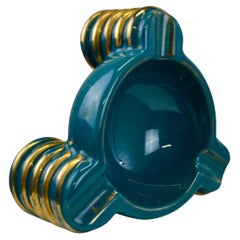
An Art Deco ashtray - France - 1930s

An Art Deco ashtray - France - 1930s

By Atelier Primavera au Printemps, Ceramique d'Art de Bordeaux

Located in SOTTEVILLE-LÈS-ROUEN, FR

A French Art Deco ashtray in the style of Céramique d'Art de Bordeaux (CAB) or Primavera. This exceptional piece features vibrant blue-green enamel adorned with fine golden details, ...

Category

Vintage 1930s French Art Deco Tobacco Accessories

Materials

Ceramic

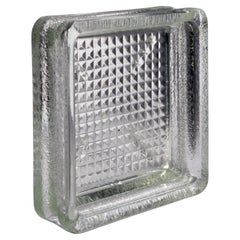
Glass Catchall, Art Deco Design, Saint-Gobain, France, circa 1928

Glass Catchall, Art Deco Design, Saint-Gobain, France, circa 1928

By Saint Gobain, Charlotte Perriand, Le Corbusier, Pierre Chareau

Located in SOTTEVILLE-LÈS-ROUEN, FR

Elegant 11.4 x 11.4 cm glass catchall, designed by Saint-Gobain and inspired by the aesthetics of the 1920s. Its sleek and timeless design reflects the modernist spirit of the era, ...

Category

Vintage 1920s French Art Deco Decorative Dishes and Vide-Poche

Materials

Glass

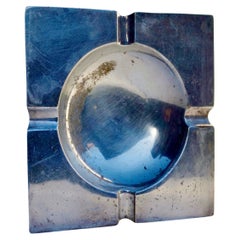
Modernist Silver-Plated Ashtray with Superb Patina, France, circa 1970

Modernist Silver-Plated Ashtray with Superb Patina, France, circa 1970

By Lino Sabattini, Christofle

Located in SOTTEVILLE-LÈS-ROUEN, FR

Elegant modernist ashtray in silver-plated metal, France, circa 1970. The piece showcases a bold, geometric form with a square base and deep circular bowl, accented by four notches o...

Category

Vintage 1970s French Mid-Century Modern Tobacco Accessories

Materials

Silver Plate

You May Also Like

Art Deco Jean Luce Ashtray Saint Gobain Glass, France, 1920s

Art Deco Jean Luce Ashtray Saint Gobain Glass, France, 1920s

By Jean Luce, Saint Gobain

Located in Saarbruecken, DE

French ashtray by Jean Luce for Saint Gobain. Mirrored glass with facet cut with a wave shape and a central star in a square shape. A great collector's item from Art Deco.

Category

Vintage 1920s French Art Deco Tobacco Accessories

Materials

Art Glass

Art Deco Ashtray by Jean Luce, Faceted Saint Gobain Glass & Mirror, France 1920s

Art Deco Ashtray by Jean Luce, Faceted Saint Gobain Glass & Mirror, France 1920s

By Jean Luce, Saint Gobain

Located in ROUEN, Normandie

Art Deco Ashtray by Jean Luce, Faceted Saint Gobain Glass & Mirror, France 1920s Iconic piece from the Art Deco era in perfect condition! No chips or missing parts. Very elegan...

Category

Early 20th Century French Art Deco Ashtrays

Materials

Glass, Mercury Glass, Mirror

Ashtrays in Crystal, 1930 France

Ashtrays in Crystal, 1930 France

Located in Ciudad Autónoma Buenos Aires, C

Logistics and International Shipping We provide a comprehensive export service so that your only concern is enjoying your acquisition. • Door-to-Door Service: Pieces located in our A...

Category

Vintage 1930s French Art Deco Ashtrays

Materials

Crystal

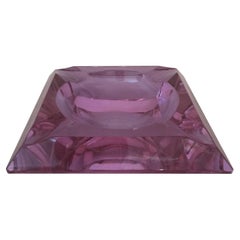
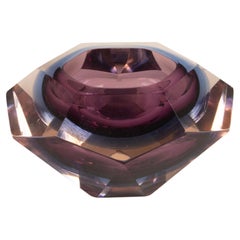
Sculptural ashtray attributed to Flavio Poli for Seguso Vetri d'Arte 1970

Sculptural ashtray attributed to Flavio Poli for Seguso Vetri d'Arte 1970

Located in Conversano, IT

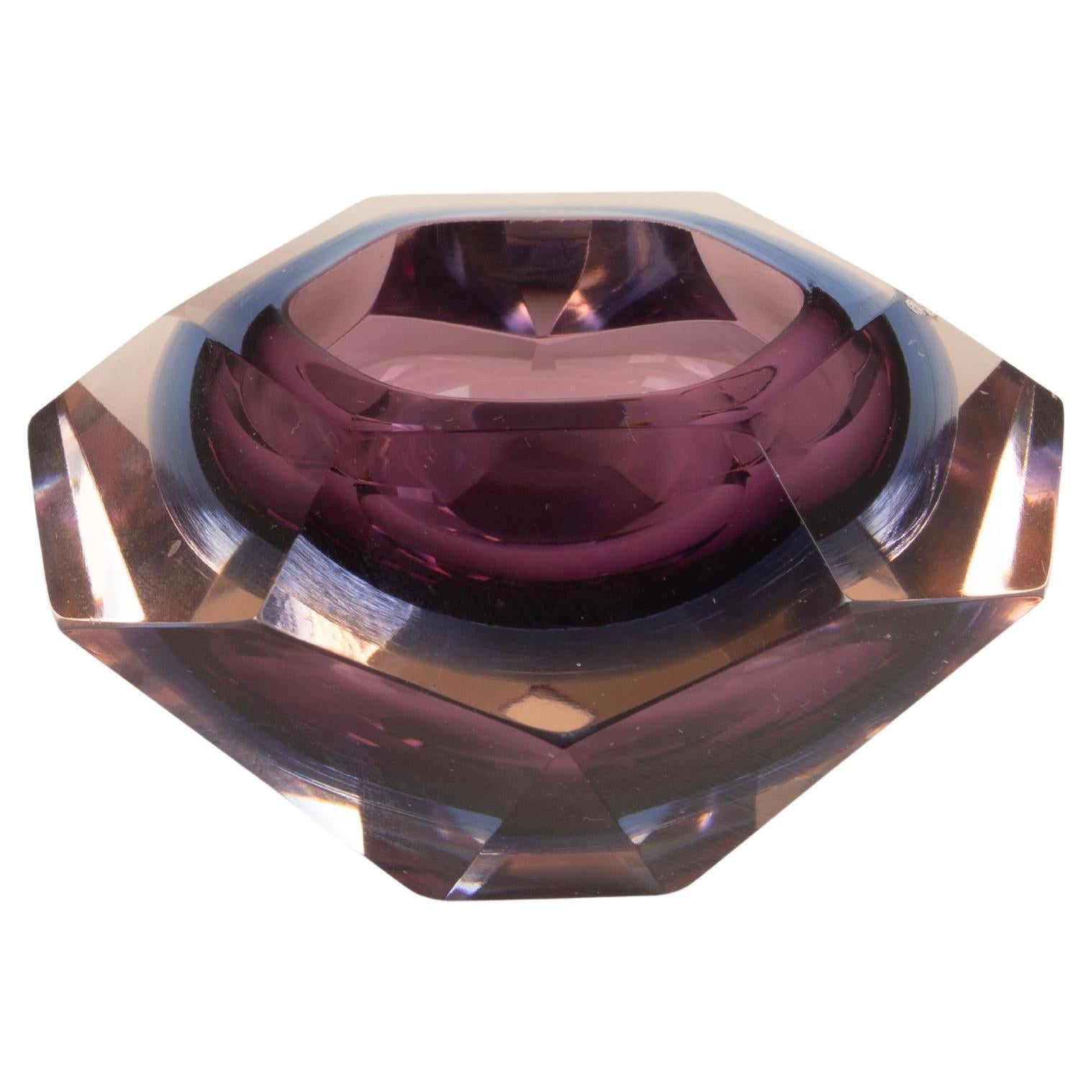
Refined sculptural ashtray attributed to Flavio Poli for Seguso Vetri d'Arte, made in Murano between the 1950s and 1960s, an impeccable example of the submerged glass technique that made the master famous. The work features a faceted body of great geometric purity, shaped from a single solid block of multi-layer glass: an internal core with intense amethyst shades emerges through a crystalline band in blue tones and then yellow, creating an extremely sophisticated luminous dialogue. The external surfaces, hand-ground with absolute precision, are articulated into inclined planes and diamond cuts that refract the light and transform the volume into a true optical sculpture. The hollowed interior reveals a soft cavity, perfectly smoothed, typical of Poli's poetics, in which transparency and color seem to merge into a single fluid mass. The contrast between the geometric rigor of the external faces and the roundness of the submerged core gives the work a visual balance of rare elegance, while the amethyst-aquamarine chromatic combination represents one of the most sought-after palettes of mid-century Seguso production. The object, of notable weight and crystalline quality, is an extraordinary example of Murano mastery in postwar artistic glass and constitutes an iconic piece for collectors and connoisseurs of Italian submerged glass. Excellent vintage condition - we note only a small chip of 1 mm as shown in the photographs. Product Name: Sculptural ashtray attributed to Flavio Poli for Seguso Vetri d'Arte 1 Designer: Attributed to Flavio Poli for Seguso Vetri d'Arte Year of Design: Between the 1950s and 1960s Style: Mid-century sculptural Murano design, characterized by rigorous geometry, layered colors, and refined transparencies Main Materials: Multi-layer submerged glass with amethyst core, blue band and subsequent yellow layer, shaped from a single solid block of glass and hand-ground Distinctive Design: Faceted body of great geometric purity; inclined planes and diamond cuts that refract the light; soft and perfectly smoothed internal cavity; amethyst-aquamarine color palette among the most iconic of mid-century Seguso production Dimensions: Width 12 cm Length 12 cm Height 6.2 cm Comfort: Heavy and stable object, characterized by a smooth and harmonious internal cavity Typical Use: Designer ashtray...

Category

Vintage 1970s Italian Ashtrays

Materials

Murano Glass

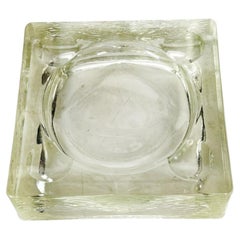
Square glass ashtray, Art Deco style, Saint-Gobain glass, France, 1940

Square glass ashtray, Art Deco style, Saint-Gobain glass, France, 1940

By Saint Gobain

Located in Auribeau sur Siagne, FR

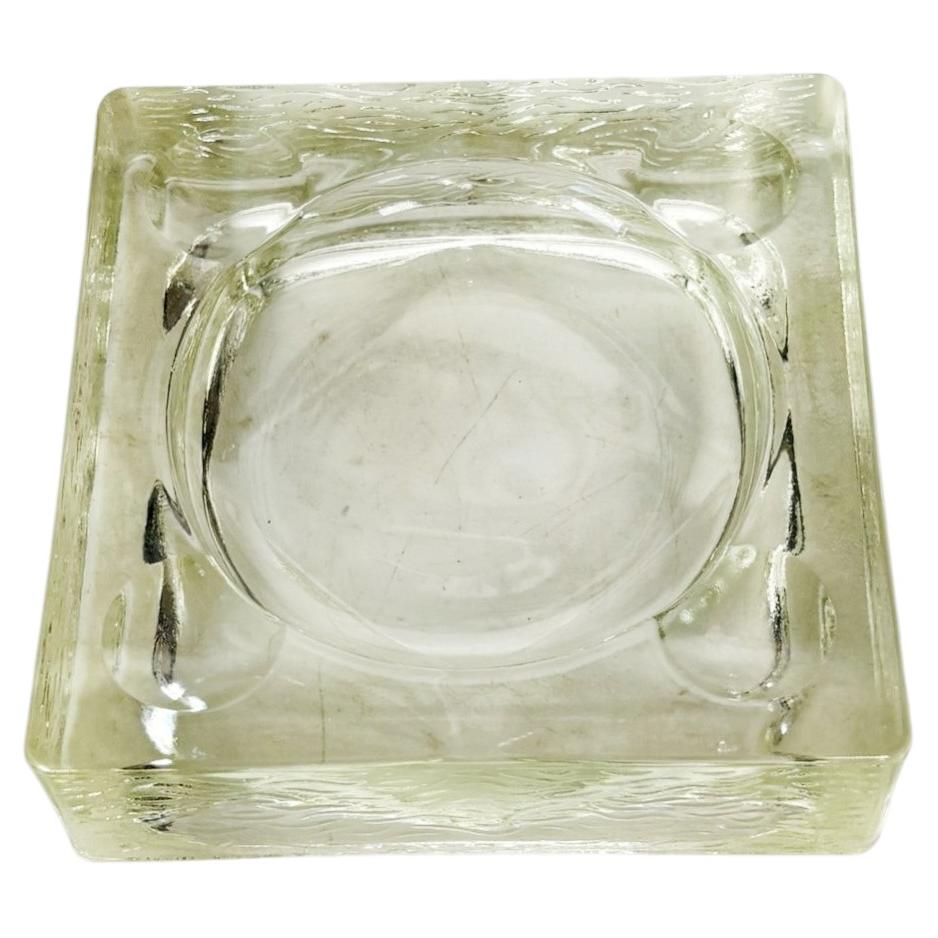
Square molded glass ashtray, France, circa 1940, in the Art Deco style. Made of thick, slightly green-tinted glass, it features a simple and balanced geometric shape, characteristic of the design of the period. The sides are decorated with a wavy relief pattern, adding texture and dynamism to the piece, while the integrated notches at the corners emphasize its functionality. The transparency of the glass, combined with its variations in texture, creates subtle plays of light. Both robust and elegant, this ashtray perfectly illustrates French glassmaking expertise of the mid-20th century, ideal as a table accessory or decorative object. Key features: Thick molded glass ashtray French production, circa 1940 Art Deco style Geometric square shape Lightly green tinted glass Wavy relief decoration Integrated cigarette holders Functional and decorative object Keywords: art deco glass ashtray, vintage French ashtray...

Category

Vintage 1940s French Art Deco Ashtrays

Materials

Glass, Art Glass

Ashtray Crystal, 1950

Ashtray Crystal, 1950

Located in Ciudad Autónoma Buenos Aires, C

Logistics and International Shipping We provide a comprehensive export service so that your only concern is enjoying your acquisition. • Door-to-Door Service: Pieces located in our Argentina galleries are shipped directly to your address via air freight. • Simplified Customs Management: We handle the processing of export permits and the payment of customs duties. You will receive your purchase without additional paperwork or surprise costs. • High-Security Packaging: Following FedEx international standards, each piece is protected in custom-made wooden crates, designed to withstand 1-meter impacts and ensure the integrity of the object during transit. • Note for shipments to the USA: To comply with shipping company regulations and ensure delivery at the destination, a valid tax ID (EIN, SSN, or ITIN) is required. • Domestic US Shipping: For those pieces available in our United States storage, logistics are managed through 1stdibs. Crystal We have specialized in the sale of Art Deco and Art Nouveau and Vintage styles since 1982. Why are there so many antiques in Argentina? In the 1880 – 1940 there was a grate wave of immigration encouraged by the periods of war that were taking place. 1st World War took place between 1914 and 1918 2nd World War took place between 1939 and 1945 The immigrants options were New York or Buenos Aires. Tickets were cheap and in Buenos Aires they were welcomed with open arms, as it was a country where everything was still to be done. Argentina was the country of new opportunities, labour was needed and religious freedom was assured, in many cases the of the family travel first until they were settled and then the rest of the family members join them. In the immigrant museum “Ellis Island Immigrant Building” in New York you can se the promotional posters of the boats that would take them to a new life. Between the years 1895 and 1896, Argentina had the highest DGP (gross domestic product) per capita in the world according to the Maddison Historical Statistics index, this situation arose due to the large amount of food being exported to European countries, which were at war. The Argentinean ships left the port of Buenos Aires with food, but they returned with furniture, clothes and construction elements, (it´s common to see this the old buildings of the historic neighbourhood of San Telmo, the beams with the inscription “Made in England)”, as well as many markets that were built in Buenos Aires, such us the San Telmo Market, whose structure was brought by ship and afterwards assembled in 900 Defensa Street. With the great influence of European immigrants living in the country, the children of the upper classes travelled to study in France, resulting in the inauguration of “La Maison Argentinienne”, on 27th of June 1928, in the international city of Paris, which hosted many Argentinians that were studying in Frace. It´s the fourth house to be built after France, Canada and Belgium, being the first Spanish-speaking one. Still in place today (17 Bd Jourdan, 75014, Paris, France). Many of the children of these wealthy families who attended international art exhibitions, museums and art courses abroad, took a keen interest in the European style. This is why Buenos Aires was at the time referred as “The Paris of South America”. Between the years 1890 and 1920 more than a hundred Palaces were built on Alvear Avenue the most exclusive avenue in Buenos Aires. Today some of these palaces have been transformed into museums, hotels and embassies. In the year 1936, the Kavanagh building was inaugurated, it was the tallest reinforced concrete building in South America. During 1994 the American Society of Civil Engineers distinguished it as an “international engineering milestone”, and it´s now considered a World Heritage of Modern Architecture. At the time was common to hire foreign architects such as Le Corbusier, who visited Buenos Aires/Argentina in 1929 and in 1948 he drew up the blueprints for a house built in La Plata City (which was declared a World Heritage Site). In 1947, the Hungarian architect Marcelo Breuer designed “Parador Ariston” in the seaside city of Mar del Plata. After an Argentinean student at Harvard University convinced him to come to Argentina. He worked on an urban development project in the Casa Amarilla, area of La Boca. The Ukrainian architect, Vladimiro Acosta, arrives in Argentina in 1928 and worked as an architect until que moved to Brazil. Antonio Bonet, a Spanish architect who worked with Le Corbusier in Paris, arrives in Argentina in 1937, where he carried out several architectural works and in 1938 designs the well-known BFK chair. Andres Kálnay, of Hungarian origin, made around 120 architectural masterpieces, among which the former Munich brewery stands out, he even made the furniture’s design. The German architect, Walter Gropius, director of the Bauhaus, lived in Argentina, where he wrote articles for “Sur” magazine and founded in Buenos Aires, an architectural firm with Franz Möller, who was also an architect, where he built two houses. At the same time several famous designers decided to immigrate to Argentina, among them we can find the well-known French designer, Jean-Michel Frank, who arrived in the country in 1940 and also worked for the Rockefeller family. Special pieces were made, which were sold exclusively in the country, such as the well-known German company “WMF”, who sold their products by catalogue, which were chosen by the ladies of high society in the list of wedding gifts, as well as the pieces designed by Christofle. The Swiss sculptor Alberto Giacometti, made special pieces for Argentinean mansions. In 1904 the first Jansen branch outside Paris was established in Buenos Aires, as the Argentinean clientele demanded a large amount of furniture, from the end of the 19th century to the mid-20th century. In 1970, the brand Rigolleau Argentina made pieces authorised by Lalique. The brands Maple and Thompson also set up shop in the country. The French plastic artist, Marcel Duchamp moved to Argentina in 1918-1919. Glass signed Gallé, Charder, Leverre, Schneider, Muller and other French firms. They were bought in flower shops and were given to ladies with beautiful floral arrangements. Some furniture manufacturers travelled to international fairs and bough the patterns to produce the furniture in Argentina, such as the furniture firm Englander and Bonta, who bought the patterns ins Italy. It is worth mentioning that in Argentina we have the largest community of Italians outside...

Category

Vintage 1950s Italian Mid-Century Modern Ashtrays
Materials

Crystal