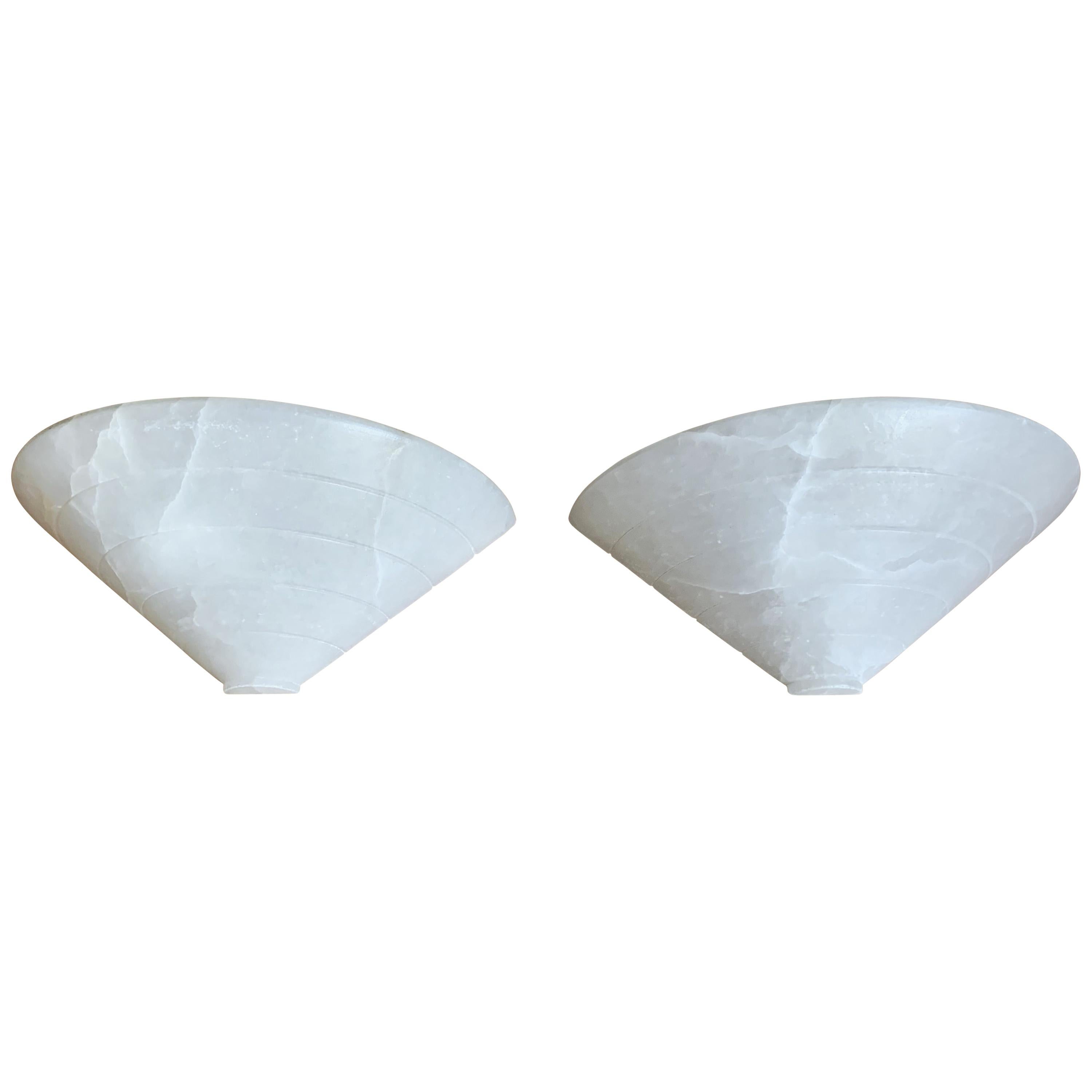
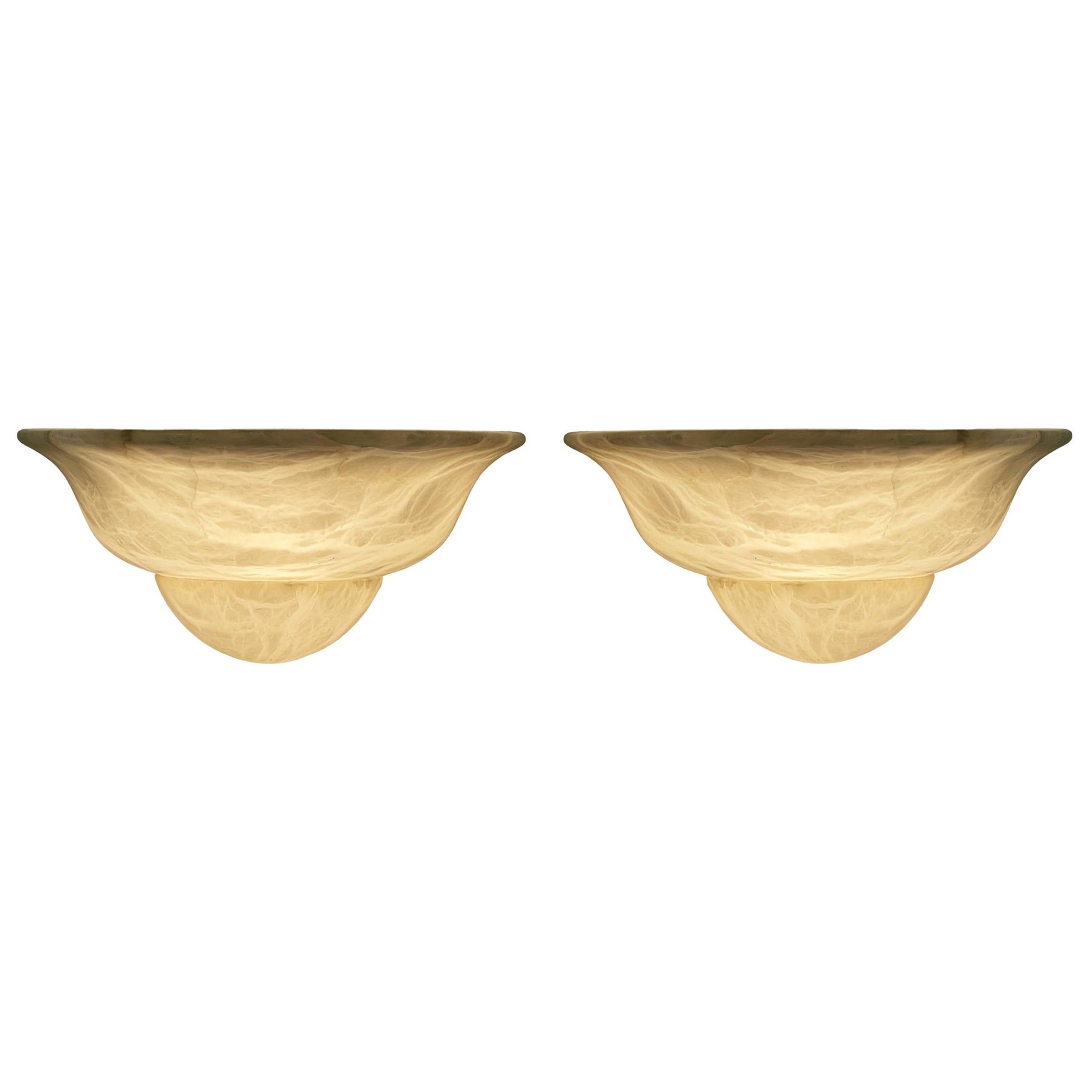
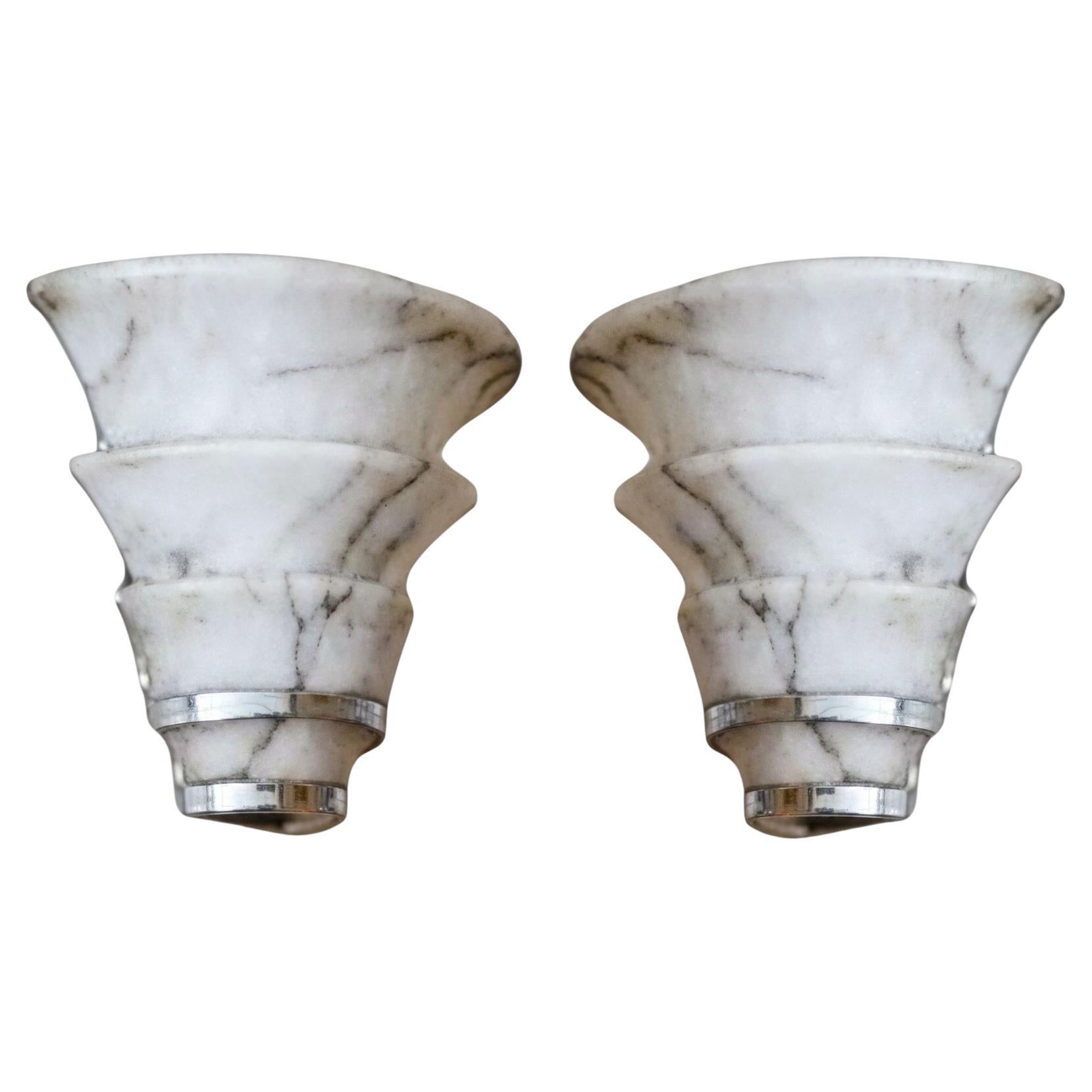
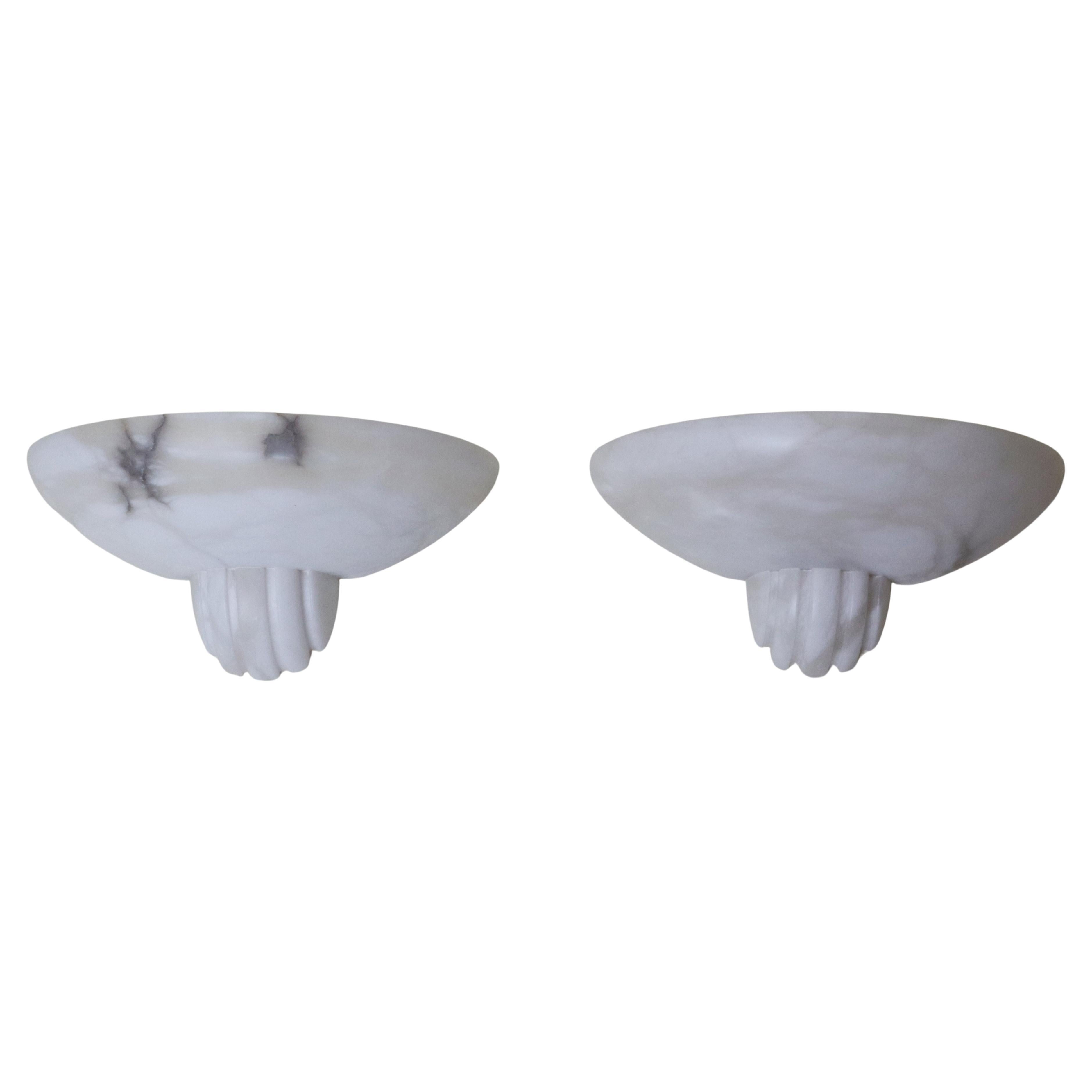
1940s Large Alabaster Sconces
Located in New York, NY
A pair of circa 1940’s Italian three levels large alabaster sconces with interior lights
Category
Vintage 1940s Italian Other Wall Lights and Sconces
Materials
Alabaster, Bronze
1940s Large Alabaster Sconces
Located in New York, NY
A pair of circa 1940’s Italian three levels large alabaster sconces with interior lights
Alabaster, Bronze
1930's Pair Italian Carved Alabaster Table Lamps
Located in New York, NY
Pair 1930’s Italian carved alabaster table lamps
Alabaster
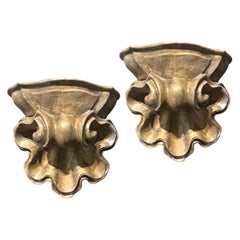
1930’s French Plaster Shell Sconces with 2 interior light
Located in New York, NY
Circa 1930’s French plaster sconces. Has shell shape. With 2 interior lights. Unusual Lights coming from top and bottom part of sconces. Available 3 pairs
Plaster
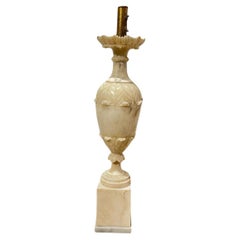
1940’s Italian Curved Alabaster single Lamp
Located in New York, NY
A circa 1940's Italian curved white alabaster single table lamp
Alabaster

1920's Caldwell Silver Plated Sconces with Alabaster Shade
By Edward F. Caldwell & Co.
Located in New York, NY
pair of circa 1920's Caldwell silver plated sconces with alabaster shade, two interior lights
Alabaster, Bronze
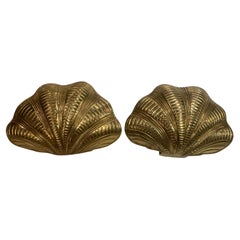
1940s Bronze Shell Sconces
Located in New York, NY
A pair of gilt bronze shell sconces with 3 interior lights
Bronze
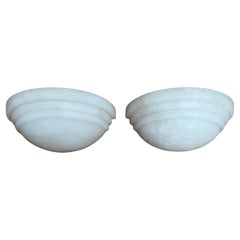
Vintage, Mid-Century Era Pair of Art Deco Style Alabaster Sconces or Wall Lamps
Located in Lisse, NL
Wonderful shape pair alabaster wall fixtures, fit for any room in your home. If you are looking for a truly stylish and timeless way to bring light into your entry hall, kitchen, be...
Alabaster, Metal
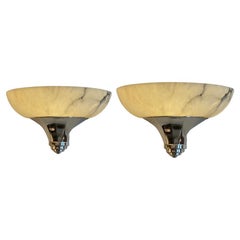
Art Deco Alabaster Sconces, Nickel Details, France, 1950
By Travail Francais
Located in Miami, FL
Pair of Art Deco sconces made of Alabaster and brushed nickel plated metal details. Made in France. Circa: 1950.
Alabaster, Nickel
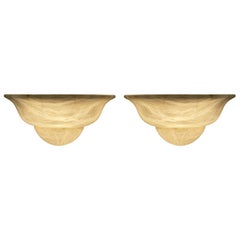
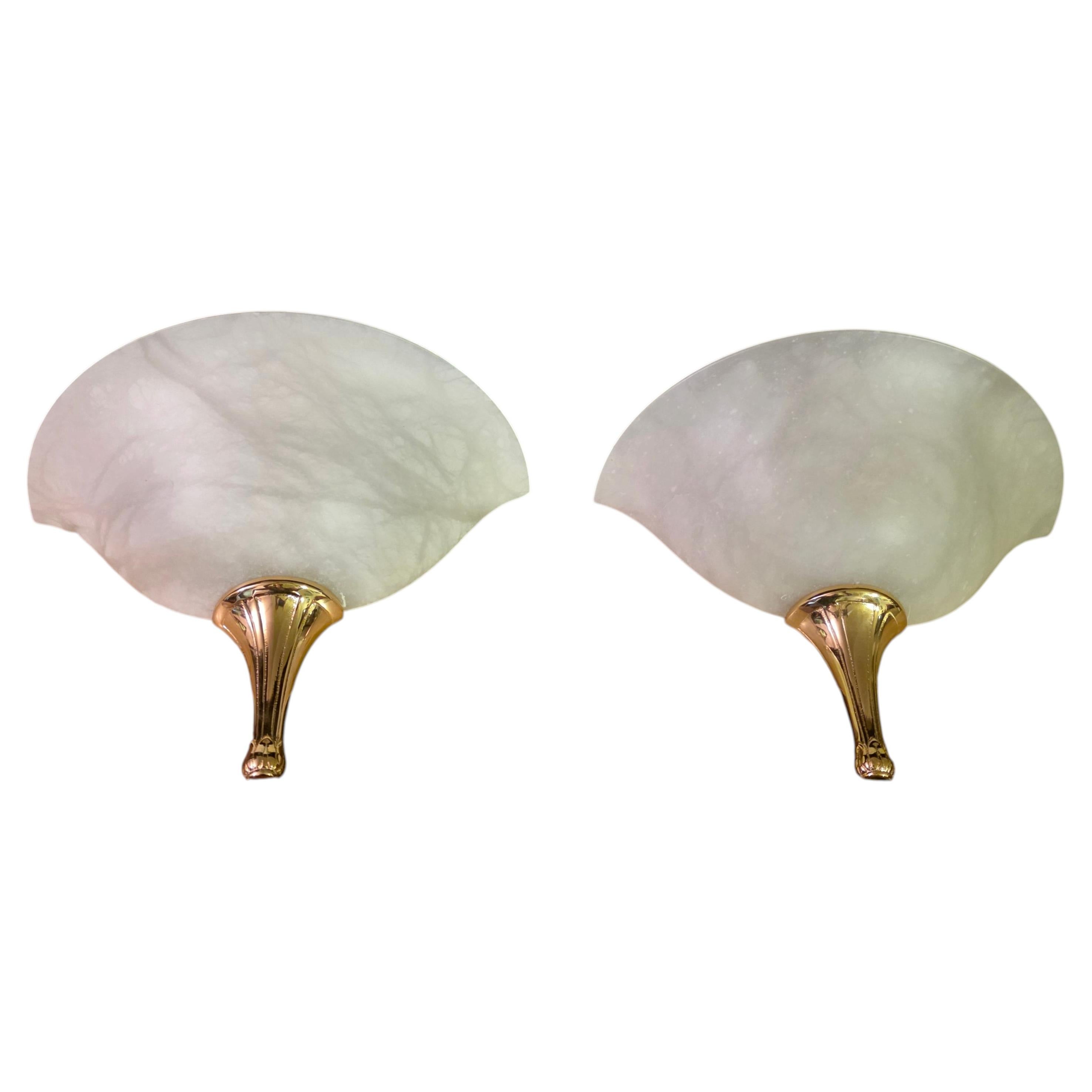
Pair of Hollywood Regency White Alabaster Marble Wall Sconces in Art Deco Form
Located in Philadelphia, PA
Matching pair of transluscent alabaster wall lights, These sconces feature creamy sculptured alabaster marble. Two pairs are available and they are priced as a pair. Four individual ...
Alabaster
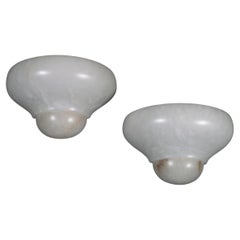
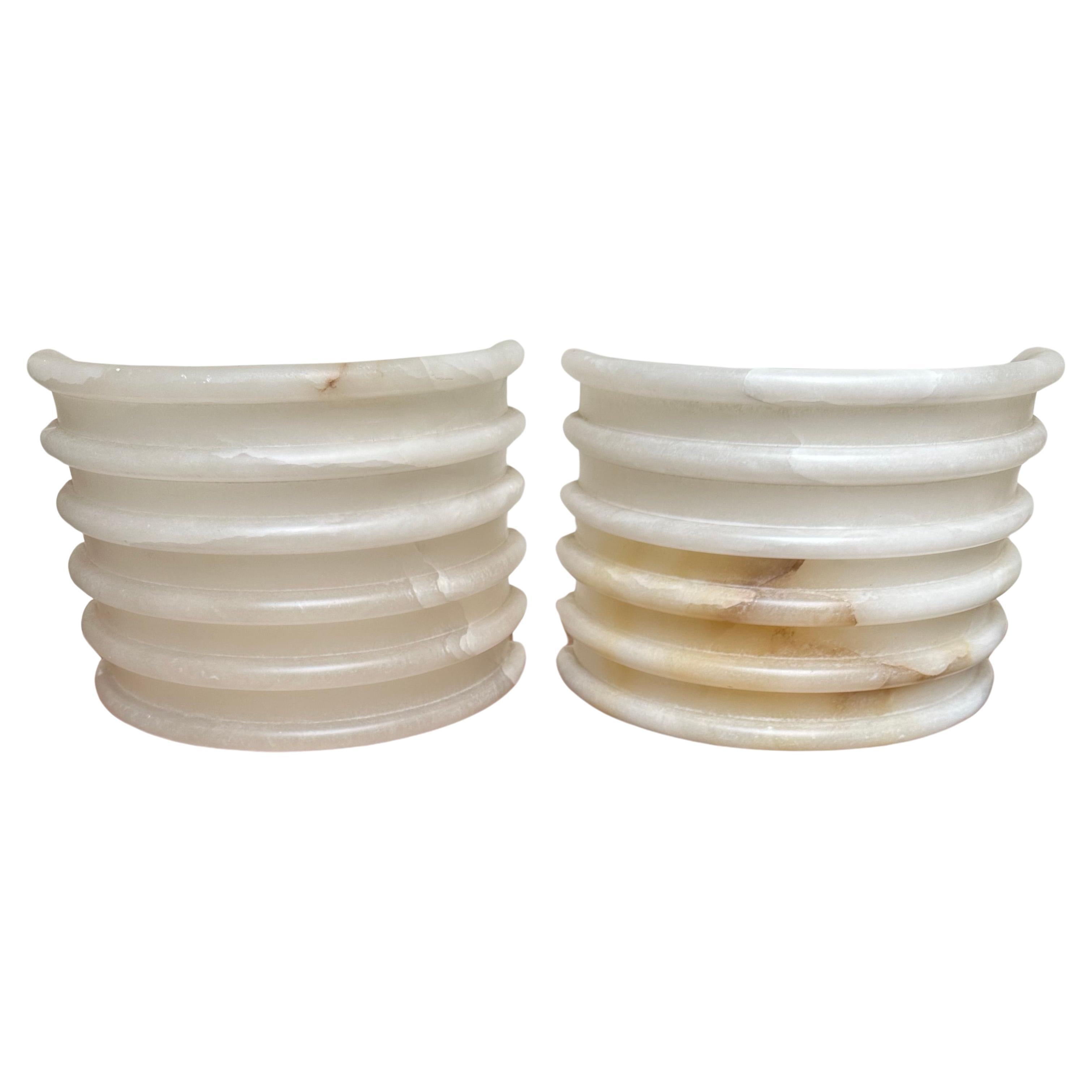
Pair of Art Deco inspired Spanish alabaster sconces
Located in Tarrytown, NY
Pair of Art Deco inspired Spanish alabaster sconces. Each piece displays naturally occurring variations in color and veining.
Alabaster
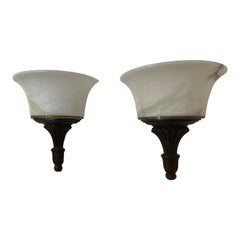
Neoclassical Alabaster Torch Sconces, Hand-Carved, Sweden, 1850 Design
Located in New York, NY
These pure white sconces sit upon torch like bases, illuminating the room in the fusion of classical and romantic forms, typical of the neoclassical period. Alabaster lighting was the first used electrical lighting in Europe, prized for its ability to softly diffuse light. As mentioned above, the Neo-Renaissance style was in reality an eclectic blending of past styles, which the architect selected on the whims of his patrons. In the true Renaissance era there was a division of labour between the architect, who designed the exterior highly visible shell, and others—the artisans—who decorated and arranged the interior. The original Italian mannerist house was a place for relaxation and entertaining, convenience and comfort of the interior being a priority; in the later Baroque designs, comfort and interior design were secondary to outward appearance. This was followed by the Neoclassical period, which gave importance to the proportions and dignity of interiors, but still lost the comfort and internal convenience of the mannerist period. It was during the Neo-Renaissance period of the 19th century that the mannerist comforts were re-discovered and taken a step further. Not only did the improved building techniques of the 1850s allow the glazing of formerly open loggias and arches with the newly invented sheets of plate glass, providing the first "picture windows", but also the blending of architectural styles allowed interiors and exteriors to be treated differently. It was at this time that the concept of "furnishing styles" manifested itself, allowing distinctions to be made between interior rooms...
Alabaster
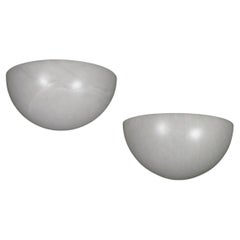
Pair of Art Deco inspired alabaster sconces
Located in Tarrytown, NY
Pair of Art Deco inspired Spanish alabaster sconces. Each piece displays naturally occurring variations in color and veining.
Alabaster