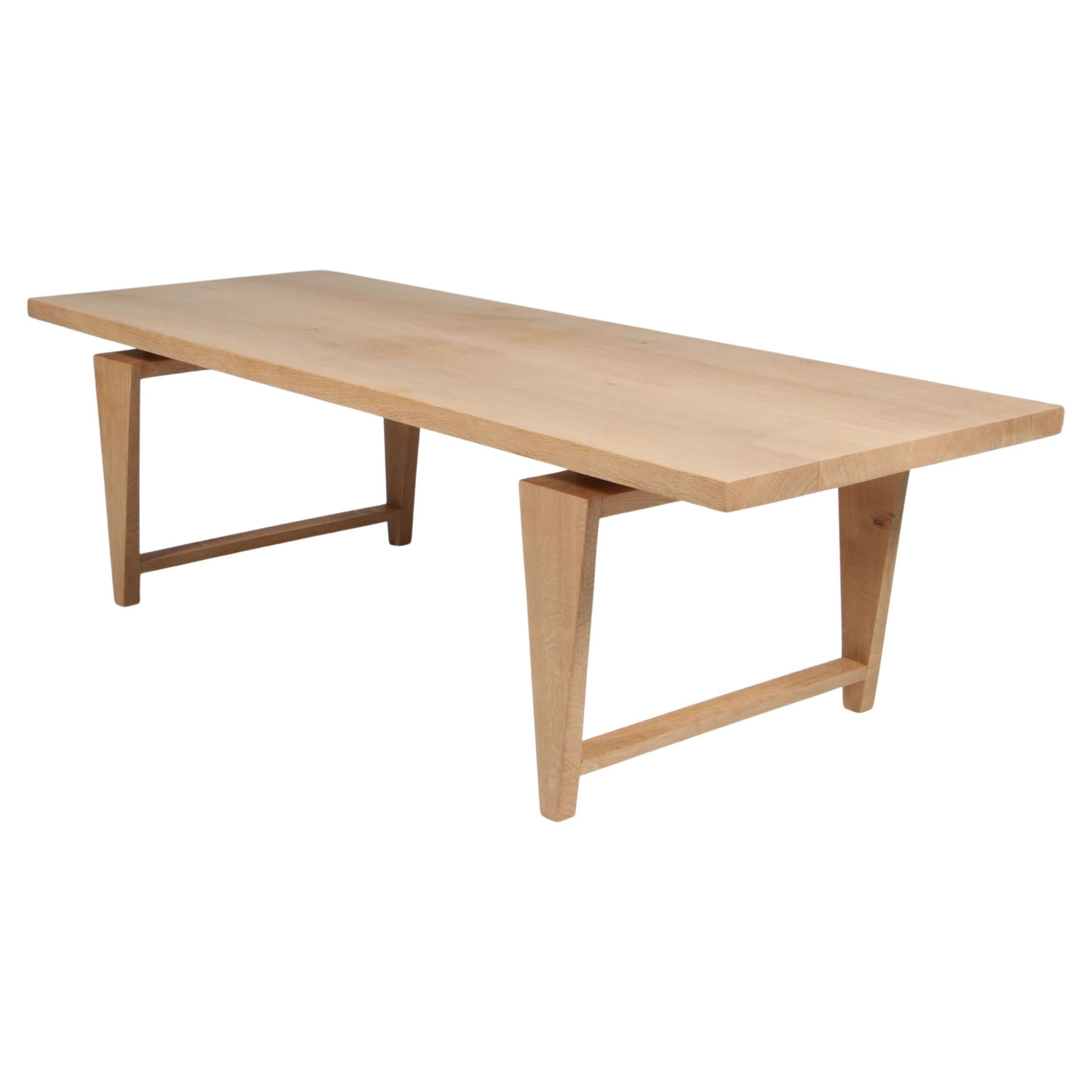
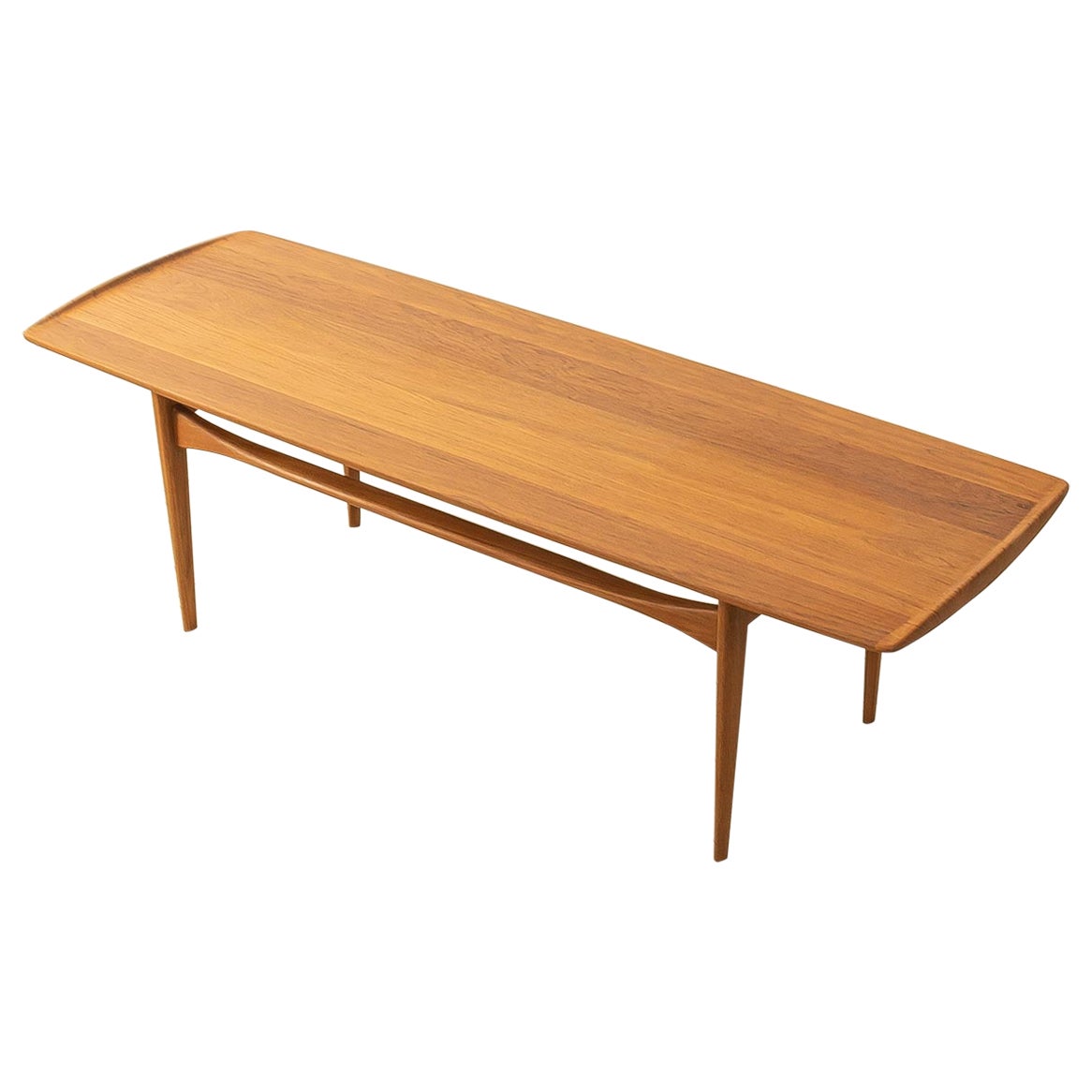
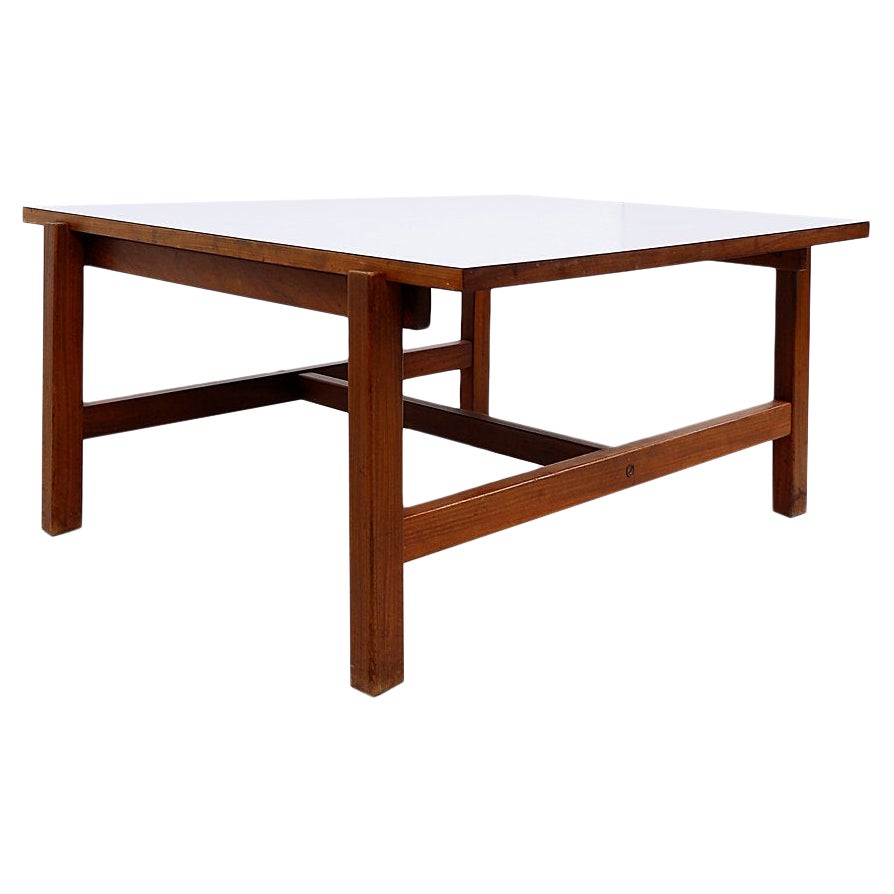
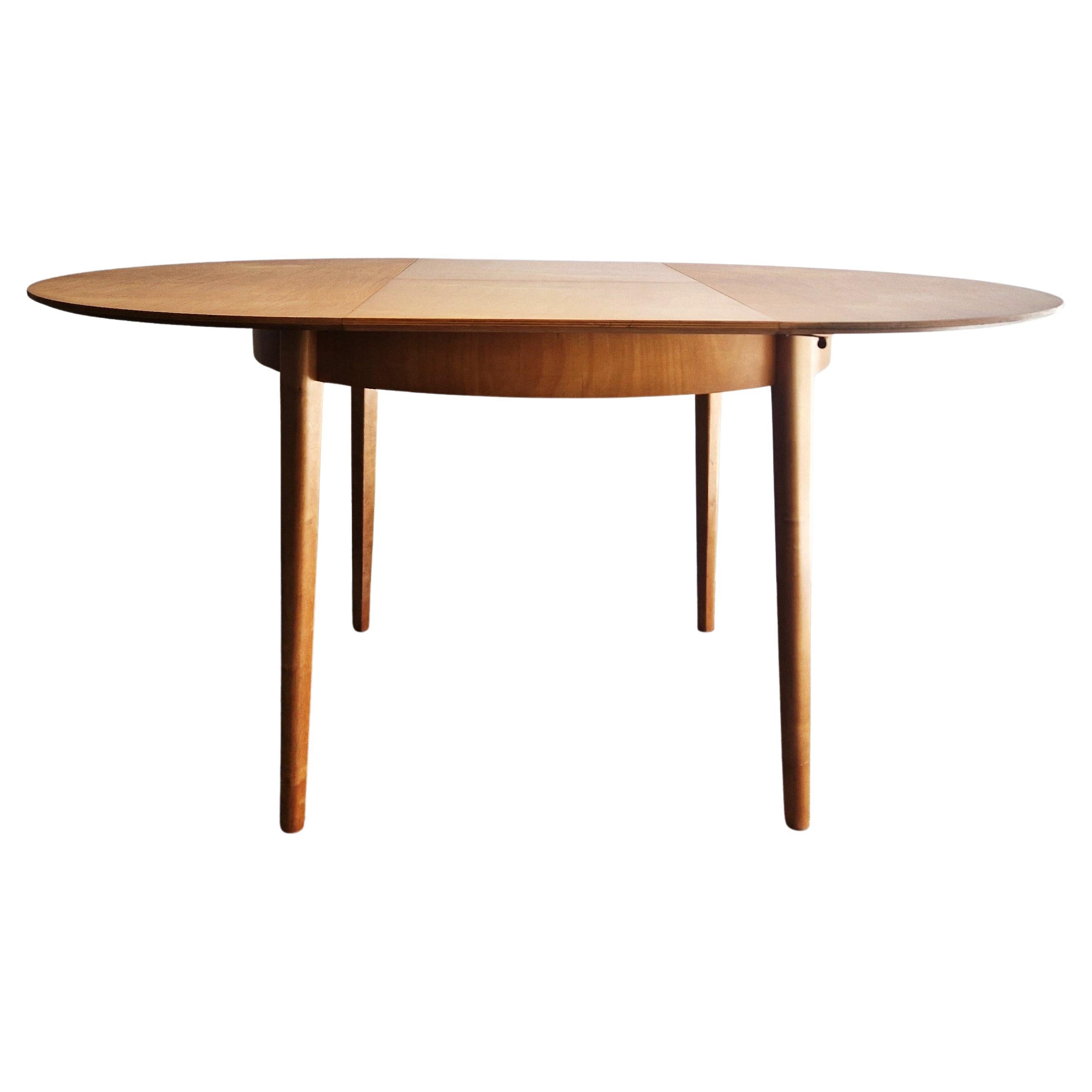
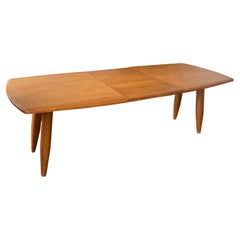
Georges Frydman, table basse en acier brossé. Edition E.F.A.
By Georges Frydman
Located in Mouscron, WHT
Georges Frydman, table basse en acier brossé. Edition E.F.A.
Vintage 1970s French Mid-Century Modern Coffee and Cocktail Tables
Stainless Steel
Revered Dutch mid-century modernist designer Cees Braakman had been creating furniture since his teenage years when he was promoted to head of design at UMS Pastoe in 1948. Today’s vintage furniture enthusiasts know that Braakman found inspiration in works by Scandinavian artisans such as Alvar Aalto and Herman Miller luminaries Charles and Ray Eames — Braakman’s clean-lined dining chairs, sleek sideboards and other case pieces are demonstrative of those influences.
UMS Pastoe was established in 1913 by German-Jewish entrepreneur Frits Loeb and became rapidly successful largely owing to its reputation for well-made tables and chairs. However, the Dutch brand is best known by collectors for the modular sideboards, storage cabinets and other spare, streamlined case pieces that it produced during the postwar years.
The Utrecht-born Braakman took over for his father, Dirk, who had by then been managing the company for more than 20 years and had designed a variety of furnishings for the manufacturer by himself. A year before he assumed his new role at Pastoe, Cees visited the United States where he became enamored with the designs of Charles and Ray Eames and the other creative minds associated with legendary American furniture manufacturer Herman Miller.
While many Dutch designers who are now celebrated by vintage furniture collectors — names like Gerrit Rietveld and Friso Kramer are in this list — found inspiration in Piet Mondrian and the country’s De Stijl art movement, they also looked to Scandinavian modernists such as Alvar Aalto and Americans such as the Eameses. Cees Braakman was no different.
Braakman’s 1940s-era tour to the States included a visit to the Herman Miller factory in Zeeland, Michigan. At the time, architect-designer-journalist George Nelson was director of design at the firm and had enlisted a range of designers to collaborate with Herman Miller and create what are now icons of mid-century modernism. Braakman took notice of industrial manufacturing techniques at HM and in particular, the company’s innovations in furniture design owing to experimentation with molded plywood and fiberglass-reinforced plastic.
The Dutch designer introduced the first line of modern furniture at UMS Pastoe thereafter — a table, a chair, a bed and more created in molded plywood and featuring oak veneers, specifically tailored for smaller living spaces. Braakman was convinced that Pastoe should move on from the restrictions that a collection or set of furniture presented to consumers.
Furniture for a bedroom, for example, should be practical and built as individual pieces that could be adapted as more space became available. New production methods and creative marketing came into focus under Braakman’s leadership, and his own lines of oak and birch furniture — which were created around cupboards that could be reconfigured as needed, or armchairs that could be combined to form a sofa — earned acclaim and were commercially very successful.
UMS Pastoe was recognized for its innovative furniture at the Milan Triennial in 1957 and Le Signe d’Or in Belgium, and Cees Braakman’s work can today be found at the Stedelijk Museum in Amsterdam.
Find vintage Cees Braakman furniture on 1stDibs.
Dutch furniture company UMS Pastoe was established in 1913 by German-Jewish entrepreneur Frits Loeb and became rapidly successful largely owing to its reputation for well-made tables and chairs. Today, however, the brand is best known by collectors for the modular sideboards, storage cabinets and other spare, streamlined case pieces that it produced during the postwar years.
Influential mid-century modernist designer Cees Braakman had been creating furniture since his teenage years when he was promoted to head of design at Pastoe in 1948. The Utrecht-born designer took over for his father, Dirk Braakman, who had by then been managing the company for more than 20 years and had designed a variety of furnishings for the manufacturer by himself. A year before he assumed his new role at Pastoe, Cees visited the United States where he became enamored with the designs of Charles and Ray Eames and the other creative minds associated with legendary American furniture manufacturer Herman Miller.
While many Dutch designers who are now celebrated by vintage furniture collectors — names like Gerrit Rietveld and Friso Kramer are in this list — found inspiration in Piet Mondrian and the country’s De Stijl art movement, they also looked to Scandinavian modernists such as Alvar Aalto and Americans such as the Eameses. Cees Braakman was no different.
Braakman’s 1940s-era tour to the States included a visit to the Herman Miller factory in Zeeland, Michigan. At the time, architect-designer-journalist George Nelson was director of design at the firm and had enlisted a range of designers to collaborate with Herman Miller and create what are now icons of mid-century modernism. Braakman took notice of industrial manufacturing techniques at HM and in particular, the company’s innovations in furniture design owing to experimentation with molded plywood and fiberglass-reinforced plastic.
The Dutch designer introduced the first line of modern furniture at UMS Pastoe thereafter — a table, a chair, a bed and more created in molded plywood and featuring oak veneers, specifically tailored for smaller living spaces. Braakman was convinced that Pastoe should move on from the restrictions that a collection or set of furniture presented to consumers. Furniture for a bedroom, for example, should be practical and built as individual pieces that could be adapted as more space became available. New production methods and creative marketing came into focus under Braakman’s leadership, and his own lines of oak and birch furniture — which were created around cupboards that could be reconfigured as needed, or armchairs that could be combined to form a sofa — earned acclaim and were commercially very successful.
UMS Pastoe was recognized for its innovative furniture at the Milan Triennial in 1957 and Le Signe d’Or in Belgium, and Cees Braakman’s work can today be found at the Stedelijk Museum in Amsterdam. Over the years, designers such as Jan van Grunsven, Radboud Van Beekum and Rob Eckhardt collaborated with UMS Pastoe.
Find vintage UMS Pastoe furniture on 1stDibs.
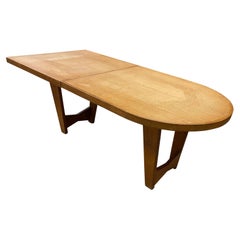
Guillerme and Chambron, oak table, Edition Votre Maison circa 1960/1970
By Guillerme et Chambron
Located in Mouscron, WHT
Guillerme and Chambron, oak table, Edition Votre Maison circa 1970/1980 dim : 74x170x90 cm and 74x230x90 cm Votre maison : a style, a concept, a mindset. The Votre Maison story...
Oak

Guillerme et Chambron, Rare Table Model "Ardennes", circa 1960
By Guillerme et Chambron, Votre Maison
Located in Mouscron, WHT
Guillerme et Chambron, table model "Ardennes" oak and oak veneer, edition Votre Maison, circa 1960. 2 oak extensions extend the table up to 255 cm. Dimension open: 72 x 255 x 90 cm ...
Oak
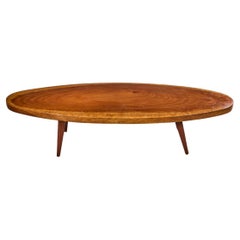
"Very large vintage coffee table with a single-piece top carved circa 1960
Located in Mouscron, WHT
"Very large vintage coffee table with a single-piece top carved from a slice of tree, circa 1960 the base is the same solid walnut as the top" from the stock of a former Parisian int...
Walnut
Rare "Victorine" model table, first model circa 1950 Guillerme et Chambron
By Guillerme et Chambron, Votre Maison
Located in Mouscron, WHT
Rare "Victorine" model table, first model circa 1950/1960 by Guillerme and Chambron, Edition "Votre Maison" with two leaves Votre maison : a style, a concept, a mindset. ...
Oak

Mid-Century Modern TB16 Coffee Table by Cees Braakman for Pastoe, 1953
By Cees Braakman, Pastoe
Located in Amsterdam, NL
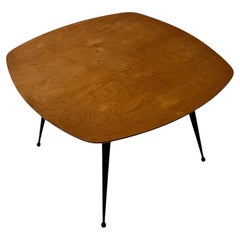
Magnificent and rare Mid-Century Modern TB16 coffee table. Design by Cees Braakman for Pastoe. Striking Dutch design from the 1950s. Original birch veneered top on four original blac...
Beech, Birch

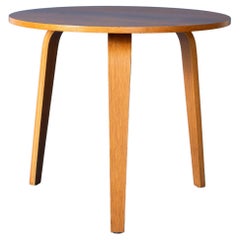
"Mod. TE07" Coffee Table for Pastoe - Cees Braakman
By Cees Braakman
Located in Forest, BE
TE07 table, created by Cees Braakman for Pastoe in 1952. Distinguished by its three curved wooden legs securing the Braakman detail, this piece combines elegance with everyday functi...
Wood, Oak, Plywood

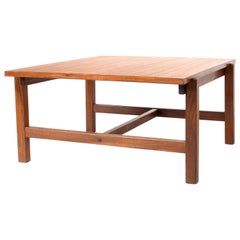
Coffee table 'TA07' Japanese series by Cees Braakman for Pastoe, Netherlands
By Cees Braakman, Pastoe
Located in Linkebeek, BE
Reversible Top Coffee table TA 07 by Cees Braakman for Pastoe, 1960s Coffee table - Japanese series - Cees Braakman - Pastoe - Netherlands 1960s Wear consistent with age and use : M...
Wood

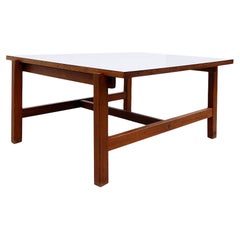
Pastoe Coffee Table Model TA 07 by Cees Braakman with Reversible Top
By Pastoe, Cees Braakman
Located in Hellouw, NL
Pastoe coffee table Model TA 07 by Cees Braakman with reversible top, Netherlands 1950s. This Coffee Table is made of Teak Wood and has a reversible top with teak veneer on one side ...
Formica, Teak
Coffee table by Stolefabriken Odense, Denmark 1960
By Stolefabriken Odense
Located in Catonvielle, FR
Large oak coffee table by Stolefabriken Odense, Denmark 1960. The top is made of blond oak slats, the base, detached by a piece of intercalary wood, is decorated with a "straight tai...
Oak
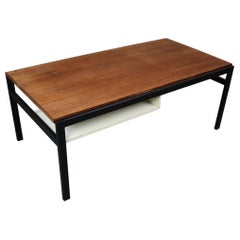
TU04 Coffee Table by Cees Braakman for Pastoe, 1960s
By Cees Braakman
Located in Langemark-Poelkapelle, BE
Coffee table TU04 designed by Cees Braakman for Pastoe in the 1950s. This table has a reversible table top (teak or formica side), black metal legs a...
Metal