Want more images or videos?
Request additional images or videos from the seller
1 of 16

Japanese Antique Low Table 1860s-1920s / Sofa Table Wabi Sabi

$4,945.07
£3,660.19
€4,200
CA$6,889.16
A$7,006.93
CHF 4,006.68
MX$84,754.53
NOK 46,944.91
SEK 46,933.64
DKK 32,025.34

About the Item

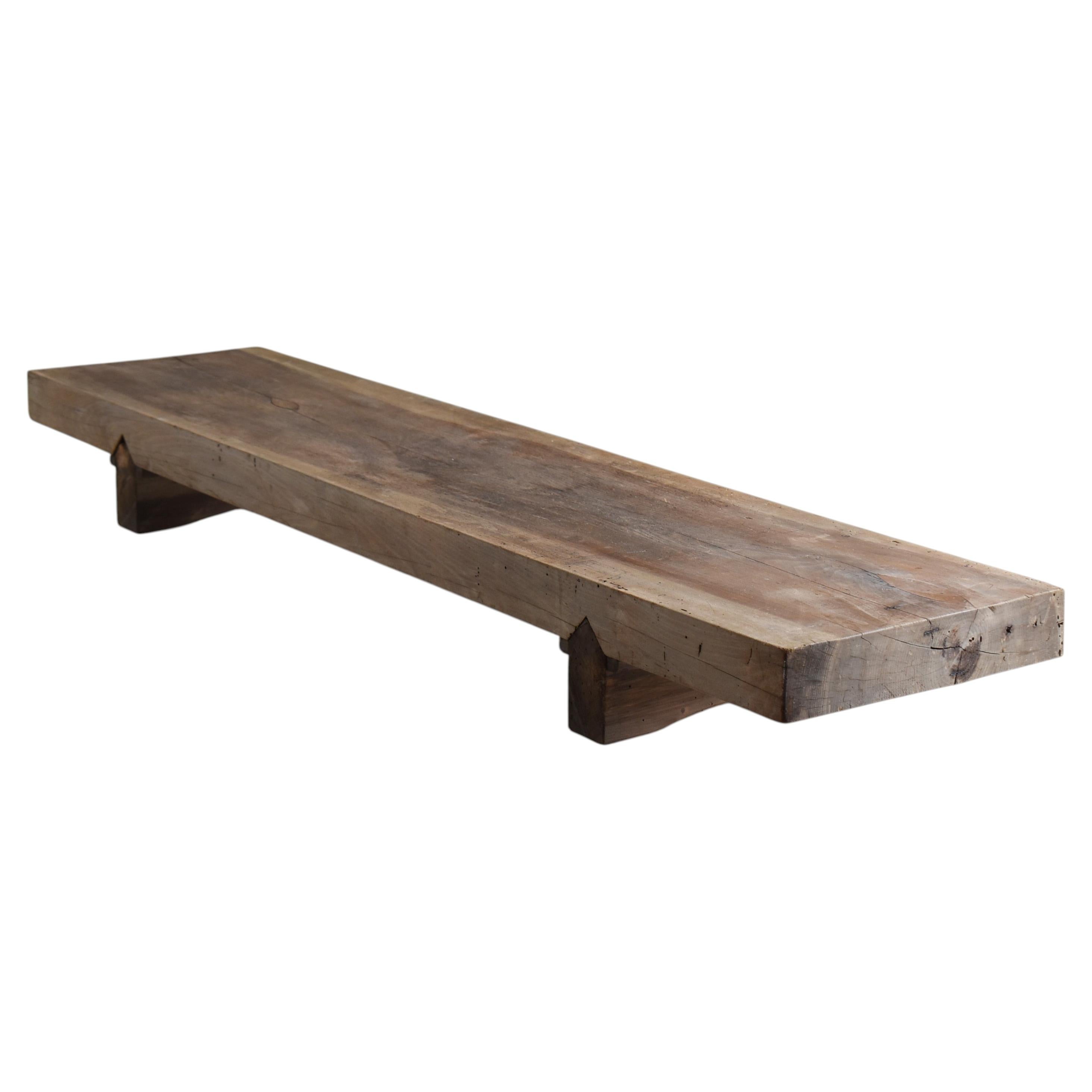
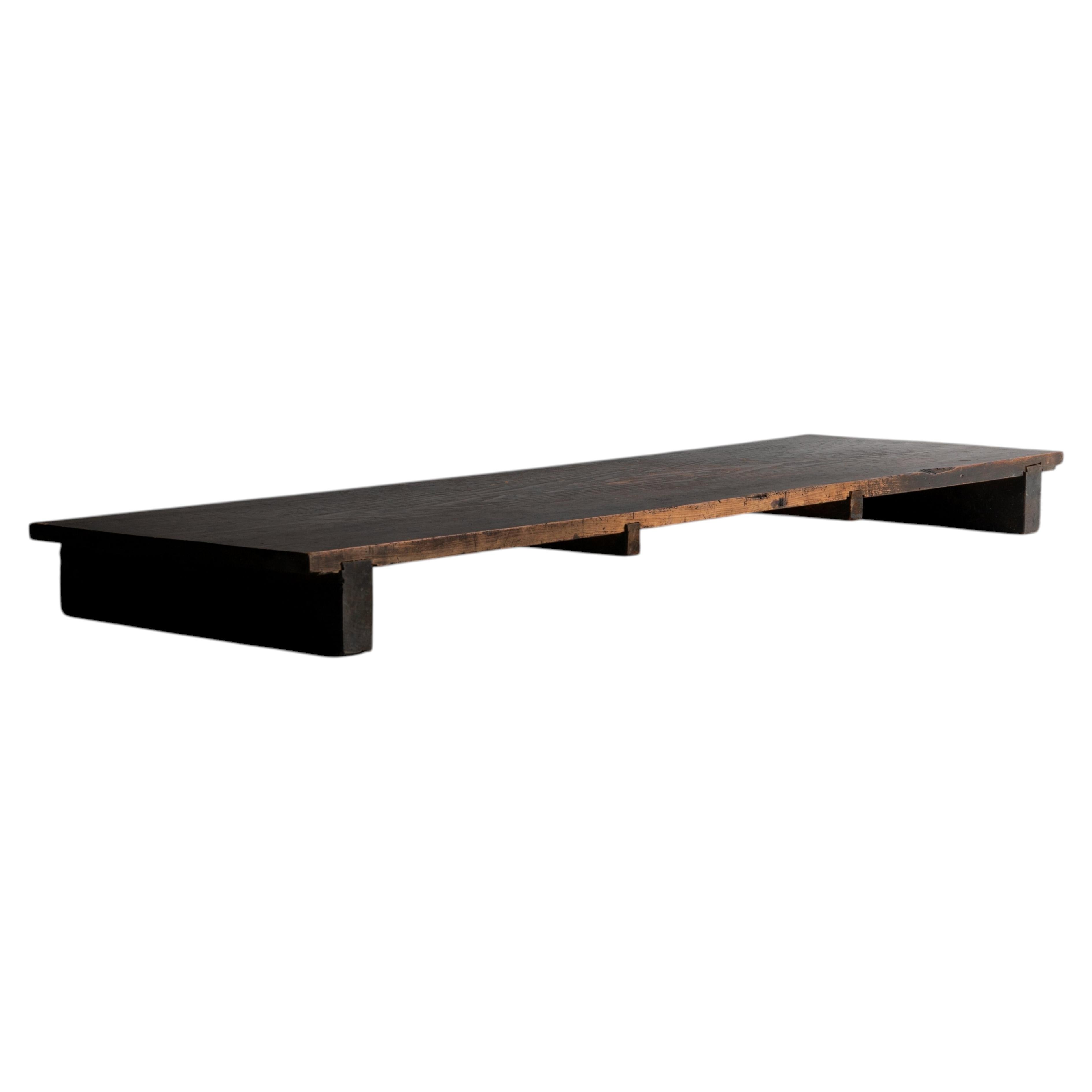
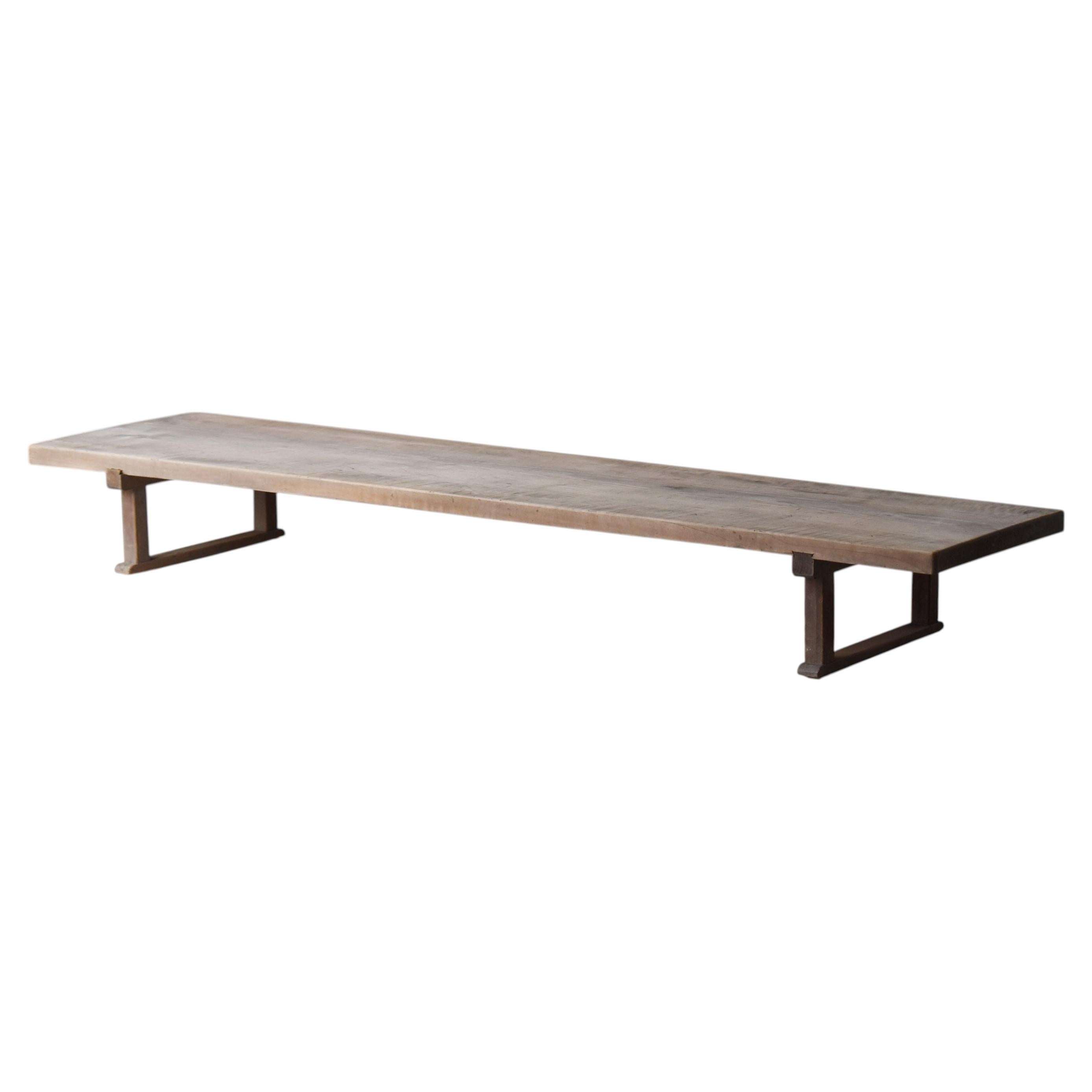
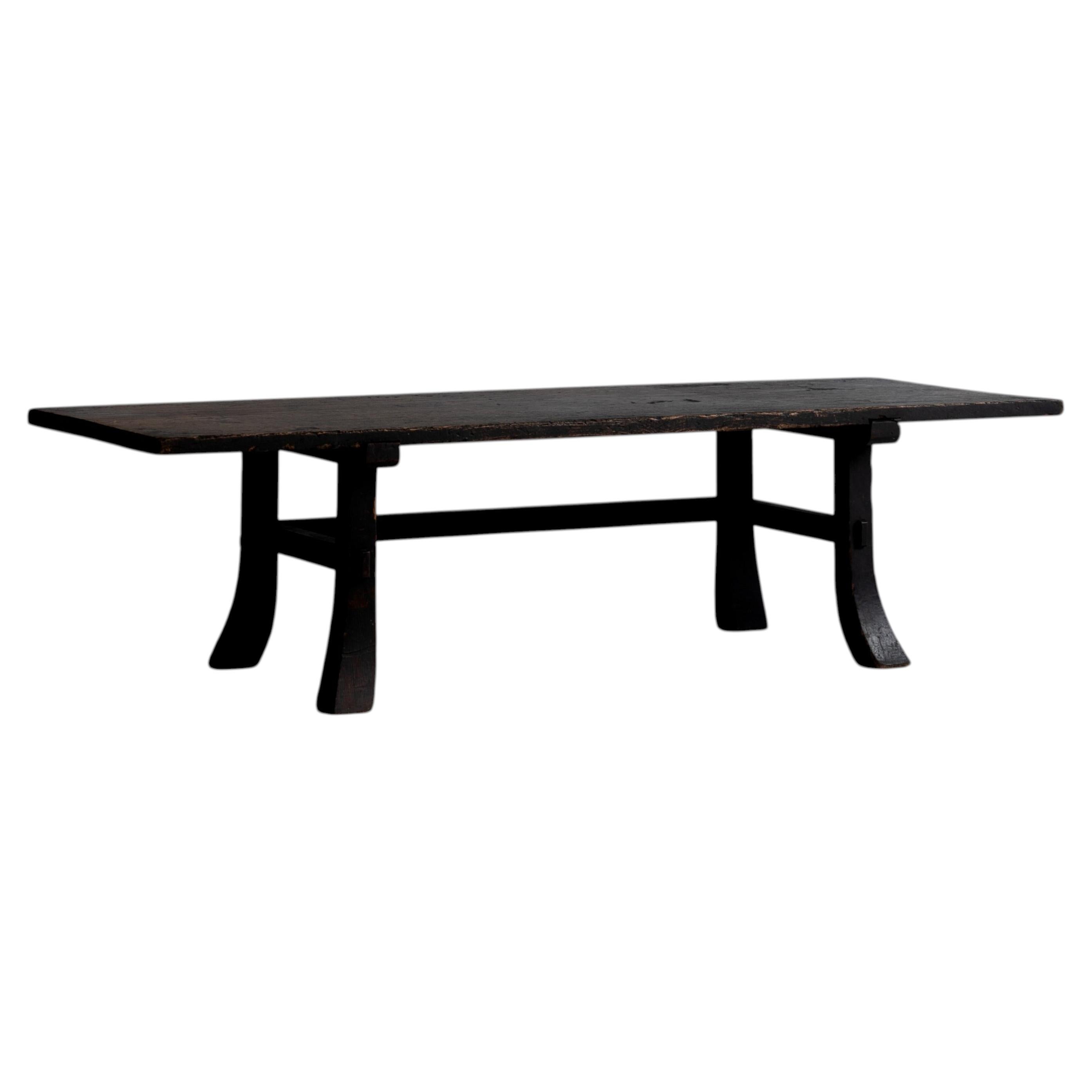
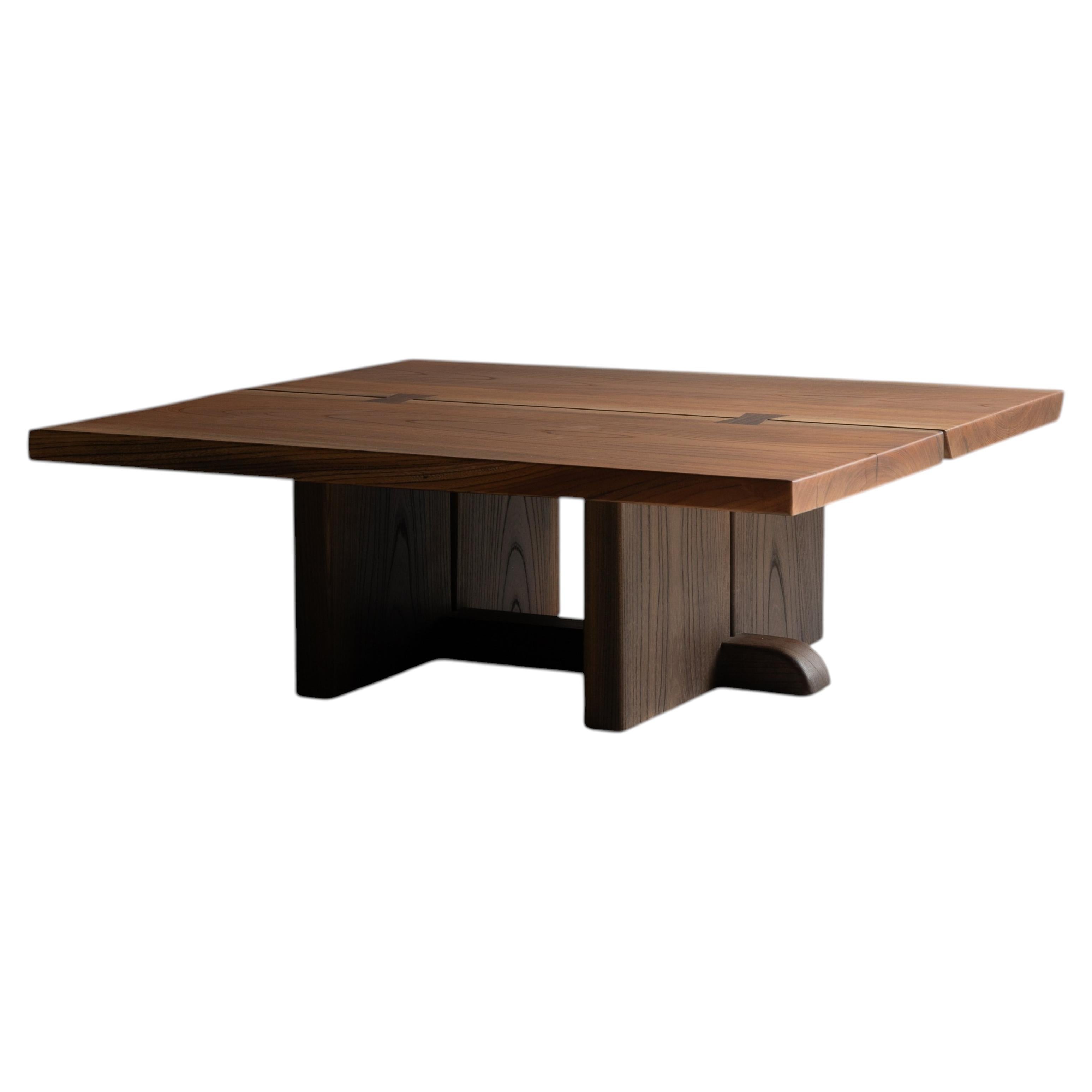
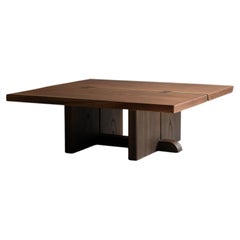
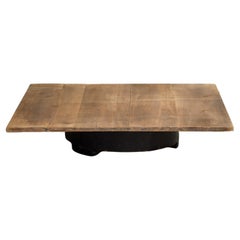
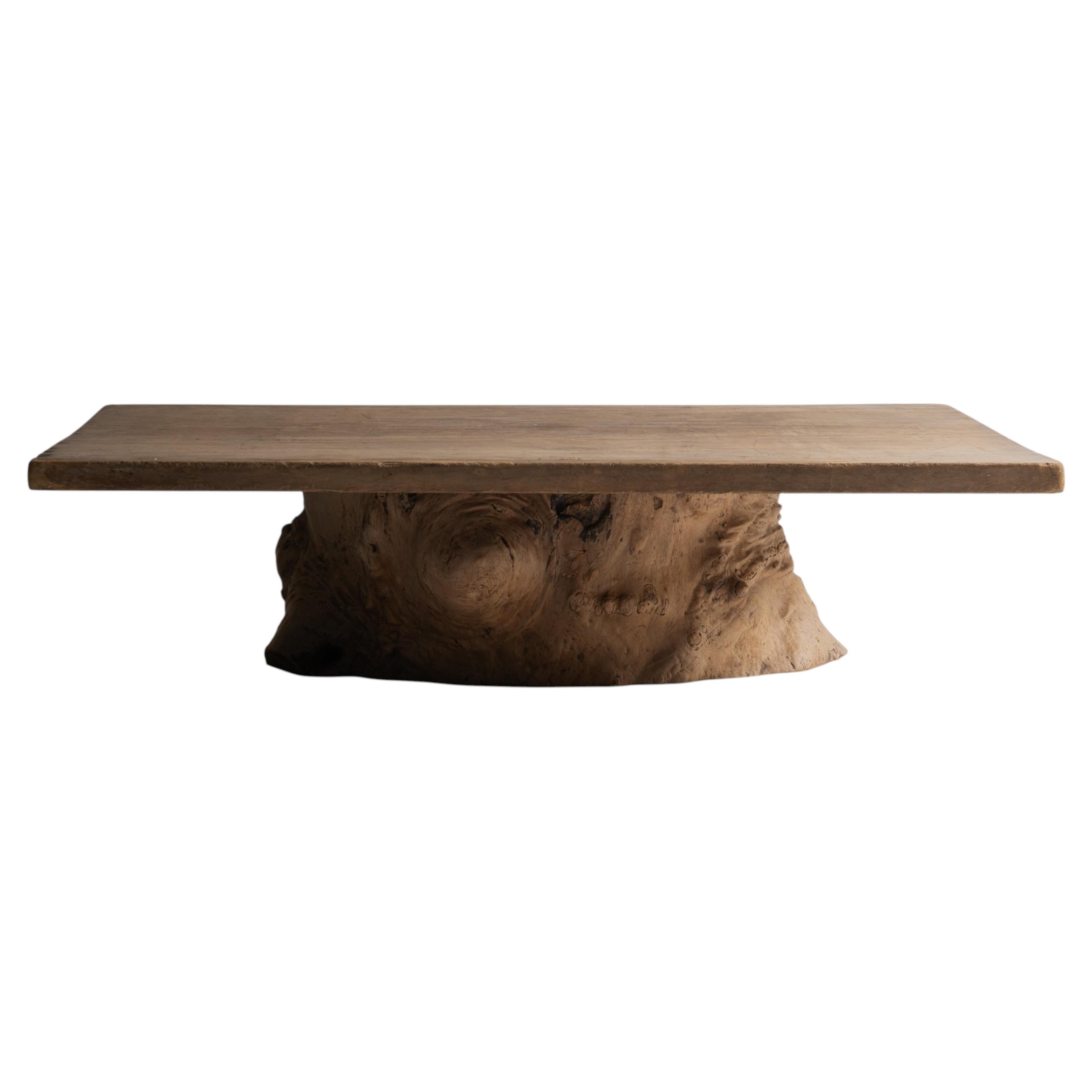
This is a rare old Japanese wooden low table, believed to date from the late Meiji period to the Taisho period, circa 1860s to 1920s. The tabletop is made from a single solid slab of keyaki, Japanese zelkova wood. It measures approximately 5 cm thick, giving the piece a remarkably substantial and powerful presence. The beautiful grain characteristic of keyaki spreads quietly across the entire surface, expressing the depth and dignity of the material itself. A single-slab keyaki tabletop of this thickness is extremely rare and is a valuable material that is difficult to find today. The base is also made from keyaki wood and features a sculptural form that makes use of a large natural root section. Knots, burls, hollows, undulations, cavities, and naturally formed irregularities remain visible throughout, strongly expressing the power of natural material. The contrast between the thick horizontal tabletop and the organic curves of the root base creates a highly impressive overall balance. The structure is very simple, yet the presence of the piece is profound. The thick rectangular tabletop gives the table a calm sense of stability, while the root base adds movement and individuality. Please note that the tabletop and base are not fixed together. The buyer will need to secure them after installation. This piece can be used practically as a low table, while also being appreciated as a sculptural object at the center of a space. The surface shows wear, scratches, small marks, tonal variations, and natural changes to the wood caused by many years of use. The edges of the tabletop retain a rustic and powerful aged character, while the base reveals the wild natural form of the wood itself. These are not flaws, but traces of the long life this piece has lived, giving it a rich character that cannot be reproduced in newly made furniture. For centuries, Japanese artisans have used natural materials to create everyday objects and furniture designed to endure over time. Through use, these objects gradually develop their own expressions, reflecting the lives of the people who lived with them. This table carries that same spirit of Japanese craftsmanship. It is not merely a decorative object, but a piece made to be used, touched, and lived with over time. In today’s world of mass production, furniture like this has become increasingly rare. It brings the truth of natural material, cultural continuity, and timeless quiet beauty into modern interiors. The strength of keyaki wood, the hand of the craftsman, and the expression created by time come together to create an atmosphere that feels honest, deep, and highly authentic. This piece embodies the Japanese aesthetic of wabi-sabi, where beauty is found in imperfection and impermanence. The knots, burls, uneven surfaces, color variations, wear, natural distortion, and traces of age are not simply signs of use. They are expressions created by nature and time, and they are an essential part of the table’s beauty. Rather than hiding its age, the piece accepts it openly, allowing the material itself to become visually and physically rich. It works beautifully not only in Japanese interiors, but also in minimalist, primitive, natural, and contemporary spaces. When placed in an interior with generous negative space, the horizontal strength of the tabletop and the sculptural form of the base become especially striking, giving the piece a powerful presence as the center of the room. It is highly attractive as a living room low table, a gallery display platform, or a sculptural object in an architectural space. Carefully sourced in Japan, this is a rare wooden low table from the Meiji to Taisho period. The approximately 5 cm (about 2 inches) thick single-slab keyaki tabletop, the powerful root base also made from keyaki, and the deeply aged surface come together in beautiful harmony. Unlike mass-produced furniture, this piece carries the strength of the material itself and the quiet warmth of hand craftsmanship. The heavy yet calm beauty of the keyaki tabletop and the wild sculptural presence of the keyaki root base bring depth, warmth, and authentic character to a space. With its natural form, powerful base, and beautifully aged tabletop, this is a highly rare and truly one-of-a-kind piece. Weight : 57.5kg
  • Similar to:
    Axel Vervoordt (Designer)
  • Dimensions:
    Height: 13.19 in (33.5 cm)Width: 45.28 in (115 cm)Depth: 37.41 in (95 cm)
  • Style:
    Meiji (Of the Period)
  • Materials and Techniques:
  • Place of Origin:
  • Period:
  • Date of Manufacture:
    1860s-1920s
  • Condition:
    Wear consistent with age and use. Minor losses.
  • Seller Location:
    Sammu-shi, JP
  • Reference Number:
    1stDibs: LU5487251057102

More From This Seller

View All
Japanese Antique Low Table 1860s-1920s / Sofa Table Wabi Sabi

Japanese Antique Low Table 1860s-1920s / Sofa Table Wabi Sabi

By Axel Vervoordt

Located in Sammu-shi, Chiba

This is a low table (low table / coffee table) crafted in Japan, with a chestnut (tochi) wood top and a zelkova (keyaki) wood base. A substantial and striking piece, combining a thi...

Category

Early 20th Century Japanese Meiji Sofa Tables

Materials

Wood

Japanese Antique Low Table 1900s-1940s / Primitive Sofa Table Wabi Sabi

Japanese Antique Low Table 1900s-1940s / Primitive Sofa Table Wabi Sabi

By Axel Vervoordt

Located in Sammu-shi, Chiba

This Japanese low table was crafted during the early Showa period (1900s–1940s) from an exceptional burl wood, most likely Karin burl wood. The entire piece, from the top to the legs...

Category

Early 20th Century Japanese Showa Sofa Tables

Materials

Wood

Antique wooden low table from Korea / 20th century / Wabi-sabi style low table

Antique wooden low table from Korea / 20th century / Wabi-sabi style low table

Located in Sammu-shi, Chiba

This is a piece that is thought to be an old wooden low table made on the Korean Peninsula. Although its exact date cannot be stated with certainty, judging from its overall construction, the design of the legs, and the character of the wood, it can be understood as an old piece of common people’s furniture from the Joseon period. The tabletop appears to be made of a hardwood similar to oak or elm, while the legs appear to be made of a softwood such as pine or cedar. What makes this table especially interesting is the way it carries something of the atmosphere of Korean antique furniture...

Category

Early 20th Century South Korean Other Sofa Tables

Materials

Wood, Oak, Pine

Vintage Japanese wooden low table / 1950's / Sofa table / Wabi sabi / Mingei

Vintage Japanese wooden low table / 1950's / Sofa table / Wabi sabi / Mingei

Located in Sammu-shi, Chiba

This is a Japanese vintage keyaki wood low table, believed to date from the mid-Showa period, circa 1950s to 1960s. The material is keyaki, Japanese zelkova, a wood that has long be...

Category

Mid-20th Century Japanese Showa Sofa Tables

Materials

Wood

Wabi-sabi style antique wooden low table / East Asia / 1800-1900/Sofa table

Wabi-sabi style antique wooden low table / East Asia / 1800-1900/Sofa table

Located in Sammu-shi, Chiba

This is a deeply atmospheric low table, made by combining an old wooden door from Yunnan Province, China, with a base made from an old Japanese workbench. The tabletop is thought to...

Category

Antique 19th Century East Asian Other Sofa Tables

Materials

Wood, Pine

Japanese antique wooden wabi-sabi low table / 1850-1912 / "Fu-zukue"

Japanese antique wooden wabi-sabi low table / 1850-1912 / "Fu-zukue"

Located in Sammu-shi, Chiba

This wooden writing desk, known as a "Fu-zukue", dates back to the late Edo to Meiji period. Tatami culture has long been an integral part of Japanese life, where people sat on the ...

Category

Antique Late 19th Century Japanese Edo Sofa Tables

Materials

Cedar

You May Also Like

Organic Modern Japanese Antique Low Table 1920s-1940s / Sofa Table Wabi-Sabi

Organic Modern Japanese Antique Low Table 1920s-1940s / Sofa Table Wabi-Sabi

By Axel Vervoordt

Located in Chōsei District Nagara, JP

This is an antique Japanese solid wood low table. It is believed to date from the early Showa period (1920s–1940s). From the tabletop to the legs, the entire piece is crafted from so...

Category

Mid-20th Century Japanese Primitive Sofa Tables

Materials

Wood

Japanese Antique Wood Low Table , Primitive Low Table , Wabi Sabi

Japanese Antique Wood Low Table , Primitive Low Table , Wabi Sabi

Located in Katori-Shi, 12

This is an antique low table from the Taisho period. The table top is made of five pieces of Shurizakura wood with beautiful grain, and its rich expression captivates the viewer. In...

Category

Early 20th Century Japanese Taisho Antiquities

Materials

Wood

Japanese Antique Large Thick Solid Wood Low Table, Late Meiji Era (1868–1912)

Japanese Antique Large Thick Solid Wood Low Table, Late Meiji Era (1868–1912)

Located in Hitachiomiya-shi, 08

This Japanese antique low table is defined by the remarkable presence of its massive 7 cm (2.8 in.) thick solid wood top and sculptural wooden base. Powerful yet restrained, it celeb...

Category

Early 20th Century Japanese Meiji Center Tables

Materials

Wood, Cedar

Japanese Antique Low Table 1860s-1920s / Sofa Table Wabi Sabi

Japanese Antique Low Table 1860s-1920s / Sofa Table Wabi Sabi

Located in Chōsei District Nagara, JP

This is an old Japanese low table. Its long, horizontal proportions create a calm and balanced presence, bringing a quiet sense of stability to a space. Free from excessive ornamenta...

Category

Early 20th Century Japanese Taisho Sofa Tables

Materials

Wood

Japanese Antique Low Table 1900s-1940s / Sofa Table Wabi Sabi

Japanese Antique Low Table 1900s-1940s / Sofa Table Wabi Sabi

Located in Chōsei District Nagara, JP

This is an antique low table made in Japan. Crafted in the early Showa period (1900s–1940s), it was originally used in a rural farmhouse, quietly supporting everyday life over many y...

Category

Mid-20th Century Japanese Showa Sofa Tables

Materials

Cherry

Japanese Antique Massive Primitive Table 1900s-1940s / Coffee Table Wabisabi

Japanese Antique Massive Primitive Table 1900s-1940s / Coffee Table Wabisabi

By Axel Vervoordt

Located in Chōsei District Nagara, JP

This is an antique massive primitive-style coffee table made in Japan. Its low, grounded form and overwhelming sense of volume—seemingly carved from a single solid mass—bring a quiet...

Category

Mid-20th Century Japanese Primitive Coffee and Cocktail Tables

Materials

Wood