Want more images or videos?
Request additional images or videos from the seller
1 of 21

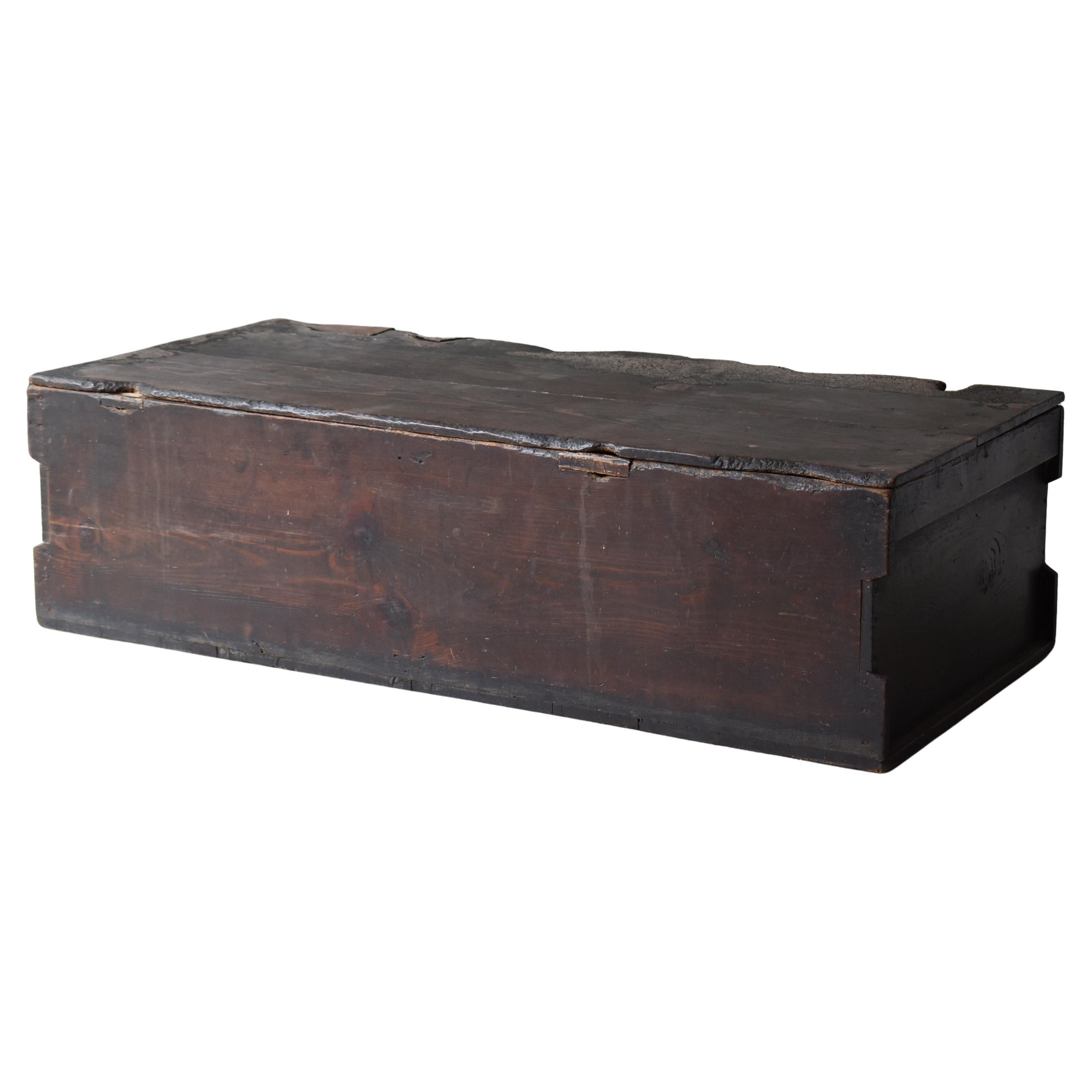
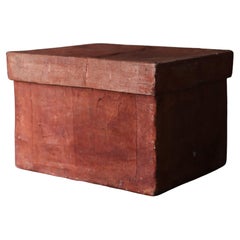
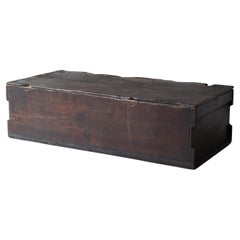
Japanese antique wooden storage box, Late Edo period , wabi-sabi coffee table

$1,800
£1,345.94
€1,571.98
CA$2,529
A$2,561.38
CHF 1,471.39
MX$31,060.07
NOK 17,067.89
SEK 17,373.15
DKK 11,752.24

About the Item

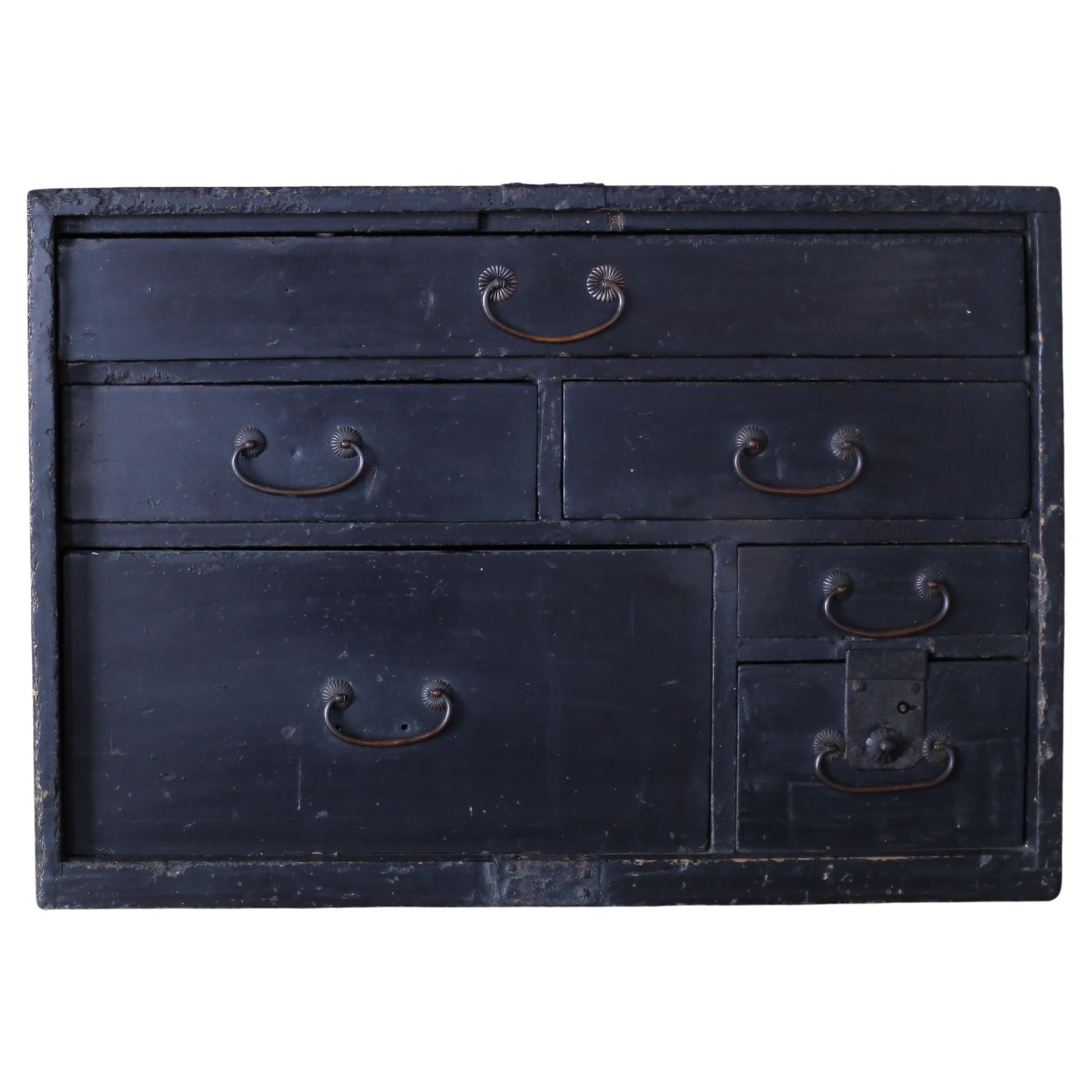
This piece is believed to be a wooden storage chest known as a karabi-bitsu, made in Japan during the late Edo period (approximately the 18th–19th century). The karabi-bitsu is a traditional form of Japanese furniture, historically used to store clothing, ritual objects, and other valuable items. The history of the karabi-bitsu is long, with its earliest forms already seen in the Heian period. It later developed further within samurai culture and religious institutions. As a reference, examples of Kamakura-period karabi-bitsu are preserved in the collection of the Nara National Museum. Related reference images are included here to help provide historical context. Karabi-bitsu were more commonly used in temples and shrines rather than in ordinary households. They served as storage for ritual implements, textiles, votive offerings, and Buddhist objects, and were sometimes donated as offerings themselves. In temples and shrines, furnishings were often renewed every few decades. As a result, karabi-bitsu that had completed their role were sometimes passed on to donors or related individuals and continued to be used in private settings. This piece is likely one such example, having been preserved and passed down over a long period of time. The wood is believed to be Japanese cedar or cypress (hinoki). The exterior is partially finished with black lacquer, not fully concealing the wood but intentionally allowing the grain to remain visible. This creates a refined balance between the subdued sheen of lacquer and the strong, expressive character of the wood itself. The surface shows signs of age, including light wear, small scratches, and gaps in the bottom boards. These are not considered flaws, but rather part of the natural aging process, adding depth and character that can only be achieved through long-term use. Today, karabi-bitsu of this age and condition are increasingly difficult to find, making this a rare and valuable piece. When used as a sofa table, coffee table, or low table, it brings a sense of weight and calm presence to a space, creating an atmosphere that mass-produced furniture cannot replicate. Please note that due to the structure of the underside of the lid, placing significant weight on one end of the longer side may cause the opposite side to lift slightly, similar to a seesaw. This is due to the structure of the underside of the lid and is not a defect, but please be aware of this when using the product. We hope you will enjoy incorporating this piece—shaped by Japan’s religious and daily life traditions—into a contemporary interior. Size / Weight / Item No. Size: W 70.5 cm × D 46.5 cm × H 38 cm Weight: 9.05 kg Item No.: TA131 [Our Social Role] -------------------------------------------------------------------------------------------------------- We are a specialized team dealing in antiques and vintage items, comprised of stores based on three distinct brands. While focusing on Japanese items, we also offer a carefully curated selection of attractive goods from around the world—each evoking the culture and history of its country of origin. Unlike the traditional Japanese antique furniture and art that have been appreciated overseas until now, we shine a light on the tools and furniture that were used for many years in ordinary Japanese homes and farmhouses. These objects have gained a unique charm over time, their beauty deepened by the history accumulated through daily life. In today’s world, however, many of these precious items are discarded during home demolitions. We are committed to reassessing their value and passing them on to future generations. Drawing from our extensive experience—having seen tens of thousands of items through direct purchases, markets, and auction houses—we carefully select and present only the most captivating pieces. This is something made possible only through the years of knowledge and expertise we have cultivated. Rather than focusing on the widely known facets of Japanese art and culture, we highlight the subtle beauty born from the everyday life of common people. It is this rediscovered beauty, steeped in history, that we strive to share with the world.
  • Dimensions:
    Height: 14.97 in (38 cm)Width: 27.76 in (70.5 cm)Depth: 18.31 in (46.5 cm)
  • Style:
    Edo (Of the Period)
  • Materials and Techniques:
    Cedar,Cypress,Lacquered,Woodwork
  • Place of Origin:
  • Period:
  • Date of Manufacture:
    1750-1868
  • Condition:
    Please note that due to the structure of the underside of the lid, placing significant weight on one end of the longer side may cause the opposite side to lift slightly, similar to a seesaw.
  • Seller Location:
    Sammu-shi, JP
  • Reference Number:
    1stDibs: LU5487248597832

More From This Seller

View All
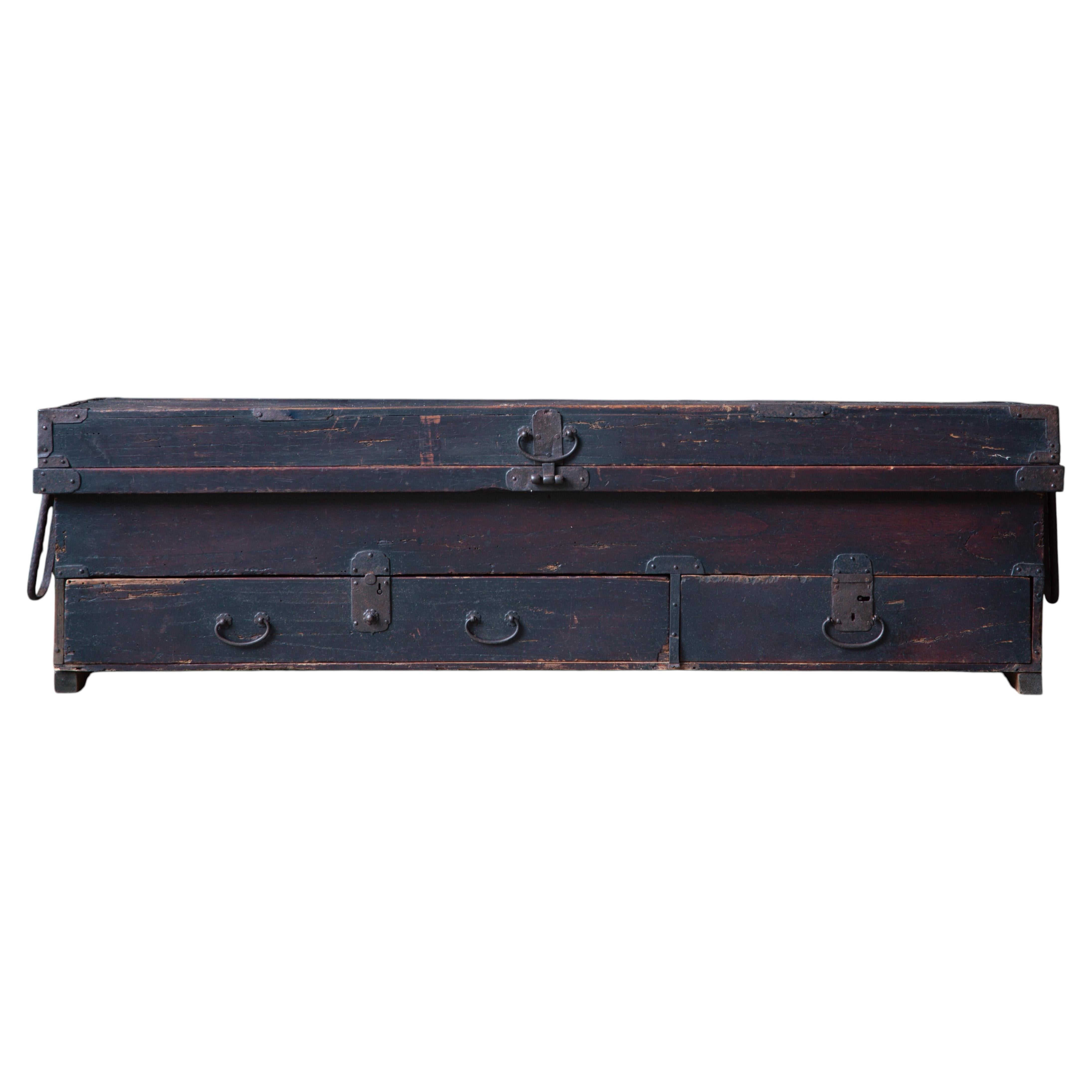
Wooden drawer used by old Japanese lacquerware craftsmen/Made in 1963/Showa era

Wooden drawer used by old Japanese lacquerware craftsmen/Made in 1963/Showa era

Located in Sammu-shi, Chiba

This is a lacquerware craftsman's workbench made on January 8, 1963. The production date is written on the back of the drawer. This work drawer is a stand for applying red and black ...

Category

Mid-20th Century Japanese Showa Commodes and Chests of Drawers

Materials

Cedar

Japanese Antique BK Small Drawer Meiji / Tansu Storage Wabisabi

Japanese Antique BK Small Drawer Meiji / Tansu Storage Wabisabi

Located in Sammu-shi, Chiba

This is a very old black-lacquered drawer storage unit made in Japan. Judging from the handle design, it appears to date from the Meiji period. It is very old. It comes with a lock. ...

Category

Antique 19th Century Japanese Meiji Commodes and Chests of Drawers

Materials

Cedar

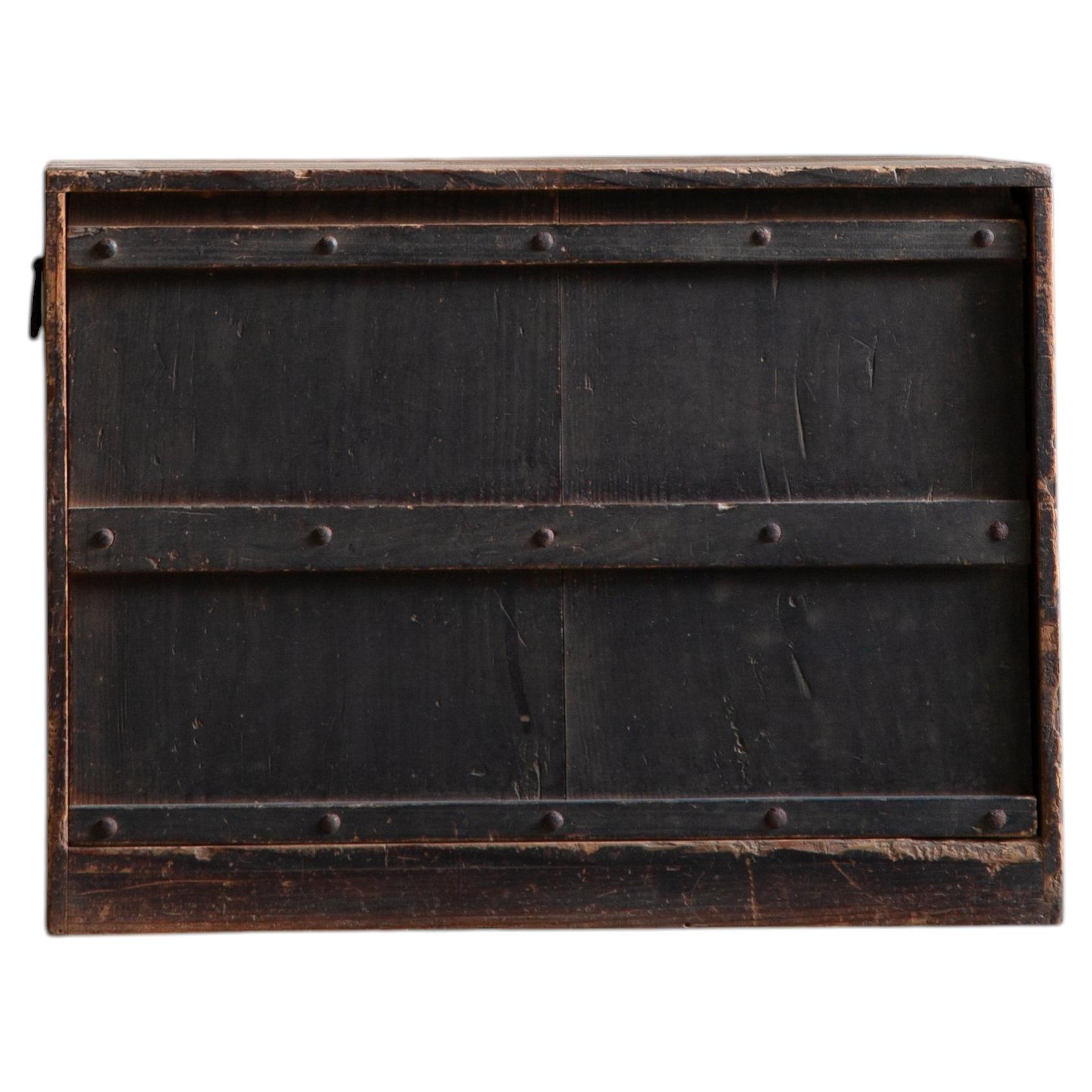
Japanese Antique Paper-covered Box 1900s-1920s / Kakishibu

Japanese Antique Paper-covered Box 1900s-1920s / Kakishibu

Located in Sammu-shi, Chiba

This is a very old storage box covered in washi paper. It was made in the Meiji period (1900s-1920s). The old washi paper is painted with persimmon tannins. Painting with persimmon ...

Category

Antique Early 1900s Japanese Meiji Side Tables

Materials

Paper

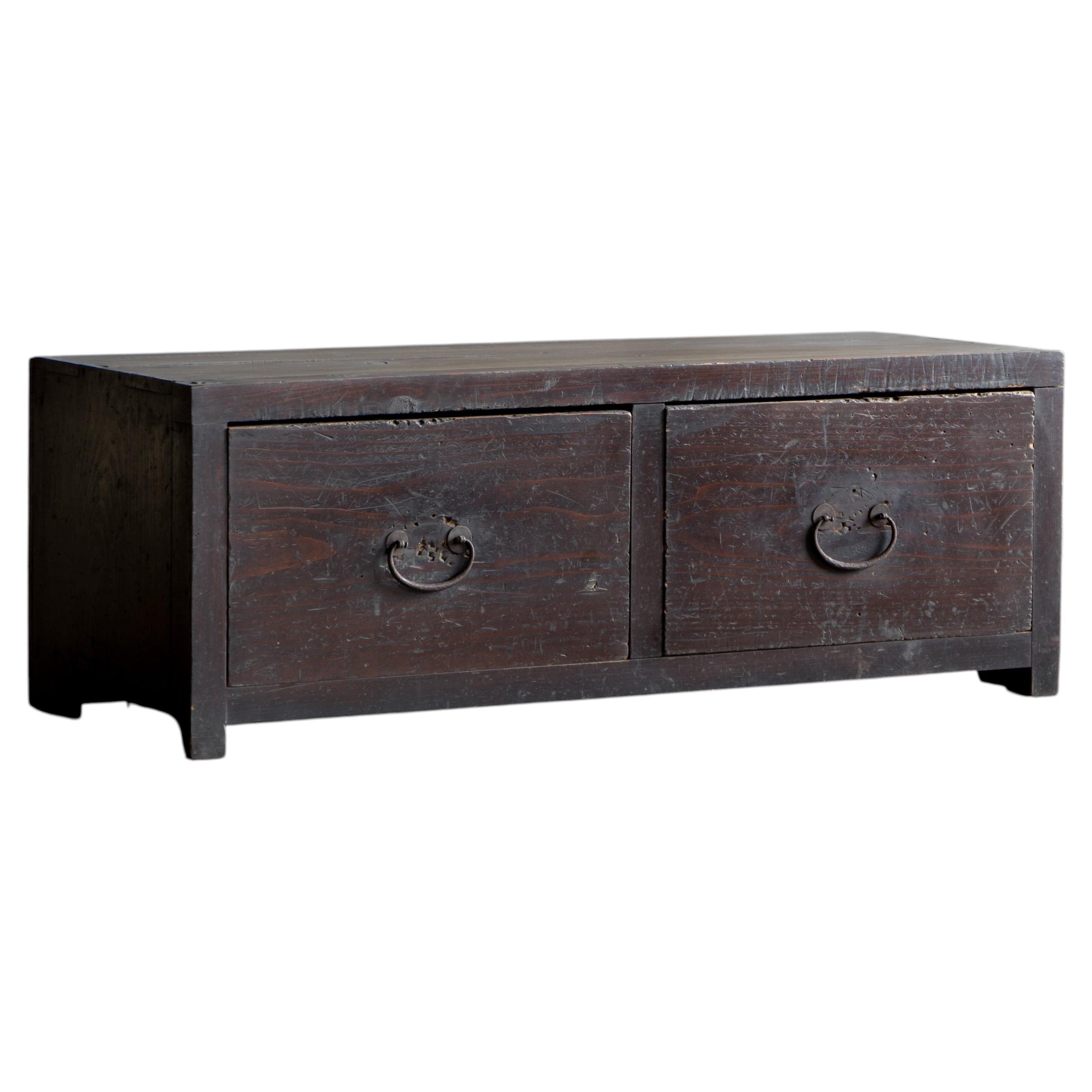
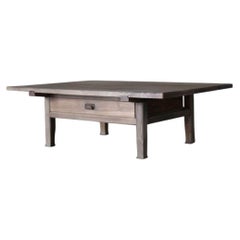
Primitive Japanese Wooden Table with Drawer Japan, Early 20th Century

Primitive Japanese Wooden Table with Drawer Japan, Early 20th Century

Located in Sammu-shi, Chiba

An old Japanese low wooden table with a quiet, architectural presence. Its restrained proportions and low profile create a calm yet sculptural form, embodying the understated elegan...

Category

Early 20th Century Japanese Taisho Side Tables

Materials

Wood

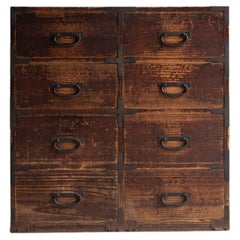
Japanese Antique Tansu Drawer Chest Edo Meiji Small Drawers Wabi Sabi Cabinet

Japanese Antique Tansu Drawer Chest Edo Meiji Small Drawers Wabi Sabi Cabinet

Located in Sammu-shi, Chiba

This is a Japanese antique drawer chest, believed to date from the late Edo period to the early Meiji period, circa 1800s to 1900s. Constructed from solid wood, this piece has a sim...

Category

Early 20th Century Japanese Meiji Cabinets

Materials

Iron

You May Also Like

Japanese Antique Sofa Table or Storage Box 1860s-1920s / Side Table Wabisabi

Japanese Antique Sofa Table or Storage Box 1860s-1920s / Side Table Wabisabi

Located in Chōsei District Nagara, JP

This is an old Japanese storage chest that also functions as a low table. It was crafted during the Meiji to Taisho periods (1860s–1920s) and made from traditional Japanese cedar (su...

Category

Early 20th Century Japanese Meiji Sofa Tables

Materials

Tin

Japanese Antique Large Black Wheeled Storage Chest / 1800-1868s / Wabi-sabi

Japanese Antique Large Black Wheeled Storage Chest / 1800-1868s / Wabi-sabi

Located in Shizukuishi-cho, Iwate-gun, Iwate Prefecture

This is a piece of storage furniture called a "kurumanagamochi," a traditional Japanese piece of furniture. Crafted from pine and cedar, it was originally used in the Tohoku region....

Category

Antique Mid-19th Century Japanese Edo Cabinets

Materials

Iron

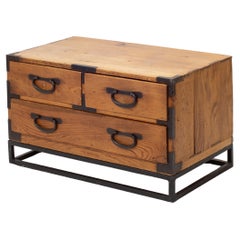
19th Century Japanese Meiji Era Tansu Clothing Chest On Iron Stand

19th Century Japanese Meiji Era Tansu Clothing Chest On Iron Stand

Located in Fort Collins, CO

Constructed from Sugi (Japanese cedar), this clothing kimono chest is decorated with blackened iron brackets and hardware, resting on an iron stand. The side table features 3 drawers...

Category

Antique Late 19th Century Japanese Meiji Side Tables

Materials

Iron

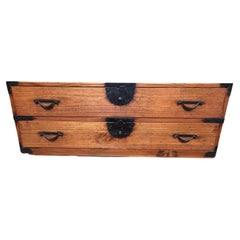
Antique Japanese Kasane (Sword) Tansu, Meiji Period

Antique Japanese Kasane (Sword) Tansu, Meiji Period

Located in Point Richmond, CA

Antique Japanese Katana (sword) tansu, hand forged iron lock plate and hirute handles. Traditionally katana are stored in the upper drawer and in the lower drawer, the wakazashi.  Ki...

Category

Early 20th Century Japanese Meiji Antiquities

Materials

Iron

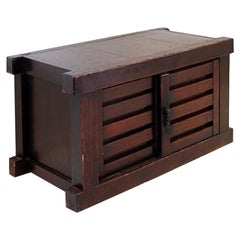
Mid-20th Century Japanese Todana Tansu, Softwood, Minimalist Design

Mid-20th Century Japanese Todana Tansu, Softwood, Minimalist Design

Located in Linkebeek, BE

Antique Japanese todana tansu. Wear consistent with age and use. Asian - Regional Art - Minimalism Antique Japanese todana tansu. 2 sliding doors with wide horizontal slats. Iron...

Category

Mid-20th Century Antiquities

Materials

Softwood

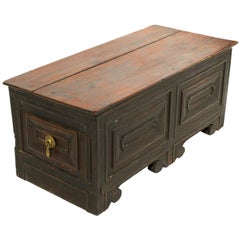
Antique Tibetan Wooden Tea Table or Chest or Storage Box

Antique Tibetan Wooden Tea Table or Chest or Storage Box

Located in New York, NY

Completely handmade Tibetan chest made from beautiful hardwood with lots of patina, surface markings, and cool vibe from over a century's use in Tibet. This was used as a tea table o...

Category

Antique Mid-19th Century Tibetan Tibetan Antiquities

Materials

Wood