Want more images or videos?
Request additional images or videos from the seller
1 of 16

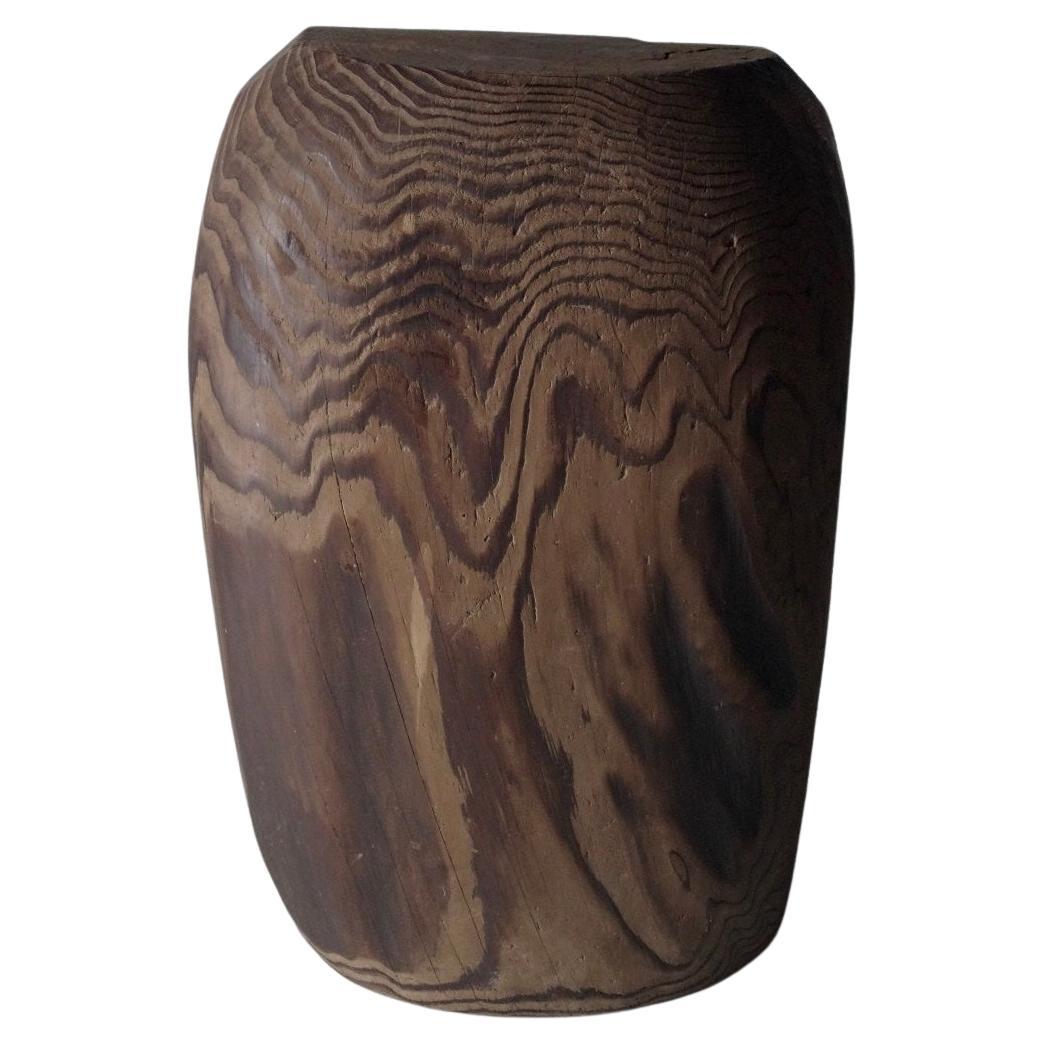
Japanese Antique Hand-Carved Cedar “Gangi” 1860s-1920s / Primitive Wall Art

$700
£525.39
€613.06
CA$988.96
A$991.51
CHF 574.57
MX$12,115.44
NOK 6,658.47
SEK 6,799.41
DKK 4,582.49

About the Item

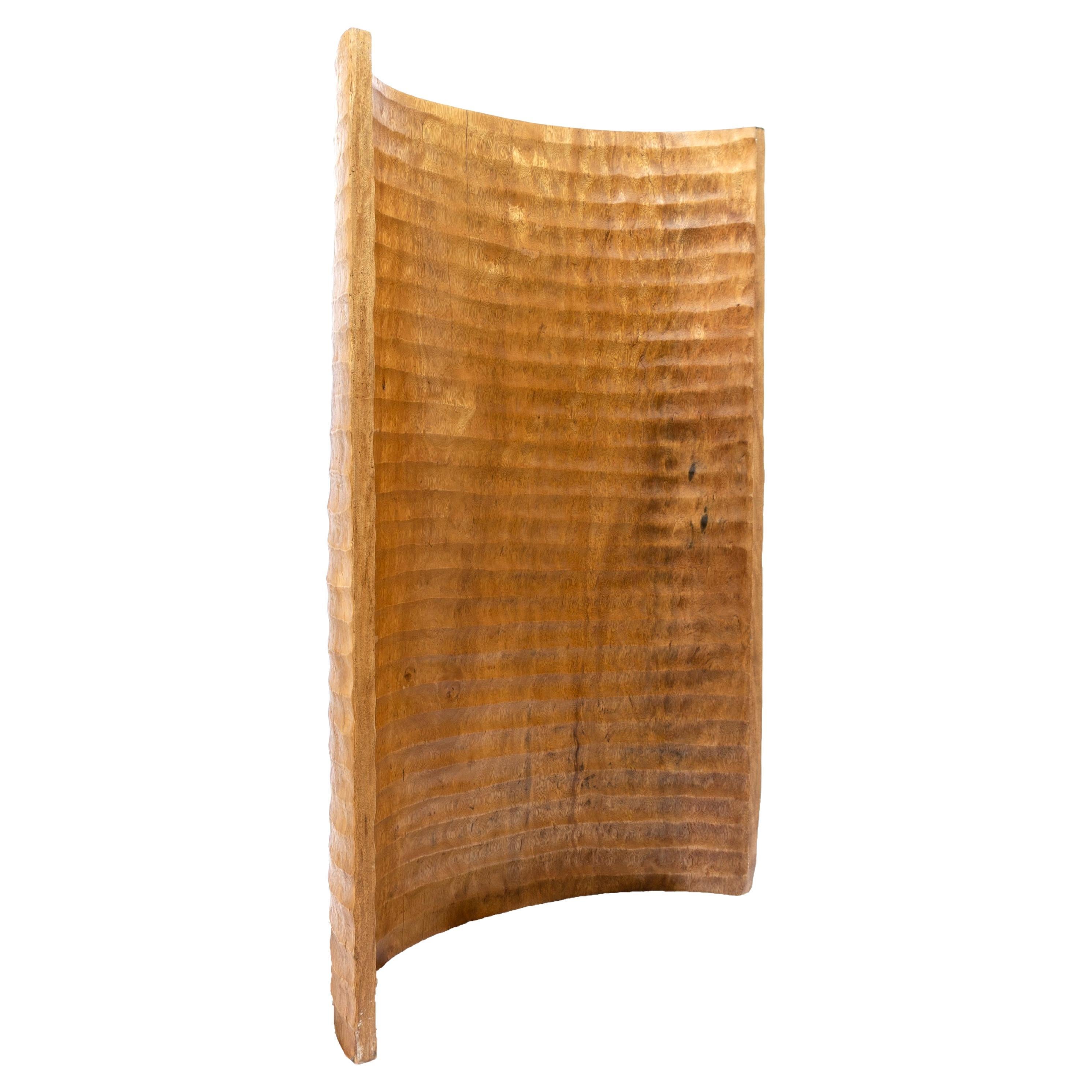
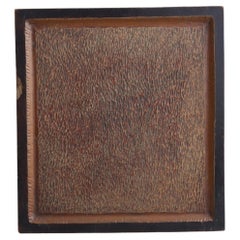
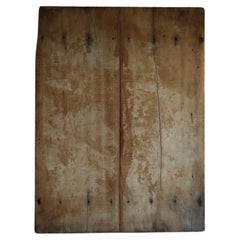
This is a wooden component from a traditional Japanese tool known as a “Gangi” (雁木), once used in the construction and maintenance of thatched roofs. It is crafted from Japanese cedar (sugi). The piece is believed to date from the Meiji to Taisho period (circa 1868–1926). In traditional Japanese thatched-roof construction, bundles of thatch were layered across the roof and then repeatedly tapped, pressed, and adjusted to create an even surface and a beautifully balanced roofline. A Gangi was one of the specialized tools used during this process to grip and align the thatch. This piece is believed to have originally formed part of such a tool. Its most captivating feature is undoubtedly its richly textured surface. The numerous small, regularly arranged projections and recesses were individually carved by hand, originally serving the practical purpose of gripping the thatch. Through generations of repeated use, however, their sharp edges gradually softened and wore away, creating subtle variations in depth, curvature, and texture across the surface. The combination of an orderly grid-like structure and the irregular wear of the aged wood has transformed what was once a purely functional object into something resembling an intentionally composed abstract relief or sculpture. Viewed closely, countless carving marks and the natural grain of the cedar become visible. From a distance, the repeated small squares form a quiet geometric pattern. As light moves across the surface, delicate shadows emerge within the carved texture, continuously changing its appearance. Although originally only one component of an anonymous everyday tool, it now possesses the presence of a sculptural work in its own right. The form was created not by artistic intention alone, but through the extraordinary combination of human craftsmanship, repeated labor, and the gradual passage of time. The resulting surface is something that could never be authentically reproduced. We recommend displaying the piece on a wall as a primitive wall sculpture, textural wall art, or small sculptural object. Its restrained geometry and weathered surface allow it to integrate beautifully into contemporary and minimalist interiors. The piece also embodies the Japanese philosophy of wabi-sabi—an appreciation for the beauty found in imperfection, wear, and the visible traces of time. It will be carefully packed and shipped safely from Japan. Weight: 1.5 kg
  • Dimensions:
    Height: 11.82 in (30 cm)Width: 11.03 in (28 cm)Depth: 3.55 in (9 cm)
  • Style:
    Primitive (In the Style Of)
  • Materials and Techniques:
    Cedar,Woodwork
  • Place of Origin:
  • Period:
  • Date of Manufacture:
    1860s-1920s
  • Condition:
    Wear consistent with age and use.
  • Seller Location:
    Chōsei District Nagara, JP
  • Reference Number:
    1stDibs: LU10403251520082

More From This Seller

View All
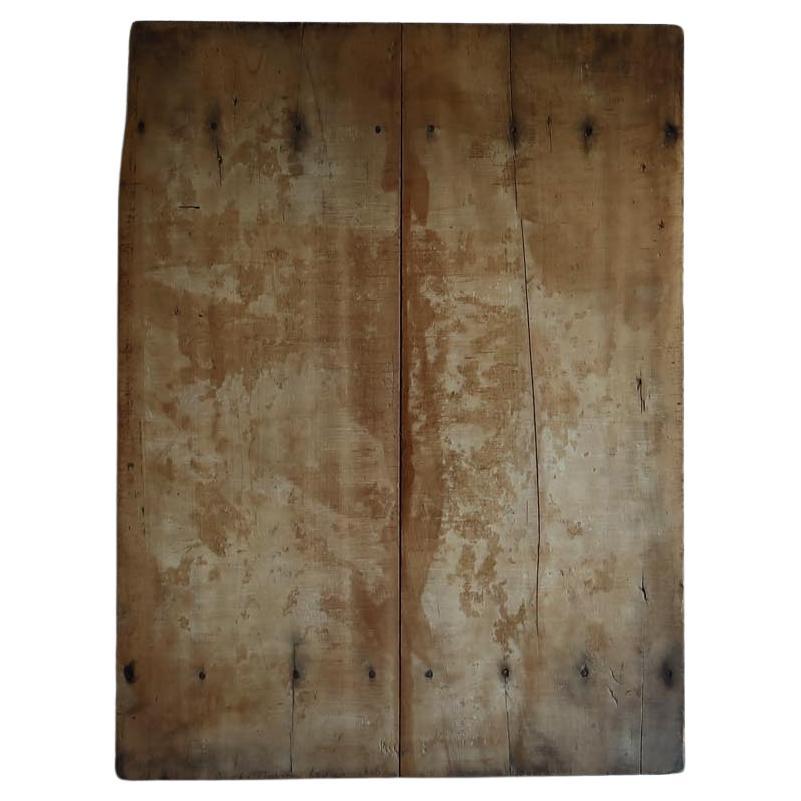
Japanese Antique Wooden Board Wall Decoration 1860s-1900s / Wabisabi

Japanese Antique Wooden Board Wall Decoration 1860s-1900s / Wabisabi

Located in Chōsei District Nagara, JP

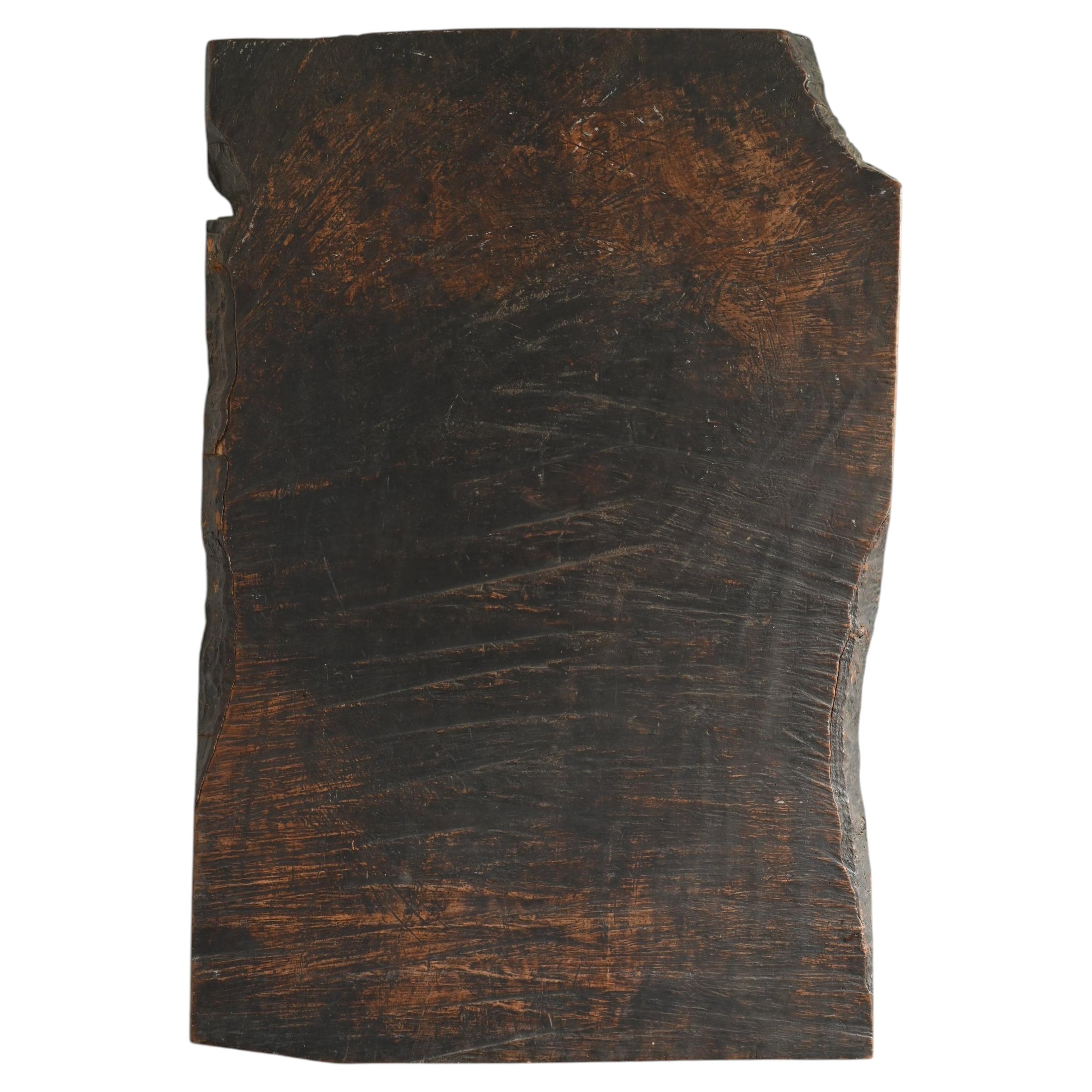
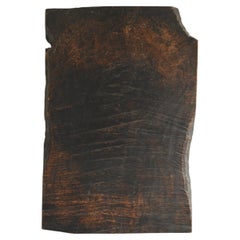
This is an antique Japanese work board. Despite its simple form, it possesses a powerful presence, bringing a quiet tension and deep sense of depth to any space. It is estimated to ...

Category

Early 20th Century Japanese Meiji Decorative Art

Materials

Cedar

Japanese Antique Wooden Lattice Panel 1900s-1940s / Wall Art Wabisabi

Japanese Antique Wooden Lattice Panel 1900s-1940s / Wall Art Wabisabi

Located in Chōsei District Nagara, JP

This is an old Japanese panel featuring a lattice design. The delicate vertical slats are arranged in an orderly rhythm, presenting a quiet yet tense beauty. It is believed to have o...

Category

Mid-20th Century Japanese Showa Decorative Art

Materials

Cedar

Japanese Antique Small Door Wall Decoration 1860s-1900s / Abstract Art Wabi Sabi

Japanese Antique Small Door Wall Decoration 1860s-1900s / Abstract Art Wabi Sabi

Located in Chōsei District Nagara, JP

This is an old small window frame made in Japan. It was originally used as a traditional Japanese mud wall fixture. It dates back to the Meiji period (1860s-1900s) and has been in us...

Category

Early 20th Century Japanese Meiji Decorative Art

Materials

Bamboo, Cedar

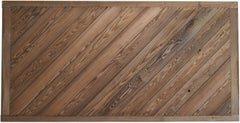
Japanese Antique Diagonal Cedar Wall Panel 1920s-1940s / Abstract Art Wabisabi

Japanese Antique Diagonal Cedar Wall Panel 1920s-1940s / Abstract Art Wabisabi

Located in Chōsei District Nagara, JP

This is an antique Japanese Diagonal Cedar Wall Panel. Originally used as an architectural element, it has been given new life as a wall-mounted piece after fulfilling its original r...

Category

Mid-20th Century Japanese Showa Decorative Art

Materials

Cedar

Japanese Antique Large Sculptural Phallic Wood Object 1860s-1900s / Wabisabi

Japanese Antique Large Sculptural Phallic Wood Object 1860s-1900s / Wabisabi

Located in Chōsei District Nagara, JP

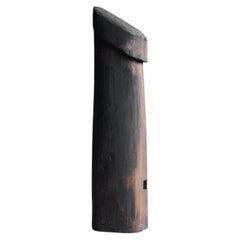
This is an antique Japanese large carved wooden phallic sculpture, believed to date from the Meiji period (circa 1868–1912). Crafted from Japanese cedar (sugi), it has been boldly ca...

Category

Antique Late 19th Century Japanese Meiji Sculptures and Carvings

Materials

Cedar

Japanese Antique Wooden Block Workbench 1900s-1940s / Display Stand Wabisabi

Japanese Antique Wooden Block Workbench 1900s-1940s / Display Stand Wabisabi

Located in Chōsei District Nagara, JP

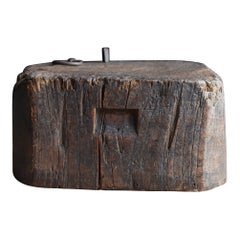
This is an old Japanese wooden block workbench, believed to have been used in the early Showa period (1900s–1940s). The material is zelkova (keyaki) wood. The countless scratches, dents, and the smoothness of its surface are proof of the many years of daily use and the touch of human hands that have polished it over time. The iron fittings remaining on the surface tell the story of the work once performed here, while also serving as a striking visual accent. The inherent durability and beautiful grain of zelkova have gained even greater depth through the passage of time, creating a unique and irreplaceable texture. Left as it is, it stands as a powerful art piece; as a display stand, it functions beautifully to enhance the presence of whatever is placed upon it. There is a slight tilt, but this too is part of its individuality, telling the tale of its long history. It is not in perfection, but in the imperfections shaped by time, that the Japanese aesthetic of wabi-sabi resides. This wooden workbench is more than just an old tool — it is a sculptural object that reflects the era and the lives of the people who used it. Whether in a home interior, gallery, or as store display furniture...

Category

Mid-20th Century Japanese Primitive Antiquities
Materials

Wood

You May Also Like

Japanese antique style wooden panel/wall hanging board / 1868-1920 / MINGEI

Japanese antique style wooden panel/wall hanging board / 1868-1920 / MINGEI

Located in Sammu-shi, Chiba

This is a large and highly imposing old work board, thought to have been made in Japan between the Meiji and Taisho periods, roughly from 1868 to 1920. The material appears to be a s...

Category

Antique Late 19th Century Japanese Meiji Decorative Art

Materials

Pine

Japanese Antique Wood Carving Wall Panel, Abstract Art , Wabi Sabi

Japanese Antique Wood Carving Wall Panel, Abstract Art , Wabi Sabi

Located in Katori-Shi, 12

This wall-hanging carved wooden ornament is made from recycled zelkova wood from a kotatsu table from the Meiji period. The beautiful grain of the wood has been carefully carved by ...

Category

Early 20th Century Japanese Meiji Doors and Gates

Materials

Wood

Japanese antique wooden work board/wall hanging object/1868-1920/low table

Japanese antique wooden work board/wall hanging object/1868-1920/low table

Located in Sammu-shi, Chiba

This wooden work board is said to have been made in northern Kanto during the Meiji to Taisho periods (circa 1868–1920). Originally used in Japanese homes for kneading mochi and maki...

Category

Antique 19th Century Japanese Meiji Antiquities

Materials

Cedar

Rustic Hand-Carved Wood Art Panel by Andrianna Shamaris, Circa 1960

Rustic Hand-Carved Wood Art Panel by Andrianna Shamaris, Circa 1960

By Andrianna Shamaris

Located in New York, NY

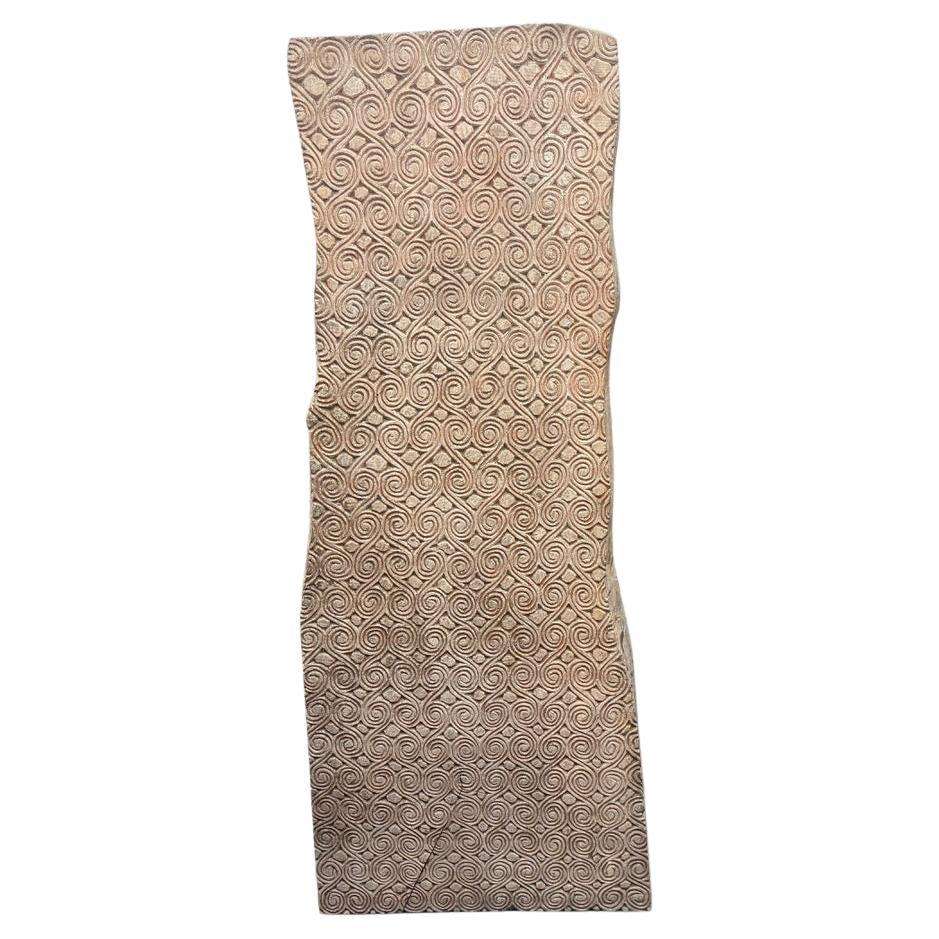
Impressive hand-carved wood panel from Toraja, Sulawesi. This carving symbolizes peace and happiness. Great as an art piece or headboard. Circa 1960. The live edge varies from 21.5” ...

Category

Vintage 1960s Indonesian Rustic Sculptures and Carvings

Materials

Wood

Antique Carved Teak Wood Panel

Antique Carved Teak Wood Panel

Located in New York, NY

Antique hand carved merbau wood panel from Lampung, Sumatra. We have a collection in various sizes. Please inquire. The size and price reflect the one shown. Stunning on both sides. ...

Category

Vintage 1930s Indonesian Primitive Sculptures and Carvings

Materials

Wood, Teak

Japanese Antique Wooden Board, "Abstract Sculptures", Wabi-Sabi, Mingei

Japanese Antique Wooden Board, "Abstract Sculptures", Wabi-Sabi, Mingei

Located in Katori-Shi, 12

This is a wooden antique board from the Meiji era. It is made of Japanese cedar wood. It has a beautiful appearance due to years of use and aging. It was used as a board for kneadi...

Category

Early 20th Century Meiji Antiquities

Materials

Wood