Silvy Favero
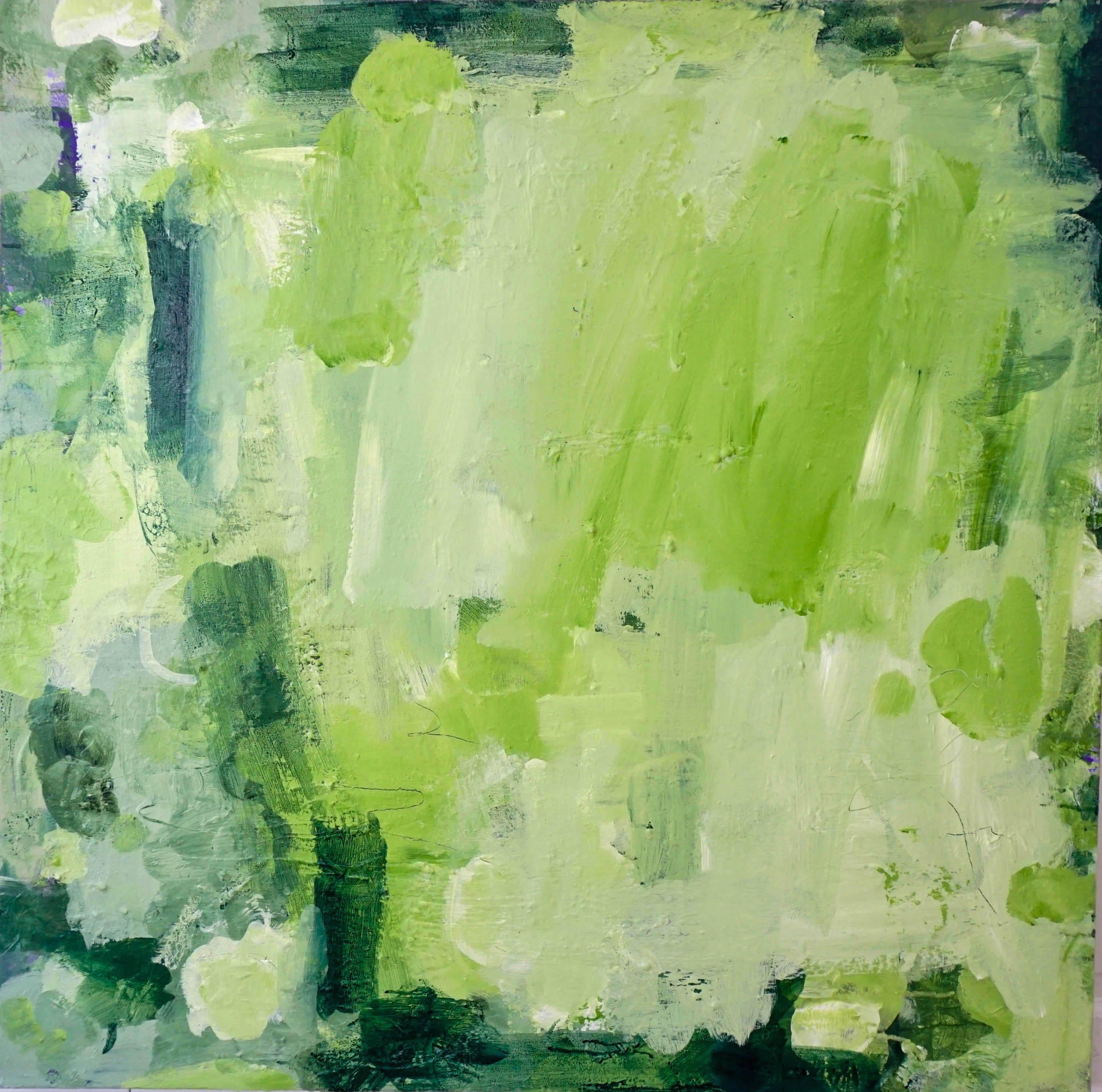
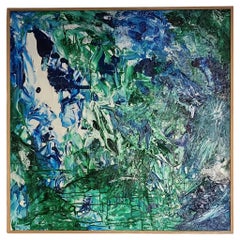
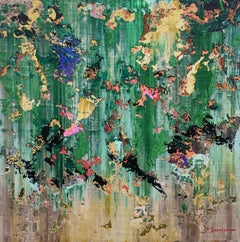
Green Planet 2024
Acrylic on canvas
100 × 100 cm
Visual narrative
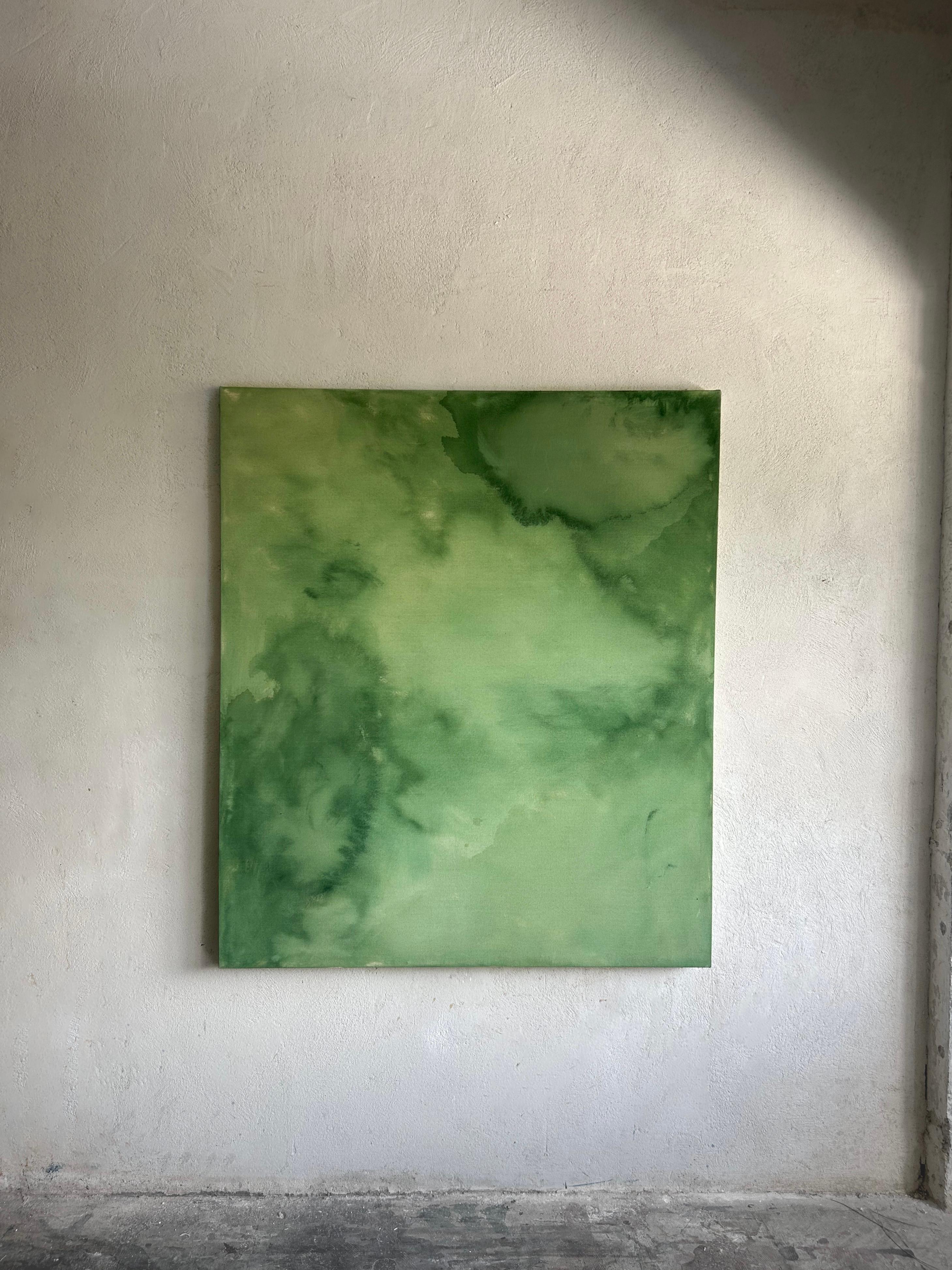
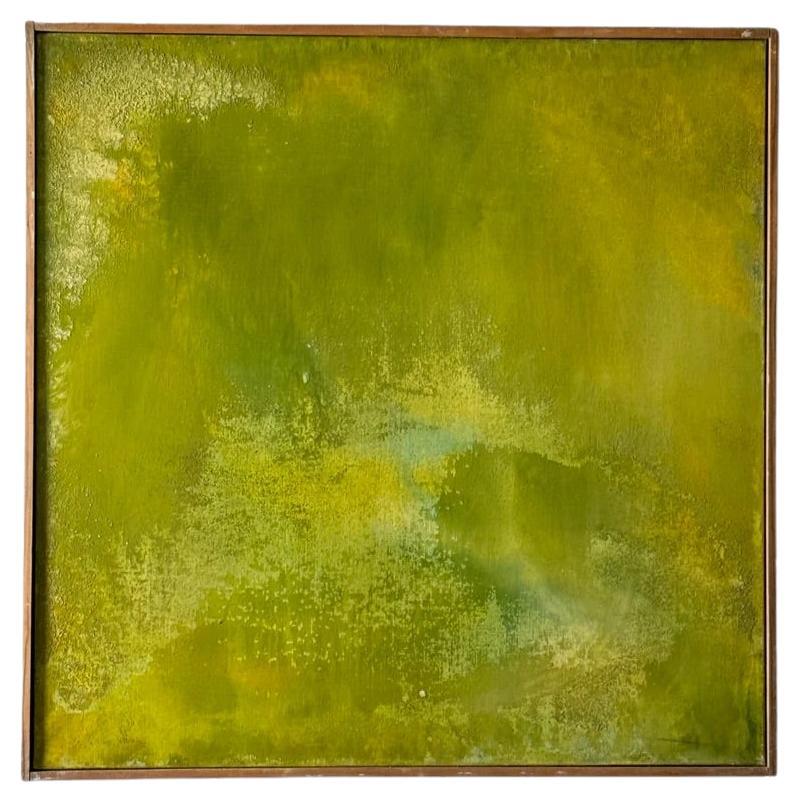
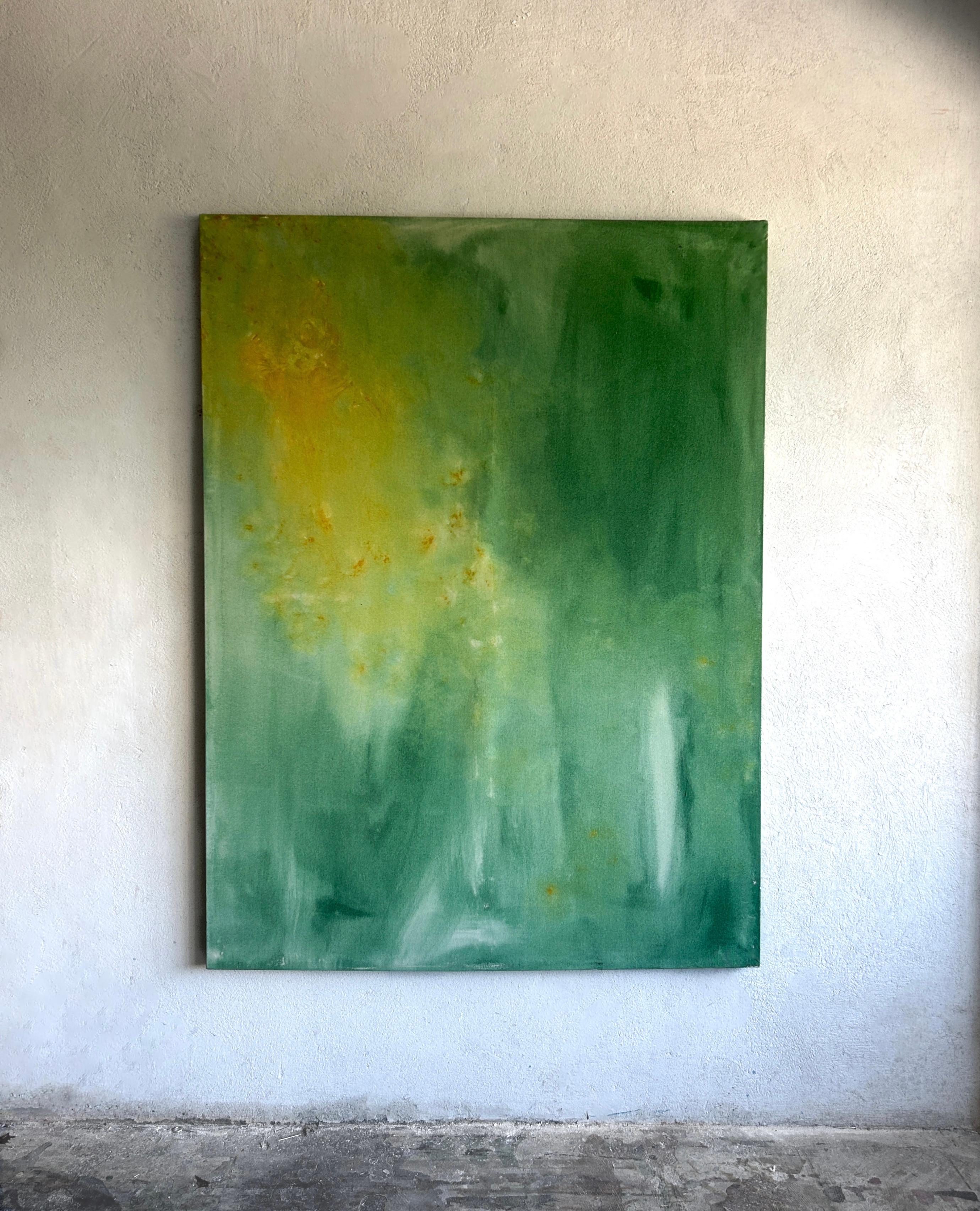
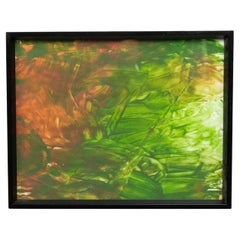
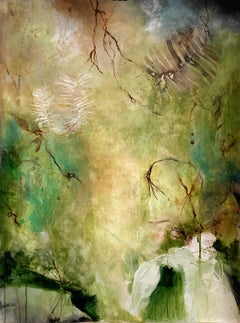
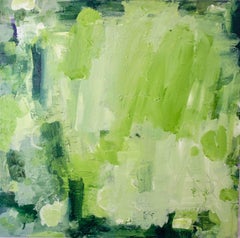
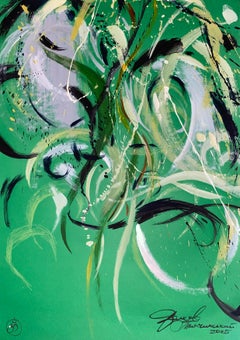
This work by Silvy Favero immediately strikes the viewer with its vegetal, almost organic energy. Green is not simply a color here: it becomes living matter, proliferation, breath. It is a green that seems to emerge from the canvas, expanding and enveloping the gaze like a primitive vegetation not yet disciplined by form.
The composition is built on an interplay of fluid, swirling movements, where white and the various shades of green merge into a dynamic surface. There is no obvious narrative center, and precisely for this reason the eye is free to wander. The painting does not tell a scene: it evokes growth, metamorphosis, perhaps an inner forest.
The pictorial matter appears generous, gestural, layered. The brushstrokes and drippings create an almost botanical effect: leaves, algae, roots, veins, reflections of water. Yet nothing is described realistically. Everything remains suspended between abstraction and natural suggestion.
The relationship with the frame is also interesting: the outer green edge dialogues with the canvas and ideally extends its energy, while the light passe-partout creates a visual pause, a zone of silence that allows the work to breathe. It is as though the painting were contained, but not tamed.
One could define this work as “Primal Green”: not a decorative green, but an original, instinctive, almost physical green. A painting that conveys freshness, vitality, and a certain fertile restlessness, as if nature were still searching for its own form.
Overall, Silvy Favero seems to work with a kind of painting that does not aim to represent the world, but to restore its vital impulse. Here color becomes growth, matter becomes movement, and abstraction approaches something profoundly earthly.
Silvy Favero
Artistic Profile
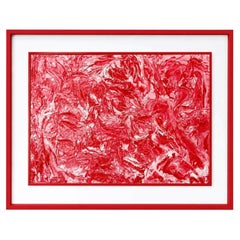
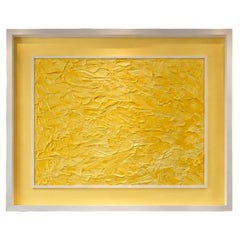
The painting of Silvy Favero begins with an apparently simple and, precisely for this reason, radical choice: to reduce the palette to its essence. Green, red, yellow, white. Primary or basic colours, used not as pure fields, but as living matter — mixed, crossed, rippled, raised. It is within this apparent limitation that the artist finds her space of freedom.
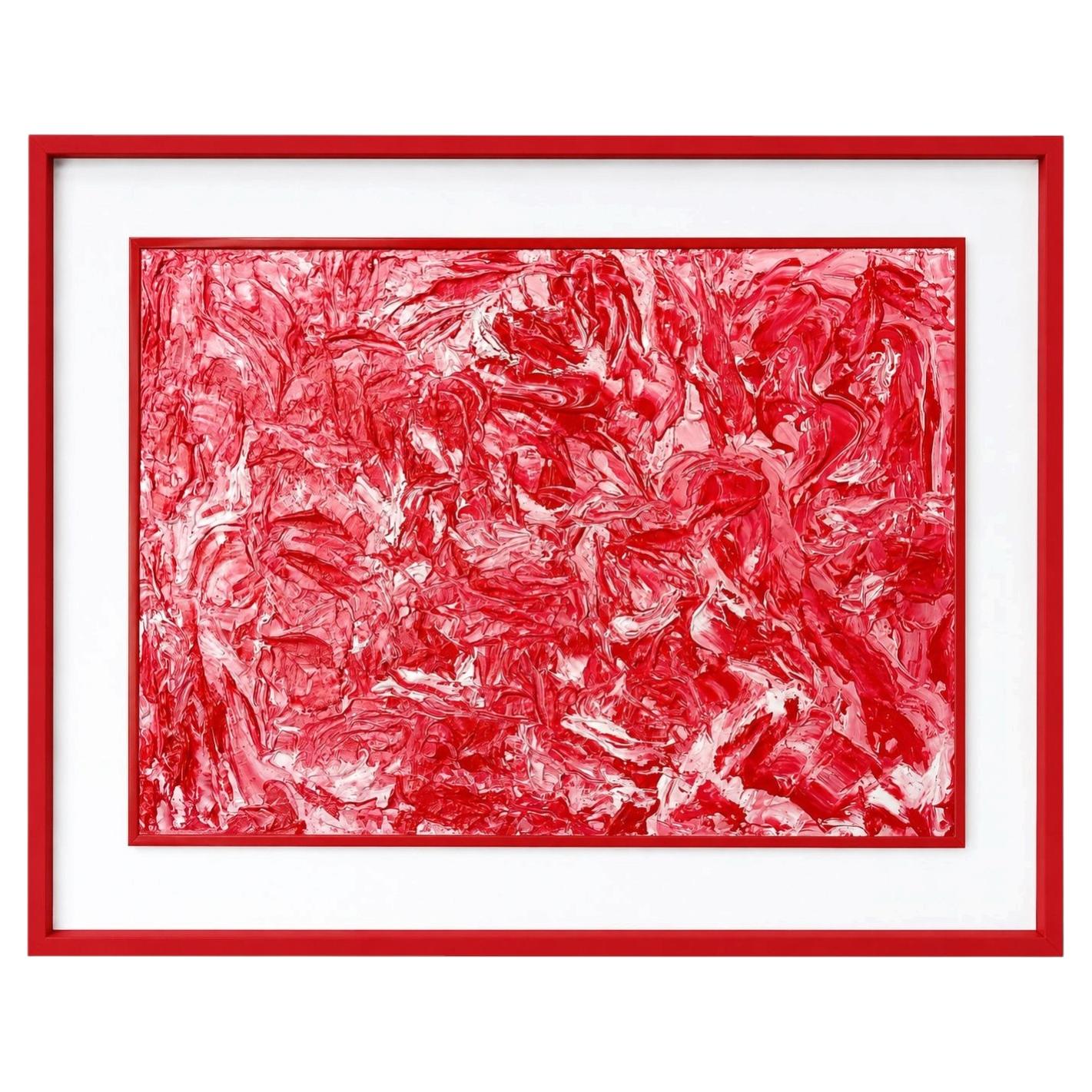
Favero does not seek complexity through accumulation, but through the depth of the surface. Each painting seems to begin with a dominant colour, almost with an absolute decision: the yellow of the desert, the green of vegetation, the red of an inner energy. But that colour is then immediately set in motion. It is mixed with white, opened, scratched, lifted, transformed into a material geography.
Her works do not describe recognisable places. Rather, they suggest them. They are mental territories, inner landscapes, emotional maps. The pictorial matter becomes sand, leaf, wave, flesh, light, rock, wind. There is no explicit narrative, but a continuous evocation. The viewer does not look at a scene: they enter a surface.
The strength of her work lies precisely in this tension between chromatic simplicity and tactile complexity. Colour is never flat, never merely colour. It is body. It is relief. It is contained movement. The canvas seems to breathe through its ripples, as if the painting were a skin crossed by something trying to emerge.
One might imagine, with caution and without forcing the comparison, a distant ideal kinship with the lesson of Rothko: not in formal language, but in the idea that colour can become a spiritual space. As if a red, green or yellow field suddenly opened up, rippled, took on matter, and became landscape. Favero seems to begin from an essential chromatic field and then wound it, animate it, make it sensitive.
Her pictorial gesture is not decorative, even when the work possesses a strong aesthetic presence. It is a gesture of research: an inquiry into the evocative power of matter, into the possibility of giving birth to a world from just a few elements — a colour, white, light, the pressure of the hand, the density of acrylic.
In this sense, her painting lives in a border zone: between abstraction and nature, between surface and depth, between silence and movement. It does not represent the world, but retains its echo. And each canvas becomes a threshold: a place where colour, on its own, begins to speak.