Want more images or videos?
Request additional images or videos from the seller
1 of 10

Islamic Sufi Ritual Print The Tschillé and the Dausa, 1863 Dutch Lithograph

$270.67
£200.57
€230VAT Included
CA$376.79
A$383.32
CHF 220.26
MX$4,609.50
NOK 2,571.54
SEK 2,586.93
DKK 1,753.76

About the Item

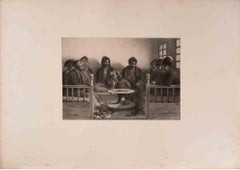
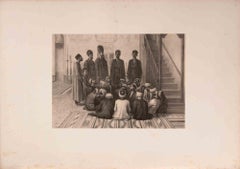
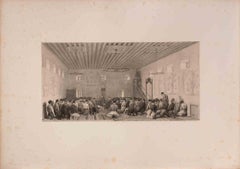
Islamic Sufi Ritual Print The Tschillé and the Dausa, 1863 Dutch Lithograph This unique lithograph from 1863 features two related but distinct scenes of Islamic devotional practice, labeled “De Tsjillé” and “De Dausa.” It forms part of the Dutch publication *De Voornaamste Godsdiensten* (The Principal Religions), specifically from the volume *Het Islamisme*, and illustrates lesser-known Sufi rituals through a Western academic lens. On the left side of the print, “De Tsjillé” (a transliteration of *Çile* in Turkish, meaning "spiritual retreat") depicts two dervishes engaged in solemn contemplation. One figure sits with a tall conical Mevlevi hat, rosary in hand, immersed in meditation. The other sits in quiet reverence, facing the wall, a symbolic act of introspection and spiritual concentration. The setting is a plain, wooden-floored cell-like room, stripped of distractions, capturing the ascetic atmosphere of a Sufi retreat where dervishes seek inner purification through silence, fasting, and reflection. The right panel, “De Dausa,” represents a more public and dramatic ritual. A dervish figure elevated on a platform or horse is surrounded by an assembly of followers, many bowing in submission or prayer. He is flanked by men carrying banners inscribed with Arabic script, suggesting a ceremonial gathering or spiritual procession. The crowd wears a mix of striped and plain robes, indicating a culturally diverse assembly. The ritual likely alludes to devotional ceremonies rooted in Shia or Sufi traditions, where the Dausa (or *dawsa*)—stepping on the backs of prostrate followers—symbolized the mastery of the spiritual guide and the humility of the devotees. The print was lithographed by Emrik & Binger of Haarlem, renowned for their refined illustrative output. Their treatment of texture, light, and posture brings out both the inward silence of “De Tsjillé” and the dramatic fervor of “De Dausa.” These dual scenes reflect the diversity within Islamic mysticism, where internal asceticism and communal ceremony coexist. As part of Dr. Reinhart Pieter Anne Dozy’s work, this illustration aimed to educate 19th-century European readers about the depth and variety of Islamic devotional expression. Dozy, a professor at Leiden University, was a leading Orientalist whose contributions to Arabic and Islamic studies were respected for their academic seriousness. Condition: Very good antique condition with minimal foxing. Framing Tips: Present this dual-scene print in a double-window mat with warm beige tones and a dark or natural wood frame to enhance the contrast between private contemplation and public devotion.
  • Dimensions:
    Height: 6.89 in (17.5 cm)Width: 10.63 in (27 cm)Depth: 0.01 in (0.2 mm)
  • Materials and Techniques:
    Paper,Engraved
  • Period:
  • Date of Manufacture:
    1863
  • Condition:
    Very good condition with minimal foxing in the margins. Please study the images carefully.
  • Seller Location:
    Langweer, NL
  • Reference Number:
    Seller: BG-13244-1-131stDibs: LU3054345317542

More From This Seller

View All
Islamic Ritual Print Dance of the Dervishes Ceremony, 1863 Dutch Lithograph

Islamic Ritual Print Dance of the Dervishes Ceremony, 1863 Dutch Lithograph

Located in Langweer, NL

Islamic Ritual Print Dance of the Dervishes Ceremony, 1863 Dutch Lithograph This atmospheric lithograph titled “De Dans der Derwîsjen (Eerste tooneel)” or “The Dance of the Dervishe...

Category

Antique 1860s Prints

Materials

Paper

Islamic Ritual Print Whirling Dervishes Ceremony Scene V, 1863 Dutch Lithograph

Islamic Ritual Print Whirling Dervishes Ceremony Scene V, 1863 Dutch Lithograph

Located in Langweer, NL

Islamic Ritual Print Whirling Dervishes Ceremony Scene V, 1863 Dutch Lithograph This expressive lithograph titled “De Dans der Derwîsjen (Vijfde tooneel)” or “The Dance of the Dervi...

Category

Antique 1860s Prints

Materials

Paper

Antique Print of a Persian Priest by Wahlen '1843'

Antique Print of a Persian Priest by Wahlen '1843'

Located in Langweer, NL

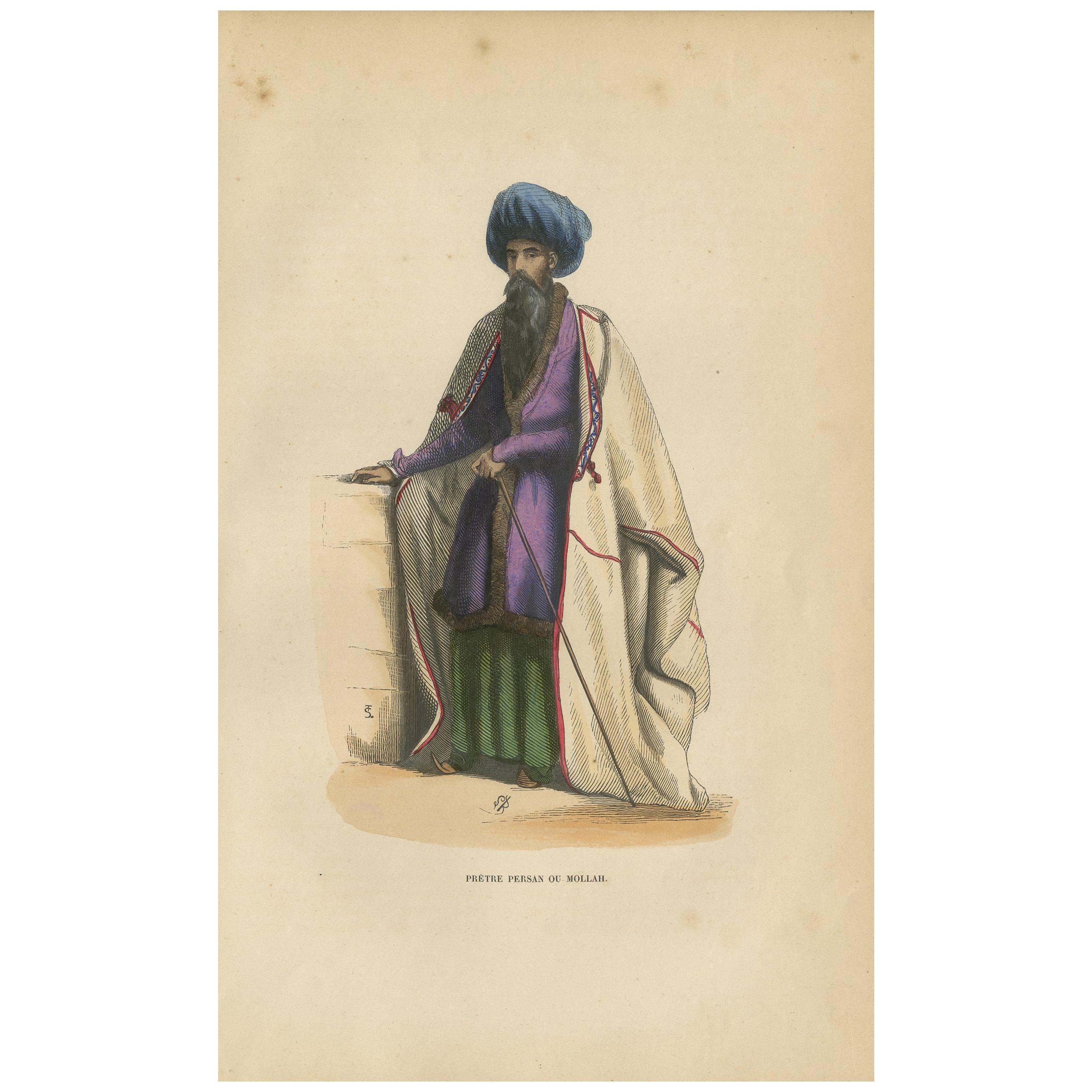
Antique costume print titled 'Prètre Persan ou Mollah'. Original antique print of a Persian priest. This print originates from 'Moeurs, usages et costumes de tous les peuples du mond...

Category

Antique Mid-19th Century Prints

Materials

Paper

Original Antique Print of a Persian Priest, ca.1845

Original Antique Print of a Persian Priest, ca.1845

Located in Langweer, NL

Antique print titled 'Persischer Mollah'. Original antique print of a Persian priest. This print originates from 'Die Volker des Erdballs (..)' by H. Berghaus. Artists and En...

Category

Antique 1840s Prints

Materials

Paper

Antique Arabian Engagement Ceremony Interior Scene, Maximilian Egypt 1846

Antique Arabian Engagement Ceremony Interior Scene, Maximilian Egypt 1846

Located in Langweer, NL

Antique Arabian Engagement Ceremony Interior Scene, Maximilian Egypt 1846 Description: This refined 19th-century Orientalist interior scene depicts an Arabian engagement ceremony ta...

Category

Antique Mid-19th Century German Prints

Materials

Paper

1844 Lithograph of a Bukharan Uzbek: Traditional Attire and Craft

1844 Lithograph of a Bukharan Uzbek: Traditional Attire and Craft

Located in Langweer, NL

"1844 Lithograph of a Bukharan Uzbek: Traditional Attire and Craft" Description: This 1844 lithograph captures a traditional Bukharan Uzbek man, from the renowned series "Moeurs, Usages et Costumes de tous les Peuples de Monde" by Auguste Wahlen. Published in Paris using the technique of handcoloured lithography, enhanced with Arabic gum on vellin paper, this print vividly portrays the rich cultural attire unique to Bukhara, Uzbekistan. The man's elaborate robe and distinctive headwear highlight the regional fashion and craftsmanship. The print’s appeal lies in its detailed depiction of historical dress and accessories, offering a window into the cultural diversity of Central Asia. Such prints are treasured for their historical value and intricate artistry, making them highly desirable to collectors and enthusiasts of ethnographic art. The lithograph depicting a man from Bukhara, Uzbekistan, offers several intriguing cultural and historical insights: 1. Traditional Attire: The attire of the Bukharan man, particularly the elaborate robe and turban, is a rich display of Uzbek textile craftsmanship. Traditional robes, often made from silk and cotton, are adorned with intricate ikat patterns—a dyeing technique where threads are dyed before weaving. This style is emblematic of Uzbekistan's well-known textile industry. 2. Turban Significance: The turban, known locally as a "doppa" or "tubeteika," is more than just practical headwear; it serves as a cultural symbol of status and identity. The style, color, and way it is worn can convey information about the wearer's social status, region, and even his clan affiliations. 3. Historical Context: Bukhara was a pivotal Silk Road city, making it a melting pot of cultures, languages, and religions. The diverse influences are reflected in the traditional clothing, which blends Persian, Turkic, and nomadic styles. 4. Artistic Technique: The use of handcoloured lithography in the 19th century allowed for high-quality, detailed prints that were more accessible to the European public. This technique involved drawing on limestone with a greasy medium, then using water and oil-based ink to print vibrant images, which were then painted by hand. 5. Cultural Preservation: Prints like this serve not only as artwork but also as historical documents that preserve and share the cultural heritage of regions less known to the Western world at the time. They played a crucial role in educating and influencing perceptions about distant cultures during the 19th century. This print, therefore, is not just a beautiful piece of art but a deep well of cultural history and craftsmanship, reflecting the rich tapestry of life in Central Asia during the 19th century. Keywords: - Antique Uzbek prints - Handcoloured lithography - 19th-century Central Asian costumes - Auguste Wahlen lithographs - Traditional Bukharan attire - Ethnographic art prints - Collectible cultural lithographs - Historical Uzbek fashion - Asian historical prints - Vintage Uzbek art...

Category

Antique 1840s Prints
Materials

Paper

You May Also Like

Tatars Faisant des Aumônes - Lithograph by Auguste Raffet - 1840

Tatars Faisant des Aumônes - Lithograph by Auguste Raffet - 1840

By Auguste Raffet

Located in Roma, IT

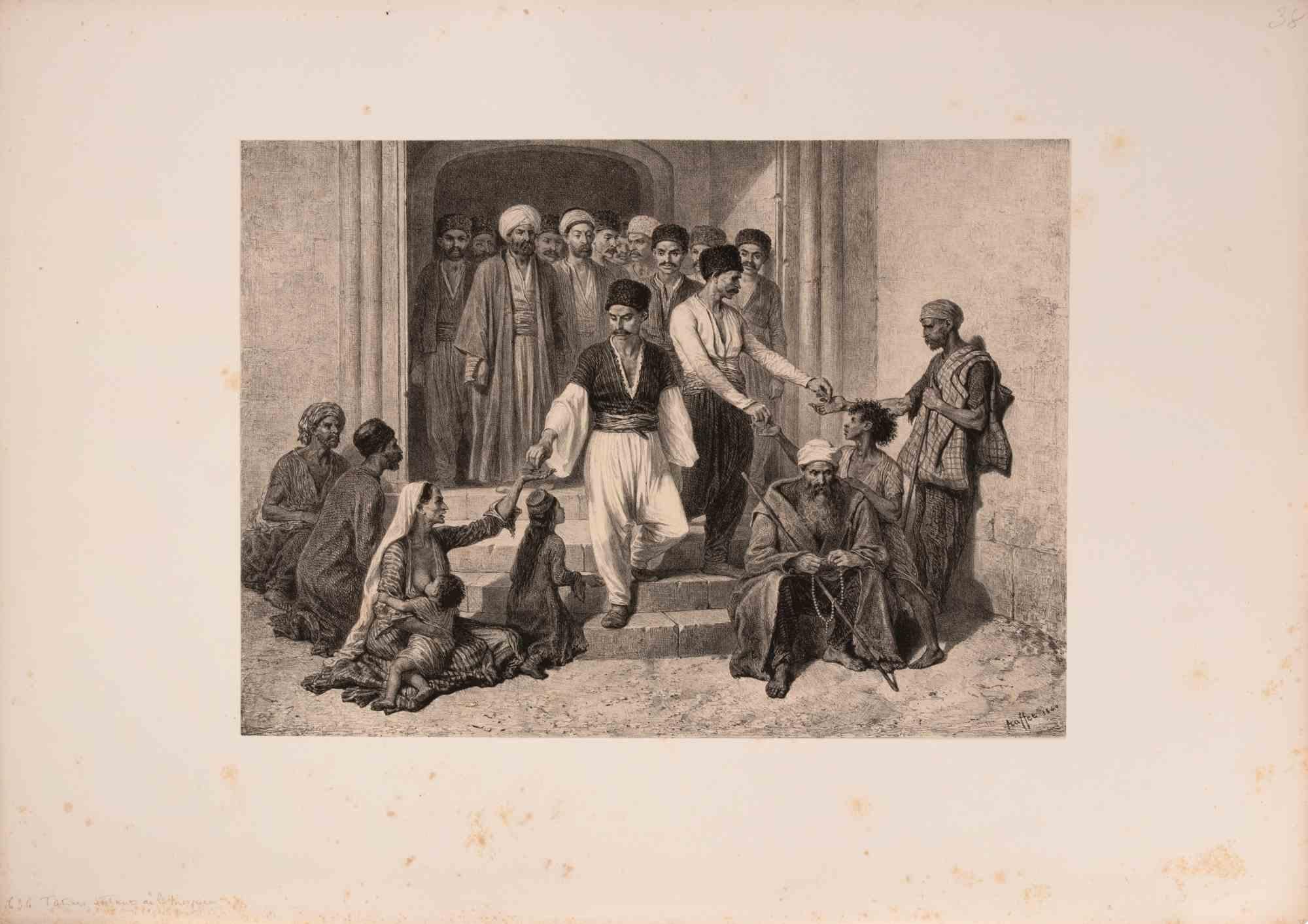
Lithograph on paper realized by Auguste Raffet in 1840. It is part of the suite "Crimée". The lithograph shows a group of Tatar men exiting a mosque or religious building, surround...

Category

1840s Modern Figurative Prints

Materials

Lithograph

Tabagie en Orient - Lithograph by Auguste Raffet - 1838

Tabagie en Orient - Lithograph by Auguste Raffet - 1838

By Auguste Raffet

Located in Roma, IT

Lithograph on wove paper. Signed and dated in the plate. Image dimension 19-5x28 cm. This finely detailed lithograph by Auguste Raffet captures an Orientalist interior scene, port...

Category

1830s Modern Figurative Prints

Materials

Lithograph

Group of Men in a Mosque - Lithograph by Auguste Raffet - 1845

Group of Men in a Mosque - Lithograph by Auguste Raffet - 1845

By Auguste Raffet

Located in Roma, IT

Lithograph on paper realized by Auguste Raffet in 1845. This finely detailed lithograph by the acclaimed French artist and lithographer August Raffet depicts an intimate interior sc...

Category

1840s Modern Figurative Prints

Materials

Lithograph

Prières Tatares en Mosquée - Lithograph by Auguste Raffet - 1844

Prières Tatares en Mosquée - Lithograph by Auguste Raffet - 1844

By Auguste Raffet

Located in Roma, IT

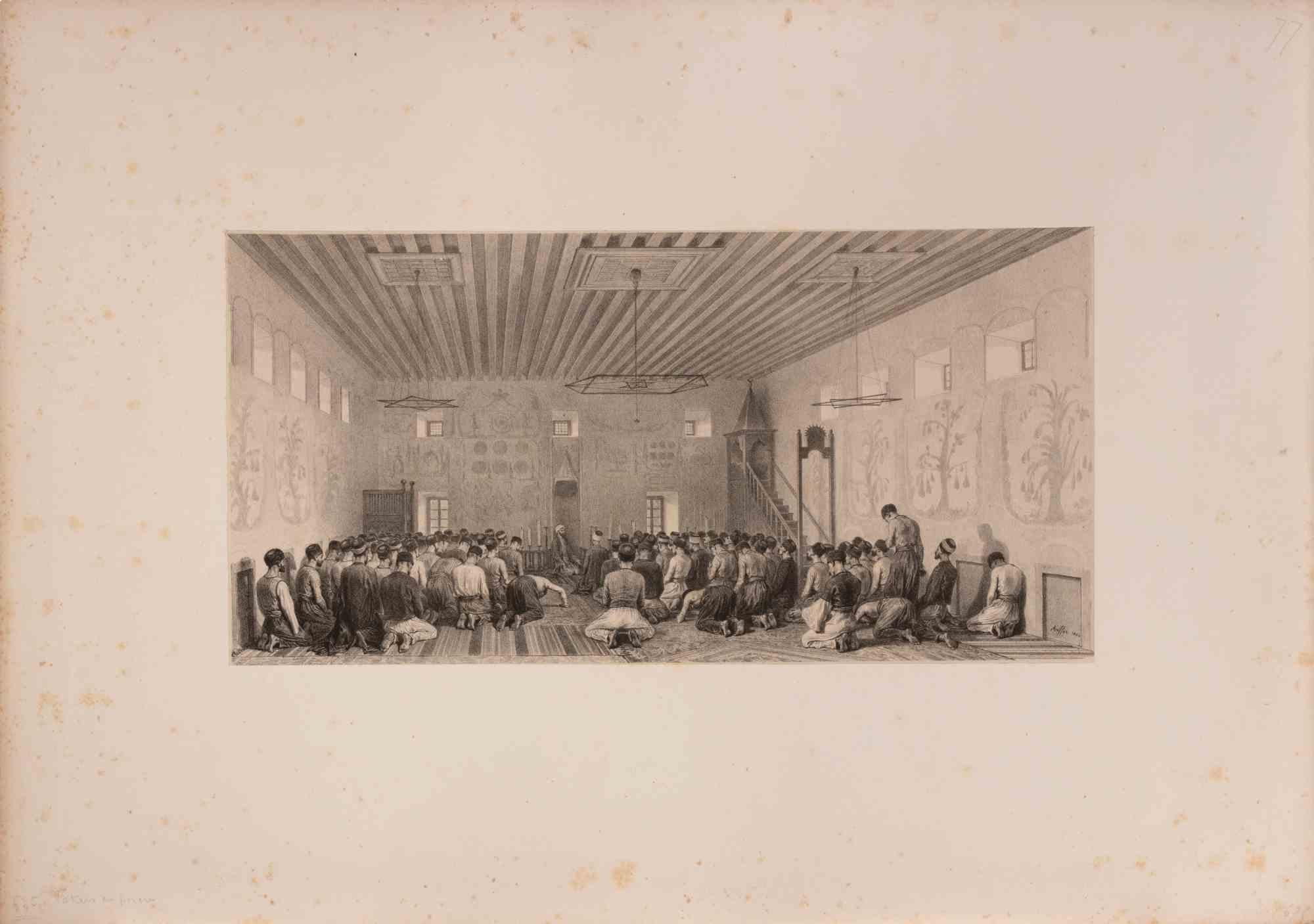
Lithograph on wove paper, realized in 1844. Image dimension 19x37 cm. Signed and dated on plate. This lithograph by Auguste Raffet offers a striking interior view of a Crimean Tat...

Category

1840s Modern Figurative Prints

Materials

Lithograph

Ancient African Customs - Lithograph by Auguste Wahlen - 1844

Ancient African Customs - Lithograph by Auguste Wahlen - 1844

By Auguste Wahlen

Located in Roma, IT

Ancient African Customs is a lithograph made by Auguste Wahlen in 1844. Hand colored. Good condition. At the center of the artwork is the original title "Africa" and subtitle "Fun...

Category

1840s Modern Figurative Prints

Materials

Lithograph