July 19, 2026The world’s most famous paper lamp isn’t a lamp at all.
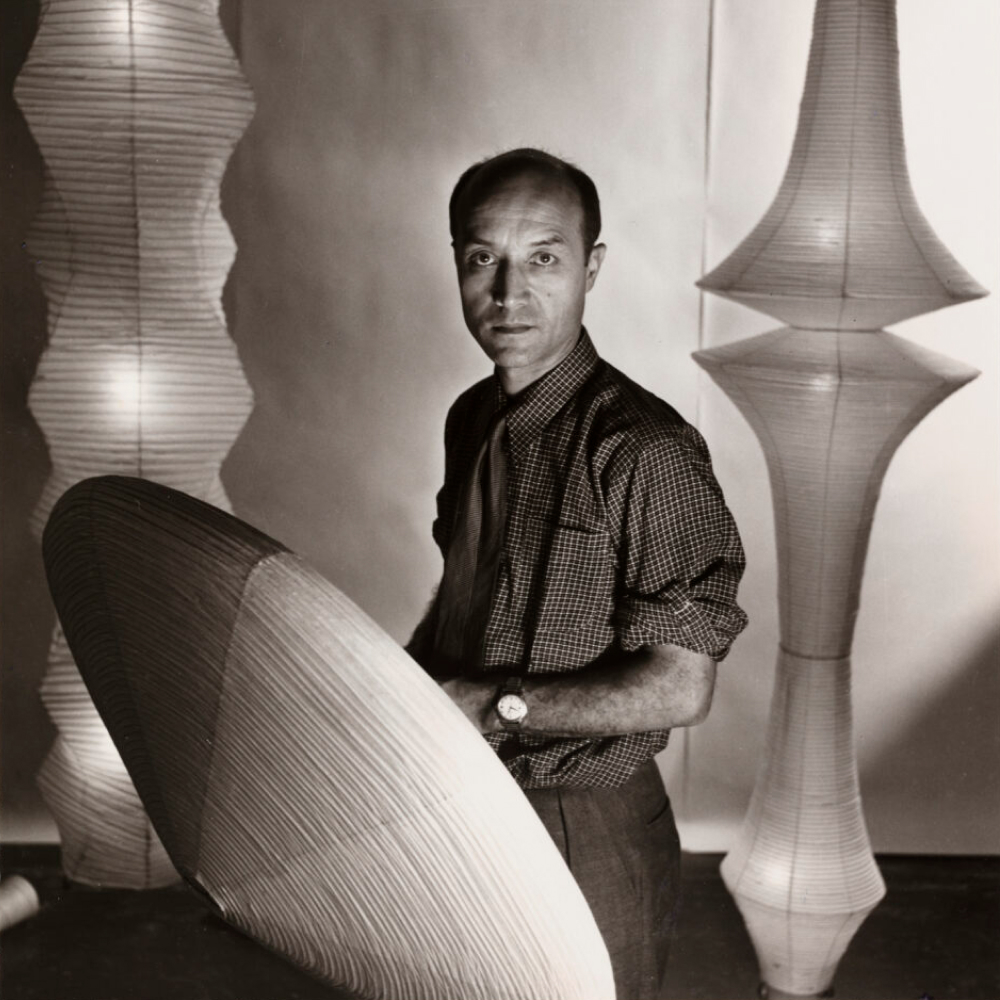
When Isamu Noguchi introduced the Akari, in 1951, he insisted on calling his handmade washi-and-bamboo creations “light sculptures.”
It was more than a matter of semantics. Noguchi wanted the pieces to be seen as works of art that happened to illuminate a room. Now, 75 years later, the distinction feels more pertinent than ever.
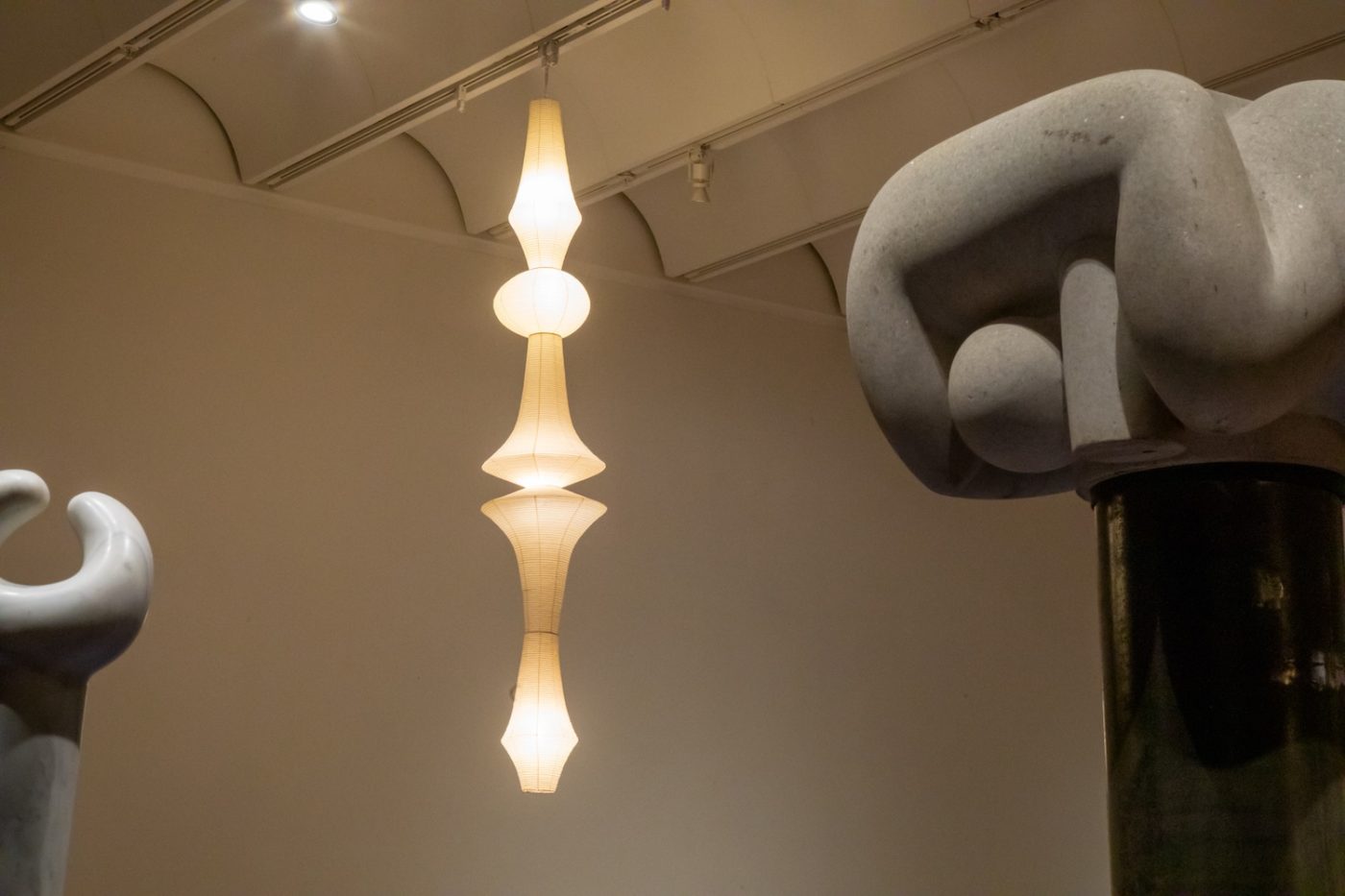
That dichotomy lies at the heart of “Isamu Noguchi: ‘I Am Not a Designer,’ ” on view through August 2 at Atlanta’s High Museum of Art. The first large museum exhibition in decades dedicated to Noguchi’s design practice, the retrospective gathers nearly 200 works — from ceramics, cast-iron objects and fashion illustrations to stage sets, interiors, playgrounds and, of course, the iconic IN-50 coffee table and Akari light sculptures — to argue that the perceived categorical separation between art and design never suited one of the 20th century’s most boundary-defying creators.
“The exhibition and publication demonstrate how he operated within wide-ranging design disciplines,” says Monica Obniski, the High’s curator of decorative arts and design, “but also how he purposefully wanted to be considered a sculptor above all else.”
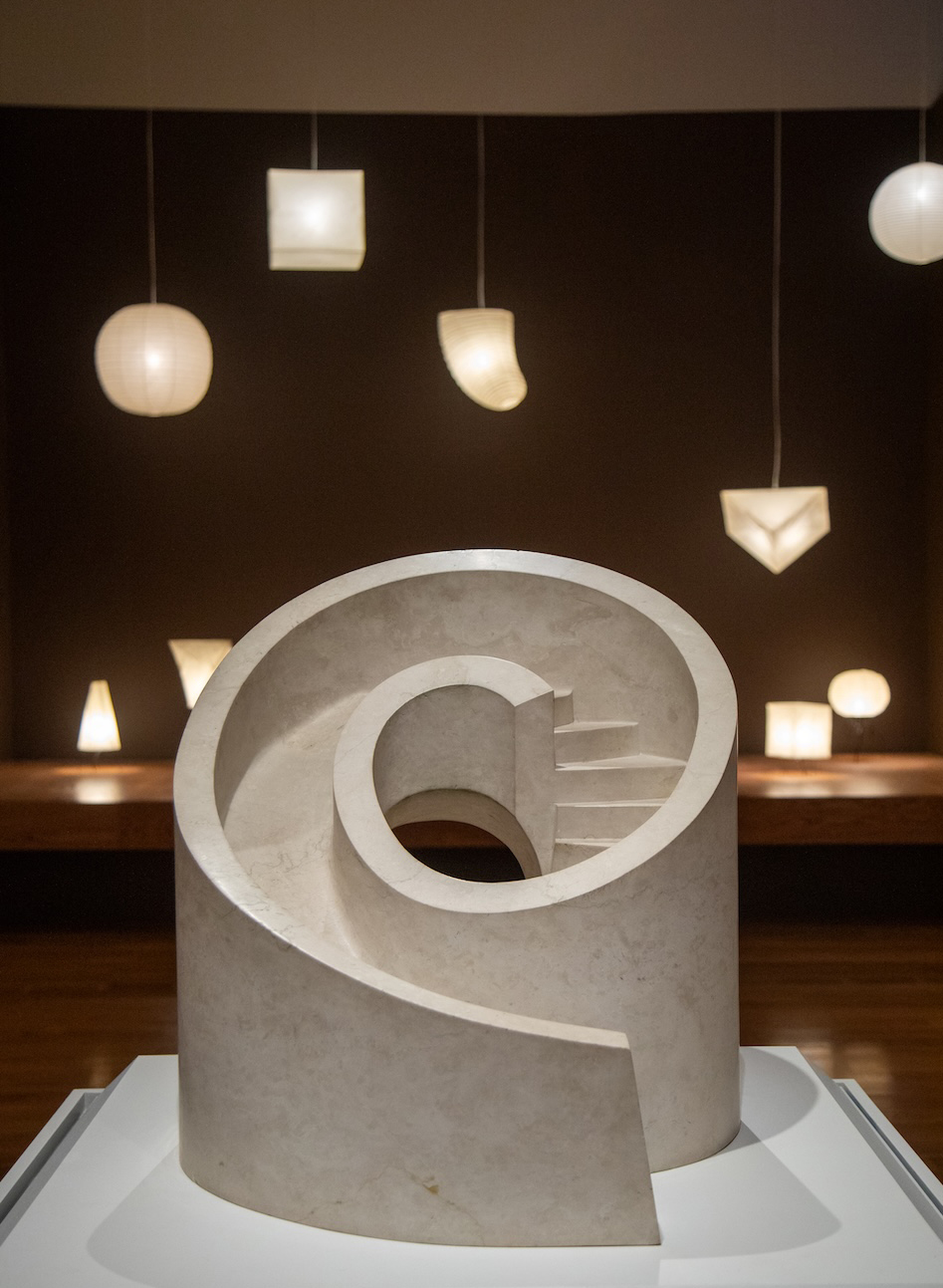
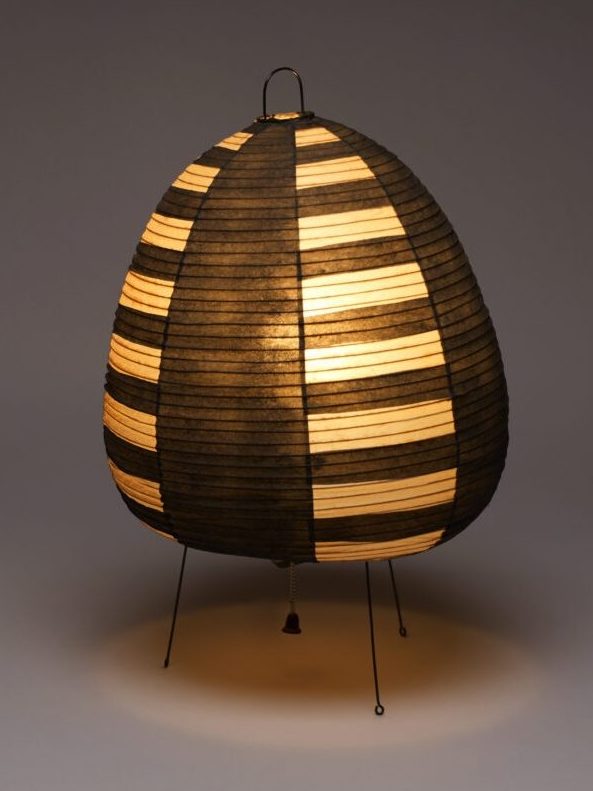
Born in Los Angeles in 1904 to an American writer mother and a Japanese poet father, the artist spent much of his career resisting neat demarcations between sculpture, design, architecture and landscape. Over six decades, he created everything from portrait busts to public plazas, treating each discipline less as a separate pursuit than as another way to shape human encounters.
The ability to transform a space without overwhelming it has become a signature of Noguchi’s output. And it’s a key reason why interior designers return to Akari sculptures again and again.
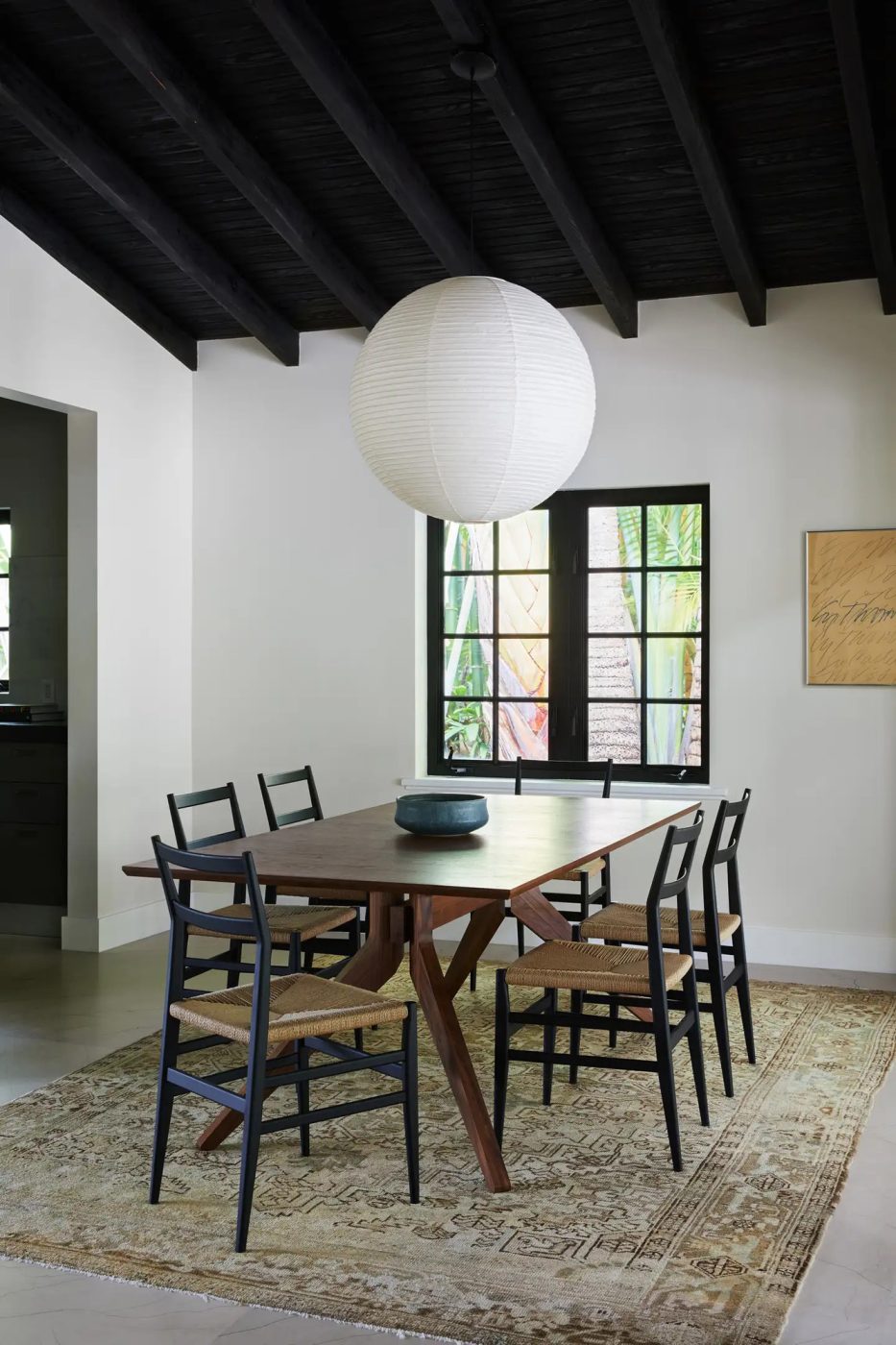
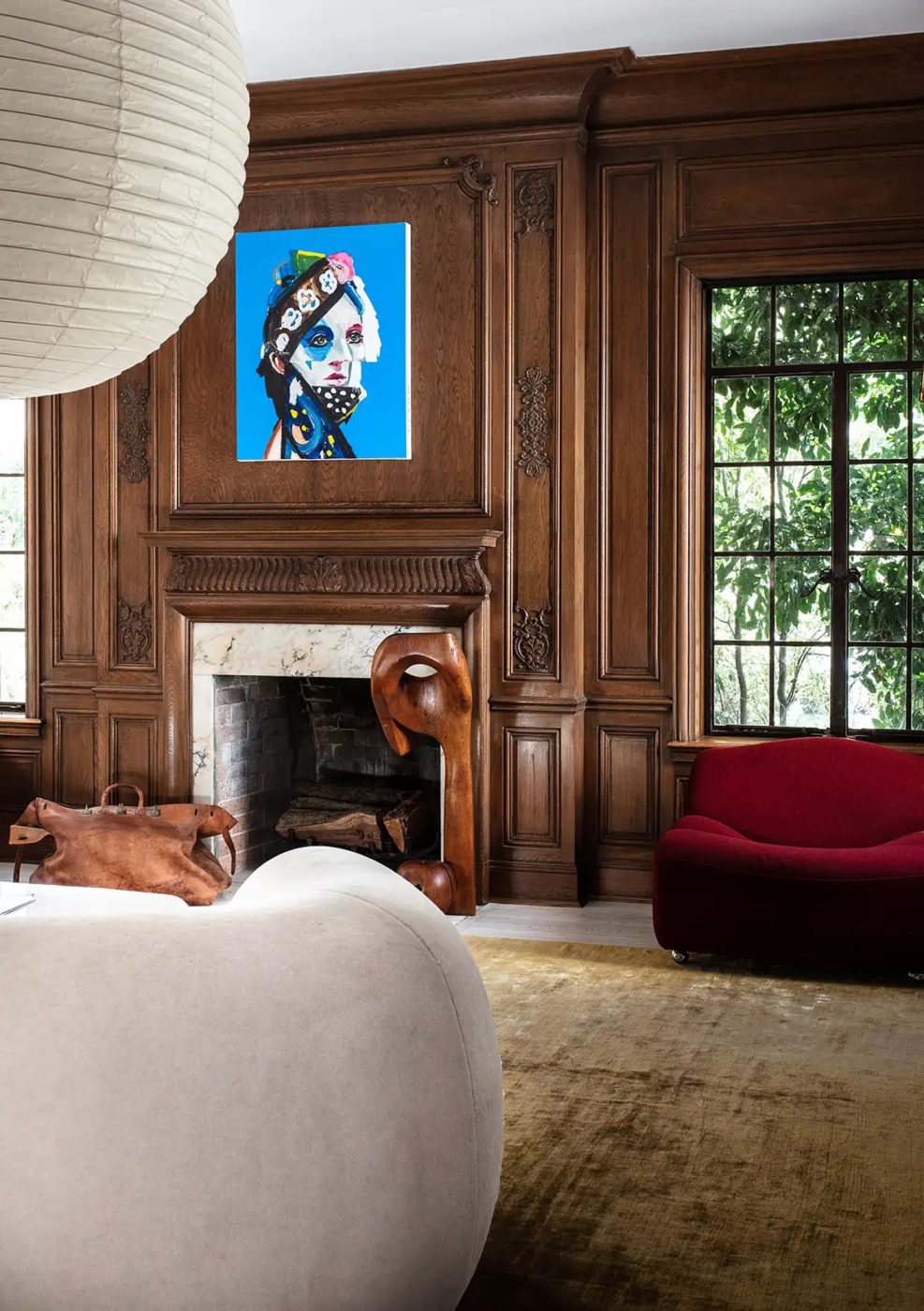
Gabriela Gargano calls out the “the soft drama they bring to a room,” while Brigette Romanek pushes her praise into anthropomorphism. “It’s a silent warrior,” she says of an Arkari, present even switched off, “like installation art.”
Interior designer and 1stDibs seller Charlie Ferrer, meanwhile, locates the Akari’s appeal in its restraint, noting that Noguchi “did not rely on applied texture or high finish because neither was necessary.”
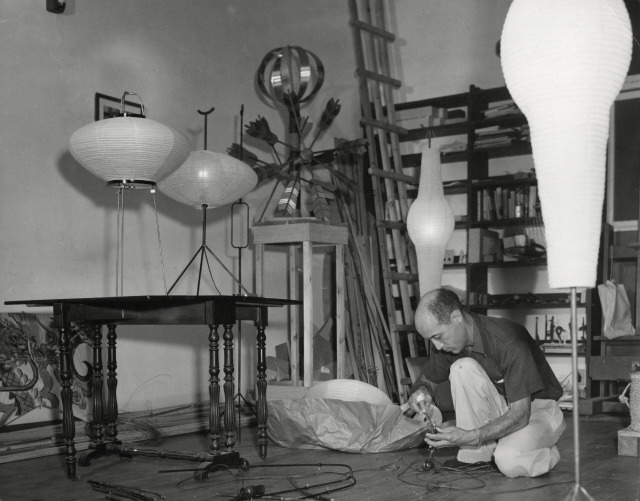
In 1949, when Noguchi told a journalist, “I am not a designer,” the phrase carried different implications than it would today. “For much of his career, to be a good modernist meant eschewing any associations with decoration,” explains art historian Marin R. Sullivan, who cocurated the High show. At the same time, she continues, Noguchi “was very committed to making work that could be seen, used and experienced by the broadest audience possible. The Akari are perfect examples of how these two approaches in his practice came together in thrilling harmony.”
The exhibition, which travels to Salem, Massachusett’s Peabody Essex Museum in September, makes clear that the Akari distilled many of the ideas found across Noguchi’s oeuvre into objects that happen to glow. “He used light as sculptural material,” Sullivan says. “In the process, he expanded the boundaries of these ‘lamps’ well beyond their physical components.”
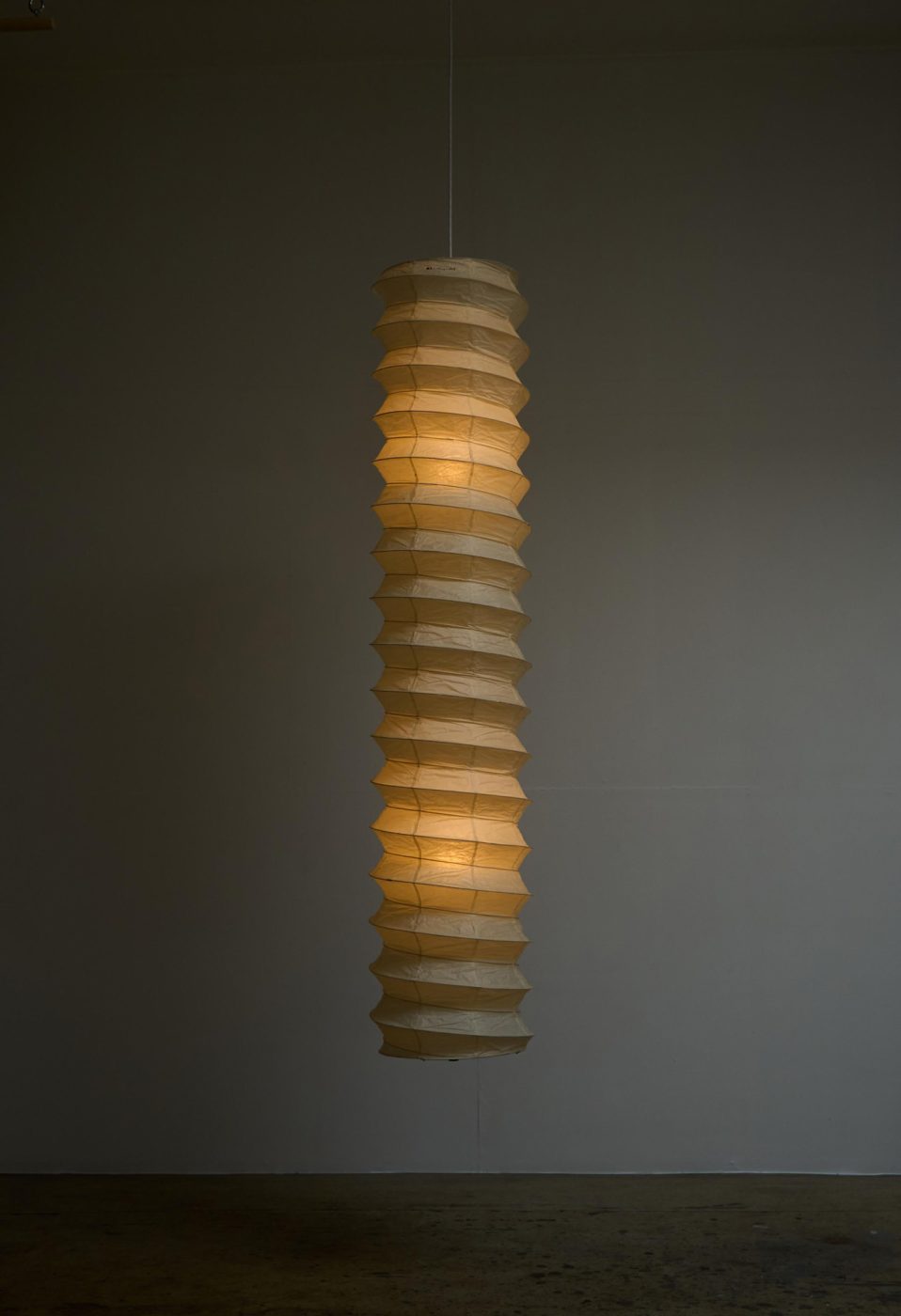
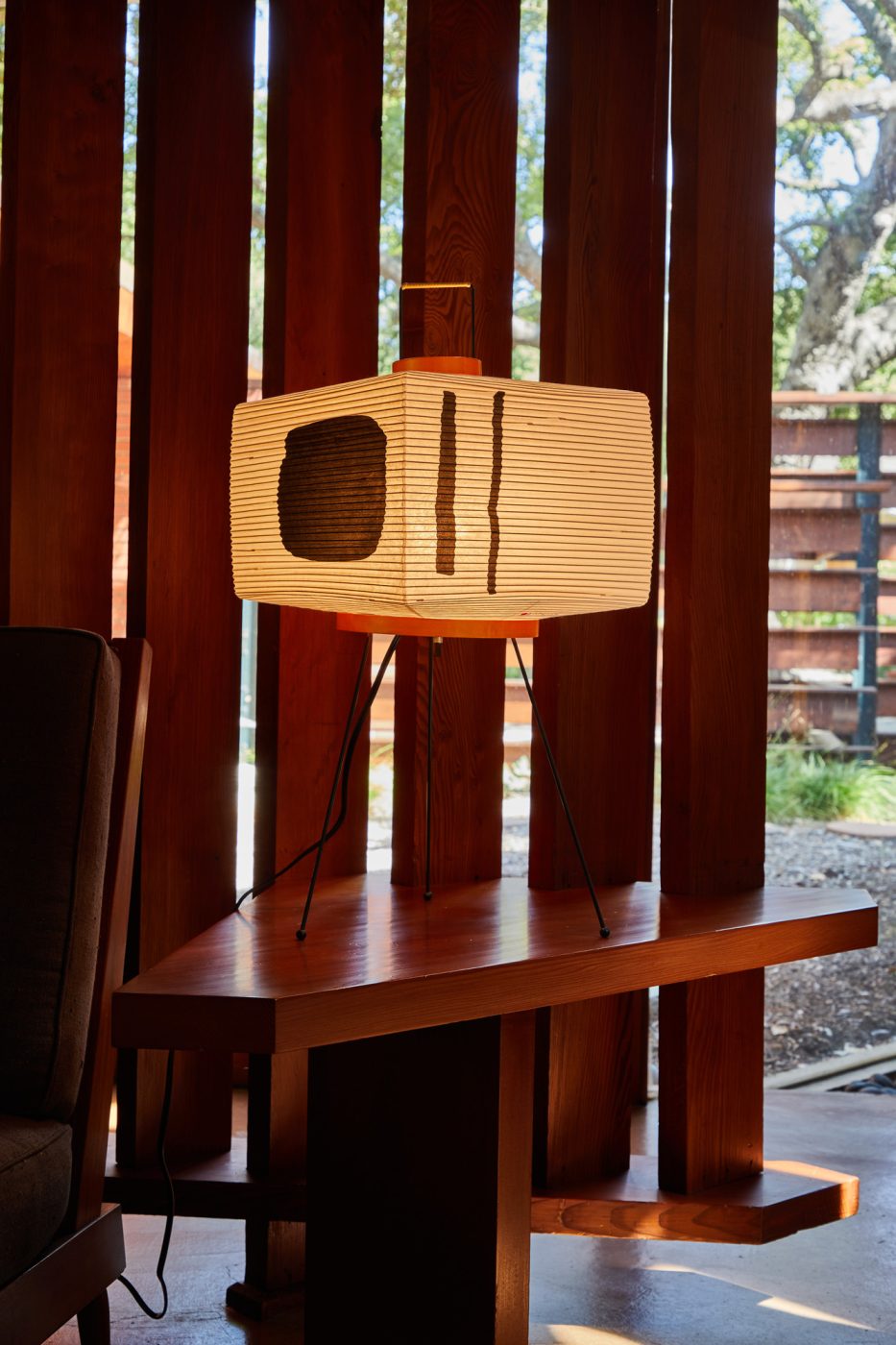
Legend has it that, in 1951, the mayor of Gifu — a Japanese town whose centuries-old chōchin lantern trade was getting pummeled by competition from electric lights — asked Noguchi to help revive the craft. The artist kept the raw materials, mulberry-bark washi paper stretched over hand-wound bamboo ribbing, and discarded the bulbous silhouette. “Akari are derived from chōchin,” Obniski says, “but they have been updated or modernized by Noguchi.”
The relationship that Noguchi began that year with the Gifu manufacturer Ozeki & Co. has outlived him by nearly four decades. The company still handbuilds every Akari the same way, and the Isamu Noguchi Foundation serves as its only authorized distributor in North America.
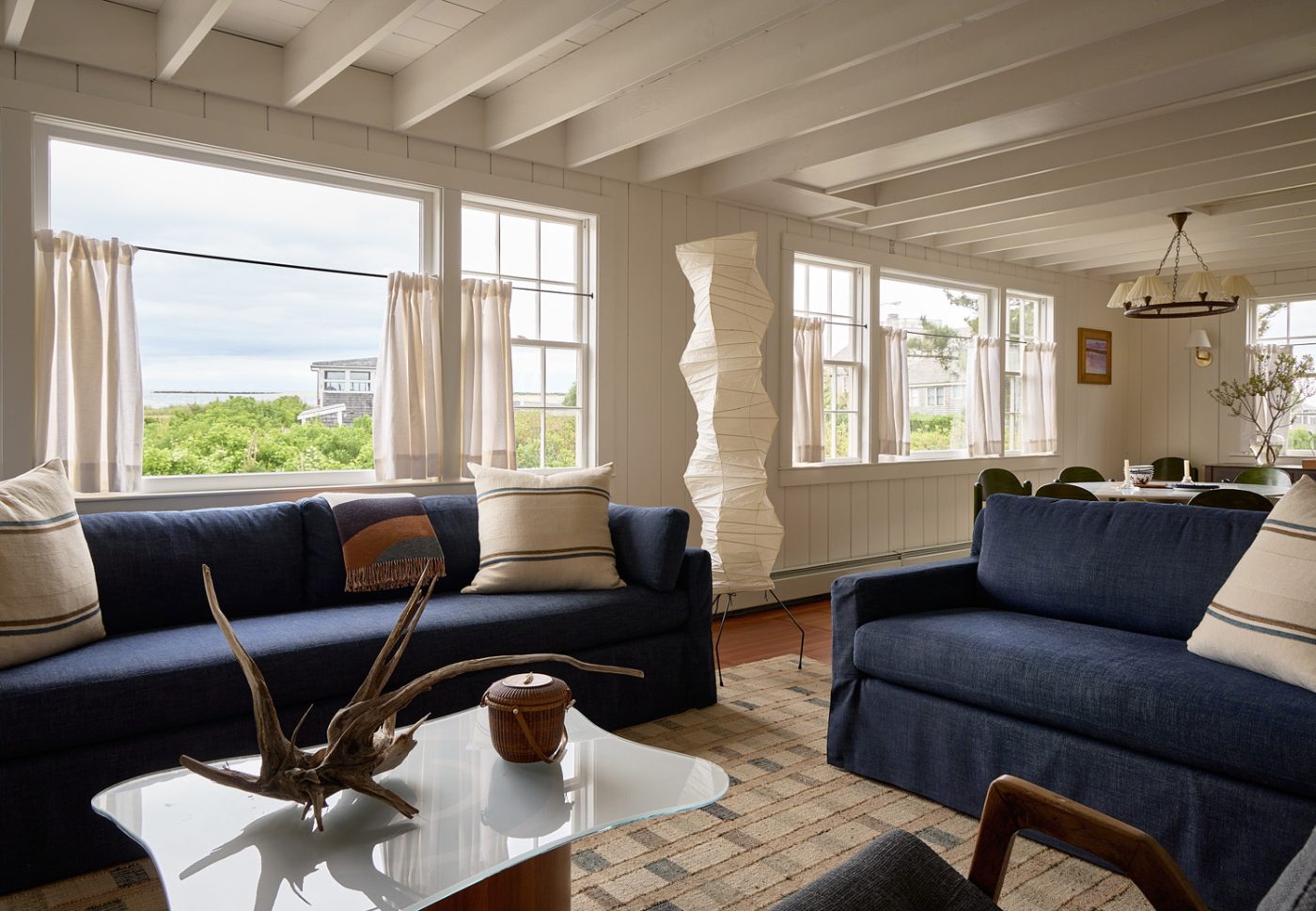
Obniski points out that this arrangement is central to how Noguchi understood his legacy, as evidenced by the outsize real estate he gave Akari in his famously contrarian 1986 Venice Biennale installation. (That display gets its own anniversary tribute this year at the Noguchi Museum, in Queens, timed to coincide with the current Biennale.)
He designed nearly 200 different Akari models in the decades that followed the Gifu mayor’s request. “They are numbered sequentially but to me simply show his endless curiosity and striving for new, dynamic forms,” Sullivan says, “large and small; hanging, freestanding and tabletop; multicolored; circular, oblong and columnar; bulbous, irregular, geometric and biomorphic.”
Prompted to name an Akari that most clearly embodies his intent, she rejects the premise outright: “I do not think there is one Akari that best expresses Noguchi’s vision. I think it is all of them together. Plus, everyone has their favorites!”
Ask the people who put Akari lanterns into other people’s houses, and the favorites start to reveal themselves. For David Ries, of the firm Ries Hayes, it’s the tall floor lamp, which he admires for how “it introduces strong verticality in such a delicate, sculptural way.”
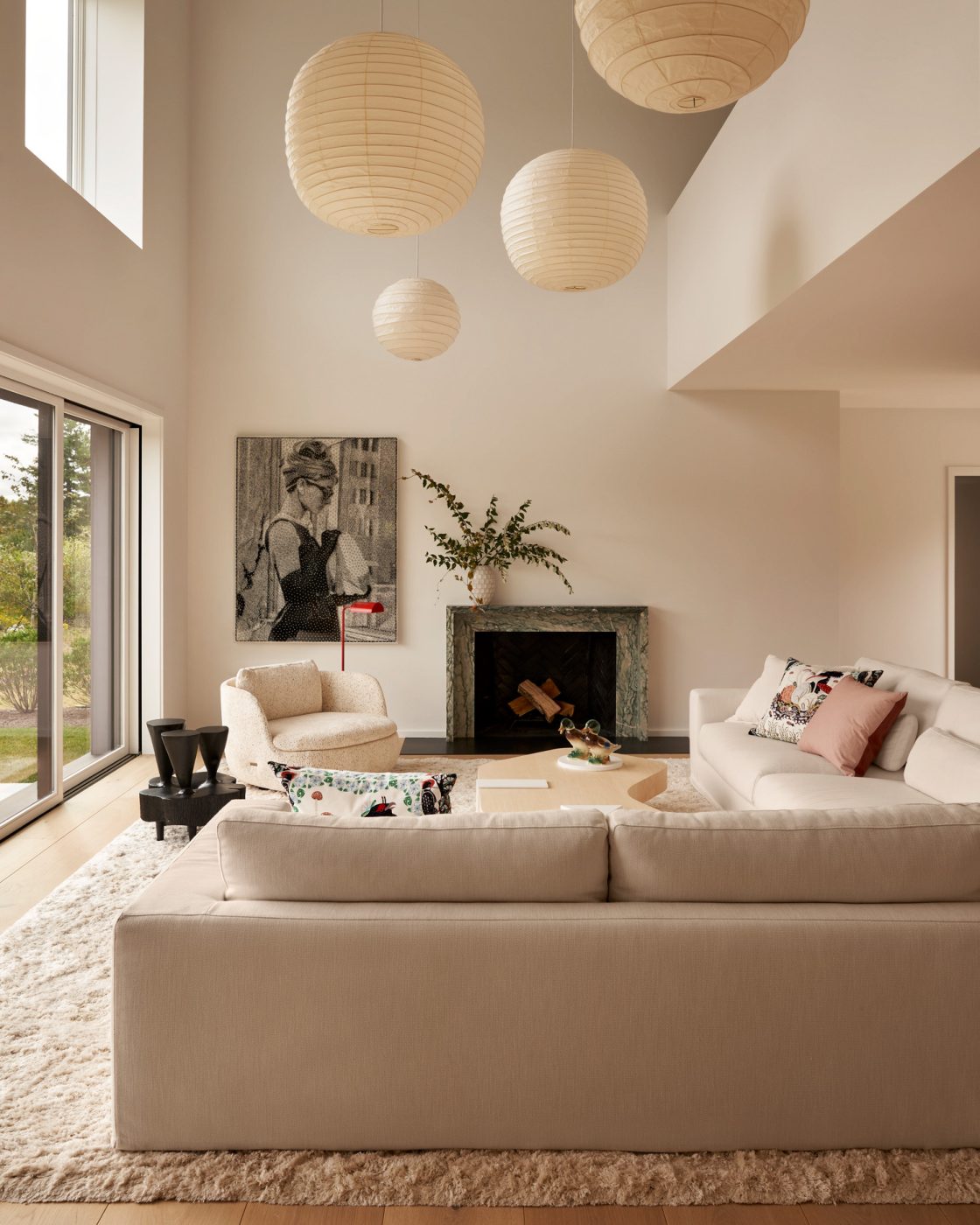
Ghislaine Viñas leans toward volume, describing a cluster of Akari globes dangling from the ceiling of a Hudson Valley living room she designed as “a constellation of cloud-like spheres.” She also notes that the washi paper’s botanical origins find an echo in the New York region’s mulberry trees.
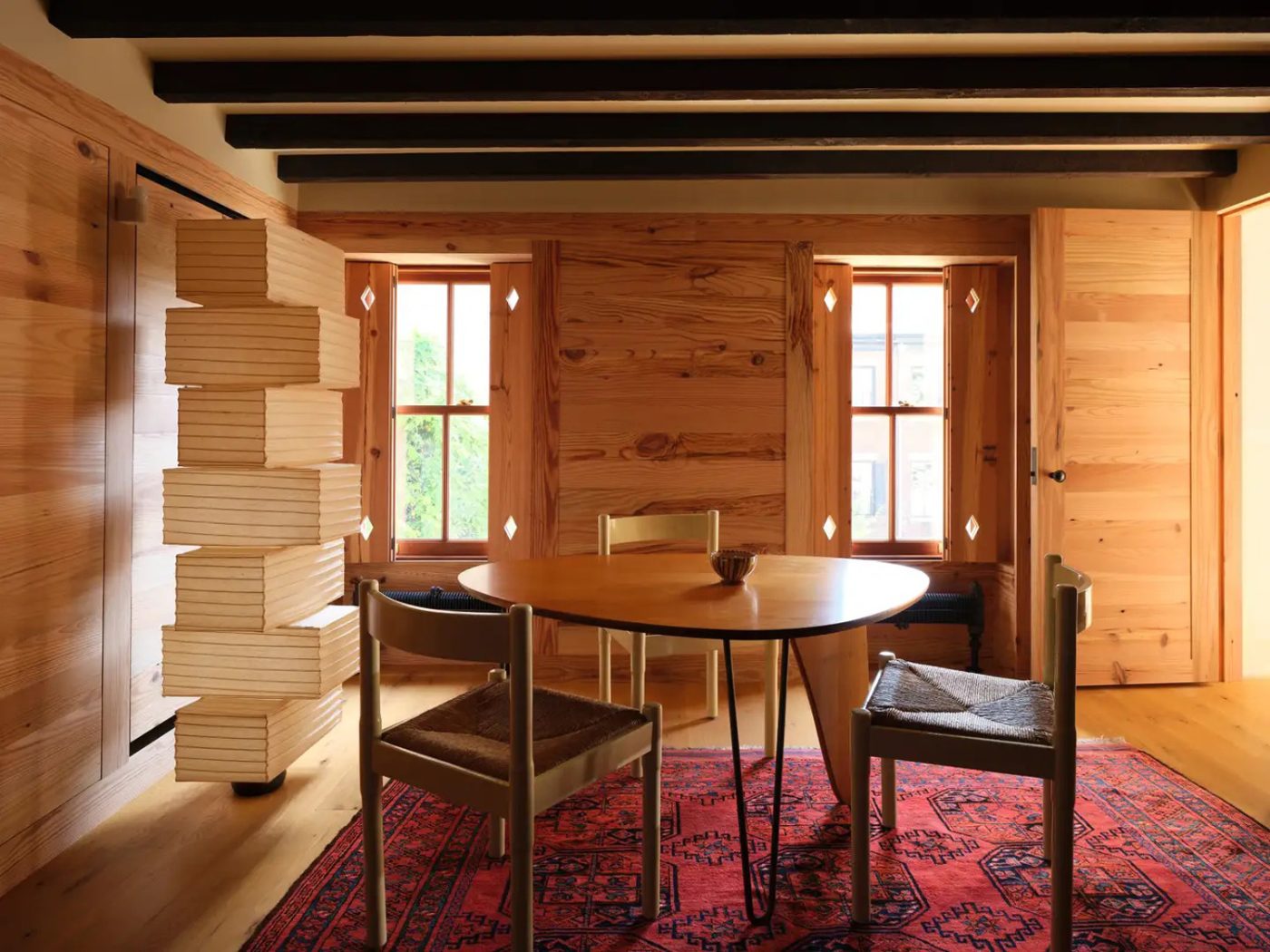
“I love them aged brown from cigarette smoke and full of holes — and I love them new from the box too,” says Ariel Ashe, of Ashe Leandro. “They are both weightless and commanding.”
There is some skepticism about the fixture’s ubiquity on social media — Instagram has done to the Akari roughly what it’s done to the arched doorway. But Melissa Lee, of Bespoke Only, isn’t buying the backlash.
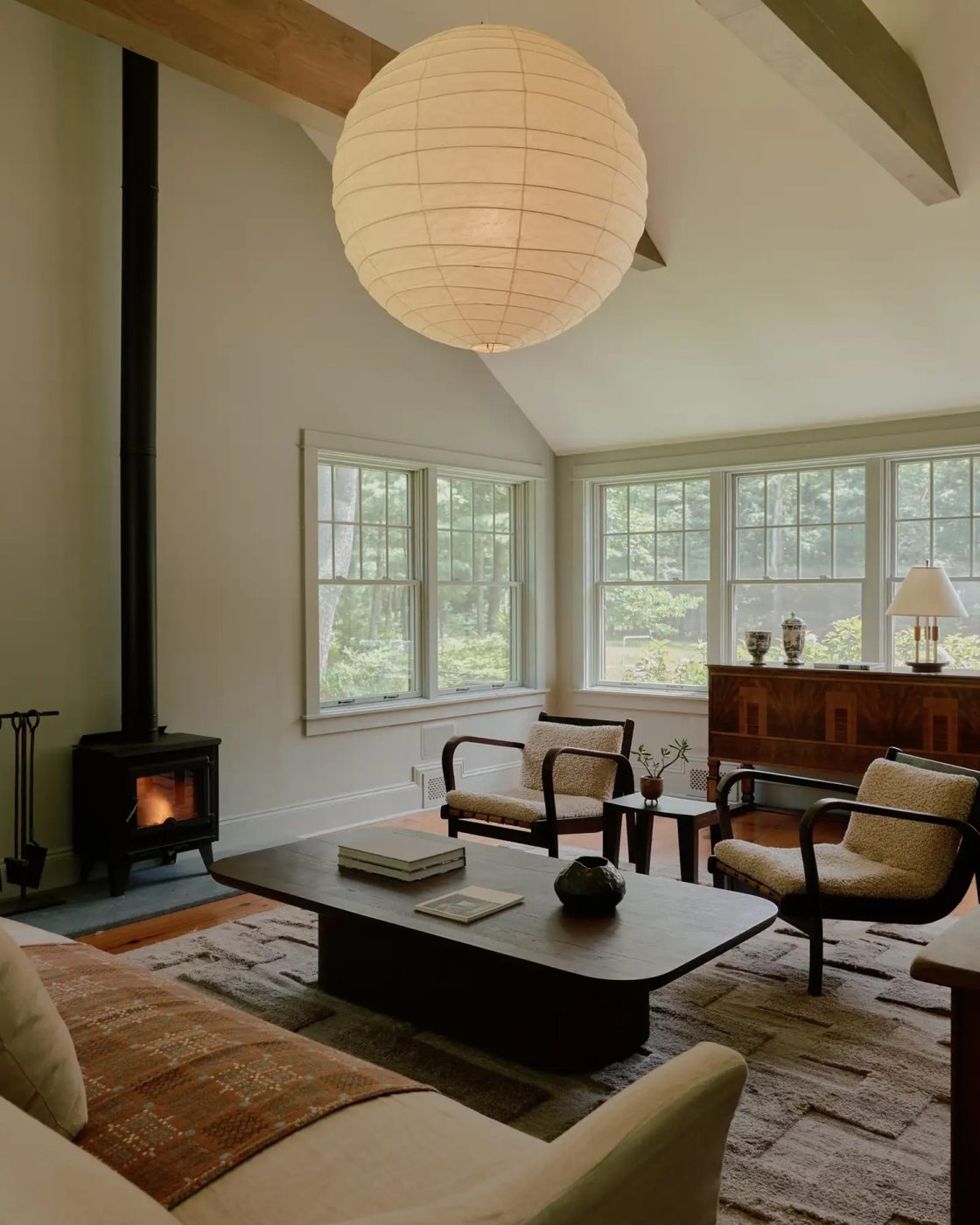
“A classic is a classic for a reason,” she says. “I don’t think anyone should be shying away from it just because they saw it fifteen times this week on Instagram.” Her own favorite application of the light sculpture skews celestial: placing a large globe in the center of a room, as if “bringing the moon in from outside.”
One person who has watched the Akari appetite intensify over time is John Ballon, co-owner of L.A. gallery Two Enlighten. Ballon has spent more than a decade sourcing Noguchi’s lanterns for collectors looking for the real thing — like those vetted by and offered on 1stDibs — whether they’re vintage from the artist’s lifetime or reissued through his foundation.
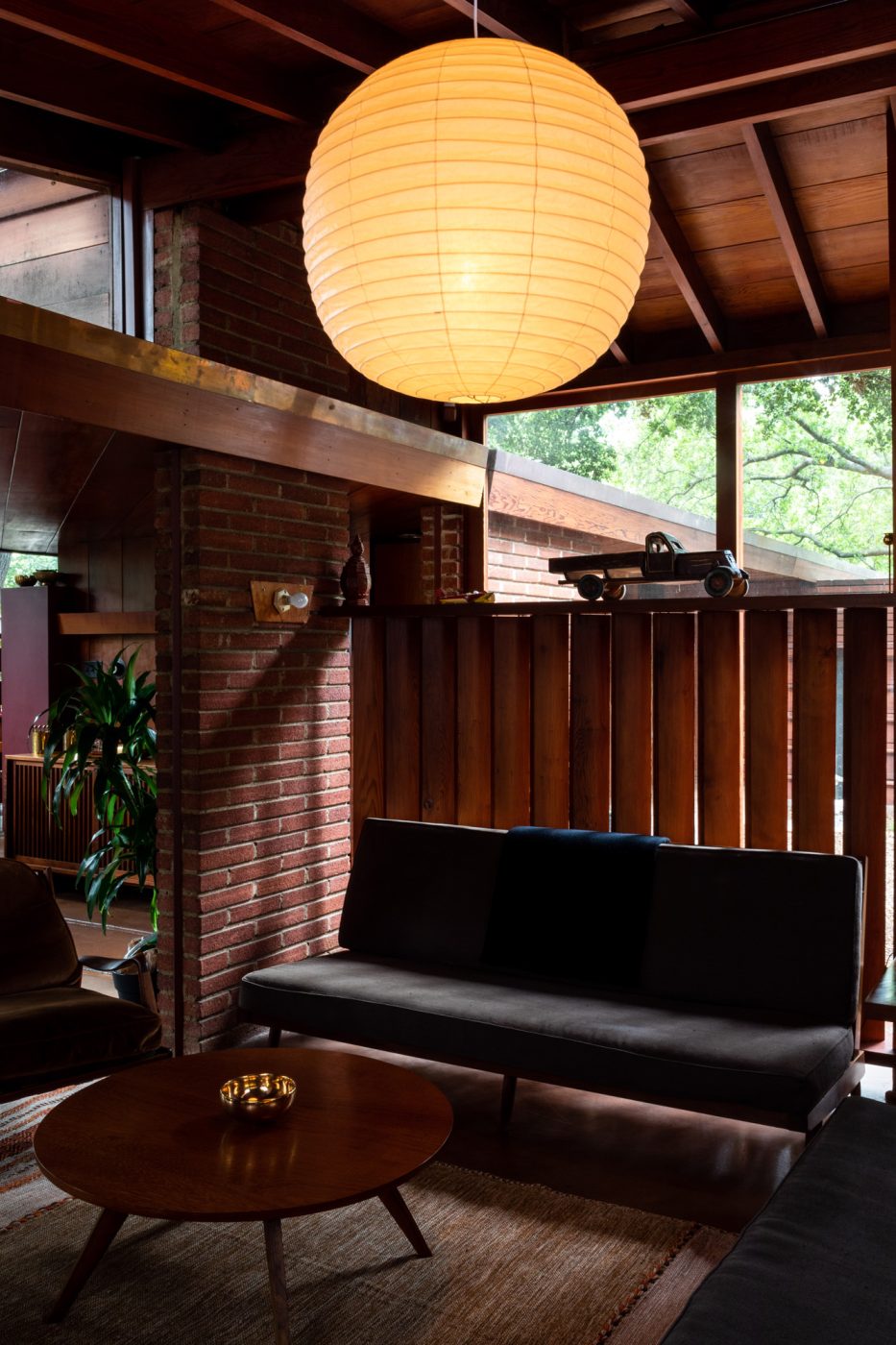
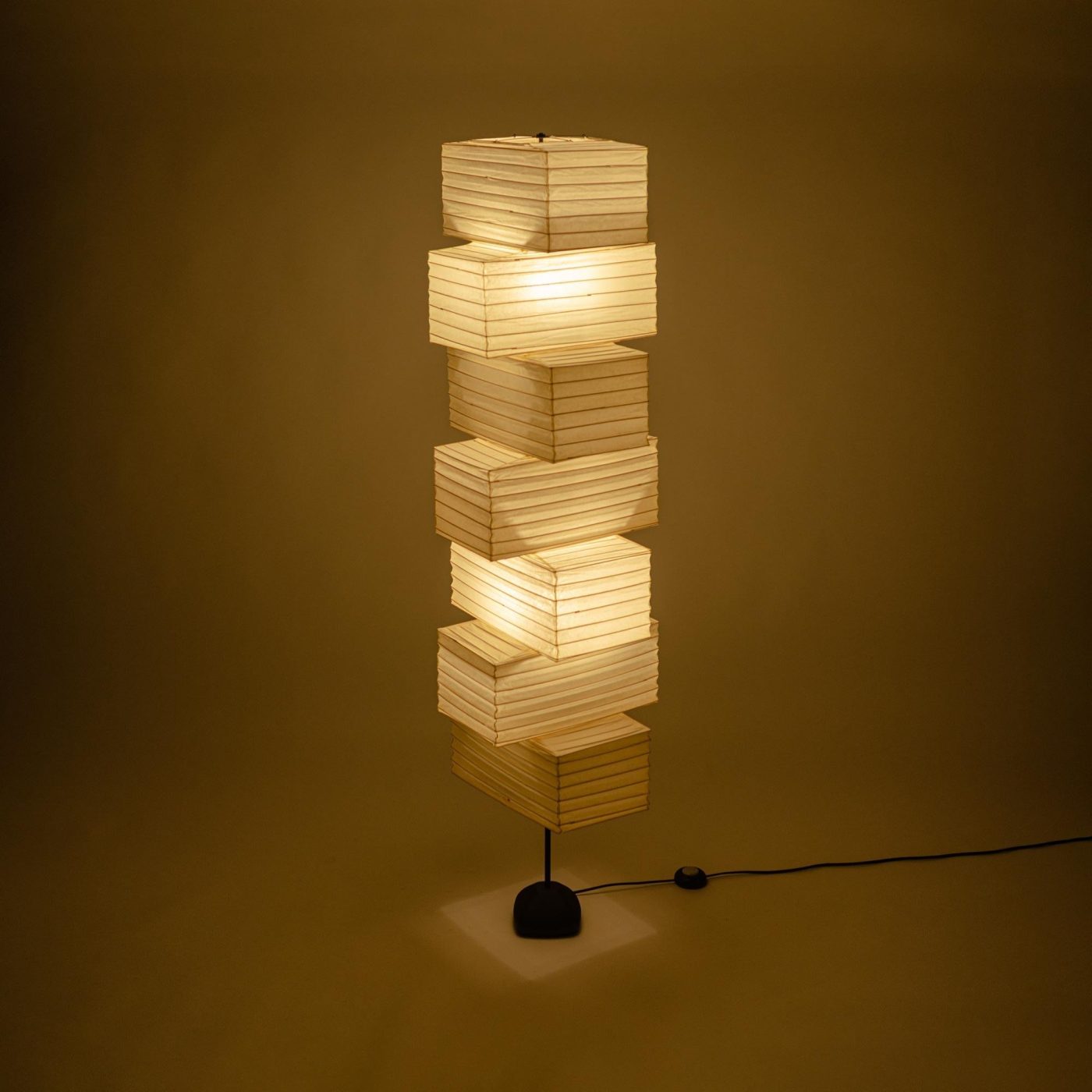
“These are essentially glowing Isamu Noguchi sculptures,” he says. “Unlike his marble works, which go for millions and are now mostly seen in museums, the Akari offers everyday people a chance to live with a Noguchi sculpture.”
Ballon’s personal Akari collection has migrated with him from Southern California to British Columbia, where he recently settled into a new house with his partner in business and in life, Elizabeth Vitanza. Hovering over the living room is a 120F Akari more than four feet in diameter.
Ballon is candid about the fact that true vintage washi paper rarely survives the decades intact and that today’s collectors want perfection over patina. What he won’t put up with are the rice-paper knockoffs flooding the market, which he says, “fail to capture the glowy magic which is unique to the Akari.”
An authentic one will bear Noguchi’s stamped signature and the Ozeki chop, or seal, he says — proof “that you have a signed work of art.”