Bernard Rancillac
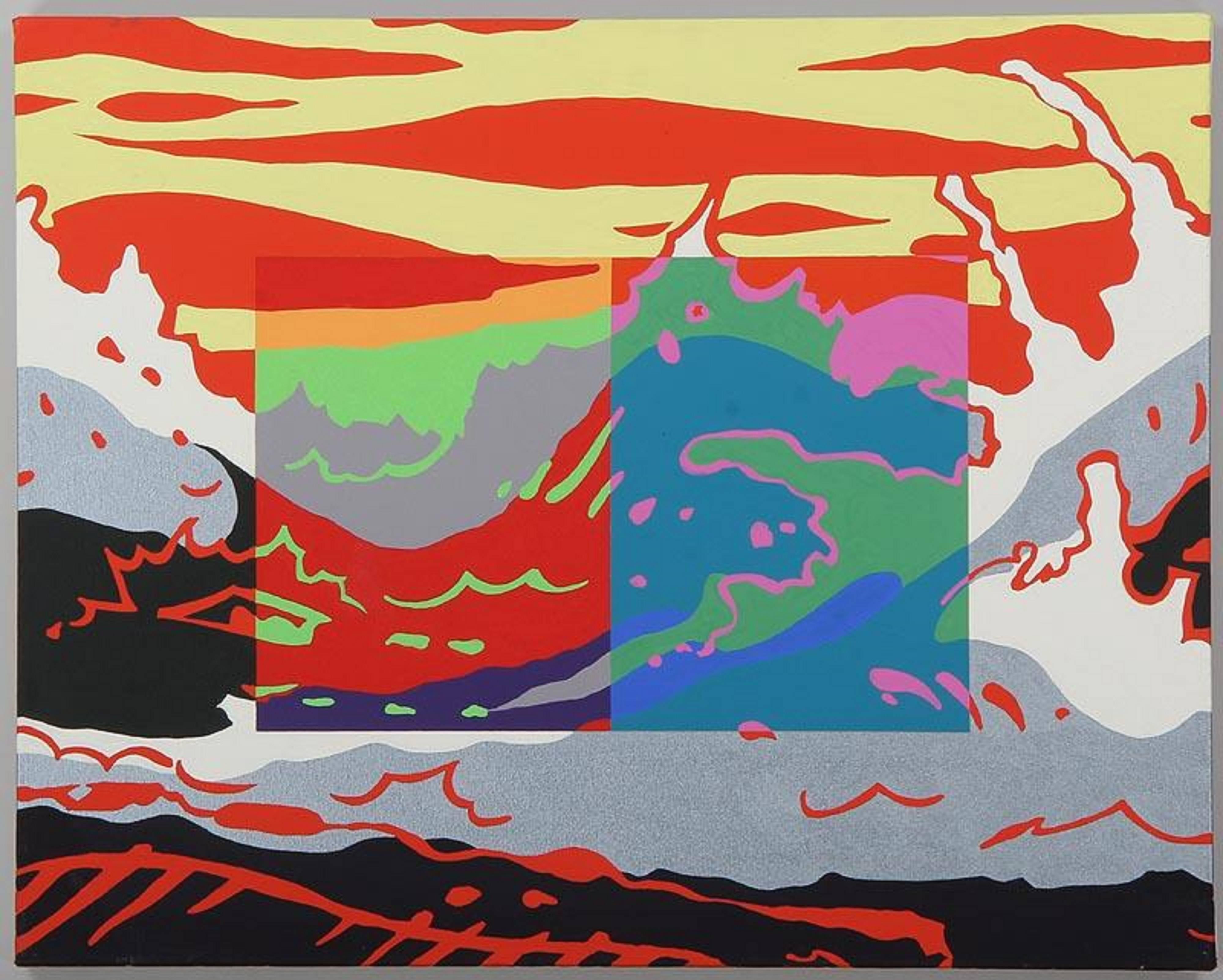
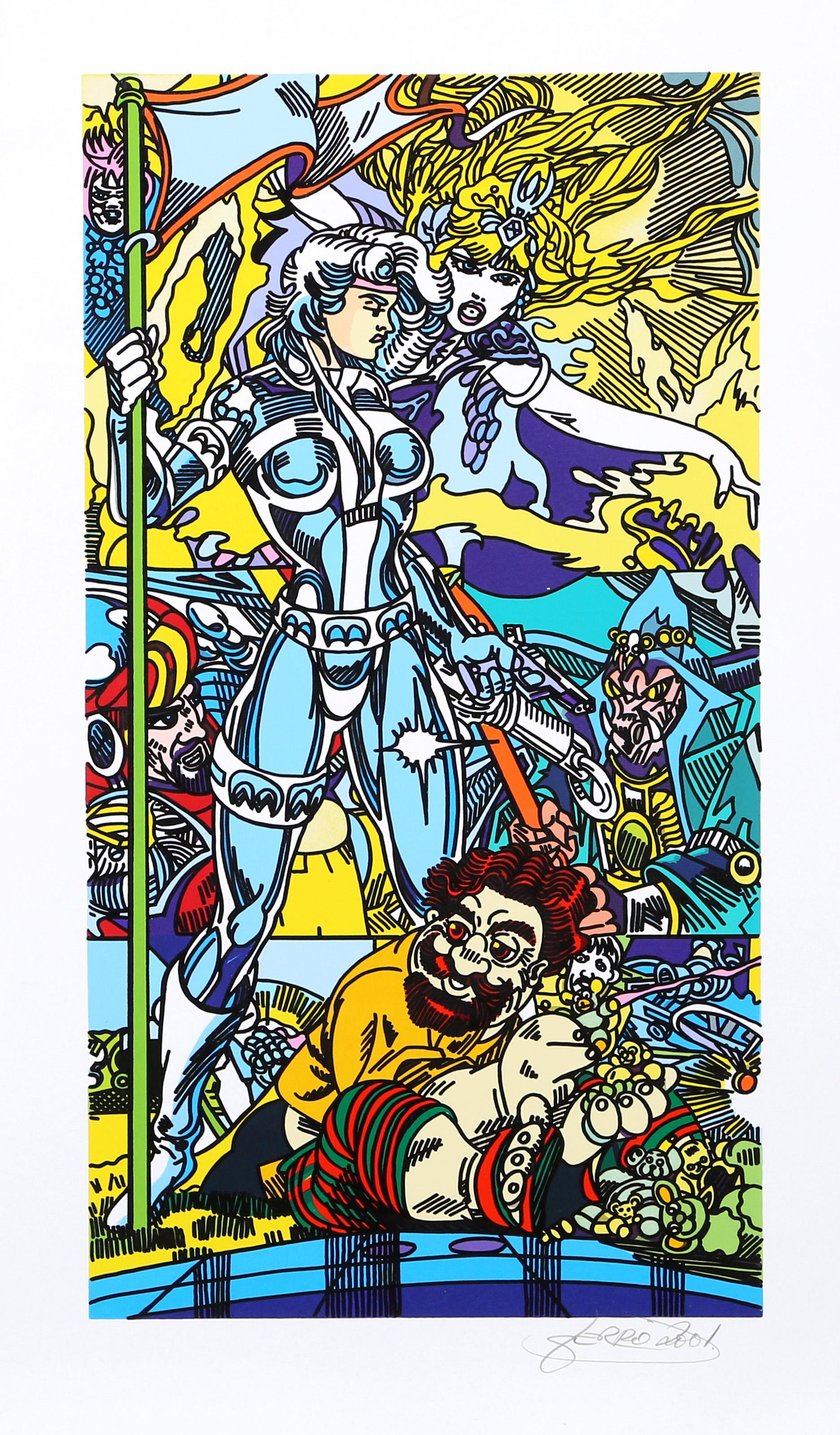
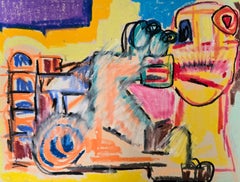
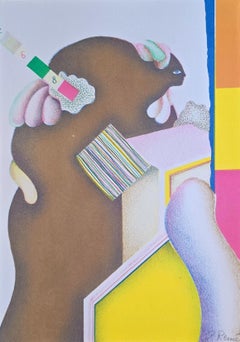
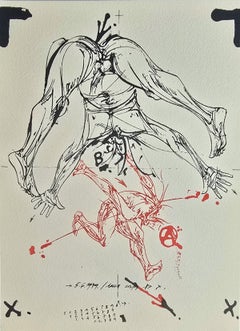
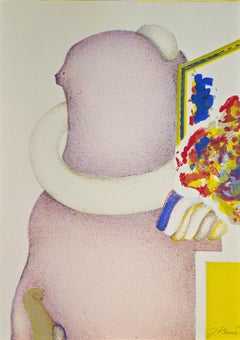
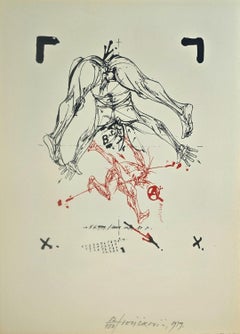
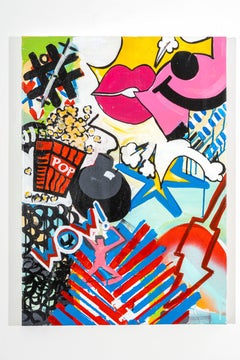
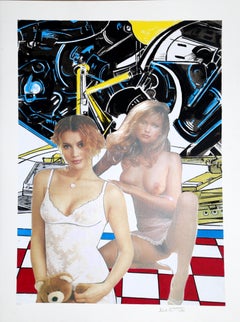
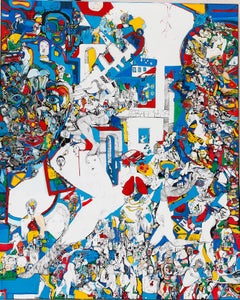
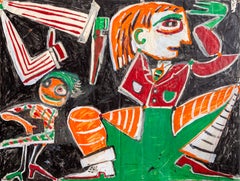
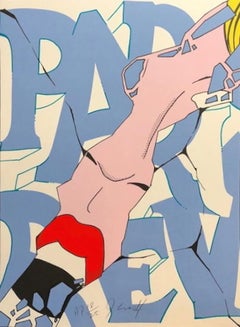
Suite No. 8 - Rencontres (Narrative Figuration, Pop Art, French Contemporary)
1964
Color Lithograph
Size: 12.68 × 19.21 inches (32.2 x 48.8 cm)
Edition: 1,500
Publisher: Galerie Krugier & Cie, Geneva, Switzerland
From "Suite No. 8"
Printer: Matthieu, Zurich and Gallay, Geneva, Switzerland
With Centerfold as issued, not individually numbered
COA provided
Bernard Rancillac was a French postwar artist (1931–2021) widely recognized as a founding figure of Narrative Figuration, a movement that emerged as a European response to American Pop Art by incorporating popular imagery, social commentary, and political critique into figurative painting. Rancillac’s work spanned painting, collage, and mixed media, often drawing on advertising, comics, film, and mass culture to challenge consumerism, war, power structures, and media representation. His dynamic, image-laden compositions helped redefine how contemporary art could engage with society and everyday life, securing his reputation in major museum collections and international exhibitions. Over decades of practice, Rancillac established a distinct visual language that remains influential in discussions of visual culture, narrative strategies, and socio-political art across Europe and beyond.
The suite this print is part of sparked an extended dialogue between gallerist Jan Krugier and critic J.-L. Daval, addressing fundamental questions of modern and contemporary art: abstraction versus figuration, individual artistic vision versus stylistic movements, and the nature of artistic authenticity. Rather than positioning artists within rigid schools or trends, the discussion emphasizes personal experience, inner necessity, and the expression of lived reality as the true drivers of meaningful artistic creation.
Throughout the conversation, both speakers reject the notion that art is governed by fashion, taste, or market forces. Instead, they argue that enduring works arise from an artist’s ability to transform experience into a distinct visual language—one that transcends past conventions while remaining deeply anchored in its time. Modernity, in this context, is not defined by stylistic labels, but by the capacity to confront reality with clarity, independence, and conviction.
The text further asserts that great works of art are not bound by historical categories, movements, or critical theories. A masterpiece emerges when form, content, and consciousness align—producing an image that speaks beyond its moment and resists simplification. The dialogue ultimately frames art as an act of resistance against complacency, convention, and superficial aesthetics.
Bernard Rancillac, Narrative Figuration, French contemporary art, postwar painting, mixed media, collage, figurative narrative, social critique, political art, pop culture imagery, mass media influence, consumerism commentary, visual culture, museum collections.
modern art, contemporary art, fine art publication, exhibition catalogue, art theory, art history, European modernism, museum-quality work, postwar abstraction, avant-garde art, visual culture, art criticism, modernist philosophy, collectible art, important artist