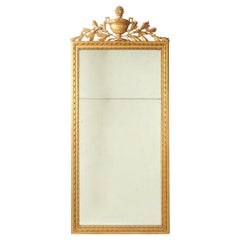
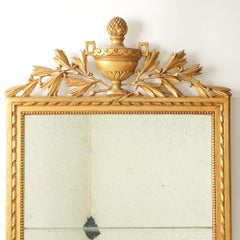
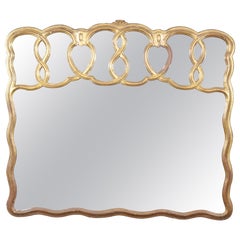
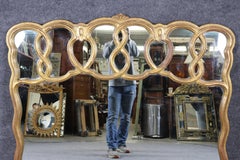
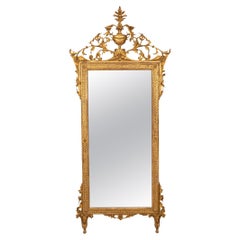
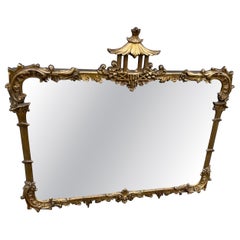
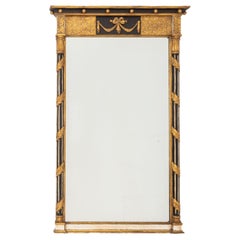
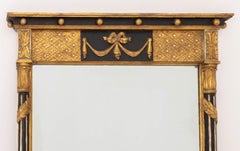
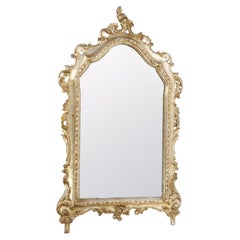
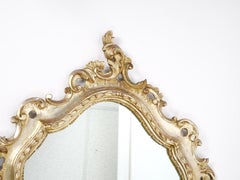
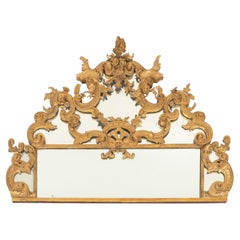
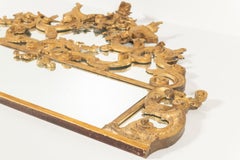
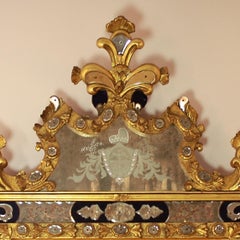
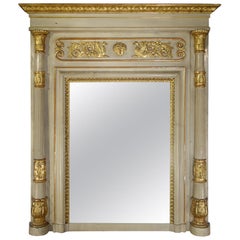
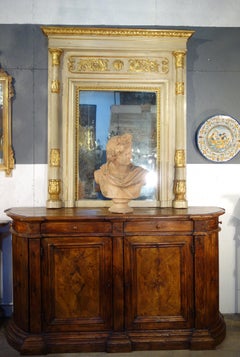
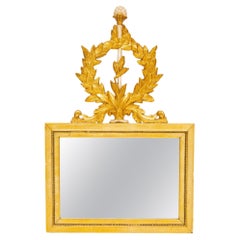
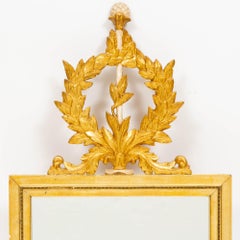
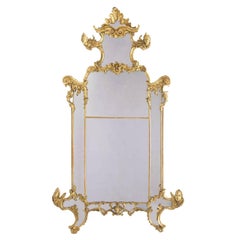
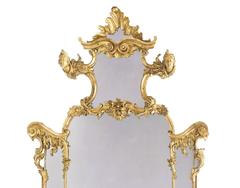
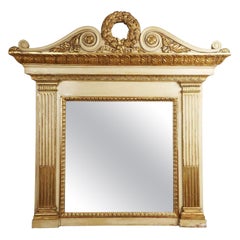
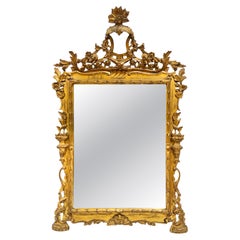
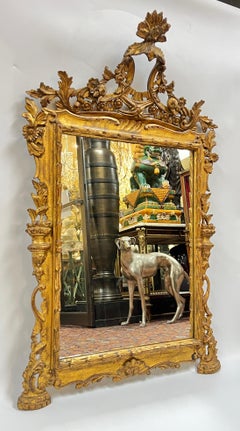
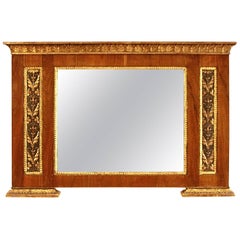
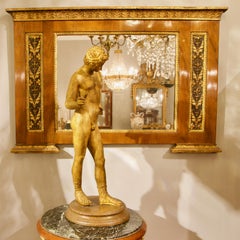
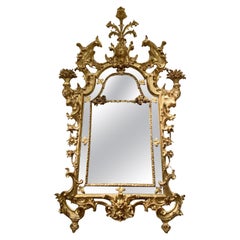
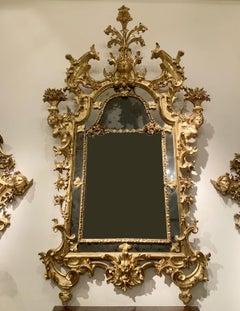
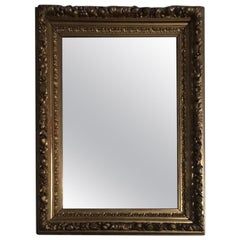
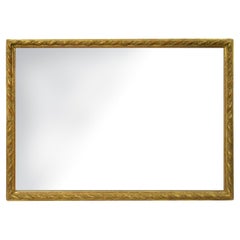
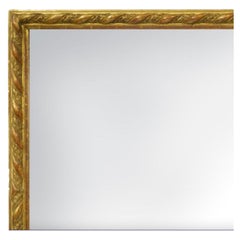
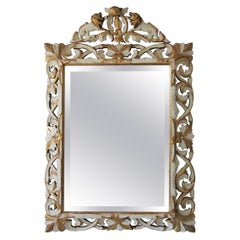
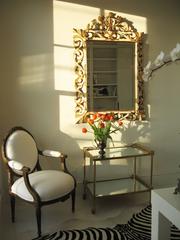
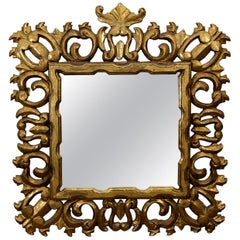
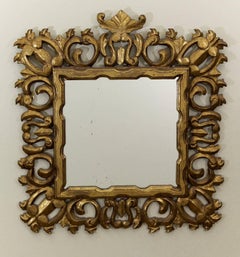
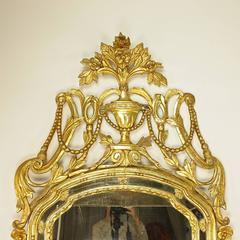
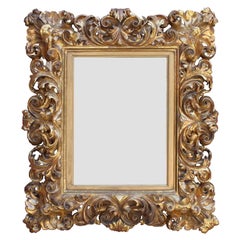
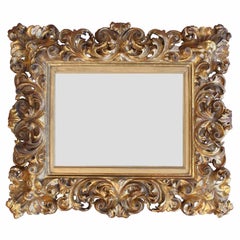
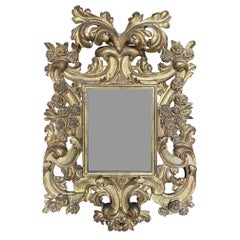
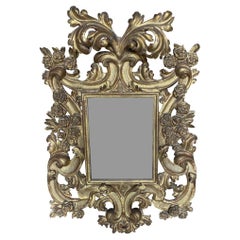
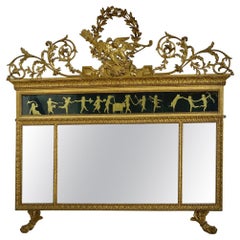
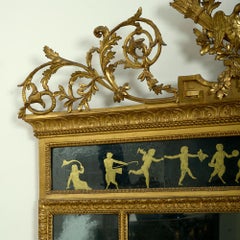
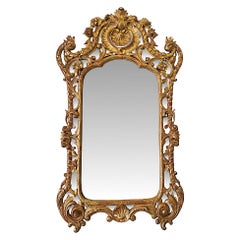
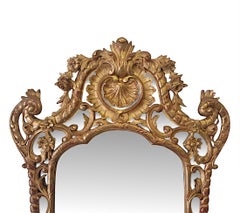
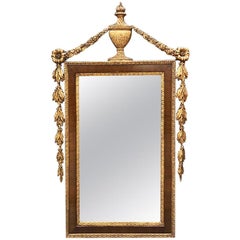
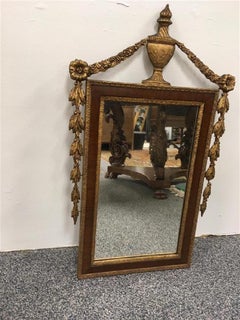
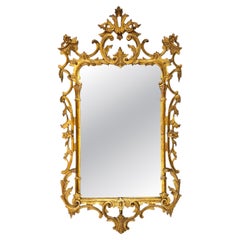
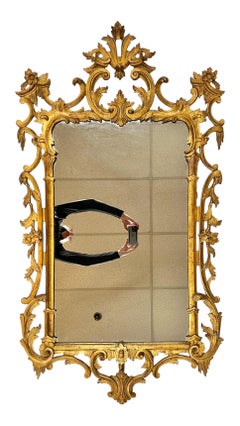
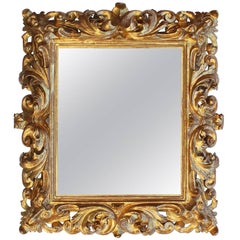
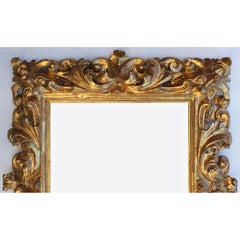
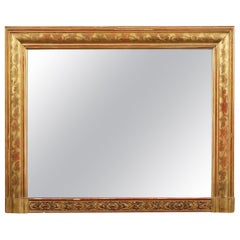
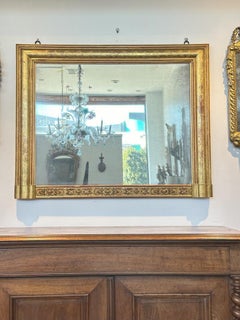
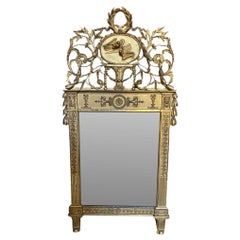
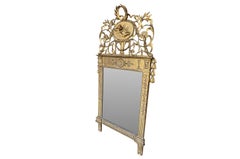
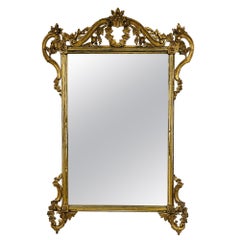
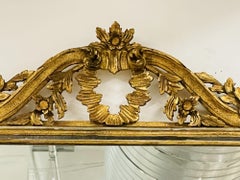
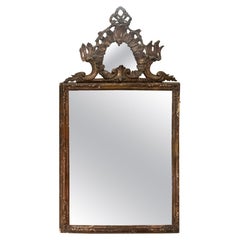
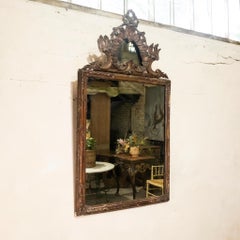
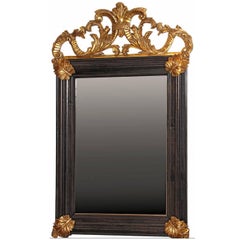
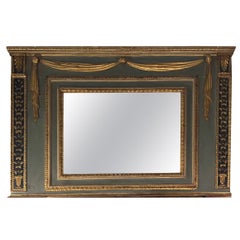
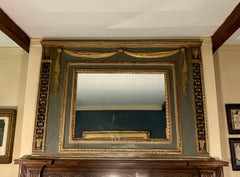
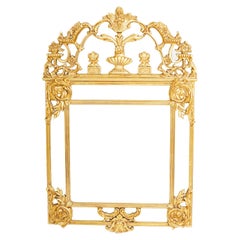
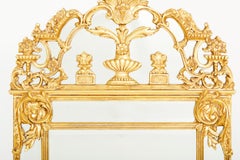
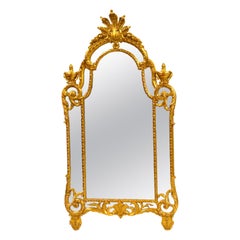
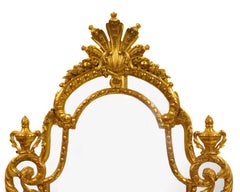
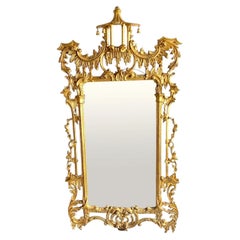
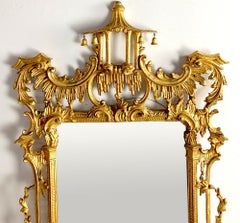
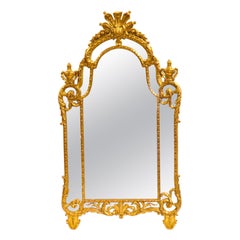
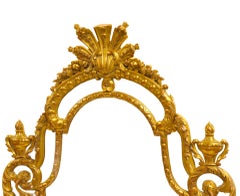
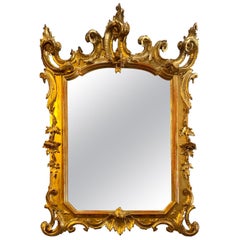
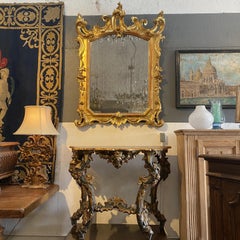
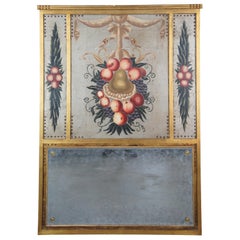
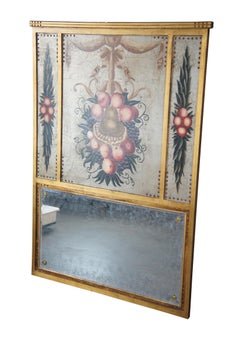
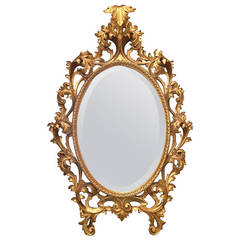
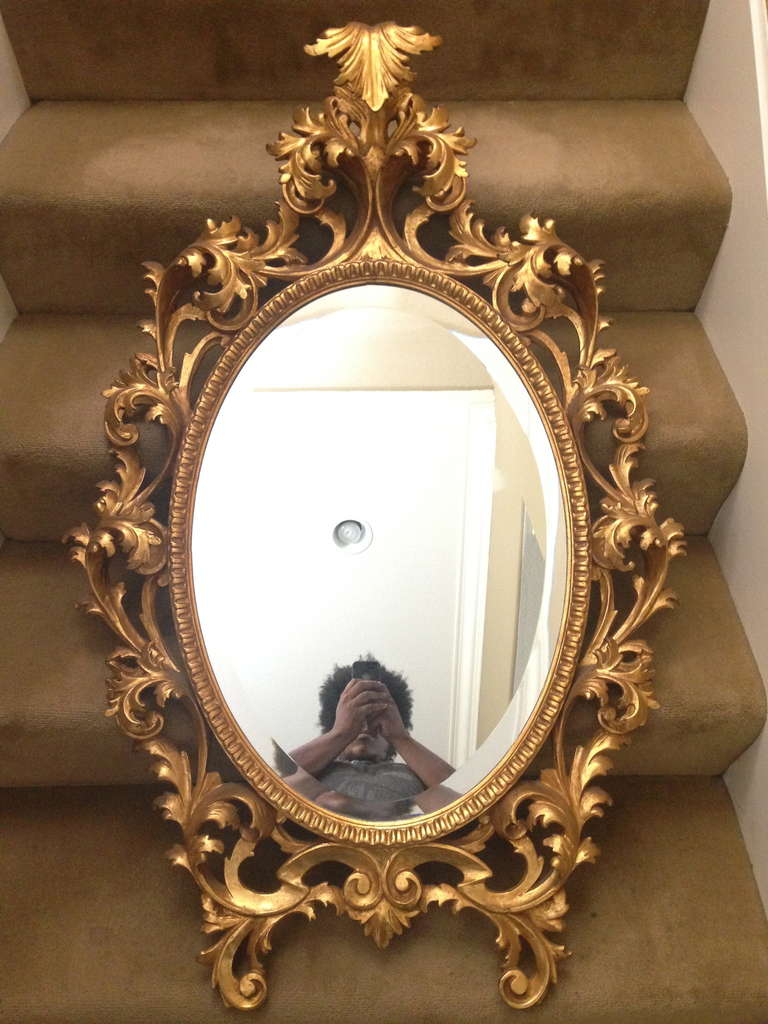
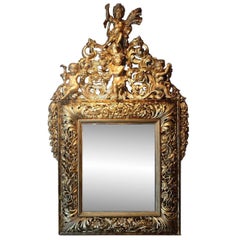
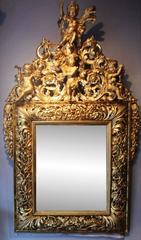
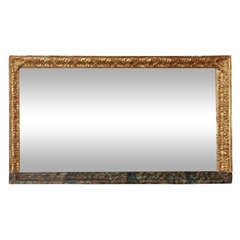
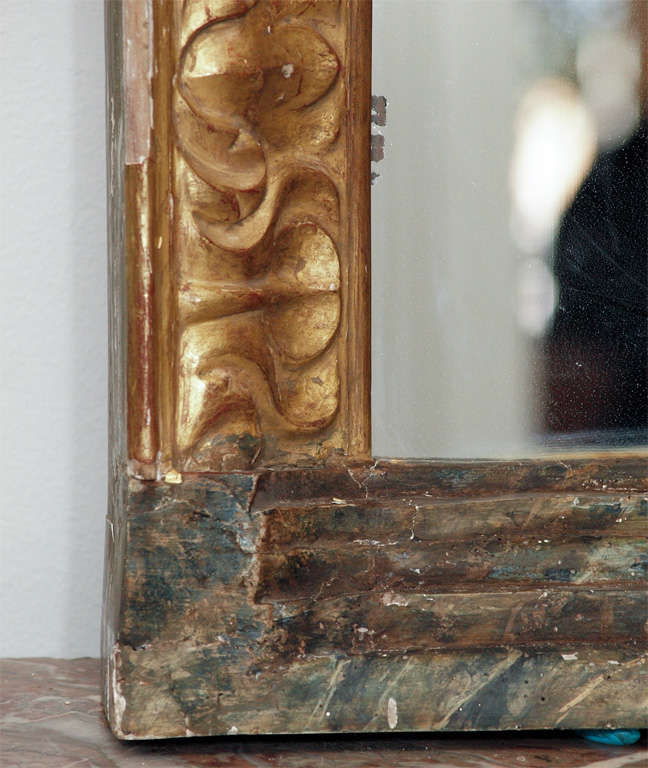
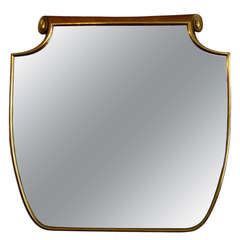
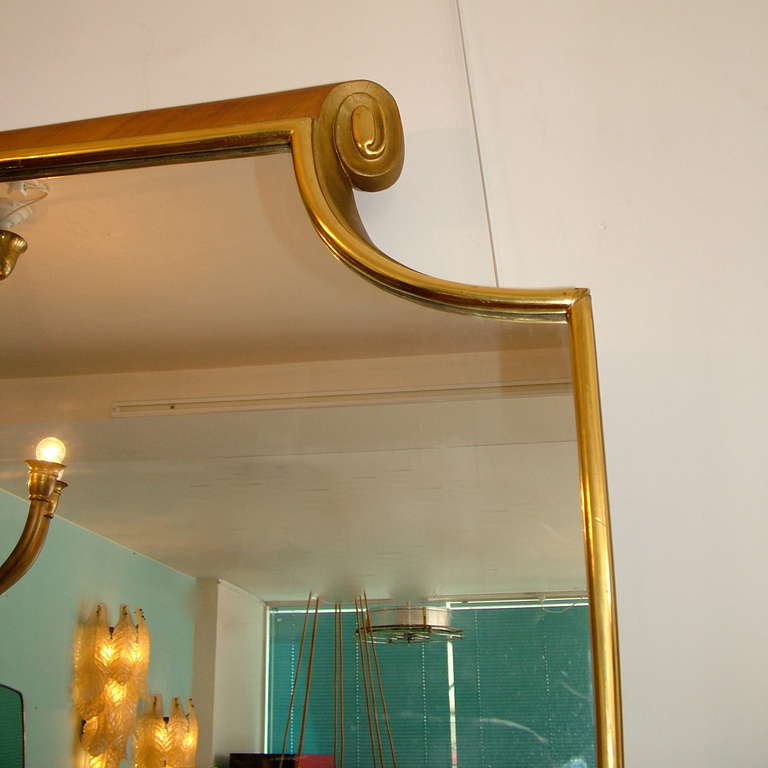
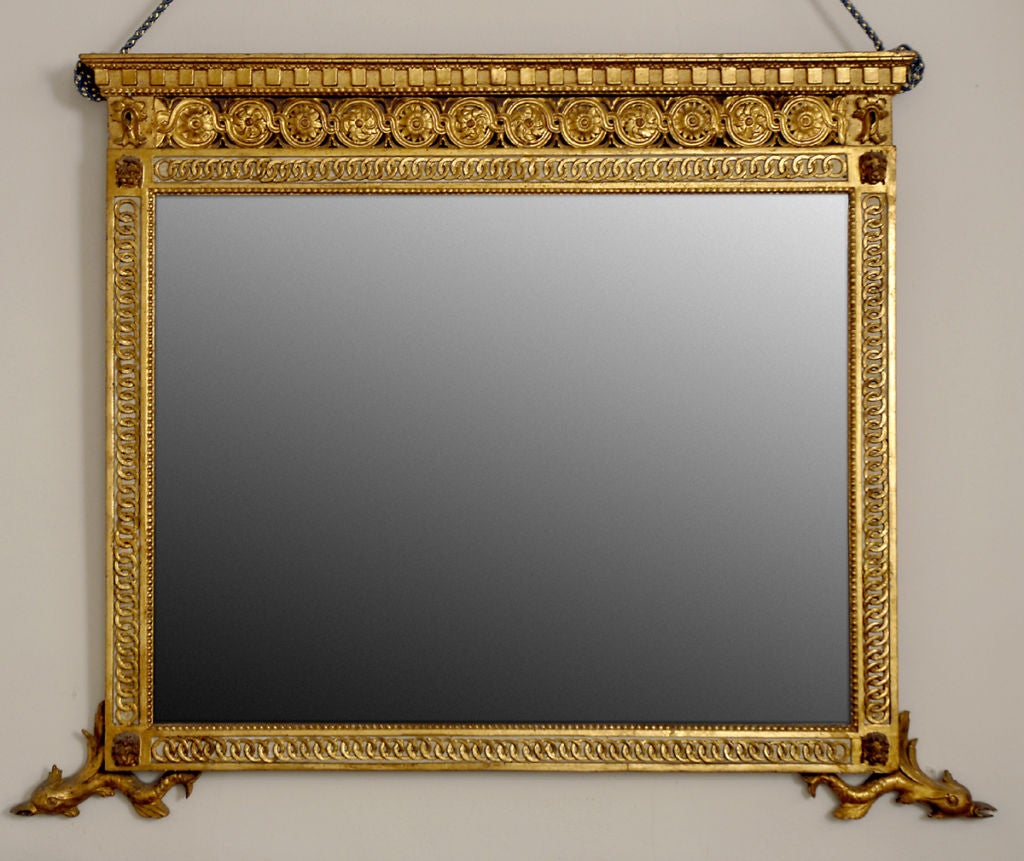
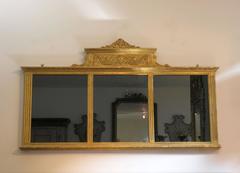
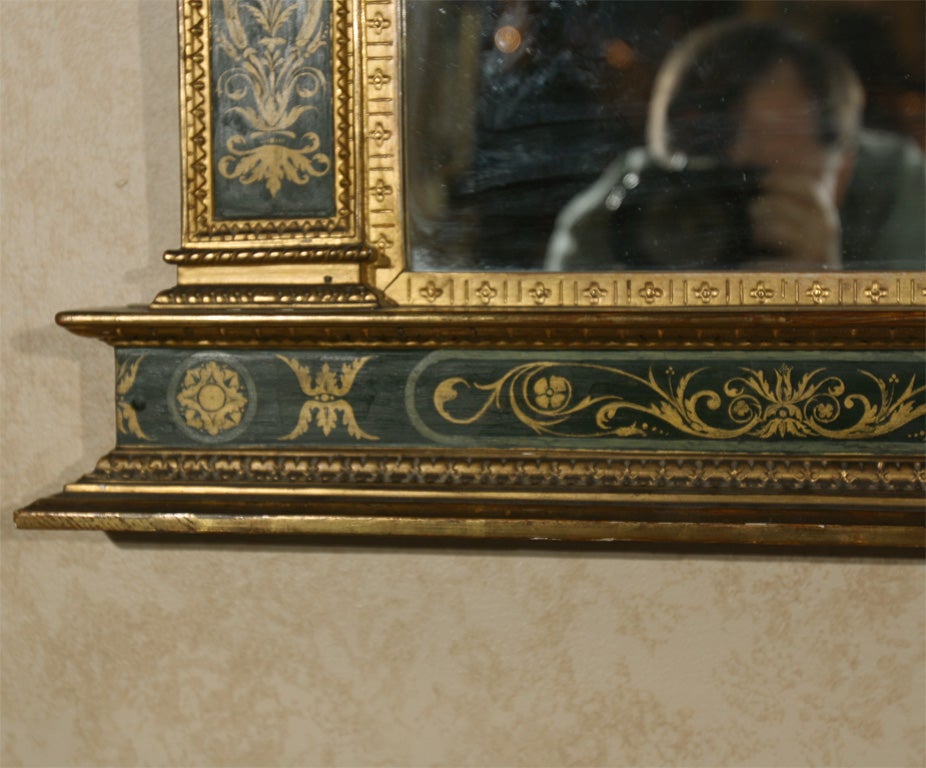
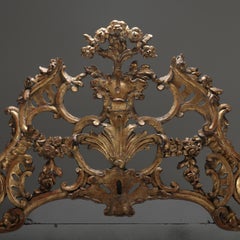
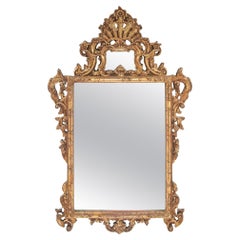
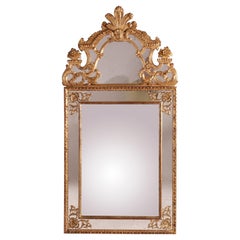
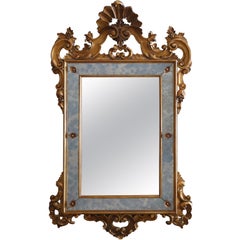
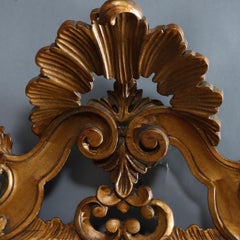
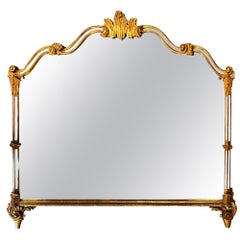
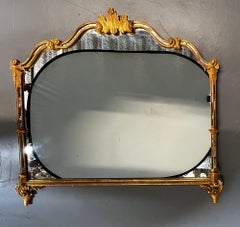
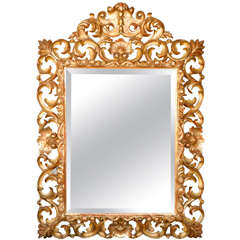
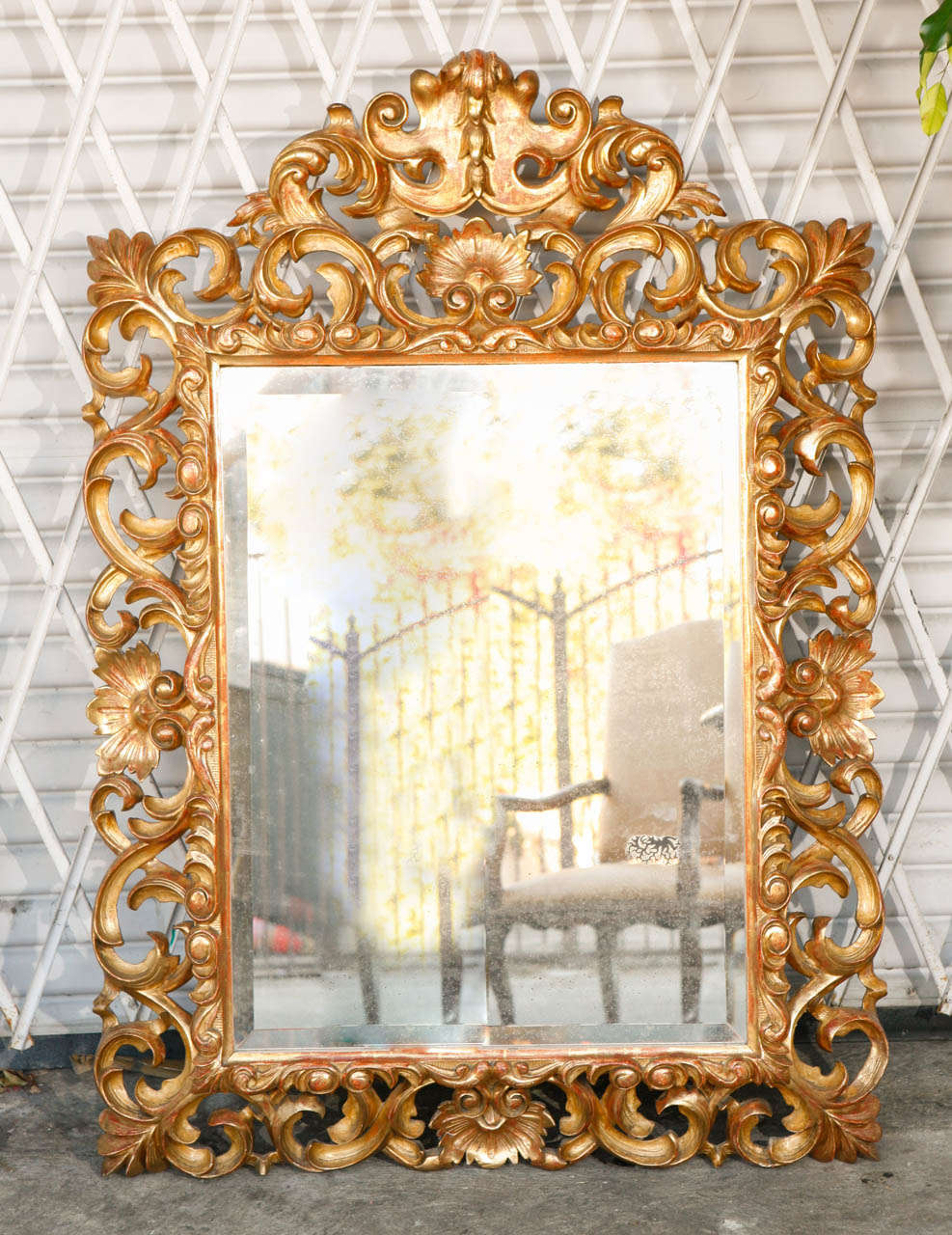
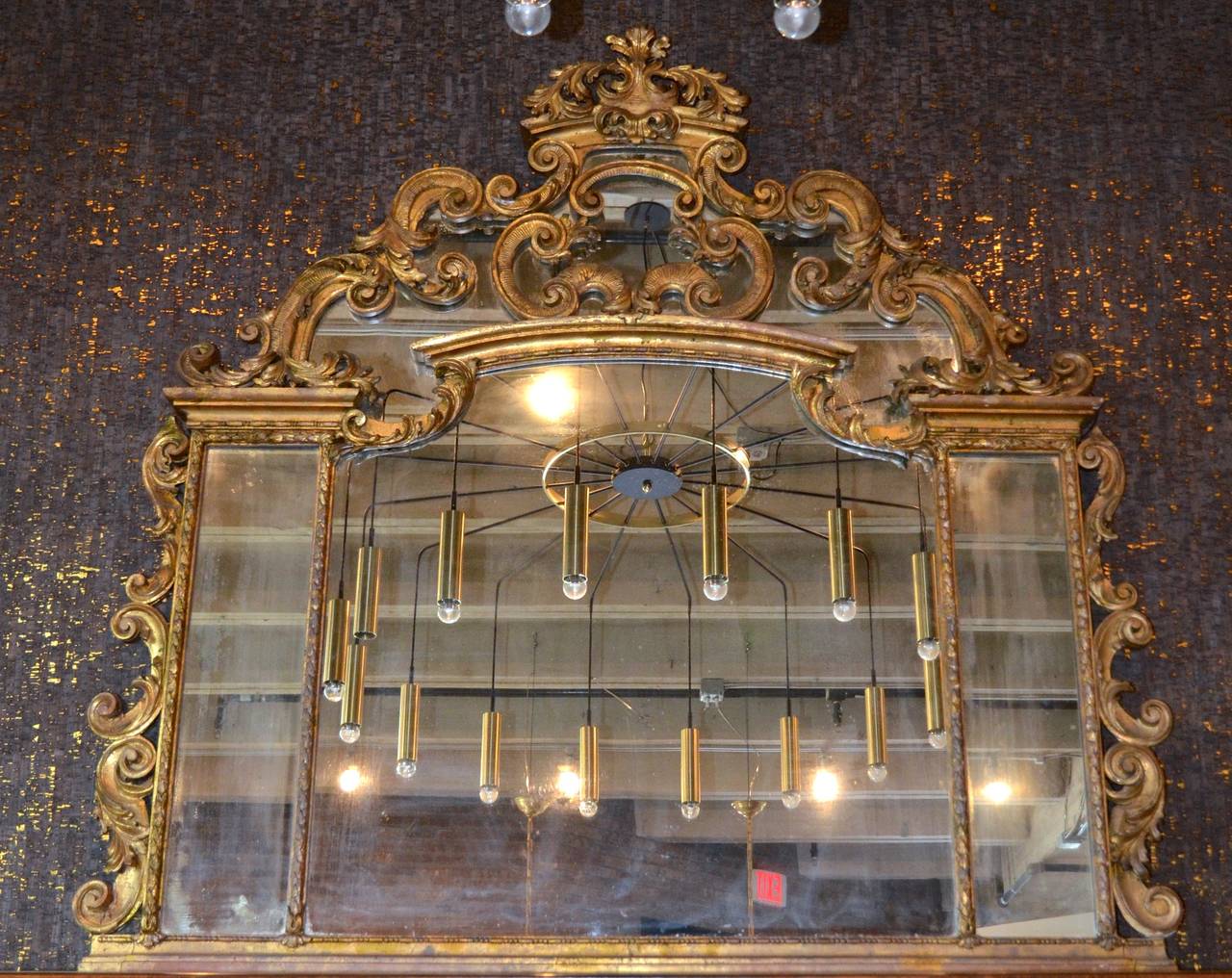
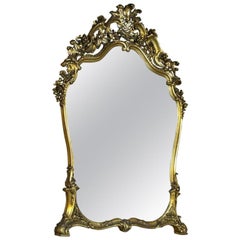
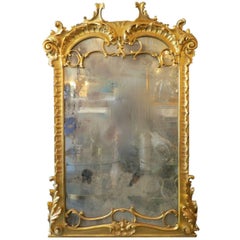
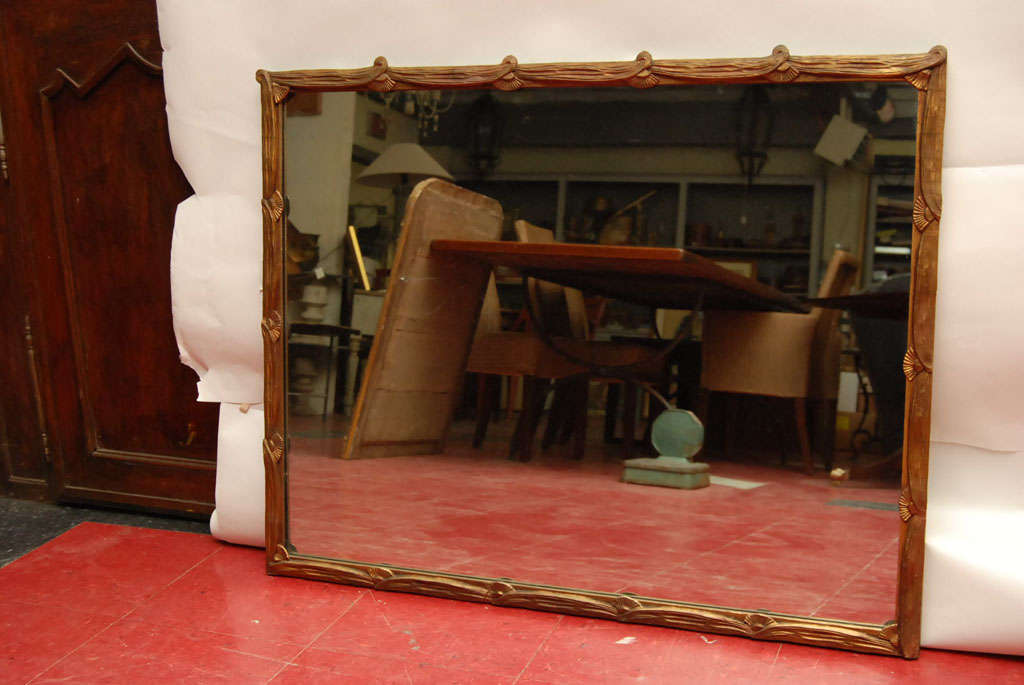
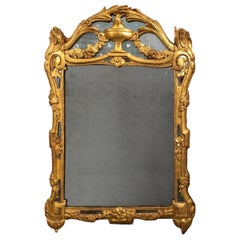
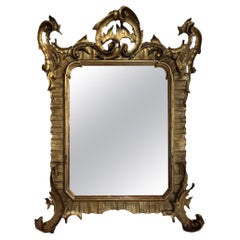
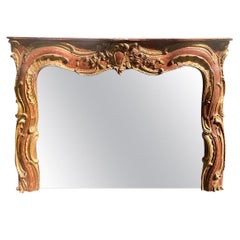
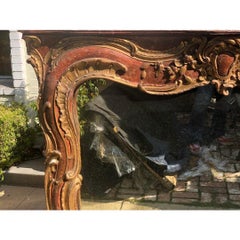
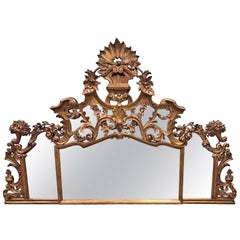
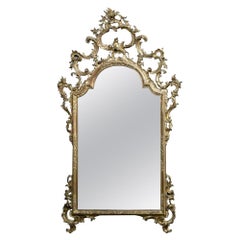
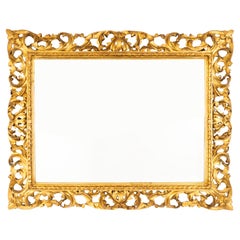
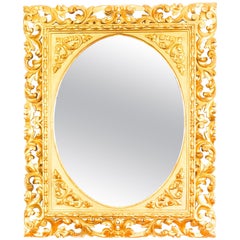
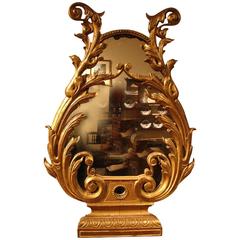
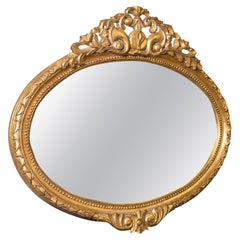
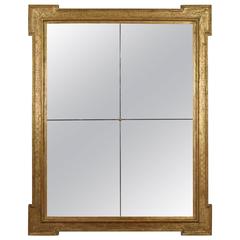
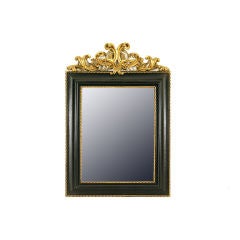
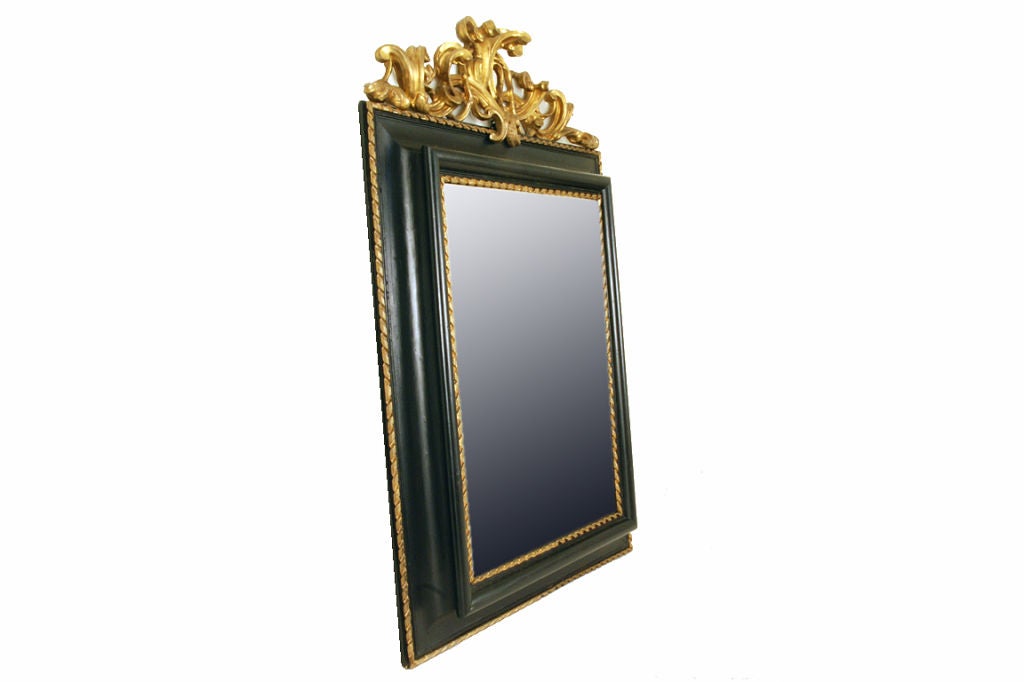
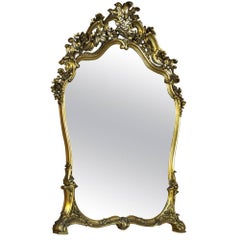
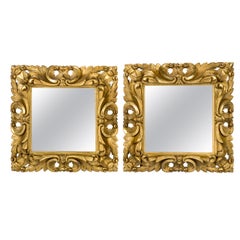
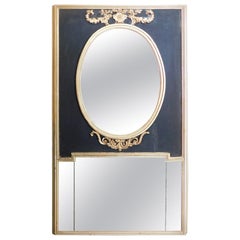
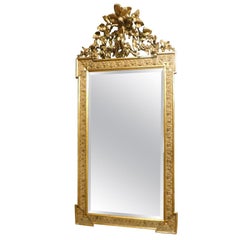
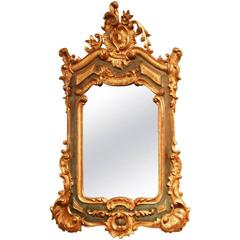
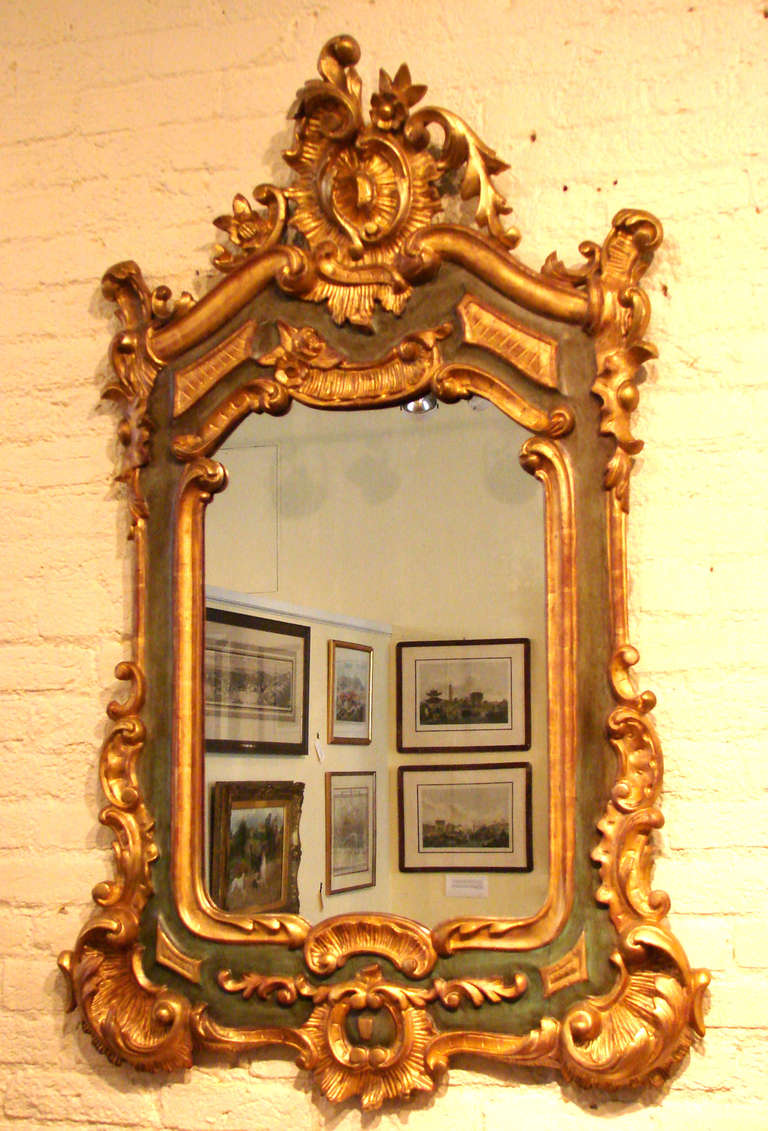
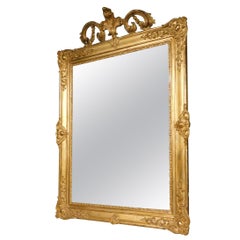
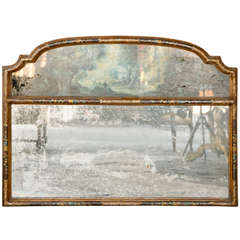
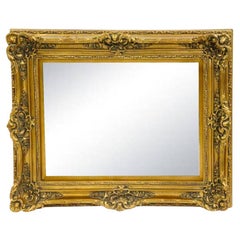
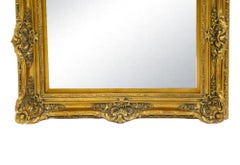
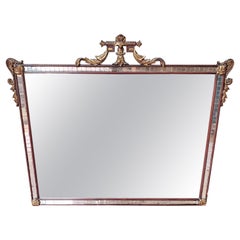
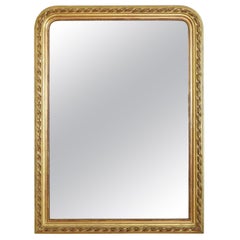
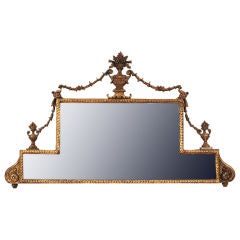
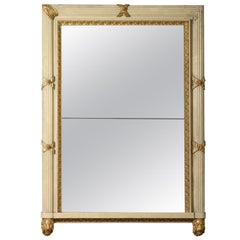
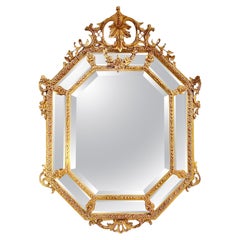
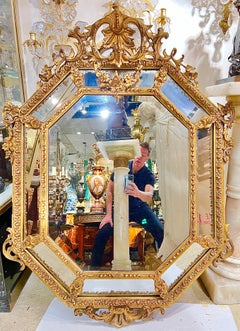
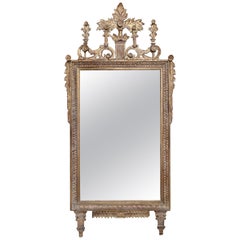
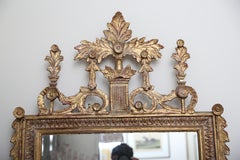
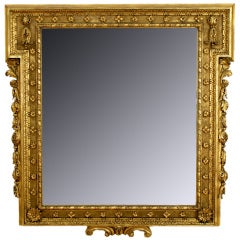
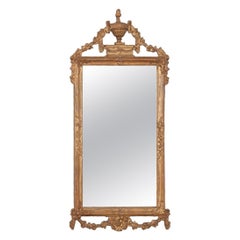
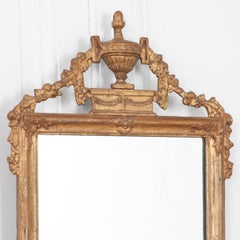
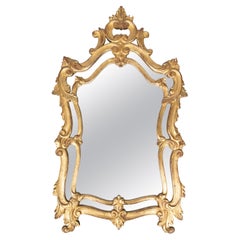
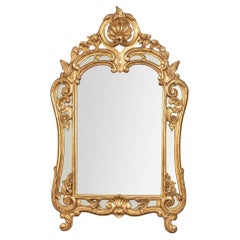
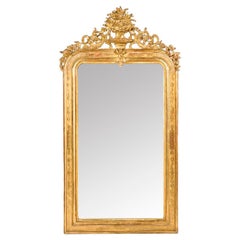
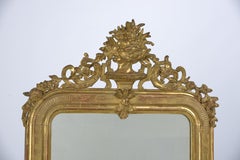
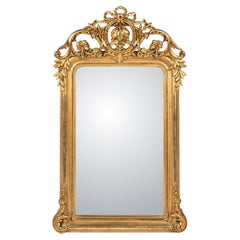
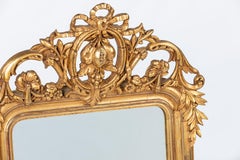
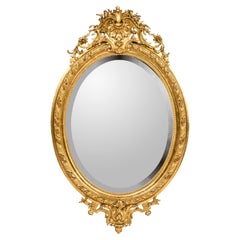
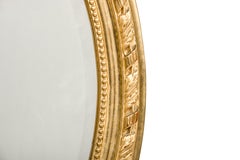
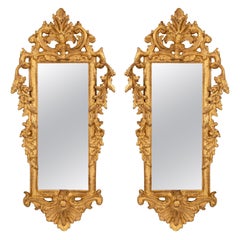
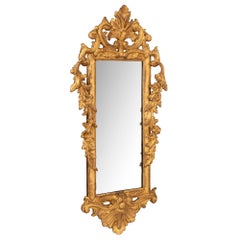
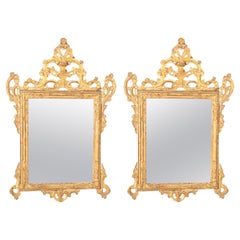
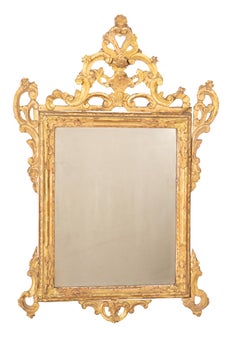
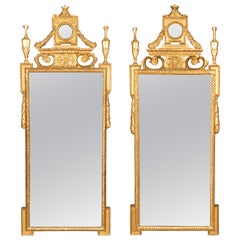
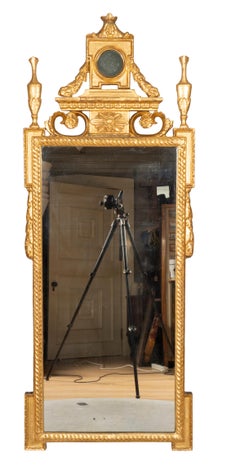
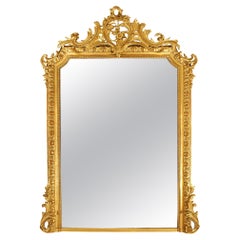
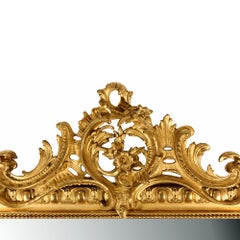
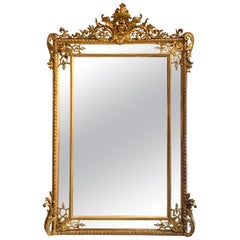
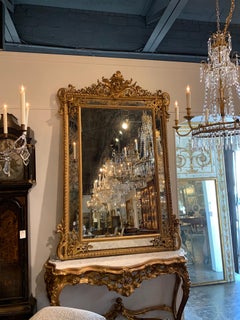
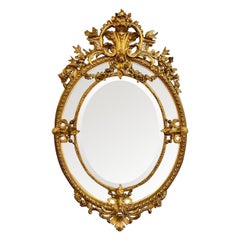
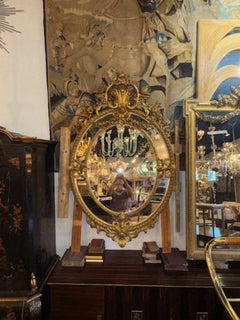
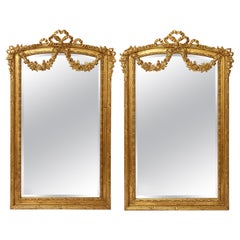
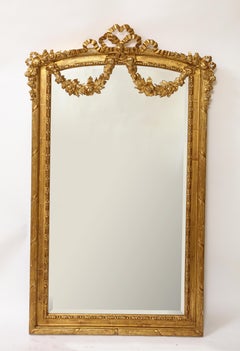
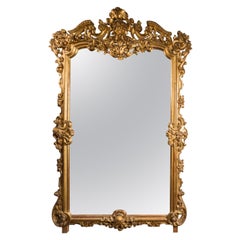
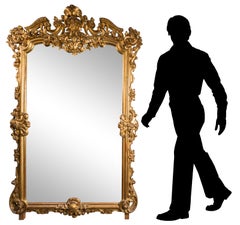
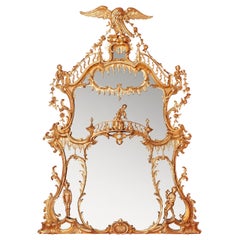
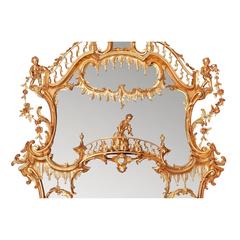
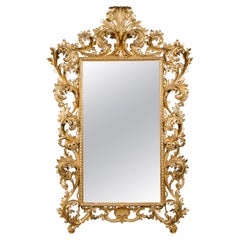
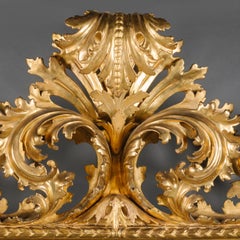
With a vast inventory of beautiful furniture at 1stDibs, we’ve got just the Italian giltwood mantel mirror you’re looking for. An Italian giltwood mantel mirror — often made from
wood,
giltwood and
glass — can elevate any home. Find 103 options for an antique or vintage Italian giltwood mantel mirror now, or shop our selection of 1 modern versions for a more contemporary example of this long-cherished piece. Your living room may not be complete without an Italian giltwood mantel mirror — find older editions for sale from the 18th Century and newer versions made as recently as the 21st Century. An Italian giltwood mantel mirror made by
Baroque designers — as well as those associated with
Rococo — is very popular. Many designers have produced at least one well-made Italian giltwood mantel mirror over the years, but those crafted by
Karges Furniture and
Labarge are often thought to be among the most beautiful.
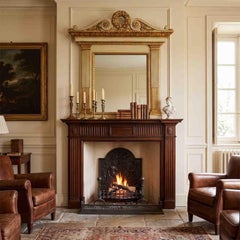
Antique and vintage fireplace mirrors and mantel mirrors are sophisticated, classic pieces of decor, with the large size of fireplace mirrors making them centerpiece objects. They add character to any room and also create the appearance of space. Fireplace mirrors and mantel mirrors, like any well-placed antique or vintage mirror, can act as a source of light and make a room seem bigger than it is.
Fireplace mirrors were once a status symbol, as only the wealthiest could afford these big, beautiful pieces for their homes. In the 1500s and 1600s, the Venetian glass industry produced mirrors that were luxury items. Their painstaking creation was the result of a secretive process using melted tin, limiting their size and availability.
In the late 17th century, French glassmaker Bernard Perrot radically transformed mirrors. By casting glass into large, flat slabs, his work grew into an international market for mantel mirrors. These mirrors were often set in decorated frames.
French homes transitioned to lower fireplaces and mantels so tall mantel mirrors could fit above them. The design of fireplace mirrors reflected architectural trends. Some in the mid-18th century featured paintings, while others had delicate carvings.
By the 1800s, mantel mirrors had become more widely available. This reflected a dramatic change in glass mass-production technology, which made oversize mirrors more accessible, leading to their proliferation across the globe.
Today, mantel mirrors are still highly regarded statement pieces with an enduring reputation for elegance. Their versatility has allowed them to branch out beyond the fireplace. Their reflectiveness allows them to amplify a sumptuous painting in a bedroom or capture the tiling of a bathroom.
From mid-century modern designs to pieces created in Louis XVI style, there is a mirror for every room and every occasion on 1stDibs.