By Kimono ikasu, Lena Okamoto
Located in Setagaya City, JP
Certified Kimono Meister work / Certificate of Authenticity included.
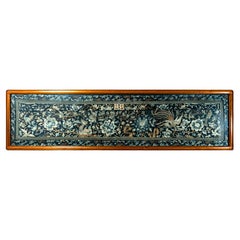
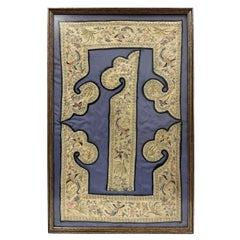
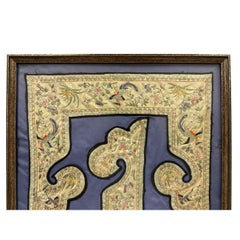
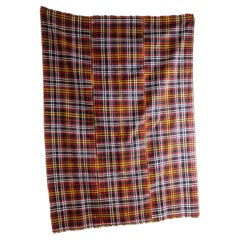
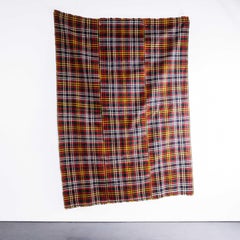
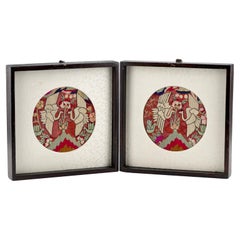
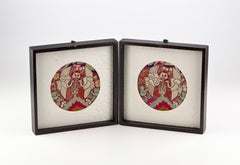
One-of-a-kind Japanese textile art made from vintage obi fabrics.
Sustainable artwork for modern interiors, collectors, boutique hotels, and lovers of Japanese aesthetics.
[Size]
73cm x 53cm x 5cm
[Materials]
silk (outside-layer) , wooden frame (under-layer), bark (pine, oak, sawtooth oak, etc.)
[Story behind the work]
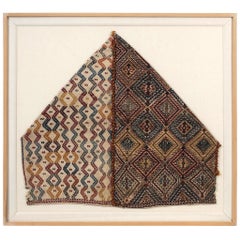
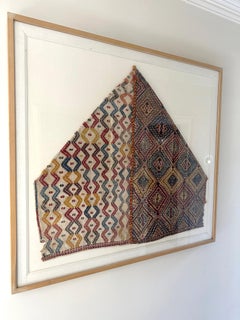
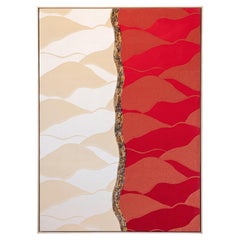
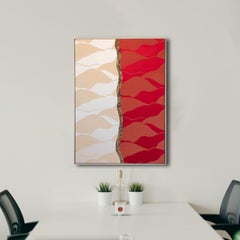
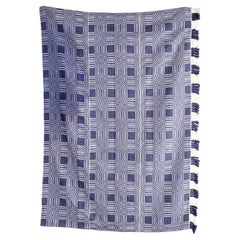
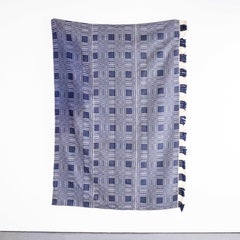
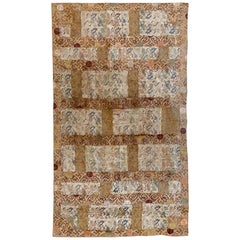
This artwork creatively uses tree bark to evoke the imagery of woods and mountains during both the morning and nighttime on left and right. It is elegantly framed with paulownia wood, a tree closely connected to kimono culture, and is filled with storytelling and sense of luxury.
By incorporating both the front and back sides of the same obi fabric woven in different colors, the play of light and shadow on the mountains is depicted through the contrasting appearances of these surfaces.
The intention behind this piece is to convey the exquisite beauty of Japanese mountains and the lush forests that inhabit them. To achieve this, traditional elements of Japanese culture, such as obi textiles and craftsmanship involving wood, were used.
The outer and inner linings of the same obi, no longer suitable for clothing, along with bark material that would normally be discarded, have been repurposed to create this exceptional upcycle artwork.
The fusion of Japanese natural materials – silk, paulownia wood, and pine bark for the central decoration – along with the so-called "Tozan" pattern, a unique Japanese natural design showing mountains from far-away point, captures the magnificent beauty of Japanese nature from various perspectives.
The central bark decoration stands out as a distinctive feature of this work. Pine, oak, and other tree barks are interwoven among the mountains woven into the obi, creating a tangible and authentic natural atmosphere.
[Period / Story]
The obi used in this piece was originally crafted during the late Showa period (1960-80ies).
[Explanation and meaning of pattern and colors]
This upcycle artwork uses an obi with a tozan pattern woven in two colors. The design is inspired by a distant mountain range, a motif that has been used in paintings and crafts since ancient times. However, in this particular design, the mountains are depicted not as distant peaks but as graceful semicircles giving it a mild atmosphere.
[Characteristics of the fabric]
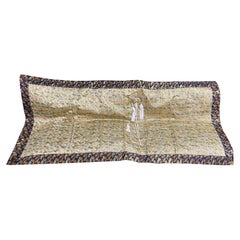
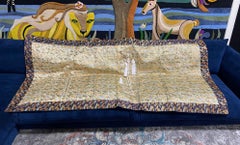
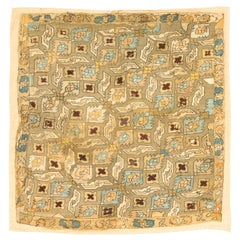
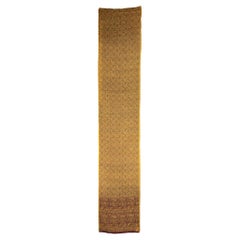
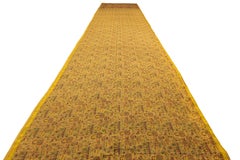
This upcycled Fukuro-obi (two-side oni) showcases a festive color pattern of mountains intricately woven with gold threads against a beige front and red on the back.
The way this obi interacts with light allows it to shift in expression, much like a mountain revealing different facets over time. It can transform from deep shades of color to the appearance of gold shimmering against bright hues, depending on the lighting and viewing angle.
[About the frame]
Kiritansu - chest-of-drawers for kimono, is traditionally made from paulownia wood, a uniquely Japanese material closely tied to the world of kimonos.
Paulownia wood is known as the lightest wood in Japan, prased for its natural luster, resistance to moisture, and resilience against cracking. Since ancient times, it has been used in crafting furniture, chests, and musical instruments.
During the Edo period, it became customary to store cherished kimonos in paulownia chests...
Category
Late 20th Century Japanese Arts and Crafts Textile Textiles
MaterialsGold Leaf, Silver Leaf