Japonisme Antiquities

JAPONISME STYLE

In the late 19th and early 20th century, France developed an enduring passion for Japanese aesthetics and craftsmanship. Not only did this interpretation of Japanese culture — which became known as Japonisme — infuse fresh energy into French art and design, but it also radically transformed how Europeans, and subsequently the world, would come to understand visual culture. 

Until 1853, Japan had been closely guarded against foreign visitors for over two centuries. However, American Commodore Matthew C. Perry sailed into Japan that year and initiated the first of its treaties with the United States and Europe, thereby opening its borders and giving the West its first-ever look at Japanese design. 

For the next few decades, taken with Japonisme, sophisticated collectors in Paris, New York and elsewhere gorged themselves on lacquered screens, celadon ceramics and netsuke ornaments, along with artworks depicting various aspects of Japanese life. The East Asian country’s influence on Europe, particularly France, contributed to one of the most creatively prosperous periods in history, leaving an imprint on the Impressionist, Art Nouveau and Art Deco movements, and inspiring artists like Edgar Degas, Mary Cassatt, Vincent van Gogh as well as luxury houses such as Louis Vuitton and Hermès. Japonisme emerged at the time when the ornate Renaissance Revival style was the most prominent mode of decorating in Europe, and Japanese aesthetics seemed strikingly modern and elegant in comparison. 

In addition to everyday practical objects from Japan, such as vases, tableware and decorative boxes, Japanese art, especially Japanese woodblock prints by masters of the ukiyo-e school, caught the eye of many artists — particularly those in the Art Nouveau poster community in 1880s Paris. The luscious organic colors associated with traditional Japanese design, motifs like cherry blossoms and carp and the vivid patterns found in woodblock prints, silks and more were adopted and appropriated by painters as well as ceramicists and those working in other fields of the decorative arts. Today, demand for Japanese lacquerware — furniture, trays, writing boxes, screens, incense burners — from the Edo period (1615–1868) and the late 19th century continues to be very strong among collectors.

Find a collection of antique Japonisme furniture and decorative objects on 1stDibs.

to
5
14
10
28
3
14
10
7
5
5
3
3
3
2
2
2
1
1
1
1
6
14
8
3
4
1
1
11
11
6
5
5
29
29
29
1
31
31
31
3
1
Style: Japonisme
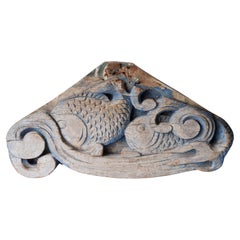
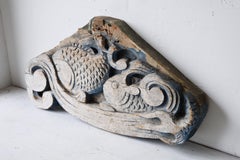
19th century Japanese Wood Carving Temple Shrine Sea Breams and Wave Decoration

19th century Japanese Wood Carving Temple Shrine Sea Breams and Wave Decoration

Located in Chiba, JP

SEA BREAMS AND WAVES – Wood carving decoration with the remains of original bule paint as the actual fragment of a certain Japanese temple/shrine construction, Edo-Meiji period, 19th...

Category

Late 19th Century Japanese Antique Japonisme Antiquities

Materials

Wood

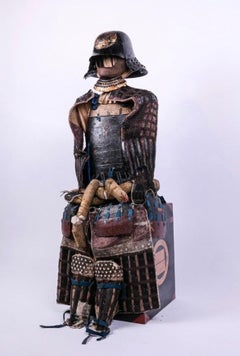
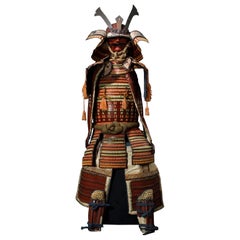
Rare Antique Original high Ranking Edo period Samurai armor Yoroi Japan Daimyō

Rare Antique Original high Ranking Edo period Samurai armor Yoroi Japan Daimyō

Located in Ijzendijke, NL

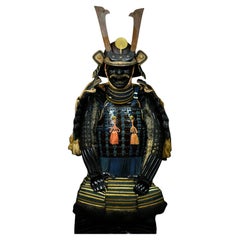
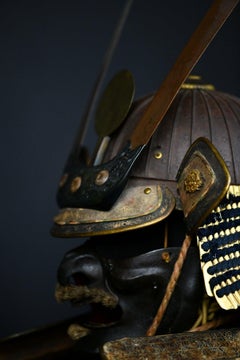
This complete Edo-period samurai armor is an exceptional example of the refined martial elegance and ceremonial grandeur associated with Japan’s warrior aristocracy. Every component reflects a precise harmony of functionality, symbolism, and prestige. At the heart of the set is a superb suji-bachi kabuto, constructed from multiple riveted iron plates arranged with flawless symmetry and enriched by a beautifully aged patina. It is crowned with a gilt tehen no kanamono, and the imposing maedate presents a pair of antler-like blades framing a gilded sun disc an emblem of celestial authority and divine lineage. The Fukigaeshi feature extraordinary gilt dragon ornaments, carved in high relief. Dragons, ancient symbols of protection and power, were reserved for armor of the highest rank, strongly indicating that this set belonged to a Daimyō or high-ranking retainer. The menpō, lacquered in deep black, includes a natural-hair moustache and an articulated jaw (resseibō), lending the face a vivid sense of character. Below it, the shikoro is composed of finely lacquered blue-and-gold plates, meticulously laced with silk. The okegawa ni-mai dō cuirass is finished in a dark brown lacquer and laced in deep indigo silk, complemented by elegant orange ceremonial tassels a hallmark of formal presentation armor. The sode (shoulder guards) retain their rare bear-fur trimming, an expensive and status-laden material symbolizing courage and noble rank. Completing the ensemble are beautifully made kote, haidate, and suneate, each executed with rich fabrics and refined lacquer work. A butterfly mon (chō-mon) appears on the leg guards an elegant symbol of transformation, adding a poetic contrast to the armor’s martial presence. The extensive use of gilding, the rare bear-fur details, and the prominent dragon motifs confirm this as a piece created for the highest echelons of samurai society. It is a masterpiece where ceremonial artistry, symbolism, and authority converge. Artistic and Historical Significance This armor epitomizes the Edo-period ideal, when arms and armor transcended their battlefield origins and became expressions of identity, dignity, and cultural refinement. The interplay of dark lacquer, golden ornamentation, and natural materials embodies the spirit of bushidō discipline, inner strength, and beauty through restraint. Whether displayed in a private collection, gallery, office, or interior setting, this armor commands attention. Its presence transforms any space, making it a truly museum-worthy centerpiece for collectors of Japanese, military, or historical art. The set includes its traditional stand and storage box. As with all antique armor...

Category

17th Century Japanese Antique Japonisme Antiquities
Materials

Metal

Antique Japanese Koto Wakizashi Sword

Antique Japanese Koto Wakizashi Sword

Located in Dallas, TX

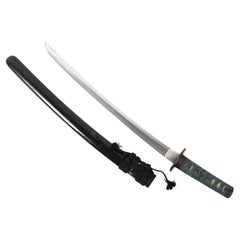
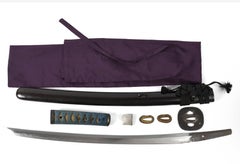
Japanese Koto Wakizashi Sword Japan Ca. 1400-1600s Length: 24.25” Blade Total Length: 27.25 Nagasa: 18.5” Koto wakizashi, with wild midare (Soshu?) hamon, including wild boshi. Hada indeterminate, with Shakudo & gold dragon menuki, beehive design fuchi kashira...

Category

16th Century Japanese Antique Japonisme Antiquities
Materials

Steel

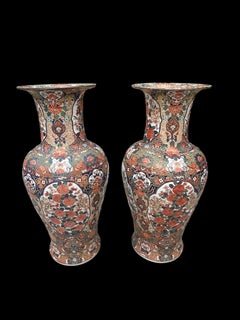
Pair of large antique Japanese Imari porcelain vases

Pair of large antique Japanese Imari porcelain vases

Located in Brea, CA

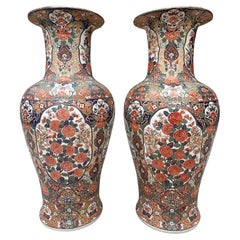
Large Japanese beautiful porcelain vases A pair of baluster Imari porcelain vases, Japan, Meiji. Polychrome floral decor, very beautiful ,

Category

Early 20th Century Japanese Japonisme Antiquities

Materials

Porcelain

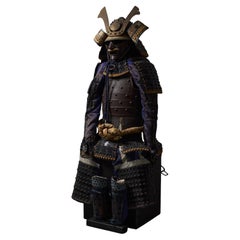
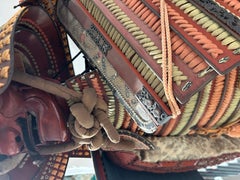
Samuraï armor
Samuraï armor

Samuraï armor

Located in Brussel, BE

Amazing and unique Samuraï armor. End of XIXth century, early XXth century. Nimai do Okegawa gusoku (2 plate with barrel form cuirasse armor). Composed o...

Category

Late 19th Century Japanese Antique Japonisme Antiquities
Materials

Iron

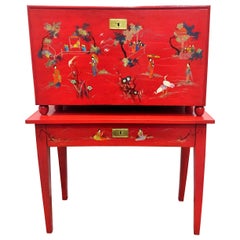
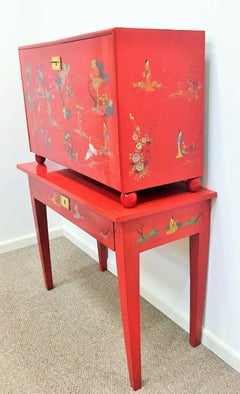
Japanese Style Red Lacquer Fall-Front Chest, 20th Century

Japanese Style Red Lacquer Fall-Front Chest, 20th Century

Located in Miami, FL

20th century red lacquer barqueno with Japanese style design. Fine painted motif in gold gilt, brass fitting, beautiful color form and detail.

Category

20th Century European Japonisme Antiquities

Materials

Lacquer

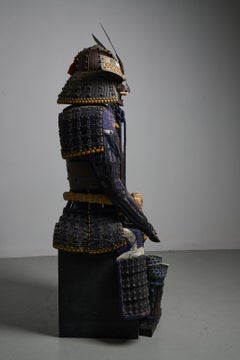
Samuraï armor
Samuraï armor

Samuraï armor

Located in Brussel, BE

Amazing and unique Samuraï armor. Early XXth century. Composed of an iron helmet mounted with large standing rivets and "Kuwagata" decoration (shoe shaped decoration) on the front. R...

Category

Early 20th Century Japanese Japonisme Antiquities

Materials

Iron

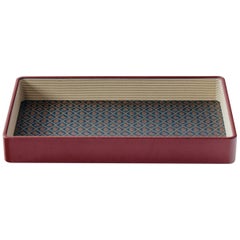
Calico Clothing tray Ryosuke Harashima Urushi Contemporary Zen Japanese Mingei

Calico Clothing tray Ryosuke Harashima Urushi Contemporary Zen Japanese Mingei

By Ryosuke Harashima

Located in Shibuya-ku, Tokyo

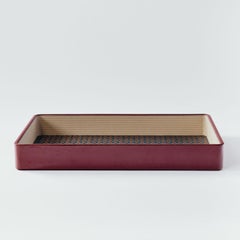
Tray made by Ryosuke Harashima. This work is made of antique tray painted by urushi and fabric. Artist create renewed tray which is upholstered with fabric. This pattern was reache...

Category

2010s Japanese Japonisme Antiquities

Materials

Fabric, Wood

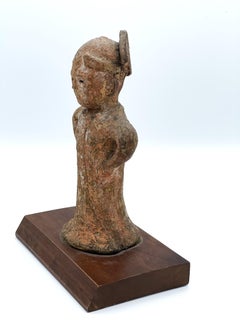
Rare Japanese Complete Figure of an Aristocratic Woman Haniwa, 6th Century AD

Rare Japanese Complete Figure of an Aristocratic Woman Haniwa, 6th Century AD

Located in New York, NY

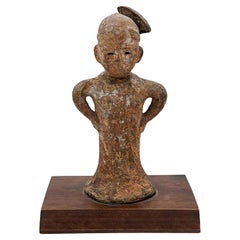
Rare Japanese Complete Figure of an Aristocratic Woman Haniwa, 6th Century AD DIMENSIONS Height: 8.5 inches Width: 6 inches Depth: 4 inches (base) ABOUNT A remarkably well-preserve...

Category

15th Century and Earlier Japanese Antique Japonisme Antiquities
Materials

Stone

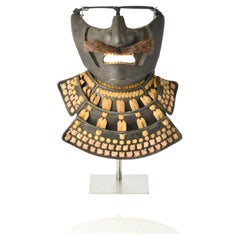
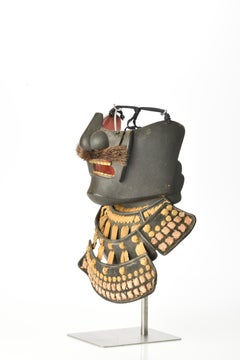
A Japanese Samurai ressei menpo mask

A Japanese Samurai ressei menpo mask

Located in Milano, IT

Samurai menpo mask with the ressei (fierce) expression, belonging to the me-no-shita "half-face" type, which stands out for its leather surface to simulate ...

Category

18th Century Japanese Antique Japonisme Antiquities
Materials

Leather

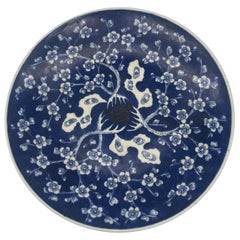
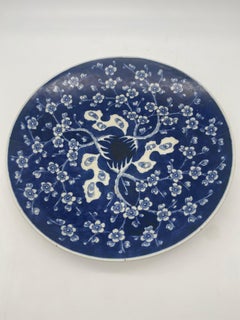
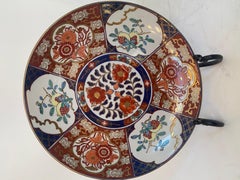
19th Century Blue and White Japanese Porcelain Dish Meiji Period

19th Century Blue and White Japanese Porcelain Dish Meiji Period

Located in Brea, CA

19th century blue and white Japanese porcelain dish Meiji period decorated with prunus on the cobalt blue ground, inscription to base, Ex Bonhams lot 268 diameter 12 inch.

Category

Late 19th Century Japanese Antique Japonisme Antiquities
Materials

Porcelain

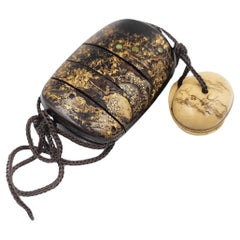
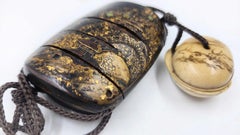
Traditional Japanese Inro box with five compartments

Traditional Japanese Inro box with five compartments

Located in Autonomous City Buenos Aires, CABA

Traditional Japanese Inro Box with Five Compartments Traditional Japanese inro box with five compartments. Classic design with dark lacquer and gold ...

Category

20th Century Japanese Japonisme Antiquities

Materials

Wood

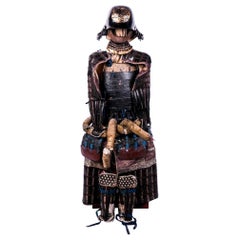
18th Century, Japanese Edo Period Lacquer & Chain Mail Suit of Samurai Armor

18th Century, Japanese Edo Period Lacquer & Chain Mail Suit of Samurai Armor

Located in Atlanta, GA

Japanese, Edo Period (1603-1868), likely late 18th century. Step into the rich tapestry of Japanese history with this exquisite 18th-century Edo Period Lacquer & Chain Mail Suit of Armor, a masterpiece that seamlessly blends martial craftsmanship with artistic elegance. Crafted during a period of unparalleled cultural refinement, this armor is a testament to the meticulous skill and dedication of Japanese artisans. The Gosuko armor, at the heart of this ensemble, embodies the traditional armor design of the Edo Period. Each meticulously lacquered plate, carefully adorned with ornate motifs, reflects not only the functional sophistication required for battle but also the aesthetic sensibilities intrinsic to Japanese art. The incorporation of chain mail adds a layer of flexibility and mobility, harmonizing the demands of protection with the fluidity required in combat. A crowning glory to this armor is the Kabuto Helmet, an iconic symbol of samurai identity and resilience. Its design not only provides formidable protection but also serves as a canvas for artistic expression. The helmet's form, combined with lacquer embellishments and a crest, creates a striking visual statement, a representation of the wearer's identity and lineage. To complete the ensemble, the armor comes with a brocade fabric, adding a touch of regality to this already magnificent piece. The interplay of textures and colors in the brocade further elevates the visual impact, turning the act of donning this armor into a ceremonial experience. For the discerning collector, this piece is presented in a lacquer armor box, meticulously crafted to safeguard and showcase the historical significance of the armor. The accompanying wood armor display stand serves as a stage, allowing this masterpiece to command attention in any setting, whether it be a private collection, museum exhibit, or a distinguished living space. Owning this 18th-century Japanese Edo Period Lacquer...

Category

18th Century Japanese Antique Japonisme Antiquities
Materials

Iron, Gold Leaf

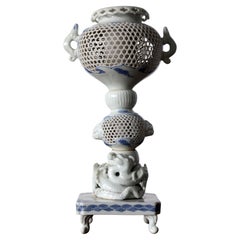
Hirado Porcelain Koro Censer  Meiji Dynasty

Hirado Porcelain Koro Censer Meiji Dynasty

By Hirado

Located in Mérida, YU

This is an original Japanese Antique Porcelain Hirado Koro Censer circa 1850-1890 Meiji Dynasty. In excelent condition.

Category

Late 19th Century Japanese Antique Japonisme Antiquities
Materials

Porcelain

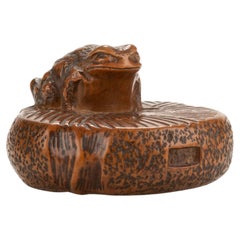
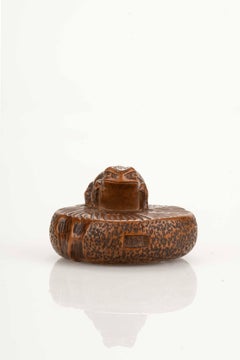
A boxwood netsuke depicting a toad on a circular stone millstone, signed Masanao

A boxwood netsuke depicting a toad on a circular stone millstone, signed Masanao

Located in Milano, IT

Boxwood netsuke depicting a toad climbing a circular stone millstone. The toad's wrinkled skin is meticulously engraved to create a realistic appearance. The netsuke has a shiny pati...

Category

19th Century Japanese Antique Japonisme Antiquities
Materials

Boxwood

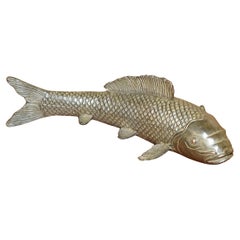
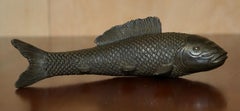
ANTIQUE SOLiD BRONZE JAPANESE KOI CARP STATUE OF A WONDERFULLY ELEGANT FISH

ANTIQUE SOLiD BRONZE JAPANESE KOI CARP STATUE OF A WONDERFULLY ELEGANT FISH

Located in West Sussex, Pulborough

Royal House Antiques Royal House Antiques is delighted to offer for sale this absolutely stunning circa 1920 solid bronze Japanese Koi Carp statue A wonderfully original find, this...

Category

Early 20th Century Japanese Japonisme Antiquities

Materials

Bronze

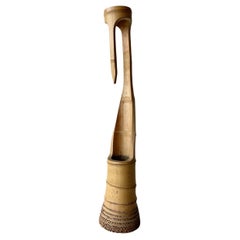
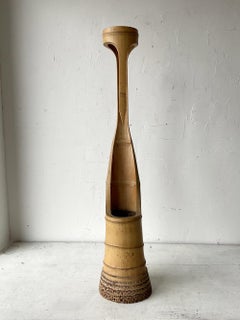
1975 Japanese Crane-Neck Bamboo Ikebana Flower Arrangement Vase

1975 Japanese Crane-Neck Bamboo Ikebana Flower Arrangement Vase

Located in Chiba, JP

H 68.5 x 14.5 x 13.5 cm (26.96 x 5.70 x 5.31in). Showa period (1975). A type of traditional Japanese ikebana flower arrangement vase. Inside copper-plated. Aged deterioration as is.

Category

1970s Japanese Vintage Japonisme Antiquities

Materials

Copper

Pair of Antique Japanese Imari Blue White Chargers with Geishas at Lake Side

Pair of Antique Japanese Imari Blue White Chargers with Geishas at Lake Side

By Imari Porcelain, Arita

Located in Miami, FL

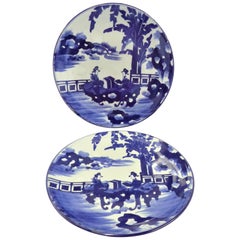
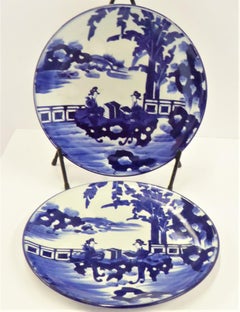
Beautiful pair of Meiji Period blue and white Japanese Imari Chargers depicting two Japanese Courtesans reading poetry by a lake in a serene setting framed by banana palms or trees o...

Category

1890s Japanese Antique Japonisme Antiquities
Materials

Porcelain

Japanese Haniwa Burial Pottery Figure Kofun Period

Japanese Haniwa Burial Pottery Figure Kofun Period

Located in Atlanta, GA

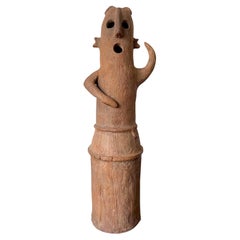
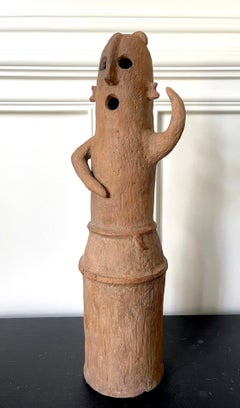
A rare Japanese Haniwa full body dancing figure from Kofun Period (3rd to 6th Centuries AD). Haniwa means "circle of clay" in Japanese. The figures wer...

Category

15th Century and Earlier Japanese Antique Japonisme Antiquities
Materials

Pottery

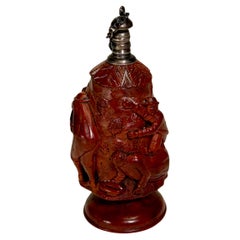
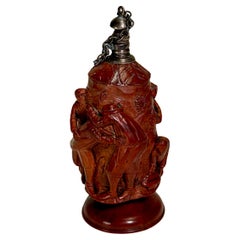
European Handcarved Boxwood Snuff Tobacco Flacon

European Handcarved Boxwood Snuff Tobacco Flacon

Located in Haddonfield, NJ

European hand carved boxwood snuff tobacco box or flacon with silver screw cap lid. This impressive snuff box depicts a scene with people as well as a large tree. Certainly a fantast...

Category

Mid-19th Century Japanese Antique Japonisme Antiquities
Materials

Boxwood

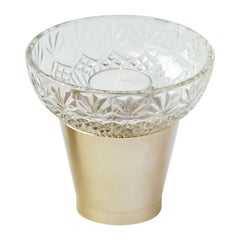
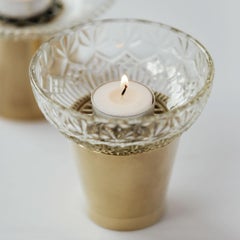
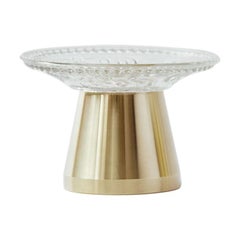
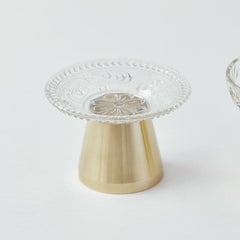
Kiriko Candleholder Ryosuke Harashima Contemporary Zen Japanese Craft Mingei

Kiriko Candleholder Ryosuke Harashima Contemporary Zen Japanese Craft Mingei

By Ryosuke Harashima

Located in Shibuya-ku, Tokyo

Candleholder designed by Ryosuke Harashima. This work is made of antique Kiriko glass plate and brass. Artist create new style candleholder by combining old kiriko glass and Indust...

Category

2010s Japanese Japonisme Antiquities

Materials

Brass

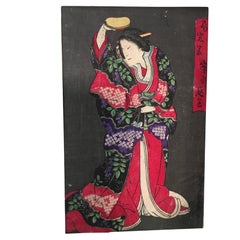
Period Japanese Ink Drawing Gheisha

Period Japanese Ink Drawing Gheisha

Located in Roma, IT

Fascinating and important oriental coloured drawing Japanese Gheisha. Every item of our Gallery, upon request, is accompanied by a certificate of authenticity issued by Sabrina Egidi...

Category

Late 19th Century Japanese Antique Japonisme Antiquities
Materials

Paper

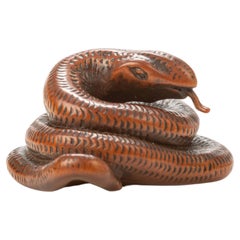
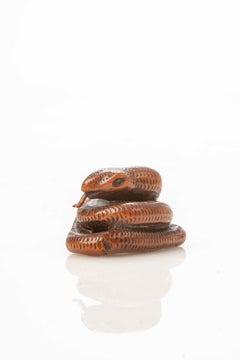
A boxwood netsuke depicting a snake

A boxwood netsuke depicting a snake

Located in Milano, IT

Boxwood netsuke depicting a snake coiled around itself. Signature engraved under the base. Origin: Japan Period: Meiji late 19th century. Dimensions: 4 x 3.5 x 2 cm. State of co...

Category

19th Century Antique Japonisme Antiquities
Materials

Boxwood

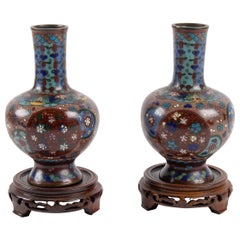
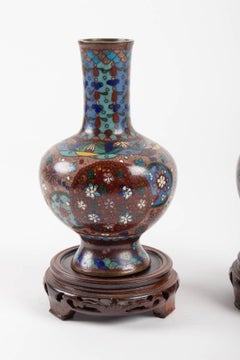
Pair of Cloisonné Bronze Vases, Japan, Circa 1900

Pair of Cloisonné Bronze Vases, Japan, Circa 1900

Located in Saint-Ouen, FR

Pair of cloisonné bronze vases, Japan, circa 1900, accident on one, slight depression Measures: H 19cm, D 10cm. Contact us before ordering to confirm product availability.

Category

20th Century Japanese Japonisme Antiquities

Materials

Bronze

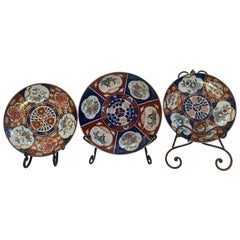
19th Century 3 Pieces Japanese Porcelain Dishes Meiji Period

19th Century 3 Pieces Japanese Porcelain Dishes Meiji Period

Located in Brea, CA

19th century 3 pieces Japanese porcelain dishes Meiji period decorated, largest 15.25'' x 2'', medium 13.25'' x 2'', smallest 12'' x 1.5''.

Category

Late 19th Century Japanese Antique Japonisme Antiquities
Materials

Porcelain

An incense box in the shape of a shell with waka inscriptions

An incense box in the shape of a shell with waka inscriptions

Located in Milano, IT

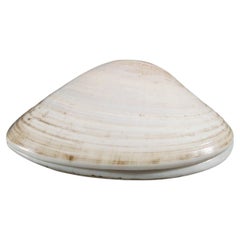
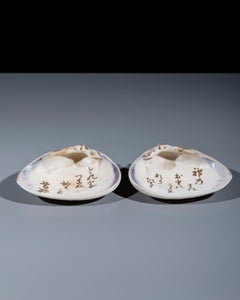
An incense box (kōgō) made from a real shell, painted in gold on the inside with waka (和歌) inscriptions, likely of poetic or romantic character. The object recalls the shells used i...

Category

Early 19th Century Japanese Antique Japonisme Antiquities
Materials

Shell

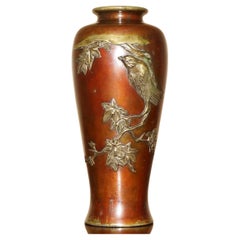
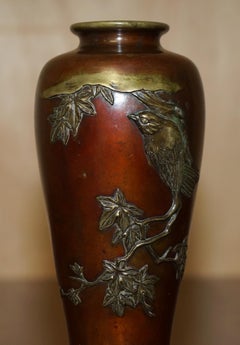
STUNNING SiGNED ANTIQUE CIRCA 1870 JAPANESE VASE DEPICTING A BIRD ON A BRANCH

STUNNING SiGNED ANTIQUE CIRCA 1870 JAPANESE VASE DEPICTING A BIRD ON A BRANCH

Located in West Sussex, Pulborough

Royal House Antiques Royal House Antiques is delighted to offer for sale this absolutely stunning circa 1870 signed to the base solid bronze Japanese bronze vase depicting a large b...

Category

1870s Japanese Antique Japonisme Antiquities
Materials

Bronze

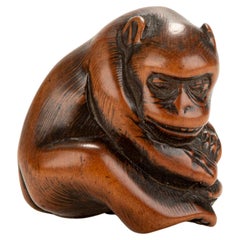
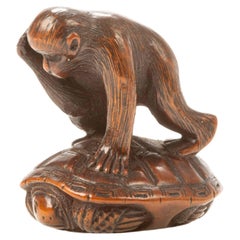
A Japanese netsuke depicting a monkey with a turtle

A Japanese netsuke depicting a monkey with a turtle

Located in Milano, IT

Boxwood netsuke depicting a seated monkey stopping a turtle with its right paw. Period: Edo 19th century Dimensions: 4 x 3.2 x 3.8 cm. Condition: Excellent condition.

Category

19th Century Japanese Antique Japonisme Antiquities
Materials

Boxwood

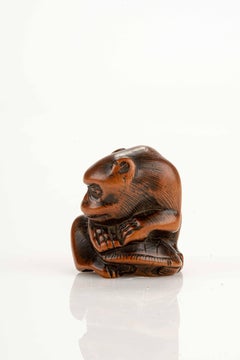
A boxwood netsuke depicting a monkey trying to catch a turtle

A boxwood netsuke depicting a monkey trying to catch a turtle

Located in Milano, IT

A boxwood netsuke depicting a monkey trying to catch a turtle, which retracts its head and legs inside the carapace. Origin: Japan Period: Edo 19th century. Dimensions: 3.4 x 3 x ...

Category

Early 19th Century Japanese Antique Japonisme Antiquities
Materials

Boxwood

Japonisme antiquities for sale on 1stDibs.
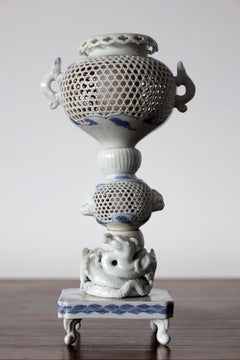
Find a broad range of unique Japonisme antiquities for sale on 1stDibs. Many of these items were first offered in the 21st Century and Contemporary, but contemporary artisans have continued to produce works inspired by this style. If you’re looking to add vintage antiquities created in this style to your space, the works available on 1stDibs include asian art and furniture, decorative objects, more furniture and collectibles and other home furnishings, frequently crafted with wood, metal and other materials. If you’re shopping for used Japonisme antiquities made in a specific country, there are Asia, East Asia, and Japan pieces for sale on 1stDibs. While there are many designers and brands associated with original antiquities, popular names associated with this style include and Ryosuke Harashima. It’s true that these talented designers have at times inspired knockoffs, but our experienced specialists have partnered with only top vetted sellers to offer authentic pieces that come with a buyer protection guarantee. Prices for antiquities differ depending upon multiple factors, including designer, materials, construction methods, condition and provenance. On 1stDibs, the price for these items starts at $350 and tops out at $12,500 while the average work can sell for $1,658.